
Transforming Pharmaceutical Supply Chains: Blockchain Innovations for Drug Safety and Traceability Case Studies

Welcome to Blockchain Trends, where we delve into the transformative potential of blockchain technology that goes far beyond the world of cryptocurrencies. In our featured article, "Transforming Pharmaceutical Supply Chains: Blockchain Innovations for Drug Safety and Traceability Case Studies," we explore how blockchain is revolutionizing the drug supply chain, ensuring greater safety and transparency. Discover the groundbreaking case studies that highlight real-world applications of this technology, and prepare to be inspired by the future of decentralized systems. Let’s embark on this enlightening journey together—your exploration of blockchain's impact starts here!
- Transforming Pharmaceutical Supply Chains: Blockchain Innovations for Drug Safety and Traceability
- The Urgent Need for Secure Pharmaceutical Supply Chains
- Blockchain Technology: A Solution for Pharmaceutical Supply Chain Vulnerabilities
- Case Studies: Blockchain Implementation in the Pharmaceutical Industry
- Key Features of Successful Blockchain Pharmaceutical Supply Chain Solutions
- Challenges and Considerations for Blockchain Adoption in Pharma
- The Future of Blockchain in Pharmaceutical Supply Chains
- Conclusion: Blockchain as a Key Enabler for a Safer and More Transparent Pharmaceutical Supply Chain
-
Frequently Asked Questions
- How can blockchain technology improve the pharmaceutical supply chain?
- What are some of the key benefits of using blockchain in the drug supply chain?
- How does blockchain address the issue of counterfeit drugs in the pharmaceutical industry?
- What is the role of decentralization in blockchain-based pharmaceutical supply chains?
- Are there any real-world examples of blockchain being used to track drugs?
- Final Reflection: Securing the Future of Medicine
- Unveil the Future: Start Securing Our Medicines!
Transforming Pharmaceutical Supply Chains: Blockchain Innovations for Drug Safety and Traceability
Enhancing Drug Safety with Blockchain: An Overview
The integrity of the pharmaceutical supply chain is paramount to public health. Every year, millions of patients worldwide are put at risk by counterfeit or substandard drugs entering the market. These illicit products not only fail to treat diseases but can also cause severe harm or even death.
The complexity of the global supply chain, involving numerous intermediaries from manufacturers and distributors to pharmacies and hospitals, creates vulnerabilities exploited by criminals. Ensuring the authenticity and safety of medicines from production to patient requires robust systems for tracking and verifying every step. This is where the potential of blockchain technology, specifically within the context of the blockchain drug supply chain, becomes a game-changer.
Blockchain offers a decentralized, immutable ledger that can record transactions and events across the supply chain in a transparent and verifiable manner. By creating a shared, single source of truth accessible to authorized parties, it becomes significantly harder to introduce fraudulent products or tamper with legitimate ones without detection.
Implementing a blockchain drug supply chain solution can provide granular visibility into the movement and condition of pharmaceuticals, ensuring that temperature-sensitive drugs maintain their efficacy and that products are not diverted or counterfeited. This foundational layer of trust and transparency is essential for building a safer pharmaceutical ecosystem and protecting patient lives.
The Urgent Need for Secure Pharmaceutical Supply Chains
Counterfeit Drugs: A Growing Global Threat
Counterfeit drugs represent a significant and escalating global health crisis. Estimates from organizations like the World Health Organization (WHO) suggest that in some areas of Africa and Asia, up to 10% of medical products are counterfeit. In more regulated markets, while the percentage might be lower, the volume and potential harm remain substantial.
The global trade in counterfeit pharmaceuticals is a multi-billion dollar enterprise, often funding organized crime. These fake medications can contain incorrect dosages, harmful ingredients, or no active pharmaceutical ingredients at all, leading to treatment failure, exacerbated illness, or death. The proliferation of online pharmacies further complicates the issue, providing easy avenues for counterfeiters to reach consumers directly.
The economic impact of counterfeit drugs is also staggering, costing the legitimate pharmaceutical industry billions annually in lost revenue and damage to brand reputation. More importantly, the erosion of trust in healthcare systems when patients receive ineffective or harmful treatments has long-lasting negative consequences.
Addressing this threat requires not just law enforcement efforts but also technological solutions that make it inherently difficult for fake products to blend into the legitimate supply chain. A robust blockchain drug supply chain implementation is increasingly viewed as a critical tool in this fight, providing the traceability needed to identify and remove counterfeit products before they reach patients.
Challenges in Traditional Pharmaceutical Traceability Systems
Traditional pharmaceutical supply chain systems often rely on fragmented, siloed databases and paper-based records. This approach creates significant challenges for effective traceability and security. Information about a drug's origin, batch number, handling history, and destination is often stored in disparate systems belonging to different entities (manufacturers, wholesalers, distributors, pharmacies), with limited interoperability.
This makes it difficult and time-consuming to track a specific product across its journey or to verify its authenticity quickly. Recalls become complex logistical nightmares, and identifying the source of a counterfeit product entering the chain is incredibly challenging due to the lack of a unified, verifiable record.
Furthermore, these traditional systems are susceptible to manual errors, data manipulation, and lack real-time visibility. A product might be scanned at one point, but its status or location might not be updated accurately or immediately in subsequent systems. This opacity provides opportunities for diversion, theft, and the introduction of fake products.
The Drug Supply Chain Security Act (DSCSA) in the United States, for instance, mandates enhanced traceability, but achieving full compliance using legacy systems is proving difficult and costly for many stakeholders. The inherent limitations of these systems highlight the urgent need for a more secure, transparent, and interconnected solution like a blockchain drug supply chain.
The Promise of Blockchain for Enhanced Security and Transparency
Blockchain technology offers a powerful alternative to these traditional, vulnerable systems. By providing a shared, distributed ledger where each transaction (e.g., product transfer, temperature reading, verification scan) is recorded and cryptographically linked to the previous one, it creates an immutable and transparent history for every drug unit or batch. Once data is recorded on the blockchain, it is extremely difficult to alter or delete without consensus from network participants, making it highly resistant to tampering and fraud. This inherent security and transparency are precisely what the pharmaceutical supply chain desperately needs.
The implementation of a blockchain drug supply chain allows all authorized parties – from the point of manufacture to the point of dispensing – to access a verifiable record of a drug's journey. This shared visibility enables rapid verification of a product's authenticity, helps identify potential points of diversion or compromise, and streamlines processes like recalls.
Smart contracts, self-executing code on the blockchain, can automate compliance checks or trigger alerts based on predefined conditions (e.g., temperature excursion detected). This combination of immutability, transparency, and automation promises a significant leap forward in securing the pharmaceutical supply chain and ensuring patient safety.
Blockchain Technology: A Solution for Pharmaceutical Supply Chain Vulnerabilities
How Blockchain Ensures Drug Authenticity and Prevents Counterfeiting
Blockchain technology tackles drug counterfeiting by establishing a verifiable digital identity for each product unit or batch and tracking its movement through the supply chain. When a drug is manufactured, unique identifiers, such as serial numbers or QR codes, are linked to its data (batch number, manufacturing date, expiration date, origin) and recorded on the blockchain as the initial transaction.
Each time the product changes hands – from manufacturer to wholesaler, wholesaler to distributor, distributor to pharmacy – that transaction is recorded as a new block on the chain, linked to the previous one. This creates a chain of custody that is transparent and immutable to all authorized participants.
At any point in the supply chain, stakeholders, including potentially patients or pharmacists, can scan the unique identifier and query the blockchain to access the complete history of the drug. They can verify its origin, check if it has followed the expected path, and confirm that its recorded history matches its physical state.
Any attempt to introduce a counterfeit product – which would not have a corresponding, verifiable history on the legitimate blockchain – would be immediately flagged as suspicious. Similarly, altering the data associated with a legitimate product on the blockchain is practically impossible without the consensus of the distributed network, making it a formidable barrier against data manipulation and thus enhancing the security of the blockchain drug supply chain.
Immutability and Transparency: Key Benefits of Blockchain in Pharma
The core principles of blockchain – immutability and transparency – are particularly beneficial for the pharmaceutical industry. Immutability means that once data is recorded on the blockchain, it cannot be retroactively changed or deleted. This ensures the integrity of the supply chain record, providing an unalterable history of every transaction and event related to a drug. For pharmaceuticals, where the accuracy of information regarding handling, storage, and chain of custody is critical for efficacy and safety, this feature is invaluable. It prevents malicious actors from altering records to conceal counterfeiting, diversion, or improper handling.
Transparency, within the context of a permissioned blockchain drug supply chain (where only authorized participants can access the data), means that relevant information is shared across the network in near real-time. All participants have access to the same version of the truth regarding a product's journey. This shared visibility fosters trust among supply chain partners and allows for rapid detection of anomalies or discrepancies.
If a product is reported missing, or if its recorded temperature history doesn't match its requirements, this shared, transparent ledger makes it easier to pinpoint where the issue occurred. This enhanced visibility is a stark contrast to traditional systems where information is often siloed and opaque.
Real-Time Tracking and Monitoring of Pharmaceutical Products
Integrating blockchain with other technologies like the Internet of Things (IoT) enables real-time tracking and monitoring of pharmaceutical products throughout their journey. IoT sensors, attached to shipping containers or individual packages, can collect crucial data such as temperature, humidity, and location. This data can then be automatically written to the blockchain ledger in real-time. For temperature-sensitive pharmaceuticals like vaccines or biologics, maintaining the cold chain is critical. Real-time monitoring via blockchain-connected sensors provides an indisputable record of temperature fluctuations.
If a temperature excursion occurs that could compromise a product's integrity, the blockchain can immediately record this event. Smart contracts can be triggered to alert relevant parties, such as distributors or pharmacists, allowing them to quarantine potentially compromised products before they reach patients. This level of real-time visibility and automated response is impossible with traditional batch-based tracking systems or manual checks. The ability to track conditions and location in real-time on an immutable ledger significantly enhances the safety and reliability of the blockchain drug supply chain, ensuring that patients receive products that have been stored and transported correctly.
Case Studies: Blockchain Implementation in the Pharmaceutical Industry
Case Study 1: Merck - Implementing Blockchain for Enhanced Traceability of Vaccines
Problem: Ensuring Vaccine Integrity and Preventing Temperature Excursions During Distribution
Vaccines are highly sensitive biological products that require strict temperature control throughout their distribution, often referred to as the "cold chain." Maintaining the required temperature range (typically 2-8°C) from the manufacturing site to the point of administration is critical for preserving vaccine efficacy.
Traditional monitoring methods often involved manual temperature logs or data loggers that were checked periodically, making it difficult to identify exactly when and where a temperature excursion occurred and creating potential gaps in the cold chain record. Merck, a major vaccine manufacturer, faced the challenge of ensuring the integrity of its vaccine supply chain and having an undeniable record of cold chain compliance to guarantee product quality and patient safety.
Solution: Blockchain-Based System Tracking Temperature and Location Data
Merck collaborated on pilot projects leveraging blockchain technology combined with IoT sensors. Small, affordable sensors were placed with vaccine shipments to continuously monitor temperature and location. This data was transmitted wirelessly and recorded directly onto a blockchain ledger. The system created an immutable, time-stamped record of the environmental conditions and movement of each vaccine shipment. This allowed Merck and its distribution partners to have unprecedented visibility into the cold chain status in near real-time and provided a permanent, verifiable history accessible to authorized participants across the supply chain.
Results: Enhanced Vaccine Efficacy, Reduced Waste, and Improved Cold Chain Management
The implementation of this blockchain-based tracking system yielded significant positive outcomes. By having immediate and verifiable data on temperature excursions, Merck and its partners could quickly identify compromised shipments and prevent them from reaching patients, thus ensuring that only effective vaccines were administered. This proactive approach helped reduce waste associated with spoiled vaccines and improved overall cold chain management practices.
The immutable blockchain record also provided a strong basis for compliance reporting and demonstrated due diligence in maintaining product integrity, bolstering confidence in the vaccine supply chain. This case highlights the power of a blockchain drug supply chain solution in protecting sensitive products.
Case Study 2: Chronicled - Using Blockchain to Combat Drug Diversion and Theft of Opioids
Problem: Opioid Diversion and Counterfeiting Leading to Public Health Crisis
The opioid crisis in the United States has underscored the critical need to prevent the diversion and theft of controlled substances. Opioids manufactured for legitimate medical use are frequently diverted from the legal supply chain, contributing to addiction and illicit markets. Furthermore, counterfeit opioids, often containing deadly substances like fentanyl, pose an extreme risk to public health.
Traditional tracking methods were insufficient to provide the granular visibility and security needed to monitor these high-risk medications effectively and prevent them from falling into the wrong hands or being replaced by fakes. Chronicled focused on developing a blockchain solution specifically addressing these vulnerabilities for controlled substances.
Solution: Blockchain-Enabled Supply Chain Monitoring and Verification
Chronicled developed the MediLedger Network (later spun out, see Case Study 3), a blockchain-based platform for pharmaceutical supply chain participants. For combating opioid diversion, the platform enabled manufacturers, distributors, and pharmacies to serialize opioid packages and record transactions on the blockchain. This created a secure, shared ledger tracking the movement of each serialized unit. The system allowed for verification requests between trading partners, ensuring that the product being received matched the record on the blockchain and had not been reported as stolen or diverted. Smart contracts could automate verification processes and flag suspicious activities or discrepancies in real-time.
Results: Reduced Opioid Diversion, Improved Inventory Accuracy, and Enhanced Patient Safety
By implementing this blockchain-enabled monitoring and verification system, companies using the Chronicled platform saw improvements in controlling the flow of opioids. The ability to track individual serialized units on an immutable ledger made it significantly harder for products to be diverted without detection. Verification processes built on the blockchain improved inventory accuracy across the supply chain and provided a robust mechanism to detect potential counterfeits or stolen goods.
Ultimately, by making the legitimate opioid supply chain more secure and transparent, the solution contributed to reducing the availability of diverted medications and enhancing patient safety by ensuring the authenticity of dispensed drugs. This demonstrates a critical application of the blockchain drug supply chain in addressing a major public health challenge.
Problem: Lack of Interoperability and Data Silos Impeding DSCSA Compliance
The U.S. Drug Supply Chain Security Act (DSCSA) requires pharmaceutical trading partners to implement an electronic, interoperable system to identify and trace certain prescription drugs by November 2023. A major challenge for the industry was the lack of interoperability between the disparate systems used by manufacturers, wholesalers, dispensers, and other parties. Each company often had its own database and tracking methods, creating data silos that hindered the seamless exchange of information required for verification and tracing under DSCSA. Building point-to-point integrations between every trading partner was prohibitively complex and expensive, impeding industry-wide compliance.
Solution: Development of a Collaborative Blockchain Network for Verification and Traceability
Building upon pilot work, major pharmaceutical companies and industry stakeholders collaborated to develop the MediLedger Network, a permissioned blockchain network designed specifically for the pharmaceutical industry. The network provides a shared, neutral platform for trading partners to conduct mandated DSCSA verification requests and potentially exchange other supply chain data in a secure and standardized way.
Instead of building numerous direct connections, participants connect to the single MediLedger Network, which uses blockchain to record verification requests and responses immutably and transparently among the authorized parties involved in a transaction. This creates a trust layer without requiring companies to share sensitive proprietary data directly with competitors.
Results: Streamlined Verification Processes, Reduced Costs, and Improved Supply Chain Security
The MediLedger Network has become a key enabler for DSCSA compliance, particularly for the verification requirements. By providing a common, interoperable platform built on blockchain principles, it has significantly streamlined the process for wholesalers and dispensers to verify product identifiers with manufacturers. This collaborative approach reduces the need for complex bilateral integrations, lowering costs across the industry.
The immutable nature of the blockchain record within the network also enhances the security and trustworthiness of the verification process, making it harder for counterfeit products to pass through the system. This case exemplifies how a collaborative blockchain drug supply chain can solve industry-wide interoperability challenges and meet regulatory mandates.
Key Features of Successful Blockchain Pharmaceutical Supply Chain Solutions
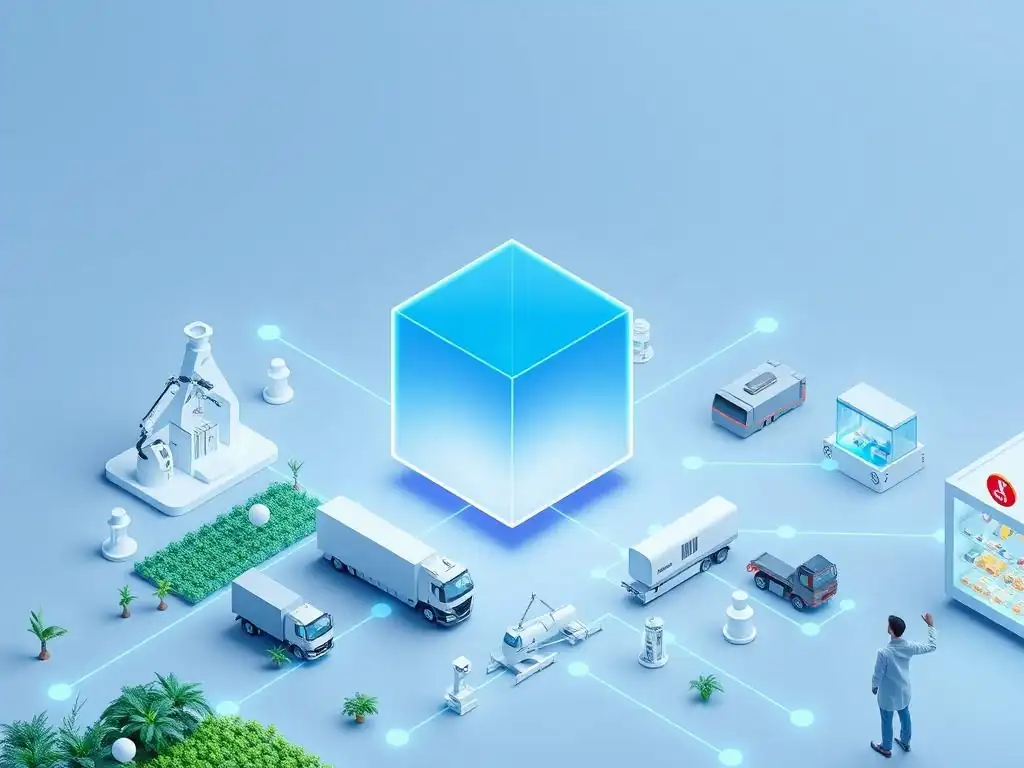
Successful implementation of blockchain in the pharmaceutical supply chain requires solutions that incorporate several critical features to address the unique demands of the industry. These features ensure the system is not only technologically sound but also practical, compliant, and capable of delivering real value in enhancing drug safety and traceability. Without these foundational elements, a blockchain initiative, no matter how promising, is likely to face significant hurdles in achieving widespread adoption and effectiveness within the complex pharmaceutical ecosystem.
Secure Data Storage and Management
While blockchain is inherently secure due to its cryptographic nature, sensitive pharmaceutical data requires careful handling. A successful blockchain drug supply chain solution must ensure that data stored on or linked to the blockchain is managed securely. This often involves storing sensitive data off-chain in secure, encrypted databases, with only cryptographic hashes or pointers recorded on the public or permissioned ledger.
Access controls must be stringent, ensuring that only authorized parties can view relevant information based on their role in the supply chain. Compliance with data privacy regulations like GDPR and HIPAA is paramount, meaning solutions must be designed with privacy by design, potentially using techniques like zero-knowledge proofs to verify information without revealing the underlying data.
Interoperability with Existing Systems
The pharmaceutical industry relies on a vast network of legacy systems, including Enterprise Resource Planning (ERP), Warehouse Management Systems (WMS), and existing serialization databases. A practical blockchain drug supply chain solution cannot exist in isolation; it must be able to seamlessly integrate with these existing systems.
This requires robust APIs and middleware that can translate data between the blockchain network and traditional databases. Achieving interoperability is crucial for minimizing disruption during adoption, reducing the burden on companies to overhaul their entire IT infrastructure, and ensuring that data flows smoothly across the hybrid digital landscape that will likely characterize the pharmaceutical supply chain for the foreseeable future.
Compliance with Regulatory Requirements (e.g., DSCSA)
Any blockchain solution for the pharmaceutical supply chain must be designed with strict adherence to relevant regulatory requirements. In the U.S., the Drug Supply Chain Security Act (DSCSA) provides a clear mandate for traceability and verification. Solutions must support the requirements for serialization, transaction information (TI), transaction history (TH), and transaction statements (TS), as well as the ability to respond to verification requests and provide tracing information during investigations.
Similarly, solutions must consider regulations in other jurisdictions, such as the EU's Falsified Medicines Directive (FMD). Building compliance into the core architecture of the blockchain drug supply chain solution is non-negotiable for industry adoption.
Scalability and Performance
The pharmaceutical supply chain handles billions of units of product annually. A blockchain solution must be capable of handling this immense volume of transactions and data without compromising performance. Public blockchains like Bitcoin or Ethereum in their original forms may not offer the transaction speed or throughput required for real-time tracking of millions of packages.
Therefore, successful pharmaceutical blockchain solutions often utilize permissioned or enterprise-grade blockchain platforms designed for higher transaction volumes and lower latency. Scalability must be considered from the outset, ensuring the network can grow as more participants join and transaction volume increases, maintaining efficiency and reliability for the entire blockchain drug supply chain.
Challenges and Considerations for Blockchain Adoption in Pharma
Despite the significant promise of blockchain technology for enhancing pharmaceutical supply chain security and transparency, its widespread adoption faces several considerable challenges. These hurdles span regulatory, technical, and economic domains and require careful planning and collaboration among stakeholders to overcome. Addressing these challenges is essential for moving blockchain solutions from pilot programs to standard industry practice within the blockchain drug supply chain.
Regulatory Hurdles and Compliance
While regulations like DSCSA are driving the need for enhanced traceability, they don't explicitly mandate blockchain. Furthermore, regulatory bodies worldwide are still developing their understanding and stance on blockchain technology. There is a need for clear guidance from regulators on how blockchain solutions fit within existing frameworks and what specific requirements they must meet.
Ensuring that a blockchain system's data and processes are accepted as valid and compliant by authorities requires close collaboration between technology providers, pharmaceutical companies, and regulatory agencies. The evolving nature of both technology and regulation presents a moving target that implementers must continuously monitor and adapt to.
Data Privacy and Security Concerns
While blockchain offers immutability, the transparency aspect raises significant data privacy concerns for pharmaceutical companies. Information about transaction volumes, trading partners, and supply chain routes can be commercially sensitive. While permissioned blockchains limit access to authorized participants, the design must carefully consider which data is stored on-chain versus off-chain and how access controls are managed.
Protecting sensitive patient data, if it were ever to interface with the supply chain ledger, adds another layer of complexity, requiring strict adherence to regulations like HIPAA. Ensuring robust cybersecurity measures around the blockchain infrastructure itself and integrated systems is also paramount, as any breach could have severe consequences.
Technical Complexity and Integration Challenges
Implementing a blockchain solution is technically complex. It requires specialized expertise to design, develop, and maintain the network. Integrating blockchain with diverse legacy systems across multiple companies presents significant technical challenges, including data mapping, API development, and ensuring seamless data flow. The lack of standardized protocols across different blockchain platforms and existing systems can complicate integration efforts. Furthermore, managing digital identities and access permissions for numerous participants in a permissioned network requires robust governance and technical infrastructure. Overcoming these technical hurdles demands significant investment in skilled personnel and integration technologies.
Cost of Implementation and Maintenance
Implementing a blockchain drug supply chain solution involves substantial upfront costs, including platform development or licensing, integration with existing systems, hardware (e.g., IoT sensors), and personnel training. While the technology promises long-term cost savings through increased efficiency and reduced losses from counterfeiting or waste, the initial investment can be a barrier, particularly for smaller companies. Ongoing maintenance of the blockchain network, including managing updates, ensuring security, and supporting participants, also incurs costs. Demonstrating a clear return on investment (ROI) and establishing sustainable funding models are crucial for driving broader adoption across the pharmaceutical industry.
The Future of Blockchain in Pharmaceutical Supply Chains
The application of blockchain technology in the pharmaceutical sector is poised to expand significantly beyond its initial focus on drug traceability and anti-counterfeiting. As the technology matures and industry comfort levels increase, blockchain is likely to play a more integrated role in various aspects of the pharmaceutical lifecycle, creating a more connected, efficient, and patient-centric ecosystem. This evolution will likely involve integration with other cutting-edge technologies and unlock new possibilities for improving health outcomes.
Potential Applications Beyond Traceability (e.g., Clinical Trials, Patient Data Management)
Beyond tracking drugs, blockchain holds immense potential for transforming other areas of the pharmaceutical industry. In clinical trials, blockchain could provide an immutable ledger for recording trial data, ensuring data integrity and transparency, and potentially streamlining the audit process. It could also help manage patient consent securely.
For patient data management, blockchain could empower patients with greater control over their health records, allowing them to selectively share data with healthcare providers or researchers in a secure and verifiable manner. Managing drug prescriptions and dispensing records on a blockchain could further enhance safety and track adherence. These applications leverage the core strengths of blockchain – security, immutability, and transparency – in new contexts within the pharmaceutical value chain.
Integration with Other Technologies (e.g., IoT, AI)
The future of the blockchain drug supply chain will increasingly involve seamless integration with other advanced technologies. As seen in the Merck case study, IoT sensors provide the real-world data (temperature, location) that populates the blockchain ledger, enabling real-time monitoring. Artificial Intelligence (AI) can analyze the vast amounts of data collected on the blockchain to identify patterns indicative of fraudulent activity, predict potential supply chain disruptions, or optimize logistics.
For instance, AI could analyze blockchain transaction histories to flag suspicious orders or shipping routes that deviate from norms. Combining these technologies creates powerful, intelligent systems capable of proactive risk management and optimization within the pharmaceutical supply chain.
The Role of Blockchain in Building a More Secure and Patient-Centric Pharmaceutical Ecosystem
Ultimately, the future vision for blockchain in pharmaceuticals is about creating a more secure, transparent, and patient-centric ecosystem. By providing an undeniable record of a drug's journey and condition, blockchain builds trust among all stakeholders – manufacturers, distributors, pharmacists, and patients. This enhanced trust and transparency directly contributes to patient safety by minimizing the risk of receiving counterfeit or compromised medications.
Furthermore, by potentially enabling patients to verify their medications and empowering them with control over their data, blockchain can shift the focus towards a healthcare model where the patient is at the center, better informed and protected. The blockchain drug supply chain is not just a logistical tool; it's a foundation for a safer future for global health.
Conclusion: Blockchain as a Key Enabler for a Safer and More Transparent Pharmaceutical Supply Chain
Summarizing the benefits of blockchain in the drug supply chain
The implementation of blockchain technology within the pharmaceutical supply chain offers transformative benefits that directly address critical vulnerabilities. As explored, blockchain provides an immutable, transparent, and secure ledger for tracking drugs from manufacturing to dispensing. This inherent security makes it a powerful weapon against the pervasive threat of counterfeit drugs and diversion, enhancing patient safety.
The ability to record and verify every transaction and condition change in real-time improves traceability, streamlines recalls, and ensures product integrity, particularly for sensitive medications requiring strict cold chain management. Case studies from companies like Merck, Chronicled, and initiatives like MediLedger demonstrate tangible successes in leveraging blockchain for enhanced traceability, fighting diversion, and improving industry-wide interoperability for regulatory compliance.
Call to action: Encouraging further exploration and adoption of blockchain solutions in the pharmaceutical industry.
The evidence suggests that blockchain is not merely a nascent technology for the pharmaceutical sector but a vital tool poised to become a standard component of future supply chain operations. While challenges related to regulation, integration, and cost remain, the benefits in terms of security, transparency, and patient safety are compelling. Pharmaceutical companies, supply chain partners, and regulatory bodies are encouraged to continue exploring, piloting, and adopting blockchain solutions.
Investing in the necessary infrastructure, fostering collaboration across the ecosystem, and working with regulators will be crucial steps. By embracing the blockchain drug supply chain, the industry can build a more resilient, trustworthy, and ultimately safer system for delivering life-saving medications to patients worldwide. The time for widespread adoption is now.
Frequently Asked Questions
How can blockchain technology improve the pharmaceutical supply chain?
Blockchain offers enhanced traceability and transparency, making it easier to track drugs from manufacturer to consumer. This helps combat counterfeit drugs and ensures product integrity.
What are some of the key benefits of using blockchain in the drug supply chain?
The key benefits include improved drug safety, reduced counterfeiting, and increased efficiency in tracking and tracing. This ultimately leads to greater consumer trust.
How does blockchain address the issue of counterfeit drugs in the pharmaceutical industry?
Blockchain's immutable ledger creates a secure record of each drug's journey, making it difficult to introduce counterfeit products into the supply chain. Verification at each step is crucial.
What is the role of decentralization in blockchain-based pharmaceutical supply chains?
Decentralization distributes the data across multiple nodes, preventing a single point of failure and making the system more resilient to tampering. This fosters greater trust among participants.
Are there any real-world examples of blockchain being used to track drugs?
Yes, there are several pilot programs and implementations where blockchain is used to track pharmaceuticals. These examples demonstrate the feasibility and effectiveness of blockchain in ensuring drug authenticity and safety.
Final Reflection: Securing the Future of Medicine
The journey through the landscape of blockchain's transformative potential in pharmaceutical supply chains reveals a crucial truth: drug safety and traceability are no longer aspirational goals, but achievable realities. The case studies explored demonstrate the tangible benefits of this technology, from combating counterfeit drugs to ensuring the integrity of temperature-sensitive medications. This isn't just about efficiency; it's about safeguarding lives and building trust in a system that impacts us all.
The implementation of blockchain in this sector has profoundly influenced, and continues to influence, the cultural and social perception of pharmaceutical companies. It represents a shift towards greater transparency and accountability, fostering a sense of security in a world often plagued by uncertainty. The future of healthcare is interconnected, transparent, and patient-centric. Blockchain is the key to unlocking that future.
This quote encapsulates the essence of the ongoing revolution, highlighting the potential to empower patients and rebuild confidence in the pharmaceutical industry.
Now, as you reflect on the possibilities presented by blockchain in securing the drug supply chain, consider your own role in advocating for these advancements. How can you, as a consumer, a healthcare professional, or a policymaker, contribute to the adoption of this technology? Let us all embrace the power of transparency and collaboration to build a healthier, safer future for generations to come.
Unveil the Future: Start Securing Our Medicines!
Thanks for exploring the groundbreaking potential of blockchain in transforming pharmaceutical supply chains! You've now seen how this technology is revolutionizing drug safety and traceability, protecting patients worldwide. Ready to put these insights into action?
Here's how you can get involved:
- Dive Deeper: Suggest one improvement for traceability systems based on what you've learned. Share your idea in the comments below!
- Explore how the use of blockchain could impact patient outcomes in your region.
- Share this article with a colleague or friend interested in supply chain innovation and drug safety.
What specific blockchain application, if implemented tomorrow, would have the biggest positive impact on your local community's access to safe medications? Share your thoughts below!
Leave a Reply