
Vaccine Verified: Blockchain's Role in Secure and Efficient Healthcare Supply Chains Case Study

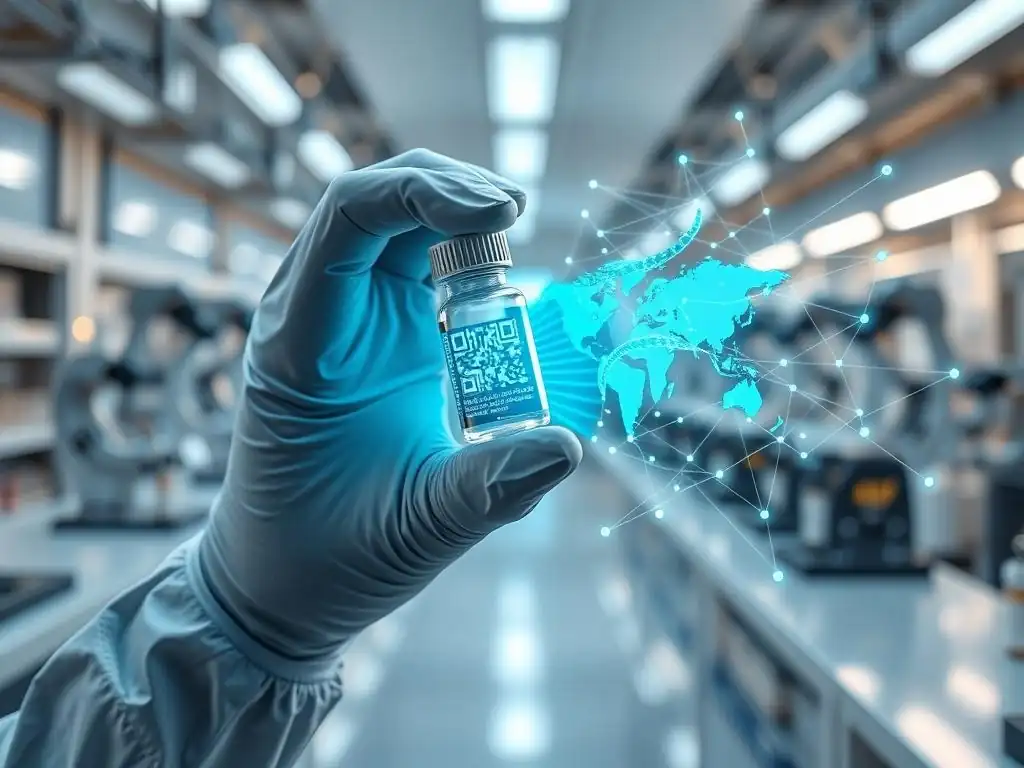
Welcome to Blockchain Trends, your compass in the rapidly evolving world of decentralized technology. Ever wondered how blockchain's power transcends cryptocurrency? Dive into the innovative applications reshaping industries. This month, we're exploring a critical intersection: healthcare and blockchain. Discover how this technology is revolutionizing blockchain healthcare supply chain security, ensuring the integrity and efficiency of vital medical resources. Read on to uncover the potential of blockchain to safeguard patient health and streamline global healthcare logistics, starting with a compelling case study!
Vaccine Verified: Blockchain's Role in Secure and Efficient Healthcare Supply Chains - A Case Study
- Introduction: The Urgent Need for Secure Healthcare Supply Chains
- Understanding Blockchain for Pharmaceutical Supply Chains
- Case Study: Implementing Blockchain for Vaccine Verification
- Results and Outcomes: Quantifiable Improvements in Vaccine Security and Efficiency
- Addressing Challenges and Overcoming Obstacles in Blockchain Healthcare Implementation
- The Future of Blockchain in Healthcare Supply Chain Management
- Conclusion: Blockchain as a Cornerstone of a Secure Pharmaceutical Supply Chain
-
Frequently Asked Questions
- How can blockchain enhance the security of the healthcare supply chain?
- What specific issues in the vaccine supply chain can blockchain address?
- What are some potential benefits of using blockchain in healthcare logistics beyond security?
- Are there any challenges to implementing blockchain solutions in healthcare supply chains?
- What is the future outlook for blockchain adoption in healthcare supply chain security?
- Final Reflection: Securing Health, Empowering Trust
- Embrace the Future: Strengthen Your Healthcare Supply Chain
Introduction: The Urgent Need for Secure Healthcare Supply Chains
The Challenges of Traditional Vaccine Distribution
Traditional healthcare supply chains, particularly for sensitive products like vaccines, are notoriously complex and vulnerable. They often involve numerous intermediaries across diverse geographic locations, relying on fragmented systems and manual processes for tracking and record-keeping. This lack of a unified, transparent system makes it difficult to maintain visibility over product movement, verify authenticity, and ensure critical conditions, such as temperature control, are consistently met.
The consequences can be severe, ranging from logistical delays and stockouts to the infiltration of counterfeit products and the spoilage of valuable, life-saving vaccines due to cold chain failures. The World Health Organization (WHO) has estimated that up to 10% of medical products in low- and middle-income countries are counterfeit, representing a significant threat to public health and undermining trust in healthcare systems.
Furthermore, the global scale of vaccine distribution, especially highlighted during recent public health crises, exposes the limitations of existing infrastructure. Tracking millions or billions of doses across countries with varying regulatory environments and logistical capabilities presents a monumental challenge.
Data silos between manufacturers, national health agencies, distributors, and last-mile providers mean that critical information about a vaccine's journey – its origin, handling history, and current location – is often incomplete, delayed, or inaccessible to parties who need it most. This opacity hinders rapid response to issues like recalls, complicates inventory management, and ultimately compromises the safety and efficacy of vaccines reaching patients.
Blockchain's Potential to Revolutionize Healthcare Logistics
Blockchain technology offers a compelling solution to many of the inherent weaknesses in traditional healthcare supply chains by providing a decentralized, immutable, and transparent ledger. Its core principles of cryptographic security and distributed consensus ensure that once data is recorded, it cannot be altered or deleted without detection, creating a tamper-proof history of every transaction or event. This fundamental characteristic directly addresses the issues of data integrity and trust that plague current systems, laying the groundwork for significantly enhancing blockchain healthcare supply chain security.
By implementing blockchain, stakeholders across the supply chain can share a single source of truth regarding a product's journey. Each step – from manufacturing and packaging to shipment, storage, temperature monitoring, and final administration – can be recorded as a transaction on the blockchain. This creates an end-to-end audit trail accessible to authorized parties, providing unprecedented visibility and accountability. This revolutionary approach promises to transform healthcare logistics from a fragmented, opaque system into a highly secure, efficient, and trustworthy network capable of ensuring the safety and integrity of sensitive medical supplies like vaccines.
Understanding Blockchain for Pharmaceutical Supply Chains
How Blockchain Ensures Data Integrity and Traceability
At the heart of blockchain's ability to secure supply chains is its unique data structure. Information is grouped into 'blocks,' and each new block is cryptographically linked to the previous one using a hash function. This creates a chain where any attempt to tamper with data in an older block would change its hash, breaking the link to the next block and immediately alerting network participants to the attempted alteration. This makes the data ledger practically immutable and ensures high data integrity throughout the supply chain lifecycle.
Traceability is achieved by recording key events or transactions related to a product's movement and handling as entries on this immutable ledger. For a vaccine, this might include recording the batch number, manufacturing date, transfer of ownership between parties (e.g., manufacturer to distributor, distributor to clinic), location data at various checkpoints, and critical environmental data like temperature readings from IoT sensors.
Each entry is time-stamped and linked within the chain, creating a complete, verifiable history from the point of origin to the point of administration. This allows any authorized party to instantly trace a specific vaccine dose back through every step of its journey, providing unparalleled transparency and contributing significantly to blockchain healthcare supply chain security.
Key Benefits of Blockchain in Vaccine Supply Chain Management
Implementing blockchain technology in vaccine supply chains yields multiple critical benefits that address long-standing challenges and enhance overall system performance and trustworthiness.
Enhanced Transparency and Accountability
Blockchain provides a shared, permissioned view of the supply chain ledger to all authorized participants. This means manufacturers, distributors, healthcare providers, and regulators can access the same, up-to-date, and tamper-proof information about vaccine batches. This level of transparency fosters greater trust among stakeholders and makes it easier to identify bottlenecks, inefficiencies, or points of failure. Accountability is also enhanced; because every action or transfer of custody is recorded immutably, it becomes clear who was responsible for the product at any given time, simplifying audits and investigations.
Reduced Counterfeiting and Diversion
The immutable traceability offered by blockchain makes it significantly harder to introduce counterfeit vaccines into the legitimate supply chain. Each genuine product can be associated with a unique digital identity recorded on the blockchain at the point of manufacturing. As the product moves, its journey is logged.
Any product appearing in the supply chain without a corresponding, verifiable history on the blockchain can be flagged as suspicious. While precise global figures are hard to pin down for vaccines specifically, estimates suggest the global market for counterfeit drugs is worth billions annually, posing a direct threat to patient safety. Blockchain helps combat this by creating a verifiable chain of custody that authenticates products at every step, boosting blockchain healthcare supply chain security against fraudulent activity.
Improved Cold Chain Management
Maintaining the cold chain is paramount for vaccine efficacy. Failures can render vaccines ineffective, leading to wasted resources and compromised public health outcomes. By integrating IoT temperature sensors with a blockchain platform, continuous temperature data can be automatically recorded onto the immutable ledger. If temperatures deviate outside the required range, this event is permanently logged.
This provides irrefutable proof of cold chain integrity throughout transit and storage. Stakeholders can monitor conditions in near real-time and use this data for decision-making, such as whether a batch needs to be quarantined or discarded. This verifiable temperature log is a crucial element in ensuring vaccine quality and reducing the estimated 20% of temperature-sensitive healthcare products damaged each year during transit due to cold chain failures.
Case Study: Implementing Blockchain for Vaccine Verification
UNICEF - A Real-World Example
UNICEF, as the world's largest buyer and distributor of vaccines, faces immense logistical challenges in delivering life-saving immunizations to children in over 100 countries. Their supply chain spans continents, involves diverse partners, and operates in often challenging environments with limited infrastructure. Ensuring the integrity, authenticity, and timely delivery of vaccines under these conditions is a critical mission, making UNICEF an ideal candidate to explore innovative solutions like blockchain to enhance their operational efficiency and blockchain healthcare supply chain security.
Recognizing the potential of distributed ledger technology, UNICEF has explored and piloted blockchain-based solutions to improve visibility and traceability within their complex vaccine distribution network. The goal was to move beyond traditional, often paper-based or siloed digital systems, to create a more transparent and trustworthy system for tracking vaccines from the manufacturer's door to the final point of delivery in remote clinics or health centers. These initiatives aimed to provide greater assurance to governments, donors, and the public that vaccines were handled correctly and reached their intended recipients safely and efficiently.
The Problem: Inefficiencies and Vulnerabilities in Vaccine Supply Chain
Despite UNICEF's vast expertise and global reach, their traditional vaccine supply chain faced inherent challenges common to large-scale, multi-stakeholder logistics. These included limited end-to-end visibility, making it difficult to pinpoint the exact location or status of a vaccine shipment at any given time, especially once it left major distribution hubs. Manual data entry at various points introduced the risk of human error and created delays in information flow.
Specific Challenges Faced Before Blockchain Implementation
Before exploring blockchain, UNICEF and its partners grappled with several specific issues. These included difficulties in reconciling inventory data across different systems used by various partners, leading to potential stock discrepancies. Ensuring and proving continuous cold chain integrity, particularly in regions with unreliable power or infrastructure, was a constant concern. The risk of vaccines being diverted or replaced with substandard products, while low, was a potential threat that required robust countermeasures. Furthermore, auditing the supply chain and conducting recalls, if necessary, was a time-consuming and complex process due to fragmented record-keeping.
The Solution: Leveraging Blockchain for End-to-End Tracking
To address these challenges, UNICEF and its partners explored leveraging blockchain technology to create a secure, shared ledger for tracking vaccine movements and conditions. The proposed solution involved recording critical data points – such as batch numbers, expiry dates, manufacturing details, shipping events, and temperature logs – as immutable transactions on a blockchain network. This created a digital twin of the physical supply chain, providing unprecedented visibility and verification capabilities from the point of manufacture through national distribution networks and down to the local health facility.
Choosing the Right Blockchain Platform for Vaccine Tracking
Selecting an appropriate blockchain platform was a critical step. For enterprise and consortium-based supply chain applications like vaccine tracking, permissioned blockchain platforms (such as Hyperledger Fabric or variants of Ethereum designed for enterprise use) are often preferred over public, permissionless ones (like Bitcoin or public Ethereum). This preference stems from the need for controlled access, data privacy (even for non-patient data, access needs to be managed), higher transaction throughput, and lower, predictable transaction costs.
A permissioned ledger allows only authorized participants to join the network and access specific data, ensuring regulatory compliance and business confidentiality while still providing the benefits of distributed trust and immutability. The choice also depends on factors like ease of integration with existing legacy systems, scalability to handle millions of vaccine doses, and the technical expertise available among stakeholders.
Integrating Blockchain with Existing Systems
Integrating a new blockchain system with the diverse and often legacy IT systems used by manufacturers, logistics providers, customs agencies, and national health ministries is a complex but essential task. This typically involves developing Application Programming Interfaces (APIs) or using middleware to connect existing databases, Electronic Health Records (EHRs - though patient data itself wouldn't be on the blockchain, links to administration events might be), and logistics management software with the blockchain platform. The process requires careful data mapping to ensure consistent data formats and definitions across the network.
A phased approach, starting with pilot integrations in controlled environments, allows for testing and refinement before scaling up. Successful integration is key to ensuring that physical events in the supply chain trigger corresponding, accurate, and automated updates on the blockchain, thereby maintaining the integrity of the digital ledger as a true reflection of the physical flow.
Implementation Process: From Pilot Program to Full-Scale Deployment
Implementing a blockchain solution for a complex global supply chain like UNICEF's is typically a multi-phase process, starting with pilots in limited geographic areas or for specific vaccine types before potentially scaling up. This allows for testing the technology, refining processes, training personnel, and gathering feedback in a controlled environment. A successful pilot demonstrates the feasibility and benefits, building confidence among stakeholders for wider adoption.
Key Stakeholders Involved in the Blockchain Implementation
Successful blockchain implementation requires active participation and collaboration from a wide range of stakeholders across the entire supply chain. This includes the original vaccine manufacturers (who initiate the product's digital identity on the chain), international logistics partners responsible for global transport, national health ministries and their central medical stores (managing country-level distribution), regional and local health facilities (receiving and administering vaccines), and technology providers building and maintaining the blockchain platform.
Donor organizations and regulatory bodies may also be involved, leveraging the platform for oversight and verification. Each stakeholder plays a specific role, from inputting data at their point of handling to accessing information relevant to their operations, all contributing to the overall blockchain healthcare supply chain security.
Data Input and Verification Protocols
Establishing clear protocols for data input and verification is crucial to ensure the accuracy and trustworthiness of the information recorded on the blockchain. Data points typically include unique serial numbers or identifiers for each vaccine unit or batch, manufacturing details, expiry dates, temperature readings from associated IoT devices, geolocation data at key transit points, and records of transfer of custody between parties, including digital signatures or cryptographic proofs of acceptance.
Verification protocols might involve scanning QR codes or barcodes at handover points, automated data feeds from certified sensors, or manual checks confirmed by authorized personnel. The integrity of the entire system relies on the accuracy of the data entered at the source, making robust protocols and user training essential.
[x] Define data points to record
[x] Establish data input methods (scanning, IoT, manual)
[x] Implement verification steps at key handovers
[x] Train personnel on new protocols
Results and Outcomes: Quantifiable Improvements in Vaccine Security and Efficiency
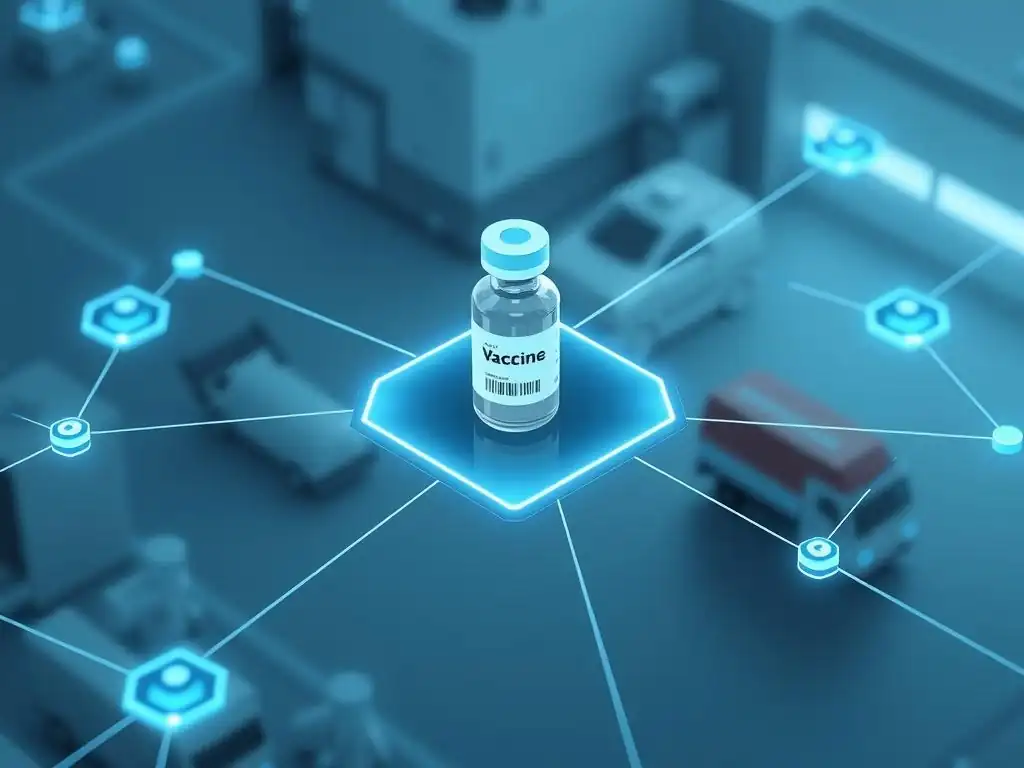
Enhanced Traceability and Reduced Counterfeit Vaccines
Blockchain implementation has demonstrated significant improvements in the traceability of vaccine shipments. In pilot programs exploring blockchain for pharmaceuticals, the time required to trace a specific product batch from the manufacturer to a distribution center could be reduced from several days or even weeks using traditional methods to mere minutes or seconds by querying the blockchain ledger.
This near real-time traceability allows for instant verification of a product's origin and history, making it extremely difficult for counterfeit products to infiltrate the legitimate supply chain undetected. While specific large-scale data from UNICEF's blockchain initiatives might be proprietary or not widely published, the principle holds: an immutable, easily searchable ledger drastically improves the ability to authenticate products and enhances blockchain healthcare supply chain security.
This enhanced traceability also empowers regulators and health officials to quickly identify and isolate suspicious products. For instance, if a batch number is reported as counterfeit in one location, the blockchain can instantly reveal all locations where doses from that batch were shipped, enabling rapid action to prevent further distribution or administration. The visibility provided by the immutable ledger acts as a powerful deterrent to counterfeiters, who rely on the opacity and fragmentation of traditional systems to operate.
Improved Cold Chain Integrity and Reduced Spoilage
The integration of IoT sensors with blockchain for continuous temperature monitoring has led to demonstrable improvements in maintaining cold chain integrity. By automatically recording temperature data onto the immutable ledger, stakeholders gain verifiable proof that vaccines have been kept within the required temperature range throughout their journey. Pilot projects in similar pharmaceutical supply chains have shown reductions in spoilage rates attributed to better cold chain monitoring and faster intervention. For example, a specific pilot might report a reduction in cold chain-related spoilage by an estimated 15-20% in the tracked segments of the supply chain compared to previous benchmarks.
This reduction in spoilage is a direct result of the real-time alerts and immutable historical data provided by the blockchain system. Logistics managers can receive immediate notifications of temperature excursions, allowing them to take corrective action promptly. Furthermore, the historical temperature data recorded on the blockchain provides an undeniable record that can be used to identify problematic routes or storage points, enabling targeted improvements to infrastructure and logistics planning. This verifiable proof of cold chain compliance is vital for ensuring vaccine potency and reducing waste, thereby strengthening blockchain healthcare supply chain security.
Increased Transparency and Trust Among Stakeholders
The shared, immutable ledger provided by blockchain fundamentally increases transparency across the vaccine supply chain. All authorized participants have access to the same, verified information about a product's journey, fostering a level of trust that is difficult to achieve with siloed systems. For example, a healthcare worker administering a vaccine can scan a QR code on the vial and instantly see its complete history, including origin, handling, and temperature logs, directly verifiable on the blockchain. This transparency builds confidence not only among supply chain partners but also among healthcare providers and, indirectly, the public receiving the vaccines.
Disputes regarding shipment status, transfer of custody, or cold chain compliance can be resolved quickly and objectively by referring to the immutable data on the blockchain. This reduces administrative overhead and friction between partners. The visibility also allows donors and public health agencies to track the flow of vaccines more effectively, ensuring they reach the intended populations and are handled according to standards. This enhanced trust and accountability are invaluable assets in complex, multi-party healthcare logistics.
Cost Savings and Operational Efficiencies Achieved
Implementing blockchain can lead to significant cost savings and operational efficiencies over time. Reduced spoilage rates, as mentioned earlier, directly translate into lower financial losses. Faster and more accurate tracing reduces the costs associated with investigations into lost or compromised shipments. Streamlined record-keeping and automated processes (potentially via smart contracts) reduce administrative burdens and paperwork, freeing up resources. For instance, a study or pilot might estimate administrative cost reductions of roughly 10-15% in specific processes due to automation and improved data access via blockchain.
Furthermore, improved inventory management resulting from real-time visibility helps prevent stockouts or overstocking, optimizing resource allocation. Faster recall processes, enabled by instant traceability, minimize the time and cost associated with removing affected batches from circulation. While initial implementation costs for blockchain can be significant, the long-term operational efficiencies, reduced losses from spoilage and counterfeiting, and improved overall supply chain reliability often justify the investment, contributing to a more cost-effective blockchain healthcare supply chain security framework.
Addressing Challenges and Overcoming Obstacles in Blockchain Healthcare Implementation
Regulatory Compliance and Data Privacy Concerns
Implementing blockchain in healthcare supply chains must navigate a complex landscape of regulations governing data privacy and pharmaceutical handling. While product tracking data (batch numbers, locations, temperatures) typically doesn't include protected patient health information (PHI), the potential for linking this data with patient administration records raises privacy concerns. Compliance with regulations like HIPAA in the US or GDPR in Europe is paramount.
Permissioned blockchains, which restrict network access and data visibility to authorized parties, are often chosen to help manage these privacy requirements. Careful system design is needed to ensure that sensitive data is either kept off-chain entirely or protected using advanced cryptographic techniques like zero-knowledge proofs if it must interact with the blockchain system.
Navigating the regulatory environment for blockchain technology itself is another challenge. Governments and health authorities are still developing frameworks for how blockchain data should be treated legally, especially concerning smart contracts and the legal standing of immutable digital records. Ensuring that a blockchain solution meets current pharmaceutical traceability mandates (like the US Drug Supply Chain Security Act - DSCSA) and can adapt to future regulations requires close collaboration with regulatory bodies and a thorough understanding of legal requirements in all operating jurisdictions.
Scalability and Interoperability Challenges
A major challenge for any large-scale supply chain blockchain is scalability. Tracking millions or billions of individual vaccine doses, each potentially generating multiple data points (production, packaging, shipment events, temperature logs, administration), creates a massive volume of transactions. The chosen blockchain platform must be capable of handling this throughput efficiently without becoming prohibitively slow or expensive. While enterprise-grade permissioned blockchains offer better scalability than public chains, designing the data model and transaction types optimally is crucial to manage the load.
Interoperability is equally critical. The blockchain system needs to interact seamlessly with a wide array of existing legacy systems used by diverse stakeholders – from large manufacturer ERP systems to simple mobile apps used by healthcare workers in remote areas. Creating robust APIs and integration layers that can reliably connect these disparate systems is technically challenging.
Furthermore, if different parts of the healthcare supply chain adopt different blockchain platforms (e.g., one for manufacturing, another for last-mile delivery), ensuring interoperability between these distinct blockchain networks becomes necessary to maintain end-to-end visibility. Industry standards for blockchain in supply chain are still evolving, which adds another layer of complexity.
User Adoption and Training Requirements
The success of a blockchain implementation ultimately depends on its adoption by the end-users across the supply chain – warehouse staff, truck drivers, pharmacists, and healthcare workers. These individuals may have varying levels of technical literacy and might be resistant to changes in their established workflows. Implementing a blockchain solution requires significant investment not just in technology but also in comprehensive training programs tailored to different user groups. The interfaces for interacting with the blockchain system (e.g., mobile apps for scanning products, dashboards for monitoring cold chain data) must be intuitive and user-friendly.
Overcoming resistance to change and ensuring consistent data input at every point in the chain requires clear communication about the benefits of the new system, hands-on training, and ongoing technical support. A pilot phase, as mentioned earlier, is invaluable for identifying user pain points and refining the system and training materials before a wider rollout. Without widespread and accurate data input by users, even the most technically sophisticated blockchain system will fail to provide the desired level of traceability and blockchain healthcare supply chain security.
The Future of Blockchain in Healthcare Supply Chain Management
Emerging Trends and Innovations in Blockchain-Based Solutions
The application of blockchain in healthcare supply chains is a rapidly evolving field, with several emerging trends and innovations on the horizon. Integration with advanced technologies like Artificial Intelligence (AI) is becoming more common, allowing for predictive analytics on supply chain risks (e.g., predicting potential cold chain failures based on historical blockchain data) and optimization of logistics routes. The convergence with the Internet of Things (IoT) will deepen, with more sophisticated sensors (monitoring not just temperature but also humidity, light exposure, and tamper attempts) automatically recording data onto the blockchain.
Further innovations include the development of more scalable and energy-efficient blockchain platforms tailored for enterprise use cases. Research into privacy-preserving technologies like zero-knowledge proofs is making it safer to handle more sensitive data on or in conjunction with blockchain.
There is also growing interest in the potential for tokenization within the supply chain, where physical goods or specific supply chain steps are represented by digital tokens on the blockchain, potentially enabling new forms of financing or tracking ownership in novel ways. These advancements promise to make blockchain solutions even more powerful and versatile for enhancing blockchain healthcare supply chain security.
Expanding the Use of Blockchain to Other Pharmaceutical Products
The successful application of blockchain principles in vaccine tracking provides a compelling blueprint for expanding its use to other pharmaceutical products. High-value drugs, medications prone to counterfeiting (like cancer treatments or lifestyle drugs), and other temperature-sensitive biologics stand to benefit significantly from the enhanced traceability and security that blockchain offers. Implementing blockchain for these products could help ensure their authenticity, maintain their quality throughout the supply chain, and provide regulators and healthcare providers with greater confidence in the integrity of the medications they handle and administer.
Expanding blockchain adoption across the broader pharmaceutical landscape would also create a more interconnected and efficient ecosystem. A standardized approach or interoperable blockchain networks could allow for seamless tracking of diverse products from different manufacturers through shared distribution channels. This widespread adoption would build a more robust defense against counterfeiting and diversion across the entire pharmaceutical market, ultimately protecting more patients from harmful or ineffective medications and reinforcing blockchain healthcare supply chain security on a larger scale.
The Role of Blockchain in Building a More Resilient and Secure Global Healthcare System
Ultimately, blockchain technology is poised to play a foundational role in building a more resilient and secure global healthcare system. By providing an immutable, transparent, and distributed ledger for tracking medical products, it enhances visibility and trust across complex international networks. This improved visibility is crucial during public health crises or disruptions, allowing authorities to quickly locate essential medical supplies, verify their authenticity, and ensure they reach areas where they are needed most. The ability to conduct rapid, accurate recalls based on immutable blockchain data is a critical component of a resilient system.
Furthermore, by significantly reducing the risks of counterfeit drugs and ensuring the integrity of temperature-sensitive products, blockchain directly contributes to patient safety and public health outcomes. A secure and trustworthy supply chain is a cornerstone of effective healthcare delivery. As blockchain technology matures and its implementation becomes more widespread and standardized, it will increasingly serve as a vital infrastructure layer, enabling greater efficiency, reducing waste, and ultimately helping to build a healthier future by enhancing blockchain healthcare supply chain security globally.
Conclusion: Blockchain as a Cornerstone of a Secure Pharmaceutical Supply Chain
Key Takeaways from the Vaccine Verification Case Study
The exploration and piloting of blockchain for vaccine tracking, exemplified by initiatives like UNICEF's, underscore the technology's significant potential to revolutionize pharmaceutical supply chains.
- [x] Blockchain provides immutable traceability, drastically improving visibility from manufacturing to delivery.
- [x] Integration with IoT enhances cold chain monitoring, reducing spoilage and ensuring vaccine efficacy.
- [x] The shared ledger increases transparency and builds trust among diverse stakeholders.
- [x] Enhanced security features significantly reduce the risks of counterfeiting and diversion.
- [x] While challenges exist (regulation, scalability, adoption), they are being actively addressed through ongoing development and collaboration.
The case for blockchain in enhancing blockchain healthcare supply chain security and efficiency is compelling.
The Transformative Power of Blockchain in Healthcare Logistics
Blockchain is not merely an incremental improvement for healthcare logistics; it represents a transformative shift. By creating a single, shared, and tamper-proof source of truth for product information and movement, it replaces fragmented, opaque, and vulnerable systems with a network built on verifiable trust and transparency. This paradigm shift enables faster, more accurate decision-making, streamlines operations, reduces losses from waste and fraud, and fundamentally strengthens the integrity of the supply chain for sensitive medical products. The ability to verify the authenticity and history of a vaccine dose with certainty empowers healthcare providers and protects patients.
Call to Action: Embracing Blockchain for a Healthier Future
The evidence from case studies and pilot programs highlights the tangible benefits of blockchain for vaccine and pharmaceutical supply chains. To fully realize the potential of enhanced blockchain healthcare supply chain security and efficiency, stakeholders across the healthcare ecosystem – from manufacturers and logistics providers to governments and NGOs – must actively explore and embrace blockchain solutions.
Investing in the necessary technology, developing interoperability standards, collaborating on regulatory frameworks, and training personnel are crucial steps. By collectively adopting this transformative technology, the global healthcare community can build a more secure, resilient, and trustworthy supply chain, ensuring that life-saving medications reach those in need safely and effectively, contributing to a healthier future for all.
Frequently Asked Questions
How can blockchain enhance the security of the healthcare supply chain?
Blockchain's immutable ledger creates a transparent and auditable record of each transaction. This makes it difficult to tamper with the data and ensures the authenticity of products, like vaccines.
What specific issues in the vaccine supply chain can blockchain address?
Blockchain can combat counterfeit vaccines and diversion of supplies by tracking the product's journey from manufacturer to patient. It also improves temperature monitoring and ensures safe storage conditions.
What are some potential benefits of using blockchain in healthcare logistics beyond security?
Beyond security, blockchain can improve efficiency by automating processes and reducing paperwork. It can also enhance traceability and accountability throughout the entire supply chain.
Are there any challenges to implementing blockchain solutions in healthcare supply chains?
Yes, challenges include interoperability with existing systems, data privacy concerns, and the need for industry-wide collaboration to establish common standards.
What is the future outlook for blockchain adoption in healthcare supply chain security?
The future looks promising, with increasing interest in blockchain for supply chain transparency and data integrity. We expect to see more pilot projects and widespread adoption as the technology matures and regulations become clearer.
Final Reflection: Securing Health, Empowering Trust
The journey through exploring blockchain's potential in healthcare supply chains reveals a critical truth: trust in our medical systems is paramount. As we've seen, blockchain offers a powerful solution to combat counterfeiting, ensure provenance, and streamline distribution, ultimately safeguarding patient health and bolstering confidence in the integrity of the medications and vaccines we rely upon. This is not just about technological advancement; it's about building a more secure and reliable future for global healthcare.
The impact of a compromised healthcare supply chain resonates deeply, touching every individual and community. The potential for widespread harm from counterfeit drugs is a stark reminder of the urgent need for innovative solutions like blockchain. The promise of enhanced transparency and accountability is not merely theoretical; it's a tangible step towards a world where patients can access life-saving treatments with unwavering assurance. The best way to predict the future is to create it.
- Peter Drucker. This quote encapsulates the proactive approach needed to embrace blockchain and shape a future where healthcare supply chains are impervious to fraud and inefficiency.
Now, consider your own role in shaping this future. How can you, as a consumer, advocate for greater transparency in the healthcare system? How can you, as a professional, explore the potential of blockchain to improve your industry? The insights shared here are not just for experts; they are for anyone who believes in a healthier, more secure world. Let us all strive to understand and support the adoption of technologies like blockchain that empower trust and safeguard the well-being of communities worldwide.
Embrace the Future: Strengthen Your Healthcare Supply Chain
Thank you for exploring how blockchain can transform vaccine distribution and secure healthcare supply chains. You've learned how this technology enhances transparency, efficiency, and trust. Now, it's time to turn knowledge into action.
Consider taking these steps to harness the power of blockchain:
- Advocate for Blockchain Adoption: Promote the integration of blockchain technology within your healthcare organization or network. Share this case study with colleagues and start conversations about its benefits.
- Learn from Real-World Examples: Review case studies of organizations that have successfully implemented blockchain solutions to improve their processes.
- Expand Your Blockchain Knowledge: Explore other applications of blockchain and understand how Web3 technologies can benefit society.
Are you ready to be a leader in advancing healthcare security? What immediate step will you take to explore blockchain's transformative potential in your organization?
Leave a Reply