
Beginner's Guide to Crypto Wallets: Securely Storing Your Trading Funds


Welcome to Blockchain Trends, where we embark on a journey through the revolutionary landscape of blockchain technology. In our latest article, "Beginner's Guide to Crypto Wallets: Securely Storing Your Trading Funds," we dive deep into the essential practices of a secure crypto wallet setup. Whether you’re a newcomer or a seasoned trader, understanding the intricacies of wallet security is crucial in this ever-evolving digital world. Prepare to demystify the complexities of crypto storage and unlock the potential of your investments. Delve in with us as we explore how to safeguard your assets and navigate the future of decentralized systems!
- Setting Up Your Secure Crypto Wallet: Step-by-Step Guide
-
Frequently Asked Questions
- What is a crypto wallet and why is it important for secure crypto wallet setup?
- What are the different types of crypto wallets available, and which is best for beginner's?
- What are the key steps involved in a secure crypto wallet setup?
- How can I protect my crypto wallet from scams and phishing attacks?
- What should I do if I lose access to my crypto wallet?
- Final Reflection: Navigating the Future of Digital Finance
- Unlock Your Crypto Security: Start Today!
Setting Up Your Secure Crypto Wallet: Step-by-Step Guide
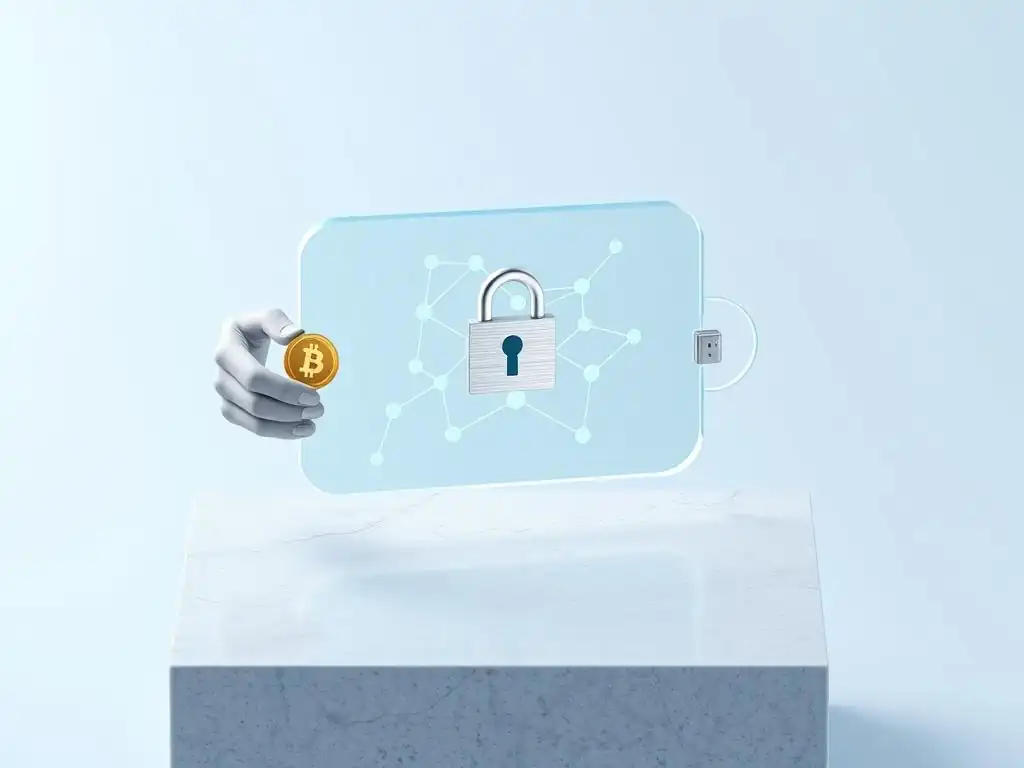
Embarking on a secure crypto wallet setup is a fundamental step for anyone looking to safely store and manage their digital assets, particularly for trading. This process, while potentially intimidating at first glance, can be broken down into manageable steps, ensuring that your journey into the world of decentralized finance and trading begins on solid ground. A meticulous approach at this stage is paramount to protecting your investments from potential threats and ensuring long-term security.
Understanding each phase of the setup process is crucial for building a robust defense around your digital funds. From selecting the appropriate type of wallet that aligns with your security needs and trading habits to the critical steps of generating and safeguarding your private keys, every action contributes to the overall security posture of your crypto assets. Following this guide will provide a clear roadmap for achieving a secure crypto wallet setup, minimizing risks associated with digital asset management.
Step 1: Choosing the Right Wallet for Your Needs
The initial step in a secure crypto wallet setup involves selecting the type of wallet that best fits your specific requirements. This choice hinges on factors such as the amount of cryptocurrency you plan to hold, your trading frequency, and your comfort level with technology. For instance, if you intend to actively trade small amounts frequently, a hot wallet might offer the necessary convenience, whereas holding significant long-term investments would strongly favor the enhanced security of a cold wallet. Consider the balance between accessibility and protection based on your intended use.
Furthermore, evaluate the specific features offered by different wallets. Some wallets support a wider range of cryptocurrencies than others, which is important if you plan to diversify your portfolio. Compatibility with different operating systems (Windows, macOS, Linux, iOS, Android) and integration with decentralized applications (dApps) or specific exchanges might also be key considerations. Taking the time to research and compare options ensures you choose a wallet that not only facilitates a secure crypto wallet setup but also supports your overall crypto strategy effectively.
Step 2: Downloading and Installing Your Wallet
Once you've chosen a wallet type and a specific provider, the next critical step is downloading and installing the software or setting up the hardware. It is absolutely vital to download wallet software only from the official website of the wallet provider or from trusted, verified app stores (like the official Apple App Store or Google Play Store). Cybercriminals often create fake websites or apps designed to steal your private keys or funds, making vigilance during this step non-negotiable for a secure crypto wallet setup. Always double-check the URL or the developer information before proceeding with any download.
After downloading, follow the installation instructions provided by the wallet developer. For software wallets, this typically involves a standard installation process on your computer or mobile device. For hardware wallets, it involves connecting the device and potentially installing accompanying desktop software or mobile apps for management. Ensure your device is free from malware before installation and that your internet connection is secure. This diligent approach to installation is a fundamental layer in establishing a secure crypto wallet setup.
Step 3: Creating Your Wallet and Securing Your Keys
This is perhaps the most critical phase of a secure crypto wallet setup: creating your wallet and, most importantly, securing your private keys and seed phrase. During the creation process, most wallets will generate a seed phrase, typically a sequence of 12, 18, or 24 words. This phrase is the master key to your wallet and all the cryptocurrencies it holds.
Losing this phrase means losing access to your funds forever, and if someone else gains access to it, they can steal your entire balance. Write this phrase down physically on paper and store it in multiple secure, offline locations, such as a safe or a safety deposit box. Do not store it digitally (on your computer, phone, cloud storage, or email), as these are vulnerable to hacking.
Never share your seed phrase or private keys with anyone, under any circumstances. Be wary of phishing attempts or scams that ask for this information. A legitimate wallet provider or service will never ask for your seed phrase. Consider using a metal seed phrase storage solution for enhanced durability against fire or water damage. This step is the cornerstone of a secure crypto wallet setup; its importance cannot be overstated. Treat your seed phrase with the utmost secrecy and protection.
Step 4: Transferring Funds into Your Wallet
With your wallet created and securely backed up, you are ready to transfer funds into it. This usually involves sending cryptocurrency from an exchange where you purchased it or from another wallet you own. To do this, you will need your new wallet's public address for the specific cryptocurrency you wish to transfer. Locate the "Receive" or "Deposit" function within your new wallet app or interface to display this address. It's a string of letters and numbers, often presented with a QR code.
When initiating the transfer from the source (e.g., an exchange), carefully copy and paste your wallet's public address into the recipient address field. It is absolutely crucial to double-check this address character by character, especially the beginning and end. A single incorrect character means your funds will be sent to the wrong address and likely lost forever.
Many experienced users recommend sending a small test transaction first, especially for large amounts, to verify that the funds arrive correctly before sending the full amount. This cautious approach is a vital part of a secure crypto wallet setup and fund management strategy.
Best Practices for Fund Transfers and Safe Transactions
When transferring funds as part of your secure crypto wallet setup process, always use a reliable and secure internet connection. Avoid public Wi-Fi networks, which are often less secure and can be susceptible to eavesdropping. Confirm the network you are using for the transaction is private and trusted.
Before confirming any transaction, meticulously review all the details presented by your wallet or exchange. This includes the recipient address, the amount being sent, and the network fee. Some wallets allow you to adjust the network fee (gas fee) depending on how quickly you need the transaction confirmed; understand the implications of setting a lower fee, which can result in longer confirmation times. Always prioritize accuracy over speed, especially when dealing with significant amounts. Using features like address books for frequently used addresses can also help reduce the risk of errors after the initial verification.
Frequently Asked Questions
What is a crypto wallet and why is it important for secure crypto wallet setup?
A crypto wallet is a digital tool used to store, send, and receive cryptocurrencies. It's crucial for securely storing your digital assets and managing your trading funds, acting as your access point to the blockchain.
What are the different types of crypto wallets available, and which is best for beginner's?
There are several types, including hardware, software (desktop & mobile), and paper wallets. For beginners, a reputable software wallet (like a mobile app from a well-known exchange) is often recommended due to its ease of use.
What are the key steps involved in a secure crypto wallet setup?
The most important steps include choosing a strong password, enabling two-factor authentication (2FA), and carefully backing up your seed phrase or private keys. Protecting your seed phrase is essential for recovery.
How can I protect my crypto wallet from scams and phishing attacks?
Be wary of suspicious links and emails asking for your private keys or seed phrase. Never share this information with anyone. Always double-check the authenticity of websites and applications.
What should I do if I lose access to my crypto wallet?
If you have your seed phrase or private keys, you can restore your wallet on another device. Without it, your funds are likely permanently lost, highlighting the importance of backup.
The journey into cryptocurrency can feel daunting, but as we've explored in this guide, secure crypto wallet setup is the cornerstone of responsible participation. Understanding and implementing these basic security measures isn't just about protecting your investment; it's about safeguarding your digital future in an increasingly decentralized world.
The impact of secure crypto storage extends far beyond individual portfolios. It's about fostering trust and stability within the entire cryptocurrency ecosystem. When users feel confident in their ability to protect their assets, adoption increases, and the potential for innovation blossoms. Security is always excessive until it's not enough.
This quote underscores the critical need for proactive measures in the volatile world of digital assets.
Now, armed with this knowledge, I encourage you to take ownership of your digital security. Don't let fear or complexity deter you from exploring the potential of cryptocurrency. Instead, use this guide as a stepping stone to build a secure and confident foundation for your journey into the future of finance. The power to control your financial destiny is in your hands – use it wisely.
Unlock Your Crypto Security: Start Today!
Thanks for exploring the world of crypto wallets! Now that you understand the importance of secure storage, it's time to take control of your digital assets. Let's turn knowledge into action and ensure your trading funds are protected.
Here are a few steps to get you started:
- Choose the Right Wallet: Research and select a crypto wallet that suits your trading style and security requirements. Take your time—it's the foundation of your crypto safety.
- Explore Different Wallet Types: Consider various options, such as hardware wallets for enhanced security, to find the best fit for your needs.
- Join the Community: Share your experiences and insights on forums dedicated to crypto enthusiasts, and learn from others' journeys to build a safer trading environment.
Are you ready to take the first step toward securing your crypto? Which type of wallet are you considering, and what factors are influencing your choice?
Leave a Reply