
Best Crypto Exchange for Beginners: Is it Coinbase, Binance, or Kraken?


Welcome to Blockchain Trends, your guide to the ever-evolving world of decentralized technologies. Are you just starting your crypto journey and wondering which exchange is right for you? This article dives deep into the user-friendliness, security, and features of top platforms, answering the burning question: Is Coinbase for beginner crypto enthusiasts truly the best choice? Prepare to uncover the pros and cons and discover the ideal launchpad for your digital asset investments.
- Best Crypto Exchange for Beginners: Is it Coinbase, Binance, or Kraken?
- Coinbase: A Top Choice for Beginner Crypto Trading?
- Binance: Exploring Features for Beginner Crypto Enthusiasts
- Kraken: Is This Exchange Suitable for Beginner Crypto Investors?
-
Frequently Asked Questions
- Is Coinbase truly the best crypto exchange for beginners?
- What are the main advantages of using Coinbase for beginner crypto investors?
- How does Coinbase compare to Binance and Kraken in terms of fees for beginner crypto traders?
- What types of cryptocurrencies are available on Coinbase for beginners to invest in?
- Does Coinbase offer sufficient security measures for beginner crypto investors to protect their assets?
- Final Reflection: Navigating the Crypto Onramp
- Unlock Your Crypto Journey Today!
Best Crypto Exchange for Beginners: Is it Coinbase, Binance, or Kraken?
Why Choosing the Best Beginner Crypto Platform Matters
Entering the world of cryptocurrency can feel overwhelming, especially for newcomers. The initial step often involves selecting a platform to buy, sell, and manage digital assets. For a beginner crypto investor, this choice is critical as it sets the foundation for their entire trading experience. A platform that is difficult to navigate, lacks proper support, or has hidden fees can quickly lead to frustration and potential financial losses. Conversely, choosing a platform designed with ease of use and education in mind can significantly smoothen the learning curve and build confidence.
The right platform should simplify complex processes like understanding wallet addresses, private keys, and order types. It should provide clear information about the assets available and the risks involved. For someone just starting out, features like intuitive mobile apps, straightforward purchase options (like buying with a debit card), and readily accessible customer support are paramount. Making an informed decision at this stage ensures a positive introduction to crypto and encourages continued exploration of this dynamic market.
What Beginners Need in a Crypto Exchange (Ease of Use, Security, Support)
Beginners prioritize simplicity and safety above all else. An ideal crypto exchange for a novice user must offer an extremely intuitive interface, making it easy to register, deposit funds, find assets, and execute trades without needing prior technical expertise. This includes clear labeling, minimal jargon, and a streamlined process for common actions like buying Bitcoin or Ethereum. The visual design should be clean and uncluttered, preventing sensory overload.
Security is non-negotiable. Beginner investors are often less familiar with the best practices for protecting digital assets, making them potential targets. A reliable exchange must implement robust security measures, such as two-factor authentication (2FA), email confirmations for withdrawals, and significant portions of user funds stored in secure offline (cold) storage. Finally, accessible and helpful customer support is vital. Beginners are likely to have questions, whether about account setup, transactions, or understanding market movements. Having responsive support channels, such as live chat, email, or comprehensive help centers, provides reassurance and helps resolve issues quickly, preventing potential panic or costly mistakes.
Coinbase: A Top Choice for Beginner Crypto Trading?
Coinbase User Experience: Is it Easy for Beginners?
Coinbase is frequently cited as one of the most user-friendly cryptocurrency exchanges, particularly for individuals new to the space. Its platform is designed with simplicity at its core, presenting a clean dashboard that clearly shows portfolio performance and popular assets. The process for buying cryptocurrency is incredibly straightforward: users can link a bank account or debit card and purchase assets like Bitcoin or Ethereum with just a few clicks. This streamlined approach removes much of the complexity often associated with crypto trading, making it very appealing for the beginner crypto investor.
The mobile app mirrors the ease of use found on the web platform, allowing beginners to manage their investments on the go. Features like recurring buys enable users to dollar-cost average into positions effortlessly. While Coinbase does offer a more advanced platform (Coinbase Pro, now integrated into the main app), the default interface is deliberately kept simple, focusing on essential functions needed by someone evaluating Coinbase for beginner crypto needs. Educational resources, like Coinbase Earn, which rewards users with small amounts of crypto for learning about different assets, further enhance its beginner-friendly reputation.
Fees on Coinbase for Beginner Transactions
Understanding fees is crucial for any investor, and this is an area where Coinbase's structure for beginners can be a bit complex. For simple buy/sell transactions using the standard Coinbase interface, the platform charges a variable fee that includes a spread and a transaction fee.
This transaction fee can be a flat fee or a percentage of the transaction value, whichever is greater, and it varies based on the transaction size and payment method. For example, buying $100 of crypto with a debit card might incur a fee of around 3.99%, while larger transactions might have lower percentage fees but still include the spread.
While this fee structure is transparently displayed before a transaction is confirmed, it is generally higher than the trading fees found on platforms designed for more active traders. This higher cost is often seen as the price paid for the convenience and simplicity offered by the standard Coinbase platform, catering specifically to the beginner crypto user who prioritizes ease over minimizing transaction costs.
For those looking to trade more frequently or in larger volumes, the integrated advanced trading interface (formerly Coinbase Pro) offers a maker-taker fee structure that is significantly lower, typically ranging from 0.05% to 0.60% depending on trading volume, but this interface is less intuitive for absolute novices.
Security Features for Coinbase Beginner Accounts
Security is a top priority for Coinbase, and they implement several robust measures to protect user assets, making it a secure choice for a beginner crypto account. A significant portion of customer digital currency (reportedly around 98%) is stored offline in cold storage, distributed geographically and protected by physical security measures. This minimizes the risk of funds being stolen in an online hack. The remaining 2% held online is insured against loss from breaches, though this insurance does not cover losses resulting from unauthorized access to an individual's account (e.g., due to phishing or credential theft).
For individual accounts, Coinbase requires and strongly recommends enabling two-factor authentication (2FA) using authenticator apps like Google Authenticator or Authy, adding an extra layer of security beyond just a password. They also use encryption for website traffic, employ strict internal controls, and conduct regular security audits. While no system is entirely immune to threats, Coinbase's comprehensive security framework provides a high level of protection, instilling confidence in beginner crypto users who may be less familiar with the security nuances of digital assets.
Available Cryptocurrencies on Coinbase for New Users
Coinbase offers a curated selection of cryptocurrencies, which is beneficial for new users as it prevents information overload while still providing access to major and popular altcoins. When starting out on Coinbase for beginner crypto trading, users will find major assets like Bitcoin (BTC), Ethereum (ETH), Litecoin (LTC), and Bitcoin Cash (BCH) readily available. Beyond these foundational cryptocurrencies, Coinbase has expanded its offerings significantly over time and now supports a wide range of other reputable digital assets, including Cardano (ADA), Solana (SOL), Polkadot (DOT), and dozens more.
The platform tends to list established and relatively well-known cryptocurrencies after thorough review, which adds a layer of perceived safety for beginners compared to exchanges that list hundreds or thousands of obscure tokens. While the selection might be smaller than some competitors that list virtually every token, the available assets cover the most popular investment choices and provide sufficient variety for a beginner crypto portfolio. Users can easily view price charts, market capitalization, and basic information about each listed asset directly within the app or website.
Getting Started with Coinbase: Signing Up and Buying Your First Crypto
Signing up for a Coinbase account is designed to be a straightforward process, typically taking only a few minutes, which is ideal for someone exploring Coinbase for beginner crypto investment. The process involves providing basic personal information, verifying your email address, and then completing identity verification (KYC - Know Your Customer) by uploading a government-issued ID and sometimes a selfie. This step is mandatory for regulatory compliance and helps ensure the security of the platform.
Once the account is verified, users can link a payment method. Options usually include linking a bank account via ACH transfer (which may take a few days to settle but has lower fees), using a debit card (instant buys but higher fees), or initiating a wire transfer.
After linking a payment method and depositing funds or having funds available from a debit card link, buying crypto is as simple as navigating to the desired asset (e.g., Bitcoin), entering the amount you wish to buy in fiat currency (like USD), reviewing the transaction details including fees, and confirming the purchase. This simplicity is a core reason why many beginners choose Coinbase.
Binance: Exploring Features for Beginner Crypto Enthusiasts
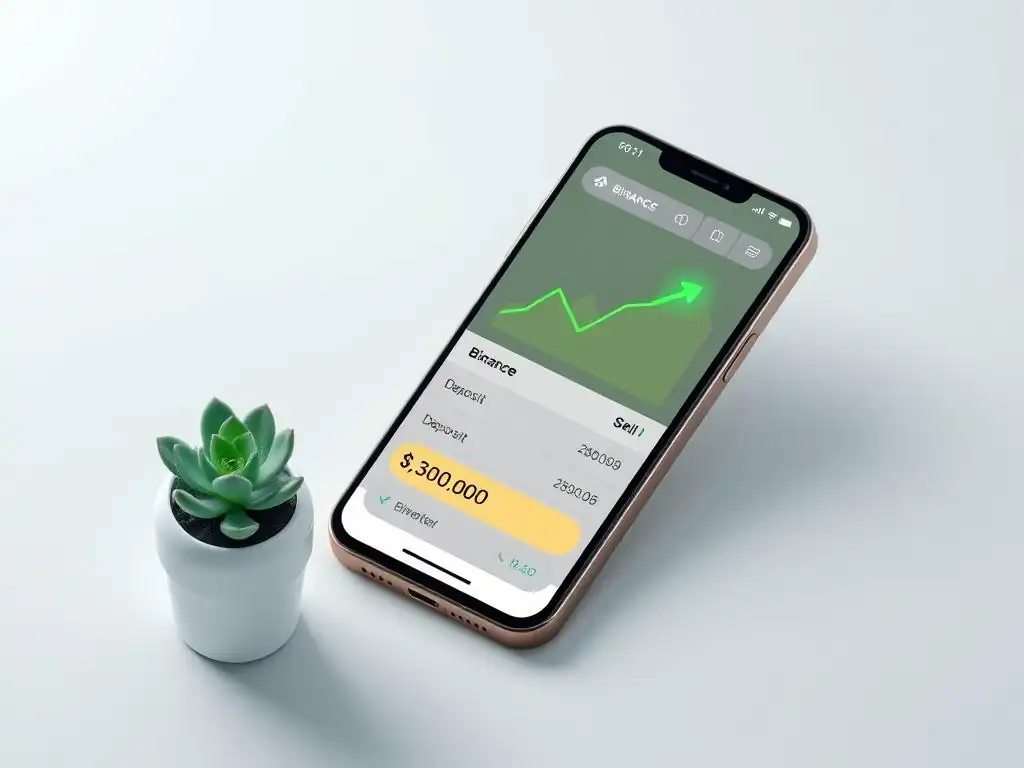
Binance Interface: Is it Beginner-Friendly Despite Advanced Options?
Binance is known for being the world's largest crypto exchange by trading volume and offers an extensive range of features and assets. Its primary interface, Binance.com, can initially appear complex due to the sheer number of trading pairs, charts, and advanced order types available. However, Binance has made significant strides in catering to beginners by offering simplified interfaces and specific products. The main trading view provides comprehensive tools favored by experienced traders, which can be overwhelming for a beginner crypto enthusiast just looking to make a simple purchase.
To address this, Binance offers simplified buying options, such as buying crypto directly with a credit/debit card or through peer-to-peer (P2P) trading, which are more accessible for newcomers. They also provide educational resources through Binance Academy, which covers a vast array of topics from basic blockchain concepts to advanced trading strategies. While the full platform requires a learning curve, Binance offers pathways and resources that allow a beginner crypto investor to start with simple transactions and gradually explore more advanced features as they gain confidence.
Understanding Binance Fees for Beginners
Binance boasts one of the most competitive fee structures in the industry, particularly for active traders, but beginners can also benefit, albeit with slightly less transparency than a simple flat fee. The standard spot trading fee is 0.1% for both makers and takers, which is significantly lower than the variable fees often charged by beginner-focused platforms for simple buys. Users can further reduce these fees by holding Binance Coin (BNB), the exchange's native token, which can lower trading fees by 25%.
For beginners using simplified purchase methods like buying with a credit/debit card, Binance charges fees that are typically higher than their spot trading fees, often in the range of 1-3%, similar to or slightly lower than some competitors' instant buy fees. Bank transfers (like SWIFT) or other local payment methods might have different fee structures.
While the 0.1% trading fee is attractive, beginners must navigate the slightly more complex trading interface to access it, or pay higher fees for instant buys. Understanding the different fee tiers and methods is key for a beginner crypto investor looking to use Binance efficiently.
Binance Security Measures for New Traders
Given its status as a major global exchange, Binance places a strong emphasis on security to protect the vast amount of assets held on its platform. Like other reputable exchanges, Binance employs standard security practices such as two-factor authentication (2FA), device management, and address whitelisting to secure individual user accounts. They also use advanced system security measures, including cold storage for a large portion of user funds and multi-signature wallets.
Furthermore, Binance established the Secure Asset Fund for Users (SAFU), an emergency insurance fund. A percentage of trading fees is allocated to this fund, which is stored in a separate cold wallet. This fund is intended to protect users in extreme cases of security breaches, offering an extra layer of confidence for new traders concerned about the safety of their investments. While the exact percentage of funds in cold storage or the SAFU fund's precise value fluctuates, the commitment to these security protocols is a significant factor for a beginner crypto enthusiast considering the platform.
Crypto Assets Available on Binance for Beginners
Binance is renowned for offering an exceptionally wide selection of cryptocurrencies, listing hundreds of different tokens and trading pairs. For a beginner crypto investor, this vast choice can be both an advantage and a potential pitfall. It provides access to a huge market, including major coins like Bitcoin (BTC), Ethereum (ETH), and Ripple (XRP), as well as a vast array of altcoins, stablecoins, and even newer, less established tokens. This allows beginners to explore diverse investment opportunities beyond the most popular assets.
However, the sheer volume of available assets can also be overwhelming and increases the risk of investing in lesser-known, potentially volatile, or even fraudulent projects. Beginners should exercise caution and stick to well-established cryptocurrencies initially. Binance does categorize assets and provides basic information, but it's up to the user to conduct their own research. The availability of so many options means a beginner crypto enthusiast using Binance has the potential to diversify their portfolio significantly once they gain more experience.
How to Open a Binance Account and Make Your First Trade
Opening an account on Binance involves a process similar to other exchanges, starting with registration using an email address or phone number and setting a secure password. Following registration, users are guided through identity verification (KYC), which is mandatory for accessing most services and higher withdrawal limits. This typically involves providing personal details and uploading identification documents. The verification process can vary in speed depending on location and volume, but is generally efficient.
Once verified, funding the account is the next step. Binance supports various deposit methods, including cryptocurrency deposits from external wallets, fiat deposits via bank transfer, and direct purchases using credit/debit cards. For a beginner crypto user, buying directly with a card is often the simplest way to make a first trade, although fees are higher.
Alternatively, depositing fiat via bank transfer and then using the spot trading interface to buy crypto offers lower fees but requires navigating the trading platform. To make a first trade on the spot market, users would typically go to the 'Trade' section, select a trading pair (e.g., BTC/USDT), choose 'Market' order for simplicity (to buy at the current price), enter the amount, and execute the buy order.
Kraken: Is This Exchange Suitable for Beginner Crypto Investors?
Kraken is one of the oldest and most respected cryptocurrency exchanges, known for its focus on security and compliance. While historically perceived as a platform for more experienced traders, Kraken has made significant improvements to its user interface to be more accessible to beginners. The primary Kraken platform offers a balance between simplicity and advanced features. The main dashboard provides a clear overview, and the process for buying and selling major cryptocurrencies is relatively straightforward, often involving simple 'Buy Crypto' options.
Kraken also offers a dedicated mobile app which simplifies the experience further for beginner crypto investors, focusing on easy buying, selling, and portfolio tracking. While the full trading interface (Kraken Pro) still caters to more sophisticated users with detailed charts and order types, the standard platform and mobile app are designed to be navigable for someone new to crypto. They provide educational content and a comprehensive support center to help beginners understand the platform and the market.
Fee Structure on Kraken for Beginner Trades
Kraken's fee structure can appear slightly less straightforward than a simple percentage but is generally competitive, especially for users who move beyond instant buys. For instant buy/sell transactions using the standard interface, Kraken typically includes a fee of around 1.5% for most cryptocurrencies (higher for stablecoins at 0.9%), plus a fee depending on the funding method (e.g., 3.75% + $0.25 for card purchases). This combined fee for instant buys can be higher than some competitors but is clearly displayed before execution.
For users who deposit funds via bank transfer and use the standard trading interface (not Kraken Pro), Kraken employs a maker-taker fee model based on trading volume over 30 days. For low-volume users (typical of beginners), the fees are relatively low, often starting at 0.16% for makers and 0.26% for takers for standard pairs. While requiring slightly more understanding than an instant buy, these trading fees are significantly lower and become more cost-effective for repeat transactions. This structure offers beginner crypto users a path to lower costs as they gain experience.
Kraken Security Protocols for New Users
Kraken has built a strong reputation for security, making it a trustworthy platform for a beginner crypto investor concerned about protecting their assets. They employ rigorous security measures, including mandatory two-factor authentication (2FA), global settings lock to prevent unauthorized account changes, and extensive use of cold storage for offline asset protection. Like Coinbase, a very large percentage of user funds are held in geographically distributed cold wallets.
The exchange has never suffered a major hack resulting in the loss of customer funds, which speaks to the effectiveness of its security protocols. They also maintain full reserves, meaning they hold 100% of client fiat and crypto assets, which are subject to regular audits and proof-of-reserves attestations. This commitment to holding full reserves and undergoing audits provides a high level of transparency and reassurance for new users. Kraken's proactive approach to security and compliance makes it a very safe environment for a beginner crypto account.
Cryptocurrency Selection on Kraken for Beginners
Kraken offers a solid selection of cryptocurrencies, providing a good balance between the major, well-established assets and a growing number of popular altcoins. For a beginner crypto investor, the selection is more than sufficient to build a diversified portfolio. Users can easily find and trade major cryptocurrencies like Bitcoin (BTC), Ethereum (ETH), Ripple (XRP), Litecoin (LTC), and Cardano (ADA).
Beyond the top coins, Kraken lists a substantial number of other reputable digital assets, including Polkadot (DOT), Solana (SOL), Dogecoin (DOGE), and many others. While the total number of assets might be less than Binance, Kraken's selection is curated and includes most of the cryptocurrencies that a beginner is likely to consider investing in. The platform provides basic information about each asset, helping new users understand what they are investing in.
Setting Up a Kraken Account and Making Your First Trade
Setting up a Kraken account is a straightforward process designed to be accessible, even for a beginner crypto investor. The first step involves creating an account with an email address, username, and password. Following this, users must complete identity verification, which Kraken offers in different tiers (Starter, Intermediate, Pro) with varying deposit/withdrawal limits. For most beginners, completing the Intermediate level verification is necessary to deposit fiat currency and access standard trading features; this involves providing personal details and uploading ID.
Once the account is verified, users can deposit funds. Kraken supports various fiat currencies and deposit methods, including wire transfers, SEPA transfers (in Europe), and increasingly, instant card purchases. For a beginner, funding via bank transfer or instant card buy is typically the easiest. To make a first trade using the standard interface, users would navigate to the 'Buy Crypto' section, select the asset and fiat currency, enter the desired amount, and confirm the transaction. Alternatively, using the standard 'Trade' interface (not Kraken Pro) allows for market or limit orders with lower fees after depositing fiat via bank transfer.
Frequently Asked Questions
Is Coinbase truly the best crypto exchange for beginners?
While Coinbase is often recommended, "best" is subjective. It's known for its user-friendly interface and easy onboarding, but Binance and Kraken also offer beginner-friendly options with different fee structures.
What are the main advantages of using Coinbase for beginner crypto investors?
Coinbase boasts a simple, intuitive platform, making it easy to buy, sell, and store cryptocurrencies. It also offers educational resources to help beginners understand the basics of crypto investing.
How does Coinbase compare to Binance and Kraken in terms of fees for beginner crypto traders?
Coinbase's fees can be higher than Binance and Kraken, especially for instant purchases. Binance and Kraken offer lower trading fees, but their interfaces might be slightly more complex for complete beginners.
What types of cryptocurrencies are available on Coinbase for beginners to invest in?
Coinbase offers a curated selection of the most popular and well-established cryptocurrencies, like Bitcoin and Ethereum. This limited selection helps beginners avoid getting overwhelmed by the vast crypto market.
Does Coinbase offer sufficient security measures for beginner crypto investors to protect their assets?
Coinbase employs industry-standard security practices, including two-factor authentication and cold storage for a significant portion of user funds, making it a relatively safe option for beginners.
The digital frontier of cryptocurrency, once a niche interest, is now undeniably mainstream, and choosing the right exchange is the crucial first step for any aspiring investor. The comparison between Coinbase, Binance, and Kraken highlights not just their features, but the broader challenge of accessibility in a rapidly evolving financial landscape.
The impact of these platforms extends far beyond simple transactions. They shape the perception of crypto, influence investment strategies, and ultimately, contribute to the democratization (or lack thereof) of finance. My own journey into crypto began with a similar question: which platform offered the safest and most intuitive entry point? The best investment you can make, is an investment in yourself... The more you learn, the more you'll earn.
- Warren Buffett. This quote resonates deeply, reminding us that informed decisions are paramount, especially in the volatile world of crypto.
As you consider your own entry into the world of cryptocurrency, remember that knowledge is your greatest asset. Don't be afraid to explore, compare, and most importantly, understand the risks involved. The future of finance is being written now, and your informed participation can help shape a more inclusive and equitable digital economy.
Unlock Your Crypto Journey Today!
Thank you for exploring the world of cryptocurrency exchanges with us! We hope this guide has helped you identify the best options for starting your crypto journey. Now, it's time to put that knowledge into action.
Here’s how to take your first steps:
- Choose the exchange that best fits your needs and create an account. Start small and learn as you go!
- Learn more about crypto security best practices. Protecting your digital assets is essential.
- Share this article with a friend who’s interested in getting started with crypto—helping others reinforces your own understanding.
Which exchange are you most excited to try, and what’s the first cryptocurrency you plan to explore? Share your thoughts in the comments below!
Leave a Reply