
Regulation and DEXs: Navigating the Evolving Legal Landscape of Decentralized Finance

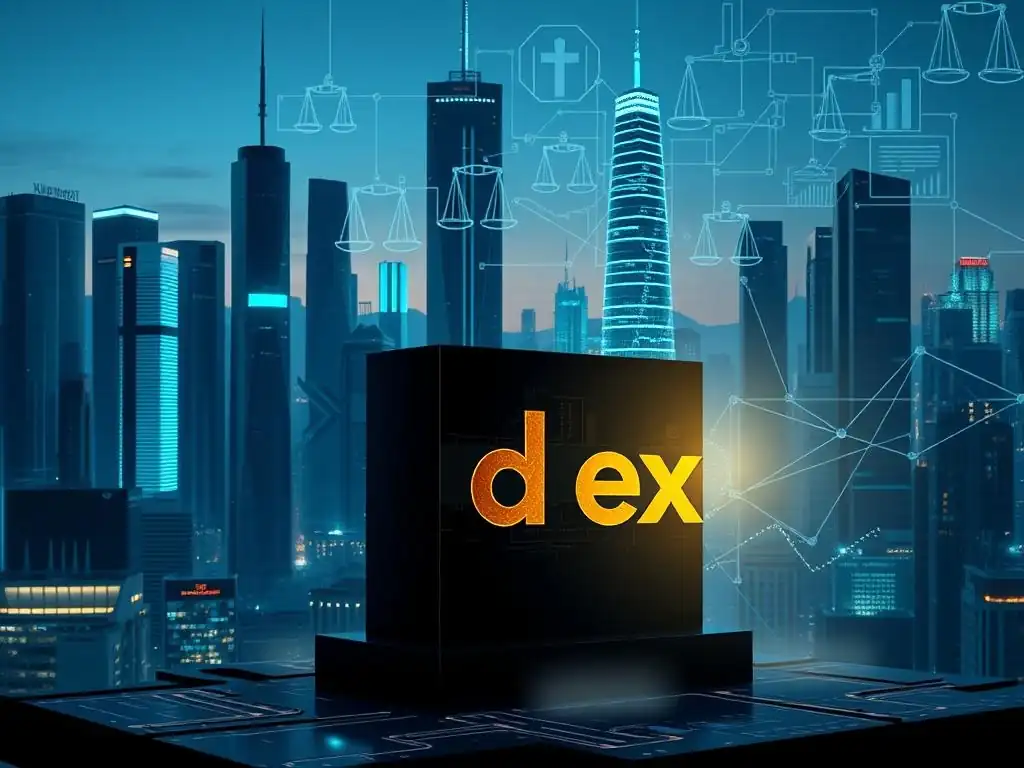
Welcome to Blockchain Trends, where we dive deep into the transformative potential of blockchain technology beyond cryptocurrencies. In this ever-evolving digital landscape, the focus of our latest exploration is the "DEX regulation legal landscape." As decentralized exchanges (DEXs) redefine the rules of finance, understanding the regulatory frameworks that govern them becomes crucial. Are you ready to uncover the complexities and navigate the challenges of DEX regulations? Join us as we unravel the intricacies of this dynamic space and its implications for the future of decentralized finance!
- Introduction to DEX Regulation and the Legal Landscape in Decentralized Finance
- The Evolving DEX Regulation Landscape
- Navigating Compliance in the DEX Ecosystem
- Implications of DEX Regulation on Users and Investors
- The Future of DEXs in a Regulated Environment
- Conclusion: Embracing the DEX Regulation Landscape
- Recommended Resources for Understanding DEX Regulation
-
Frequently Asked Questions
- What are the primary regulatory concerns surrounding Decentralized Exchanges (DEXs)?
- How does the current legal landscape differ for centralized exchanges (CEXs) compared to DEXs?
- What potential legal liabilities do DEX developers and users face?
- What strategies are regulators considering for addressing the unique challenges posed by DEXs?
- How might the DEX regulation legal landscape evolve in the next few years?
- Final Reflection: Charting a Course Through Uncharted Waters
- Unravel the Future: Your Next Steps in DeFi
Introduction to DEX Regulation and the Legal Landscape in Decentralized Finance
Understanding the Importance of Regulation in DEXs
The burgeoning world of Decentralized Finance (DeFi) has introduced innovative platforms like Decentralized Exchanges (DEXs), enabling peer-to-peer trading without traditional intermediaries. However, this rapid growth has also brought significant attention from global regulators. Understanding the importance of regulation in this space is crucial, not only for governmental oversight and financial stability but also for the long-term sustainability and legitimacy of DEXs themselves. Regulation aims to address potential risks such as market manipulation, fraud, money laundering, and terrorist financing, which are concerns in any financial system, decentralized or not.
Beyond risk mitigation, the imposition of a clear DEX regulation legal landscape can potentially foster greater institutional adoption and public trust. Currently, many large financial institutions remain hesitant to fully engage with DeFi due to the perceived lack of regulatory clarity and consumer protection. Establishing robust legal frameworks could pave the way for traditional finance to interact more seamlessly and confidently with decentralized protocols, potentially unlocking significant liquidity and innovation. This regulatory evolution is a complex dance between preserving decentralization and ensuring accountability and security within the financial ecosystem.
Overview of Decentralized Finance (DeFi) and DEXs
Decentralized Finance, or DeFi, refers to financial applications built on blockchain technology, primarily Ethereum, that operate without central authorities. It encompasses a wide range of services including lending, borrowing, yield farming, and trading. At the core of DeFi trading are Decentralized Exchanges (DEXs). Unlike centralized exchanges (CEXs) where users deposit funds into an exchange-controlled wallet and trade against an order book managed by the exchange, DEXs allow users to trade directly from their own wallets using automated market maker (AMM) protocols or decentralized order books.
Popular examples of DEXs include Uniswap, SushiSwap, and PancakeSwap, which collectively process billions of dollars in trading volume daily. These platforms operate through self-executing smart contracts on the blockchain, theoretically reducing counterparty risk and increasing transparency. However, this decentralized structure also presents unique challenges for regulators seeking to apply existing financial laws, designed for centralized entities, to these distributed systems. The fundamental nature of DEXs—permissionless access and lack of a central operating entity—is at the heart of the debate surrounding the DEX regulation legal landscape.
The Impact of Legal Frameworks on the Future of DEXs
The evolving DEX regulation legal landscape is poised to have a profound impact on the future trajectory of decentralized exchanges. Regulatory actions, whether through enforcement against specific protocols or the introduction of new legislation, can significantly influence how DEXs are designed, accessed, and used. For instance, requirements around Know Your Customer (KYC) and Anti-Money Laundering (AML) could push DEXs towards hybrid models or introduce new layers of identity verification, potentially challenging the core principle of pseudonymity that many users value.
Furthermore, regulatory uncertainty can stifle innovation and drive development offshore. Conversely, a clear and well-defined regulatory framework, while potentially imposing compliance costs, could provide a level playing field, reduce legal risks for developers and users, and encourage mainstream adoption. The path regulators take will determine whether DEXs remain niche platforms for crypto enthusiasts or evolve into widely used financial utilities integrated into the global economy. The ongoing dialogue between innovators, users, and policymakers is shaping this critical juncture for DeFi.
The Evolving DEX Regulation Landscape
Historical Context: How DEX Regulation has Changed Over Time
Initially, DEXs operated largely outside the purview of traditional financial regulation, often viewed as experimental or too small to warrant significant attention. In the early days, regulatory focus in the crypto space was primarily on centralized exchanges and initial coin offerings (ICOs). However, as DeFi grew exponentially, particularly during the market bull runs of 2020 and 2021, total value locked (TVL) in DeFi protocols reached hundreds of billions of dollars, and DEX trading volumes soared, sometimes surpassing those of major CEXs on certain days. This increased scale and financial activity inevitably drew the attention of financial regulators worldwide.
The shift in regulatory focus began with general warnings about the risks of unregulated crypto markets, gradually moving towards specific concerns regarding DeFi protocols facilitating activities traditionally subject to regulation, such as unregistered securities trading or facilitating illicit transactions. Regulatory bodies started analyzing whether existing laws, like those governing money transmission or securities exchanges, could apply to decentralized protocols and the entities (if any) behind them. The transition reflects a move from passive observation to active scrutiny and the beginnings of enforcement actions, signaling a significant change in the DEX regulation legal landscape.
Key Regulatory Bodies Governing DEXs Globally
Several key regulatory bodies globally are actively examining or asserting jurisdiction over DEXs and the broader DeFi space. In the United States, the Securities and Exchange Commission (SEC) views certain crypto assets traded on DEXs as potentially unregistered securities and has investigated platforms facilitating their trading. The Commodity Futures Trading Commission (CFTC) is concerned with derivatives trading on DEXs, viewing some as potentially operating outside of regulated futures markets. The Financial Crimes Enforcement Network (FinCEN) focuses on AML/CFT aspects, considering whether certain DeFi protocols or interfaces qualify as money transmitters.
Internationally, similar patterns emerge. The Financial Action Task Force (FATF) provides global standards on AML/CFT, which many countries adopt, and has updated its guidance to include Virtual Asset Service Providers (VASPs), a category regulators are attempting to apply to DeFi interfaces or entities. The European Union is developing the Markets in Crypto-Assets (MiCA) regulation, which will introduce comprehensive rules for crypto assets and service providers, potentially impacting how DEXs operate within the EU. Jurisdictions like Singapore, the UK, and others are also developing their own approaches, creating a complex and fragmented DEX regulation legal landscape globally.
SEC, CFTC, and International Counterparts
The SEC's approach often centers on the Howey Test to determine if a crypto asset is an investment contract and thus a security. If assets traded on a DEX are deemed securities, the platform facilitating their trading could be considered an unregistered exchange, broker, or dealer, facing significant legal repercussions.
The CFTC focuses on assets deemed commodities, including Bitcoin and Ether, and derivatives based on them, asserting jurisdiction over platforms offering futures or swaps without proper registration. A notable example is the CFTC's action against bZeroX (now Ooki DAO) in 2022, alleging illegal unregistered trading and offering of leveraged retail commodity transactions, and attempting to serve the decentralized autonomous organization (DAO) itself.
Beyond the US, international counterparts are equally active. The European Securities and Markets Authority (ESMA) and the European Banking Authority (EBA) contribute to the implementation of MiCA, which proposes categories like 'crypto-asset service providers' that might capture entities interfacing with DEXs. In Asia, regulators in Japan, South Korea, and others are implementing licensing regimes that could affect access to DEXs or require specific compliance measures from service providers operating within their borders. This multi-jurisdictional focus highlights the global nature of the challenges within the DEX regulation legal landscape.
Recent Developments in DEX Regulation
Recent years have seen an acceleration in regulatory focus and enforcement actions impacting the DEX regulation legal landscape. A significant development was the US Treasury's sanctioning of Tornado Cash, a privacy mixer protocol, in August 2022. While not a DEX itself, Tornado Cash was heavily used within the DeFi ecosystem, including by users of DEXs, and the action signaled regulators' willingness to target decentralized protocols used for illicit purposes, even without a clear central entity. This raised questions about liability for developers, users, and even those merely interacting with sanctioned smart contract addresses.
Another key trend is the regulatory scrutiny on the interfaces and front-ends that provide access to DEX liquidity protocols. Regulators are exploring whether these interfaces, often operated by centralized teams or foundations, fall under existing regulations like money transmission laws or securities regulations. Some front-ends have proactively blocked access to users from certain jurisdictions or required basic forms of identification to mitigate risks. These developments underscore the increasing pressure on the access points to decentralized protocols within the evolving DEX regulation legal landscape.
Case Studies: Notable Legal Actions and Their Implications
The CFTC's action against bZeroX/Ooki DAO was particularly notable for attempting to hold a DAO directly responsible for alleged violations, raising complex questions about the legal personality and liability of decentralized organizations. Although the court's final ruling regarding the DAO service method was complex, the case itself demonstrated regulators' intent to pursue decentralized entities. This has prompted discussions within the DeFi community about legal wrappers for DAOs or alternative governance structures to navigate the DEX regulation legal landscape.
Another impactful case, though involving a CEX founder, was the conviction of Sam Bankman-Fried. While FTX was centralized, the case highlighted risks associated with commingling funds, lack of transparency, and potential market manipulation—risks that regulators are keen to prevent in the decentralized space as well. Regulators often cite such failures in centralized platforms as justification for increased oversight on decentralized alternatives, arguing that the lack of traditional controls could exacerbate these issues, further shaping the narrative around the necessity of navigating the DEX regulation legal landscape.
Understanding KYC (Know Your Customer) and AML (Anti-Money Laundering) Requirements
Know Your Customer (KYC) and Anti-Money Laundering (AML) are cornerstone requirements in traditional finance aimed at preventing illicit financial activities. KYC involves verifying the identity of customers, while AML involves monitoring transactions for suspicious patterns indicative of money laundering or terrorist financing. For centralized exchanges, implementing robust KYC/AML programs is standard practice, involving collecting identification documents, verifying addresses, and screening against sanctions lists.
The application of these requirements to DEXs is a significant challenge. DEX protocols themselves, being smart contracts on a blockchain, do not inherently collect user identity information. Trades occur directly between user wallets, often pseudonymous. However, regulatory bodies are exploring ways to apply AML/CFT obligations to entities interacting with these protocols, such as front-end operators, liquidity providers, or even governance token holders. Navigating the DEX regulation legal landscape necessitates understanding how these traditional requirements might be adapted or imposed on decentralized structures.
How DEXs Can Achieve Compliance with Emerging Regulations
Achieving compliance within the DEX regulation legal landscape is a complex undertaking for DEXs, particularly given their decentralized nature. One approach being explored is the development of hybrid models that incorporate elements of centralization or permissioned access for certain activities or user types. For instance, a DEX front-end might require KYC for users trading specific assets or above certain thresholds, while the underlying liquidity protocol remains permissionless.
Another strategy involves leveraging blockchain analytics. Companies specialize in tracing transactions on public blockchains, identifying funds originating from illicit sources (like hacks, scams, or sanctioned entities). DEX interfaces or liquidity providers could potentially integrate such tools to identify and potentially block interactions with high-risk addresses, although this raises concerns about censorship resistance and the definition of "control" in a decentralized system. Exploring compliant smart contract designs, potentially incorporating features that allow for freezing funds or identity verification layers, is also an area of active research and development.
Examples of DEXs Implementing Compliance Measures
While many core DEX protocols remain permissionless, some entities building on or providing access to them are exploring compliance measures. For example, some front-end interfaces for popular DEXs have begun blocking users based on their IP addresses to comply with sanctions or jurisdictional restrictions. Some liquidity providers or institutional participants entering the DeFi space utilize compliance tools to screen the addresses they interact with.
Furthermore, some newer DeFi protocols, while not pure DEXs in the traditional sense, are experimenting with permissioned pools or identity layers. For instance, certain institutional DeFi platforms require participants to be whitelisted after passing KYC/AML checks before they can access liquidity or trading services. While not universally adopted by all DEXs, these examples illustrate potential pathways and ongoing efforts to reconcile decentralized technology with the demands of the DEX regulation legal landscape.
The Role of Smart Contracts in Legal Compliance
Smart contracts are fundamental to DEXs, automating trading, liquidity provision, and governance. While smart contracts execute code as written, they can be designed with compliance considerations in mind. This doesn't necessarily mean building KYC directly into the core protocol, but rather designing contracts that can interact with external compliance or identity systems, or incorporating features that allow for upgrades or modifications based on governance decisions that might be influenced by regulatory needs.
For example, upgradable proxy patterns for smart contracts allow developers or governance token holders to update the contract logic, potentially enabling the implementation of new compliance features or bug fixes in response to regulatory guidance or security audits. Smart contracts can also be designed to interact with oracle networks that provide real-world data, potentially including identity verification or sanctions list information, although integrating such features raises significant privacy and decentralization concerns. The technical design of smart contracts is thus increasingly intertwined with the legal and regulatory challenges within the DEX regulation legal landscape.
Implications of DEX Regulation on Users and Investors

The Impact of Regulation on User Privacy and Autonomy
One of the core appeals of DEXs for many users is the perceived privacy and autonomy compared to centralized platforms. Trading directly from a self-custodial wallet without mandatory identity verification allows for a degree of pseudonymity. However, the push for KYC/AML compliance within the DEX regulation legal landscape directly challenges this aspect. If front-ends or even liquidity pools require identity verification, users may lose the ability to transact without revealing their real-world identity.
This potential erosion of privacy is a significant concern for users who value financial freedom and the ability to transact without oversight. It could also exclude individuals in regions with limited access to traditional identification or banking systems. While regulation aims to curb illicit activity, critics argue that overly strict identity requirements could disproportionately impact legitimate users and push activity towards truly anonymous, potentially less secure, channels, creating a difficult trade-edge within the DEX regulation legal landscape.
Risks and Benefits of Regulated DEXs vs. Unregulated Options
As the DEX regulation legal landscape evolves, users face a choice between interacting with platforms attempting to comply with regulations and those operating outside of them. Regulated or partially regulated DEX interfaces might offer benefits like increased legal certainty, potential recourse in case of certain issues (though this is still largely undefined for decentralized protocols), and potentially greater integration with traditional financial systems. They might also attract more institutional liquidity, leading to better trading conditions (e.g., lower slippage).
Conversely, interacting with unregulated DEXs or interfaces carries higher legal risk, as users could potentially be exposed to enforcement actions depending on the jurisdiction and the activities conducted. These platforms also lack any formal consumer protection mechanisms. However, they often maintain the core tenets of permissionless access and pseudonymity. The choice involves weighing the perceived benefits of compliance (security, legitimacy) against the potential costs (privacy loss, reduced autonomy) and risks (legal exposure, lack of protection) within the complex DEX regulation legal landscape.
Comparative Analysis of Popular DEXs (e.g., Uniswap, SushiSwap, PancakeSwap)
Popular DEXs like Uniswap (primarily on Ethereum), SushiSwap (multi-chain), and PancakeSwap (primarily on BNB Chain) currently operate as permissionless protocols. The core smart contracts do not enforce KYC. However, the entities that developed or maintain these protocols, or third-party front-ends providing access, face pressure from the evolving DEX regulation legal landscape.
- Uniswap: The Uniswap Labs team has, at times, blocked specific addresses known to be associated with illicit activities from its front-end interface. The protocol itself remains permissionless.
- SushiSwap: Similar to Uniswap, the core SushiSwap protocol is permissionless. Any regulatory pressure would likely target the development team, DAO, or interfaces.
- PancakeSwap: Operating on BNB Chain, PancakeSwap also functions as a permissionless AMM. Its large user base and volume make it a potential area of interest for regulators, but direct protocol-level KYC is not currently implemented.
This comparison highlights that while the underlying protocols aim for decentralization, the surrounding ecosystem—developers, front-ends, liquidity providers—is where the interaction with the DEX regulation legal landscape is most actively occurring.
The Future of DEXs in a Regulated Environment
Predictions for DEX Evolution Amidst Legal Changes
Predicting the exact future of DEXs within a tightening DEX regulation legal landscape is challenging, but several potential evolutionary paths are discernible. One path involves the rise of hybrid models, where core decentralized liquidity pools are accessed through regulated gateways that handle identity verification and compliance checks. This could cater to institutional players and risk-averse users while perhaps maintaining a separate, less regulated layer for others.
Another prediction is increased focus on privacy-preserving compliance technologies. Researchers and developers are exploring zero-knowledge proofs and other cryptographic techniques that could allow users to prove compliance (e.g., proving they are not on a sanctions list) without revealing their actual identity to the protocol or counterparty. Furthermore, the legal pressure might accelerate the development of truly decentralized governance structures (DAOs) that are more resilient to single points of failure or liability, although this also presents novel legal questions regarding accountability within the DEX regulation legal landscape.
Potential Innovations in DEX Technology in Response to Regulation
The pressure from the DEX regulation legal landscape is likely to spur significant technological innovation within the DEX space. This could include the development of sophisticated on-chain identity and reputation systems that are pseudonymity-preserving but allow for certain compliance assurances. We may see new smart contract designs that incorporate features allowing for interaction with external compliance or risk assessment oracles.
Innovation may also occur in the area of decentralized governance, exploring structures that can make collective decisions, including responding to regulatory demands, without a central, easily targetable entity. Projects might invest more heavily in formal verification and auditing of smart contracts to provide a higher degree of security and predictability, potentially appealing to regulators concerned about code risk. The need to navigate regulation could inadvertently lead to more robust, secure, and innovative DEX designs.
How Users Can Prepare for Changes in the Legal Landscape
As the DEX regulation legal landscape continues to shift, users and investors interacting with DEXs should take proactive steps to prepare. The most crucial step is staying informed about regulatory developments in their specific jurisdiction and globally. Following reputable news sources, regulatory announcements, and analyses from legal experts in the crypto space is essential.
Users should also understand the specific platforms they use. Are they interacting directly with a core smart contract via a self-hosted interface, or are they using a third-party front-end? Understanding the level of centralization and potential points of regulatory pressure is key. Diversifying interaction methods and potentially exploring self-custodial wallets that offer enhanced privacy features could also be prudent. Finally, users should be aware of the inherent risks of participating in DeFi, including smart contract risk and market volatility, which exist irrespective of the DEX regulation legal landscape.
Conclusion: Embracing the DEX Regulation Landscape
The Importance of Staying Informed as the Legal Framework Evolves
The DEX regulation legal landscape is not static; it is a dynamic and rapidly evolving area. For anyone involved in Decentralized Finance, whether as a user, developer, liquidity provider, or investor, staying informed about these changes is paramount. Regulatory actions taken in one jurisdiction can set precedents that influence others, and new legislation or guidance can fundamentally alter the operating environment for DEXs overnight.
Ignorance of the law is typically not a defense. Understanding the potential legal risks associated with interacting with specific protocols or assets is crucial for making informed decisions. While the decentralized nature of DEXs presents unique challenges for regulators, the intent to apply existing laws and potentially create new ones is clear. Proactive engagement with information and understanding the nuances of the DEX regulation legal landscape is the first step towards navigating it successfully.
Next Steps for Users and Developers in the DEX Space
For users, the next steps involve continued education and careful consideration of the platforms they use. Assess the trade-offs between privacy, decentralization, and potential regulatory exposure. Be mindful of the source of liquidity and the front-end interface used to access DEXs. Consider utilizing tools that help track your own on-chain activity for compliance purposes, although this area is still nascent.
For developers and teams building DEXs or related infrastructure, the path forward requires a proactive approach to engaging with legal and compliance expertise. This might involve exploring novel protocol designs that incorporate compliance considerations without sacrificing core decentralized principles, or developing robust governance structures capable of responding to regulatory challenges. Collaboration with policymakers to educate them on the technology and advocate for balanced, innovation-friendly frameworks within the DEX regulation legal landscape is also a critical next step.
Recommended Resources for Understanding DEX Regulation
Books, Articles, and Online Courses on DeFi and DEX Compliance
To deepen your understanding of the DEX regulation legal landscape, explore resources from reputable sources. Look for academic papers on blockchain law, articles from established legal firms specializing in fintech and crypto, and reports from international bodies like the FATF or national regulators. Online courses on blockchain law, crypto regulation, and DeFi compliance offered by universities or professional training platforms can provide structured learning.
Seek out analyses that go beyond basic news reporting to explain the legal rationale behind regulatory actions and potential implications for decentralized protocols. Examples might include deep dives into the application of securities law to tokens, the challenges of applying money transmission laws to smart contracts, or discussions around the legal status of DAOs within the DEX regulation legal landscape.
Tools and Platforms for Monitoring Regulatory Changes in the Crypto Space
Staying updated requires utilizing platforms that aggregate and report on regulatory developments. News outlets focused on crypto and blockchain often have dedicated sections for regulation. Subscribing to newsletters from law firms or consulting groups specializing in crypto compliance can provide timely updates.
Platforms offering regulatory tracking services for financial markets are beginning to include crypto assets and protocols. Some blockchain analytics firms also provide insights into how regulatory actions (like sanctions) manifest on-chain. While no single tool provides a complete picture of the entire DEX regulation legal landscape, combining information from multiple reliable sources is the most effective approach to staying informed.
Frequently Asked Questions
What are the primary regulatory concerns surrounding Decentralized Exchanges (DEXs)?
Regulatory concerns primarily revolve around investor protection, anti-money laundering (AML) compliance, and ensuring fair market practices within the decentralized finance (DeFi) ecosystem.
How does the current legal landscape differ for centralized exchanges (CEXs) compared to DEXs?
CEXs typically operate within established regulatory frameworks requiring licensing and compliance, while DEXs often operate in a regulatory gray area due to their decentralized nature, making direct regulation more challenging.
What potential legal liabilities do DEX developers and users face?
DEX developers could face liability for facilitating illegal activities or failing to implement adequate security measures, while users may face risks related to regulatory uncertainty and potential legal repercussions for engaging in unlawful transactions.
What strategies are regulators considering for addressing the unique challenges posed by DEXs?
Regulators are exploring various approaches, including focusing on on-ramps and off-ramps to the DeFi ecosystem, implementing KYC/AML requirements through decentralized identity solutions, and potentially holding developers accountable for their code.
How might the DEX regulation legal landscape evolve in the next few years?
We anticipate increased regulatory scrutiny leading to greater clarity and potentially stricter requirements for DEXs, including licensing frameworks and enhanced compliance measures, to ensure consumer protection and market integrity.
Final Reflection: Charting a Course Through Uncharted Waters
The exploration of DEX regulation legal landscape reveals a critical juncture in the evolution of decentralized finance. The inherent tension between the borderless nature of DeFi and the territorial reach of legal frameworks presents both challenges and opportunities. Understanding this dynamic is no longer a theoretical exercise; it is a practical imperative for anyone involved in the development, use, or regulation of decentralized exchanges.
The ongoing debate surrounding DEX regulation highlights the profound impact of technology on our legal and social structures. The struggle to reconcile innovation with established norms underscores the importance of thoughtful dialogue and adaptable frameworks. The law must be stable, and yet it cannot stand still.
- Roscoe Pound. This quote encapsulates the delicate balance required to foster innovation while safeguarding against potential risks within the rapidly evolving DeFi space.
As we navigate this uncharted territory, let us not shy away from the complexities. Instead, let us embrace the opportunity to shape a future where innovation and regulation coexist harmoniously. Consider how you can contribute to this dialogue, whether through informed participation, responsible development, or thoughtful policy advocacy. The future of decentralized finance depends on our collective wisdom and commitment to building a more inclusive and equitable financial system.
Unravel the Future: Your Next Steps in DeFi
Thank you for exploring the intricate world of DeFi regulation with us! We hope this article has provided valuable clarity on the current legal landscape and its impact on decentralized exchanges. Now, let's put this knowledge into action and shape the future of decentralized finance.
Here's how you can contribute:
- Deepen your understanding of the legal frameworks affecting decentralized exchanges in your region. Knowing the rules of the game is essential for responsible participation.
- Engage in thoughtful discussions about regulatory challenges and opportunities within the DeFi community. Share this article with your network and spark conversations on social media using the hashtag #DeFiRegulation.
- Consider contributing to open-source projects focused on developing compliant solutions and tools for decentralized exchanges. Every contribution helps build a more robust and sustainable DeFi ecosystem.
What innovative solutions can you envision that bridge the gap between regulatory compliance and the core principles of decentralization? Share your thoughts below!
Leave a Reply