
The Ultimate DEX Showdown: Comparing Top Platforms for DeFi Trading

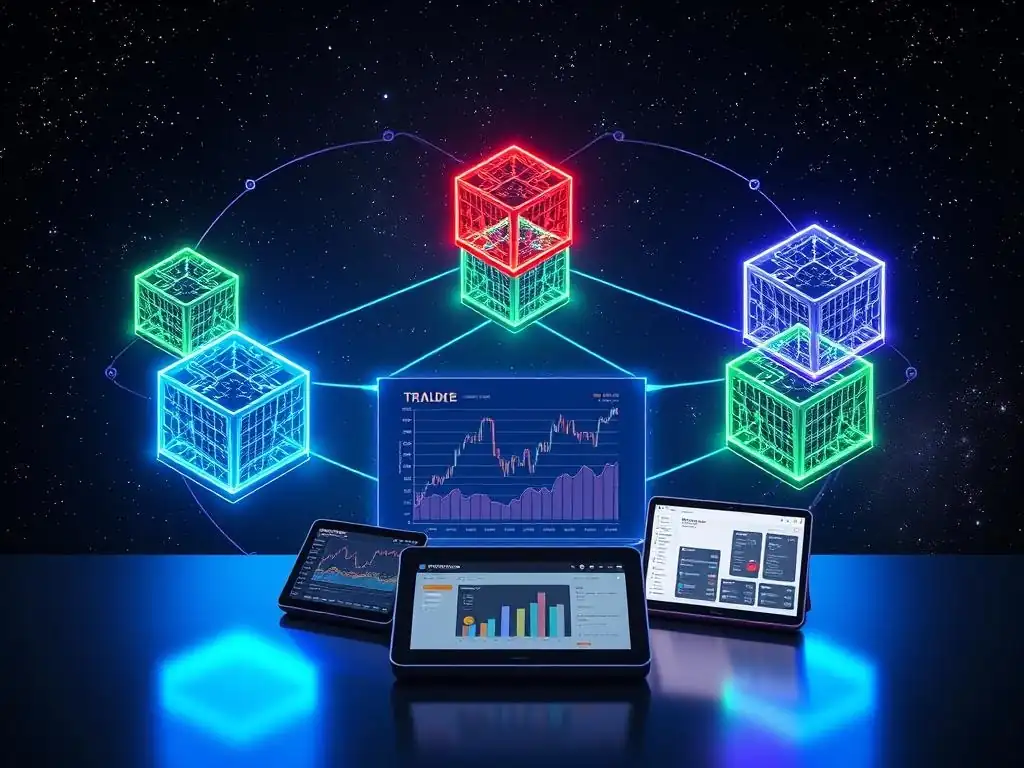
Welcome to Blockchain Trends, your guide to navigating the revolutionary world of blockchain technology! Beyond the hype of cryptocurrencies, discover how this groundbreaking innovation is reshaping industries. Ready to dive into the heart of decentralized finance? This week, we're putting the top contenders head-to-head in a definitive DeFi trading platform comparison. Which DEX reigns supreme? Find out now and unlock the potential of decentralized trading!
Introduction to DeFi Trading Platforms
The decentralized finance (DeFi) movement has fundamentally reshaped the financial landscape, offering permissionless access to a wide array of services previously confined to traditional institutions. At the heart of this revolution are DeFi trading platforms, which enable users to exchange cryptocurrencies and other digital assets directly with each other, without relying on centralized intermediaries. Understanding these platforms is crucial for anyone looking to participate in the burgeoning DeFi ecosystem.
The rapid growth of DeFi has led to the proliferation of numerous trading platforms, each with its own unique features, strengths, and weaknesses. Navigating this diverse landscape can be challenging, making a comprehensive DeFi trading platform comparison essential for both novice and experienced traders. This comparison helps identify the platforms best suited for specific trading needs, whether prioritizing low fees, high liquidity, security, or a wide range of supported assets.
What is a DeFi Trading Platform?
A DeFi trading platform, commonly known as a decentralized exchange (DEX), is a peer-to-peer marketplace where cryptocurrency traders can transact directly using smart contracts on a blockchain. Unlike traditional centralized exchanges (CEXs) like Coinbase or Binance, DEXs do not hold users' funds in custody. Instead, users retain control of their private keys and assets throughout the trading process, typically by connecting a non-custodial wallet.
These platforms operate on various blockchains, with Ethereum being the most prominent, though others like Binance Smart Chain (BSC), Polygon, and Solana also host significant DEX activity. Trading on a DEX often involves interacting with liquidity pools, which are pools of tokens contributed by users (liquidity providers) who earn fees from trades executed within those pools. This automated market maker (AMM) model is a common design for many leading DeFi trading platforms.
Why Compare DeFi Exchanges?
Comparing DeFi exchanges is vital because the performance, cost, and user experience can vary significantly between platforms. Factors such as trading fees, the availability of specific token pairs, the depth of liquidity, and the underlying blockchain's transaction speed and cost (gas fees) directly impact trading profitability and efficiency. A thorough DeFi trading platform comparison allows users to make informed decisions tailored to their trading volume, preferred assets, and risk tolerance.
Furthermore, security models and smart contract risks differ across platforms. While DEXs offer the advantage of non-custodial control, they are not immune to vulnerabilities, such as smart contract bugs or impermanent loss for liquidity providers. Evaluating the security track record and auditing status of a platform is a critical step. This comparison helps users understand the trade-offs and select a platform that aligns with their security expectations and operational needs within the DeFi space.
The Rise of Decentralized Exchanges (DEXs)
The rise of DEXs is a direct response to the limitations and risks associated with centralized exchanges, including susceptibility to hacks, regulatory scrutiny, and the need for identity verification (KYC). The promise of decentralization – censorship resistance, increased transparency through blockchain activity, and user autonomy over funds – has fueled their rapid adoption. The total trading volume on DEXs has grown exponentially, reaching billions of dollars daily across various platforms.
This growth has been facilitated by innovations like automated market makers (AMMs), which simplified liquidity provision and trading compared to earlier order book models. The expansion into various blockchain networks beyond Ethereum has also lowered transaction costs and increased accessibility for a wider user base. As the DeFi ecosystem matures, DEXs are becoming the preferred venue for trading many emerging tokens and participating in yield farming and other decentralized financial activities, solidifying their role as a cornerstone of the decentralized economy.
Frequently Asked Questions
What is a DEX in the context of DeFi trading?
A DEX, or decentralized exchange, allows users to trade cryptocurrencies directly with each other without a central authority, enhancing security and privacy.
How do I choose the best DeFi trading platform?
When comparing DeFi trading platforms, consider factors like liquidity, user interface, trading fees, and the variety of assets available for trading.
What are the benefits of using a DEX over a centralized exchange?
Using a DEX offers advantages such as greater control over your funds, reduced risk of hacks, and anonymity since trades don’t require personal information.
Are there risks associated with DeFi trading platforms?
Yes, while DeFi trading platforms provide innovative opportunities, they also come with risks like smart contract vulnerabilities and potential liquidity issues.
How does regulation affect DeFi trading platforms?
Regulation can impact DeFi trading platforms by influencing their operational practices, ensuring compliance, and potentially affecting the accessibility of services offered to users.
Okay, here's a final reflection designed for your article "The Ultimate DEX Showdown: Comparing Top Platforms for DeFi Trading," optimized for the keyword "DeFi trading platform comparison" and following the structure you provided:
The landscape of DeFi trading is constantly evolving, and the need for a comprehensive DeFi trading platform comparison has never been greater. As we've explored the strengths and weaknesses of various decentralized exchanges, it's clear that informed decision-making is paramount for navigating this complex ecosystem. The future of finance is being built on these platforms, and understanding their nuances is crucial for both seasoned traders and newcomers alike.
The rise of DEXs has profoundly impacted the financial landscape, offering unprecedented access and control to users worldwide. This shift towards decentralization represents a fundamental change in how we interact with financial systems, empowering individuals and fostering innovation. Decentralized finance is not just about technology; it's about creating a more equitable and accessible financial system for everyone.
- Chris Dixon, General Partner at Andreessen Horowitz. This quote encapsulates the core promise of DeFi, a promise that hinges on our ability to critically evaluate and choose the right tools for the job.
Now, armed with a deeper understanding of the leading DeFi trading platforms, I invite you to reflect on your own investment goals and risk tolerance. Consider how these platforms can empower you to participate in the decentralized revolution, and choose wisely. The future of finance is in your hands; use this knowledge to navigate the decentralized frontier with confidence and foresight.
Unveil Your DeFi Trading Potential!
Thank you for exploring the exciting world of decentralized exchange trading with us! You now have the knowledge to choose the best platforms and make informed decisions. It's time to put that knowledge into action.
Are you ready to take the next step?
- Start trading practically! Select a platform discussed and execute your first trade with a small amount of cryptocurrency. Gain firsthand experience of the platform’s features.
- Investigate the governance tokens associated with these exchanges. Learn about their functions and consider getting involved in their community decisions.
- Share this article with fellow DeFi enthusiasts and start a conversation about their favorite DEX platforms.
Which platform are you most eager to try, and what feature will you explore first?
Leave a Reply