
Beginner's Guide: Choosing Your First Software Crypto Wallet with Confidence

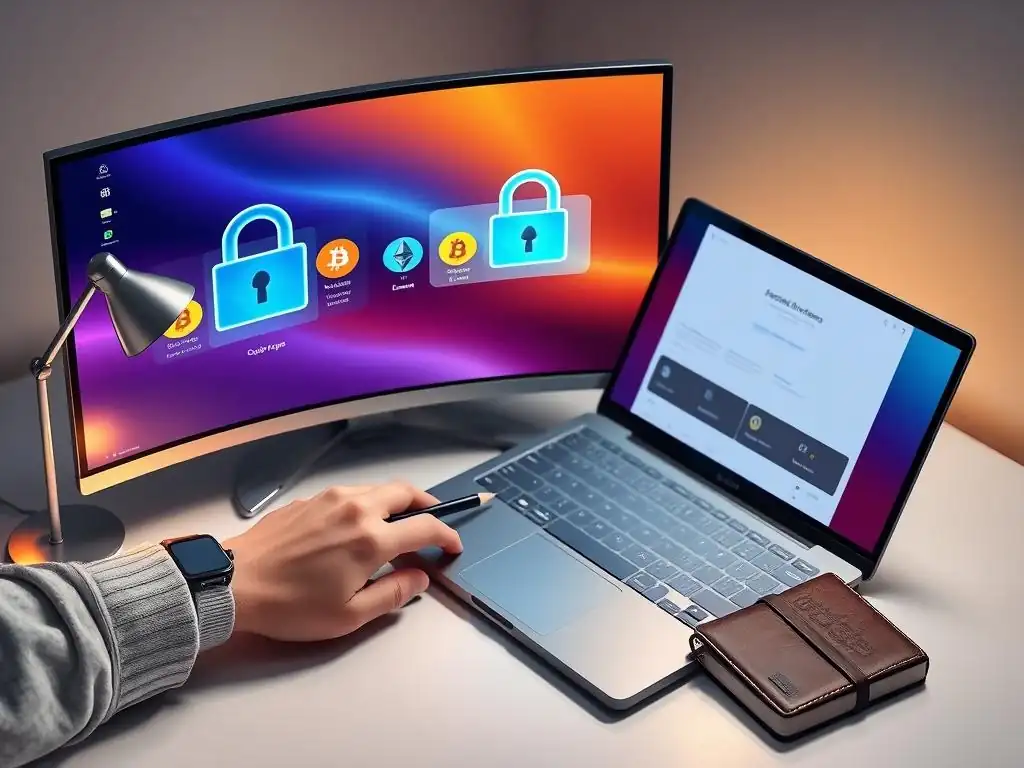
Welcome to Blockchain Trends, your guide to navigating the decentralized future!
Are you ready to take control of your digital assets? This week we dive deep into a critical first step: secure crypto wallet selection. Choosing the right software wallet can be daunting, but fear not! We'll break down the essentials to empower you to make an informed decision. Discover what to look for and what to avoid as you embark on your journey into the world of cryptocurrency. Let's unravel the complexities and ensure your assets are protected. What are the key features to look for? Let's find out!
-
Beginner's Guide: Choosing Your First Software Crypto Wallet with Confidence
- Understanding the Importance of Secure Crypto Wallet Selection
- Types of Software Crypto Wallets: An Overview
- Key Features to Look for in a Secure Crypto Wallet
- Comparing Top Software Crypto Wallets for Beginners
- Making the Final Decision: How to Choose the Right Software Crypto Wallet
- Common Mistakes to Avoid When Selecting a Crypto Wallet
- Conclusion: Confidently Selecting Your First Software Crypto Wallet
-
Frequently Asked Questions
- How do I choose a secure crypto wallet as a beginner?
- What are the key differences between custodial and non-custodial wallets?
- What security measures should I prioritize when selecting a software crypto wallet?
- Are all software crypto wallets free to use?
- How can I back up my crypto wallet to prevent losing my funds?
- Final Reflection: Empowering Your Crypto Journey
- Unlock Your Crypto Journey: Choose Your Wallet Today!
Beginner's Guide: Choosing Your First Software Crypto Wallet with Confidence
Understanding the Importance of Secure Crypto Wallet Selection
Selecting a secure crypto wallet is perhaps the most critical step for anyone entering the world of digital assets. Unlike traditional banks that hold your funds, a crypto wallet doesn't store your cryptocurrency directly; instead, it holds your private keys. These keys are essential as they grant you ownership and control over your funds on the blockchain network. Losing these keys, or having them compromised, means losing access to your assets forever. Therefore, the security features and reliability of the wallet software you choose directly impact the safety of your investment.
A well-chosen wallet acts as your primary defense against theft, hacks, and accidental loss. With the increasing popularity of blockchain technology and digital currencies, malicious actors are constantly developing new methods to target unsuspecting users. A secure crypto wallet selection process involves understanding the potential risks and choosing a solution that provides robust protection mechanisms, such as strong encryption, multi-factor authentication, and reliable backup options. This foundational step ensures that your journey into the decentralized finance space begins on a secure footing.
Types of Software Crypto Wallets: An Overview
Software wallets, also known as hot wallets because they are connected to the internet, come in several forms, each offering different levels of convenience and security. Desktop wallets are installed directly onto your computer, providing a good balance between security (as they are less vulnerable than web wallets) and accessibility. Examples include Exodus and Atomic Wallet. They store your private keys locally on your hard drive, protected by encryption and passwords.
Web wallets, on the other hand, are accessed through a web browser and are often hosted on a third party's server. While convenient for quick transactions and access from any device, they are generally considered less secure as your private keys might be managed by the service provider, making them susceptible to server-side breaches. Mobile wallets, designed for smartphones, offer the ultimate convenience for on-the-go transactions. They function similarly to desktop wallets but are optimized for mobile interfaces. Many popular wallets offer both desktop and mobile versions, allowing users flexibility while maintaining a consistent experience.
Key Features to Look for in a Secure Crypto Wallet
When undertaking secure crypto wallet selection, several key features should be prioritized to ensure the safety and usability of your digital assets. Beyond simply holding cryptocurrencies, a robust software wallet provides tools and protections designed to safeguard your private keys and simplify asset management. Evaluating these features carefully is crucial for a beginner making their first choice.
The ideal software wallet combines strong security protocols with user-friendly design and reliable recovery options. This balance ensures that while your assets are protected, you can still easily access and manage them when needed. Focusing on these core aspects during your secure crypto wallet selection process will significantly reduce the risk of loss or compromise.
User Interface and Experience
A beginner-friendly user interface is paramount for your first software crypto wallet. The wallet should be intuitive, with clear navigation and easy-to-understand functions for sending, receiving, and managing different cryptocurrencies. Complex interfaces can lead to user errors, such as sending funds to the wrong address or misunderstanding security settings, which can have irreversible consequences. Look for wallets that offer clean layouts, helpful guides, and responsive design, making the process of interacting with your digital assets straightforward and stress-free.
Beyond basic transactions, a good user experience might include features like integrated exchange services, portfolio tracking, or clear transaction history logs. While not strictly security features, they contribute to overall usability and confidence, allowing beginners to manage their crypto effectively without feeling overwhelmed. Prioritizing ease of use ensures that the secure crypto wallet selection process results in a tool you can confidently use daily.
Security Features
Robust security features are non-negotiable during secure crypto wallet selection. Essential protections include strong encryption of your private keys stored on your device. Many wallets offer password protection and two-factor authentication (2FA) as additional layers of security, requiring a second form of verification before transactions can be approved or settings changed. Some advanced wallets might even include multi-signature (multisig) capabilities, requiring approval from multiple keys to authorize a transaction, although this is often more complex and might be overkill for a beginner's first wallet.
Another critical security aspect is the handling of your seed phrase (also known as a recovery phrase or mnemonic phrase). This is a sequence of words that can be used to restore your wallet and access your funds if you lose access to your device. A secure wallet will generate this phrase offline and instruct you clearly on how to back it up safely offline. Features like address whitelisting (only allowing sending to pre-approved addresses) or built-in checks for known malicious addresses can also enhance security.
Backup and Recovery Options
Reliable backup and recovery options are fundamental to protecting your assets against device failure, loss, or theft. The primary backup mechanism for most software wallets is the seed phrase, typically a sequence of 12 or 24 words. When selecting a secure crypto wallet, ensure it provides clear instructions on generating and securely storing this phrase. It is absolutely vital that you write this phrase down on paper and store it in multiple secure, physical locations, never storing it digitally or sharing it with anyone.
The wallet software should also have a straightforward process for restoring your wallet using this seed phrase on a new device. Testing this recovery process (perhaps with a small amount of crypto first) can build confidence in the wallet's reliability. Some wallets may also offer encrypted backup files, but the seed phrase remains the universal method for recovery across different compatible wallets. A secure crypto wallet selection includes verifying that the wallet facilitates this essential safety measure effectively.
Comparing Top Software Crypto Wallets for Beginners
When it comes to secure crypto wallet selection for beginners, several reputable software options stand out due to their balance of ease of use and security features. While the market is vast, wallets like Exodus, Atomic Wallet, and even the software interface like Ledger Live (primarily for hardware wallet users) are frequently recommended for newcomers.
Each of these wallets offers a distinct set of features and user experiences, catering to slightly different needs while maintaining a focus on security. Evaluating their specific characteristics can help you make an informed decision based on your personal requirements and comfort level with technology.
Exodus Wallet
Exodus is a popular desktop and mobile software wallet known for its incredibly user-friendly interface and visual appeal. It supports a wide range of cryptocurrencies (typically over 200) and includes a built-in exchange feature powered by third-party services like ShapeShift or FTX (before its collapse, now relying on others), allowing users to swap assets directly within the wallet. This integrated exchange adds convenience but relies on external providers, so users should be aware of the associated fees and risks.
From a security perspective, Exodus encrypts private keys locally on your device and requires a password to access the wallet. It provides a standard 12-word seed phrase for backup and recovery. While it lacks advanced features like 2FA or multisig, its strong encryption and focus on user experience make it a solid choice for beginners prioritizing simplicity and a wide variety of supported assets for their initial secure crypto wallet selection. It has served millions of users globally.
Atomic Wallet
Atomic Wallet is another widely used multi-currency software wallet available on desktop and mobile platforms. Like Exodus, it supports a large number of cryptocurrencies and offers a built-in exchange service, primarily using Atomic Swaps where possible (hence the name) or relying on centralized exchange partners. The interface is clean and easy to navigate, making it suitable for those new to managing digital assets.
Security in Atomic Wallet centers on local encryption of private keys and password protection. It also provides a 12-word backup phrase. A key feature is its focus on decentralization where possible (like Atomic Swaps), aiming to give users more control. While generally considered secure for a hot wallet, it shares the inherent risks of any internet-connected wallet. Its broad platform support and integrated services make it a competitive option for secure crypto wallet selection among beginners.
Ledger Live
Ledger Live is the companion software for Ledger hardware wallets (like the Ledger Nano S Plus or Nano X). While Ledger hardware wallets are cold storage (offline) and offer the highest level of security for private keys, Ledger Live is the software interface used to manage assets, send/receive transactions, and interact with decentralized applications via the hardware wallet. It's crucial to understand that Ledger Live itself does not hold your private keys; those remain securely isolated on the Ledger device.
Including Ledger Live in a comparison of "software wallets" for beginners highlights an important distinction. While Exodus and Atomic are purely software-based, Ledger Live represents a hybrid approach where software is used for convenience and interface, but the critical security function (signing transactions with private keys) happens offline on the hardware device. For beginners serious about long-term secure storage of significant amounts, combining the Ledger Live software interface with a Ledger hardware wallet is often considered the gold standard for secure crypto wallet selection, offering the usability of software with the security of cold storage.
Making the Final Decision: How to Choose the Right Software Crypto Wallet

Choosing the right software crypto wallet involves weighing your specific needs and priorities. For a beginner, ease of use and clear guidance on security practices, particularly backing up your seed phrase, are paramount. Consider how many different cryptocurrencies you plan to hold; if it's just Bitcoin and Ethereum, many wallets will suffice, but if you need support for dozens of altcoins, a multi-currency wallet like Exodus or Atomic Wallet might be necessary.
Think about how you will primarily use the wallet. If you plan frequent small transactions on the go, a mobile-first wallet is convenient. If you're storing larger amounts for longer periods, even as a beginner, exploring the hybrid approach with Ledger Live and a hardware wallet offers significantly enhanced security. Evaluate the wallet's reputation within the community, look for recent security audits (if publicly available), and ensure their customer support resources are adequate should you encounter issues. Your secure crypto wallet selection should align with your intended use case and risk tolerance.
Common Mistakes to Avoid When Selecting a Crypto Wallet
Beginners often make avoidable mistakes during their initial secure crypto wallet selection and subsequent use. One of the most critical errors is choosing convenience over security, opting for easily accessible but less secure options like leaving funds on an exchange or using unverified web wallets. Another major pitfall is failing to properly back up the seed phrase or, worse, storing it digitally where it's vulnerable to hacks.
Ignoring the importance of setting a strong, unique password for the wallet and enabling any available 2FA options are also common oversights. Furthermore, rushing the selection process without researching the wallet's history, security track record, and user reviews can lead to choosing unreliable software. Finally, being careless with private keys – sharing them, typing them into phishing websites, or storing them insecurely – is the fastest way to lose assets. A diligent secure crypto wallet selection process involves not just picking the right software but also committing to best security practices from day one.
Conclusion: Confidently Selecting Your First Software Crypto Wallet
Embarking on your journey into the world of digital assets requires a foundational step: secure crypto wallet selection. By understanding the different types of software wallets available, evaluating key features like user interface, robust security measures, and reliable backup options, and comparing reputable choices like Exodus, Atomic Wallet, or the Ledger Live interface paired with hardware, beginners can make an informed decision.
Remember that the security of your digital assets ultimately rests on your ability to safeguard your private keys. Choosing a secure crypto wallet is the first line of defense, but consistently following best practices – backing up your seed phrase offline, using strong passwords, and staying vigilant against phishing attempts – is equally vital. With careful consideration and adherence to security principles, you can confidently select your first software crypto wallet and manage your digital assets securely.
Frequently Asked Questions
How do I choose a secure crypto wallet as a beginner?
Focus on reputable wallets with a proven track record. Look for features like two-factor authentication and open-source code for community review.
What are the key differences between custodial and non-custodial wallets?
Custodial wallets hold your private keys, offering convenience but less control. Non-custodial wallets give you complete control but require you to manage your keys securely.
What security measures should I prioritize when selecting a software crypto wallet?
Prioritize strong password protection, enable two-factor authentication (2FA), and be wary of phishing attempts targeting your wallet credentials.
Are all software crypto wallets free to use?
Most software wallets are free to download and use, but some may charge transaction fees or offer premium features for a fee.
How can I back up my crypto wallet to prevent losing my funds?
Most wallets provide a seed phrase or recovery phrase. Store this offline in a secure location as it's crucial for restoring your wallet if you lose access.
Final Reflection: Empowering Your Crypto Journey
The digital landscape of cryptocurrency can seem daunting, especially for newcomers. Understanding the nuances of secure crypto wallet selection is no longer optional, but essential for protecting your digital assets. This guide aimed to demystify the process, providing a foundation for confident decision-making in a space often shrouded in technical jargon.
The ability to independently manage and secure your crypto holdings is a powerful step towards financial autonomy. This journey, while requiring diligence, ultimately empowers individuals to participate in a decentralized financial future. Security is always excessive until it's not enough.
This quote underscores the importance of proactive measures in safeguarding your digital wealth, emphasizing that a little extra effort in choosing the right wallet goes a long way.
As you embark on your crypto journey, remember that knowledge is your greatest asset. Take the lessons from this guide, continue to learn, and choose a software wallet that aligns with your security needs and comfort level. The future of finance is unfolding, and with informed decisions, you can confidently navigate this new frontier and secure your place within it.
Unlock Your Crypto Journey: Choose Your Wallet Today!
Thanks for exploring the world of crypto wallets with us! We hope this guide has given you the confidence to take the first step in securing your digital assets. Now it's time to turn that knowledge into action!
Here are a few steps you can take right now:
- Boldly choose and set up your first software crypto wallet! Don't be afraid to experiment and find the perfect fit for your needs.
- Join the conversation on Blockchain Trends's forum and share your wallet selection journey with other beginners. Help others learn from your experiences!
- Explore our other articles on BlockchainTrends.org about security best practices to fortify your new crypto haven.
What features are most important to you when choosing your first crypto wallet, and how will you prioritize security? Share your thoughts in the comments below!
Leave a Reply