
BudgetFriendly Hardware Wallets: Secure Crypto Storage Without Breaking the Bank

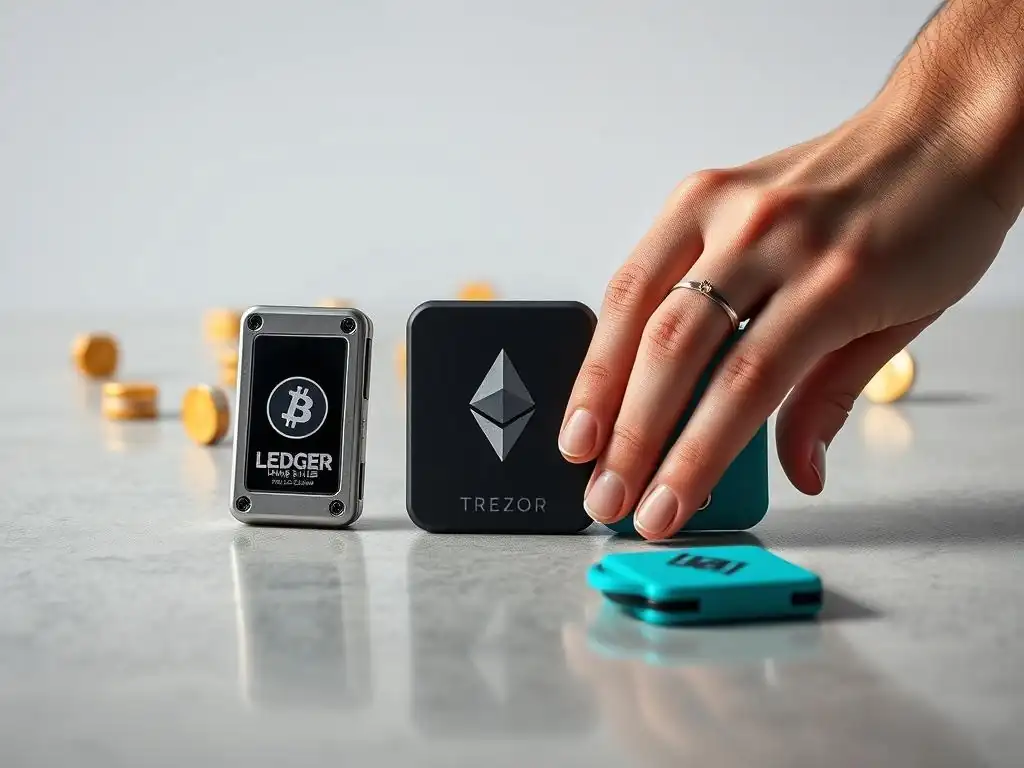
Welcome to Blockchain Trends! Dive into the transformative world of blockchain technology with us, where we explore its vast potential beyond cryptocurrencies. In this exciting journey, we'll uncover essential insights on everything from DeFi and enterprise applications to regulatory landscapes and the future of decentralized systems. Today, we're shining a spotlight on an essential topic for every crypto enthusiast: affordable crypto hardware wallets. Discover how you can secure your digital assets without breaking the bank, and prepare to unlock the secrets to safe and budget-friendly crypto storage. Let’s delve into the future of secure crypto management together!
-
Affordable Crypto Hardware Wallets: Secure Crypto Storage Without Breaking the Bank
- Understanding Hardware Wallets and Their Importance in Crypto Security
- Key Features to Look for in Budget-Friendly Hardware Wallets
- Top Affordable Crypto Hardware Wallets in 2024
- Comparing Budget Hardware Wallets: Which One is Right for You?
- How to Choose the Best Affordable Crypto Hardware Wallet for Your Needs
- Conclusion: The Future of Affordable Crypto Hardware Wallets
- Additional Resources for Secure Crypto Storage
-
Frequently Asked Questions
- How can a hardware wallet protect my cryptocurrency if it's "offline"?
- What are the key factors to consider when choosing an affordable crypto hardware wallet?
- Are cheaper hardware wallets as secure as more expensive ones?
- What is the difference between a hardware wallet and a software wallet?
- What happens if I lose my affordable crypto hardware wallet?
- Final Reflection: Securing Your Future, Affordably
- Unleash Your Crypto Security Potential!
Affordable Crypto Hardware Wallets: Secure Crypto Storage Without Breaking the Bank
Understanding Hardware Wallets and Their Importance in Crypto Security
A hardware wallet represents a critical layer of security for anyone holding cryptocurrency. Essentially, it is a physical device designed specifically to store the private keys to your crypto assets offline. Unlike software wallets or exchange accounts, which keep keys on internet-connected devices, hardware wallets isolate these sensitive keys from potential online threats like malware, phishing attacks, and unauthorized access.
This offline storage method, often referred to as "cold storage," is widely considered the safest way to protect digital assets, especially for significant holdings or long-term investment strategies. The device typically requires physical interaction, like pressing buttons or entering a PIN, to authorize transactions, adding another robust security measure against remote attacks.
The primary role of a hardware wallet in cryptocurrency storage is to sign transactions securely without exposing the private key to the online environment. When you want to send crypto, you connect the hardware wallet to a computer or smartphone running wallet software. The software prepares the transaction, but the private key never leaves the hardware wallet.
The transaction data is sent to the device, signed internally using the offline key, and then sent back to the software to be broadcast to the blockchain. This process ensures that even if the connected computer is compromised, your private keys remain safe on the isolated hardware device. This mechanism is fundamental to preventing the theft of funds, which is a pervasive risk in the digital asset space.
Using affordable crypto hardware wallets offers significant advantages, making robust security accessible to a broader range of investors, including those just starting out or with smaller portfolios. Historically, high-end security solutions could be prohibitively expensive, creating a barrier to entry for average users. However, the market for affordable hardware wallets has matured, offering devices that provide enterprise-grade security features at a fraction of the cost.
These budget-friendly options still utilize secure elements, robust encryption, and multi-factor authentication, ensuring that compromises are exceedingly difficult. Furthermore, opting for an affordable yet reliable hardware wallet drastically reduces the risk associated with keeping funds on exchanges or less secure software wallets, where users do not control their private keys and are vulnerable to platform hacks or failures.
Key Features to Look for in Budget-Friendly Hardware Wallets
When evaluating affordable crypto hardware wallets, security features are paramount. Look for devices that incorporate a Secure Element (SE), a dedicated chip designed to withstand tampering and isolate cryptographic operations. Strong encryption is essential, protecting data stored on the device itself. Crucially, the wallet must support robust recovery options, typically through a 12-word or 24-word recovery phrase (seed phrase).
This phrase is the master key to your funds and allows you to restore access on a new device if your original hardware wallet is lost, stolen, or damaged. Ensure the wallet's setup process clearly guides you in backing up this phrase offline and securely. Some wallets also offer additional security layers like passphrases, adding extra protection to the seed phrase.
User experience is another critical factor, even with affordable crypto hardware wallets. The interface should be intuitive and easy to navigate, particularly for beginners. Setting up the device, installing necessary software, and initiating transactions should be straightforward processes. While budget models might have simpler interfaces than their high-end counterparts (e.g., smaller screens or fewer buttons), they should still provide clear instructions and feedback.
Consider the physical design – is it durable? Is it portable? The ease of use directly impacts how consistently and correctly you use the wallet, which is vital for maintaining security. A complex or frustrating interface can lead to user errors, potentially compromising your assets.
Device compatibility is also a key consideration for affordable crypto hardware wallets. Most hardware wallets require connecting to a computer (Windows, macOS, Linux) or a mobile device (Android, iOS) to manage assets and initiate transactions using accompanying software or apps. Ensure the wallet is compatible with your preferred operating systems and devices.
Mobile compatibility, especially via Bluetooth or NFC, adds convenience for managing assets on the go. Check which cryptocurrencies the wallet supports; while major coins like Bitcoin (BTC) and Ethereum (ETH) are universally supported, support for altcoins and specific tokens (like ERC-20 tokens) can vary significantly between models. A wallet that supports a wide range of assets you hold or plan to hold saves you from needing multiple devices.
Top Affordable Crypto Hardware Wallets in 2024
1. Ledger Nano S Plus
- Overview of Features and Specifications: The Ledger Nano S Plus is an upgraded version of the popular Nano S, offering increased memory to support more cryptocurrencies and dApp installations simultaneously. It features a secure chip (CC EAL5+) and a small screen for transaction verification. It connects via USB-C.
- Pricing and Where to Buy: Typically priced around $59-$79 USD, making it one of the most accessible entry points into hardware wallet security. Available directly from Ledger's official website and authorized retailers.
- Pros and Cons of Using Ledger Nano S Plus: Pros: Strong security track record, supports a vast number of cryptocurrencies (over 5,500), intuitive Ledger Live software, very affordable. Cons: Screen size is small, requires USB connection, limited internal memory compared to higher-end models (though significantly improved from the original Nano S).
2. Trezor Model One
- Key Features and Benefits: The Trezor Model One was one of the first hardware wallets on the market. It prioritizes open-source software for transparency and security. Features include a simple interface with two buttons and a small display, PIN protection, and passphrase support. It supports a substantial range of cryptocurrencies.
- Pricing Comparison with Other Models: Often priced comparably to or slightly higher than the Ledger Nano S Plus, typically in the $60-$80 USD range. It is significantly less expensive than Trezor's flagship Model T.
- User Reviews and Recommendations: Generally praised for its robust security model and open-source nature. Some users find the interface and setup slightly less polished than newer competitors, but it remains a highly trusted option, particularly among security-conscious users who value transparency.
3. SafePal S1
- Innovative Features for Secure Storage: The SafePal S1 is an air-gapped hardware wallet, meaning it never connects directly to the internet via USB, Wi-Fi, or Bluetooth. It communicates with the SafePal mobile app via encrypted QR codes. It has a large screen and physical buttons.
- Cost-Effectiveness and User Feedback: Priced very competitively, often under $50 USD, positioning it as one of the most affordable crypto hardware wallets available. User feedback frequently highlights its innovative air-gapped technology and ease of use via the mobile app as major positives.
- Use Cases for SafePal S1: Ideal for users prioritizing maximum offline isolation and those who prefer managing their crypto primarily via a mobile device. Its affordability makes it an excellent choice for newcomers seeking strong security on a budget.
4. CoolWallet S
- Unique Selling Points and Design: The CoolWallet S stands out with its credit-card-like form factor, making it slim, waterproof, and highly portable. It connects wirelessly via Bluetooth to a mobile app, offering convenience. It features a small e-paper display and a single physical button.
- Price Point and Value for Money: Typically priced higher than the other budget options listed, often in the $90-$100 USD range, pushing the upper limit of what many consider "affordable" but still less than premium models. Its wireless capability and unique design offer distinct value for users prioritizing portability and convenience.
- Customer Experiences and Verdicts: Users appreciate the sleek design and wireless connectivity. Some initial concerns existed regarding Bluetooth security, but the implementation uses strong encryption. It's generally well-received by users who want a discreet and portable hardware wallet solution.
Comparing Budget Hardware Wallets: Which One is Right for You?
When comparing affordable crypto hardware wallets like the Ledger Nano S Plus and Trezor Model One, key differences emerge primarily in their design philosophy and ecosystem. Ledger relies on its proprietary Ledger Live software, supporting a vast array of coins and offering integrated services like staking and swapping (though caution is always advised with integrated services). Trezor, with its open-source approach, appeals to users who prefer transparency and community scrutiny of the code.
Both offer robust security via secure elements and established recovery processes. The choice often comes down to preferred interface (Ledger's software vs. Trezor's web interface/desktop app), design (USB-C vs. Micro-USB), and philosophy (proprietary secure element vs. open source focus). Both provide excellent cold storage solutions at a similar price point.
Comparing the SafePal S1 and CoolWallet S highlights differences in connectivity and form factor, offering distinct value propositions among affordable crypto hardware wallets. SafePal S1's air-gapped nature provides an extra layer of isolation, appealing to users who want zero physical connection points to online devices during operation, relying instead on QR codes. Its larger screen is also a plus for some.
The CoolWallet S, conversely, leverages Bluetooth for wireless convenience, making it incredibly portable and easy to use with a smartphone. Its credit-card shape is unique and discreet. While the CoolWallet S is typically more expensive than the SafePal S1, its wireless capability and durable design might justify the higher cost for users who prioritize these features over the air-gapped security model offered by SafePal.
Recommendations among these affordable crypto hardware wallets often boil down to user needs and preferences. For beginners seeking a widely supported, easy-to-use option with broad coin support, the Ledger Nano S Plus is frequently recommended. For those prioritizing open-source principles and a well-established track record, the Trezor Model One is a strong contender.
If maximum offline security via air-gapping and a mobile-first experience are priorities, the SafePal S1 is an excellent, cost-effective choice. Finally, for users who value portability, a sleek design, and wireless connectivity, the CoolWallet S offers a compelling, albeit slightly pricier, option. Each provides a significant security upgrade over software wallets or exchange storage.
How to Choose the Best Affordable Crypto Hardware Wallet for Your Needs
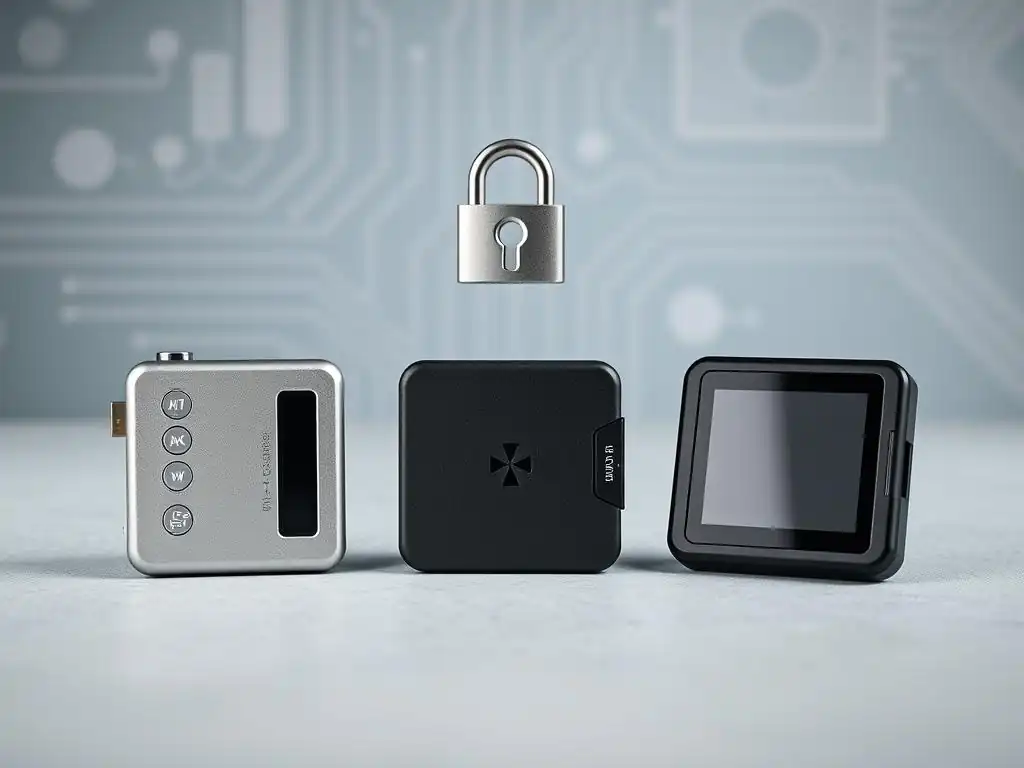
Assessing your cryptocurrency storage needs is the first step in selecting the best affordable crypto hardware wallet. Consider which cryptocurrencies you currently hold or plan to acquire. While Bitcoin and Ethereum support is standard, support for specific altcoins or lesser-known tokens varies significantly between models. If you hold a diverse portfolio, ensure the wallet supports all your assets.
Think about the volume of transactions you anticipate; if you plan frequent small transactions, a wallet with a smooth user interface and convenient connectivity (like Bluetooth) might be preferable. For long-term holding (HODLing) of significant amounts, absolute security and robust recovery options should be the top priority, potentially favoring air-gapped or highly secure element-based devices. Your technical comfort level also plays a role; some wallets have steeper learning curves than others.
Evaluating security versus price is a crucial balancing act when choosing an affordable crypto hardware wallet. While the goal is to find a budget-friendly option, compromising on fundamental security features is ill-advised. Look for wallets from reputable manufacturers with established security practices, secure elements, and proper seed phrase generation/management. Be wary of extremely cheap, unknown brands.
The slight difference in price between, say, a $50 wallet and a $70 wallet might correspond to significant differences in build quality, security certification, or software support. Determine your budget threshold, but within that range, prioritize wallets with proven security track records and positive community reviews regarding safety and reliability. Remember, the cost of losing your crypto far outweighs the price of a quality hardware wallet.
Making an informed decision requires researching specific models based on your needs and the points discussed. Read detailed reviews, compare specification sheets, and watch video guides on setup and usage. Pay attention to how recovery works and the process for firmware updates, as maintaining updated firmware is essential for security.
Consider the manufacturer's reputation and customer support availability, although support for budget models can sometimes be limited. Finally, purchase your affordable crypto hardware wallet only from the official manufacturer's website or designated authorized resellers to avoid the risk of receiving a tampered device. Taking these steps will help you confidently choose a secure and reliable cold storage solution without overspending.
Conclusion: The Future of Affordable Crypto Hardware Wallets
The landscape of affordable crypto hardware wallets is continuously evolving, driven by increasing demand for secure self-custody solutions. We are seeing trends towards enhanced user interfaces, broader coin support out-of-the-box, and integration with mobile devices becoming more seamless. Features once exclusive to high-end models, such as larger screens or wireless connectivity, are gradually appearing in more budget-friendly options.
Furthermore, there's an ongoing focus on improving the security of seed phrase management, potentially through new standards or technologies, although the core principle of offline storage of the master key remains fundamental. As blockchain technology becomes more mainstream, the accessibility and usability of secure hardware wallets will likely improve further, making robust crypto security achievable for everyone.
In the evolving crypto landscape, the importance of secure storage cannot be overstated. While decentralized finance (DeFi), NFTs, and various enterprise blockchain applications continue to emerge, the fundamental need for individuals to control their private keys remains constant. Relying solely on exchanges or hot wallets exposes users to significant risks.
Affordable crypto hardware wallets play a vital role in mitigating these risks, empowering users to take true ownership of their digital assets. They provide a necessary layer of defense against the sophisticated and ever-changing threats present in the digital world. As the total value locked in crypto assets grows, so too does the attractiveness of these assets to malicious actors, making secure cold storage via a hardware wallet not just recommended, but essential.
For budget-conscious investors or newcomers to the crypto space, selecting a reliable yet affordable crypto hardware wallet is a smart initial step. The Ledger Nano S Plus, Trezor Model One, SafePal S1, and CoolWallet S represent excellent entry points, each offering a solid balance of security, features, and price. While they differ in specifics, all provide a dramatic improvement in security compared to keeping funds online.
Carefully evaluate your specific requirements regarding coin support, preferred interface, and connectivity to choose the model that best fits. Investing in an affordable hardware wallet is an investment in the long-term security and peace of mind regarding your digital assets.
Additional Resources for Secure Crypto Storage
- Detailed reviews and guides on specific wallet models.
- Recommended blogs and websites focusing on cryptocurrency security and hardware wallet comparisons.
- Tools and best practices for securely backing up and managing your recovery phrase.
Frequently Asked Questions
How can a hardware wallet protect my cryptocurrency if it's "offline"?
Hardware wallets protect your crypto by storing your private keys offline, meaning they are not exposed to the internet. This drastically reduces the risk of online hacking and theft. Transaction signing also occurs on the device.
What are the key factors to consider when choosing an affordable crypto hardware wallet?
Consider factors like security features, supported cryptocurrencies, and ease of use. Price is important, but don't sacrifice security for the absolute cheapest option. Research independent reviews.
Are cheaper hardware wallets as secure as more expensive ones?
Not necessarily. While all hardware wallets offer enhanced security compared to software wallets, more expensive options may have additional security layers or more robust hardware. Read reviews carefully.
What is the difference between a hardware wallet and a software wallet?
A software wallet stores your private keys on a device connected to the internet (computer, phone). A hardware wallet stores them offline on a physical device, offering greater protection from cyber threats.
What happens if I lose my affordable crypto hardware wallet?
As long as you have your recovery seed phrase (usually 12 or 24 words), you can restore your wallet and access your crypto on a new device. Always store your seed phrase securely and offline.
Final Reflection: Securing Your Future, Affordably
The exploration of affordable crypto hardware wallets underscores a critical point in the evolving landscape of digital finance: security should not be a luxury. In a world increasingly reliant on cryptocurrencies, the ability to safeguard one's digital assets without incurring exorbitant costs is paramount, empowering individuals from all economic backgrounds to participate confidently in the decentralized revolution.
This accessibility is profoundly shaping the cultural perception of cryptocurrency ownership. It's no longer an exclusive domain for the wealthy or tech-savvy; it's becoming a viable option for everyday individuals seeking financial independence. Security is not a product, but a process.
This quote reminds us that choosing an affordable hardware wallet is just the first step; consistent vigilance and informed practices are crucial for long-term security.
As you navigate the world of cryptocurrency, remember that securing your digital assets is an investment in your future. Don't let financial constraints deter you from taking control of your financial destiny. Explore the options presented, research diligently, and choose the affordable crypto hardware wallet that best suits your needs. Your peace of mind, and your financial security, are worth the effort.
Unleash Your Crypto Security Potential!
Thank you for exploring blockchain trends and learning about budget-friendly hardware wallets. We hope this article empowered you to take control of your crypto security without overspending. Now, let's put that knowledge into action:
- Take immediate steps to find the hardware wallet that best fits your needs. Review your budget and the key features discussed to make an informed choice.
- Explore the security features of your selected wallet further. Visit the manufacturer's website or consult user forums to learn best practices for secure setup and use.
- Share this helpful resource with friends and family who are also interested in cryptocurrency. Help them secure their digital assets confidently.
Which hardware wallet feature—such as a security chip or open-source firmware—is most important to you, and why? Share your thoughts in the comments below!
Leave a Reply