
Comparing Ecosystems: Ledger Live, Trezor Suite, and KeepKey's Wallet Interface


Welcome to Blockchain Trends, your guide to understanding the evolving landscape of blockchain technology. Beyond the hype, blockchain is reshaping industries. In this article, we delve into the crucial world of crypto wallet security and usability with a Blockchain wallet ecosystem comparison, focusing on Ledger Live, Trezor Suite, and KeepKey. But which ecosystem truly provides the best balance of security, features, and user experience? Let's explore the strengths and weaknesses of each, offering insights that go beyond the surface. Read on to discover which wallet ecosystem best fits your needs and prepare to navigate the decentralized future with confidence!
- Deep Dive: Exploring the Ledger Live Ecosystem
-
Frequently Asked Questions
- What are the primary differences between Ledger Live, Trezor Suite, and KeepKey's wallet interfaces?
- Which of these wallet ecosystems (Ledger Live, Trezor Suite, KeepKey) is considered the most user-friendly for beginners?
- Do Ledger Live, Trezor Suite, and KeepKey support similar blockchain networks and cryptocurrencies?
- How do the security features and open-source nature of Ledger Live, Trezor Suite, and KeepKey compare?
- What are the key factors to consider when making a Blockchain wallet ecosystem comparison among Ledger Live, Trezor Suite, and KeepKey?
- Final Reflection: Navigating the Decentralized Future
- Unlock Your Optimal Crypto Wallet Experience!
Deep Dive: Exploring the Ledger Live Ecosystem
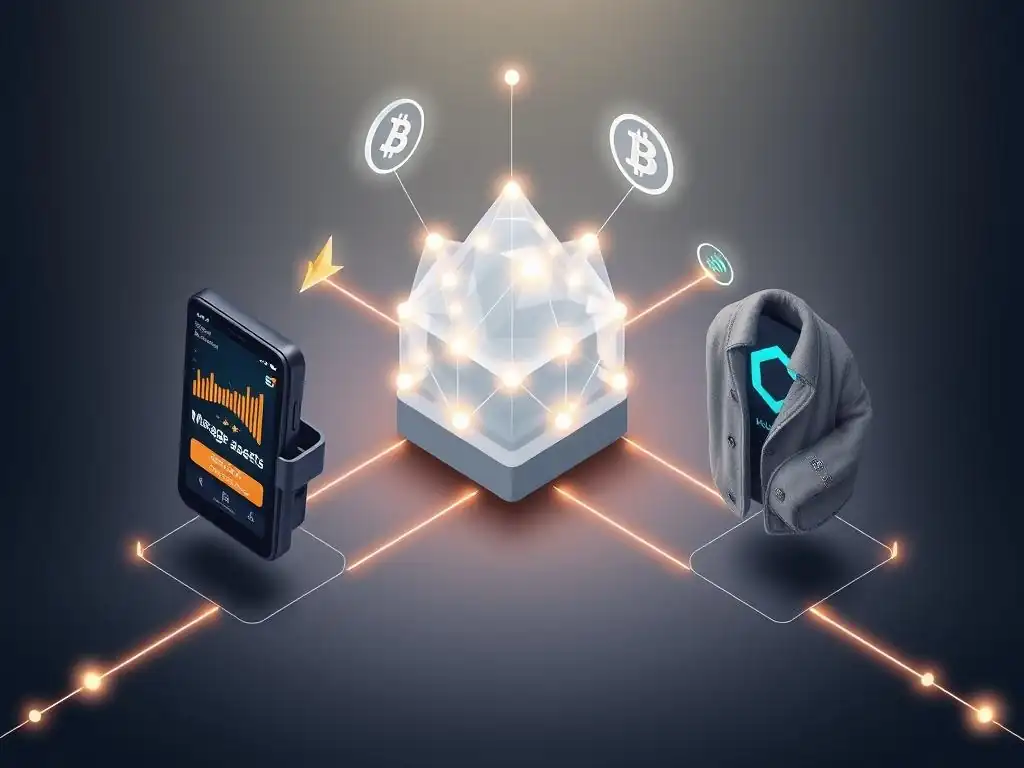
Ledger Live stands as the central software interface for Ledger hardware wallets, serving as the primary gateway for users to interact with their digital assets secured by the device. It represents a significant component in any comprehensive blockchain wallet ecosystem comparison, providing a unified platform for managing cryptocurrencies and engaging with various blockchain services without exposing private keys to the internet. This desktop and mobile application acts as a bridge between the user and their hardware wallet, facilitating transactions, account management, and access to integrated blockchain functionalities in a user-friendly environment designed for security and convenience.
The design philosophy behind Ledger Live emphasizes security and user autonomy. By requiring physical confirmation on the hardware device for all critical actions, such as sending transactions or signing smart contracts, it significantly mitigates risks associated with software vulnerabilities and phishing attacks. This approach is fundamental to understanding the value proposition of Ledger's contribution to the blockchain wallet ecosystem comparison, highlighting how software complements hardware to create a robust security framework for cold storage.
Features and Functionality of Ledger Live
The core functionality of Ledger Live revolves around enabling users to securely manage their cryptocurrency holdings. This includes setting up new accounts, sending and receiving transactions, and viewing detailed transaction history for supported assets. The application provides a clear, intuitive dashboard that allows users to monitor the balances of multiple cryptocurrencies held across different accounts on their Ledger device, simplifying the process of interacting with a diverse portfolio.
Beyond basic transaction management, Ledger Live offers a suite of advanced features designed to enhance the user experience and expand the utility of their hardware wallet. Users can install and manage applications for various cryptocurrencies directly onto their Ledger device through the Ledger Live manager. Furthermore, the software incorporates features like address verification, ensuring that the recipient address displayed on the screen matches the one confirmed on the hardware wallet, a critical security measure in the blockchain wallet ecosystem comparison.
Portfolio Tracking and Management in Ledger Live
Ledger Live provides robust tools for portfolio tracking, offering users a consolidated view of their digital asset holdings. The application automatically synchronizes with the user's accounts on the Ledger hardware wallet, displaying the total value of their portfolio in their preferred fiat currency. This feature eliminates the need for external tracking applications for assets managed via Ledger, streamlining the process of monitoring investment performance and asset allocation.
The portfolio management interface allows users to view their holdings broken down by individual cryptocurrency, showing the quantity held in each account and its current market value. Historical data is also available, enabling users to review past transactions and track changes in their portfolio's value over time. This comprehensive overview is invaluable for users conducting a blockchain wallet ecosystem comparison, as it demonstrates the software's capability to serve as a central hub for managing diverse crypto assets secured by hardware.
Staking, Swapping, and Earning Crypto within Ledger Live
A key strength of the Ledger Live ecosystem is its integration of services that allow users to earn passive income on their cryptocurrency holdings. Through Ledger Live, users can directly stake supported Proof-of-Stake (PoS) cryptocurrencies, such as Ethereum (ETH) via Lido, Solana (SOL), Polkadot (DOT), and Tezos (XTZ), among others. Staking is performed securely, with the private keys remaining protected by the hardware wallet throughout the process, offering a secure alternative to staking on exchanges.
In addition to staking, Ledger Live facilitates cryptocurrency swaps directly within the application through integrated third-party services. This allows users to exchange one cryptocurrency for another without needing to transfer assets to an external exchange, reducing complexity and potential security risks. While the exact range of services and supported assets for earning and swapping can evolve, the integration of these functionalities within the secure Ledger Live environment is a significant factor in a blockchain wallet ecosystem comparison, providing users with convenient options for managing and growing their assets.
Supported Assets and Services in Ledger Live
Ledger Live boasts extensive support for a vast number of cryptocurrencies and tokens, making it a versatile choice for users holding a diverse range of digital assets. The platform supports major cryptocurrencies like Bitcoin (BTC), Ethereum (ETH), Ripple (XRP), and Litecoin (LTC), as well as thousands of ERC-20 tokens and native coins from various blockchains. Support for a specific asset typically requires installing a dedicated application onto the Ledger hardware wallet via the Ledger Live manager, a simple process that expands the device's capabilities.
Beyond basic asset support, the Ledger Live ecosystem integrates with various services designed to enhance the user's interaction with the blockchain space. This includes connectivity with certain decentralized applications (dApps) via Ledger Live's browser support (though direct native dApp browsing within Ledger Live is limited compared to dedicated dApp browsers), access to NFT management features for supported chains like Ethereum and Polygon, and the ability to buy cryptocurrencies directly using fiat currency through integrated partners.
This broad spectrum of supported assets and services is a crucial aspect of the blockchain wallet ecosystem comparison, showcasing Ledger Live as a comprehensive platform for secure digital asset management.
Frequently Asked Questions
What are the primary differences between Ledger Live, Trezor Suite, and KeepKey's wallet interfaces?
The primary differences lie in their user interface design, supported cryptocurrencies, and integrated features like staking or DeFi access. Each offers a unique experience for managing your digital assets.
Which of these wallet ecosystems (Ledger Live, Trezor Suite, KeepKey) is considered the most user-friendly for beginners?
While subjective, Trezor Suite often receives praise for its simple and intuitive interface, making it a good starting point. Ledger Live also provides a guided experience.
Do Ledger Live, Trezor Suite, and KeepKey support similar blockchain networks and cryptocurrencies?
No, while they support many popular cryptocurrencies, their coverage varies. Check the official websites for the most up-to-date list of supported assets and blockchain networks before choosing a wallet.
How do the security features and open-source nature of Ledger Live, Trezor Suite, and KeepKey compare?
Trezor and KeepKey are fully open-source, promoting transparency. Ledger uses a secure element for private key storage, but its firmware isn't fully open. Security is paramount for all three.
What are the key factors to consider when making a Blockchain wallet ecosystem comparison among Ledger Live, Trezor Suite, and KeepKey?
Consider security, supported cryptocurrencies, user interface, integrated features, and community support. These factors will significantly influence your overall experience and suitability for your needs.
Okay, here's a final reflection you can use for your article, "Comparing Ecosystems: Ledger Live, Trezor Suite, and KeepKey's Wallet Interface," designed to rank for the keyword "Blockchain wallet ecosystem comparison":
The exploration of Ledger Live, Trezor Suite, and KeepKey's wallet interfaces reveals more than just functional differences; it highlights the critical role of user experience in shaping the adoption of decentralized technologies. As blockchain technology continues to permeate various aspects of our lives, the accessibility and intuitiveness of these wallet ecosystems will be paramount in bridging the gap between technical complexity and mainstream usability.
The ongoing evolution of these platforms underscores the importance of a user-centric approach. The ability to seamlessly and securely manage digital assets is not just a convenience, but a fundamental requirement for widespread adoption. The best user interface is the one that requires no explanation.
This quote resonates deeply when considering the complexities of blockchain and the need for intuitive tools that empower users to confidently navigate the decentralized landscape.
As you consider your own journey into the world of cryptocurrency and blockchain, remember that the choice of a wallet ecosystem is a personal one. Reflect on your needs, your technical comfort level, and your long-term vision for participating in this evolving space. Let this comparison serve as a starting point, encouraging you to explore, experiment, and ultimately, find the platform that best empowers you to embrace the decentralized future.
Unlock Your Optimal Crypto Wallet Experience!
Thanks for exploring the diverse world of crypto wallet interfaces! We hope this comparison has given you valuable insights into Ledger Live, Trezor Suite, and KeepKey's offerings. Now, it's time to take control of your crypto security and experience.
- Download and thoroughly test the interface of your leading choice. Experiment with its features using a small amount of crypto to ensure it aligns with your needs and preferences.
- Share this comparison with fellow crypto enthusiasts to spark a conversation about the best wallets for different needs. Let's learn from each other!
- Dive deeper into the security protocols of your chosen wallet. Knowledge is power when it comes to safeguarding your digital assets.
What's the one feature you absolutely need in a crypto wallet interface, and how does your current setup measure up? Share your thoughts below!
Leave a Reply