
Comparing the Giants: Ledger vs Trezor vs KeepKey – Which Wallet Reigns Supreme?


Welcome to Blockchain Trends, where we delve into the transformative potential of blockchain technology beyond the realm of cryptocurrencies. In this captivating journey, we explore the latest advancements in decentralized finance (DeFi), enterprise applications, regulatory landscapes, and the future of decentralized systems. Get ready to embark on a deep dive into the world of crypto wallets as we present our main article, “Comparing the Giants: Ledger vs Trezor vs KeepKey – Which Wallet Reigns Supreme?” This comparison will not only illuminate the strengths and weaknesses of these leading wallets but also help you make informed decisions for your digital assets.
Are you curious about which wallet stands out from the crowd? Let’s unlock the insights together!
- The Contenders: An Overview of Ledger, Trezor, and KeepKey Wallets
-
Frequently Asked Questions
- How do Ledger, Trezor, and KeepKey differ in their basic functionality?
- What are the key security features I should consider when choosing between these wallets?
- How does the user interface and ease of use compare across these three wallets?
- Do Ledger, Trezor, and KeepKey support the same cryptocurrencies?
- What are the price differences between Ledger, Trezor, and KeepKey, and how does this affect their value proposition?
- Final Reflection: Securing Our Digital Future
- Secure Your Crypto Future: Choose Your Champion!
The Contenders: An Overview of Ledger, Trezor, and KeepKey Wallets
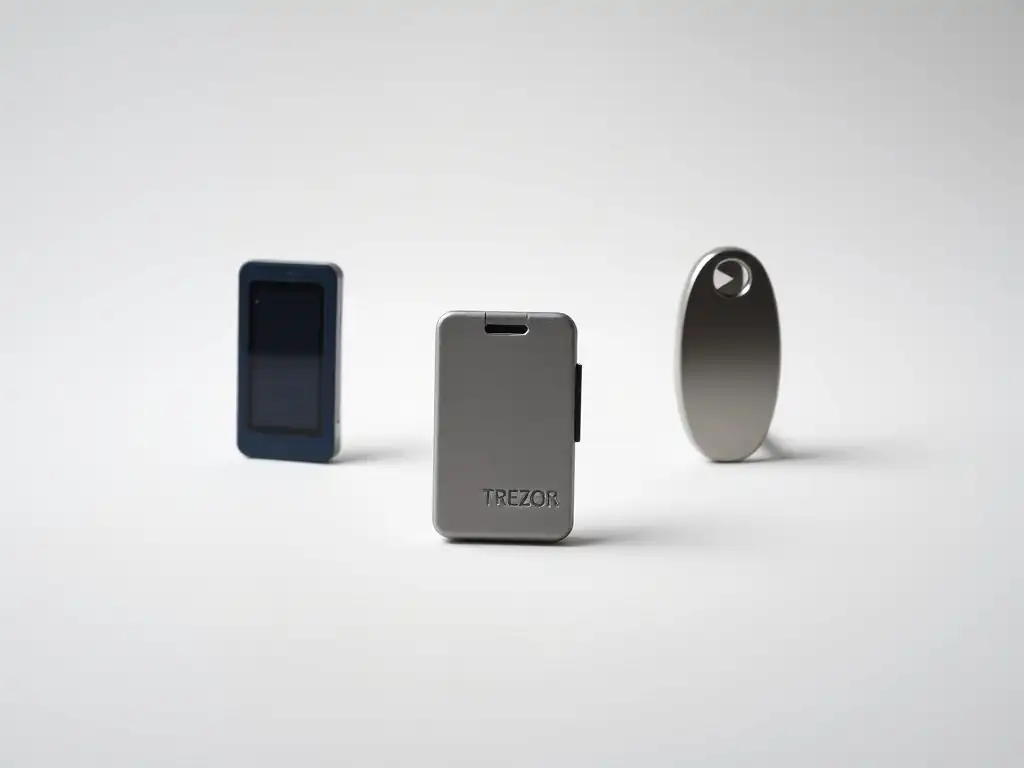
Navigating the landscape of hardware wallets requires understanding the core offerings from the leading providers. While the market has seen various devices emerge, Ledger, Trezor, and KeepKey have consistently remained prominent choices for securing digital assets offline. Each brand presents a distinct approach to security, user experience, and feature sets, making a detailed Ledger Trezor KeepKey comparison essential for potential users. Examining their flagship and popular models provides insight into their strengths and target audiences.
These hardware wallets represent the gold standard in cold storage, designed to keep private keys isolated from internet-connected devices. This fundamental principle underpins their security model, offering a robust defense against online threats like malware and phishing attacks. As we delve into the specifics of each ecosystem, pay close attention to the security architecture, supported assets, and usability features, as these are critical factors in determining which device best fits individual security needs in any comprehensive Ledger Trezor KeepKey comparison.
Introducing the Ledger Ecosystem (Ledger Nano X, Ledger Nano S Plus)
Ledger has established itself as a major player in the hardware wallet space, known for its sleek design and emphasis on certified security. The ecosystem is primarily centered around two popular models: the Ledger Nano X and the Ledger Nano S Plus. Both devices utilize a Secure Element chip, similar to those found in credit cards and passports, which is designed to withstand sophisticated physical attacks and isolate the private keys from the device's general processor.
The Ledger Nano X, positioned as the flagship device, offers Bluetooth connectivity in addition to USB-C, providing a degree of wireless convenience, though this feature is often scrutinized in security discussions. It boasts a larger screen than its predecessor, making transaction details easier to verify, and significantly increased app storage capacity, allowing users to install and manage a greater number of different cryptocurrency applications concurrently – often capable of holding up to 100 apps depending on their size.
The Nano S Plus serves as a more budget-friendly option, retaining the core Secure Element technology and USB-C connectivity but omitting Bluetooth and offering less app storage capacity, typically around 100 apps as well, but with less total memory than the X.
Both models support a vast array of cryptocurrencies and tokens, estimated to be over 5,500 assets, managed through the Ledger Live software, which acts as a central hub for portfolio management, sending/receiving transactions, and even staking directly from the wallet.
Exploring the Trezor Ecosystem (Trezor Model T, Trezor Safe 3)
SatoshiLabs, the creators of Trezor, were pioneers in the hardware wallet market, launching the first device of its kind. Their philosophy often emphasizes open-source principles and transparency.
The current lineup is highlighted by the premium Trezor Model T and the more accessible Trezor Safe 3, building upon the legacy of earlier models. A key differentiator in the Trezor approach is the use of a general-purpose microcontroller combined with a secure bootloader, focusing on open-source code audits rather than relying solely on a closed-source Secure Element for key storage, which is a significant point of discussion in any Ledger Trezor KeepKey comparison.
The Trezor Model T is their high-end device, featuring a vibrant color touchscreen display that allows for direct PIN and passphrase entry on the device itself, mitigating potential keyloggers on the connected computer. It supports a wide range of cryptocurrencies, though historically slightly fewer than Ledger, the number is still substantial, supporting thousands of assets. The Trezor Safe 3 represents their latest offering, incorporating a Secure Element alongside their traditional architecture, marking a shift towards a hybrid security model.
It features a small OLED display and physical buttons, similar to older models but with updated hardware and security features. Both Trezor devices interface with the Trezor Suite software, which provides a user-friendly interface for managing assets, executing transactions, and accessing advanced features like CoinJoin for enhanced privacy on supported networks.
Frequently Asked Questions
How do Ledger, Trezor, and KeepKey differ in their basic functionality?
Ledger and Trezor are both hardware wallets designed to securely store cryptocurrency private keys offline. KeepKey, similarly, provides cold storage but with a different user interface and security architecture. They all aim to protect your digital assets from online threats.
What are the key security features I should consider when choosing between these wallets?
Consider security certifications, open-source nature (or lack thereof), and past security audits. Look at the physical security of the device itself and how well it protects against tampering. Firmware updates and vulnerabilities also matter.
How does the user interface and ease of use compare across these three wallets?
Ledger offers a sleek app-based interface, while Trezor relies on a web browser. KeepKey presents a more minimalist approach. User preference is crucial, as some may find one more intuitive than the others.
Do Ledger, Trezor, and KeepKey support the same cryptocurrencies?
No, while they support many common cryptocurrencies like Bitcoin and Ethereum, their coin support varies. Always check the wallet's official website to confirm compatibility with the specific cryptocurrencies you wish to store.
What are the price differences between Ledger, Trezor, and KeepKey, and how does this affect their value proposition?
Ledger wallets typically range from entry-level to premium prices, while Trezor offers similar tiers. KeepKey is often positioned as a mid-range option. The price should be weighed against features, security, and supported cryptocurrencies.
Final Reflection: Securing Our Digital Future
The digital landscape is constantly evolving, and with it, the need for robust security measures becomes paramount. Choosing the right hardware wallet is no longer a luxury, but a necessity for safeguarding our digital assets. This comparison of Ledger, Trezor, and KeepKey highlights the critical differences and nuances that empower individuals to make informed decisions about their financial future in the decentralized world.
The ongoing influence of these hardware wallets extends far beyond mere cryptocurrency storage. They represent a shift in power, placing control back into the hands of the individual and fostering a culture of self-sovereignty. This is a profound change, and it's one that demands careful consideration and responsible action. Security is always excessive until it's not enough.
This quote perfectly encapsulates the importance of investing in robust security measures before a breach occurs, rather than scrambling to recover afterward.
As you navigate the complexities of the digital world, remember that the choice of a hardware wallet is a personal one, deeply intertwined with your individual security needs and risk tolerance. Consider the insights shared in this comparison, weigh the pros and cons of each device, and ultimately, choose the solution that best aligns with your vision for a secure and empowered digital future. Your digital assets deserve the best protection – take the first step towards securing them today.
Secure Your Crypto Future: Choose Your Champion!
Thank you for exploring the world of hardware wallets with us! We hope the information provided has helped you make an informed decision to protect your digital assets. Now is the time to take action and enhance your security.
Here's how to get started:
- Select the hardware wallet that best fits your needs—don't wait, as securing your crypto is crucial.
- Learn more about the security features of your chosen device. Consider options like passphrase protection and multi-signature support for added safety.
- Share this guide with fellow crypto enthusiasts! Help others understand hardware wallet options and empower them to safeguard their assets.
Are you ready to take the next step in securing your crypto? What features matter most to you when choosing a wallet? Share your thoughts in the comments below!
Leave a Reply