
Crypto Wallets in 2023: Why Ledger, Trezor, and KeepKey Remain Top Choices

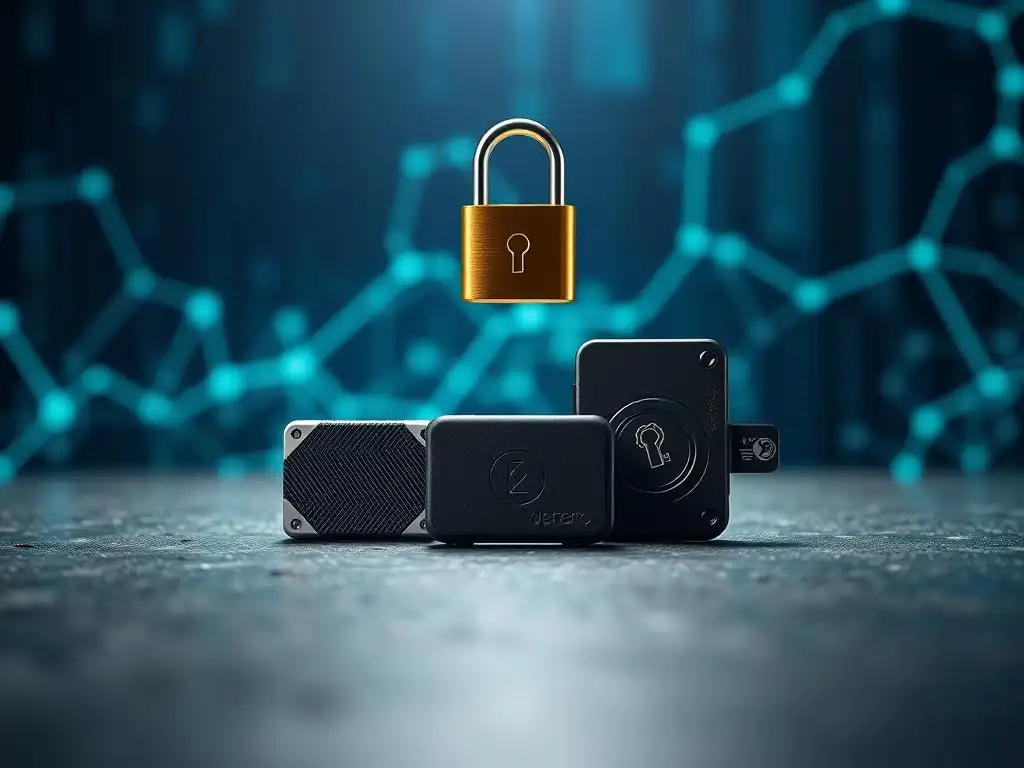
Welcome to Blockchain Trends, your guide to the ever-evolving world of decentralized technology. Beyond the hype surrounding cryptocurrencies lies a vast landscape of innovation, from groundbreaking DeFi applications to transformative enterprise solutions. Intrigued about securing your digital assets? Dive into our insights, starting with our exploration of secure crypto wallet security tips, and discover why hardware wallets like Ledger, Trezor, and KeepKey continue to dominate the landscape. Uncover the critical measures you need to know to protect your investments and navigate the future of digital finance.
Ledger Nano S Plus: An Overview
The Ledger Nano S Plus represents a significant evolution from the original Ledger Nano S, building upon its predecessor's legacy as a benchmark for secure crypto wallet security. This updated model addresses key limitations of the earlier version, most notably its constrained memory capacity, which often required users to uninstall and reinstall applications to manage different crypto assets.
The Nano S Plus boasts substantially increased storage, typically allowing users to install dozens, often up to 100, cryptocurrency applications concurrently, depending on the size of the individual apps. This enhanced capacity simplifies asset management and reinforces secure crypto wallet security by reducing the need for frequent software changes, minimizing potential vectors for error or attack.
Designed with a larger screen than the original Nano S, it improves usability and clarity when verifying transaction details directly on the device – a crucial step in following secure crypto wallet security tips to prevent phishing or tampering.
Beyond its improved memory and screen, the Ledger Nano S Plus maintains the core security architecture that made the Nano S popular: a certified Secure Element chip (specifically, the CC EAL6+ certified chip). This dedicated chip is designed to resist sophisticated physical and digital attacks, ensuring that your private keys are generated and stored offline, isolated from internet-connected devices.
This isolation is paramount for cold storage, a fundamental practice in secure crypto wallet security tips. The Nano S Plus supports an extensive list of thousands of cryptocurrencies and tokens, facilitating the secure storage of a diverse portfolio.
Its integration with the Ledger Live application provides a user-friendly interface for managing assets, sending/receiving transactions, and interacting with DeFi applications, all while the critical signing process remains securely confined within the hardware device. This seamless yet secure interaction model makes the Nano S Plus a robust choice for individuals prioritizing secure crypto wallet security for their digital wealth.
- What makes Ledger, Trezor, and KeepKey consistently ranked as top crypto wallet choices?
- How do hardware wallets like Ledger, Trezor, and KeepKey enhance "Secure crypto wallet security"?
- Beyond hardware, what other "Secure crypto wallet security tips" should users consider when using Ledger, Trezor, or KeepKey?
- How are software updates important for maintaining "Secure crypto wallet security" on hardware wallets?
- Are there any potential drawbacks to using Ledger, Trezor, or KeepKey that users should be aware of?
Frequently Asked Questions
What makes Ledger, Trezor, and KeepKey consistently ranked as top crypto wallet choices?
These wallets maintain their top position due to their strong hardware security features, consistent software updates addressing vulnerabilities, and established reputation within the crypto community for secure cold storage.
How do hardware wallets like Ledger, Trezor, and KeepKey enhance "Secure crypto wallet security"?
Hardware wallets store your private keys offline, significantly reducing the risk of online hacking attempts. They require physical confirmation for transactions, providing an extra layer of authentication and protection against unauthorized access.
Beyond hardware, what other "Secure crypto wallet security tips" should users consider when using Ledger, Trezor, or KeepKey?
Always purchase directly from the manufacturer to avoid tampered devices, enable two-factor authentication (2FA) on connected accounts, and carefully verify the transaction details displayed on the wallet's screen before confirming.
How are software updates important for maintaining "Secure crypto wallet security" on hardware wallets?
Regular updates patch newly discovered security vulnerabilities and improve the overall performance and stability of the device, ensuring ongoing protection against evolving threats.
Are there any potential drawbacks to using Ledger, Trezor, or KeepKey that users should be aware of?
While highly secure, hardware wallets require responsible key management. Lost or damaged devices can lead to permanent loss of funds if recovery phrases are not properly backed up and stored securely.
Final Reflection: Securing Your Digital Future
The landscape of cryptocurrency is ever-evolving, but one thing remains constant: the critical importance of securely managing your digital assets. As we've explored the strengths of Ledger, Trezor, and KeepKey, it's clear that hardware wallets are not just a luxury, but a necessity in today's digital age. The peace of mind they offer, knowing your private keys are shielded from online threats, is invaluable in a world increasingly vulnerable to cyberattacks.
The ongoing influence of secure crypto wallets extends far beyond individual investors; it shapes the very foundation of trust in decentralized finance. The ability to self-custody our assets empowers us to participate in a new financial paradigm, free from the control of centralized institutions. This empowerment, however, comes with responsibility. With great power comes great responsibility.
This quote, often attributed to Voltaire, perfectly encapsulates the ethos of owning a secure crypto wallet. It's not just about holding digital assets; it's about safeguarding your future and contributing to a more secure and decentralized world.
As you navigate the exciting, yet sometimes daunting, world of cryptocurrency, remember the lessons we've learned about secure crypto wallet security. Take the time to research, choose the right hardware wallet for your needs, and implement best practices for protecting your private keys. The future of finance is in your hands, and by prioritizing security, you can ensure that your digital assets are safe, secure, and ready to thrive in the years to come.
Okay, here's a CTA for the end of an article titled "Crypto Wallets in 2023: Why Ledger, Trezor, and KeepKey Remain Top Choices" for the website "Blockchain Trends" (blockchaintrends.org):
Unlock Your Crypto Security Potential!
Thanks for exploring the world of crypto wallets with Blockchain Trends! We hope you now have a clearer understanding of why Ledger, Trezor, and KeepKey continue to lead the pack in secure crypto storage. Now, let's take control of your digital assets:
- Order your Ledger, Trezor, or KeepKey hardware wallet today and start transferring your crypto to cold storage. This is the best way to safeguard your investment against online threats.
- Explore different firmware versions for your chosen wallet. Keeping your device updated ensures you have the latest security patches and features.
- Share this article with a friend who is new to crypto, and help them understand the importance of secure wallet management!
What steps will you take today to secure your crypto holdings? Share your wallet setup tips or any questions you have in the comments below!
Leave a Reply