
The Evolution of Hardware Crypto Wallets: From Basics to Beyond


Welcome to Blockchain Trends, your guide to understanding the revolution unfolding beyond digital currencies. Are you ready to delve into the world of secure hardware crypto wallets and discover how they are evolving to protect your digital assets? This article explores the crucial role these devices play in securing your blockchain future, but just how safe are they, really? Keep reading to find out!
- The Evolution of Hardware Crypto Wallets: From Basics to Beyond
- Key Features Defining a Secure Hardware Crypto Wallet
-
Frequently Asked Questions
- How have hardware crypto wallets evolved since their initial introduction?
- Why are secure hardware crypto wallets considered more secure than software wallets?
- What are the key features to look for when choosing a secure hardware crypto wallet?
- How do secure hardware crypto wallets interact with decentralized finance (DeFi) platforms?
- What role does regulation play in the development and adoption of secure hardware crypto wallets?
- Final Reflection: Securing the Future of Digital Assets
- Unlock Your Crypto Security: Journey Further!
The Evolution of Hardware Crypto Wallets: From Basics to Beyond
Why Secure Hardware Crypto Wallets Are Essential for Digital Asset Security
The digital asset landscape, encompassing cryptocurrencies, non-fungible tokens (NFTs), and other tokenized assets, represents a significant and growing store of value. Unlike traditional bank accounts protected by institutional safeguards and deposit insurance, the security of digital assets primarily rests with the individual owner's control over their private keys.
Losing control of these keys, which are essentially the cryptographic proof of ownership, means losing access to the assets themselves, often irreversibly. As the total market capitalization of cryptocurrencies has surged into the trillions of dollars, the incentives for malicious actors to target these assets have likewise increased dramatically, making robust security measures not just advisable, but absolutely critical for anyone holding digital wealth.
This heightened threat environment underscores the indispensable role of secure hardware crypto wallets. These devices are specifically designed to provide the highest level of security for private keys by keeping them isolated from internet-connected devices, which are inherently vulnerable to various online threats. While software wallets offer convenience for frequent transactions, they expose private keys to the operating system and network environment, creating potential attack vectors.
A secure hardware crypto wallet, conversely, acts as a dedicated, offline vault for your most critical digital asset information, ensuring that even if your computer or smartphone is compromised, your private keys remain safe and inaccessible to hackers. This fundamental layer of protection is why they are considered the gold standard for safeguarding significant digital asset holdings.
The Problem with Software Wallets and Online Threats
Software wallets, often referred to as 'hot wallets' because they are connected to the internet, face a multitude of security challenges. These wallets, which can be desktop applications, mobile apps, or browser extensions, store private keys on a device that is regularly connected to the internet. This constant connectivity exposes the keys to a wide array of online threats.
Common attack vectors include malware designed to scan for wallet files or keylogging software that records user inputs, including passwords and seed phrases. Phishing attacks, where users are tricked into revealing sensitive information through fraudulent websites or emails, also pose a significant risk to software wallet users. Even sophisticated users can fall victim to compromised websites or malicious browser extensions that surreptitiously steal private key information.
The history of digital assets is unfortunately littered with examples of losses due to software wallet vulnerabilities and online attacks. While specific up-to-the-minute figures are hard to pin down universally, various reports consistently indicate that billions of dollars are lost annually to crypto-related crime, a significant portion of which stems from compromised hot wallets and exchange hacks.
For instance, major exchange breaches, while not directly targeting individual software wallets, highlight the risks associated with keeping funds on internet-connected platforms. Similarly, numerous individual cases surface regularly where users report losing their funds after downloading malicious software or clicking on phishing links, demonstrating the inherent risk when private keys reside on an internet-connected device susceptible to the myriad threats present in the online world.
Understanding Cold Storage: How Hardware Wallets Protect Private Keys
At the core of a secure hardware crypto wallet's security model is the principle of "cold storage." This refers to the practice of storing digital asset private keys offline, completely disconnected from the internet. Unlike software wallets that keep keys on a device vulnerable to online threats, hardware wallets perform all critical cryptographic operations, such as signing transactions, within the secure, isolated environment of the physical device itself.
When you want to send a transaction, you initiate it on your computer or smartphone using companion software or a web interface. This transaction data is then sent to the hardware wallet via USB or Bluetooth, but crucially, the private key never leaves the device.
Once the transaction details are received by the hardware wallet, they are displayed on the device's screen for verification. The user confirms the details directly on the hardware wallet, typically using physical buttons. The device then uses the securely stored private key to cryptographically sign the transaction internally.
Only the signed transaction is then sent back to the internet-connected computer or smartphone to be broadcast to the blockchain network. This process ensures that the private key, the absolute most critical piece of information, remains air-gapped and protected from malware, viruses, and online surveillance, making secure hardware crypto wallets an exceptionally robust solution for safeguarding digital assets against internet-borne threats.
Key Features Defining a Secure Hardware Crypto Wallet
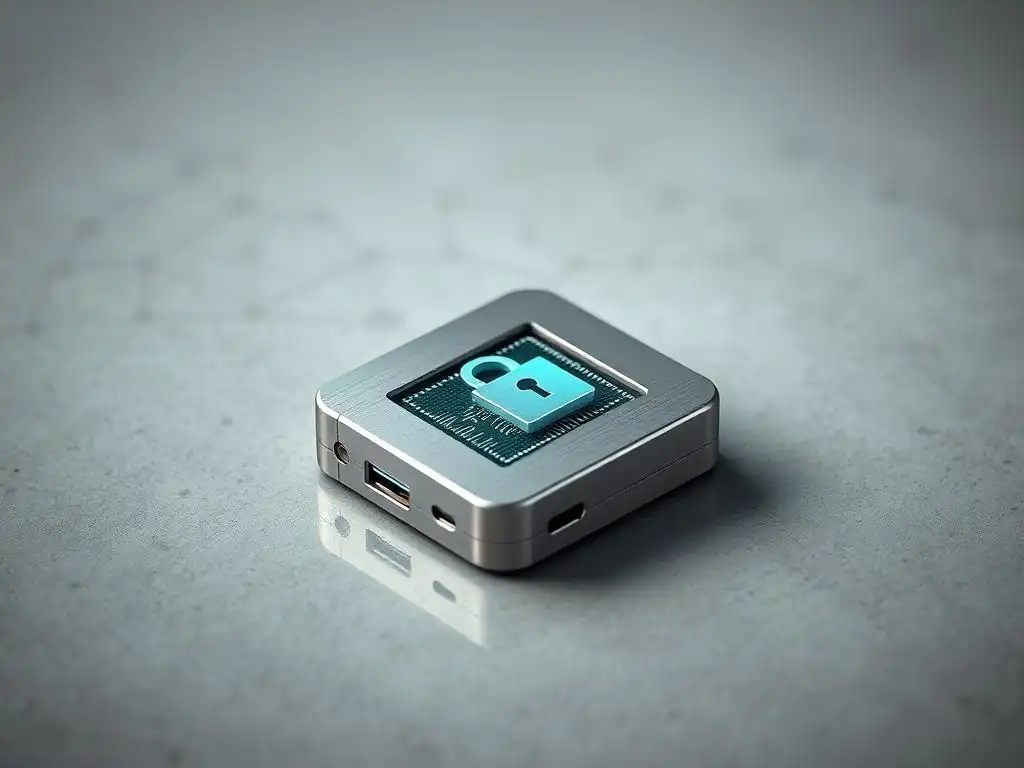
Physical Security and Tamper Protection.
The security of a hardware crypto wallet begins with its physical design and construction. A truly secure hardware crypto wallet incorporates robust physical security measures to prevent unauthorized access to the device's internal components and the sensitive data they hold. This often includes the use of specialized secure elements (SEs) – dedicated, tamper-resistant microcontrollers designed specifically for cryptographic operations and secure storage.
These chips are engineered to resist various forms of physical attacks, such as voltage glitches, side-channel analysis, and even invasive techniques aimed at extracting data directly from the silicon. Many manufacturers also employ sophisticated tamper-evident packaging or physical seals that make it obvious if a device has been opened or interfered with before it reaches the user.
Beyond secure chips and packaging, the physical form factor and internal design of a secure hardware crypto wallet contribute significantly to its resilience. Devices are often designed to be extremely difficult to disassemble without causing visible damage, further deterring physical tampering. Some incorporate internal sensors that can detect attempts at intrusion and respond by securely erasing the sensitive data stored within.
While specific certifications can vary, many high-quality hardware wallets undergo rigorous security audits and strive for certifications such as Common Criteria (CC) at various Evaluation Assurance Levels (EAL), indicating that the product has been tested against a defined set of security standards. These combined physical security features are vital to ensure that the device you receive and use has not been compromised in transit or through physical manipulation.
Frequently Asked Questions
How have hardware crypto wallets evolved since their initial introduction?
Early hardware wallets focused primarily on basic private key storage. Now, they offer features like multi-currency support and advanced security protocols, alongside improved usability.
Why are secure hardware crypto wallets considered more secure than software wallets?
Hardware wallets store your private keys offline, making them immune to online hacking attempts. Software wallets are always vulnerable due to their connection to the internet.
What are the key features to look for when choosing a secure hardware crypto wallet?
Prioritize features like secure element chips, open-source firmware (if available), and multi-signature support for enhanced security. Also, consider ease of use and compatibility.
How do secure hardware crypto wallets interact with decentralized finance (DeFi) platforms?
Hardware wallets allow you to securely connect to DeFi platforms and authorize transactions without exposing your private keys to the internet. This greatly reduces risk.
What role does regulation play in the development and adoption of secure hardware crypto wallets?
Clearer regulatory guidelines could increase consumer trust and encourage wider adoption. Standards for security and interoperability are also needed.
Final Reflection: Securing the Future of Digital Assets
The journey of hardware crypto wallets, as we've explored, is a testament to the relentless pursuit of security in the digital age. The evolution from basic storage devices to sophisticated, multi-functional platforms underscores the critical need for robust protection of digital assets in an increasingly complex landscape. This evolution isn't just about technological advancement; it's about empowering individuals to take control of their financial sovereignty.
This topic has profoundly shaped how we perceive digital ownership and security. The peace of mind that comes from knowing your private keys are shielded from online threats is invaluable, and it's a feeling that resonates deeply with anyone navigating the world of cryptocurrency. Security is always seen as too expensive until you don't have it.
This quote perfectly encapsulates the importance of investing in secure hardware crypto wallets. The ongoing development and refinement of these devices reflect a growing awareness of the stakes involved in safeguarding digital wealth.
As we look to the future, the responsibility falls on each of us to prioritize security in our digital lives. Consider the insights shared in this article and reflect on your own approach to protecting your crypto assets. Are you truly leveraging the best tools available? The future of digital finance depends on our collective commitment to security. Embrace the power of secure hardware crypto wallets and become an active participant in shaping a safer, more decentralized financial future.
Okay, I'm ready to craft a Call to Action (CTA) based on that article title, website name, and domain. Here's what I've got:
Unlock Your Crypto Security: Journey Further!
Thank you for exploring the evolution of hardware crypto wallets with Blockchain Trends! You've now gained valuable insights into securing your digital assets. Ready to take the next step in your crypto security journey?
Here are a few actionable ideas:
- Invest in a Hardware Wallet: Secure your crypto today by researching and purchasing a hardware wallet that suits your needs. This is the most impactful step you can take right now.
- Join the Discussion: Share your thoughts on crypto wallet security and tell us your favorite brand on Blockchain Trends social media pages.
- Explore Alternate solutions: Research into multi-signature wallets, and cold storage solutions
Ready to future-proof your crypto security with these advanced techniques?
Leave a Reply