
Hardware Wallet Recovery: Restoring Access to Your Crypto After Loss


Welcome to Blockchain Trends, your guide to understanding the revolutionary impact of blockchain technology!
Ever wondered what happens when your hardware wallet goes missing or malfunctions? This article dives deep into the crucial hardware wallet recovery process, offering a comprehensive look at how you can restore access to your valuable cryptocurrency assets. Discover the essential steps, security considerations, and best practices to safeguard your digital future. Keep reading to ensure your crypto remains secure, even in the face of unforeseen circumstances!
-
Hardware Wallet Recovery: Restoring Access to Your Crypto After Loss
- Understanding the Hardware Wallet Recovery Process
- Common Scenarios Leading to Hardware Wallet Loss
- Step-by-Step Guide to Hardware Wallet Recovery
- Tools and Products for Effective Hardware Wallet Recovery
- Preventative Measures for Future Hardware Wallet Loss
- Conclusion: Ensuring Future Access to Your Crypto
-
Frequently Asked Questions
- How does a hardware wallet recovery process work if my device is lost or damaged?
- What is a seed phrase, and why is it important for hardware wallet recovery?
- What precautions should I take to protect my seed phrase during the hardware wallet recovery process?
- Can I use my hardware wallet recovery seed phrase on any wallet or platform?
- What happens if I lose my seed phrase; can I still recover my crypto using the hardware wallet recovery process?
- Final Reflection: Reclaiming Digital Sovereignty
- Recover Your Peace of Mind: Secure Your Crypto Future Now!
Hardware Wallet Recovery: Restoring Access to Your Crypto After Loss
Understanding the Hardware Wallet Recovery Process
A hardware wallet is a physical electronic device designed to store the private keys for your cryptocurrencies offline. Unlike software wallets that reside on your computer or smartphone, hardware wallets isolate your private keys from internet-connected devices, offering a significant layer of security against online threats like malware and phishing attacks. This air-gapped approach means that even if the device is plugged into an infected computer, the private keys remain secure on the hardware wallet itself, requiring physical interaction for transactions.
The importance of hardware wallets in crypto security cannot be overstated. By keeping private keys offline, they drastically reduce the attack surface for malicious actors. While exchanges and software wallets are susceptible to hacks and exploits, a hardware wallet protects your most critical asset – the key that controls your funds – by keeping it in a secure, physical environment. This makes them the preferred choice for long-term storage of significant cryptocurrency holdings, providing peace of mind against the prevalent digital risks in the crypto space.
The hardware wallet recovery process is a crucial mechanism that allows you to regain access to your cryptocurrency assets if your physical hardware wallet is lost, stolen, or damaged. This process relies on a unique sequence of words, typically 12, 18, or 24 words, known as a recovery seed phrase (or mnemonic phrase).
This seed phrase is generated when you first set up your hardware wallet and is the master key to your funds, allowing you to restore access on a new compatible device or even a different wallet software that supports the same standard (like BIP39). Understanding and properly managing this seed phrase is paramount, as losing it usually means permanent loss of access to your crypto, regardless of whether you still have the physical hardware wallet.
Common Scenarios Leading to Hardware Wallet Loss
One of the most critical scenarios leading to the need for the hardware wallet recovery process is losing access to your recovery seed phrase. This phrase is the only backup of your private keys. If the paper or medium on which you wrote down the seed phrase is lost, destroyed (e.g., fire, water damage), or becomes illegible, and you no longer have access to the original hardware wallet, recovering your funds becomes impossible. Approximately 20% of Bitcoin is estimated to be lost forever, with a significant portion attributed to lost or inaccessible private keys and seed phrases.
Another frequent cause for needing hardware wallet recovery is a damaged or malfunctioning hardware wallet device itself. Physical damage, such as dropping the device, exposure to extreme temperatures, or electronic failure, can render the wallet unusable.
While the physical device might be broken, the private keys derived from your seed phrase are not stored on the device in a way that is destroyed by physical damage; they are derived from the seed. Therefore, as long as you have your recovery seed phrase, you can simply purchase a new compatible hardware wallet or use a different wallet interface and use the seed phrase to restore access to your funds, effectively performing a hardware wallet recovery.
Theft or unauthorized access to your physical hardware wallet is also a scenario requiring recovery, although the immediate concern is security. If a thief gains possession of your hardware wallet, they still need your PIN to access the device and approve transactions. Most hardware wallets have security features like PIN attempts limits (e.g., 3 incorrect attempts leading to device wipe) and require physical confirmation for transactions.
However, if the thief also obtains your recovery seed phrase, they can bypass the physical wallet and PIN entirely, restoring your wallet on another device and stealing your funds. This highlights why securing your seed phrase separately and more securely than the device itself is a fundamental step in preventing loss and enabling the hardware wallet recovery process if the device is compromised.
Step-by-Step Guide to Hardware Wallet Recovery
Step 1: Assessing Your Situation
The initial step in the hardware wallet recovery process is to calmly assess the specific circumstances of your loss or inaccessibility. It's crucial to determine exactly what has happened: Is the physical wallet damaged, lost, or stolen? Do you have your recovery seed phrase readily available and confirmed to be correct? Is the issue perhaps a forgotten PIN, or a software glitch with the wallet interface? Identifying the type of loss dictates the subsequent recovery steps and necessary tools.
Gathering necessary information and tools is the next part of this assessment. This includes locating your recovery seed phrase (the 12, 18, or 24 words), any PINs or passphrases you might have used, and details about the type and brand of hardware wallet you were using (e.g., Ledger Nano S, Trezor Model One). You will also need access to a computer with an internet connection and potentially the specific software or application recommended by the hardware wallet manufacturer or a compatible third-party wallet software. Ensure your computer is free from malware before proceeding.
Step 2: Restoring Access with Recovery Seed
The primary method for the hardware wallet recovery process is using your recovery seed phrase. This phrase is generated using a standard like BIP39, making it compatible with many wallets. To use your recovery seed phrase, you typically acquire a new hardware wallet (preferably the same model or brand, but often a different compatible one works) or install a compatible software wallet. During the setup of the new wallet, you will select an option like "Restore wallet" or "Import wallet" and be prompted to enter your seed words in the correct order.
Best practices for seed phrase management are absolutely critical. Your seed phrase should never be stored digitally (e.g., on a computer, phone, cloud storage). It should be written down on a durable material, ideally metal or specially treated paper resistant to fire and water. Store multiple copies in separate, secure physical locations (e.g., a home safe, a bank safety deposit box). Regularly verifying your seed phrase (using a 'check' feature on your wallet or a test recovery on a temporary, clean device if you're technically savvy) can prevent future heartaches.
Recommended hardware wallets often come with secure seed storage suggestions or accessories. Devices like the Ledger Nano X and Trezor Model T are popular choices known for their robust security and clear recovery processes. They guide users through writing down their seed phrase upon initial setup and offer verification steps. While they don't store the seed for you after setup, their interfaces are designed to facilitate the secure recording and, if needed, the hardware wallet recovery process using the seed.
Step 3: Utilizing Backup Options
Beyond the standard recovery seed phrase, some wallet setups or accompanying services might offer exploring wallet backup features. This is less common for the core private keys on a hardware wallet itself, as the seed phrase is the primary backup. However, some wallet software interfaces or related services might offer backups of transaction history, watch-only wallets, or configuration settings. It's important to differentiate these less critical backups from the essential seed phrase backup.
Restoring from cloud backups and other alternatives is generally not recommended for the seed phrase itself due to the inherent security risks of online storage. However, if you used a specific software wallet in conjunction with your hardware wallet and that software offered encrypted cloud backups for non-sensitive data (like transaction labels or address books), those might be restorable. Always be extremely cautious about storing sensitive information like seed phrases online.
Exploring backup strategies should focus primarily on the secure storage and verification of your recovery seed phrase. Consider using metal plates or capsules designed to withstand extreme conditions for storing your seed phrase. Creating multiple copies stored in geographically distinct locations adds redundancy. Some advanced users explore Shamir's Secret Sharing schemes, which split the seed into multiple parts requiring a threshold number to reconstruct, adding another layer of security and resilience against the loss of a single copy, thus enhancing the robustness of the hardware wallet recovery process.
Tools and Products for Effective Hardware Wallet Recovery
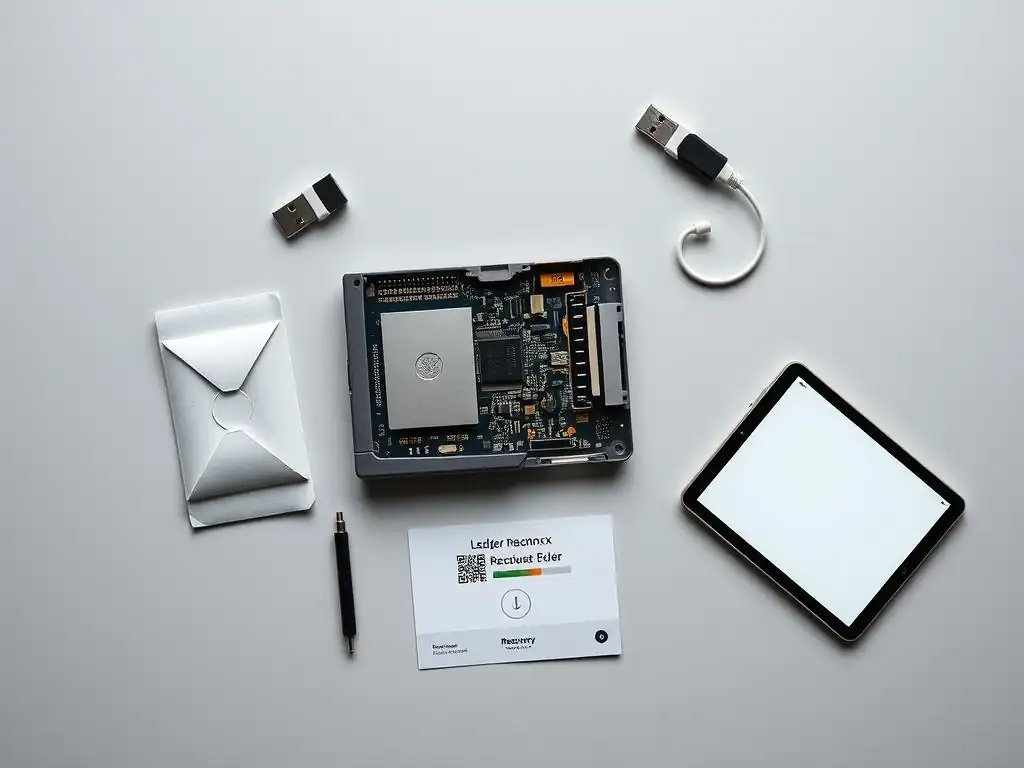
While the recovery seed phrase is the cornerstone of the hardware wallet recovery process, certain tools and products can facilitate the steps. Best software tools for crypto wallet recovery are typically the official applications provided by the hardware wallet manufacturers (e.g., Ledger Live, Trezor Suite). These applications have built-in functions specifically designed to guide users through the restoration process using their recovery seed phrase. Using official software ensures compatibility and reduces the risk of errors or security vulnerabilities associated with unverified third-party tools.
Other compatible wallet software like Electrum or MyEtherWallet (when accessed securely, e.g., offline or via hardware wallet connection) can also sometimes be used to restore a wallet from a seed phrase, provided they support the same derivation path and standard (like BIP39). However, extreme caution is advised when using third-party software for seed phrase recovery, as malicious software can steal your seed phrase. Always download software only from official sources and ideally verify its authenticity.
Recommended recovery services and their features exist, but they typically cater to complex scenarios beyond standard seed phrase recovery, often involving damaged physical devices where the seed phrase was not properly backed up. These services are highly specialized, often expensive, and have varying success rates. They might attempt data extraction from damaged chips or use advanced forensic techniques.
A comparison of wallet recovery services would reveal that their pros include potential access to funds otherwise lost, while cons include high cost (potentially tens of thousands of dollars), lack of guaranteed success, and the inherent risk of entrusting your private data (or the physical device) to a third party. For the standard user with a properly backed-up seed phrase, these services are unnecessary for the hardware wallet recovery process.
Preventative Measures for Future Hardware Wallet Loss
Preventing the need for a complex hardware wallet recovery process begins with adopting robust security practices from the outset. Tips for securing your hardware wallet include setting a strong, unique PIN and keeping it confidential. Never share your PIN or connect your wallet to untrusted computers. Be wary of physical theft and store your device in a secure location when not in use. Always purchase hardware wallets directly from the official manufacturer or authorized resellers to avoid tampered devices.
The importance of regular backups and updates cannot be stressed enough. The primary backup is your recovery seed phrase – ensure it is accurately recorded and stored securely in multiple locations using durable materials. While the hardware wallet itself doesn't require data backups like a computer, keeping its firmware updated is crucial for security and functionality. Manufacturers regularly release updates to patch vulnerabilities and improve performance. Perform these updates through the official software provided by the manufacturer.
How multi-signature wallets can enhance security is another layer of protection, particularly for significant holdings or organizational funds. A multi-signature (multisig) wallet requires multiple private keys (held by different individuals or stored on separate devices) to authorize a transaction.
For example, a 2-of-3 multisig wallet would require 2 out of 3 designated keys to sign off on any transaction. This significantly mitigates the risk associated with the loss or compromise of a single key or device, making unauthorized access much harder and adding redundancy that simplifies recovery if one key is lost, as the others can still be used to access and move funds to a new multisig setup, thus enhancing the overall resilience against loss scenarios that would typically initiate a standard hardware wallet recovery process.
Conclusion: Ensuring Future Access to Your Crypto
The hardware wallet recovery process is an essential safety net in the world of cryptocurrency, providing a pathway to regain control of your digital assets even if your physical device is lost, stolen, or damaged. This process fundamentally relies on the secure handling and storage of your recovery seed phrase, a sequence of words that acts as the master key to your wallet. Understanding the common scenarios that necessitate recovery, from losing your seed phrase to physical device failure, highlights the importance of proactive security measures.
Adopting best practices for crypto security is not merely a suggestion but a necessity. This includes meticulously documenting your recovery seed phrase on durable materials, storing it securely in multiple separate locations, and never sharing it or storing it digitally. Furthermore, securing your physical hardware wallet, using strong PINs, and keeping your device firmware updated are vital steps in preventing loss or compromise in the first place.
To truly enhance the security and longevity of your cryptocurrency holdings, exploring and utilizing the best hardware wallets available is a crucial step. Devices like Ledger and Trezor offer robust security features and well-defined recovery procedures based on the industry-standard seed phrase. By investing in a quality hardware wallet and diligently following the recommended security and backup protocols, you significantly reduce the likelihood of needing a complex hardware wallet recovery process and ensure future access to your valuable digital assets.
Frequently Asked Questions
How does a hardware wallet recovery process work if my device is lost or damaged?
The recovery process relies on a seed phrase (usually 12 or 24 words) generated when you first set up your wallet. You use this phrase to restore your private keys on a new device or compatible software.
What is a seed phrase, and why is it important for hardware wallet recovery?
A seed phrase is a backup of your private keys, providing access to your cryptocurrency assets. It's crucial for recovering your funds if your hardware wallet is lost, stolen, or malfunctions.
What precautions should I take to protect my seed phrase during the hardware wallet recovery process?
Never store your seed phrase digitally (e.g., on your computer or phone). Write it down and store it in a secure, offline location, preferably in multiple locations and protected from physical damage.
Can I use my hardware wallet recovery seed phrase on any wallet or platform?
While the BIP39 standard is widely adopted, some wallets may not support all seed phrase formats. It's essential to check compatibility before attempting a recovery process with a specific wallet.
What happens if I lose my seed phrase; can I still recover my crypto using the hardware wallet recovery process?
Unfortunately, if you lose your seed phrase, you lose access to your crypto. The seed phrase is the only means of recovering your funds when you don't have access to your hardware wallet.
Final Reflection: Reclaiming Digital Sovereignty
The journey of understanding the hardware wallet recovery process is not merely a technical exercise; it's a crucial step in securing our digital future. In a world increasingly reliant on decentralized finance and digital assets, the ability to confidently restore access after loss is paramount. This knowledge empowers individuals to truly own their crypto, mitigating the risks associated with centralized custodians and fostering a more resilient financial ecosystem.
The impact of mastering hardware wallet recovery extends far beyond individual accounts. It influences the broader adoption of cryptocurrency by alleviating a major fear: the irreversible loss of funds. This understanding is deeply personal; it's about reclaiming control and building trust in a technology that promises financial freedom. Security is always excessive until it's not enough.
This quote underscores the importance of proactive measures, like understanding recovery processes, to safeguard our digital assets and ensure the long-term viability of decentralized finance.
Now, armed with this knowledge, I encourage you to reflect on your own security practices. Are you truly prepared for the unexpected? Take the time to document your recovery phrase, understand the recovery process for your specific hardware wallet, and share this knowledge with others. By embracing responsibility and proactively securing our digital assets, we can collectively build a more secure and empowering financial future for all.
Okay, here's a CTA draft based on the topic "Hardware Wallet Recovery: Restoring Access to Your Crypto After Loss" for Blockchain Trends:
Recover Your Peace of Mind: Secure Your Crypto Future Now!
Thanks for diving into the world of hardware wallet recovery! We hope this article has empowered you with the knowledge to confidently restore your crypto access should the unexpected happen. Now, let's turn that knowledge into action and secure your digital assets.
Here are a few key steps to take:
- Immediately verify your recovery seed. Take a moment to find it and ensure it's securely stored. This is your lifeline to your crypto!
- Explore Blockchain Trends to dive deeper into secure crypto storage solutions. Read about multi-signature wallets or advanced security practices!
- Share this article with friends and family involved in crypto! Helping them understand recovery processes helps build a stronger community.
What's the first step you'll take today to improve your crypto recovery plan? Share in the comments below!
Leave a Reply