
Hardware Wallets and Layer2 Solutions: Securely Bridging to Scalability


Welcome to Blockchain Trends, your definitive guide to navigating the revolutionary world of blockchain technology. Are you ready to move beyond the hype and delve into the real-world applications that are reshaping industries? This week, we're tackling a critical challenge: How do we achieve secure, scalable blockchain solutions now? Discover how hardware wallets and Layer2 solutions are providing crucial bridges to scalability, offering enhanced security while unlocking the full potential of decentralized systems. Keep reading to explore the future of blockchain, one block at a time.
- Introduction to Secure, Scalable Blockchain Solutions Now
- Best Hardware Wallets for Secure Crypto Storage
- Bridging Hardware Wallets with Layer 2 Solutions
- Pros and Cons of Using Hardware Wallets with Layer 2 Solutions
- Conclusion: The Future of Secure, Scalable Blockchain Solutions
-
Frequently Asked Questions
- What are hardware wallets, and how do they enhance blockchain security?
- How do Layer-2 solutions contribute to blockchain scalability?
- How do hardware wallets and Layer-2 solutions work together to provide secure, scalable blockchain solutions now?
- What are some examples of popular Layer-2 solutions currently being used?
- What are the key considerations when choosing between different hardware wallets for secure, scalable blockchain solutions now?
- Final Reflection: Embracing Secure, Scalable Blockchain Solutions Now
- Unlock the Future: Strengthen Your Crypto Security Today!
Introduction to Secure, Scalable Blockchain Solutions Now
The Need for Enhanced Security in Blockchain Transactions
While blockchain technology inherently offers a high degree of security through cryptography and decentralization, vulnerabilities can still arise, particularly at the user interface level and within the broader ecosystem. Common risks include phishing attacks targeting private keys, malware compromising software wallets, and exploits within smart contracts. The value stored on blockchain networks, from cryptocurrencies like Bitcoin and Ethereum to NFTs and DeFi assets, makes them attractive targets for malicious actors. Protecting these digital assets requires robust security measures that go beyond the foundational security of the blockchain itself.
The paramount importance of hardware wallets in safeguarding digital assets cannot be overstated. Unlike software wallets that store private keys on internet-connected devices, hardware wallets keep private keys isolated in a dedicated, secure chip. This physical separation acts as a formidable barrier against online threats.
When a transaction is initiated, the details are sent to the hardware wallet, where the signing process occurs offline using the securely stored private key. Only the signed transaction is then sent back to the online device for broadcast to the network, meaning the private key never leaves the secure hardware. This method significantly reduces the risk of theft due to malware or phishing, making hardware wallets a cornerstone for achieving secure, scalable blockchain solutions now.
Understanding Layer 2 Solutions in Blockchain Scalability
Layer 2 solutions are off-chain protocols built on top of a base blockchain (Layer 1) designed to increase transaction throughput and reduce costs without sacrificing the security guarantees of the underlying network. They achieve this by processing a large volume of transactions off the main chain and then submitting summarized proofs or final states back to Layer 1. This approach alleviates congestion on the mainnet, which is particularly crucial for blockchains like Ethereum that have faced significant scalability challenges, leading to high gas fees and slow transaction times during periods of high demand.
Various types of Layer 2 solutions exist, each employing different techniques to achieve scalability. Rollups, such as Optimistic Rollups (e.g., Optimism, Arbitrum) and ZK-Rollups (e.g., zkSync, StarkNet), bundle hundreds or thousands of transactions off-chain and submit a single batch to Layer 1, verified either through fraud proofs (Optimistic) or validity proofs (ZK). State Channels (e.g., Lightning Network for Bitcoin, Raiden for Ethereum) allow participants to conduct multiple transactions off-chain, only interacting with Layer 1 to open and close the channel.
Sidechains (e.g., Polygon PoS) are independent blockchains with their own consensus mechanisms that are connected to the main chain via a two-way peg, allowing assets to be moved between them. These Layer 2 technologies are vital components for building truly secure, scalable blockchain solutions now.
Best Hardware Wallets for Secure Crypto Storage
Ledger Nano X: The Benchmark for Security and Usability
The Ledger Nano X is widely regarded as a leading hardware wallet, known for its robust security features and enhanced usability. A key feature is its Bluetooth connectivity, which allows users to manage their crypto assets and interact with decentralized applications (dApps) directly from their smartphones using the Ledger Live mobile app, without needing a physical connection to a computer.
It supports a vast number of cryptocurrencies and tokens, offering broad compatibility for diverse portfolios. The device features a larger screen compared to its predecessor and ample storage to install multiple applications simultaneously, facilitating management of various assets and access to different blockchain networks.
Using the Ledger Nano X is particularly advantageous for interacting with Layer 2 integrations. Its secure element chip, certified CC EAL5+, ensures that private keys are protected against sophisticated attacks. When transacting on a Layer 2 network like Polygon or Optimism via a compatible interface (such as a web wallet or dApp), the transaction details are sent to the Ledger Nano X for signing.
The user physically verifies the transaction details on the device's screen before confirming with the buttons. This process ensures that even if the connected computer or phone is compromised, the private key remains secure, making it an excellent tool for interacting with secure, scalable blockchain solutions now. Pricing typically ranges from $100 to $150, and it is available from the official Ledger website and authorized electronics retailers.
Trezor Model T: User-Friendly Interface with Strong Security
The Trezor Model T stands out with its intuitive touchscreen interface, which simplifies the process of verifying and confirming transactions directly on the device. This feature enhances security by providing a clear, interactive display for critical information. As an open-source hardware wallet, its firmware and software are available for public review, fostering transparency and trust within the security community. Trezor devices prioritize user control and security, emphasizing the importance of the seed phrase for recovery and providing advanced features like Shamir Backup for splitting the seed into multiple parts.
The Trezor Model T offers strong support for various Layer 2 protocols and networks through compatible wallet interfaces and dApps. Users can connect their Trezor to wallets like MetaMask (when configured correctly) to interact with Layer 2 networks such as Arbitrum or zkSync. When initiating a transaction on these Layer 2s, the Trezor Model T will display the transaction details on its touchscreen for verification and confirmation using the device's physical interface.
This ensures that the user explicitly approves the transaction using their secure hardware, adding a critical layer of protection even when operating on faster, cheaper Layer 2 solutions. The price point for the Trezor Model T is typically between $180 and $250, available directly from the Trezor website and select online stores.
BitBox02: Minimalistic Design Meets Maximum Security
The BitBox02, developed by Shift Crypto, focuses on a minimalistic design paired with robust security features. It includes a unique microSD card backup feature, providing a simple and reliable method for backing up and restoring the wallet. The device utilizes touch sensors for interaction, offering a streamlined user experience. Security-wise, it features a dual-chip architecture with a secure element and is designed to resist various physical and software attacks. The software is also open-source, contributing to its transparency and verifiability.
Compatibility with Layer 2 solutions and DeFi applications is a key strength of the BitBox02. It integrates with popular software wallets like MetaMask and MyEtherWallet, allowing users to connect to and transact on various Layer 2 networks such as Optimism or Polygon. The BitBox02 ensures that transaction details are confirmed on the device itself, leveraging its secure hardware to sign transactions before they are broadcast.
This makes it a strong contender for users seeking secure, scalable blockchain solutions now, particularly those engaging with DeFi protocols on Layer 2s. The BitBox02 comes in two main versions: Multi edition (supporting Bitcoin, Ethereum, Litecoin, and ERC-20 tokens) and Bitcoin-only edition. Pricing is typically around $100 to $130, available from the official Shift Crypto website and authorized distributors.
Bridging Hardware Wallets with Layer 2 Solutions
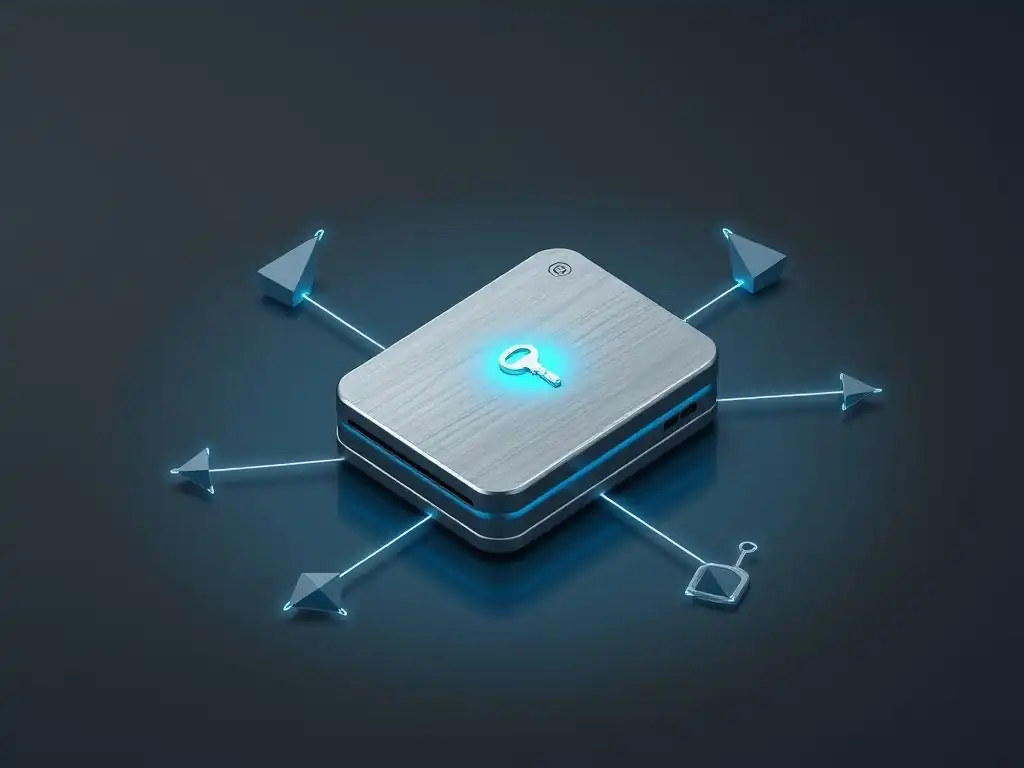
How Hardware Wallets Enhance Layer 2 Security
While Layer 2 solutions significantly improve scalability, their security ultimately relies on the underlying Layer 1 and the specific Layer 2 protocol's design (e.g., validity proofs in ZK-Rollups, fraud proofs in Optimistic Rollups). However, the user's interaction point often involves software wallets connected to web browsers or mobile apps. This is where hardware wallets provide a crucial enhancement. By requiring physical confirmation on a secure device, hardware wallets protect against scenarios where a user's computer or phone is compromised, and malicious software attempts to alter transaction details or steal private keys held in a hot wallet.
Consider a user interacting with a decentralized exchange (DEX) operating on an Optimistic Rollup network. The user initiates a trade via a web interface connected to their MetaMask wallet.
If the MetaMask wallet were a software-only wallet and the user's computer had malware, the malware could potentially alter the recipient address or the amount of the transaction before the user confirms it in the software wallet interface. However, when a hardware wallet like a Ledger Nano X or Trezor Model T is connected, the transaction details are sent to the hardware wallet.
The user verifies the exact details (recipient, amount, gas fees) on the hardware wallet's trusted display and confirms using the device's physical buttons. This offline signing process ensures that what the user sees and approves on their secure hardware is precisely what gets signed and broadcast, effectively neutralizing many online threats and making secure, scalable blockchain solutions now more attainable for individuals.
Step-by-Step Guide: Connecting Your Hardware Wallet to Layer 2
Connecting your hardware wallet to interact with Layer 2 solutions involves a few key steps to ensure security and functionality. This process typically requires using a compatible software interface that supports both your hardware wallet and the specific Layer 2 network you wish to access.
Necessary tools and services for integration:
- A compatible hardware wallet (e.g., Ledger Nano X, Trezor Model T, BitBox02).
- The hardware wallet's companion application installed (e.g., Ledger Live, Trezor Suite).
- A compatible software wallet interface (e.g., MetaMask, Rabby Wallet, MyEtherWallet) that supports connecting hardware wallets and adding custom networks.
- An internet-connected device (computer or smartphone).
- The specific network details for the Layer 2 solution (e.g., Polygon Mainnet RPC URL, Chain ID).
Step 1: Selecting the right hardware wallet. Choose a hardware wallet that fits your needs for security, usability, and supported cryptocurrencies. Ensure it is compatible with the software wallet interfaces you plan to use for Layer 2 interactions. Consider factors like Bluetooth connectivity (Ledger Nano X), touchscreen (Trezor Model T), or specific backup methods (BitBox02). Purchase directly from the manufacturer or authorized resellers to avoid tampered devices.
Step 2: Setting up Layer 2 solutions (e.g., Polygon, Optimism). Once your hardware wallet is set up and initialized with a secure seed phrase, you need to configure your software wallet (like MetaMask) to connect to the desired Layer 2 network. This often involves adding a custom network by providing the network name, RPC URL, Chain ID, currency symbol, and block explorer URL. Many Layer 2 projects provide these details on their official websites or documentation.
Step 3: Tips for secure transactions.
- Always ensure your hardware wallet's firmware is up to date.
- Verify the transaction details on the hardware wallet's screen before confirming. Do not rely solely on the details shown on your computer or phone screen.
- Be wary of phishing attempts; double-check URLs and do not approve transactions you did not initiate.
- Keep your seed phrase offline and secure.
- Understand the specific Layer 2 solution you are using, including how assets are bridged between Layer 1 and Layer 2.
[ ] Ensure hardware wallet is initialized and seed phrase is backed up securely.
[ ] Install necessary software wallet interface (e.g., MetaMask).
[ ] Connect hardware wallet to the software wallet.
[ ] Add desired Layer 2 network configuration to the software wallet.
[ ] Bridge assets to the Layer 2 network if needed (using official bridges, confirming transactions on hardware wallet).
[ ] Conduct transactions on the Layer 2, verifying details on the hardware wallet before signing.
Pros and Cons of Using Hardware Wallets with Layer 2 Solutions
Advantages of Combining Hardware Wallets and Layer 2
Combining the security of hardware wallets with the efficiency of Layer 2 solutions offers significant advantages for users navigating the blockchain space. The primary benefit is enhanced security; hardware wallets provide an unbreachable layer of protection for private keys, mitigating risks associated with online threats that software wallets are susceptible to. This is critical when interacting with the diverse dApps and protocols available on Layer 2 networks, where smart contract risk or interface vulnerabilities might exist. By signing transactions offline, users ensure their funds are safe even if the platform they are using is compromised.
Furthermore, this combination allows users to fully leverage the benefits of Layer 2 solutions, namely increased transaction efficiency and significantly reduced costs. Layer 2 networks like Polygon, Optimism, or Arbitrum can handle thousands of transactions per second at fractions of a cent per transaction, a stark contrast to the single-digit TPS and high gas fees often seen on Layer 1 during peak times.
Using a hardware wallet doesn't impede this efficiency; it simply adds the necessary security step of offline transaction signing. This pairing represents a powerful approach to achieving secure, scalable blockchain solutions now, making decentralized applications and services more accessible and affordable for a wider audience.
Potential Drawbacks and Considerations
Despite the compelling advantages, there are potential drawbacks and considerations when using hardware wallets with Layer 2 solutions. One significant challenge is the increased complexity, particularly for beginners. Setting up a hardware wallet, connecting it to a software interface like MetaMask, and then configuring that interface to interact with various Layer 2 networks adds several layers of technical steps compared to simply using a single software wallet. Users need to understand concepts like RPC URLs, Chain IDs, bridging assets between layers, and transaction signing workflows, which can be daunting initially.
Additionally, while most major Layer 2 solutions are well-supported, there can be limitations. Not all software wallets fully support hardware wallet integration with every Layer 2 network or every specific dApp on those networks. Compatibility issues might arise, requiring users to find specific wallet combinations or workarounds.
Bridging assets between Layer 1 and Layer 2, while necessary, adds another step and can sometimes involve delays or additional fees depending on the bridge mechanism. Users must also remain vigilant about scams targeting bridging processes or fake Layer 2 network details. These factors highlight the need for careful research and understanding when adopting secure, scalable blockchain solutions now that involve this combined approach.
Conclusion: The Future of Secure, Scalable Blockchain Solutions
The Importance of Adopting Secure Hardware Wallets
The widespread adoption of secure hardware wallets is fundamentally important for the future health and growth of the decentralized ecosystem. As more value is transferred and stored on blockchains, and as users engage with increasingly complex applications like DeFi, NFTs, and gaming on Layer 2 networks, the attack surface for malicious actors expands. Relying solely on software wallets exposes users to significant risks from malware, phishing, and device compromise. Hardware wallets provide the essential, non-negotiable layer of security needed to protect private keys, acting as the digital equivalent of a vault for blockchain assets.
For both users and developers, embracing hardware wallet compatibility is key to fostering trust and enabling mainstream adoption of secure, scalable blockchain solutions now. Users gain peace of mind knowing their assets are protected by industry-leading security measures. Developers benefit by building applications and protocols that are inherently more secure for their users, reducing potential liabilities and increasing user confidence. The standard practice should evolve towards recommending or requiring hardware wallet use for any significant interaction involving valuable assets on Layer 1 or Layer 2.
Call to Action: Embrace Secure, Scalable Blockchain Solutions Now
The path towards a decentralized future that is both accessible and safe requires a conscious effort from individuals and the community to prioritize security alongside scalability. Layer 2 solutions have made significant strides in making blockchain transactions faster and cheaper, opening up new possibilities for dApps and mass participation. However, this progress must be paired with robust personal security practices.
To truly participate in secure, scalable blockchain solutions now, explore the benefits of hardware wallets like the Ledger Nano X, Trezor Model T, or BitBox02. Research which model best suits your needs and integrate it into your workflow for managing assets and interacting with decentralized applications on Layer 2 networks. Educate yourself on the different types of Layer 2 technologies and how they work. By securing your private keys with hardware and leveraging the efficiency of Layer 2s, you can navigate the exciting world of blockchain technology with greater confidence and safety.
Frequently Asked Questions
What are hardware wallets, and how do they enhance blockchain security?
Hardware wallets are physical devices that store your private keys offline, protecting them from online threats. This significantly enhances blockchain security by preventing unauthorized access to your digital assets compared to software wallets.
How do Layer-2 solutions contribute to blockchain scalability?
Layer-2 solutions operate on top of an existing blockchain to handle transactions off-chain. This reduces the load on the main chain, leading to faster transaction speeds and lower fees, thus improving scalability.
How do hardware wallets and Layer-2 solutions work together to provide secure, scalable blockchain solutions now?
Hardware wallets ensure the secure storage of private keys, while Layer-2 solutions enable faster and cheaper transactions. Together, they address both security and scalability challenges, offering a more practical blockchain experience.
What are some examples of popular Layer-2 solutions currently being used?
Examples include rollups (optimistic and ZK), state channels, and sidechains. These solutions each offer different approaches to achieving scalability, with varying trade-offs in terms of security and complexity.
What are the key considerations when choosing between different hardware wallets for secure, scalable blockchain solutions now?
Consider factors like supported cryptocurrencies, security features (e.g., tamper-proof seals), ease of use, and community reputation. Choosing the right hardware wallet is crucial for protecting your assets in the long run.
Final Reflection: Embracing Secure, Scalable Blockchain Solutions Now
The journey through hardware wallets and Layer2 solutions reveals a critical truth: security and scalability are no longer mutually exclusive in the blockchain space. We've explored how these technologies, when thoughtfully combined, offer a pathway to a more robust and accessible future for decentralized applications. The urgency to adopt these solutions is palpable, as the demand for secure, scalable blockchain solutions now intensifies across industries.
The impact of these advancements resonates deeply within the cultural and social landscape. The ability to securely and efficiently transact and interact within decentralized ecosystems empowers individuals and fosters greater trust in digital systems. This shift is not merely technological; it represents a fundamental change in how we perceive and interact with value and information. The future of finance is decentralized, and the future of decentralization is secure and scalable.
This quote encapsulates the essence of our pursuit: a future where blockchain technology fulfills its promise of empowering individuals and revolutionizing industries.
As we conclude this exploration, I invite you to reflect on the role you can play in shaping this future. Consider how you can leverage these secure, scalable blockchain solutions in your own life, whether it's through adopting hardware wallets for enhanced security or exploring Layer2 applications for faster and cheaper transactions. The power to build a more secure and scalable blockchain future lies within each of us. Embrace the opportunity to learn, experiment, and contribute to this transformative technology.
Unlock the Future: Strengthen Your Crypto Security Today!
Thanks for exploring hardware wallets and Layer 2 solutions! Now that you have the knowledge, you can enhance your crypto security and explore scalable options. Let’s put that understanding into practice and take control of your digital assets.
Here are some next steps:
- Secure your cryptocurrency by researching and purchasing a hardware wallet suited to your needs. Don’t wait—your security is worth it!
- Investigate various Layer 2 solutions like Polygon, Optimism, or Arbitrum. Try transferring a small amount of cryptocurrency to each to familiarize yourself with the process and associated fees.
- Share this information with fellow crypto enthusiasts! Help them learn about the advantages of hardware wallets and Layer 2 technologies to build a more secure and scalable crypto ecosystem.
Which Layer 2 solution are you most eager to try, and what are your initial impressions of using a hardware wallet for the first time? Share your experiences in the comments below!
Leave a Reply