
Hardware Wallets for LongTerm Crypto Storage: Secure Your Future


Welcome to Blockchain Trends, your guide to understanding the revolutionary impact of blockchain technology!
Are you ready to take absolute control of your digital assets? This week, we delve into the crucial topic of secure hardware wallet setup, vital for anyone serious about long-term crypto storage. Discover how to safeguard your future in the decentralized world and unlock the secrets to protecting your investments from evolving threats. Curious about the best practices for setting up and maintaining your hardware wallet? Let's explore!
-
Hardware Wallets for LongTerm Crypto Storage: Secure Your Future
- Introduction to Secure Hardware Wallet Setup
- Benefits of Using a Secure Hardware Wallet for Crypto
- Best Hardware Wallets for LongTerm Crypto Storage
- How to Set Up a Secure Hardware Wallet
- Common Mistakes in Secure Hardware Wallet Setup
- Conclusion: Future-Proofing Your Crypto Investments with Secure Hardware Wallets
- Call to Action: Secure Your Future Today
-
Frequently Asked Questions
- How does a hardware wallet enhance the security of my cryptocurrency compared to a software wallet?
- What are the key steps involved in a secure hardware wallet setup to minimize potential vulnerabilities?
- Can secure hardware wallets be used to store other digital assets besides cryptocurrencies?
- What happens if I lose my secure hardware wallet? Will I lose my crypto assets?
- What are the potential risks associated with using a secure hardware wallet, and how can I mitigate them?
- Final Reflection: Securing Tomorrow, Today
- Fortify Your Crypto Fortress: Start Securing Your Assets Today!
Hardware Wallets for LongTerm Crypto Storage: Secure Your Future
Introduction to Secure Hardware Wallet Setup
Understanding the importance of long-term crypto storage is crucial for anyone serious about protecting their digital assets. As the value and adoption of cryptocurrencies grow, so do the risks associated with holding them, particularly online. Centralized exchanges, while convenient for trading, represent a single point of failure and have historically been targets for hackers.
Storing significant amounts of cryptocurrency on an exchange or in a software wallet connected to the internet exposes those assets to potential theft, malware, and platform insolvency. Therefore, adopting a robust, long-term storage strategy is not just advisable; it's essential for safeguarding your financial future in the crypto space.
Choosing a hardware wallet stands out as the most recommended method for achieving this high level of security. Unlike software wallets that reside on internet-connected devices (hot wallets), hardware wallets store your private keys offline (cold storage). This isolation from the internet dramatically reduces the attack surface, making it exceedingly difficult for malicious actors to access your funds.
A proper secure hardware wallet setup ensures that your private keys, the critical information needed to spend your crypto, never leave the device itself, even when interacting with online services or signing transactions. This fundamental security principle makes hardware wallets the cornerstone of secure, long-term cryptocurrency storage.
Benefits of Using a Secure Hardware Wallet for Crypto
Enhanced Security Features of Hardware Wallets
Cold storage is the primary security advantage offered by hardware wallets, fundamentally differentiating them from hot wallets. Hot wallets, such as those on exchanges or mobile apps, are constantly or frequently connected to the internet. This connectivity is convenient for frequent transactions but makes them vulnerable to online threats like phishing attacks, viruses, and remote hacking attempts.
In contrast, hardware wallets keep your private keys isolated from any internet connection. When you need to send a transaction, the transaction details are sent to the hardware wallet, where the private key signs it offline. Only the signed transaction is then sent back to the online device to be broadcast to the network, ensuring your private key remains secure on the device.
Beyond cold storage, secure hardware wallets incorporate several layers of security. They typically require a PIN code to access the device, preventing unauthorized physical access. Crucially, they generate and manage a recovery phrase (usually 12 or 24 words) that serves as a backup.
This phrase is the master key to your crypto assets and allows you to restore access to your funds on a new device if your hardware wallet is lost or damaged. Reputable hardware wallets also feature secure elements or chips designed to withstand physical tampering and sophisticated attacks, further protecting your private keys. The process of a secure hardware wallet setup includes carefully recording and protecting this vital recovery phrase.
Long-Term Investment Protection with Hardware Wallets
Protecting your assets from hacking and theft is the paramount benefit of using a secure hardware wallet for long-term storage. Historical data shows significant losses from exchange hacks; for instance, Mt. Gox lost hundreds of thousands of Bitcoin in 2014, and more recently, incidents like the Coincheck hack in 2018 saw around $530 million in NEM stolen.
While exchanges have improved security, they remain centralized targets. By moving your assets off exchanges into a secure hardware wallet, you take custody of your private keys, eliminating the risk of exchange failure or hacking affecting your funds. This self-custody is a core tenet of the cryptocurrency ethos and is best achieved with cold storage solutions.
The role of secure hardware wallets also extends to supporting cryptocurrency diversification. As investors build portfolios across various cryptocurrencies and tokens, managing keys and security for each asset can become complex. Most modern hardware wallets support a wide range of cryptocurrencies (some supporting thousands of different assets).
This allows you to consolidate the security of your diverse crypto holdings under a single, secure device and a single recovery phrase backup. This simplifies management and significantly reduces the risk of losing funds due to scattered keys or reliance on multiple, less secure wallet types. A well-executed secure hardware wallet setup is foundational for managing a diverse crypto portfolio over the long term.
Best Hardware Wallets for LongTerm Crypto Storage
1. Ledger Nano X
The Ledger Nano X is a popular choice among crypto users for its balance of security, features, and ease of use. It's a second-generation hardware wallet from Ledger, offering improved connectivity via Bluetooth (optional) and a larger capacity for installing multiple cryptocurrency applications compared to its predecessor, the Nano S. Key features include a secure element chip (certified CC EAL5+), support for over 5,500 cryptocurrencies, and interaction with the Ledger Live software suite for managing assets, checking balances, and sending/receiving transactions. The device requires a PIN code and relies on a 24-word recovery phrase for backup.
The Ledger Nano X typically retails for around $149 USD. It is available directly from the official Ledger website and authorized resellers. While the price is higher than some entry-level hardware wallets, its features, broad asset support, and robust build quality justify the cost for many users looking for a premium, secure hardware wallet setup.
Pros include its large storage capacity for apps, Bluetooth connectivity for mobile use (though some users prefer to disable this for maximum security), and the well-developed Ledger Live ecosystem. Cons might include its higher price point and the historical data breach of Ledger's marketing database (which did not compromise hardware wallet security but affected customer privacy).
2. Trezor Model T
The Trezor Model T is the flagship hardware wallet from SatoshiLabs, known for its strong emphasis on open-source security. Its most distinctive feature is a color touchscreen, which enhances usability and security, particularly for PIN entry and confirming transaction details directly on the device.
It supports a wide array of cryptocurrencies and integrates with the Trezor Suite software, providing a user-friendly interface for managing assets. A key security feature is Shamir Backup, an advanced method allowing you to split your recovery seed into multiple unique shares, requiring a specific number of shares to reconstruct the seed (e.g., 3 out of 5), offering an alternative to the standard single-seed backup.
The Trezor Model T is priced at approximately $219 USD, positioning it at the higher end of the hardware wallet market. It is primarily available for purchase directly from the official Trezor website. Compared to the Ledger Nano X, the Model T's touchscreen offers a different user experience, and its open-source nature is a significant advantage for users who value transparency and community audits. While it may support slightly fewer altcoins than Ledger in some cases, its support for major cryptocurrencies and its unique features like Shamir Backup make it a top contender for a secure hardware wallet setup.
3. BitBox02
The BitBox02, developed by Shift Crypto, is another strong contender focusing on simplicity and robust security. It comes in two versions: the Multi edition (supporting Bitcoin, Litecoin, Ethereum, and ERC-20 tokens) and the Bitcoin-only edition. Key security features include a dual-chip design (a microcontroller and a secure element), native U2F support, and encrypted USB communication. It uses touch sensors for interaction rather than buttons or a screen and backs up the wallet directly onto a microSD card, providing an alternative to writing down a recovery phrase, though a traditional backup is also possible.
The BitBox02 Multi edition is priced around $129 USD, offering a competitive option for a secure hardware wallet setup. It can be purchased directly from Shift Crypto's website. Its highlighted features include the straightforward microSD card backup, which can simplify the initial setup process, and the emphasis on a minimal, auditable codebase, particularly in the Bitcoin-only version.
User reviews often praise its ease of use, especially the backup process, and its strong security posture. Some potential drawbacks might be its more limited coin support compared to Ledger or Trezor (especially the Bitcoin-only version) and the reliance on touch sensors, which might take some getting used to.
How to Set Up a Secure Hardware Wallet
Step 1: Choosing the Right Hardware Wallet
Selecting the appropriate hardware wallet is the critical first step in achieving a secure hardware wallet setup. Several factors should influence your decision. First, consider the cryptocurrencies you hold or plan to hold; ensure the wallet supports all necessary assets. Security features are paramount; look for devices with secure element chips, robust PIN protection, and proven track records.
Usability is also important; a wallet that is difficult to use might lead to errors. Price is a factor, with options ranging from under $100 to over $200. Finally, consider the reputation of the manufacturer and the quality of their software and support.
Comparing top hardware wallets involves weighing the pros and cons based on your specific needs. The Ledger Nano X offers broad altcoin support and mobile connectivity. The Trezor Model T provides a touchscreen interface and advanced backup options like Shamir Backup. The BitBox02 simplifies backup with a microSD card.
For a pure Bitcoin maximalist, the BitBox02 Bitcoin-only or Trezor Model One might be ideal. For someone holding a wide range of ERC-20 tokens, the Ledger Nano X or Trezor Model T is likely preferable. Carefully review the features, supported coins, and security audits of each device before making your choice to ensure a successful secure hardware wallet setup.
Step 2: Unboxing and Initial Setup
The unboxing and initial setup phase is crucial for a secure hardware wallet setup. Upon receiving your device, inspect the packaging for any signs of tampering. The box should be sealed, and the device itself should appear pristine.
Never use a hardware wallet that looks like it has been opened or used before. Connect the device to your computer or phone using the provided cable and follow the on-screen instructions or the manufacturer's guide. You will typically be prompted to set a PIN code (choose a strong, unique PIN, usually 4-8 digits or more depending on the device) and then generate your recovery phrase.
Best practices for secure wallet initialization revolve around the recovery phrase. When the device displays your 12 or 24-word phrase, write it down immediately on the provided recovery sheets or durable material. Write it down accurately and in the correct order. Do not take photos of it, store it digitally on any device, or share it with anyone.
Once written down, verify it if the device prompts you to do so. Store this physical copy of your recovery phrase in a safe, secure location – ideally multiple locations that only you know. This phrase is your only backup if the hardware wallet is lost or destroyed. A diligent and private handling of the recovery phrase is the most critical part of a secure hardware wallet setup.
Step 3: Transferring Cryptocurrency to Your Hardware Wallet
Once your secure hardware wallet setup is complete and your recovery phrase is safely stored, the next step is transferring your cryptocurrency. Open the associated software application (e.g., Ledger Live, Trezor Suite, BitBoxApp) and navigate to the receive function for the specific cryptocurrency you wish to transfer. The software will generate a receiving address.
It is absolutely vital to verify this address on your hardware wallet's screen. Hardware wallets are designed to display the receive address on their trusted screen, preventing malware on your computer from showing you a fake address. Always compare the address shown in the software with the address displayed on the hardware wallet device itself before proceeding.
Detailed instructions for safe transfers include starting with a small test transaction. Send a minimal amount of the cryptocurrency first to confirm that the transfer works correctly and that the funds appear in your hardware wallet's balance. Only after confirming the test transaction should you proceed with transferring larger amounts.
Tips for avoiding common transfer mistakes include double-checking the receiving address multiple times (both in the software and on the device), ensuring you have selected the correct cryptocurrency network (e.g., sending ERC-20 tokens over the Ethereum network), and being patient – transaction times vary depending on network congestion. Rushing transfers or skipping verification steps are common pitfalls that can lead to irreversible loss of funds, undermining your secure hardware wallet setup efforts.
Common Mistakes in Secure Hardware Wallet Setup
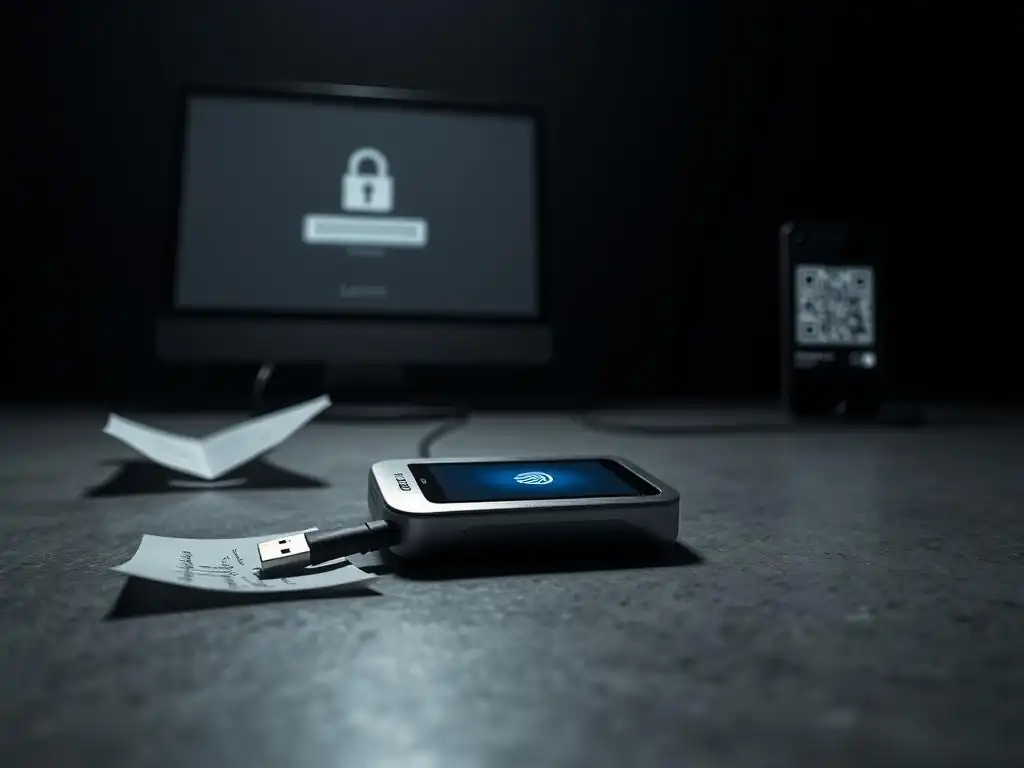
Mistake 1: Ignoring Firmware Updates
Ignoring firmware updates is a significant mistake that can compromise a secure hardware wallet setup. Hardware wallet manufacturers periodically release firmware updates to introduce new features, add support for new cryptocurrencies, and, crucially, patch security vulnerabilities that have been discovered. Running outdated firmware leaves your device potentially exposed to known exploits that have been fixed in newer versions. While the core security of the private keys stored on the secure element is robust, vulnerabilities could potentially affect the device's operation or the interaction with the companion software, creating attack vectors.
The importance of regular updates for security cannot be overstated. Manufacturers like Ledger and Trezor have documented instances where firmware updates addressed specific potential vulnerabilities. For example, updates might improve the randomness of seed generation, enhance the protection against side-channel attacks, or fix bugs in the transaction signing process.
How to update your hardware wallet varies by device, but generally involves connecting the wallet to the computer, opening the companion software, and following the prompts for a firmware update. It's essential to perform these updates using the official software and a trusted computer, following the manufacturer's instructions precisely to maintain the integrity of your secure hardware wallet setup.
Mistake 2: Weak Backup Practices
Weak backup practices are arguably the most common cause of permanent cryptocurrency loss, even with a secure hardware wallet setup. The hardware wallet itself is a convenient interface to your funds, but your recovery phrase is the actual backup of your assets.
Simply writing the phrase down once and forgetting about it, storing it in a single, easily accessible location (like next to your computer), or storing it digitally on a phone or cloud service completely undermines the security provided by the hardware wallet. If your recovery phrase is compromised or lost, your funds are vulnerable or irretrievably lost, regardless of how secure the physical device is.
Best practices for backing up your wallet involve treating your recovery phrase with the utmost secrecy and care. Write it down clearly on durable, fire-resistant, and water-resistant material, not just paper. Store copies in multiple secure, geographically separate locations (e.g., a home safe, a bank deposit box, a trusted family member's house). Consider using metal plates or engraving tools for maximum durability.
Recommended tools for secure backup solutions include cryptosteel wallets or similar metal backup systems designed to withstand extreme conditions. Regularly (perhaps annually) verify that your backup is intact and readable. Never speak your recovery phrase aloud where it could be overheard, and be wary of phishing attempts asking for it. A truly secure hardware wallet setup includes an equally secure and resilient backup strategy for the recovery phrase.
Conclusion: Future-Proofing Your Crypto Investments with Secure Hardware Wallets
The importance of long-term security in crypto investments cannot be overstated. As the digital asset landscape matures, sophisticated threats continue to emerge. Relying solely on hot wallets or exchanges for significant holdings exposes you to unacceptable levels of risk. Implementing a secure hardware wallet setup is not just a recommendation; it is a fundamental step towards taking control of your assets and protecting them from the myriad of online and offline threats. Hardware wallets provide the crucial layer of cold storage security necessary for peace of mind when holding cryptocurrency over months or years.
Final thoughts on choosing a secure hardware wallet for your needs should center on balancing security features, usability, and supported assets. Whether you opt for the broad compatibility of Ledger, the open-source transparency of Trezor, or the unique backup method of BitBox02, the key is to select a reputable device and follow the setup and backup procedures meticulously. A properly executed secure hardware wallet setup, combined with disciplined backup practices, future-proofs your crypto investments, ensuring that your digital wealth remains safe and accessible only to you.
Call to Action: Secure Your Future Today
Explore our recommended hardware wallets to find the perfect fit for your long-term crypto storage needs. Taking action now to implement a secure hardware wallet setup is the most effective way to protect your digital assets from potential threats and ensure their safety for years to come. Don't wait for a security incident to highlight the importance of cold storage.
Frequently Asked Questions
How does a hardware wallet enhance the security of my cryptocurrency compared to a software wallet?
Hardware wallets offer offline storage, keeping your private keys away from internet-connected devices, thus shielding them from online threats like malware and hacking attempts. This significantly reduces the risk of unauthorized access.
What are the key steps involved in a secure hardware wallet setup to minimize potential vulnerabilities?
Secure hardware wallet setup involves verifying the device's authenticity, creating a strong PIN, and safely storing your recovery seed phrase offline. Following the manufacturer's instructions meticulously is crucial.
Can secure hardware wallets be used to store other digital assets besides cryptocurrencies?
While primarily used for cryptocurrencies, some secure hardware wallets can also store NFTs and other digital assets depending on their compatibility and supported blockchains. Check the device specifications before purchasing.
What happens if I lose my secure hardware wallet? Will I lose my crypto assets?
Losing your secure hardware wallet doesn't mean losing your crypto. Your assets are secured by your recovery seed phrase. You can use this phrase to restore your wallet on a new hardware wallet or compatible software wallet.
What are the potential risks associated with using a secure hardware wallet, and how can I mitigate them?
Potential risks include physical theft of the device, a compromised seed phrase, or using a counterfeit device. Mitigate these risks by keeping your seed phrase secure, buying from reputable vendors, and being vigilant.
Final Reflection: Securing Tomorrow, Today
The journey through understanding and implementing secure hardware wallet setup is not merely a technical exercise; it's an investment in peace of mind and a safeguard for your digital future. In a world increasingly reliant on digital assets, the ability to independently secure your cryptocurrency holdings is paramount, and the knowledge gained here empowers you to take control.
The impact of secure crypto storage extends far beyond individual portfolios. It influences the very foundation of decentralized finance, fostering trust and encouraging wider adoption. My own exploration of hardware wallets has underscored the importance of self-custody and the responsibility that comes with it. Not your keys, not your coins,
as the saying goes, and truly understanding that principle is the first step towards genuine financial sovereignty.
Now, armed with this knowledge, I encourage you to reflect on your own digital security practices. Take the time to implement a secure hardware wallet setup, not just as a precaution, but as a proactive step towards building a more secure and resilient financial future for yourself and the broader crypto community. Your diligence today will shape the landscape of tomorrow.
Fortify Your Crypto Fortress: Start Securing Your Assets Today!
Thank you for exploring the importance of secure crypto storage. We hope you now understand how hardware wallets can protect your digital assets for the long term. It's time to put that knowledge into action and safeguard your financial future.
Here’s how you can take the next steps:
- Take Control: Purchase a hardware wallet and transfer your crypto assets to offline storage within the next week. This is the most critical step toward ensuring your security.
- Explore Advanced Security: Investigate multi-signature wallets and other security strategies to further protect your holdings.
- Join the Community: Share this article with fellow crypto enthusiasts and start a discussion on best practices for long-term security. Let’s learn from each other!
What specific measures will you implement today to enhance the security of your crypto portfolio? Share your strategies in the comments below!
Leave a Reply