
The Hidden Costs of Free Software Crypto Wallets: A MustRead Before You Choose

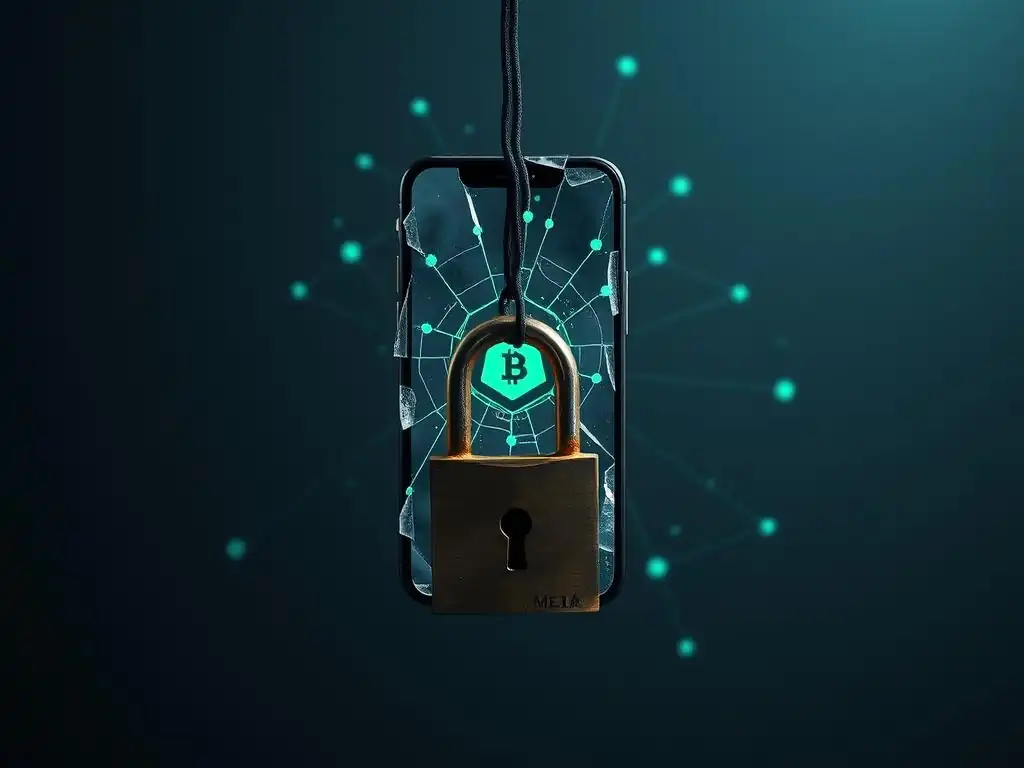
Welcome to Blockchain Trends, your guide to understanding the revolutionary impact of blockchain technology. In a world increasingly reliant on digital assets, are you truly aware of the potential pitfalls lurking in seemingly free solutions? Before you entrust your crypto to just any platform, dive into our latest article, "The Hidden Costs of Free Software Crypto Wallets," and uncover the free crypto wallet security risks you absolutely need to know. Don't leave your digital fortune to chance – explore the vulnerabilities and learn how to protect your assets today!
The Hidden Costs of Free Software Crypto Wallets: A Must-Read Before You Choose
- Understanding Free Crypto Wallet Security Risks
- Common Security Risks Associated with Free Crypto Wallets
- Hidden Costs of Using Free Crypto Wallets
- Comparative Analysis: Free vs. Paid Crypto Wallets
- Essential Features to Look for in a Secure Crypto Wallet
-
Frequently Asked Questions
- What are the major security risks associated with using a free software crypto wallet?
- How can the source code of a free crypto wallet pose a security threat?
- Are free crypto wallets generally considered safe for storing large amounts of cryptocurrency?
- What kind of support and updates can I expect from a free crypto wallet provider?
- What are some alternative security measures I should consider besides relying solely on a free crypto wallet?
- Final Reflection: Navigating the Labyrinth of Free
- Shield Your Crypto Future: Act Now!
Understanding Free Crypto Wallet Security Risks
What Are Free Crypto Wallets?
Free crypto wallets, often referred to as software wallets, are applications or programs that allow users to interact with blockchain networks. Unlike hardware wallets that store private keys offline on a physical device, software wallets keep these crucial keys encrypted on a computer, smartphone, or within a web browser. They provide a convenient way to send, receive, and manage various cryptocurrencies directly from a personal device connected to the internet. These wallets can take several forms, including desktop applications, mobile apps for iOS and Android, and web-based interfaces accessible via a browser.
Their primary function is to provide an interface for managing blockchain addresses and signing transactions using the user's private keys. While some free software wallets are non-custodial, meaning the user holds and controls their private keys, others might be custodial, where the service provider manages the keys on behalf of the user (though non-custodial is more common for standalone free software wallets).
The appeal lies in their accessibility and ease of setup, allowing anyone to begin managing crypto assets without an initial financial investment in hardware. However, this accessibility comes with potential free crypto wallet security risks that require careful consideration.
The Allure of No-Cost Solutions in Cryptocurrency Management
The primary attraction of free software crypto wallets is, understandably, the lack of an upfront cost. For individuals new to cryptocurrency or those only holding small amounts, the idea of downloading a wallet application for free is highly appealing. It lowers the barrier to entry significantly compared to purchasing potentially expensive hardware wallets. This ease of access makes free wallets popular for receiving initial crypto transfers, experimenting with different cryptocurrencies, or making small, infrequent transactions.
This no-cost model also fosters rapid adoption, enabling the quick growth of decentralized ecosystems. Users can easily download an app and get started within minutes, facilitating participation in the crypto space without financial hurdles. The perception is often that for basic needs, a free solution is sufficient, and any associated free crypto wallet security risks are either negligible or manageable through standard digital hygiene practices. However, this perception can sometimes overlook the more subtle or indirect costs and risks involved.
The Reality Behind Free Crypto Wallets: More Than Just a Price Tag
While the absence of a direct monetary cost is a significant advantage, it's crucial to understand that "free" in the digital world often implies alternative forms of cost or compromise. For free software wallet providers, monetization might come through means other than direct user fees. This could involve collecting aggregated, anonymized transaction data, offering premium features for a fee later, or, in less scrupulous cases, potentially compromising user privacy or security in subtle ways to cut costs or generate revenue indirectly.
The reality is that developing, maintaining, and securing software requires significant resources. Providers offering these services for free must find ways to sustain their operations. This can sometimes lead to compromises in areas less visible to the end-user, such as the depth of security audits, the responsiveness of customer support, or the robustness of data privacy measures. Understanding these potential trade-offs is essential when evaluating the true value and potential free crypto wallet security risks associated with no-cost solutions.
Common Security Risks Associated with Free Crypto Wallets
Vulnerabilities to Hacking and Malware
Software wallets, by their nature, operate on internet-connected devices (computers, smartphones). This makes them susceptible to a wide array of digital threats that target the underlying operating system and installed applications. Malware, such as keyloggers, ransomware, and clipboard hijackers, can infect a device and steal private keys, seed phrases, or alter transaction details before they are broadcast to the network. Phishing attacks, where users are tricked into downloading malicious wallet software or revealing sensitive information on fake websites, remain a pervasive threat.
Security reports consistently highlight malware as a significant vector for crypto theft. For instance, analyses of crypto crime often attribute millions of dollars lost annually to malware and phishing attacks targeting individual users' software wallets. A compromised operating system, perhaps due to outdated software or risky browsing habits, can leave the wallet application vulnerable regardless of its internal security features. The free crypto wallet security risks are amplified because the wallet's security is intrinsically tied to the security posture of the user's device.
Lack of Customer Support and Assistance
One of the most significant "hidden costs" of free software is the often non-existent or limited customer support. When users encounter issues – whether it's a technical glitch, a transaction error, or suspecting a security compromise – getting timely, expert help can be challenging. Free wallet providers typically rely on community forums, FAQs, or basic ticketing systems that might have slow response times or lack the capacity to handle complex problems requiring immediate attention.
This lack of dedicated support becomes particularly critical during security incidents or when users are dealing with substantial amounts of value. If a user suspects their wallet has been compromised, the inability to quickly contact a support team for guidance or potential intervention can mean the difference between mitigating a loss and losing all funds. Relying solely on community advice, while sometimes helpful, also carries the risk of encountering misinformation or even scammers posing as helpers, further increasing the free crypto wallet security risks.
Data Privacy Concerns: Who's Watching Your Transactions?
While blockchain transactions themselves are public (visible on the ledger), the link between a blockchain address and a real-world identity is ideally kept private. However, some free software wallet providers, especially those that are web-based or have certain features, might collect user data. This could include IP addresses, device information, usage patterns, and potentially even KYC (Know Your Customer) data if integrated with other services. The concern arises from how this data is stored, used, and protected.
Free services sometimes monetize user data, either by selling aggregated insights or using it for targeted advertising. While this is common in the tech industry, when combined with sensitive financial information like transaction history, it raises significant privacy flags. A data breach on the wallet provider's servers could expose not just personal information but potentially link users directly to their crypto holdings and transaction history, creating a significant free crypto wallet security risk related to privacy and potential targeting by malicious actors. Reviewing the privacy policy (if one exists and is clear) is crucial.
Potential for Fraudulent Applications and Scams
The popularity of cryptocurrency has led to a proliferation of malicious actors creating fake wallet applications and websites. These fraudulent entities mimic legitimate wallet providers, often appearing convincing at first glance. They are designed with one goal: to steal users' private keys or seed phrases. These fake wallets are distributed through unofficial app stores, malicious ads, phishing emails, or compromised websites.
Reports from cybersecurity firms and app store operators frequently detail the removal of hundreds or even thousands of fake crypto apps designed for phishing and theft. Users searching for a "free crypto wallet" can easily download a malicious version if they are not extremely vigilant about the source. Once installed, these apps may immediately steal the seed phrase entered during setup or prompt the user to send funds to a scammer's address. This direct exploitation of user trust by fraudulent applications represents one of the most immediate and devastating free crypto wallet security risks.

Unseen Fees: Transaction Fees That Add Up
While the wallet software itself might be free, interacting with blockchain networks incurs transaction fees (often called 'gas' on Ethereum or similar network fees on other chains). These fees are paid to the network validators or miners, not the wallet provider. However, some free software wallets may have less transparent fee management options. They might default to higher transaction fees to ensure faster confirmation times, or make it difficult for users to manually set competitive fees, potentially leading to overpayment on every transaction.
Over time, these slightly higher fees on numerous transactions can accumulate into a significant amount, effectively becoming a hidden cost. Users who are not highly technical or constantly monitoring network conditions might unknowingly spend more on transaction fees using a free wallet with limited fee control compared to a wallet that offers advanced fee customization. This subtle drain on funds is a less obvious, but real, consequence of using certain free solutions, adding to the overall free crypto wallet security risks by potentially making users less likely to transact when fees seem high, thus limiting utility.
The Cost of Time: Recovery and Loss of Funds
Perhaps the most significant hidden cost is the value of time and the devastating impact of losing funds. When a security incident occurs – whether it's due to malware, phishing, or simply mismanaging recovery phrases – the time spent diagnosing the issue, attempting recovery, and dealing with the emotional stress can be substantial. Unlike traditional banking where institutions can assist with fraud reversal or account recovery, cryptocurrency transactions are generally irreversible, and wallet access relies solely on the user's keys.
Losing funds due to a security breach is not just a financial loss; it's a complete loss of the time and effort invested in acquiring those assets. Recovering funds stolen via compromised software wallets is exceedingly rare. The cost of this loss can range from negligible amounts for small holders to life-altering sums for those with significant holdings. Furthermore, the time spent trying to understand free crypto wallet security risks, researching solutions after an incident, or attempting complex technical recoveries represents a significant, non-monetary cost.
Reputation Damage: The Long-Term Effects of Security Breaches
For individuals using cryptocurrency for business or professional activities, or even those building a public profile in the crypto space, a security breach can have severe reputational consequences. If a wallet is compromised, it could impact business relationships, lead to mistrust from clients or partners, or damage personal credibility, especially if the incident becomes public knowledge. The perception of being careless with security can undermine trust built over time.
For businesses that might consider using free software wallets for operational funds or payments (a highly risky practice), a security incident is catastrophic. It can lead to immediate financial losses, legal liabilities, and irreparable damage to the company's reputation, potentially driving away customers and investors. The long-term cost of rebuilding trust and reputation after a security breach, stemming from inadequate protection against free crypto wallet security risks, far outweighs any initial savings from using a free service.
Comparative Analysis: Free vs. Paid Crypto Wallets
Features Comparison: What Paid Wallets Offer
Paid crypto wallets, particularly hardware wallets and some premium software or institutional-grade solutions, typically offer a suite of advanced features focused on security and user experience that are often absent in free versions. Hardware wallets store private keys in an isolated, secure chip, completely offline, making them immune to online malware and phishing attacks targeting software on a general-purpose computer. Premium software wallets might offer enhanced encryption methods, multi-signature capabilities requiring multiple approvals for transactions, and integration with hardware security modules.
Beyond core security, paid options frequently provide better user interfaces, smoother integration with various blockchains and decentralized applications (dApps), and more granular control over transaction parameters like fees. Some services might offer features like inheritance protocols or enhanced reporting tools useful for tax purposes. The investment in a paid wallet often translates directly into a more robust, secure, and feature-rich experience designed for users who prioritize safety and control over their assets.
The most compelling advantages of premium wallets lie in their superior security architecture and reliable customer support. Hardware wallets represent the gold standard for cold storage, drastically reducing the attack surface compared to software wallets running on internet-connected devices. Even when connected to a computer, sensitive operations like transaction signing occur on the hardware wallet itself, protecting private keys from malware on the host machine.
Paid software wallets or integrated platforms often have dedicated security teams performing regular audits and penetration testing. Crucially, they typically offer professional customer support channels – phone, email, or live chat – where users can receive prompt assistance for technical issues, account inquiries, or suspected security problems. This level of support is invaluable, especially for users holding significant value or those less technically inclined, providing peace of mind and a critical resource when navigating the complexities and potential free crypto wallet security risks of the crypto space.
Examining Past Security Incidents
Analyzing historical security breaches in the cryptocurrency ecosystem provides stark examples of the consequences of inadequate security. While major exchange hacks like Mt. Gox or Coincheck are well-known, focusing on wallet-level compromises is key here. Numerous incidents have involved attackers distributing malware embedded in seemingly legitimate software wallet downloads or using sophisticated phishing campaigns to trick users into revealing seed phrases associated with their software wallets.
For instance, reports from security researchers have detailed campaigns where specific malware families targeted crypto users, scanning devices for wallet files and private keys, leading to significant individual losses. Another common vector involves fake wallet apps appearing on app stores, successfully stealing credentials from unsuspecting users before being taken down. These incidents, collectively resulting in millions of dollars in losses annually, underscore the inherent free crypto wallet security risks when relying solely on software running on potentially compromised devices without the added layers of security and support found in paid or hardware solutions.
Essential Features to Look for in a Secure Crypto Wallet
Encryption Standards: Importance of Strong Security Protocols
A fundamental security feature for any software wallet is robust encryption of the private keys stored on the user's device. The wallet should utilize strong, industry-standard encryption algorithms, such as AES-256, to protect the sensitive data. This ensures that even if an attacker gains access to the device's storage, they cannot immediately read or use the private keys without the user's decryption password or passphrase. The encryption process should be client-side, meaning the encryption and decryption happen locally on the user's device.
Crucially, the wallet provider should never have access to the user's decryption password or the unencrypted private keys. This is the core principle of a non-custodial wallet. Verifying that a free wallet employs strong, client-side encryption is paramount to mitigating free crypto wallet security risks associated with data breaches on the provider's end or unauthorized access to the user's device. Users should also be encouraged to use strong, unique passwords for their wallet encryption.
Multi-Factor Authentication (MFA): An Added Layer of Protection
Multi-Factor Authentication (MFA) is a critical security control that adds an extra layer of verification beyond just a password. For cryptocurrency wallets or associated accounts (like web interfaces), MFA typically requires the user to provide two or more pieces of evidence to verify their identity before granting access or authorizing a transaction. This usually involves combining something the user knows (password) with something the user has (a code from an authenticator app, a hardware token, or sometimes SMS) or something the user is (biometrics like fingerprint or facial recognition).
Implementing MFA significantly reduces the risk of unauthorized access if a user's password is compromised through phishing or data breaches. Even if an attacker obtains the password, they cannot access the wallet or approve transactions without the second factor. While hardware wallets inherently use physical confirmation as a form of MFA, software wallets should offer robust MFA options, preferably using authenticator apps (like Google Authenticator or Authy) rather than less secure SMS-based methods susceptible to SIM-swapping attacks. Strong MFA is a key feature to look for to protect against free crypto wallet security risks involving credential theft.
Frequently Asked Questions
What are the major security risks associated with using a free software crypto wallet?
Free software crypto wallets often lack the robust security features found in paid options. This can make them vulnerable to malware, phishing attacks, and key theft.
How can the source code of a free crypto wallet pose a security threat?
While open-source can be beneficial, malicious actors can exploit vulnerabilities in the openly available source code. They can then create fake wallets or exploits targeting users.
Are free crypto wallets generally considered safe for storing large amounts of cryptocurrency?
No, it's generally not recommended to store significant crypto holdings in free wallets. The inherent security weaknesses make them a higher risk option.
What kind of support and updates can I expect from a free crypto wallet provider?
Support and updates for free crypto wallets are typically limited or non-existent. This means security flaws may go unpatched, leaving you exposed.
What are some alternative security measures I should consider besides relying solely on a free crypto wallet?
Consider using hardware wallets, which store your private keys offline. Also, use strong passwords, enable two-factor authentication, and stay informed about common crypto scams.
The allure of "free" often blinds us to the underlying costs, and nowhere is this more critical than in the realm of cryptocurrency. The promise of a free crypto wallet can be incredibly tempting, especially for newcomers, but as we've explored, these seemingly cost-free solutions can harbor significant security risks, potentially leading to devastating financial losses.
The impact of these hidden costs resonates far beyond individual wallets; it shapes the very trust and adoption of cryptocurrency itself. The security of our digital assets is paramount, and choosing a wallet should be a deliberate, informed decision, not a gamble based on price alone. Security is always excessive until it's not enough.
This quote underscores the importance of prioritizing robust protection over perceived savings, particularly when dealing with valuable digital assets.
As you navigate the complex world of cryptocurrency, remember that true value lies not just in the absence of a price tag, but in the peace of mind that comes with knowing your assets are secure. Take the time to research, understand the risks, and choose a wallet that prioritizes your security above all else. Your financial future may depend on it.
Okay, here's a CTA designed for the end of an article titled "The Hidden Costs of Free Software Crypto Wallets: A Must-Read Before You Choose," on a website called Blockchain Trends (blockchaintrends.org):
Shield Your Crypto Future: Act Now!
Thanks for diving deep into the world of crypto wallet security with us. We hope this article has illuminated the potential pitfalls lurking within free software wallets and empowered you to make informed decisions about protecting your digital assets. Now, let's put that knowledge into action!
Here are some immediate steps you can take to safeguard your crypto holdings:
- Secure your future: review your current crypto wallet setup immediately.: Consider upgrading to a hardware wallet or a reputable, audited paid software solution for enhanced security and peace of mind.
- Delve deeper: explore advanced security settings within your existing wallet(s), like multi-factor authentication and transaction limits, and implement them today!
- Share your knowledge:start a conversation about crypto wallet security with your friends and family in the blockchain space to spread awareness and encourage safer practices!
What's the one critical security measure you'll implement today to better protect your crypto wallet after reading this? Share your thoughts in the comments below!
Leave a Reply