
Ledger vs Trezor vs KeepKey: Assessing the Importance of Community Support

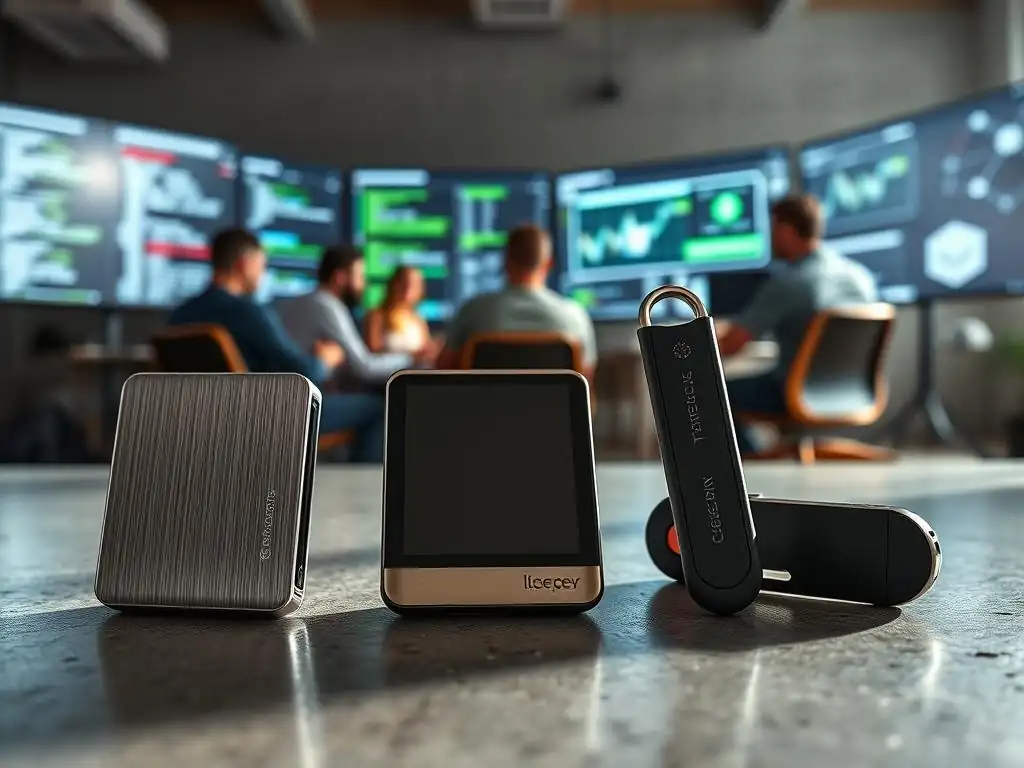
Welcome to Blockchain Trends, your go-to source for understanding the revolutionary impact of blockchain technology!
Dive into the world beyond cryptocurrencies and discover how blockchain is reshaping industries. In this article, we delve into the critical, often overlooked aspect of hardware wallet community support importance when choosing the right device to secure your digital assets. Is Ledger's vast ecosystem truly superior, or does Trezor's open-source ethos offer a more resilient form of support? KeepKey aims to be user-friendly, but does it offer adequate community support? Uncover the answers and learn why a thriving community can be the key to your peace of mind in the decentralized world.
-
Ledger vs Trezor vs KeepKey: Assessing the Importance of Community Support for Hardware Wallets
- The Crucial Role of Hardware Wallets in Cryptocurrency Security
- Understanding the Need for Self-Custody Solutions
- Introducing the Contenders: Ledger, Trezor, and KeepKey
- Why Hardware Wallet Community Support Matters: A Deep Dive
- The Value of User Forums and Online Discussions
- Official Support Channels vs. Peer-to-Peer Assistance
- Community Impact on Troubleshooting Common Issues
- Community Role in Disseminating Security Information and Updates
- Assessing Ledger's Community Support Strength
- Ledger's Official Support Infrastructure
- Exploring Ledger's User Forums and Social Presence
- Community Feedback on Ledger Device Reliability
- Analyzing Trezor's Community Support Ecosystem
- Trezor's Dedicated Support Resources
- The Vibrancy of the Trezor Community Forum
- User Experiences with Trezor's Community Assistance
- Evaluating KeepKey's Community Support Landscape
- KeepKey's Official Support Channels
- The State of the KeepKey User Community
- Community Engagement Levels for KeepKey Users
- Comparative Analysis of Ledger, Trezor, and KeepKey Community Support
- Ease of Finding Solutions in Each Wallet's Community
- Responsiveness and Helpfulness of Community Members
- The Influence of Community Size on Support Quality
- Beyond Community Support: Other Factors to Consider
- Ease of Use and User Interface Comparison
- Supported Cryptocurrencies and Network Compatibility
- Security Features and Firmware Update Processes
- How Community Discusses Security Vulnerabilities and Patches
- Integration with Third-Party Software and Services
- Comparative Summary: Ledger, Trezor, and KeepKey Features and Support
- Choosing the Right Hardware Wallet Based on Community Support Needs
- Recommendations for Different User Profiles
- Final Thoughts on Hardware Wallet Community Support Importance
-
Frequently Asked Questions
- What is a hardware wallet and why is it important?
- What are Ledger, Trezor, and KeepKey, and how do they relate to hardware wallets?
- Why is community support important when choosing a hardware wallet?
- How do Ledger, Trezor, and KeepKey differ in terms of community support?
- What should I look for when assessing the "Hardware wallet community support importance" of a specific hardware wallet?
- Final Reflection: The Enduring Power of Community in Crypto Security
- Empower Your Crypto Security Journey
Ledger vs Trezor vs KeepKey: Assessing the Importance of Community Support for Hardware Wallets
The Crucial Role of Hardware Wallets in Cryptocurrency Security
In the volatile world of cryptocurrencies, securing digital assets is paramount. Hardware wallets stand as a cornerstone of this security architecture, offering a robust defense against online threats. These physical devices store a user's private keys offline, effectively isolating them from internet-connected computers and potential malware or phishing attacks.
Unlike software wallets, which reside on devices susceptible to online vulnerabilities, hardware wallets ensure that private keys never leave the secure confines of the device itself, even when signing transactions. This offline storage mechanism is often referred to as 'cold storage,' providing a critical layer of protection that is essential for anyone holding a significant amount of cryptocurrency.
The primary function of a hardware wallet is to sign transactions securely. When a user wants to send cryptocurrency, they initiate the transaction on a computer or smartphone connected to the internet. However, the actual signing of the transaction, which requires the private key, occurs internally on the hardware wallet.
The user confirms the details on the wallet's screen, and the signed transaction is then sent back to the online device for broadcast to the blockchain. This process ensures that the private key, the ultimate proof of ownership of the digital assets, remains shielded from the online environment, significantly reducing the risk of theft due to compromised software or online services. The physical isolation provided by these devices makes them the gold standard for securing cryptocurrency holdings against a wide array of digital threats.
Understanding the Need for Self-Custody Solutions
Self-custody, or holding your own private keys, is a fundamental principle in the cryptocurrency space, often summarized by the adage "not your keys, not your coin." Relying on third-party custodians, such as centralized exchanges, exposes users to risks like exchange hacks, regulatory seizures, or operational failures. History is replete with examples of centralized platforms collapsing or being compromised, resulting in significant user losses.
The Mt. Gox hack in 2014, where hundreds of thousands of Bitcoin were stolen, and the QuadrigaCX collapse in 2019, where access to millions in crypto was lost after the CEO's death, starkly illustrate the dangers of entrusting private keys to others. Self-custody solutions empower individuals to maintain complete control over their digital wealth, removing dependence on potentially vulnerable intermediaries.
Hardware wallets are the most secure and user-friendly form of self-custody available to the average cryptocurrency holder. While other methods like paper wallets exist, they lack the convenience and security features (like PIN protection, recovery phrases, and transaction verification screens) offered by hardware devices.
The ability to interact with the blockchain, send and receive funds, and manage multiple cryptocurrencies while keeping the private keys offline makes hardware wallets an indispensable tool for anyone serious about securing their assets. Embracing self-custody via a hardware wallet is not just a technical choice; it's an adoption of the core decentralized ethos of blockchain technology, putting financial sovereignty back into the hands of the individual.
Introducing the Contenders: Ledger, Trezor, and KeepKey
Ledger, Trezor, and KeepKey are three of the most prominent names in the hardware wallet market. Each offers a device designed to secure users' private keys offline, but they differ in features, design, supported assets, and, importantly, their community ecosystems. Ledger, founded in 2014, is a French company known for its Ledger Nano S and Nano X models, which utilize a secure element chip.
Trezor, founded by SatoshiLabs in 2013, is the world's first Bitcoin hardware wallet and offers models like the Trezor One and Trezor Model T, emphasizing open-source principles. KeepKey, acquired by ShapeShift in 2017 (and later spun out), is known for its large display and integration with the ShapeShift platform.
These three companies represent different approaches to hardware wallet design and philosophy. Ledger's use of a certified secure element is a key differentiator, providing a high level of protection against physical attacks, although it has also been a point of debate within the open-source community. Trezor champions open-source firmware, allowing security researchers worldwide to audit its code, fostering transparency and trust through community verification.
KeepKey, while perhaps having a smaller market share than the other two giants, offers a user-friendly interface and a focus on integrating with exchange services, aiming for seamless asset management alongside security. Comparing these devices requires looking beyond just security specifications to include factors like ease of use, supported coins, and the strength of their respective communities.
Why Hardware Wallet Community Support Matters: A Deep Dive
The importance of hardware wallet community support cannot be overstated, as it forms a critical safety net for users navigating the complexities of cryptocurrency management. While official support channels are vital, the collective knowledge and shared experiences of a large user base often provide quicker, more relatable, and diverse solutions to common problems.
When a user encounters an issue – perhaps difficulty setting up a new device, a transaction not confirming as expected, or confusion about a specific feature – turning to community forums, social media groups, or online discussions can yield answers within minutes, sometimes even faster than official support queues, which can experience delays, especially during periods of high market activity. This peer-to-peer assistance is invaluable for timely problem-solving and reducing user frustration.
Furthermore, a strong community is often the first line of defense in identifying and discussing potential issues or vulnerabilities. Before an official patch is released, users might notice unusual behavior or potential security concerns, which are then discussed and verified within the community. This decentralized vigilance can lead to faster reporting to the company and quicker dissemination of information about workarounds or necessary precautions.
The dynamic nature of blockchain technology and cryptocurrency means that new challenges can arise, and having an active, knowledgeable community contributes significantly to the overall resilience and user experience of the hardware wallet ecosystem. The hardware wallet community support importance is particularly evident when users face novel or edge-case scenarios not covered in standard documentation.
The Value of User Forums and Online Discussions
User forums and online discussion platforms serve as central hubs for hardware wallet owners to connect, share knowledge, and seek help. These spaces are rich repositories of information, covering everything from basic setup guides and troubleshooting steps to advanced topics like integrating with specific DeFi protocols or using obscure altcoins.
Forums dedicated to Ledger, Trezor, and KeepKey are populated by users with varying levels of expertise, from complete beginners to seasoned crypto veterans. A user struggling with a firmware update on their Ledger Nano X, for example, can often find a thread where others have discussed similar issues and shared successful resolutions, complete with step-by-step instructions provided by fellow users.
The value extends beyond troubleshooting. These forums also act as feedback channels for the companies themselves. Users frequently discuss desired features, report bugs, and provide suggestions for improvement. This direct line of communication, even if indirect through community managers, allows manufacturers to gauge user sentiment, prioritize development efforts, and address pressing concerns. The collaborative environment fosters a sense of shared ownership and contributes to the continuous improvement of the hardware wallet experience. The wealth of user-generated content available in these forums significantly enhances the overall hardware wallet community support importance.
Official Support Channels vs. Peer-to-Peer Assistance
Official support channels, typically comprising help desks, email support, and knowledge bases, are the formal avenues provided by hardware wallet manufacturers for user assistance. They offer authoritative guidance and are essential for resolving complex issues, especially those requiring access to account details or involving potential hardware malfunctions. Companies like Ledger and Trezor invest significant resources in building comprehensive knowledge bases with FAQs and tutorials, and staffing support teams to handle user inquiries. For issues like warranty claims or account-specific problems, official support is indispensable.
However, official support often operates within business hours and can face high volumes of requests, leading to wait times. This is where peer-to-peer assistance within the community shines. Available 24/7, community members can offer immediate help on a wide range of common issues.
A quick post in a Telegram group or Discord server can often yield a solution within minutes, especially for widely encountered problems like synchronization errors or questions about recovering a wallet using a seed phrase. While official support provides verified information and handles sensitive cases, peer-to-peer support offers speed, accessibility, and a diversity of perspectives, highlighting the dual nature of effective hardware wallet community support importance.
Community Impact on Troubleshooting Common Issues
The community plays a vital role in helping users troubleshoot common issues that might arise when using a hardware wallet. Problems like connecting the device to a computer, installing or updating firmware, managing apps for different cryptocurrencies, or understanding transaction fees are frequently discussed.
For instance, a common issue faced by Ledger users might involve the Ledger Live software not recognizing the device after an update. Before contacting official support, many users will search the Ledger subreddit or community forum, where they are likely to find existing threads detailing the problem and user-contributed solutions, such as trying a different USB cable or port, reinstalling Ledger Live, or performing a specific reset sequence.
Similarly, Trezor users might encounter difficulties with the Trezor Suite interface or compatibility issues with certain operating systems. The Trezor community forum is a place where users share their system configurations and troubleshooting steps that worked for them. KeepKey users, though part of a smaller community, also rely on forums and groups for help with integrating the device with ShapeShift or other platforms.
The collective experience of the user base means that almost any common problem has likely been encountered and solved by someone else, making community resources an incredibly efficient first stop for troubleshooting. This collaborative problem-solving significantly boosts the perceived hardware wallet community support importance among users.
Community Role in Disseminating Security Information and Updates
Beyond troubleshooting, the community acts as a crucial channel for disseminating security information and news about firmware updates. When a critical vulnerability is discovered and patched, or when a new firmware version with enhanced security features is released, active community members often share this information rapidly across various platforms.
This informal network complements official communication channels like email newsletters and blog posts, ensuring that users are quickly made aware of important updates they need to install to maintain the security of their devices. For example, when Ledger released firmware updates addressing specific security researchers' findings, discussions across Reddit, Twitter, and forums quickly informed users about the importance of updating promptly.
Moreover, the community engages in proactive security discussions, sharing best practices for setting up wallets, managing recovery phrases, identifying phishing attempts, and securing the physical device. Users share experiences with different security setups, evaluate the pros and cons of features like passphrases, and warn each other about emerging scams targeting hardware wallet users. This peer-driven security awareness is invaluable, especially for users who may not actively follow official company announcements. The robust exchange of security knowledge within these groups underscores the profound hardware wallet community support importance in maintaining user safety.
Assessing Ledger's Community Support Strength
Ledger boasts one of the largest user bases in the hardware wallet market, which translates directly into a vast and diverse community. This large community is spread across numerous platforms, including the official Ledger support website with its extensive knowledge base, a dedicated community forum, subreddits like r/ledgerwallet, various Telegram and Discord groups, and a strong presence on social media platforms like Twitter and Facebook.
The sheer volume of users means that there is a high probability that any issue a user encounters has already been discussed and potentially resolved by another user. For example, the official Ledger forum contains thousands of threads covering a wide array of topics, from basic setup questions to complex technical inquiries.
The strength of Ledger's community support lies in its scale and accessibility. While official support response times can vary, the likelihood of getting a quick answer from a fellow user on Reddit or in a popular Telegram group is quite high. The community also plays a significant role in sharing unofficial tips and workarounds, especially during times when official software or firmware might have temporary glitches.
However, the size can also be a double-edged sword, as filtering through a large volume of information to find accurate solutions can sometimes be challenging. Despite this, the extensive network of Ledger users worldwide provides a robust layer of hardware wallet community support importance.
Ledger's Official Support Infrastructure
Ledger provides a multi-tiered official support infrastructure designed to assist its large user base. The primary resource is the Ledger Support website, which features an extensive and well-organized knowledge base covering setup guides, troubleshooting steps, FAQs, and information about supported cryptocurrencies and Ledger Live features. This knowledge base is often the first point of contact for users seeking help and can resolve many common issues without requiring direct interaction with a support agent. It contains detailed articles on topics like initializing a new device, restoring from a recovery phrase, sending and receiving crypto, and managing specific error codes.
For issues not resolved by the knowledge base, users can submit a support request through a ticketing system. Ledger's support team handles inquiries ranging from technical problems and software bugs to warranty claims and order issues. While response times can fluctuate depending on the volume of requests, Ledger aims to provide professional and accurate assistance for problems requiring official intervention. Additionally, Ledger maintains a presence on social media, where they provide general announcements and direct users to appropriate support channels, further solidifying their commitment to providing comprehensive hardware wallet community support importance.
Ledger's user forums and social media presence are vibrant hubs of community activity. The official Ledger community forum is structured with different categories for various devices (Nano S, Nano X), software (Ledger Live), and topics, allowing users to browse or search for relevant discussions. As of early 2023, the forum hosted tens of thousands of posts, indicating a high level of user engagement in sharing information and seeking help. Users discuss everything from compatibility issues with specific operating systems to strategies for managing multiple accounts and security best practices.
Beyond the official forum, Ledger has a massive presence on platforms like Reddit, with the r/ledgerwallet subreddit having hundreds of thousands of members. This unofficial community space is incredibly active, with users posting questions, sharing tips, discussing news, and helping each other troubleshoot in real-time. Telegram and Discord groups dedicated to Ledger also exist, offering more immediate chat-based support. This widespread social presence ensures that Ledger users have multiple avenues to connect with fellow users, ask questions, and benefit from the collective wisdom of the crowd, underscoring the significant hardware wallet community support importance for Ledger products.
Community Feedback on Ledger Device Reliability
Community feedback on Ledger device reliability is a mixed but generally positive bag, often reflecting the scale of their user base. Millions of devices are in circulation, and the vast majority function without significant issues. However, due to the sheer number of users, even rare problems can appear frequently in community discussions.
Common points of community feedback include observations about the physical build quality of the Nano S compared to the Nano X, battery life concerns for the Nano X, and occasional software glitches with Ledger Live after updates. Users often share their experiences with device longevity and discuss potential points of failure.
While there have been instances of hardware issues reported in forums, they appear to affect a small percentage of devices, consistent with typical manufacturing defect rates. The community is often quick to share troubleshooting steps for seemingly hardware-related problems that might actually be software or connection issues.
Discussions also cover the security of the secure element chip, with community members debating its effectiveness against sophisticated attacks. Overall, while individual complaints exist, the collective feedback suggests that Ledger devices are generally reliable for their intended purpose, and the community provides valuable insights into real-world performance and potential issues, reinforcing the hardware wallet community support importance.
Analyzing Trezor's Community Support Ecosystem
Trezor, as the original hardware wallet, has cultivated a dedicated and knowledgeable community, deeply rooted in the open-source ethos. While potentially smaller than Ledger's in sheer numbers, the Trezor community is highly engaged and often more technically oriented. Its ecosystem includes the official Trezor Support website, a comprehensive knowledge base, a very active community forum, a strong presence on Reddit (particularly r/TREZOR), and engagement within the broader Bitcoin and cryptocurrency technical communities. The emphasis on open-source means that many community members are capable of understanding the underlying technology and contributing to discussions at a deeper level.
The strength of Trezor's community support lies in its technical depth and the willingness of members to help others understand not just how to use the device, but also the principles behind its security. Users frequently discuss firmware updates, verify code releases (for those with the technical skills), and help troubleshoot complex issues related to coin support or advanced features like Shamir Backup.
The openness of the Trezor project encourages contributions from external developers and security researchers, further enriching the community's knowledge base. This emphasis on transparency and technical discussion highlights a specific facet of hardware wallet community support importance.
Trezor's Dedicated Support Resources
Trezor provides a suite of dedicated support resources to assist its users. The official Trezor Support website hosts an extensive documentation library, including user manuals, FAQs, and detailed guides for using Trezor devices with various cryptocurrencies and third-party software. The knowledge base is well-regarded for its clarity and technical accuracy, reflecting Trezor's commitment to educating its users. It covers topics like setting up the device, performing backups, updating firmware, and using features like the passphrase.
For issues requiring direct assistance, Trezor offers support via a ticket submission system. Their support team is known for being responsive and knowledgeable, particularly concerning technical matters related to the device's operation and security. Trezor also maintains a presence on social media and platforms like GitHub, where users and developers can interact directly with the Trezor team and contribute to the project. These official channels provide authoritative information and assistance, complementing the peer-to-peer support available within the community and reinforcing the overall hardware wallet community support importance for Trezor users.
The Vibrancy of the Trezor Community Forum
The official Trezor community forum is a vibrant and active hub for Trezor users and enthusiasts. It is structured into categories covering different Trezor models, software (Trezor Suite), specific cryptocurrencies, and technical discussions. As of early 2023, the forum contained tens of thousands of posts, with new threads and replies appearing daily.
The discussions are often technical and detailed, reflecting the user base's interest in understanding the intricacies of their hardware wallet. Users share tips on optimizing security settings, discuss compatibility with various wallets and services, and help each other resolve issues ranging from connectivity problems to transaction broadcasting errors.
Beyond the official forum, the r/TREZOR subreddit is a highly active community space with over a hundred thousand members. Users frequently post questions, share news related to Trezor and SatoshiLabs, and engage in lively debates about security practices and new features. The open-source nature of Trezor encourages more technical users to participate in discussions about firmware updates and code audits, adding a layer of technical expertise to the community support. This active engagement across multiple platforms demonstrates the significant hardware wallet community support importance within the Trezor ecosystem.
User Experiences with Trezor's Community Assistance
User experiences with Trezor's community assistance are generally very positive, particularly regarding the quality and technical depth of the help received. Users frequently report that questions posted on the Trezor forum or subreddit receive prompt and helpful responses from experienced users. The community is known for being welcoming to newcomers while also being capable of assisting with advanced topics. For example, a user struggling to set up a complex multi-signature wallet using their Trezor is likely to find knowledgeable individuals in the community who can provide detailed guidance based on their own experiences.
While official support handles formal inquiries, the community excels at providing practical, real-world solutions and sharing personal anecdotes that can be very reassuring to users facing difficulties. The open-source transparency also fosters trust, as community members can discuss and verify information about the device's operation. The willingness of community members to share their expertise freely contributes significantly to the positive perception of Trezor's hardware wallet community support importance and user satisfaction.
Evaluating KeepKey's Community Support Landscape
KeepKey's community support landscape is notably different from that of Ledger and Trezor, primarily due to its smaller market share and its integration with the ShapeShift platform. While KeepKey offers official support channels and has a user base, the overall community is less vast and dispersed compared to the two market leaders. The primary hub for KeepKey users seeking community assistance is often tied to the ShapeShift ecosystem, which includes forums, subreddits, and support channels related to the ShapeShift platform itself, rather than a standalone, large KeepKey-specific community.
This integration means that KeepKey users often seek help within the broader ShapeShift community, where they might find assistance from users who use KeepKey alongside other wallets or services offered by ShapeShift. While dedicated KeepKey discussions exist, they are typically smaller in volume and activity than those for Ledger or Trezor. Assessing the hardware wallet community support importance for KeepKey requires looking at the support available through its associated platforms.
KeepKey's Official Support Channels
KeepKey provides official support through ShapeShift's support infrastructure. This includes a help center with FAQs and guides specifically for the KeepKey device, covering topics like setup, sending/receiving assets, and using it with the ShapeShift platform. Users can typically submit support requests through a ticketing system managed by the ShapeShift team. This centralized support structure ensures that users have access to official help for technical issues and warranty claims related to their KeepKey device.
The official support resources are functional and cover the basic operations of the KeepKey. However, the depth and breadth of the knowledge base may not be as extensive as those offered by Ledger or Trezor, which cater to a much larger and more diverse user base with a wider range of integration needs. While official support is available, the smaller scale of the KeepKey user base means that the volume of community-generated content and peer-to-peer assistance available through official channels is more limited when considering hardware wallet community support importance.
The State of the KeepKey User Community

The state of the KeepKey user community reflects its position in the market – smaller but dedicated, often integrated within the larger ShapeShift user base. There are specific subreddits and forums where KeepKey is discussed, but they are generally less active than their Ledger or Trezor counterparts. Discussions often revolve around integrating KeepKey with the ShapeShift platform, supported assets within that ecosystem, and basic usage questions. Users who are primarily within the ShapeShift ecosystem tend to find the community support available there sufficient for their needs related to KeepKey.
However, users seeking extensive peer-to-peer troubleshooting for complex or niche issues, or those looking for broad discussions about integrating KeepKey with platforms outside of ShapeShift, might find the community resources less comprehensive compared to the larger wallet communities. While a dedicated group of KeepKey users exists, the overall volume of community activity and the breadth of shared knowledge are more constrained, impacting the overall hardware wallet community support importance relative to its competitors.
Community Engagement Levels for KeepKey Users
Community engagement levels for KeepKey users are lower compared to Ledger and Trezor, which is a direct consequence of having a smaller user base. While there are active individuals who use and advocate for KeepKey, the sheer number of daily posts, new threads, and active participants in forums and social media is significantly less. This means that while a user might find help for common issues, getting a rapid response or finding existing discussions on less frequent problems can take longer.
The engagement that does exist is often focused within the ShapeShift ecosystem, as many KeepKey users are also users of ShapeShift's other services. This concentration can be beneficial for users who primarily operate within that environment but less so for those who use KeepKey as a standalone hardware wallet or integrate it with a wide variety of external services. The lower level of overall community engagement means that the peer-to-peer aspect of hardware wallet community support importance is less pronounced for KeepKey compared to its main competitors.
Comparative Analysis of Ledger, Trezor, and KeepKey Community Support
Comparing the community support for Ledger, Trezor, and KeepKey reveals significant differences driven primarily by their respective market shares and community philosophies. Ledger, with its massive user base, offers the largest and most geographically diverse community, providing extensive peer-to-peer support across numerous platforms. Trezor, while having a somewhat smaller community, benefits from a highly engaged and technically proficient user base rooted in open-source principles, leading to in-depth discussions and troubleshooting. KeepKey's community is the smallest and is often intertwined with the ShapeShift ecosystem, offering more limited standalone community resources.
In terms of sheer volume of available community-generated content and the likelihood of finding someone who has encountered the exact same niche issue, Ledger's community is likely the strongest. For technical depth and discussions rooted in open-source transparency, Trezor's community stands out. KeepKey's community, while helpful for users within the ShapeShift environment, is less comprehensive for broader hardware wallet usage. This comparative view is crucial when assessing the overall hardware wallet community support importance for each brand.
Ease of Finding Solutions in Each Wallet's Community
The ease of finding solutions varies considerably across the three hardware wallet communities. For Ledger, the vast size of the community means there's a high probability that a solution to a common problem already exists and can be found with a simple search on their forum or subreddit. However, navigating the sheer volume of information can sometimes be overwhelming. Ledger's official knowledge base is extensive and well-indexed, improving the ease of finding official solutions.
Trezor's community, while smaller than Ledger's, is known for being well-organized and technically focused. Solutions found in the Trezor forum or subreddit are often detailed and accurate, provided by knowledgeable users. The open-source nature encourages detailed explanations. Trezor's official knowledge base is also highly regarded for its clarity. For KeepKey, finding solutions might require searching within the broader ShapeShift community resources, which can be less direct than searching a dedicated wallet-specific forum. While basic guides are available, finding community discussions on less common issues might require more effort, impacting the perceived hardware wallet community support importance.
Responsiveness and Helpfulness of Community Members
The responsiveness and helpfulness of community members are generally high across all three platforms, though the speed and technical depth can differ. In large, active communities like Ledger's and Trezor's, simple questions often receive responses within minutes or hours, especially during peak activity times. Members are typically eager to help newcomers and share their experiences. Trezor's community is particularly noted for providing detailed and technically accurate assistance.
For KeepKey, while the community is smaller, users who are active are generally helpful, particularly within the ShapeShift ecosystem. However, the lower volume of activity means that responses might not be as instantaneous as in the larger communities.
The culture within each community also plays a role; Trezor's open-source focus often leads to more in-depth explanations, while Ledger's broader user base results in a wider variety of responses, from quick tips to more detailed guides. The overall helpfulness is present in all, but the speed and depth of peer-to-peer assistance are more pronounced in the larger communities, influencing the hardware wallet community support importance.
The Influence of Community Size on Support Quality
Community size has a significant influence on the quality and type of support available. A larger community, like Ledger's, means a greater diversity of experiences and a higher probability that someone has encountered and solved the exact issue you're facing. This leads to a vast pool of user-generated troubleshooting content. However, filtering this large volume of information to find accurate and relevant solutions can be challenging, and the signal-to-noise ratio might be lower than in smaller, more focused communities.
A smaller, but highly engaged community, like Trezor's, can offer more focused and technically detailed support. Members often have a deeper understanding of the device's inner workings due to the open-source nature. While there might be fewer people who have encountered a specific niche issue, those who have are often capable of providing more in-depth assistance. KeepKey's smaller community size means less peer-to-peer interaction overall, placing more reliance on official support and the broader ShapeShift community. Ultimately, while size brings volume, engagement and technical focus can bring depth, both contributing to the overall hardware wallet community support importance.
Beyond Community Support: Other Factors to Consider
While hardware wallet community support importance is a crucial factor, it is by no means the only consideration when choosing a device. Several other factors play equally, if not more, significant roles depending on the user's needs. These include the device's overall security architecture, the range of cryptocurrencies and tokens it supports, its ease of use and user interface design, its physical durability and build quality, the process for firmware updates, and its compatibility with third-party software and services like software wallets or DeFi platforms.
A user prioritizing security might delve into the technical specifications, such as the presence of a secure element (Ledger) versus a purely open-source design (Trezor). Someone holding a diverse portfolio will need to check the list of supported assets, which can vary significantly between devices (e.g., Ledger generally supports more tokens than Trezor). The user interface, whether on the device screen or accompanying software like Ledger Live or Trezor Suite, impacts the daily experience. All these technical and usability aspects must be weighed alongside the strength of the hardware wallet community support importance.
Ease of Use and User Interface Comparison
The ease of use and user interface (UI) are critical for mass adoption and user satisfaction, impacting how comfortably a user interacts with their hardware wallet daily. Ledger's accompanying software, Ledger Live, is often praised for its user-friendly interface, allowing users to manage multiple assets, check balances, and send/receive transactions relatively easily from a single application. The device interfaces (Nano S/X) are simple, relying on screen prompts and physical buttons.
Trezor Suite, the software interface for Trezor devices, is also designed for user-friendliness but often caters slightly more to technically inclined users, providing more detailed information about transactions and privacy features. The Trezor Model T features a touchscreen, enhancing navigation compared to the button-only Trezor One. KeepKey is known for its large, clear screen and straightforward interface, often integrated directly into the ShapeShift platform for a streamlined experience. The intuitive design of both the hardware and software contributes significantly to the overall user experience, complementing the hardware wallet community support importance.
Supported Cryptocurrencies and Network Compatibility
The range of supported cryptocurrencies and network compatibility is a major deciding factor for many users with diverse asset holdings. Ledger devices, particularly the Nano X, are known for supporting a very broad array of cryptocurrencies and tokens across numerous blockchains, including Bitcoin, Ethereum (and ERC-20 tokens), Ripple, Litecoin, and many others, often exceeding 1,500 different assets. This wide support is managed through individual apps that can be installed on the device.
Trezor devices support a significant number of cryptocurrencies, including major ones like Bitcoin, Ethereum, Litecoin, and many ERC-20 tokens, though the list is generally shorter than Ledger's, particularly for less common altcoins. Trezor's strength lies in its strong support for major chains and its commitment to integrating new assets based on demand and technical feasibility, often driven by community requests.
KeepKey supports a more limited selection of assets compared to Ledger and Trezor, often focusing on major cryptocurrencies and those most relevant within the ShapeShift ecosystem. Users must carefully check the supported list against their portfolio needs, as this directly impacts the utility of the hardware wallet, alongside the hardware wallet community support importance.
Security Features and Firmware Update Processes
Security features and the process for firmware updates are fundamental aspects of a hardware wallet's trustworthiness. Ledger utilizes a certified secure element chip (CC EAL5+ or EAL6+) designed to protect against sophisticated physical attacks, a key differentiator. Firmware updates are performed via Ledger Live and require user confirmation on the device, a process that has been refined over time.
Trezor relies on an open-source design and emphasizes transparency and audibility. While it doesn't use a separate secure element in the same way as Ledger, its security model is based on robust firmware, bootloader integrity checks, and user verification. Firmware updates are performed via Trezor Suite and involve checks to ensure the firmware is officially signed by SatoshiLabs.
KeepKey employs a secure microcontroller and also requires user confirmation for critical operations and firmware updates. The security model relies on PIN protection and the recovery phrase. The process for updates is managed through its accompanying software or platform integration. All three devices utilize a recovery phrase (typically 12, 18, or 24 words) as the primary backup mechanism. Understanding these security architectures and the update procedures is vital, as timely and secure updates are crucial for patching vulnerabilities, a process often discussed within the hardware wallet community support importance context.
How Community Discusses Security Vulnerabilities and Patches
The community plays a crucial role in the discussion and dissemination of information regarding security vulnerabilities and subsequent patches. When security researchers discover potential issues, or when companies release firmware updates to address them, the community forums, subreddits, and social media channels become active hubs of discussion.
Users analyze the implications of reported vulnerabilities, debate the effectiveness of patches, and share instructions or warnings about installing updates. For example, when details of physical security vulnerabilities in Ledger devices were disclosed by competitors or researchers, the Ledger community engaged in extensive discussions about the risks and the protection offered by the secure element and firmware patches.
Similarly, discussions in the Trezor community often involve technical deep-dives into the open-source code and security audits. Users with technical expertise may analyze firmware releases and share their findings, contributing to the transparency of the process. The community also helps users understand the practical steps needed to secure their devices, such as verifying firmware signatures or using advanced features like passphrases to mitigate certain risks. This collective vigilance and knowledge sharing within the community significantly enhance the overall security posture of users, underscoring the profound hardware wallet community support importance in the realm of digital asset security.
Integration with Third-Party Software and Services
The ability of a hardware wallet to integrate seamlessly with third-party software wallets, exchanges, and DeFi protocols is increasingly important for users who interact with the broader crypto ecosystem. Ledger devices are known for their wide compatibility, integrating with numerous software wallets (like MetaMask, Electrum, MyEtherWallet) and platforms, allowing users to sign transactions securely for various applications while keeping keys offline. Ledger Live also offers some integrated services, such as buying, selling, and staking certain assets directly.
Trezor also offers significant third-party integration, particularly with major software wallets and services. Its open-source nature facilitates integration by external developers. Trezor Suite itself is a capable interface, but users often connect their Trezor to other wallets to access specific features or assets not natively supported by Trezor Suite.
KeepKey, while having some external compatibility, is most tightly integrated with the ShapeShift platform, which is its primary intended use case for many users. The extent and ease of these integrations are key usability factors, often discussed and troubleshoot within the respective communities, adding another layer to the hardware wallet community support importance.
Comparative Summary: Ledger, Trezor, and KeepKey Features and Support
Ledger offers broad asset support and a large, active community across many platforms, providing extensive peer-to-peer troubleshooting. Its official support and knowledge base are comprehensive. Trezor stands out for its open-source philosophy, strong security focus, and a technically knowledgeable community that provides in-depth support. Its official resources are also highly regarded. KeepKey, while offering a user-friendly device, has a smaller community primarily integrated with the ShapeShift ecosystem, resulting in less standalone community support compared to the other two.
| Feature / Support Aspect | Ledger | Trezor | KeepKey |
|---|---|---|---|
| Market Share | Largest | Significant | Smaller |
| Community Size | Largest | Large | Smaller |
| Community Activity | Very High | High | Moderate (often via ShapeShift) |
| Technical Depth of Community | Moderate to High | High (Open Source Focus) | Moderate |
| Official Knowledge Base | Extensive | Extensive & Detailed | Moderate (via ShapeShift) |
| Official Support Responsiveness | Varies with volume | Generally Good | Via ShapeShift Support |
| Supported Assets | Very Broad | Broad | More Limited (especially altcoins) |
| Third-Party Integration | Very Broad | Broad | More focused on ShapeShift |
| Security Philosophy | Secure Element + Firmware | Open Source + Firmware Integrity | Secure Microcontroller + Firmware |
| Ease of Finding Solutions | High (due to volume, but can filter) | High (due to organization & depth) | Moderate (often requires ShapeShift search) |
| Peer-to-Peer Helpfulness | High | Very High (technical focus) | High (within active groups) |
This comparison highlights how community support varies, influencing the overall value proposition of each wallet. The hardware wallet community support importance is evident in how users access help and information beyond official channels.
Choosing the Right Hardware Wallet Based on Community Support Needs
Choosing the right hardware wallet involves aligning your needs with the strengths of each device and its ecosystem, including the crucial aspect of hardware wallet community support importance. If you prioritize having access to the largest possible pool of users for troubleshooting common issues and general discussions across numerous platforms, Ledger's vast community is likely the best fit. Its sheer size means you're rarely the first person to encounter a problem.
If you value technical depth, open-source transparency, and a community that delves into the intricacies of security and functionality, Trezor's community is highly recommended. Its users are often more technically inclined and willing to provide detailed explanations. If you are already deeply integrated into the ShapeShift ecosystem and value a simple interface, KeepKey might suffice, but be aware that its standalone community support is more limited. Your comfort level with seeking help from peers versus relying solely on official channels should heavily influence your decision, underscoring the practical hardware wallet community support importance.
Recommendations for Different User Profiles
Considering the hardware wallet community support importance and other factors, different user profiles may find one wallet more suitable than others.
- Beginners: Users new to hardware wallets might benefit most from Ledger due to its user-friendly Ledger Live software and the sheer volume of community discussions covering basic setup and common issues. The ease of finding help for simple problems in a large community is a significant advantage for newcomers.
- Users with Diverse Portfolios: Ledger's extensive asset support combined with its large community discussing compatibility and integration with various altcoins makes it a strong choice for those holding a wide range of cryptocurrencies.
- Technically Inclined Users & Privacy Advocates: Trezor's open-source nature and a community focused on technical details and privacy features appeal strongly to users who want transparency and control. The in-depth discussions within the Trezor community provide valuable insights for these users.
- Users within the ShapeShift Ecosystem: KeepKey is a natural fit for individuals who primarily use the ShapeShift platform for managing their assets, benefiting from its seamless integration and support within that specific environment.
- Users Prioritizing Quick Peer-to-Peer Help: Both Ledger and Trezor, due to their active and large communities, offer excellent opportunities for receiving quick peer-to-peer assistance for troubleshooting, highlighting the hardware wallet community support importance for timely problem resolution.
Ultimately, the best choice depends on a combination of technical requirements, usability preferences, and how much value you place on the collective knowledge and support available from fellow users.
Final Thoughts on Hardware Wallet Community Support Importance
While security architecture, supported assets, and ease of use are fundamental considerations when choosing a hardware wallet, the importance of hardware wallet community support cannot be underestimated. A strong, active community provides an invaluable layer of assistance, offering peer-to-peer troubleshooting, sharing best practices, disseminating security information, and fostering a sense of collective security awareness. For many users, especially those navigating the complex and ever-evolving world of cryptocurrency, the ability to quickly find answers to questions or solutions to problems from experienced peers is just as critical as the device's technical specifications.
Ledger, Trezor, and KeepKey each offer different levels and types of community support, influenced by their market position and design philosophies. Ledger excels in sheer volume and accessibility, Trezor in technical depth and open-source discussion, and KeepKey within its specific ecosystem.
Evaluating the strength and nature of the hardware wallet community support available for each device is a vital step in making an informed decision, ensuring that users are not only equipped with a secure device but also backed by a knowledgeable network of fellow users ready to assist when needed. This collective wisdom significantly enhances the user experience and contributes to the long-term security and usability of the hardware wallet.
Frequently Asked Questions
What is a hardware wallet and why is it important?
A hardware wallet is a physical device that stores your private keys offline, providing a secure way to manage your cryptocurrency. This is important because it protects your crypto assets from online threats and unauthorized access, offering a significant improvement over software wallets.
What are Ledger, Trezor, and KeepKey, and how do they relate to hardware wallets?
Ledger, Trezor, and KeepKey are popular brands that manufacture hardware wallets. They offer varying features and security protocols but share the common goal of safeguarding your cryptocurrency holdings by keeping your private keys offline.
Why is community support important when choosing a hardware wallet?
Strong community support indicates active development, readily available troubleshooting resources, and a higher likelihood of timely security updates. A large and engaged community can help you navigate potential issues and ensure the long-term viability of your chosen hardware wallet.
How do Ledger, Trezor, and KeepKey differ in terms of community support?
Each wallet has its own community, with varying levels of activity on forums, social media, and other platforms. Factors like developer responsiveness and the availability of community-created tutorials can significantly impact the user experience and the accessibility of support.
What should I look for when assessing the "Hardware wallet community support importance" of a specific hardware wallet?
Look for active forums, responsive developers, readily available documentation, and a generally positive and helpful community. A thriving community can provide invaluable assistance with setup, troubleshooting, and staying informed about security best practices.
Final Reflection: The Enduring Power of Community in Crypto Security
The exploration of Ledger, Trezor, and KeepKey has illuminated a crucial, often overlooked aspect of hardware wallet security: the indispensable role of community support. While technical specifications and security features are paramount, the strength and responsiveness of the community surrounding a hardware wallet can be the deciding factor in navigating the complexities of cryptocurrency security and ensuring long-term user confidence.
The influence of a vibrant and supportive community extends far beyond mere troubleshooting; it shapes the entire user experience and fosters a sense of trust and resilience in the face of evolving threats. My own journey into the world of crypto security has underscored the importance of readily available and reliable guidance, especially when dealing with the safeguarding of digital assets. The strength of the pack is the wolf, and the strength of the wolf is the pack.
This proverb perfectly encapsulates the symbiotic relationship between a hardware wallet and its community, where collective knowledge and shared experiences contribute to a more secure and informed ecosystem.
As we move forward in the ever-evolving landscape of cryptocurrency, let us remember that technology alone is not enough. Consider the community surrounding your chosen hardware wallet, engage in constructive dialogue, and contribute to the collective knowledge base. Your participation not only strengthens your own security but also empowers others to navigate the complexities of crypto with greater confidence and peace of mind. Embrace the power of community, and together, we can build a more secure and accessible future for all.
Empower Your Crypto Security Journey
Thank you for exploring hardware wallet security with us! We hope this comparison has provided valuable insights into how community support influences your experience with Ledger, Trezor, and KeepKey. Now, it's time to take control and enhance your crypto defenses.
Here's what you can do next:
- Engage actively with online forums related to your chosen wallet. Ask questions, share your experiences, and contribute to the collective knowledge. Staying connected will help you stay updated and troubleshoot issues effectively.
- Consider implementing additional security measures, such as setting up a multi-signature wallet or investing in a hardware security module, and share your experiences on social media using #BlockchainTrendsSecurity.
- Connect with fellow crypto enthusiasts to discuss the advantages and disadvantages of various hardware wallets. Teaching others can reinforce your own understanding!
What are your favorite community resources for navigating hardware wallet security? Share your preferred forums, groups, or influencers in the comments below!
Leave a Reply