
Ledger vs Trezor vs KeepKey: Which Wallet is the Best for Travel?

Welcome to Blockchain Trends, your guide to the evolving world of decentralized technologies!
Traveling with your crypto can be exciting, but is your digital wallet truly secure? In this article, we dive deep into the crucial topic of travel crypto wallet security, comparing leading hardware wallets like Ledger, Trezor, and KeepKey to help you choose the best option for protecting your assets on the go. Discover the key features, security protocols, and practical considerations you need to know before your next adventure. Ready to unlock peace of mind on your travels? Let's explore!
- KeepKey Wallet: A Travel-Friendly Option?
-
Frequently Asked Questions
- What are the main advantages of using a hardware wallet when traveling with crypto?
- How do Ledger, Trezor, and KeepKey compare in terms of travel crypto wallet security features?
- What happens if my Ledger, Trezor, or KeepKey gets lost or stolen while traveling?
- Do these hardware wallets support all cryptocurrencies I might use while traveling?
- What are some best practices for maintaining travel crypto wallet security while using Ledger, Trezor, or KeepKey?
- Final Reflection: Securing Your Digital Assets on the Go
- Unpack Your Peace of Mind: Secure Your Travels Now!
KeepKey Wallet: A Travel-Friendly Option?
Key Features of KeepKey for Secure Travel
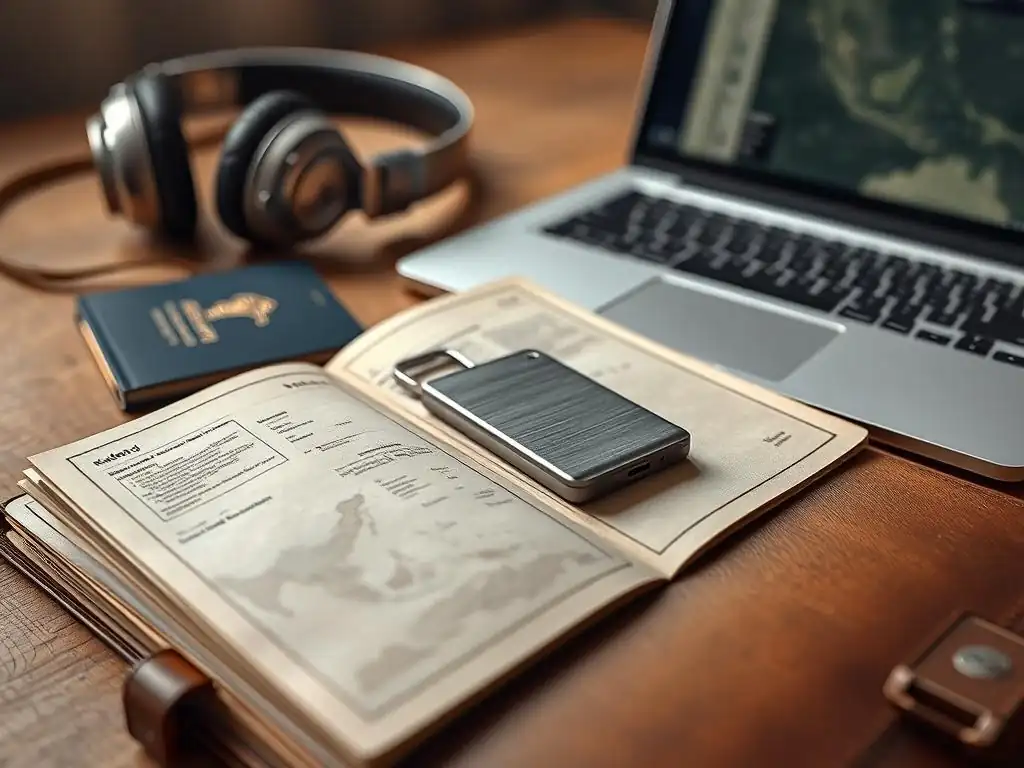
KeepKey stands out with its large, clear display, which is a significant security feature, especially when verifying transaction details on the go. This large screen minimizes the risk of "blind signing," where a user approves a transaction without fully seeing the details. For travelers, this is crucial when connecting to potentially insecure Wi-Fi networks or using unfamiliar computers, adding an extra layer to travel crypto wallet security. The device also features a single button, simplifying interaction and reducing complexity, which can be beneficial in busy travel environments.
Another core security feature is its use of a hardware-based random number generator for generating the 12-word recovery phrase. This generation process happens offline, ensuring that the private keys never leave the device. The firmware is open-source, allowing for community audits, which adds transparency and trust, though this is a technical aspect few travelers might directly utilize. The device requires a PIN for access, and like Ledger and Trezor, it wipes after multiple incorrect attempts, safeguarding assets against physical theft – a primary concern for travel crypto wallet security.
Advantages of KeepKey as a Travel Crypto Wallet
One of KeepKey's key advantages for travelers is its robust build and large screen. The physical device feels solid and the display makes verifying addresses and amounts remarkably easy, even in bright or low-light conditions often encountered during travel. This visual clarity is a direct benefit for maintaining good travel crypto wallet security practices, reducing the chance of sending funds to the wrong address due to a small or poor display. Its simple, single-button interface also makes it straightforward to use, minimizing potential errors when you might be distracted by travel logistics.
Furthermore, KeepKey integrates seamlessly with the ShapeShift platform, offering convenient in-wallet exchanges directly from the hardware wallet. While not strictly a security feature, this integration can reduce the need to transfer funds to potentially less secure online exchanges while traveling, adding a layer of operational security. The device supports a decent range of major cryptocurrencies, covering the needs of most travelers who primarily hold Bitcoin, Ethereum, and a few others. Its open-source nature also appeals to users who value transparency in their travel crypto wallet security tools.
Disadvantages and Considerations for Travelers Using KeepKey
Despite its advantages, KeepKey has some limitations that impact its suitability as a travel crypto wallet. The most notable is its physical size; it is generally larger and bulkier than both Ledger Nano S/X and Trezor One/Model T. This makes it less discreet and potentially more cumbersome to carry, especially for travelers who prioritize minimalism and portability. A larger device might be more noticeable if removed in public, potentially drawing unwanted attention, which is a consideration for overall travel crypto wallet security.
Another disadvantage is its more limited cryptocurrency support compared to Ledger and Trezor. While it covers major coins, travelers holding a diverse portfolio of smaller or newer altcoins might find KeepKey insufficient, requiring them to use additional wallets or services. The software ecosystem around KeepKey, primarily through ShapeShift, is less extensive than Ledger Live or Trezor Suite, which can affect the user experience and accessibility of features while on the go. These factors mean KeepKey might not be the most versatile option for every traveler's specific needs and portfolio.
User Experiences: KeepKey in Travel Contexts
User feedback on using KeepKey while traveling often highlights the positive experience of the large screen for verification, especially in environments where privacy is limited. Some users appreciate the simplicity of the single button, finding it less prone to errors than devices with multiple buttons or touchscreens when navigating menus quickly. For instance, a user traveling through airports might find the clear display and simple interaction reassuring when needing to access funds or check balances without attracting undue attention or fumbling with a complex interface.
However, the size and weight are frequently mentioned drawbacks. Users have noted that KeepKey takes up more space in pockets or small travel bags compared to its competitors. While its solid build is good for durability, the bulk can be inconvenient. The limited coin support is also a recurring theme; travelers with diverse holdings often need to supplement KeepKey with other solutions, complicating their travel crypto wallet security setup. Overall, KeepKey is often seen as a reliable, secure device for core assets but less flexible or portable than its main rivals for diverse travel use cases.
Frequently Asked Questions
What are the main advantages of using a hardware wallet when traveling with crypto?
Hardware wallets offer enhanced travel crypto wallet security by storing your private keys offline. This protects them from online threats, such as malware or phishing attacks, which are more prevalent when using public Wi-Fi or untrusted devices.
How do Ledger, Trezor, and KeepKey compare in terms of travel crypto wallet security features?
Ledger and Trezor are known for their robust security, incorporating secure element chips and PIN protection. KeepKey offers a similar level of security, but its larger size may make it less discreet when traveling.
What happens if my Ledger, Trezor, or KeepKey gets lost or stolen while traveling?
If your wallet is lost or stolen, your funds are safe as long as you have your recovery seed phrase. You can use this phrase to restore your wallet and access your crypto on a new device.
Do these hardware wallets support all cryptocurrencies I might use while traveling?
Ledger generally supports the widest range of cryptocurrencies, followed by Trezor. KeepKey supports a more limited selection, so verify compatibility with your preferred travel crypto before choosing a wallet.
What are some best practices for maintaining travel crypto wallet security while using Ledger, Trezor, or KeepKey?
Always keep your recovery seed phrase in a secure and separate location. Be cautious when connecting your wallet to public computers and avoid using unsecured Wi-Fi networks for transactions.
Final Reflection: Securing Your Digital Assets on the Go
The digital nomad lifestyle, fueled by the accessibility of cryptocurrency, is rapidly expanding, but the security of your crypto while traveling remains paramount. This article has explored the strengths and weaknesses of Ledger, Trezor, and KeepKey, highlighting the crucial considerations for choosing the right travel crypto wallet. The risks are real, and informed decision-making is the first line of defense against potential loss.
The rise of decentralized finance and the increasing acceptance of crypto as a viable payment method have made portable security solutions more vital than ever. Our digital identities and assets are increasingly intertwined, and protecting them while navigating unfamiliar environments is a responsibility we can't afford to ignore. Security is always excessive until it's not enough.
This quote perfectly encapsulates the need for proactive measures when it comes to securing your crypto, especially when traveling.
As you embark on your next adventure, take a moment to reflect on the information presented here. Consider your own risk tolerance, your travel style, and the specific features that matter most to you. Choose wisely, travel confidently, and remember that the security of your digital assets is an investment in your peace of mind.
Okay, I'm ready. Here's a Call to Action (CTA) draft based on the article title "Ledger vs Trezor vs KeepKey: Which Wallet is the Best for Travel?" for the website Blockchain Trends (blockchaintrends.org):
Unpack Your Peace of Mind: Secure Your Travels Now!
Thanks for diving into the world of hardware wallets and travel security! We hope this comparison helped you understand the key differences and find the perfect solution for your needs. Now it's time to take action and ensure your crypto is safe on your next adventure.
Here's how to start:
- Secure your funds with a Ledger, Trezor, or KeepKey today! Don't wait until your next trip. Understanding the options is the first step – actually securing your crypto is the most important.
- Dive deeper! Explore user forums and reviews on Reddit or BitcoinTalk to learn from others' real-world experiences with these wallets on the road. Share your findings with the Blockchain Trends community.
- Document your recovery phrase and test the backup procedure before you leave. This is crucial to ensure you can recover your funds in case of loss or theft. Consider alternative options for phrase storage while travelling.
What security measures will you implement before your next crypto-fueled getaway? Share your tips and tricks in the comments below!
Leave a Reply