
Ledger vs Trezor vs KeepKey: Which Wallet is Ideal for Daily Transactions?

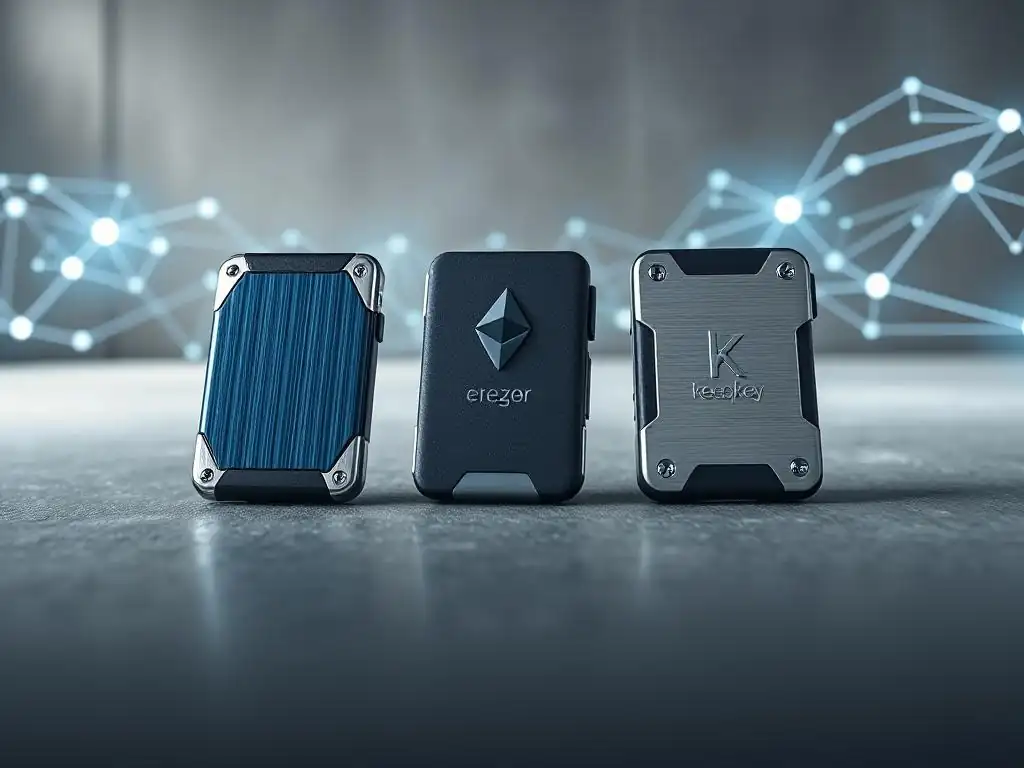
Welcome to Blockchain Trends, your compass in the ever-evolving world of decentralized technology. Beyond the hype of cryptocurrencies lies a vast landscape of innovation, from decentralized finance (DeFi) to transformative enterprise solutions. Are you ready to secure your digital assets and navigate this new frontier? Then dive into our latest deep dive, " Best Blockchain Wallet Choice," where we dissect the key players in digital security. But which wallet truly reigns supreme for your daily transactions? Discover the answer and unlock a safer, more decentralized future.
-
Head-to-Head Comparison: Finding Your Best Blockchain Wallet Choice
- Security Features: Seed Phrases, PINs, and Secure Elements
- Supported Cryptocurrencies and Tokens: Portfolio Flexibility
- Ease of Use and User Interface for Daily Transactions
- Connectivity Options: USB and Bluetooth Capabilities
- Price Point Comparison: Value for Secure Daily Use
- Physical Build Quality and Durability
-
Frequently Asked Questions
- What are the key differences between Ledger, Trezor, and KeepKey hardware wallets?
- Which of these wallets, Ledger, Trezor, or KeepKey, is the best blockchain wallet choice for beginners?
- Does the price point significantly differ between Ledger, Trezor, and KeepKey, and which offers the best blockchain wallet choice for budget-conscious users?
- How do Ledger, Trezor, and KeepKey handle security updates and firmware vulnerabilities, and which is the best blockchain wallet choice in terms of security?
- Beyond daily transactions, are Ledger, Trezor, or KeepKey suitable for long-term storage of cryptocurrencies, making them the best blockchain wallet choice for security?
- Final Reflection: Navigating the Future of Secure Transactions
- Secure Your Daily Crypto: Choose Wisely!
Head-to-Head Comparison: Finding Your Best Blockchain Wallet Choice
Security Features: Seed Phrases, PINs, and Secure Elements
The foundation of hardware wallet security lies in the handling of the recovery seed phrase. All three wallets—Ledger, Trezor, and KeepKey—generate a standard BIP39 12, 18, or 24-word seed phrase offline, ensuring the private keys are never exposed to an internet-connected device. This phrase is the master backup and must be stored securely offline.
Users are prompted to write it down during the initial setup, and the devices offer procedures to verify the written backup. PIN protection is mandatory on all devices to prevent unauthorized physical access. A typical security measure implemented is a limited number of incorrect PIN attempts (often 3), after which the device wipes itself, requiring recovery via the seed phrase.
A key difference emerges in their core security architecture. Ledger devices, such as the Nano X and Nano S Plus, utilize a Secure Element (SE) chip, similar to those found in credit cards and passports (like the CC EAL5+ certified chip in Nano X or CC EAL6+ in Nano S Plus). This chip is designed to resist physical and side-channel attacks, providing a hardened environment for storing private keys and signing transactions, even if the main processor is compromised.
Trezor, on the other hand, relies on an open-source security model. While it uses a standard microcontroller, its firmware is fully auditable by the public.
Security relies on the principle of transparency and the community's ability to identify and fix vulnerabilities, combined with protections like bootloader integrity checks and the requirement for physical confirmation on the device screen. KeepKey employs a similar approach to Trezor in using a general-purpose microcontroller but adds firmware signing to ensure that only authentic, signed firmware can run on the device, offering a layer of protection against malicious firmware installation.
Supported Cryptocurrencies and Tokens: Portfolio Flexibility
When considering the Best Blockchain Wallet Choice for managing a diverse portfolio, cryptocurrency support is a critical factor. Ledger wallets generally boast the widest range of supported assets. Through the Ledger Live application, users can directly manage over 5,500 different coins and tokens, including major cryptocurrencies like Bitcoin (BTC), Ethereum (ETH), Ripple (XRP), Litecoin (LTC), and a vast array of ERC-20 tokens. Support for new tokens is frequently added through firmware updates and application development within the Ledger ecosystem, making it highly flexible for users holding a broad spectrum of digital assets.
Trezor also supports a substantial number of cryptocurrencies, though typically fewer than Ledger. The Trezor Suite application provides native support for major coins like Bitcoin, Ethereum, Litecoin, Bitcoin Cash (BCH), and ERC-20 tokens, among others. While the direct support list is smaller than Ledger's, Trezor devices can often be used with third-party wallet software (like MyEtherWallet or Electrum) to manage additional, less common tokens that might not be natively listed in Trezor Suite.
KeepKey supports a more limited selection of cryptocurrencies natively compared to both Ledger and Trezor. Its primary integration historically was with the ShapeShift exchange platform, which streamlined swapping assets, but the direct wallet support list for holding includes Bitcoin, Ethereum, Litecoin, Dogecoin, and a selection of ERC-20 tokens. For users with highly diversified or niche altcoin portfolios, Ledger often presents the most straightforward option for consolidating holdings within a single hardware wallet interface.
Ease of Use and User Interface for Daily Transactions
The daily user experience varies significantly across these devices, impacting which is the Best Blockchain Wallet Choice for frequent transactions. Ledger wallets rely heavily on the Ledger Live desktop and mobile application for managing assets, sending/receiving transactions, and installing coin-specific apps onto the device. The physical interaction involves confirming details on a small screen using two physical buttons.
While functional, this can be cumbersome for complex interactions like setting gas fees or verifying long addresses compared to a touchscreen. The Ledger Nano X offers Bluetooth connectivity, enabling wireless management via the mobile app, which enhances convenience for on-the-go use, though some users have security concerns about Bluetooth.
Trezor devices, particularly the Trezor Model T, offer a more modern interface. The Model T features a color touchscreen which significantly improves ease of use for PIN entry, seed phrase verification, and transaction confirmation compared to button-based navigation. The Trezor One uses two physical buttons and an OLED screen, similar in interaction style to the Ledger Nano S Plus.
Both Trezor models are managed via the Trezor Suite desktop application or web interface, which is generally considered intuitive and user-friendly for portfolio management and transaction initiation. KeepKey distinguishes itself with its large OLED screen and a single physical button for confirmation. While the large screen is excellent for verifying transaction details at a glance, the single-button navigation can be slow.
Its primary interface for managing assets and executing transactions is often through integration with platforms like ShapeShift, which offers a clean web-based interface. For users prioritizing quick and clear transaction confirmation directly on the device, the Trezor Model T's touchscreen is a strong contender, while Ledger Live provides a comprehensive software ecosystem.
Connectivity Options: USB and Bluetooth Capabilities
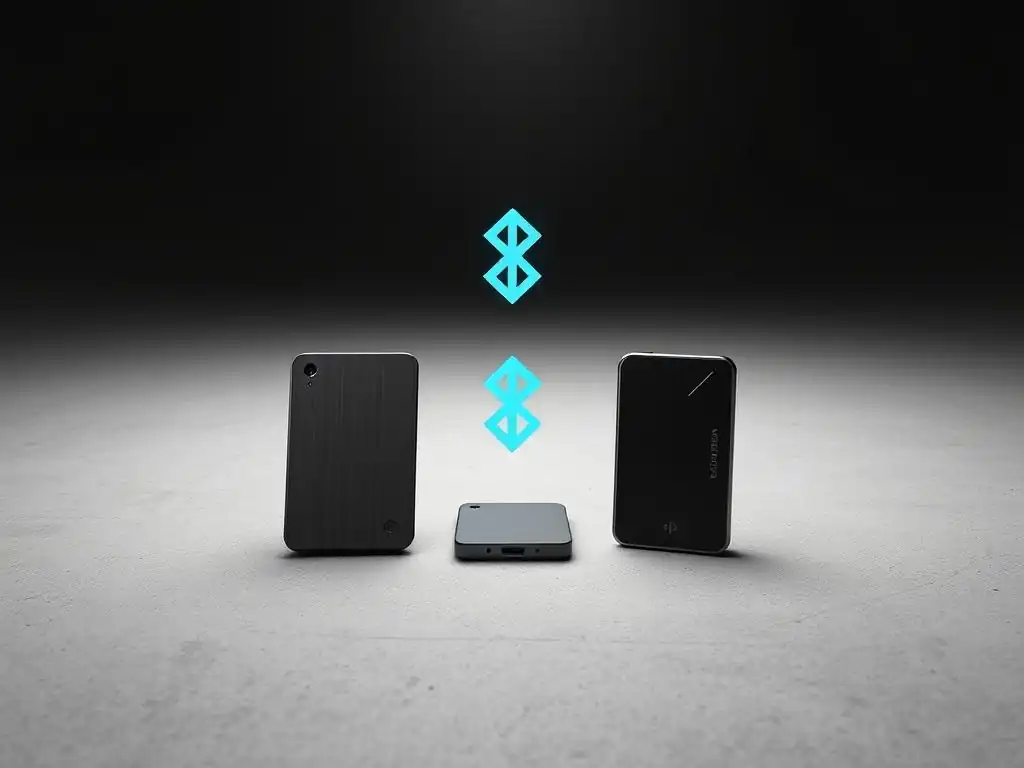
Connectivity is a key factor in determining the Best Blockchain Wallet Choice for integrating with your daily computing environment. All three brands primarily use USB connections to interface with computers. The Ledger Nano S Plus, Trezor One, and KeepKey all typically use older Micro-USB ports, which are common but less robust than newer standards. The Ledger Nano X and Trezor Model T feature USB-C ports, offering reversible connectors and generally faster data transfer, which is a minor but welcome convenience.
A notable difference is the inclusion of Bluetooth connectivity in the Ledger Nano X. This feature allows the Nano X to connect wirelessly to Android and iOS mobile devices running the Ledger Live app. This is a significant advantage for users who frequently manage their crypto assets from their smartphone without needing a cable or adapter.
While convenient, Bluetooth connectivity introduces a potential attack vector, although Ledger has implemented security measures to ensure that sensitive data like private keys are never transmitted over the air, and all critical transaction confirmations still require physical verification on the device itself. Neither Trezor nor KeepKey currently offer Bluetooth connectivity, relying solely on wired USB connections for all operations. For a user prioritizing mobile convenience, the Ledger Nano X's Bluetooth capability is a unique selling point, assuming they are comfortable with the associated security considerations.
Price Point Comparison: Value for Secure Daily Use
The cost of a hardware wallet can influence the Best Blockchain Wallet Choice, especially when considering multiple devices or budgeting for security. Generally, hardware wallets represent a relatively small investment compared to the value of the assets they protect. As of late 2023/early 2024, prices are approximate but indicative. The Trezor Model T is typically the most expensive option, often priced around $219. Its premium price reflects features like the touchscreen interface and robust build. The Ledger Nano X sits in the mid-to-high range, usually costing about $149, justified by its Bluetooth connectivity and larger storage capacity for apps.
More budget-friendly options include the Ledger Nano S Plus, priced around $59, offering core security features without Bluetooth or the larger app capacity of the Nano X. The Trezor One is similarly priced, often around $69, serving as Trezor's entry-level model. The KeepKey wallet is generally the most affordable of the three, frequently available for around $49.
When evaluating value for secure daily use, consider how frequently you transact, the number of different cryptocurrencies you hold (affecting required app storage), and whether features like a touchscreen or mobile connectivity are worth the extra cost. For basic, secure storage and occasional transactions, the Nano S Plus, Trezor One, or KeepKey offer excellent value. For heavy daily traders or those managing a vast array of assets across multiple devices, the features of the Nano X or Model T might justify the higher price tag as the Best Blockchain Wallet Choice.
Physical Build Quality and Durability
The physical construction of a hardware wallet impacts its durability and how it feels in daily use. The Ledger Nano series (Nano X and Nano S Plus) feature a design where a stainless steel swivel cover protects the screen and buttons. This design is compact and feels sturdy, intended to protect the small OLED screen from scratches and impacts when carried in a pocket or bag. The Nano X is slightly larger and heavier than the Nano S Plus, accommodating a larger battery and Bluetooth module.
Trezor wallets have a different aesthetic. The Trezor One is a lightweight, plastic device with a small OLED screen and two buttons. While functional, its all-plastic build feels less premium than the Ledger Nano series.
The Trezor Model T, however, features a larger, more robust plastic casing housing its color touchscreen. It feels more substantial than the Trezor One. KeepKey is notable for its larger form factor and sleek design, often described as resembling a small power bank.
It features a large OLED screen protected by a plastic casing. While the large screen is a usability plus, the overall plastic construction, despite feeling solid, may not be as resilient to drops or heavy handling as the steel-covered Ledger devices. For a user seeking a device that can withstand being carried around frequently, the metal swivel of the Ledger wallets offers a tangible sense of durability, making them potentially the Best Blockchain Wallet Choice in terms of physical protection for the internal components.
Frequently Asked Questions
What are the key differences between Ledger, Trezor, and KeepKey hardware wallets?
Ledger offers a sleek design and broader app support, while Trezor is known for its open-source security and KeepKey boasts a large display for transaction verification. Each prioritizes different aspects of usability and security.
Which of these wallets, Ledger, Trezor, or KeepKey, is the best blockchain wallet choice for beginners?
Trezor often appeals to beginners due to its user-friendly interface and simplified setup process. Ledger can be slightly more complex due to its Ledger Live app ecosystem.
Does the price point significantly differ between Ledger, Trezor, and KeepKey, and which offers the best blockchain wallet choice for budget-conscious users?
Yes, prices vary. KeepKey is generally the most affordable option, while Ledger and Trezor models range depending on features. Consider your needs versus budget.
How do Ledger, Trezor, and KeepKey handle security updates and firmware vulnerabilities, and which is the best blockchain wallet choice in terms of security?
All three offer firmware updates. Trezor's open-source nature allows for community scrutiny, while Ledger and KeepKey rely on their internal development teams for security patching.
Beyond daily transactions, are Ledger, Trezor, or KeepKey suitable for long-term storage of cryptocurrencies, making them the best blockchain wallet choice for security?
Yes, all three are suitable for long-term storage due to their offline storage capabilities, significantly reducing the risk of online hacking. Your choice depends on preferred security features and coin support.
The digital landscape is constantly evolving, and with it, the need for secure and accessible cryptocurrency wallets becomes paramount. Choosing the best blockchain wallet is no longer a niche concern, but a fundamental aspect of participating in the decentralized future. As we've explored the nuances of Ledger, Trezor, and KeepKey, it's clear that the ideal choice hinges on individual needs and priorities, reflecting the diverse ways we interact with digital assets in our daily lives.
The ongoing evolution of blockchain technology has profoundly impacted how we perceive and manage value. The ability to securely control our own digital wealth is a powerful paradigm shift, fostering greater financial autonomy and challenging traditional institutions. This shift necessitates a deeper understanding of the tools available to us, ensuring we can navigate this new landscape with confidence. The future of money is digital, and the future of digital is decentralized.
- Andreas Antonopoulos
Ultimately, the decision of which wallet to use is a personal one, but it's a decision that carries significant weight. As you embark on your journey into the world of cryptocurrency, remember that knowledge is your greatest asset. Take the time to understand your own needs, research the available options, and choose a wallet that empowers you to participate in the decentralized future with security and peace of mind. Embrace the power of self-custody, and let your wallet be a gateway to a more equitable and accessible financial world.
Secure Your Daily Crypto: Choose Wisely!
Thank you for exploring the world of hardware wallets and discovering the best option for your daily cryptocurrency transactions! Now that you're equipped with the knowledge to make an informed decision, it's time to take the next step in securing your digital assets.
Are you ready to enhance your crypto security? Consider taking these actions today:
- Order a hardware wallet that meets your daily transaction needs. Don’t delay—hackers often exploit procrastination!
- Explore trusted resources on best practices for cold storage to deepen your understanding of security strategies and ensure maximum protection for your funds.
- Share this article with your crypto community to encourage discussions about hardware wallet security. Help others make informed choices and safeguard their investments.
What specific steps will you take today to strengthen your daily crypto transactions? Share your thoughts and experiences in the comments below!
Leave a Reply