
Lessons in Security: What We Can Learn from Ledger, Trezor, and KeepKey

Welcome to Blockchain Trends, your compass in the rapidly evolving world of decentralized innovation! Dive deep into the transformative power of blockchain, moving beyond the hype to explore its real-world applications. Ever wondered how to truly secure your digital assets? Our latest article, "Lessons in Security: What We Can Learn from Ledger, Trezor, and KeepKey," unpacks the critical role of blockchain security hardware wallets in safeguarding your crypto future. Ready to understand the nuances of hardware wallet security and how they can protect you from emerging threats? Let's begin!
- Comparative Security Analysis: Ledger vs Trezor vs KeepKey
-
Frequently Asked Questions
- What are Blockchain security hardware wallets, and why are they important?
- How do Ledger, Trezor, and KeepKey differ in their approach to Blockchain security hardware wallets?
- What lessons can be learned from past security incidents involving Blockchain security hardware wallets like Ledger?
- How do Blockchain security hardware wallets protect against phishing attacks?
- What is the future of Blockchain security hardware wallets, and how will they adapt to evolving threats?
- Final Reflection: Securing Our Digital Future
Comparative Security Analysis: Ledger vs Trezor vs KeepKey
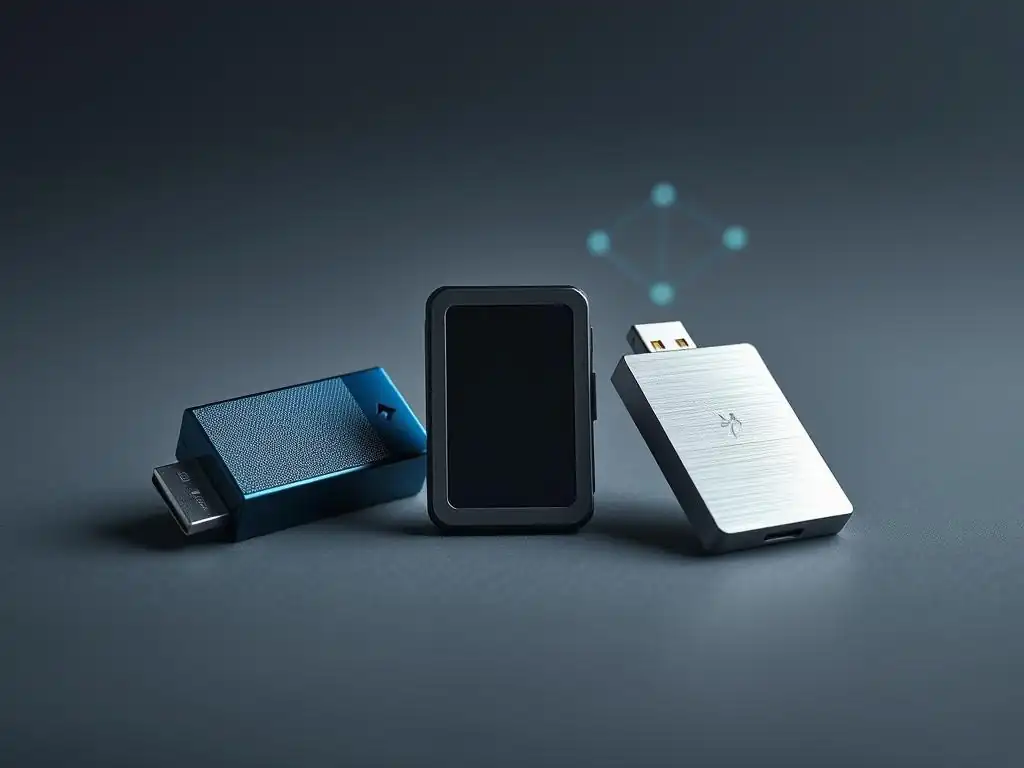
Hardware Wallet Architectures Compared: Secure Element vs Open Source
The fundamental architectural differences between leading blockchain security hardware wallets like Ledger, Trezor, and KeepKey significantly shape their security profiles and the lessons users can derive from their designs. Ledger devices, such as the Nano S Plus and Nano X, are built around a Secure Element (SE), a dedicated, tamper-resistant chip certified to industry standards like CC EAL5+. This chip is designed to isolate the private keys and cryptographic operations from the main microcontroller and potential physical or software attacks on the less secure parts of the device or connected computer.
The core security principle here is security-by-isolation, relying on the SE's certified resistance to physical probing and side-channel attacks. While the firmware running on the SE is proprietary and not publicly auditable, the bootloader ensures only officially signed firmware can run, a critical layer in hardware wallet security.
In contrast, Trezor, with models like the Model One and Model T, champions an Open Source philosophy. Both the hardware design schematics and the device firmware are publicly available for anyone to review, audit, and contribute to. The core security relies on a general-purpose microcontroller, but the emphasis is on transparency and community scrutiny to identify and patch vulnerabilities.
While a general-purpose chip is inherently less resistant to sophisticated physical attacks (like chip-off or voltage glitching) compared to a certified SE, Trezor's design incorporates countermeasures in its firmware and bootloader. The belief is that public transparency leads to faster identification and remediation of potential issues, making it a robust approach for blockchain security hardware wallets, particularly against software and remote threats.
KeepKey, while not fully open source like Trezor, utilizes a similar general-purpose microcontroller approach, focusing on a simple design and a secure bootloader signed by the company. Its security model leans towards minimizing the attack surface through simplicity and rigorous internal testing, offering a balance between the proprietary nature of Ledger and the full transparency of Trezor.
How Each Wallet Protects Against Different Attack Types (Physical, Remote, Software)
Understanding how blockchain security hardware wallets defend against diverse threats is key to appreciating their value. Against sophisticated physical attacks, Ledger's Secure Element generally offers a higher certified level of resistance. The SE is specifically designed to withstand techniques like side-channel analysis, fault injection, and microprobing, which aim to extract sensitive data directly from the chip. While researchers have demonstrated some attacks even against SEs in laboratory conditions, successfully executing them requires significant expertise, equipment, and physical access.
Trezor and KeepKey, using general-purpose chips, are potentially more susceptible to advanced physical attacks. However, their security models incorporate countermeasures like requiring physical button presses for confirmation and potentially wiping the device after too many failed attempts, making casual physical theft less likely to compromise keys without user interaction. Trezor's Model T has also introduced hardware improvements over the Model One to enhance physical security.
Remote attacks, such as malware or phishing on the connected computer, are the most common threats users face. All three types of blockchain security hardware wallets provide strong protection against these. The fundamental defense is that the private keys never leave the device.
Transaction signing happens internally. Crucially, all three require the user to verify and confirm the transaction details (recipient address, amount) directly on the device's trusted screen using physical buttons. This prevents malware on the computer from altering the transaction details presented to the user or signing a malicious transaction without their explicit, verified consent on the hardware wallet itself.
Software attacks targeting the wallet's firmware or the companion application (Ledger Live, Trezor Suite, ShapeShift Platform) are mitigated through signed firmware updates (preventing malicious code installation) and by ensuring the device itself remains the ultimate arbiter of security decisions, independent of the potentially compromised computer software. While companion apps can be vectors for phishing or user data breaches (as seen with the Ledger marketing data breach, which did not compromise wallet keys but did expose customer information), the core function of protecting private keys remains isolated within the hardware wallet itself.
Seed Phrase Security and Recovery Mechanisms
The seed phrase, typically a sequence of 12, 18, or 24 words following standards like BIP39, is the master backup for blockchain security hardware wallets. It is paramount to the security of any crypto asset held on these devices. All three wallets – Ledger, Trezor, and KeepKey – generate the seed phrase securely on the device using a combination of random data from the device's hardware random number generator and user input or external entropy sources.
This ensures the seed is generated offline and is never exposed to the internet or the connected computer. When setting up the wallet, the seed phrase is displayed only on the device's screen, and the user is instructed to write it down on a provided recovery sheet.
The absolute most critical lesson here is the secure, offline storage of this physical recovery sheet. Storing the seed phrase digitally, taking a photo of it, or entering it into any online service is the single biggest risk to funds secured by a hardware wallet, completely bypassing the device's security.
For recovery, if the hardware wallet is lost, stolen, or damaged, the user can restore access to their funds on a new compatible hardware wallet (or even certain software wallets that support the same standard) by entering the seed phrase. This recovery process is typically done directly on the new device or through the companion software with verification steps on the device, again ensuring the seed is handled securely.
Ledger and Trezor also support an optional passphrase (BIP39 extension), adding a 13th or 25th word that creates a completely separate "hidden" wallet derived from the same seed phrase. This adds an extra layer of security, as someone finding the physical seed phrase alone cannot access the hidden wallet without the passphrase.
KeepKey also supports passphrases, reinforcing that while architectures differ, the core principles of seed phrase generation, display, and user responsibility for its secure offline storage are universal and critical lessons for securing blockchain security hardware wallets.
Frequently Asked Questions
What are Blockchain security hardware wallets, and why are they important?
Hardware wallets are physical devices that store your private keys offline, making them significantly more secure than software wallets. They protect against hacking and malware.
How do Ledger, Trezor, and KeepKey differ in their approach to Blockchain security hardware wallets?
Ledger emphasizes security chips and a proprietary operating system, while Trezor focuses on open-source software and simplicity. KeepKey offers a sleek design and integration with ShapeShift.
What lessons can be learned from past security incidents involving Blockchain security hardware wallets like Ledger?
The main lesson is the importance of supply chain security and data protection. Even with secure devices, user data breaches can compromise security.
How do Blockchain security hardware wallets protect against phishing attacks?
By requiring physical confirmation on the device itself for transactions, they prevent unauthorized access even if your computer is compromised by a phishing scam.
What is the future of Blockchain security hardware wallets, and how will they adapt to evolving threats?
Future wallets will likely incorporate advanced biometrics, multi-signature capabilities, and more seamless integration with decentralized applications for enhanced security.
Final Reflection: Securing Our Digital Future
The exploration of Ledger, Trezor, and KeepKey has illuminated the crucial role of blockchain security hardware wallets in safeguarding our digital assets. The lessons learned from their successes and shortcomings are more vital than ever in today's rapidly evolving cryptocurrency landscape. As digital ownership becomes increasingly prevalent, the need for robust and user-friendly security solutions is paramount to fostering trust and widespread adoption.
The impact of these hardware wallets extends far beyond individual security; they shape the very foundation of the decentralized web. The ongoing evolution of these devices reflects a broader societal shift towards self-sovereignty and control over our digital identities and assets. This journey isn't just about technology; it's about empowering individuals to participate in a more secure and equitable digital future. Security is always excessive until it's not enough.
- Robbie Sinclair
As we conclude this exploration, consider the implications of these lessons for your own digital life. How can you leverage the insights gained to enhance your personal security practices? The future of blockchain and cryptocurrency hinges on our collective commitment to security. Let us embrace the responsibility of safeguarding our digital assets and contribute to a more secure and trustworthy decentralized world.
Certainly! Please provide the article content or its main points, and I will help craft a compelling call to action for "Lessons in Security: What We Can Learn from Ledger, Trezor, and KeepKey" for Blockchain Trends.
Leave a Reply