
MultiCurrency Hardware Wallets: Managing Your Diverse Crypto Portfolio

Welcome to Blockchain Trends, your trusted source for navigating the evolving landscape of decentralized technology. Are you juggling multiple cryptocurrencies and struggling to keep your digital assets secure? Discover how hardware wallets manage multiple cryptos with ease and efficiency. Dive in to explore the essential features, security protocols, and top contenders in this crucial area of crypto management. Ready to safeguard your diverse portfolio? Let's unlock the secrets of secure multi-currency storage!
- Introduction to MultiCurrency Hardware Wallets: Managing Your Diverse Crypto Portfolio
- What Are Hardware Wallets and How Do They Manage Multiple Cryptos?
- Top MultiCurrency Hardware Wallets for Managing Your Diverse Crypto Portfolio
- Comparing MultiCurrency Hardware Wallets: Which is Right for You?
- Best Practices for Managing a Diverse Crypto Portfolio with Hardware Wallets
- Conclusion: The Future of MultiCurrency Hardware Wallets in Crypto Management
- Call to Action: Start Managing Your Diverse Crypto Portfolio Today
-
Frequently Asked Questions
- How do multi-currency hardware wallets simplify crypto management?
- What are the main security benefits of using a hardware wallet for multiple cryptos?
- Can all hardware wallets handle all cryptocurrencies?
- How do I back up and restore my multi-currency hardware wallet?
- What should I consider when choosing a multi-currency hardware wallet?
- Final Reflection: Securing the Future of Diverse Crypto Holdings
- Unlock Your Crypto Potential: Secure & Diversify Today!
Introduction to MultiCurrency Hardware Wallets: Managing Your Diverse Crypto Portfolio
The digital asset landscape has expanded dramatically beyond single cryptocurrencies like Bitcoin. Today, investors often hold a diverse portfolio encompassing dozens, or even hundreds, of different tokens and coins, from established giants to emerging altcoins and decentralized finance (DeFi) tokens. Managing this complexity requires sophisticated security solutions that can handle a wide array of digital assets securely. Traditional software wallets, while convenient, often lack the robust security measures needed to protect significant investments across multiple blockchains from online threats.
This growing need for secure, comprehensive asset management has propelled multi-currency hardware wallets to the forefront of crypto security. These physical devices offer an isolated environment for signing transactions, keeping private keys offline and away from potentially compromised computers or smartphones. For anyone serious about protecting their diverse crypto holdings, understanding the capabilities and benefits of hardware wallets that manage multiple cryptos is no longer optional but essential. This article will delve into how these devices function, explore leading options in the market, and provide best practices for securing your valuable digital assets.
Understanding the Importance of Hardware Wallets for Multiple Cryptocurrencies
As investors accumulate assets across different blockchain networks – perhaps holding Bitcoin, Ethereum, Solana, and various ERC-20 tokens simultaneously – the complexity of managing private keys and ensuring security increases exponentially. Each different wallet software or online exchange holding a piece of the portfolio represents a potential vulnerability.
A single point of failure, such as a phishing attack targeting an exchange account or malware infecting a computer hosting a software wallet, could compromise a significant portion of the portfolio. Hardware wallets provide a crucial layer of defense by isolating the private keys, the absolute ownership proof of your crypto, from the internet.
The core function of these devices is to sign transactions offline. When you want to send crypto, you initiate the transaction on a connected device (like a computer or phone) using wallet software. This transaction information is sent to the hardware wallet, which is offline. The hardware wallet verifies the details on its secure chip and prompts the user to confirm on the device's screen.
Only after physical confirmation does the hardware wallet use the private key (which never leaves the device) to sign the transaction. The signed transaction is then sent back to the online device for broadcasting to the network. This process ensures that even if the connected device is compromised, the private keys remain safe within the hardware wallet, making it extremely difficult for attackers to steal funds.
Overview of the Transformative Potential of Blockchain Technology
Blockchain technology is fundamentally reshaping industries by enabling transparent, secure, and decentralized systems. Beyond its origins in cryptocurrencies, blockchain's potential extends to supply chain management, digital identity, voting systems, and decentralized finance (DeFi). DeFi, in particular, represents a significant evolution, offering financial services like lending, borrowing, and trading directly on the blockchain without traditional intermediaries. This shift has created a vast ecosystem of tokens and protocols, further diversifying the types of digital assets individuals hold.
The transformative power of blockchain means that the variety and volume of digital assets are only set to increase. Managing a diverse portfolio in this evolving landscape requires tools that are not only secure but also adaptable to new tokens and networks.
Multi-currency hardware wallets are integral to this future, providing the secure foundation needed for individuals to interact confidently with the expanding blockchain ecosystem. They are essential infrastructure for participating in DeFi, holding NFTs, and managing a wide range of blockchain-based assets, ensuring that users can leverage the potential of decentralized systems while maintaining control over their private keys.
What Are Hardware Wallets and How Do They Manage Multiple Cryptos?
Hardware wallets are physical electronic devices designed specifically to store the private keys associated with cryptocurrency addresses offline. Unlike software wallets, which run on computers or smartphones connected to the internet, hardware wallets create an air-gapped environment for your most critical security information. They typically feature a small screen and buttons for user interaction, allowing you to verify transaction details and confirm actions directly on the device before signing. This physical isolation from online threats is their primary security advantage.
When you set up a hardware wallet, it generates a unique seed phrase (usually 12, 18, or 24 words). This seed phrase is the master backup for all your private keys and associated cryptocurrency addresses. It is crucial to write this seed phrase down and store it securely offline, as it is the only way to recover your funds if the hardware wallet is lost or damaged. The device itself holds the private keys derived from this seed phrase, using a secure element chip to protect them from physical tampering and software exploits.
Definition of Hardware Wallets
A hardware wallet is a dedicated, purpose-built device designed to provide the highest level of security for cryptocurrency private keys. Think of it as a miniature, highly secure computer whose sole job is to protect your cryptographic secrets and sign transactions when authorized. These devices are engineered to resist various attack vectors, including malware, viruses, phishing attempts, and even some forms of physical tampering. They interface with a computer or smartphone only to broadcast signed transactions to the blockchain network, never exposing the private keys to the internet.
The core principle behind hardware wallets is that the private key never leaves the device's secure environment. When you want to send funds, the transaction details are sent to the hardware wallet via a USB cable or Bluetooth. The transaction is then processed internally by the device's secure chip.
You review the details on the wallet's screen and physically confirm the transaction using buttons on the device. Only the signed transaction, not the private key itself, is then sent back to the connected computer or phone to be broadcast to the network. This ensures that your private keys are isolated from online threats, providing robust protection for your digital assets.
Advantages of Using Hardware Wallets for Multi-Currency Management
One of the most significant advantages of using hardware wallets is their ability to securely hardware wallets manage multiple cryptos simultaneously. Instead of needing separate, less secure software wallets for each type of cryptocurrency, a single hardware wallet can often support hundreds or even thousands of different tokens and coins. This simplifies portfolio management significantly, allowing users to access and manage their diverse holdings from a single, secure interface, usually via the manufacturer's companion software or compatible third-party wallets.
Beyond convenience, the multi-currency support on hardware wallets drastically enhances security for a diverse portfolio. By consolidating the security of multiple assets onto one highly protected device, the overall attack surface is reduced. Instead of securing numerous software wallets on potentially vulnerable devices, you only need to secure the physical hardware wallet and its seed phrase.
Leading hardware wallets achieve this multi-currency support by integrating various blockchain protocols and standards, often requiring users to install specific "apps" on the device for each cryptocurrency or blockchain they wish to manage. These apps don't store the coins themselves but enable the hardware wallet to understand and interact with the specific blockchain's transaction format using the keys derived from the master seed.
Key Features to Look For in MultiCurrency Hardware Wallets
When selecting a hardware wallet to manage a diverse crypto portfolio, several key features are paramount. Foremost is extensive cryptocurrency support; the wallet should support the specific coins and tokens you currently hold or plan to acquire. Look for devices that regularly add support for new assets. Security features are non-negotiable; prioritize wallets with a certified secure element chip, robust PIN protection, and a clear process for verifying transactions on the device screen.
Other important features include the user interface and ease of use. A clear screen and intuitive buttons make verifying transactions and navigating menus straightforward. Connectivity options, such as USB-C or Bluetooth, can impact convenience. Backup and recovery mechanisms are also crucial; ensure the wallet provides a standard seed phrase backup (BIP39 standard is common) and has a reliable recovery process. Finally, consider the build quality, customer support reputation, and ongoing firmware update schedule of the manufacturer, as regular updates are vital for security and adding new coin support.
Top MultiCurrency Hardware Wallets for Managing Your Diverse Crypto Portfolio
The market for hardware wallets has matured, with a few key players dominating due to their focus on security, reliability, and broad cryptocurrency support. These devices are essential for anyone looking to securely hardware wallets manage multiple cryptos effectively. While several options exist, Ledger, Trezor, KeepKey, and BitBox02 are consistently ranked among the best choices for managing a diverse portfolio. Each offers a slightly different balance of features, price, and design philosophy.
Choosing the right multi-currency hardware wallet depends on individual needs, including the specific cryptocurrencies held, budget, desired features (like Bluetooth connectivity), and preferred user interface. Researching the supported asset list is critical, as not all wallets support every single coin or token. Furthermore, considering the reputation and longevity of the manufacturer is important, as you want a company committed to ongoing security updates and customer support for your device.
1. Ledger Nano X: The Leading Choice for Multi-Crypto Management
The Ledger Nano X is often cited as a top-tier multi-currency hardware wallet, known for its robust security architecture and extensive list of supported cryptocurrencies. Launched as the successor to the popular Nano S, the Nano X significantly increased the device's internal storage, allowing users to install more cryptocurrency applications simultaneously.
This enhanced capacity is a major benefit for users managing a diverse portfolio, as it reduces the need to uninstall and reinstall apps frequently, which was a limitation of older models. The device supports over 5,500 different coins and tokens, covering a vast majority of the crypto market, including major coins like Bitcoin, Ethereum, Ripple, and Litecoin, as well as thousands of ERC-20 tokens and assets on other networks.
Beyond its vast coin support, the Ledger Nano X boasts several features aimed at improving user experience and security. It includes a larger screen than its predecessor, making transaction verification easier. It supports both USB-C and Bluetooth connectivity, allowing users to manage their crypto on the go using the Ledger Live mobile app without needing a physical connection.
The device incorporates a certified secure element chip (CC EAL5+), designed to protect private keys from sophisticated attacks. While the Bluetooth feature has raised some security discussions, Ledger maintains that private keys never leave the secure element, even when using Bluetooth, as transactions are signed internally before being sent to the connected device.
Features and Benefits of Ledger Nano X
The Ledger Nano X is packed with features designed for secure, multi-currency management. Its large storage capacity is a key benefit, enabling the installation of numerous cryptocurrency apps simultaneously – reportedly up to 100, depending on the app size. This is a significant upgrade from previous models and crucial for users with a wide variety of assets.
The device's dual connectivity via USB-C and Bluetooth offers flexibility, allowing management from desktop computers or mobile devices. The integration with the Ledger Live software provides a user-friendly interface for managing assets, checking balances, sending/receiving crypto, and even participating in staking for certain supported assets.
Security is paramount, and the Nano X utilizes a certified secure chip, ensuring that private keys are isolated. Transaction details are displayed clearly on the device's screen, requiring physical confirmation via the device's buttons before signing. This physical verification process is a critical safeguard against malware altering transaction details on the connected computer. The device also supports a 24-word recovery phrase for backup. The comprehensive support for over 5500 assets makes it one of the most versatile hardware wallets available for users who want to hardware wallets manage multiple cryptos from various ecosystems.
Pricing and Availability
The Ledger Nano X is positioned as a premium multi-currency hardware wallet, and its pricing reflects its advanced features and storage capacity. As of late 2023/early 2024, the typical price for a new Ledger Nano X is around $149 USD. Prices can vary slightly depending on the retailer, region, and any ongoing promotions. It is highly recommended to purchase hardware wallets directly from the official manufacturer's website or authorized resellers to avoid the risk of receiving a tampered device.
Availability is generally good, with the Ledger Nano X being sold globally through Ledger's official online store and major electronics retailers. While the price is higher than some entry-level hardware wallets, the increased storage, Bluetooth connectivity, and broad asset support justify the cost for many users managing significant and diverse crypto portfolios. The investment in a reputable hardware wallet like the Nano X is a critical step in securing digital assets against the ever-present threat of online theft.
How Ledger Nano X Supports Multiple Cryptocurrencies
The Ledger Nano X supports a vast array of cryptocurrencies and tokens by allowing users to install specific applications for each blockchain or asset type directly onto the device. These "apps" are not traditional applications but small programs that enable the hardware wallet to understand the specific cryptographic requirements and transaction formats of a particular blockchain (like Bitcoin, Ethereum, Solana, Cardano, etc.). When you want to interact with a specific cryptocurrency, you open its corresponding app on the Nano X via the Ledger Live software or a compatible third-party wallet.
When you initiate a transaction for a specific coin (e.g., sending Bitcoin), the Ledger Live software or third-party wallet prepares the transaction details and sends them to the Bitcoin app installed on the Nano X. The Nano X's secure element uses the private key derived from your master seed (which is unique to your device and seed phrase) to sign the transaction according to the Bitcoin protocol rules. The signed transaction is then returned to the software interface to be broadcast.
For Ethereum and ERC-20 tokens, you typically install the Ethereum app, which can then manage all ETH and compatible tokens using the same Ethereum address derived from your seed. This architecture allows the Nano X to hardware wallets manage multiple cryptos across many different networks securely under a single seed phrase.
2. Trezor Model T: User-Friendly Interface with Extensive Support
The Trezor Model T stands out as another premier multi-currency hardware wallet, known for its strong emphasis on open-source principles and user-friendly touchscreen interface. Developed by SatoshiLabs, the creators of the original Bitcoin hardware wallet, the Model T represents their flagship device. Its key distinguishing feature is the large color touchscreen, which simplifies navigation, transaction verification, and PIN entry directly on the device, reducing reliance on the connected computer's screen and keyboard, which can be vulnerable to keyloggers.
The Trezor Model T supports a wide and growing list of cryptocurrencies, including major coins like Bitcoin, Ethereum, Ripple, Litecoin, and many others. While its supported list is typically slightly smaller than Ledger's, it still covers a significant portion of the market and regularly adds support for new assets through firmware updates. Trezor is highly regarded in the crypto community for its transparency and commitment to security through open-source code, allowing experts to audit its software and hardware designs. This transparency builds trust among users who prioritize verifiable security.
Advantages of Using Trezor Model T for Multiple Cryptos
One of the primary advantages of the Trezor Model T for managing multiple cryptocurrencies is its intuitive touchscreen interface. This feature significantly enhances the user experience, making it easy to navigate between different currency accounts, verify complex transaction details (especially useful for smart contracts or multiple outputs), and enter your PIN directly on the device's secure screen.
This on-device interaction minimizes the risk associated with inputting sensitive information on a potentially compromised computer. The Model T also supports Shamir Backup, an advanced backup method that splits your seed phrase into multiple unique shares, requiring only a subset of these shares to recover your wallet, offering an alternative to the standard single seed phrase backup for enhanced security and redundancy.
Furthermore, Trezor's commitment to open-source software and hardware provides a high level of transparency and community trust. This allows security researchers and the public to examine the device's code and design for vulnerabilities.
The Trezor ecosystem, managed through the Trezor Suite desktop application or web interface, provides a clean and straightforward platform for managing a diverse portfolio, sending/receiving funds, and even performing coin swaps directly within the interface via integrated exchange partners. The Model T's robust design and focus on security make it a reliable choice for users who hardware wallets manage multiple cryptos and value transparency and ease of use.
Pricing and Where to Buy
The Trezor Model T is positioned at the higher end of the hardware wallet market, reflecting its premium features like the touchscreen and open-source development. As of late 2023/early 2024, the price for a new Trezor Model T is typically around $219 USD. This places it as one of the more expensive consumer-grade hardware wallets available. Similar to other hardware wallets, it is crucial to purchase the Trezor Model T exclusively from the official Trezor website or designated authorized resellers to ensure the device has not been tampered with during transit.
While the price point is higher than many competitors, the Trezor Model T offers a compelling package for users who prioritize the touchscreen interface, open-source nature, and robust build quality. The investment provides a high level of security and a user experience that many find superior for managing complex transactions and diverse portfolios. For users who hardware wallets manage multiple cryptos of significant value, the cost is often seen as a necessary expense for peace of mind.
Compatibility with Various Cryptocurrencies
The Trezor Model T offers compatibility with a wide range of cryptocurrencies and tokens, although its list is generally slightly less extensive than Ledger's. It supports all the major cryptocurrencies, including Bitcoin (BTC), Ethereum (ETH), Litecoin (LTC), Ripple (XRP - with limitations depending on region/firmware), Cardano (ADA), Polkadot (DOT), and many more. Crucially, it supports thousands of ERC-20 tokens on the Ethereum network, as well as tokens on other supported blockchains like Binance Smart Chain (BEP-20 via connecting to MetaMask), Polygon, and others.
Trezor regularly updates its firmware to add support for new coins and improve existing integrations. Users manage their various assets through the Trezor Suite application, which connects to the Model T. Similar to Ledger, the Trezor uses a single seed phrase to derive keys for all supported cryptocurrencies. When you want to interact with a specific coin, the Trezor Suite interface communicates with the Model T, and the device uses the appropriate derived key to sign the transaction securely offline. This architecture allows the Trezor Model T to effectively hardware wallets manage multiple cryptos under one secure umbrella.
3. KeepKey: Affordable Option for MultiCurrency Management
KeepKey positions itself as an affordable yet secure option in the multi-currency hardware wallet market. Acquired by ShapeShift in 2017, KeepKey wallets are often integrated directly with the ShapeShift platform, allowing users to easily manage and exchange cryptocurrencies directly from the wallet interface. While it may not have the extensive feature set or coin support of Ledger or Trezor, it provides core hardware wallet security at a more accessible price point, making it an attractive option for users seeking cost-effective multi-currency storage.
The KeepKey features a large, clear OLED display and a single button for interaction. Its design is sleek and minimalist. Security is based on a secure microcontroller, though it does not use a separate certified secure element chip like Ledger. Private keys are generated and stored offline on the device. Transaction details are displayed on the screen for verification, and the single button is used to confirm actions. KeepKey supports a respectable, though not industry-leading, number of cryptocurrencies, focusing on major coins and popular tokens.
Features of KeepKey and Its Unique Benefits
The KeepKey hardware wallet offers several features that appeal to budget-conscious users seeking multi-currency support. Its large OLED display is a significant benefit, providing a clear view of transaction details and addresses, which is essential for verifying accuracy and preventing errors or malicious alterations. The device's integration with the ShapeShift platform is a unique advantage, allowing users to seamlessly exchange supported cryptocurrencies directly within the wallet interface without needing to move funds to an exchange, potentially saving time and reducing transaction complexity (though standard network fees still apply).
Security features include PIN protection and a standard 12-word recovery phrase backup. The device utilizes a TRNG (True Random Number Generator) for key creation. While it lacks a certified secure element found in some competitors, its offline nature provides strong protection against online threats. The firmware is open-source, contributing to transparency. KeepKey supports a range of major cryptocurrencies including Bitcoin, Ethereum, Litecoin, Dogecoin, and a selection of ERC-20 tokens. While the supported list is smaller than Ledger or Trezor, it covers the needs of many users who hardware wallets manage multiple cryptos primarily focused on the more established assets.
Pricing Analysis
The KeepKey hardware wallet is known for its competitive pricing, making it one of the more affordable multi-currency hardware wallets available. As of late 2023/early 2024, the price for a new KeepKey typically ranges from $49 to $79 USD, depending on the retailer and any bundles or promotions. This price point is significantly lower than flagship models from Ledger and Trezor, making it an attractive entry point for users who need hardware wallet security for a diverse, but perhaps not extremely extensive, portfolio.
The lower cost is achieved partly through differences in hardware components (like the lack of a separate certified secure element) and potentially a smaller development team focusing on fewer supported assets compared to the market leaders. However, for users whose primary need is secure offline storage for major cryptocurrencies and a selection of tokens, KeepKey offers a compelling value proposition. Like all hardware wallets, purchasing directly from the official website or authorized channels is paramount to avoid security risks.
Supported Cryptocurrencies and User Experience
KeepKey supports a solid range of major cryptocurrencies and a selection of popular tokens. The core supported list includes Bitcoin (BTC), Ethereum (ETH), Litecoin (LTC), Dogecoin (DOGE), Dash (DASH), and over 1000 ERC-20 tokens. While this list is considerably smaller than the thousands supported by Ledger or Trezor, it covers the most widely held digital assets. Users interact with the KeepKey primarily through the ShapeShift platform (either web or desktop application), which provides a clean interface for managing balances, sending/receiving, and utilizing the integrated exchange feature.
The user experience with KeepKey is generally straightforward, benefiting from the large screen for verification. Setting up the device involves generating a 12-word recovery phrase and setting a PIN. Managing multiple cryptocurrencies is handled within the ShapeShift interface, where different asset accounts are displayed. The integrated exchange functionality is a unique aspect of the user experience, simplifying the process of swapping between supported coins directly from cold storage. While it may not support every niche altcoin, KeepKey provides a secure and relatively easy way for users to hardware wallets manage multiple cryptos from the mainstream market.
4. BitBox02: Swiss-Made Security for Your Crypto Portfolio
The BitBox02, developed by Shift Crypto in Switzerland, is a hardware wallet that emphasizes simplicity, security, and privacy. It is available in two main versions: one specifically for Bitcoin-only users and a Multi edition that supports a selection of other cryptocurrencies. The Multi edition is designed for users who value robust security and a streamlined user experience for managing a diverse, though curated, set of digital assets. BitBox02 is known for its minimalist design, featuring touch sensors instead of physical buttons, and its focus on clear, verifiable transaction details on its OLED screen.
A unique feature of the BitBox02 is its microSD card slot, which can be used for easy and reliable backups of the wallet. While it also supports the standard BIP39 seed phrase, the microSD backup offers a convenient alternative or supplement. The device utilizes a dual-chip architecture, including a secure element, to enhance protection against physical attacks. Shift Crypto also emphasizes open-source firmware and reproducible builds, allowing users to verify that the software running on their device matches the publicly available source code, a strong point for security-conscious individuals.
Security Features of BitBox02
The BitBox02 incorporates several advanced security features. It uses a dual-chip design, combining a secure element for key storage and cryptographic operations with a general microcontroller for managing the user interface and communication. This architecture provides layered security. The secure element is designed to protect private keys even if the main microcontroller is compromised. The device requires a strong password and displays transaction details clearly on its OLED screen for user confirmation via the touch sensors.
A key security aspect is the implementation of reproducible builds, allowing users to independently verify the firmware's authenticity. The optional microSD card backup provides a simple and less error-prone method compared to manually writing down a seed phrase, although the BIP39 seed phrase backup is also supported and recommended as a failsafe. The device's firmware is open-source, subject to public scrutiny and audits.
Shift Crypto also implements features like U2F (Universal 2nd Factor) support, allowing the BitBox02 to function as a strong second factor for logging into various online services, further enhancing overall digital security. These features make the BitBox02 a strong contender for users prioritizing security when they hardware wallets manage multiple cryptos.
Pricing and Recommendations
The BitBox02 Multi edition is priced competitively within the mid-range to upper-mid-range segment of the hardware wallet market. As of late 2023/early 2024, the price typically ranges from $119 to $139 USD. This places it below the flagship models from Ledger and Trezor but above entry-level options like KeepKey or older Ledger/Trezor models. Like other reputable hardware wallets, it is essential to purchase the BitBox02 directly from the official Shift Crypto website or verified resellers to guarantee the device's integrity.
The BitBox02 Multi is particularly recommended for users who appreciate its minimalist design, robust security features (including the dual chip and reproducible builds), and the convenience of microSD backups. While its supported cryptocurrency list is more focused than Ledger's, it covers major assets like Bitcoin, Ethereum (including ERC-20 tokens), Litecoin, and others. It's an excellent choice for users who value privacy, open-source transparency, and Swiss engineering quality for managing their selected range of digital assets securely.
Multi-Currency Support Overview
The BitBox02 Multi edition provides support for a selection of popular cryptocurrencies, designed to cover the needs of many users without attempting to support every single altcoin. Key supported assets include Bitcoin (BTC), Ethereum (ETH), Litecoin (LTC), Chainlink (LINK), Basic Attention Token (BAT), and all ERC-20 tokens on the Ethereum network. Support for additional coins is added through firmware updates, though the pace and breadth of new coin additions may be less extensive than with Ledger.
Users manage their supported cryptocurrencies using the BitBoxApp, a companion software available for desktop and mobile. The app provides a clear interface for viewing balances, sending/receiving funds, and managing accounts for different coins. Similar to other multi-currency hardware wallets, the BitBox02 uses a single seed phrase to derive the necessary private keys for all supported assets.
When performing a transaction, the BitBoxApp prepares the details, which are sent to the BitBox02 for verification on its screen and confirmation via the touch sensors. The signed transaction is then returned to the app for broadcasting. This system allows the BitBox02 Multi to securely hardware wallets manage multiple cryptos from its supported list.
Comparing MultiCurrency Hardware Wallets: Which is Right for You?
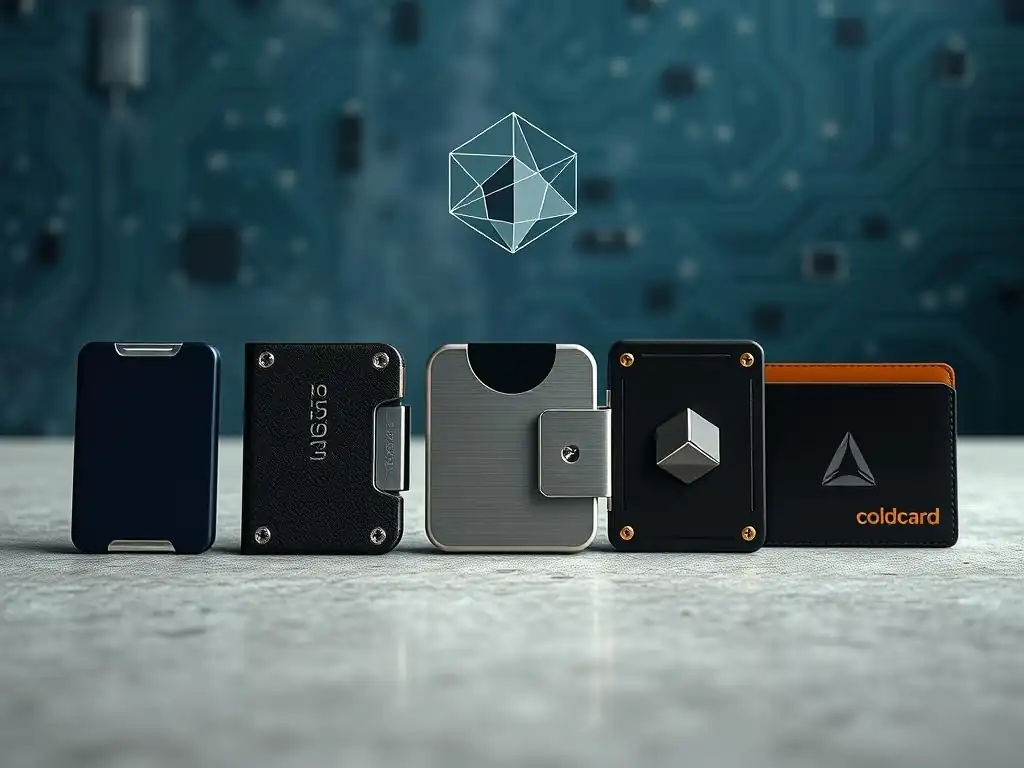
Choosing the right multi-currency hardware wallet depends on a combination of factors, including the specific cryptocurrencies you hold, your budget, desired security features, and preference for user interface. While Ledger Nano X, Trezor Model T, KeepKey, and BitBox02 are all excellent choices for securing a diverse crypto portfolio, they each offer a different mix of capabilities and price points. A direct comparison of their features, pricing, and user experience can help clarify which device best meets your individual needs for managing multiple cryptocurrencies securely.
Consider the size and nature of your portfolio. If you hold a vast number of different altcoins and tokens across many different blockchains, Ledger Nano X's extensive support list might be the most practical. If you prioritize an intuitive touchscreen interface and open-source transparency, the Trezor Model T is a strong contender. For those seeking a more budget-friendly option that still provides core hardware security for major assets, KeepKey is worth considering. And if you value minimalist design, robust security features like dual chips and reproducible builds, and convenient microSD backups, the BitBox02 could be the ideal fit.
Feature Comparison of Top Hardware Wallets
Comparing the features of leading multi-currency hardware wallets reveals key differences that can influence your decision. The Ledger Nano X boasts the largest number of supported assets (over 5,500) and offers Bluetooth connectivity, along with a secure element chip. Trezor Model T is known for its user-friendly color touchscreen, open-source nature, and support for Shamir Backup, supporting hundreds of cryptocurrencies and tokens.
KeepKey is distinguished by its large OLED screen, integration with ShapeShift for easy swaps, and a more limited, but still significant, list of supported assets (major coins and over 1000 ERC-20s). BitBox02 Multi offers a minimalist design, touch sensors, dual-chip security (including a secure element), reproducible builds, and microSD backup, supporting a curated list of major assets and ERC-20s.
Connectivity options also vary: Ledger Nano X offers USB-C and Bluetooth, Trezor Model T uses USB-C, KeepKey uses Micro-USB, and BitBox02 uses USB-C and has a microSD slot. Screen size and type differ, from the small screens on Ledger/BitBox02 to the larger ones on KeepKey and the touchscreen on Trezor Model T. Security implementations vary, with Ledger and BitBox02 utilizing secure elements, while Trezor relies on a robust microcontroller and open-source transparency, and KeepKey uses a secure microcontroller. These feature differences directly impact how effectively and conveniently you can hardware wallets manage multiple cryptos using each device.
Price Comparison: Finding the Best Value for Your Needs
The price of multi-currency hardware wallets varies significantly among the top models, reflecting their features, build quality, and brand positioning. As noted earlier, the KeepKey is typically the most affordable option, often priced between $49-$79 USD. The BitBox02 Multi falls into the mid-range, usually costing around $119-$139 USD. The Ledger Nano X is priced higher, around $149 USD, offering extensive coin support and Bluetooth. The Trezor Model T is generally the most expensive, priced around $219 USD, featuring a touchscreen and advanced backup options.
Determining the "best value" depends entirely on your specific requirements. If budget is the primary constraint and your portfolio consists mainly of major coins and popular ERC-20s, KeepKey offers excellent value. If you need the widest possible coin support and value mobile connectivity, the Ledger Nano X's price is justified.
If you prioritize the touchscreen interface and open-source ethos, the Trezor Model T, despite its higher cost, provides unique benefits. For those seeking a balance of strong security, minimalist design, and convenient backup at a reasonable price, the BitBox02 Multi is a strong contender. The goal is to find the wallet that provides adequate security and supports your assets without overspending on features you don't need.
User Experience: Which Wallet Offers the Best Ease of Use?
User experience is a subjective factor, but certain design choices impact how easy and intuitive a hardware wallet is to use, especially when managing a diverse portfolio and needing to hardware wallets manage multiple cryptos frequently. The Trezor Model T is often praised for its large color touchscreen, which simplifies navigation and transaction verification directly on the device. This reduces reliance on the connected software interface for critical security steps and makes PIN entry straightforward.
Ledger Nano X provides a smooth experience via the comprehensive Ledger Live software, which supports a wide range of assets and features like staking. Its screen is smaller than Trezor's or KeepKey's, requiring scrolling for long addresses or transaction details, but the two-button interface is generally easy to learn. KeepKey's large OLED screen also contributes to ease of use for verifying information, and its integration with ShapeShift streamlines exchanges.
The BitBox02's touch sensors and minimalist interface are intuitive for some users, while others might prefer physical buttons. The companion apps (Trezor Suite, Ledger Live, ShapeShift/KeepKey client, BitBoxApp) also play a significant role in the overall user experience, varying in design, features, and supported functionalities like portfolio tracking or integrations.
Best Practices for Managing a Diverse Crypto Portfolio with Hardware Wallets
Owning a multi-currency hardware wallet is the first critical step towards securing your diverse crypto portfolio, but it's equally important to follow best practices for setup, maintenance, and ongoing security. A hardware wallet is a powerful tool, but its effectiveness relies on correct usage and vigilant security habits. Properly setting up your device, understanding how to manage multiple assets within its ecosystem, and implementing robust security measures for both the wallet and its backup are essential steps to protect your digital wealth from loss or theft.
These practices extend beyond the initial setup to include regular firmware updates, securely storing your recovery phrase, and being constantly aware of potential phishing attempts or social engineering tactics. By adhering to these guidelines, you significantly reduce the risk of compromising your private keys and ensure that your hardware wallets manage multiple cryptos safely and effectively over the long term, allowing you to participate in the crypto ecosystem with confidence.
Setting Up Your Hardware Wallet for Multi-Currency Storage
Setting up a multi-currency hardware wallet typically involves initializing the device, generating a new seed phrase, and setting a PIN. During initialization, the device will generate a unique recovery phrase (usually 12, 18, or 24 words). This is the absolute most important piece of information; it is your master key to recover your funds if the hardware wallet is lost, stolen, or damaged.
Write this phrase down on the provided recovery sheets (or other durable, non-digital medium) and store it in multiple secure, offline locations, away from your home if possible (e.g., a safety deposit box). Never take a photo of it, store it on a computer, or enter it online.
Next, you will set a PIN code, which is required to access the wallet each time you connect it. Choose a strong PIN. After setup, connect the hardware wallet to your computer or smartphone and install the manufacturer's companion software (e.g., Ledger Live, Trezor Suite, BitBoxApp). Within this software, you can create accounts for the specific cryptocurrencies you wish to manage.
For many wallets, this involves installing a small "app" for each blockchain onto the hardware wallet itself. Once accounts are created, you can find your receiving addresses for each cryptocurrency within the software and begin sending funds to your hardware wallet for secure storage. This process ensures your hardware wallets manage multiple cryptos under the protection of your seed phrase and PIN.
Regularly Updating and Maintaining Your Crypto Assets
Maintaining your multi-currency hardware wallet involves keeping its firmware updated and regularly checking on your crypto assets. Firmware updates released by the manufacturer often include security patches, bug fixes, and support for new cryptocurrencies or features. It is crucial to install these updates promptly using the official companion software. Always verify the authenticity of the update process according to the manufacturer's instructions to avoid installing malicious firmware. Updates are vital for ensuring your device remains secure against newly discovered vulnerabilities and can properly hardware wallets manage multiple cryptos as new assets emerge.
Beyond firmware, it's good practice to periodically check your portfolio balances using the companion software. While your funds are safe as long as your private keys are secure on the hardware wallet, monitoring your holdings can help you stay informed about the value of your assets and detect any unexpected activity (though unauthorized transactions are impossible without physical access to the device and PIN/confirmation). Ensure your companion software is also updated to the latest version for optimal performance and security.
Ensuring Maximum Security for Your Hardware Wallet
Maximizing the security of your multi-currency hardware wallet goes beyond just keeping it updated. The most critical security measure is the secure storage of your recovery phrase. As mentioned, this phrase should be stored offline in multiple secure locations. Consider using metal plates or other durable materials designed for seed phrase storage to protect against fire or water damage. Treat your recovery phrase with the same level of security (or higher) as you would treat large amounts of cash or valuable jewelry.
Be wary of phishing attempts. Never enter your recovery phrase or PIN on a website or software application unless explicitly prompted by your physical hardware wallet device during a legitimate recovery or setup process. Always double-check the receiving address on the hardware wallet's screen before confirming a transaction – malware on your computer could potentially swap the address displayed on your screen, but it cannot change what is shown on the wallet's secure display.
Protect the physical device itself; while it's designed to be resistant to some physical attacks, keeping it in a safe place prevents loss or theft. By following these practices, you ensure your hardware wallets manage multiple cryptos with the highest possible level of security.
Conclusion: The Future of MultiCurrency Hardware Wallets in Crypto Management
The evolution of the cryptocurrency landscape, with its ever-increasing variety of digital assets and decentralized applications, underscores the indispensable role of multi-currency hardware wallets. As individuals accumulate diverse portfolios spanning different blockchains, the need for a single, secure device capable of managing these assets offline becomes paramount. Hardware wallets provide the essential security layer by keeping private keys isolated from internet-connected devices, mitigating risks associated with malware, phishing, and online hacks. They are not just storage devices but secure transaction signers, offering peace of mind to users navigating the complexities of the digital asset world.
Looking ahead, the future of multi-currency hardware wallets will likely involve continued innovation in user interface, support for an even wider range of assets and blockchain protocols, and potentially enhanced features for interacting with decentralized applications (dApps) in a secure manner. As blockchain technology becomes more integrated into mainstream finance and various industries, the demand for user-friendly and highly secure solutions for managing digital assets will only grow. Hardware wallets are poised to remain the gold standard for self-custody, empowering users to maintain true ownership and control over their diverse crypto portfolios.
Recap of Benefits of Using Hardware Wallets for Multiple Cryptos
Using hardware wallets to manage multiple cryptos offers numerous significant benefits. Foremost is enhanced security; by storing private keys offline, they are protected from online threats like malware and phishing that target software wallets or exchange accounts. This cold storage method is widely considered the most secure way to hold significant amounts of cryptocurrency. Secondly, convenience is a major advantage for diverse portfolios. A single hardware wallet can manage dozens, hundreds, or even thousands of different cryptocurrencies and tokens from various blockchains, consolidating security and access.
Furthermore, hardware wallets provide true ownership. Unlike leaving funds on an exchange, holding crypto in a hardware wallet means you control the private keys, giving you full control over your assets. The process of verifying transactions on the device's screen adds an extra layer of security, ensuring that what you see is what you sign. For anyone holding more than a small amount of cryptocurrency or managing a portfolio of different assets, the security and convenience offered by hardware wallets that manage multiple cryptos are invaluable.
Final Recommendations for Choosing the Right Hardware Wallet
Choosing the right multi-currency hardware wallet requires careful consideration of your specific needs. If your portfolio is highly diverse with many niche altcoins, prioritize wallets with the broadest coin support, like the Ledger Nano X. If you value an intuitive interface and are willing to pay a premium, the Trezor Model T with its touchscreen is an excellent choice.
For those seeking essential hardware security for major coins at a lower cost, the KeepKey is a viable option. If you prioritize robust security features like a dual chip and reproducible builds, and appreciate features like microSD backup, the BitBox02 Multi is highly recommended.
Always purchase directly from the official manufacturer's website or a verified authorized reseller to guarantee the device's authenticity. Consider the companion software ecosystem, as this is how you will interact with your wallet daily. Read recent reviews and check the manufacturer's reputation for security updates and customer support. Ultimately, the best multi-currency hardware wallet is the one that provides the necessary security for your specific assets, fits your budget, and offers a user experience you are comfortable with.
The Role of Hardware Wallets in the Broader Blockchain Ecosystem
Hardware wallets play a foundational role in the broader blockchain ecosystem by enabling secure self-custody. As the ecosystem expands into DeFi, NFTs, and various enterprise applications, the importance of individuals and businesses securely managing their own private keys becomes even more critical. Hardware wallets empower users to participate in these decentralized systems without relying on third parties to hold their assets, which aligns with the core ethos of blockchain technology.
They facilitate secure interaction with dApps, enable participation in staking and yield farming (often via integration with companion software or third-party wallets), and provide the secure base needed for managing a wide array of digital assets generated within these new blockchain use cases. As blockchain continues its transformative journey, hardware wallets will remain essential tools for individuals and organizations to securely hardware wallets manage multiple cryptos and other digital assets, ensuring they can fully participate in the decentralized future while maintaining control and security.
Call to Action: Start Managing Your Diverse Crypto Portfolio Today
Don't leave your valuable digital assets vulnerable to online threats. Taking control of your private keys with a multi-currency hardware wallet is the most effective step you can take to secure your diverse crypto portfolio.
Explore the Best MultiCurrency Hardware Wallets
Research the leading hardware wallets discussed in this article – Ledger Nano X, Trezor Model T, KeepKey, and BitBox02 – and compare their features, supported assets, and pricing to find the best fit for your needs. Ensure the wallet you choose can effectively hardware wallets manage multiple cryptos that you hold or plan to acquire.
Sign Up for Exclusive Deals and Offers on Crypto Wallets
Stay informed about the latest security solutions and potentially receive exclusive offers on hardware wallets. Protecting your digital assets is an ongoing process, and staying updated on the best tools available is key.
Frequently Asked Questions
How do multi-currency hardware wallets simplify crypto management?
Multi-currency hardware wallets allow you to store and manage multiple cryptocurrencies in a single, secure device, eliminating the need for separate wallets for each. This simplifies portfolio management and reduces the risk of losing track of different private keys.
What are the main security benefits of using a hardware wallet for multiple cryptos?
Hardware wallets provide enhanced security by storing your private keys offline, making them resistant to online hacking attempts and malware. They typically require physical confirmation for transactions, adding an extra layer of protection against unauthorized access.
Can all hardware wallets handle all cryptocurrencies?
No, not all hardware wallets support all cryptocurrencies. It's crucial to check the list of supported coins for each wallet before purchasing to ensure it supports the specific cryptos you want to manage.
How do I back up and restore my multi-currency hardware wallet?
Most hardware wallets use a seed phrase (usually 12 or 24 words) to back up your wallet. This phrase should be securely stored offline. If your wallet is lost or damaged, you can restore your portfolio on a new device using this seed phrase.
What should I consider when choosing a multi-currency hardware wallet?
Consider factors like supported cryptocurrencies, security features, ease of use, device compatibility, and price. Reading reviews and comparing different models is essential to find the best wallet for your specific needs.
Final Reflection: Securing the Future of Diverse Crypto Holdings
The rise of multi-currency hardware wallets isn't just a technological advancement; it's a direct response to the increasingly complex and decentralized world of cryptocurrency. The ability to securely manage a diverse portfolio of digital assets within a single, tangible device is now paramount for both seasoned investors and newcomers alike, offering a crucial layer of protection against the ever-present threats in the digital realm.
The impact of these wallets extends beyond mere convenience. They represent a shift towards greater individual control and responsibility in the crypto space, empowering users to truly own their assets. This resonates deeply with the core ethos of decentralization. Not your keys, not your coins
– this mantra underscores the fundamental importance of securing one's private keys, and multi-currency hardware wallets provide a robust solution for achieving just that.
As you navigate the ever-evolving landscape of cryptocurrency, remember that security and informed decision-making are your greatest allies. Consider how you can leverage the power of multi-currency hardware wallets to safeguard your investments and embrace the future of decentralized finance with confidence. The future of your digital wealth is in your hands; choose wisely and secure it diligently.
Unlock Your Crypto Potential: Secure & Diversify Today!
Thank you for exploring the world of multi-currency hardware wallets with us. We hope you've gained valuable insights into securing and managing your diverse crypto holdings effectively. Now, it's time to put that knowledge into action and take control of your digital assets.
Here are a few steps you can take right now:
- Research and choose the best multi-currency hardware wallet to meet your specific needs. Prioritize security and ease of use!
- Visit the Blockchain Trends forum to share your experiences or ask questions about different wallets. Your insights can help fellow enthusiasts!
- Share this article with friends or colleagues interested in secure multi-currency wallet solutions. Let’s spread the knowledge!
Which cryptocurrency will you secure first with your new hardware wallet, and why? Share your thoughts in the comments below!
Leave a Reply