
MultiSig Wallets: Enhanced Security Through Shared Control


Welcome to Blockchain Trends, your gateway to understanding the revolutionary impact of blockchain technology! Dive into the world beyond cryptocurrencies and discover how blockchain is reshaping industries. Are you concerned about securing your digital assets? Our latest exploration into the security benefits of multisignature wallets reveals how shared control can dramatically enhance your protection. Curious to learn more? Uncover the power of MultiSig and unlock a new level of security.
- Understanding MultiSig Wallets: What Are They and How Do They Work?
- Advantages of MultiSignature Wallets for Security
- Selecting a Suitable MultiSig Wallet
- Implementing MultiSig Wallets: A Practical Guide
- Common Understandings and Realities of MultiSig Wallets
- Conclusion: The Future of Multisignature Wallets in Digital Asset Security
-
Frequently Asked Questions
- What are multisignature wallets and how do they work?
- What are the key security benefits of using a multisignature wallet?
- How do multisignature wallets improve security compared to traditional single-signature wallets?
- Can multisignature wallets be used for purposes beyond cryptocurrency custody?
- What are some potential drawbacks or challenges associated with using multisignature wallets?
- Final Reflection: Embracing Collaborative Security
- Uncover Enhanced Security: Embrace MultiSig!
Understanding MultiSig Wallets: What Are They and How Do They Work?
Fundamentals of Multisignature Wallets
Multisignature (MultiSig) wallets represent a significant advancement in securing digital assets, moving beyond the traditional single-signature model. At its core, a MultiSig wallet requires more than one private key to authorize a transaction, unlike standard wallets where a single private key is sufficient. This mechanism operates based on a pre-defined configuration, often expressed as an "m-of-n" scheme, where 'm' is the minimum number of signatures required out of a total of 'n' possible signers.
For instance, a 2-of-3 MultiSig wallet would necessitate approval from any two out of the three designated private key holders to execute a transaction. This distributed control mechanism is foundational to the enhanced security offered by MultiSig wallets, making them a cornerstone for exploring multisignature wallets security benefits.
Comparing MultiSig wallets to single-signature architectures highlights their distinct operational differences and security implications. In a single-signature setup, the compromise or loss of one private key immediately jeopardizes the entire wallet's contents. This presents a significant single point of failure. Conversely, MultiSig wallets eliminate this vulnerability by distributing the signing authority.
If one private key is compromised or lost in a 2-of-3 setup, the attacker still cannot access the funds without obtaining at least one more signature. Similarly, the loss of one key does not render the funds permanently inaccessible, as the remaining key holders can still authorize transactions. This inherent redundancy and shared responsibility underpin the primary multisignature wallets security benefits, particularly for high-value holdings or organizational treasuries.
The Significance of Security in Digital Asset Management
The burgeoning ecosystem of digital assets, including cryptocurrencies and tokens, has unfortunately also become a prime target for malicious actors. Vulnerabilities range from sophisticated phishing attacks and malware targeting private keys to exchange hacks and smart contract exploits. The decentralized nature of many digital assets means that once a transaction is confirmed on the blockchain, it is typically irreversible.
This permanence underscores the critical importance of robust security measures. A single lapse in security, such as the compromise of a private key, can lead to the irrevocable loss of significant assets. Therefore, implementing advanced security protocols is not merely advisable but essential for anyone holding digital value.
MultiSig wallets offer a powerful layer of defense against many common threats, significantly enhancing asset protection. By requiring multiple independent approvals, they make it substantially harder for an attacker to gain unauthorized access and move funds. Consider the case of a phishing attempt that compromises one private key; with a MultiSig setup, this single point of failure is insufficient to drain the wallet.
This distributed control acts as a formidable barrier, compelling attackers to compromise multiple, often geographically dispersed or organizationally segregated, private keys simultaneously, a far more complex undertaking. Exploring multisignature wallets security benefits reveals that they effectively raise the bar for attackers, making digital assets held within them much more resilient to compromise.
Advantages of MultiSignature Wallets for Security
One of the most compelling multisignature wallets security benefits is the enhanced control facilitated by distributed authority. This model requires that a predefined number of independent parties must authorize a transaction before it is broadcast to the network. For example, a company holding its treasury in a 3-of-5 MultiSig wallet might require approval from three different executives or board members.
This structure ensures that no single individual has unilateral control over the funds, preventing rogue employees or single points of failure from jeopardizing assets. The need for consensus among multiple parties adds a crucial layer of internal control and security.
Shared authority inherent in MultiSig wallets effectively mitigates risks associated with centralized control. In a traditional single-signature wallet, the person holding the private key holds absolute power over the funds, presenting risks of theft, loss, or misuse. By contrast, MultiSig setups distribute this power, requiring collaboration.
A common example is using a 2-of-3 setup for a joint account between two individuals, with a third party (like a trusted family member or lawyer) as a recovery signer. Neither individual can spend funds independently, protecting against disputes or unilateral actions, while the third party can help recover funds if one key is lost. This distributed model significantly reduces the risk profile compared to single-signature alternatives, highlighting key multisignature wallets security benefits.
MultiSig wallets provide superior protection against unauthorized access attempts when compared to conventional single-signature wallets. A conventional wallet is vulnerable if its single private key is exposed through malware, phishing, or physical theft. An attacker gaining access to this key can immediately transfer all funds.
In stark contrast, a MultiSig wallet configured as, say, 2-of-3, requires the attacker to compromise at least two distinct private keys. These keys are typically held by different individuals or stored on separate devices, making a simultaneous compromise significantly more challenging and less likely. This inherent design makes MultiSig wallets a robust defense against many common attack vectors.
Practical examples demonstrate the effectiveness of MultiSig wallets in preventing compromise. Consider the case of BitGo, a digital asset trust company, which heavily utilizes MultiSig technology. By requiring multiple keys held in geographically separate locations and controlled by different personnel, they create a system where a breach in one location or the compromise of a single employee's credentials is insufficient to access client funds.
Similarly, many decentralized autonomous organizations (DAOs) manage community treasuries using MultiSig wallets requiring approval from a council of members, ensuring that large sums cannot be moved without broad consensus and preventing a single point of failure from being exploited by an attacker targeting one individual. These real-world applications underscore the significant multisignature wallets security benefits in preventing unauthorized access.
Reducing the Risk of Private Key Loss
The loss of a private key in a single-signature wallet is often catastrophic, leading to the permanent irretrievable loss of all associated assets. This is a significant concern for individuals and organizations alike. MultiSig wallets directly address this problem by distributing the risk across multiple keys.
In a 2-of-3 configuration, for example, losing one private key does not mean losing access to the funds. The remaining two key holders can still collaborate to authorize transactions or even set up a new MultiSig wallet to recover the assets. This redundancy is a critical multisignature wallets security benefit, offering a lifeline in scenarios that would be devastating with a single-signature wallet.
Organizational use cases prominently feature MultiSig for key management and loss mitigation. Companies holding significant cryptocurrency reserves, like MicroStrategy or Tesla (though their specific setups vary), could theoretically use MultiSig wallets to ensure that no single employee, even a CFO or CEO, could lose or steal the entire corporate treasury. A 3-of-5 setup might involve keys held by the CFO, CEO, Head of Security, an external auditor, and a legal counsel.
The loss of one key (e.g., the CFO's) would not paralyze the organization's ability to manage its assets; the other four signers could still meet the 3-signature threshold. This distributed responsibility provides resilience against individual human error or misfortune, showcasing the practical multisignature wallets security benefits in a corporate environment.
Selecting a Suitable MultiSig Wallet
Considerations When Choosing a MultiSig Solution
Selecting the right MultiSig wallet requires careful consideration of several factors to ensure it meets specific security and operational needs. Foremost among these are the security features offered beyond the basic multisignature requirement. Look for wallets that provide strong encryption for private keys, robust backup options (like mnemonic phrases), support for hardware security modules (HSMs) or hardware wallets for storing keys, and clear processes for adding or removing signers securely. The security architecture and track record of the wallet provider are paramount.
Compatibility across different blockchain networks is another critical consideration, especially for users holding assets on multiple chains. Some MultiSig solutions are blockchain-specific (e.g., Bitcoin MultiSig), while others offer support for various networks (e.g., Ethereum, ERC-20 tokens). Ensure the wallet supports the specific digital assets you intend to secure. Furthermore, the user interface design and availability of support are important for practical usability. A complex or unintuitive interface can lead to errors, potentially compromising security. Reliable customer support is also valuable for troubleshooting and guidance, contributing to the overall effectiveness of the multisignature wallets security benefits you can leverage.
Implementing MultiSig Wallets: A Practical Guide
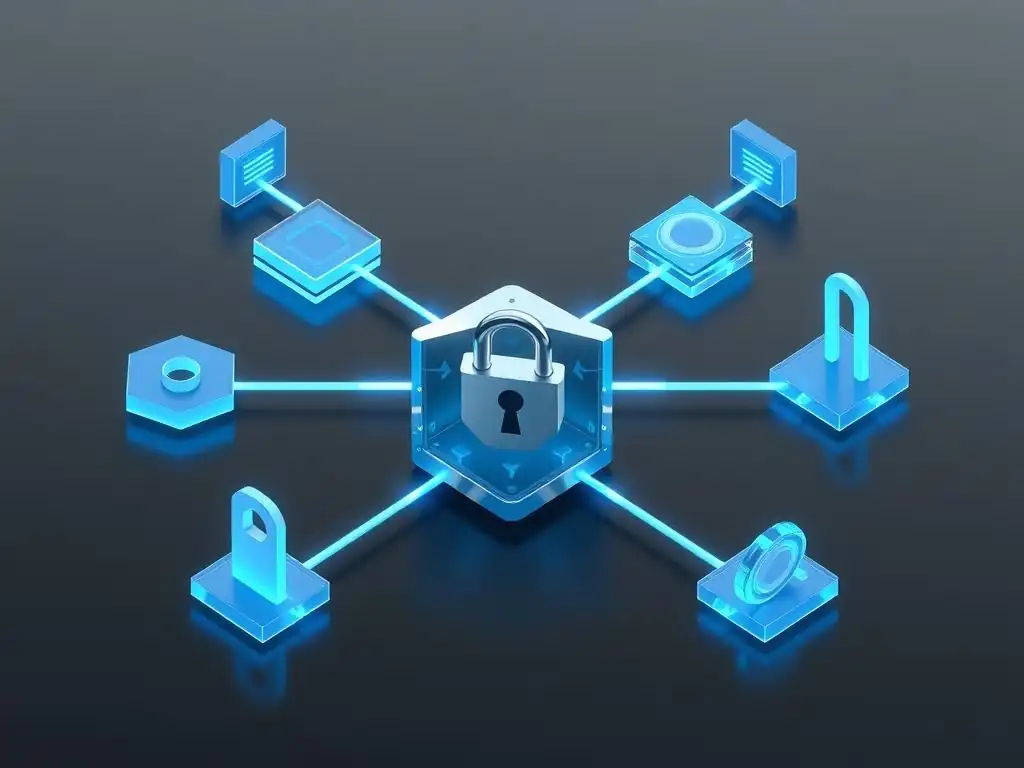
Setting Up Your Multisignature Wallet
Setting up a multisignature wallet involves several key steps, beginning with choosing an appropriate wallet platform. Options range from software wallets offered by companies like Gnosis Safe (for Ethereum) or BitGo, to hardware wallet integrations (like Ledger or Trezor supporting MultiSig with certain software interfaces), and even command-line interfaces for advanced users. The choice depends on your technical comfort level, the blockchains you use, and the desired balance between convenience and maximum security.
The process for creating a MultiSig wallet configuration typically involves defining the "m-of-n" scheme (e.g., 2-of-3, 3-of-5) and designating the public keys of the signers. Each signer will then generate and securely store their private key independently. The wallet address is derived from the combination of these public keys and the m-of-n configuration.
It is crucial during setup to verify all public keys and ensure that the m-of-n requirement is correctly configured according to your security needs. Securely backing up the wallet configuration details and each individual private key (or recovery phrase) is non-negotiable to realize the full multisignature wallets security benefits.
Recommended Practices for Using MultiSig Wallets
Effective management of signers and access permissions is vital for maintaining the security of a MultiSig wallet. Regularly review who holds signing keys and their access levels. Implement clear procedures for adding or removing signers, especially in organizational contexts, tied to changes in personnel or roles. For example, if an employee with a signing key leaves the company, their key should be promptly removed from the MultiSig configuration and replaced if necessary.
Monitoring transactions is another recommended practice for using MultiSig wallets securely and ensuring compliance. Implement alerts for transaction proposals and require signers to independently verify transaction details before signing. This prevents a single compromised signer from being tricked into authorizing a fraudulent transaction. Regularly auditing transaction logs can help detect suspicious activity early. Establishing clear internal protocols for transaction approval workflows ensures that the multisignature wallets security benefits are consistently applied and enhances accountability among key holders.
Common Understandings and Realities of MultiSig Wallets
Clarifying Perspectives on Multisignature Wallets
While the multisignature wallets security benefits are significant, there are common perceptions and realities regarding their complexity. Some users perceive MultiSig wallets as overly complicated to set up and use compared to simple single-signature wallets. While setup does require coordination among multiple parties and secure key management practices, modern wallet interfaces have made the process much more accessible than in the early days of cryptocurrency. The perceived complexity is often outweighed by the substantial increase in security.
Evaluating the trade-offs between security and operational efficiency is important when considering MultiSig wallets. Requiring multiple signatures inherently adds steps to the transaction process. Instead of one person instantly approving a transaction, you need coordination and approval from 'm' individuals. This can slow down transaction execution, which might be inconvenient for frequent, low-value transactions. However, for securing large sums or managing organizational funds where security is paramount, this slight reduction in speed is a worthwhile trade-off for the enhanced protection, demonstrating the practical balance when assessing multisignature wallets security benefits.
Practical Applications of MultiSig Wallets in Business
Organizational adoption of MultiSig wallets is growing, particularly among companies holding cryptocurrency on their balance sheets or operating in the blockchain space. Businesses use MultiSig for managing corporate treasuries, securing funds collected from investors, or controlling operational budgets. For instance, a venture capital fund might use a 4-of-6 MultiSig wallet to manage its crypto investments, requiring approval from key partners before deploying capital. This structure ensures governance and prevents any single partner from making unilateral decisions or absconding with funds.
The long-term benefits of implementing MultiSig technology for businesses extend beyond immediate security. MultiSig provides a framework for clear internal controls and audit trails, which are crucial for regulatory compliance and investor confidence. It institutionalizes security practices, making the organization less reliant on the security habits of a single individual. As businesses increasingly interact with digital assets, the robust, distributed security model offered by MultiSig wallets becomes a standard requirement for professional and secure asset management, solidifying the understanding of multisignature wallets security benefits in an enterprise context.
Conclusion: The Future of Multisignature Wallets in Digital Asset Security
The Evolution of Cryptocurrency Security Practices
The landscape of cryptocurrency security practices is constantly evolving in response to new threats and technological advancements. MultiSig wallets have been a foundational element in this evolution, moving beyond the early days of single-user wallets and simple exchange storage. Trends in MultiSig wallet implementation include increasing integration with hardware security modules, more user-friendly interfaces, and support for complex organizational hierarchies and workflows. We are also seeing the development of threshold signature schemes, a related technology that offers similar benefits with potentially greater efficiency.
Future developments in MultiSig technology and related security protocols are likely to further enhance their usability and resilience. Innovations in cryptography and distributed systems may lead to more flexible and secure ways to manage shared control. The increasing regulatory focus on digital assets is also driving demand for auditable and secure solutions like MultiSig. These advancements will continue to solidify MultiSig's role as a critical component in the digital asset security stack, expanding the reach and impact of multisignature wallets security benefits.
Final Perspectives on MultiSig Wallets' Security Contribution
MultiSig wallets are undeniably crucial for individuals and organizations holding significant digital asset holdings. For substantial sums, the risks associated with single points of failure (whether through loss, theft, or compromise) are simply too high to ignore. A MultiSig setup provides a level of resilience and control that single-signature wallets cannot match, acting as a robust safeguard against catastrophic loss. While they introduce some operational overhead, the enhanced security is a necessary investment for protecting valuable assets.
Promoting the adoption of multisignature technology is vital for elevating the overall security posture of the digital asset ecosystem. As more users and businesses understand and implement MultiSig solutions, the ecosystem becomes less susceptible to large-scale losses caused by single-key compromises. Education on the setup, use, and multisignature wallets security benefits is essential to drive this adoption. By making MultiSig more accessible and understood, we can collectively build a more secure future for managing digital wealth.
Frequently Asked Questions
What are multisignature wallets and how do they work?
Multisignature wallets, or MultiSig wallets, require multiple approvals to authorize a transaction. This means that instead of one private key, multiple keys are needed to access and spend funds, providing enhanced security against single points of failure.
What are the key security benefits of using a multisignature wallet?
The primary benefit is enhanced security. By requiring multiple approvals, MultiSig wallets mitigate the risks of single key compromise, insider threats, and human error, significantly reducing the chance of unauthorized access to funds.
How do multisignature wallets improve security compared to traditional single-signature wallets?
Traditional wallets rely on a single private key, making them vulnerable if that key is compromised. MultiSig wallets eliminate this single point of failure by requiring multiple keys for transaction authorization, offering a more robust security model.
Can multisignature wallets be used for purposes beyond cryptocurrency custody?
Yes, while often associated with cryptocurrencies, MultiSig wallets have applications in enterprise settings for secure contract approvals, fund management, and shared decision-making processes, enhancing overall organizational security.
What are some potential drawbacks or challenges associated with using multisignature wallets?
While secure, MultiSig wallets can be more complex to set up and manage. There is also the risk of key loss among multiple key holders, which can lead to inaccessibility of funds if the required threshold for approvals is not met.
Final Reflection: Embracing Collaborative Security
The exploration of multisignature wallets reveals a crucial truth: security is no longer a solitary pursuit, but a shared responsibility. In an era defined by increasingly sophisticated cyber threats, the concept of shared control, as embodied by multisig wallets, offers a robust and adaptable defense mechanism. This isn't just about protecting digital assets; it's about fostering a culture of collaborative security in the digital age.
The impact of multisignature wallets extends beyond mere technical implementation. They represent a fundamental shift in how we approach digital ownership and trust. By distributing control, they mitigate the risks associated with single points of failure, empowering individuals and organizations to safeguard their assets with greater confidence. Security is always excessive until it's not enough.
This quote underscores the importance of proactive measures like multisig wallets, which provide an extra layer of protection that can be invaluable in the face of unforeseen threats.
As you navigate the ever-evolving landscape of digital finance, consider the power of shared control. Embrace the principles of multisignature wallets – collaboration, redundancy, and distributed responsibility – not just in your financial dealings, but in all aspects of your digital life. By actively participating in a culture of shared security, you contribute to a safer and more resilient digital future for everyone.
Okay, I understand. Here's a CTA crafted for a web article titled "MultiSig Wallets: Enhanced Security Through Shared Control," for the website "Blockchain Trends" (blockchaintrends.org):
Uncover Enhanced Security: Embrace MultiSig!
Thank you for exploring the world of MultiSig wallets and learning how they can significantly enhance your digital asset security! Now that you understand the power of shared control, let's take the next steps to protect your future.
Here are a few ways you can put this knowledge into action:
- Start using a MultiSig wallet for your most valuable crypto holdings. Don't leave your assets vulnerable to a single point of failure.
- Explore different MultiSig wallet providers to find the one that best suits your needs. Research security features, usability, and supported cryptocurrencies. Consider experimenting with a small amount of crypto first.
- Share this article with your friends and family who are invested in cryptocurrency. Educating others about MultiSig wallets helps create a more secure ecosystem for everyone.
What security measures are you taking now to protect your crypto, and what is one thing you learned that makes you feel more in control of your digital assets?
Leave a Reply