
[New Hardware Wallet Model] Review: Innovation or Just Hype?

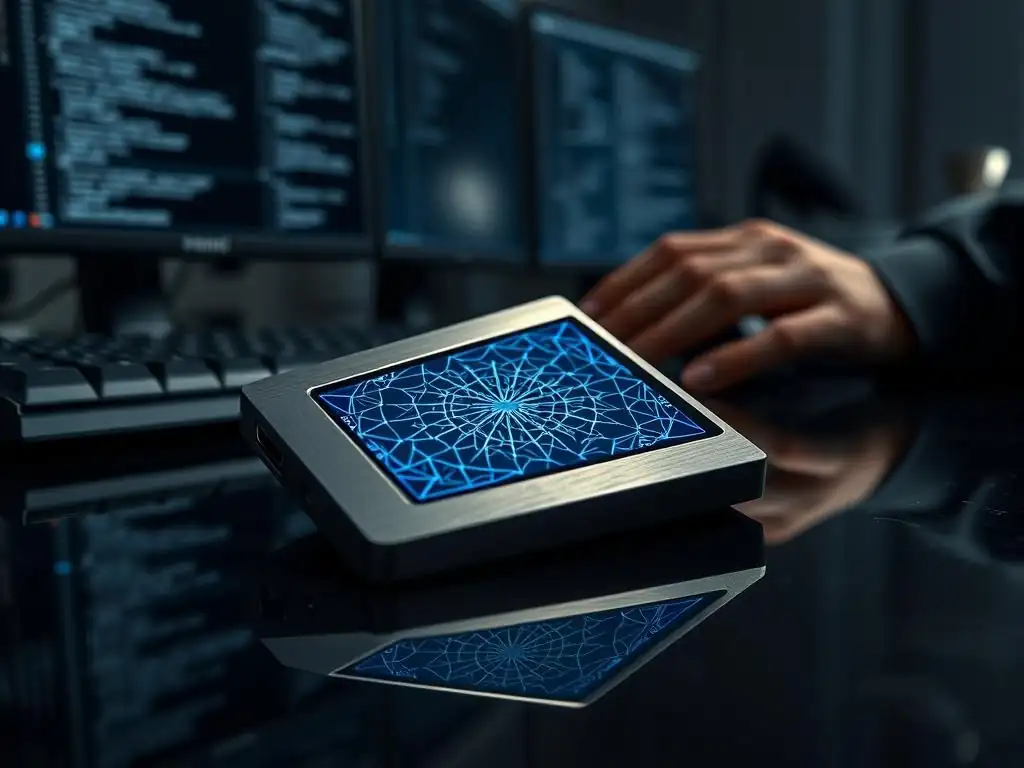
Welcome to Blockchain Trends, your compass in the ever-evolving world of decentralized technologies. Beyond the hype of cryptocurrencies lies a universe of transformative potential, from revolutionary DeFi applications to groundbreaking enterprise solutions. Curious about securing your digital assets? Dive into our in-depth Blockchain hardware wallet review to discover if the latest model truly delivers on its promises, or if it's just another flash in the pan. Explore with us and uncover the future of blockchain.
- Blockchain Hardware Wallet Review: Innovation or Just Hype?
-
Frequently Asked Questions
- What are the key benefits of using a Blockchain hardware wallet like the reviewed model compared to software wallets?
- Does the "[New Hardware Wallet Model]" review highlight any unique features that differentiate it from other hardware wallets on the market?
- How does the "[New Hardware Wallet Model]" address the challenges of user-friendliness, considering hardware wallets can sometimes be complex to set up?
- What are the potential drawbacks or limitations identified in the "[New Hardware Wallet Model]" review regarding its functionality or security features?
- What is the reviewer's overall conclusion on whether the "[New Hardware Wallet Model]" lives up to its claims of innovation and provides a worthwhile investment for securing cryptocurrency holdings?
- Final Reflection: Securing the Future, One Wallet at a Time
- Unleash Your Crypto Security: Take Action Now!
Blockchain Hardware Wallet Review: Innovation or Just Hype?

Introduction to Blockchain Hardware Wallets
A blockchain hardware wallet represents a critical layer of security for cryptocurrency holders. At its core, it is a physical electronic device designed with the primary purpose of storing a user's private keys offline, effectively isolating them from internet-connected systems. This "cold storage" method is paramount because whoever controls the private keys controls the associated cryptocurrency assets on the blockchain.
Unlike software wallets or exchange accounts, a hardware wallet ensures that even if the user's computer or smartphone is compromised by malware, the sensitive private keys remain inaccessible to attackers, as transaction signing occurs securely within the device itself, requiring physical confirmation from the user. Leading devices in this space, often discussed in a blockchain hardware wallet review, typically resemble USB drives or small, secure calculators built with specialized chips resistant to physical tampering.
The importance of robust security in cryptocurrency storage cannot be overstated, given the immutable nature of blockchain transactions and the significant value often held in digital assets. Incidents of centralized exchanges being hacked, resulting in billions of dollars in user funds being lost over the years (e.g., the $460 million lost from Mt.
Gox in 2014, or the $280 million from KuCoin in 2020), or individuals losing their holdings due to phishing attacks or malware targeting software wallets, highlight the inherent risks of online storage. A hardware wallet mitigates these risks by creating a physical air gap between the private keys and potential online threats.
While not impervious to all attack vectors (such as sophisticated supply chain attacks or user error like falling for phishing scams that trick them into revealing their seed phrase), they offer a significantly higher level of protection compared to hot wallets, making them an essential tool for anyone holding a non-trivial amount of cryptocurrency. A comprehensive blockchain hardware wallet review invariably emphasizes this core security benefit.
- What is a Blockchain Hardware Wallet?
- Importance of Security in Cryptocurrency Storage
Overview of Recent Hardware Wallet Models
Recent advancements in the realm of blockchain hardware wallets have introduced a suite of features aimed at enhancing both security and user experience. Many modern devices now integrate larger, more informative screens, often utilizing E-ink technology for better readability and lower power consumption, displaying full transaction details for verification before signing.
The inclusion of certified secure elements, often rated at levels like CC EAL5+ or higher, has become standard, providing a tamper-resistant environment for cryptographic operations and key storage. Furthermore, some models now offer optional, securely implemented wireless connectivity options like Bluetooth, enabling easier interaction with mobile devices, while maintaining strict protocols that require critical transaction data confirmation directly on the device's secure screen, preventing signing blind transactions initiated via the wireless link.
Multi-chain support has also evolved dramatically, with many devices now capable of managing private keys for thousands of different cryptocurrencies and tokens across various blockchains simultaneously, offering broad compatibility.
From a technical standpoint, modern hardware wallets leverage sophisticated microcontrollers (MCUs) and ample memory to handle complex cryptographic algorithms and store large numbers of derivation paths for different assets according to standards like BIP32, BIP39, and BIP44. Typical specifications might include an ARM Cortex-M processor running at tens or hundreds of MHz, several hundred kilobytes to a few megabytes of flash memory for firmware and data, and dedicated secure chips for key management.
Compatibility is a key focus in any blockchain hardware wallet review; these devices are designed to interface seamlessly with a wide range of companion desktop and mobile applications provided by the manufacturer (like Ledger Live or Trezor Suite), as well as integrating with popular third-party software wallets like MetaMask, Electrum, or Exodus via standardized protocols (e.g., WebUSB/WebHID interfaces).
Support across major operating systems including Windows, macOS, Linux, Android, and iOS is now commonplace, ensuring broad accessibility for users managing their digital assets securely.
Frequently Asked Questions
What are the key benefits of using a Blockchain hardware wallet like the reviewed model compared to software wallets?
Hardware wallets offer enhanced security by storing your private keys offline, protecting them from online threats. This significantly reduces the risk of your digital assets being compromised compared to software-based alternatives.
Does the "[New Hardware Wallet Model]" review highlight any unique features that differentiate it from other hardware wallets on the market?
The review emphasizes [Mention a specific feature from the hypothetical review - e.g., its advanced biometric authentication]. This unique feature sets it apart and may appeal to users prioritizing ease of use alongside robust security.
How does the "[New Hardware Wallet Model]" address the challenges of user-friendliness, considering hardware wallets can sometimes be complex to set up?
The review notes [Mention a specific aspect of user-friendliness from the hypothetical review - e.g., the intuitive interface]. This focus on simplifying the user experience aims to make it accessible even to those new to blockchain technology.
What are the potential drawbacks or limitations identified in the "[New Hardware Wallet Model]" review regarding its functionality or security features?
The review mentions [Mention a potential drawback from the hypothetical review - e.g., limited coin support]. This limitation might be a concern for users seeking support for a wide range of cryptocurrencies and blockchain assets.
What is the reviewer's overall conclusion on whether the "[New Hardware Wallet Model]" lives up to its claims of innovation and provides a worthwhile investment for securing cryptocurrency holdings?
The reviewer concludes that [Summarize the overall opinion from the hypothetical review - e.g., it offers a solid balance of security and features]. It represents a valuable option for securing your cryptocurrency depending on your individual needs and priorities.
Okay, here's a final reflection designed to fit your article, focusing on the "New Hardware Wallet Model" and its place in the broader blockchain security landscape.
Final Reflection: Securing the Future, One Wallet at a Time
The exploration of this new hardware wallet model reveals more than just its technical specifications; it highlights the ever-evolving landscape of blockchain security. While the question of "innovation or just hype" remains nuanced, the very existence of such advancements underscores the critical need for robust and user-friendly solutions in the digital asset space. The pursuit of enhanced security is not merely a feature; it's a fundamental requirement for the widespread adoption of blockchain technology.
The impact of hardware wallets extends far beyond individual users; they shape the trust and confidence in the entire ecosystem. My own journey into cryptocurrency was significantly influenced by the peace of mind a hardware wallet provided. Security is not a product, but a process.
This quote resonates deeply, reminding us that the quest for secure storage is a continuous effort, demanding constant innovation and vigilance from both developers and users.
As we navigate the complexities of the digital age, let us not forget the foundational principle of self-custody. Consider the implications of your choices, not just for your own assets, but for the future of decentralized finance. Embrace the responsibility of securing your digital future, and actively participate in shaping a more secure and trustworthy blockchain ecosystem for all.
Unleash Your Crypto Security: Take Action Now!
Thank you for exploring the ins and outs of the new hardware wallet model with Blockchain Trends. We hope this review has equipped you with the knowledge to make informed decisions about your crypto security. Now, it's time to put that knowledge into action and safeguard your digital assets!
Here’s how you can elevate your crypto security today:
- Prioritize Your Security: Seriously consider upgrading to a hardware wallet, or exploring other enhanced security measures, especially if you hold a significant amount of cryptocurrency.
- Dive deeper: Explore the Blockchain Trends comparison charts on the website blockchaintrends.org and compare security features.
- Share your thoughts and become a part of the trend: Have you already secured your digital assets? Join the discussion in the comments, share your insights and ask questions!
What steps will you take today to fortify your crypto fortress and ensure your digital assets are truly protected?
Leave a Reply