
Paper Wallets Demystified: Secure Offline Storage for Crypto Beginners


Welcome to Blockchain Trends, your gateway to understanding the revolutionary world of blockchain technology! Curious about safeguarding your digital assets? In this article, we delve into the fundamentals of secure offline crypto storage, specifically exploring paper wallets. Discover how these surprisingly simple tools can offer unparalleled protection against online threats. Ready to take control of your crypto security? Let's begin!
- Introduction to Secure Offline Crypto Storage
- Understanding the Basics of Paper Wallets
- Creating Your Own Paper Wallet
- Advantages and Disadvantages of Paper Wallets
- Comparing Paper Wallets to Other Offline Storage Solutions
-
Frequently Asked Questions
- What exactly is a paper wallet and how does it relate to secure offline crypto storage?
- How does a paper wallet provide better security compared to keeping my crypto on an exchange?
- What are the steps involved in creating a paper wallet for my cryptocurrency?
- What are some potential risks or drawbacks associated with using paper wallets?
- How do I actually spend the cryptocurrency stored in a paper wallet?
- Final Reflection: Embracing Digital Sovereignty
- Unveil Your Crypto Security Superpower!
Introduction to Secure Offline Crypto Storage
What is a Paper Wallet?
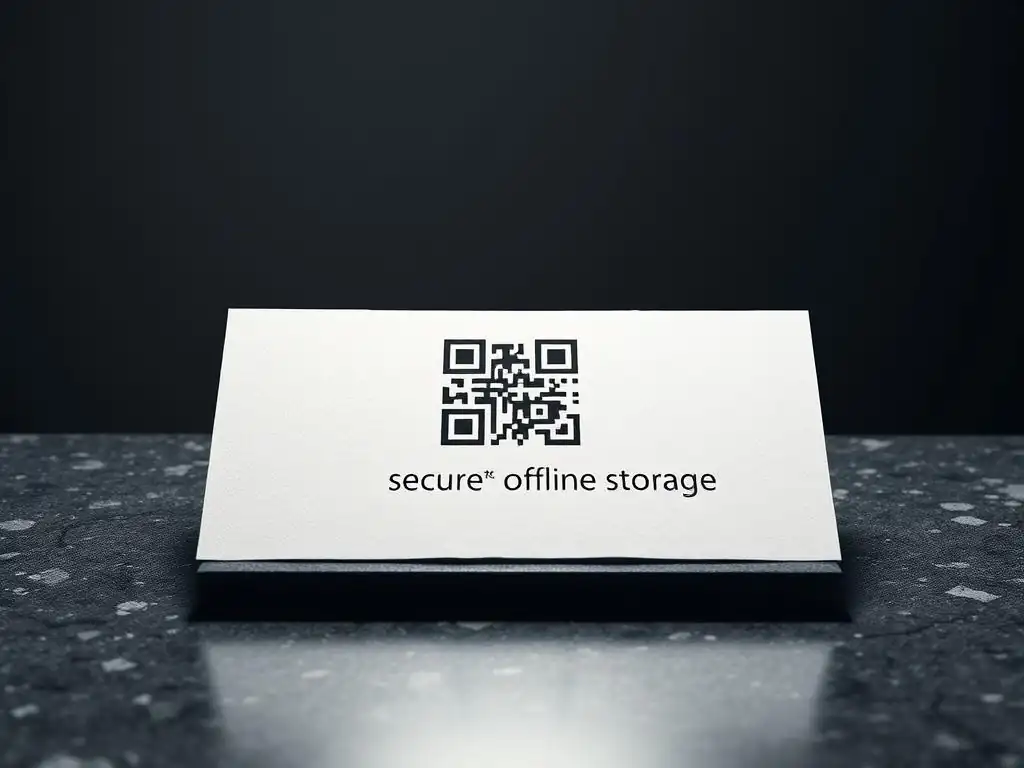
A paper wallet represents one of the earliest and most straightforward methods for secure offline crypto storage. At its core, a paper wallet is simply a physical document – a piece of paper – that contains the essential information needed to access cryptocurrency funds stored on the blockchain. This information typically includes a public address, which is where you can receive cryptocurrency, and a private key, which is the secret code required to spend or transfer the crypto associated with that address. Both keys are often presented as strings of characters and usually as QR codes for easier scanning.
Unlike software or hardware wallets, a paper wallet does not store the cryptocurrency itself (which always resides on the decentralized ledger), but rather the critical keys that control it. By printing these keys and keeping the paper offline, the user creates a form of secure offline crypto storage that is completely disconnected from the internet. This physical format makes it immune to online threats like hacking, malware, and phishing scams that target internet-connected devices or software. The simplicity of the concept is a major part of its appeal for those seeking basic, reliable security.
Importance of Secure Offline Crypto Storage for Beginners
For beginners entering the cryptocurrency space, understanding and implementing secure offline crypto storage is paramount. The digital world presents numerous risks, from sophisticated cyberattacks to simple software vulnerabilities. Online wallets, while convenient for frequent transactions, are constantly exposed to these threats. A beginner might inadvertently fall victim to a phishing scam, download malicious software, or have their online account compromised through weak passwords or data breaches, leading to the potential loss of their digital assets.
Secure offline crypto storage, such as using a paper wallet, provides a vital layer of protection by taking the private keys completely off the internet. This 'cold storage' method ensures that even if a beginner's computer or smartphone is compromised, their cryptocurrency holdings remain safe and inaccessible to online attackers. It forces a deliberate, physical step to access funds, reducing the risk of impulsive or compromised online actions. For anyone accumulating even a modest amount of crypto, adopting secure offline storage practices early on is a fundamental step toward responsible asset management and peace of mind.
Understanding the Basics of Paper Wallets
How Paper Wallets Work
The operational principle behind a paper wallet is based on the cryptographic key pair system fundamental to blockchain technology. A secure key generation process creates a unique pair: a public key (from which the public address is derived) and a corresponding private key. The public address acts like an email address for receiving crypto – you can share it freely. The private key, however, is like the password to spend the funds received at that address; it must be kept absolutely secret. A paper wallet simply prints this public address and private key onto a physical medium.
Once the keys are printed, the digital copies used during generation are ideally destroyed or stored securely offline, ensuring the paper copy is the only accessible version of the private key. To send cryptocurrency from a paper wallet, the private key must be imported (or 'swept') into an online wallet or software that can broadcast a transaction to the blockchain. The funds are then spent from the address controlled by that private key. This process highlights the paper wallet's role as a secure storage mechanism rather than a tool for frequent transactions.
Benefits of Using a Paper Wallet for Crypto Storage
Using a paper wallet offers distinct advantages, primarily centered around its nature as secure offline crypto storage. Its simplicity means there are no complex software interfaces to navigate or hardware devices to manage initially. The cost is minimal, often just the expense of paper and ink. More importantly, the physical, offline nature provides a level of security that online methods cannot match, making it an attractive option for long-term holding of assets.
Enhanced Security Measures
The primary security benefit of a paper wallet stems from its complete isolation from the internet. Since the private key is never stored on a device connected to the network after creation, it is immune to a wide range of online threats. This includes protection against sophisticated hacking attempts that target digital wallets, ransomware that encrypts digital data, and keyloggers that record typing activity. The physical form factor means an attacker would require physical access to the paper itself, a much harder feat for a remote cybercriminal.
Protection Against Online Threats
By functioning purely as secure offline crypto storage, paper wallets offer robust protection against the myriad of online threats that plague digital assets. Phishing scams, which trick users into revealing private keys or seed phrases online, are ineffective against a private key that exists only on paper.
Malware designed to steal wallet files or intercept transactions cannot access keys that are not present on the compromised device. While the process of spending from a paper wallet requires bringing the key online temporarily, the storage phase itself is impervious to network-based attacks, making it a strong choice for safeguarding funds not needed for immediate use.
Creating Your Own Paper Wallet
Understanding Secure Key Generation for Paper Wallets
Generating the private and public keys for a paper wallet is the most critical step, and it absolutely must be performed securely to ensure the integrity of your secure offline crypto storage. The goal is to generate a truly random, unpredictable key pair offline. Using dedicated, open-source software on a secure, offline computer is the recommended approach. This minimizes the risk of the keys being compromised during creation.
Principles of Offline Key Generation
Secure offline key generation relies on creating a high-entropy private key using a process that is not influenced or observed by any online entity. This typically involves using a random number generator within specialized software while the computer is completely disconnected from the internet. The software then mathematically derives the public key and address from this private key. The crucial principle is that the private key is generated and first revealed in an environment where it cannot be immediately transmitted, stored, or accessed by remote attackers, ensuring its secrecy from inception.
Risks Associated with Online Generators
Using online paper wallet generator websites poses significant risks and fundamentally undermines the purpose of secure offline crypto storage. When you generate keys on a website, the website's server knows your private key at the moment of creation. There is no guarantee that the website operator is not storing your private key, or that the website hasn't been compromised by hackers who are logging all generated keys. Relying on an online service for key generation essentially defeats the entire purpose of creating offline storage, as your 'secret' key has already been exposed to a third party and the internet.
Step-by-Step Guide to Generating a Paper Wallet Offline
Creating a paper wallet for secure offline crypto storage involves a careful, multi-step process to ensure the private key is never exposed online.
-
- [ ] Find a reputable, open-source paper wallet generation software for the specific cryptocurrency you intend to store (e.g., Bitcoin Core's built-in functionality or dedicated tools like WalletGenerator.net's offline version).
- [ ] Download the software or the offline generator files onto a clean computer that you trust.
- [ ] Disconnect the computer completely from the internet (turn off Wi-Fi, unplug Ethernet cable).
- [ ] Run the downloaded software or open the offline HTML file in a browser while still offline.
- [ ] Generate a new address and private key pair using the tool. Follow any instructions to ensure sufficient randomness (e.g., moving your mouse).
- [ ] Visually verify the generated keys and addresses on the screen.
- [ ] Print the generated paper wallet document, ensuring your printer is not connected to the internet or a network that could log the print job.
- [ ] After printing, ideally, delete the software/files used and securely wipe the temporary data from the computer.
- [ ] Shut down the computer.
Using Open-Source Software or Offline Tools
The use of open-source software or downloading the source code of a generator to run offline is highly recommended for secure offline crypto storage via paper wallets. Open-source code allows experts to review it for vulnerabilities or malicious code, offering a level of transparency not available with proprietary software or online websites.
Tools like the offline version of WalletGenerator.net (download the ZIP file and run locally) or command-line tools included with some cryptocurrency core software allow you to perform the key generation process entirely on your local machine, isolated from potential online threats. This ensures that the private key is generated in a controlled environment.
Printing and Storing Your Paper Wallet Safely
Once you have generated your paper wallet keys offline, the next crucial steps for maintaining secure offline crypto storage involve printing and then physically storing the document. Use a reliable printer that is ideally not connected to a network. Print multiple copies if you wish, but be mindful that each copy represents a potential point of failure or compromise. Ensure the printout is clear and legible, especially the QR codes.
Best Practices for Physical Storage
Storing your paper wallet requires treating it like physical cash or valuable documents. It is susceptible to physical damage from water, fire, tears, or fading ink. Storing it in a fireproof and waterproof safe is highly recommended. Consider using a tamper-evident seal or envelope.
Keep the paper wallet in a secure location known only to you, away from potential hazards and unauthorized access. Some people laminate their paper wallets, but be cautious as lamination can sometimes degrade the ink over long periods or make scanning QR codes difficult. Storing copies in separate, secure locations can mitigate the risk of a single disaster leading to loss. Remember, if the paper is destroyed or lost, and you have no other copy of the private key, your funds are permanently inaccessible.
Advantages and Disadvantages of Paper Wallets
Pros of Using Paper Wallets for Secure Offline Crypto Storage
Paper wallets offer several compelling advantages, particularly for those prioritizing secure offline crypto storage over convenience. Their primary benefit lies in their inherent resistance to digital attacks.
Cost-Effectiveness and Simplicity
Creating a paper wallet is arguably the cheapest method of secure offline crypto storage. It requires only a piece of paper and ink, and the generation software is typically free and open-source. There are no hardware costs, subscription fees, or complex setup procedures involving multiple devices or network configurations. The concept is simple: a printed key pair. This low barrier to entry makes secure offline storage accessible to anyone with basic printing capabilities.
Immunity to Cyber Attacks
As a form of cold storage, paper wallets are completely immune to online hacking, malware, viruses, and phishing attempts targeting digital private keys. Since the private key exists only in a physical, offline format, remote attackers cannot access it. This provides a robust defense against the most common vectors of cryptocurrency theft. As long as the paper itself remains physically secure and the key generation was performed correctly offline, the funds are safe from digital intrusion.
Cons of Paper Wallets
Despite their security benefits, paper wallets also have significant drawbacks that make them less suitable for frequent use or for users uncomfortable with managing physical security.
Risk of Physical Damage or Loss
The most obvious disadvantage is their vulnerability to physical threats. A paper wallet can be easily destroyed by fire, water, or simply wear and tear over time. It can also be lost or stolen like any other physical item. Unlike digital backups, a physical copy is a single point of failure unless multiple copies are securely stored in diverse locations. Losing the paper wallet without a backup of the private key means permanent loss of the cryptocurrency stored at that address.
Difficulty in Accessing Funds
Accessing or spending funds from a paper wallet is significantly less convenient than using a hot wallet or even a hardware wallet. To spend crypto, you must bring the private key online by importing or 'sweeping' it into a software wallet. This process itself introduces a moment of vulnerability if the computer used is not clean or secure.
Furthermore, spending only a portion of the funds requires understanding how change addresses work and ensuring the remaining funds are sent to a new, secure address, which can be complex for beginners and increases the risk of error. Paper wallets are best suited for long-term HODLing rather than active trading.
Comparing Paper Wallets to Other Offline Storage Solutions
Hardware Wal.
Frequently Asked Questions
What exactly is a paper wallet and how does it relate to secure offline crypto storage?
A paper wallet is a physical document containing your public and private keys, generated offline. This creates a secure offline crypto storage solution as your keys are not stored digitally on a device connected to the internet, making them less vulnerable to hacking.
How does a paper wallet provide better security compared to keeping my crypto on an exchange?
Storing crypto on an exchange leaves you vulnerable to breaches and exchange failures. A paper wallet, being offline, significantly reduces the risk of online theft and gives you complete control over your private keys.
What are the steps involved in creating a paper wallet for my cryptocurrency?
You'll need to use a reputable website to generate the wallet offline, disconnected from the internet. Print the wallet containing your public and private keys (QR codes are often included). Ensure you store the paper wallet safely.
What are some potential risks or drawbacks associated with using paper wallets?
The primary risk is physical loss or damage to the paper wallet. You must also protect it from being copied, as anyone with access to the private key can access your funds. Human error in handling the keys is also a concern.
How do I actually spend the cryptocurrency stored in a paper wallet?
To spend crypto from a paper wallet, you'll need to import the private key into a crypto wallet application. This can be done by scanning the QR code or manually entering the private key. Be cautious when importing keys, as this online transaction can expose your keys to risk.
Final Reflection: Embracing Digital Sovereignty
The journey through understanding paper wallets, as outlined in this article, underscores the enduring importance of personal responsibility in the digital age. While the complexities of cryptocurrency can seem daunting, the concept of secure offline crypto storage offers a tangible path towards reclaiming control over one's financial assets, a principle that resonates even more powerfully in today's increasingly centralized digital landscape.
The power of paper wallets lies not just in their technical simplicity, but also in their symbolic representation of self-custody. This journey of understanding has reinforced my belief in the importance of empowering individuals with the knowledge and tools to navigate the crypto world safely and confidently. As Andreas Antonopoulos wisely stated: Not your keys, not your coins.
This simple truth highlights the fundamental principle that true ownership requires control, and paper wallets offer a powerful mechanism to achieve that control.
As you consider the information presented here, I encourage you to reflect on your own relationship with digital security. Are you truly in control of your digital assets, or are you relying solely on third-party custodians? Explore the possibilities that secure offline crypto storage offers, and take the first step towards embracing a future where digital sovereignty is not just a concept, but a reality.
Unveil Your Crypto Security Superpower!
Thank you for exploring the world of paper wallets! You've discovered a reliable method for securing your cryptocurrency offline. Are you ready to put this knowledge into practice and take control of your digital assets?
Here are some steps to get started:
- Create your first paper wallet with a small amount of crypto to experience its security and peace of mind firsthand.
- Explore advanced techniques, such as encryption methods, to further strengthen your wallet's security.
- Share this article with fellow crypto enthusiasts to help them safeguard their digital assets.
Did you encounter any unexpected challenges while creating your first paper wallet? What solutions did you find? Share your experiences in the comments below!
Leave a Reply