
Rug Pulls and Wallet Security: Protecting Your Crypto in DeFi

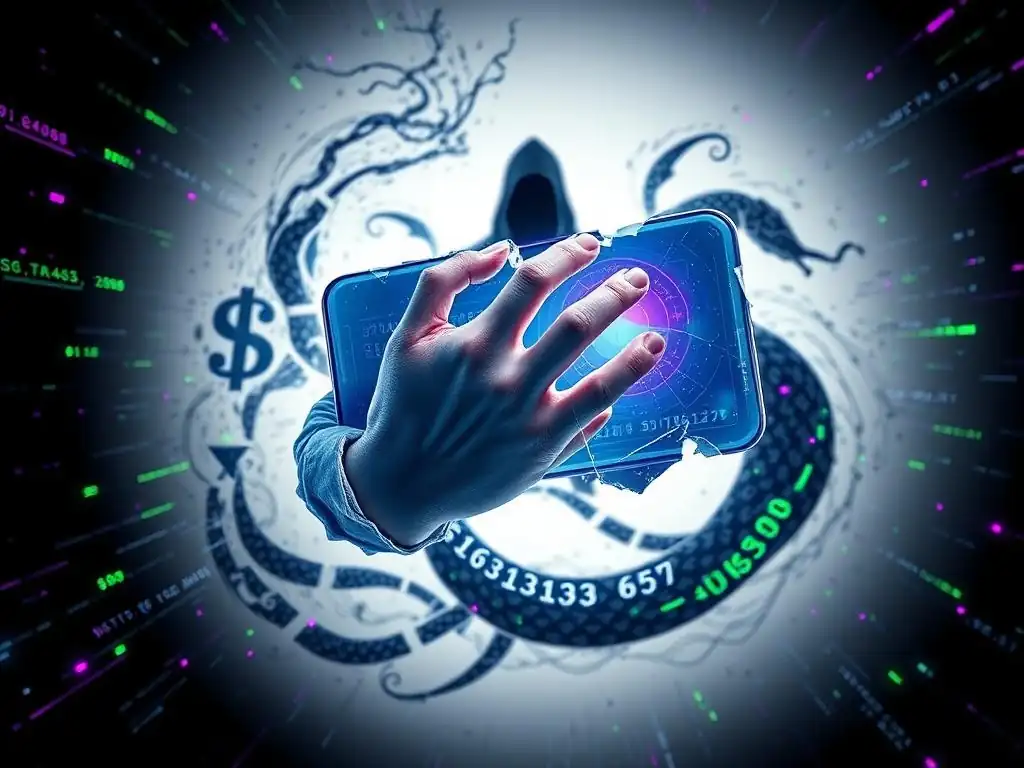
Welcome to Blockchain Trends, your compass in the rapidly evolving world of decentralized technology.
Delve into the transformative power of blockchain, moving beyond the headlines to explore its impact on finance, business, and beyond. Are your digital assets truly secure in the decentralized world? Our main article tackles a crucial question: What are the DeFi wallet security risks you need to know about before it's too late? Uncover the vulnerabilities and arm yourself with the knowledge to navigate the landscape safely. Read on to discover how to protect your crypto and stay ahead of the curve.
- Introduction to DeFi Risks: Beyond the Yield
- Understanding the DeFi Threat Landscape: Rug Pulls and Exploits
- Protecting Your Assets: Essential DeFi Wallet Security Solutions
-
Frequently Asked Questions
- What are the major DeFi wallet security risks users should be aware of?
- What are "rug pulls" and how do they affect DeFi users?
- How can I protect my DeFi wallet from phishing attacks?
- What role does regulation play in mitigating DeFi security risks?
- What are some best practices for securing my DeFi investments and minimizing the risk of loss?
- Final Reflection: Navigating the Treacherous Waters of DeFi
- Secure Your Crypto Future: Take Control Now!
Introduction to DeFi Risks: Beyond the Yield
Decentralized Finance (DeFi) has revolutionized the financial landscape, offering unprecedented access to lending, borrowing, trading, and yield farming opportunities without traditional intermediaries. This rapid innovation has propelled the total value locked (TVL) in DeFi protocols from mere millions to tens of billions of dollars within just a few years.
The promise of high yields and financial autonomy has attracted a diverse user base, eager to participate in this new ecosystem. However, this explosive growth has also created a fertile ground for new and complex risks that differ significantly from traditional finance, making understanding DeFi wallet security risks paramount for anyone participating.
While the potential rewards in DeFi can be substantial, the hidden dangers are equally significant. The decentralized nature means there's no central authority to appeal to if something goes wrong. Users are solely responsible for the security of their assets and their interactions with protocols. Vulnerabilities in smart contracts, malicious actors employing sophisticated scams, and the inherent complexity of interacting with various protocols all contribute to a challenging security environment. These factors directly impact the security of a user's DeFi wallet, which acts as the gateway to these decentralized applications and holds the private keys controlling their digital assets.
Why DeFi Wallet Security Risks Are More Critical Than Ever
The stakes in decentralized finance are incredibly high, making DeFi wallet security risks a top priority. Unlike traditional banking where funds might be insured or recoverable through institutional processes, assets lost in DeFi due to a security lapse are often irretrievable. The finality of blockchain transactions means that once funds are sent or compromised, reversing the action is typically impossible. This places the entire burden of security squarely on the individual user and the robustness of their wallet and practices.
Furthermore, the interconnectedness of the DeFi ecosystem means that a single point of failure, whether it's a vulnerable smart contract or a compromised private key, can lead to the loss of significant holdings across multiple protocols. A user's wallet is the central point of access to all their DeFi positions – liquidity pools, staked assets, borrowed funds, and more. Therefore, ensuring robust DeFi wallet security is not just about protecting the wallet itself, but safeguarding an entire portfolio of decentralized assets and investments against a rapidly evolving threat landscape.
Understanding the DeFi Threat Landscape: Rug Pulls and Exploits
What is a Rug Pull? Anatomy of a DeFi Exit Scam
A rug pull is a malicious maneuver in the cryptocurrency space where developers suddenly abandon a project and steal users' funds. In DeFi, this often happens with new, unaudited protocols offering extremely high yields to attract liquidity quickly.
Once sufficient funds are deposited into the protocol's smart contracts by users connecting their DeFi wallets, the developers execute pre-planned malicious code or withdraw liquidity from decentralized exchanges, causing the token price to plummet to near zero and leaving investors with worthless assets. This is a direct DeFi wallet security risk, as users' deposited funds are effectively stolen from the contract they interacted with via their wallet.
The anatomy of a DeFi rug pull typically involves creating a token and a decentralized exchange liquidity pool (e.g., on Uniswap or PancakeSwap), often retaining a large supply of the token. They promote the project heavily, perhaps through social media or influencers, promising unsustainable returns.
Users lock their valuable crypto (like ETH, BNB, or stablecoins) into the protocol's contracts to earn yield or trade the new token. When the developers remove the deposited liquidity from the exchange pool, or use admin keys to drain funds directly from staking/lending contracts, the value of the project's token collapses, and the original deposited assets are gone, demonstrating a severe outcome of interacting with untrustworthy platforms, a key element of DeFi wallet security risks.
How Smart Contract Vulnerabilities Expose Your Wallet to Risks
Smart contracts are the backbone of DeFi, automating agreements and transactions. However, flaws or vulnerabilities in their code can be exploited by attackers, leading to significant financial losses. Common vulnerabilities include reentrancy bugs (where an attacker can repeatedly withdraw funds before the balance is updated), logic errors, or issues with how the contract handles external calls or permissions. When a user interacts with a vulnerable smart contract using their DeFi wallet, they are essentially granting permission for their assets within that contract to be potentially exploited.
High-profile exploits have demonstrated the devastating impact of smart contract vulnerabilities on DeFi wallet security. For example, the Poly Network bridge exploit in 2021 saw attackers manipulate vulnerabilities to steal over $600 million initially (though much was later returned). Flash loan attacks, which exploit logic errors in protocols often related to price oracles, have also resulted in millions of dollars being siphoned from various platforms. While the exploit targets the contract itself, the user's DeFi wallet security is directly threatened because their funds are held within or are accessible through interactions with that compromised contract.
Phishing Attacks Targeting DeFi Users and Wallets
Phishing remains one of the most pervasive threats, and DeFi users are prime targets. Attackers create fake websites, emails, or social media profiles that mimic legitimate DeFi protocols or wallet providers (like MetaMask or Ledger). These scams are designed to trick users into revealing sensitive information, most critically their wallet's seed phrase or private keys, or to authorize malicious transactions. A common tactic involves prompting users to "verify" their wallet by entering their seed phrase on a fake site, instantly giving the attacker full control over their funds, highlighting a major DeFi wallet security risk.
Another prevalent phishing method involves sending users links to fake token airdrops or investment opportunities that, when interacted with using a DeFi wallet, request unlimited spending permissions on valuable assets. Once approved, the attacker can drain the user's wallet at any time. These attacks prey on users' trust and lack of technical understanding, emphasizing that strong personal security practices are as crucial as the wallet's technical security features in mitigating DeFi wallet security risks.
Private Key Compromise: The Ultimate DeFi Wallet Security Risk
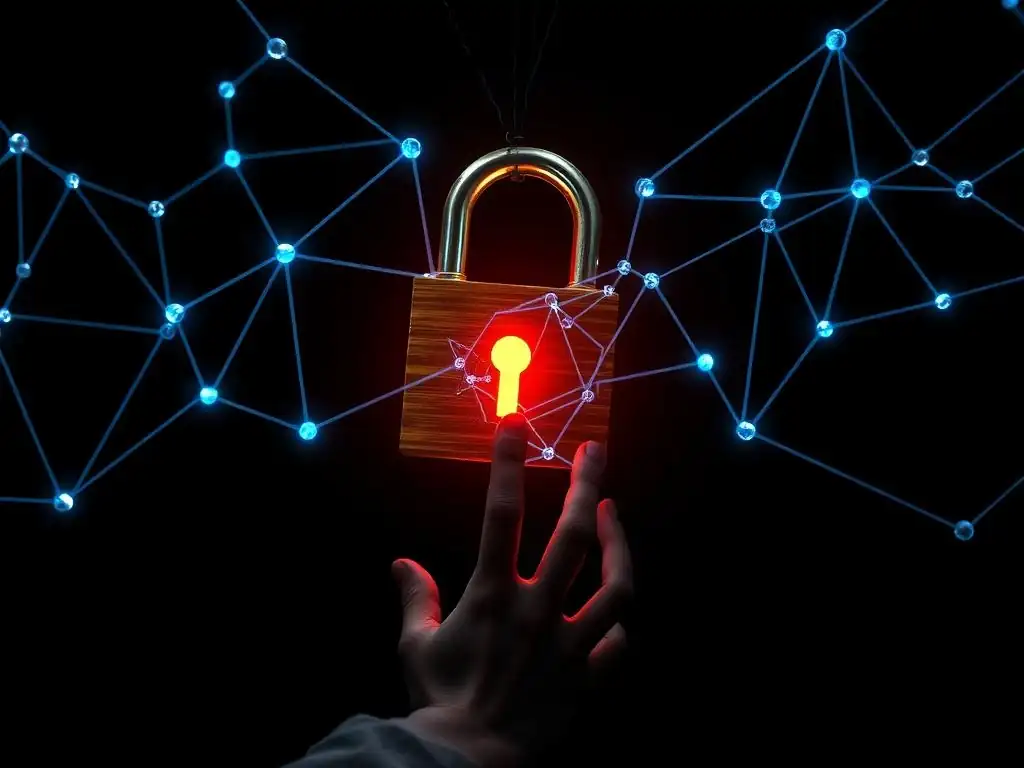
The private key (or the seed phrase from which it is derived) is the cryptographic secret that gives ownership and control over the cryptocurrencies stored at a specific blockchain address. In the context of DeFi, your private key is the master key to all your assets across all the protocols you interact with using that wallet. If an attacker obtains your private key or seed phrase, they gain complete and irreversible control over your funds. This is arguably the most critical DeFi wallet security risk because it bypasses all other security measures once compromised.
Compromise can occur through various means: malware on a device logging keystrokes or searching for wallet files, physical theft of a device where keys are stored insecurely, cloud storage hacks if backups are improperly saved, or falling for phishing scams that trick users into revealing their seed phrase. Unlike losing a password which can sometimes be reset, a lost or stolen private key in crypto typically means permanent loss of assets. Protecting your private key with the utmost care is the foundational principle of mitigating DeFi wallet security risks.
Other Common DeFi Scams and Wallet Hacks
Beyond rug pulls, smart contract exploits, and phishing, several other tactics pose significant DeFi wallet security risks. Dusting attacks, while not directly stealing funds, involve sending tiny amounts of crypto to many wallets to de-anonymize users through transaction tracing, which can then be used for targeted scams. Approval scams trick users into granting malicious contracts permissions to spend their tokens, often disguised as legitimate interactions or token approvals.
Social engineering attacks manipulate users into making security mistakes, such as convincing them to send funds to a fake address or share screen access. Malware specifically designed to target crypto wallets can scan devices for wallet files or replace recipient addresses in transactions on the clipboard. Staying vigilant against these varied threats and understanding how they can impact your DeFi wallet security is essential for safe participation in the decentralized ecosystem.
Protecting Your Assets: Essential DeFi Wallet Security Solutions
Choosing the Right Wallet for DeFi: Hardware vs. Software Options
Selecting the appropriate wallet is the first critical step in establishing robust DeFi wallet security. Wallets generally fall into two main categories: hardware wallets (cold storage) and software wallets (hot storage). Software wallets, such as browser extensions or mobile apps, are convenient for frequent interactions with DeFi protocols but keep private keys on an internet-connected device, making them potentially more vulnerable to online threats like malware or phishing.
Hardware wallets, conversely, store private keys offline in a dedicated physical device. Transactions are initiated on a computer or phone but must be physically confirmed on the hardware device, where the signing occurs securely offline. This air-gapped security significantly reduces the attack surface for online threats. Understanding the trade-offs between convenience and security is key; for substantial amounts of crypto or frequent DeFi activity, combining the security of a hardware wallet with the accessibility of a software wallet for viewing balances is a common strategy to enhance DeFi wallet security.
The Role of Hardware Wallets in Preventing DeFi Scams (e.g., Ledger, Trezor)
Hardware wallets from reputable manufacturers like Ledger and Trezor play a vital role in preventing many common DeFi scams and improving overall DeFi wallet security. Because the private key never leaves the device and is never exposed to your internet-connected computer or phone, even if your computer is infected with malware or you land on a phishing website, your private key remains secure. When you initiate a transaction or a contract interaction through a software wallet connected to a hardware wallet, the details are sent to the hardware device for verification.
To complete the action, you must physically check the transaction details (like recipient address, amount, and contract permissions) on the hardware wallet's screen and confirm it using the device's buttons. This manual verification step is crucial in preventing blind signing of malicious transactions initiated by phishing sites or malware. By requiring physical confirmation for every significant action, hardware wallets provide a strong defense against unauthorized access and malicious contract interactions, mitigating many significant DeFi wallet security risks.
Securing Your Software Wallet for DeFi Interactions (e.g., MetaMask, Trust Wallet)
While hardware wallets offer the highest level of security, software wallets like MetaMask and Trust Wallet are essential for seamless interaction with decentralized applications (dApps) in DeFi. Securing these wallets effectively is vital to minimizing DeFi wallet security risks. Start by using a strong, unique password for your wallet and enabling any available two-factor authentication (2FA) features, though true 2FA linked to your private key is often limited in non-custodial wallets.
Be extremely cautious about browser extensions; install only legitimate ones from official sources and regularly review their permissions. Never input your seed phrase or private key anywhere online, except when initially restoring a wallet on a trusted device (and even then, exercise extreme caution). Keep your wallet software and browser updated to patch security vulnerabilities. Regularly review and revoke token allowances/permissions you have granted to smart contracts, especially for protocols you no longer use, as excessive approvals are a significant DeFi wallet security risk.
Best Practices for Interacting.
Interacting safely with DeFi protocols requires diligence and a clear understanding of the actions you are taking. Before connecting your wallet or approving transactions, always verify that you are on the correct website URL for the legitimate protocol. Scammers frequently use slightly altered URLs to trick users.
Take time to understand the smart contract you are interacting with – while most users cannot audit code, reputable protocols often have audits published by cybersecurity firms. Be wary of new or unaudited projects offering unsustainably high yields; these are common vectors for rug pulls and exploits, posing substantial DeFi wallet security risks.
When prompted to sign a transaction or grant a token allowance, carefully review the details presented by your wallet. Understand exactly what permissions you are granting and to which contract address. For token allowances, consider setting a specific, limited amount rather than unlimited spending if your wallet allows this granularity.
Avoid interacting with unsolicited links or downloads, and be skeptical of opportunities that seem too good to be true. Regularly backing up your seed phrase securely offline (e.g., written down and stored in multiple safe physical locations) is paramount, but ensure this backup is never digitized or shared, as its compromise is the ultimate DeFi wallet security risk.
Frequently Asked Questions
What are the major DeFi wallet security risks users should be aware of?
The primary risks include phishing attacks, malware compromising private keys, and vulnerabilities in smart contracts. Understanding these is crucial for protecting your assets.
What are "rug pulls" and how do they affect DeFi users?
"Rug pulls" are a type of exit scam where developers abandon a project, often taking investor funds with them. This leaves users with worthless tokens.
How can I protect my DeFi wallet from phishing attacks?
Always double-check website URLs and never enter your private key or seed phrase on untrusted sites. Use a hardware wallet for added security.
What role does regulation play in mitigating DeFi security risks?
Regulation aims to establish clear guidelines and accountability, potentially reducing fraudulent activities like rug pulls. However, its implementation in the decentralized space is still evolving.
What are some best practices for securing my DeFi investments and minimizing the risk of loss?
Use reputable DeFi platforms, diversify your portfolio, and conduct thorough due diligence on projects before investing. Always be aware of the risks involved.
The digital frontier of Decentralized Finance (DeFi) offers unprecedented opportunities, but as we've explored, it also presents significant DeFi wallet security risks. The promise of financial freedom is often shadowed by the lurking threat of rug pulls and compromised wallets, demanding a heightened awareness and proactive approach to security. Ignoring these risks is akin to sailing uncharted waters without a compass, inevitably leading to shipwreck.
The prevalence of rug pulls and wallet breaches underscores the critical need for ongoing education and vigilance within the crypto community. The responsibility to safeguard our digital assets ultimately rests with each individual, demanding a shift from passive participation to active protection. Security is not a product, but a process.
This quote perfectly encapsulates the continuous effort required to stay ahead of evolving threats and maintain the integrity of our DeFi investments.
As you navigate the exciting, yet perilous, world of DeFi, remember the lessons we've uncovered. Take the time to fortify your wallet security, research projects thoroughly, and remain skeptical of promises that seem too good to be true. Let this knowledge empower you to become a more informed and resilient participant in the decentralized revolution, ensuring that your journey is one of prosperity, not regret.
Secure Your Crypto Future: Take Control Now!
Thank you for exploring DeFi security with us. We hope you now feel more confident in navigating the exciting yet sometimes risky world of decentralized finance. It's time to turn that knowledge into action!
Start by auditing your DeFi portfolio to identify any high-risk investments and take steps to reduce potential losses, whether that means trimming your holdings or re-evaluating the platforms you use.
Consider enhancing your wallet security by exploring options such as hardware wallets or multi-signature setups. Research which method best suits your needs and begin setting it up today.
Share this article to help protect your friends and fellow crypto enthusiasts. The more informed our community is, the less vulnerable scammers become.
What is the one step you will take today to improve your DeFi security? What resources will you use to achieve this? Share your plans in the comments below!
Leave a Reply