
Securing Your Software Wallet: Top Tips for Desktop and Mobile

Welcome to Blockchain Trends, your guide to understanding the revolutionary impact of blockchain technology!
Are you ready to safeguard your digital assets? In today's rapidly evolving landscape, securing your cryptocurrency is paramount. This article dives deep into the essentials of a secure desktop mobile wallet. But what are the crucial steps you need to take to ensure its impenetrability? Discover our top tips and strategies to protect your funds, whether you're on your computer or on the go, and unlock the peace of mind you deserve in the world of decentralized finance. Let's explore!
- Understanding Software Wallets
-
Frequently Asked Questions
- How can I choose a secure desktop or mobile wallet for my cryptocurrency assets?
- What are the key differences between desktop and mobile software wallets in terms of security?
- What are some essential security practices for protecting my desktop or mobile wallet from hacking?
- How can I back up my desktop or mobile wallet to prevent loss of funds?
- What steps should I take if I suspect my desktop or mobile wallet has been compromised?
- Final Reflection: Empowering Digital Sovereignty
- Elevate Your Crypto Security Now!
Understanding Software Wallets
Defining Software Wallets
Software wallets represent a category of cryptocurrency wallets that exist as applications installed on a computer or mobile device, or accessed via a web browser. Unlike hardware wallets, which store private keys offline on a physical device, software wallets are often referred to as "hot wallets" because they are connected to the internet.
This connectivity facilitates ease of use for frequent transactions but also introduces potential security vulnerabilities that necessitate robust protection measures to ensure a secure software wallet experience. These wallets manage the private keys that control access to your cryptocurrency holdings on the blockchain, performing functions such as sending and receiving transactions.
These digital tools are fundamental for interacting with the blockchain ecosystem, allowing users to manage various digital assets, from Bitcoin and Ethereum to altcoins and NFTs. The private key is the critical piece of information that proves ownership of funds; losing it or having it compromised means losing access to your assets.
Therefore, the primary function of a secure software wallet application, whether on desktop or mobile, is to protect this private key from unauthorized access. While convenience is a major advantage, the inherent online nature requires users to be vigilant about the security posture of their devices and the software itself.
Desktop vs. Mobile Wallet Considerations
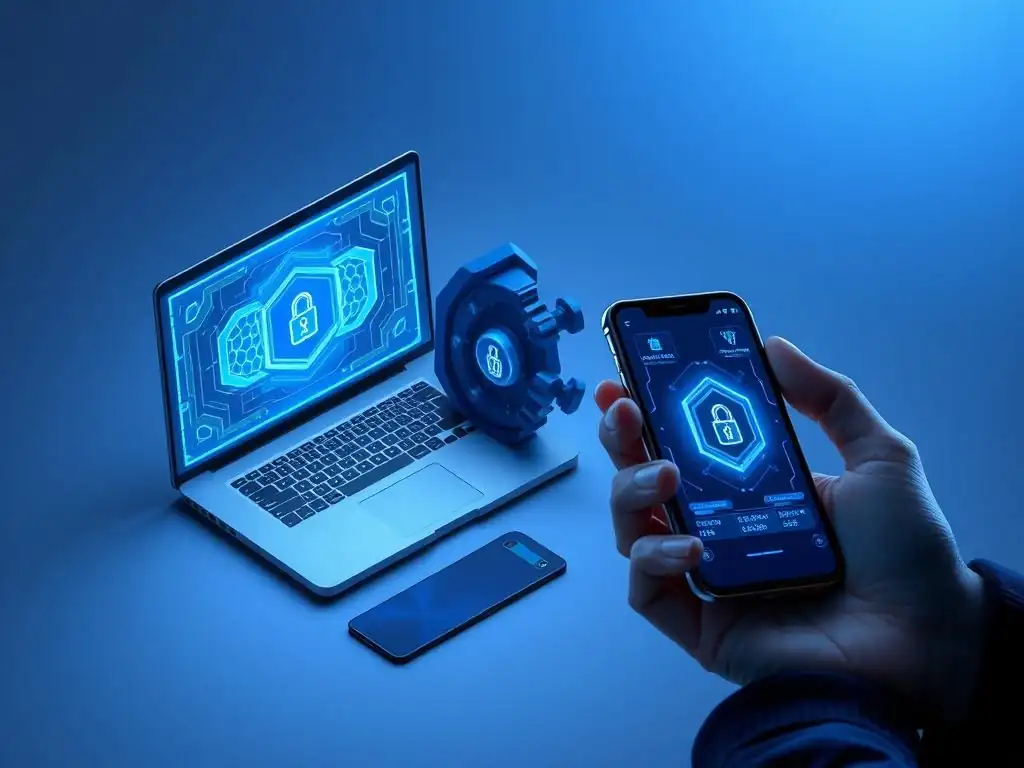
Choosing between a desktop and a mobile wallet depends heavily on user habits and security priorities, and understanding how to secure both types is key to a secure desktop mobile wallet strategy. Desktop wallets are installed on a personal computer and typically offer a more comprehensive interface and potentially greater control over security settings. They are often preferred for storing larger amounts of cryptocurrency or for users who conduct less frequent transactions from a dedicated, secured machine. However, they are susceptible to malware and viruses specific to the computer's operating system.
Mobile wallets, installed as apps on smartphones or tablets, prioritize convenience and accessibility. They are ideal for daily transactions, payments, and managing smaller amounts of crypto on the go. Their security relies significantly on the security of the mobile device itself, including operating system updates, app permissions, and device-level authentication like biometrics. While highly portable, mobile devices are also more prone to physical loss or theft, and users must be wary of malicious apps or insecure network connections. Effectively securing both desktop and mobile wallets requires tailored strategies addressing their unique risk profiles.
Benefits of Using a Secured Software Wallet
The primary benefit of employing a secure software wallet is maintaining control over your private keys and, consequently, your digital assets. Unlike keeping funds on an exchange, where the exchange holds the keys, a software wallet empowers you with direct ownership. However, this responsibility shifts the burden of security onto the user.
A properly secured software wallet significantly reduces the risk of losing funds due to hacking, malware, or phishing attempts, which are unfortunately common threats in the crypto space. For instance, compromised wallets led to estimated losses of hundreds of millions of dollars in various incidents reported over the past few years, highlighting the critical need for strong security.
Beyond preventing financial loss, using a secure software wallet ensures privacy and censorship resistance. Transactions are conducted directly on the blockchain, peer-to-peer, without relying on a third party to process or approve them. By implementing robust security measures – such as strong passwords, two-factor authentication, and keeping software updated – users can confidently participate in the decentralized economy, knowing their assets are protected to the best of their ability. A secure desktop mobile wallet setup allows users to manage assets flexibly while minimizing exposure to common digital threats.
Frequently Asked Questions
How can I choose a secure desktop or mobile wallet for my cryptocurrency assets?
Look for wallets with strong encryption, two-factor authentication (2FA), and a proven security track record. Research user reviews and independent audits to assess their reliability.
What are the key differences between desktop and mobile software wallets in terms of security?
Desktop wallets offer potentially greater security due to less exposure to mobile malware. Mobile wallets provide convenience but require extra caution due to the increased risk of device compromise.
What are some essential security practices for protecting my desktop or mobile wallet from hacking?
Always enable 2FA, use a strong and unique password, and keep your device's operating system and wallet software updated. Be wary of phishing attempts and never share your private keys or seed phrase.
How can I back up my desktop or mobile wallet to prevent loss of funds?
Regularly back up your wallet's seed phrase or private key to a secure, offline location. Consider using hardware wallets as a cold storage option for larger amounts of cryptocurrency.
What steps should I take if I suspect my desktop or mobile wallet has been compromised?
Immediately transfer your funds to a new, secure wallet. Report the incident to the wallet provider and monitor your transaction history for any unauthorized activity.
Final Reflection: Empowering Digital Sovereignty
The digital age has ushered in unprecedented financial freedom, but with it comes the critical responsibility of safeguarding our assets. Securing our software wallets, whether on desktop or mobile, is no longer a mere suggestion, but a fundamental necessity for navigating the modern financial landscape. The tips outlined in this article are not just technical recommendations; they are the building blocks of digital sovereignty, empowering individuals to take control of their financial future.
The ongoing evolution of cryptocurrency and blockchain technology has irrevocably altered the financial landscape, placing the onus of security directly on the user. This shift demands a proactive approach to protecting our digital assets, fostering a culture of vigilance and informed decision-making. Security is always excessive until it's not enough.
This quote encapsulates the essence of digital wallet security: a constant, evolving process that requires diligence and adaptation.
As you navigate the world of digital finance, remember that your security is your responsibility. Take the knowledge gained from this article and apply it to your daily practices. Embrace the power of informed decision-making, and let's collectively build a more secure and decentralized future, one wallet at a time.
Elevate Your Crypto Security Now!
Thank you for reading our tips on securing your software wallet. We hope you feel confident to take proactive steps to protect your digital assets. Now is the perfect time to put this knowledge into practice and strengthen your defenses.
Ready to become a crypto security expert? Here’s what you can do right now:
- Enable Two-Factor Authentication (2FA) immediately on your wallet. This is your first and most important line of defense.
- Consider exploring different wallet options. Research hardware wallets and evaluate whether upgrading suits your security needs.
- Share this article with fellow crypto enthusiasts to help raise awareness and keep our community safe.
What is the one security habit you are committed to adopting today to safeguard your assets? Share your pledge in the comments!
Leave a Reply