
Unbreakable Security: Exploring the Fortress of Hardware Crypto Wallets


Welcome to Blockchain Trends, your guide to understanding the revolutionary power of blockchain beyond the buzz. Are you truly safeguarding your digital assets? Dive into Unbreakable Security: Exploring the Fortress of Hardware Crypto Wallets and discover the essential hardware crypto wallet security features that separate the protected from the vulnerable. The future of your crypto holdings depends on it. Are you ready to learn more?
- Understanding Hardware Crypto Wallet Security Features
-
Frequently Asked Questions
- How do hardware crypto wallets enhance security compared to software wallets?
- What are the key hardware crypto wallet security features that protect against physical tampering?
- How do hardware crypto wallet security features safeguard against phishing attacks?
- What happens if I lose my hardware crypto wallet? Can I still recover my crypto?
- Are there any inherent risks or limitations associated with using hardware crypto wallet security features?
- Final Reflection: The Enduring Promise of Digital Sovereignty
- Fortify Your Future: Embrace Hardware Wallet Security Now!
Understanding Hardware Crypto Wallet Security Features
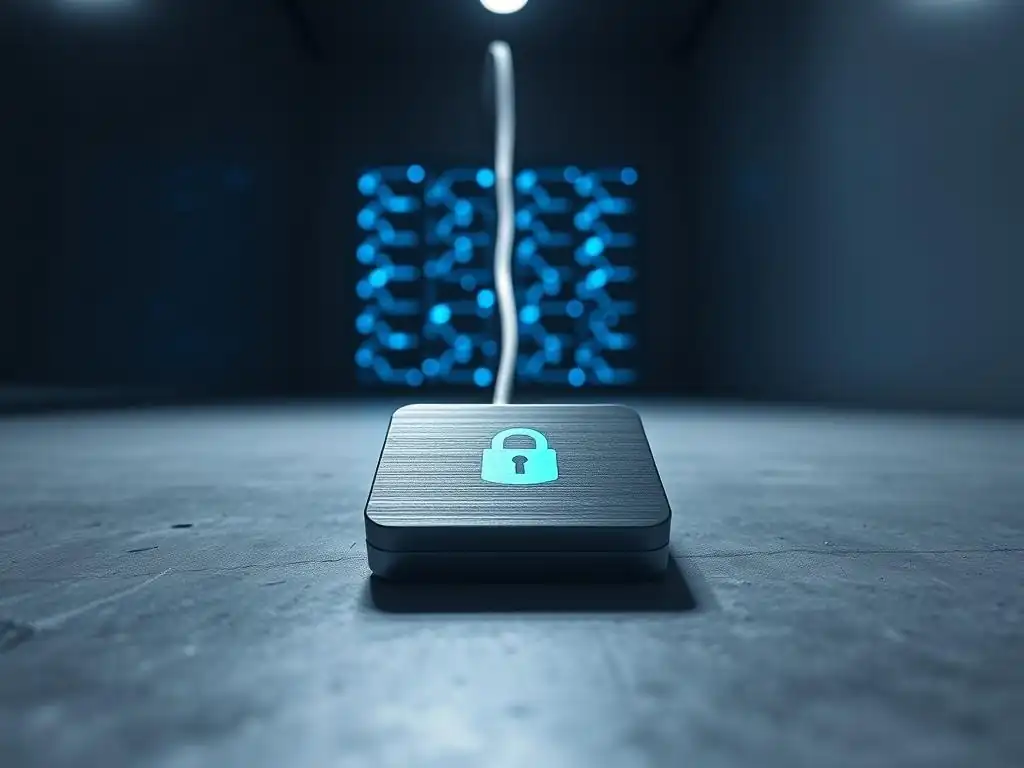
What is a Hardware Crypto Wallet?
A hardware crypto wallet is a physical device designed specifically to store the private keys to your cryptocurrency offline. Unlike software wallets that reside on internet-connected computers or phones, a hardware wallet isolates the crucial private keys from the potentially vulnerable online environment. Think of it as a dedicated, tamper-resistant mini-computer whose sole purpose is managing cryptographic keys and signing transactions securely. This offline storage, often referred to as "cold storage," is the fundamental principle behind the enhanced security offered by these devices.
These devices typically resemble USB drives or small calculators and require a direct physical connection (usually via USB or Bluetooth for some models) to a computer or smartphone only when you need to initiate or sign a transaction. The private keys themselves never leave the device during this process.
Instead, the wallet's secure chip signs the transaction internally, and only the signed transaction data is transmitted to the online device for broadcasting to the blockchain. This critical separation of key management from online interaction forms the bedrock of hardware wallet security features, making them significantly more resistant to online threats compared to their software counterparts.
Importance of Security in Cryptocurrency Storage
The decentralized nature of cryptocurrency means that the user holds direct responsibility for securing their digital assets. Unlike traditional banking where institutions manage security, owning crypto places you in the role of your own bank. This autonomy comes with the significant challenge of safeguarding your private keys, which are the sole proof of ownership and the means to access and transfer funds on the blockchain. Losing control of your private keys, whether through theft, loss, or compromise, invariably means losing your cryptocurrency permanently.
The threat landscape for cryptocurrency holders is constantly evolving. Users face risks from sophisticated phishing attacks designed to steal recovery phrases, malware that scans devices for wallet files or private keys, and vulnerabilities in online exchanges or software wallets that can be exploited by hackers. The financial impact of security breaches can be substantial; reports indicate billions of dollars are lost annually to crypto-related crime, including hacks and scams.
For instance, while figures fluctuate, estimates for total losses due to crypto fraud and theft have reached figures like $3.8 billion in 2022, highlighting the critical need for robust security measures beyond basic password protection. Therefore, understanding and implementing strong security practices, particularly regarding private key storage, is not merely advisable but essential for anyone holding cryptocurrency.
Key Security Features of Hardware Crypto Wallets
Hardware crypto wallets incorporate several layers of sophisticated security features designed to protect private keys from various attack vectors. A primary feature is the use of a Secure Element (SE), a dedicated, tamper-resistant chip similar to those found in credit cards or passports.
This chip is isolated from the main processor and operating system of the device, making it extremely difficult for malicious software or physical tampering to extract the private keys stored within it. The private keys are generated and stored exclusively inside this secure environment and are never exposed to the outside world, even when the device is connected to an infected computer.
Beyond the Secure Element, hardware wallets employ features requiring physical interaction for transaction confirmation. When you initiate a transaction on a connected computer, the details (recipient address, amount) are sent to the hardware wallet's screen.
You must then physically verify these details on the device's trusted display and confirm the transaction by pressing a button on the wallet itself. This physical confirmation step prevents remote attackers from initiating or altering transactions without your consent, even if they have compromised your computer.
Additional security layers include PIN codes required to unlock the device, firmware verification signed by the manufacturer to ensure the device is running legitimate software, and the crucial recovery seed phrase (typically 12 or 24 words) which allows you to restore access to your funds on a new device if the original wallet is lost or damaged, provided the seed phrase is stored securely offline. These combined hardware crypto wallet security features create a formidable defense against most common digital threats.
Frequently Asked Questions
How do hardware crypto wallets enhance security compared to software wallets?
Hardware wallets store your private keys offline, shielding them from online threats like malware. This significantly reduces the risk of unauthorized access compared to software wallets.
What are the key hardware crypto wallet security features that protect against physical tampering?
Many hardware wallets incorporate tamper-evident seals, secure element chips, and PIN protection. These features ensure that your device hasn't been compromised physically.
How do hardware crypto wallet security features safeguard against phishing attacks?
Hardware wallets require physical confirmation on the device for transactions. This prevents malicious websites or apps from auto-signing transactions without your explicit consent.
What happens if I lose my hardware crypto wallet? Can I still recover my crypto?
Yes, as long as you have your recovery seed phrase. This phrase allows you to restore your wallet and access your cryptocurrency assets on a new device.
Are there any inherent risks or limitations associated with using hardware crypto wallet security features?
User error, such as forgetting the PIN or mishandling the recovery seed, can lead to loss of access. Also, some older models might be vulnerable to supply chain attacks.
Final Reflection: The Enduring Promise of Digital Sovereignty
The journey through the intricate landscape of hardware crypto wallet security features reveals a truth that resonates deeply in our increasingly digital world: true ownership demands unwavering protection. As we've explored the layers of encryption, secure elements, and tamper-evident designs, it becomes clear that these aren't just technological advancements; they are the cornerstones of digital sovereignty in an age where our financial lives are increasingly vulnerable.
The impact of hardware wallets extends far beyond mere storage; it empowers individuals to reclaim control over their assets, fostering a sense of financial independence that is both timely and crucial. This shift towards self-custody is not just a trend, but a fundamental re-evaluation of trust in centralized systems. Security is always excessive until it's not enough.
This quote underscores the constant vigilance required in the crypto space, and hardware wallets offer a proactive defense against the ever-evolving threats.
Now, as you navigate the digital frontier, consider the lessons learned about the fortress of hardware wallets. Embrace the responsibility that comes with self-custody, and choose the tools that empower you to safeguard your financial future. Let the knowledge of these security features guide you towards informed decisions, ensuring that your digital assets remain truly yours, protected by the unbreakable promise of hardware security.
Fortify Your Future: Embrace Hardware Wallet Security Now!
Thank you for exploring the world of hardware crypto wallets and understanding how they can protect your digital assets. Now that you recognize the importance of offline security, it's time to take control of your cryptocurrency future.
Here are some effective ways to strengthen your security:
- Prioritize your safety by investing in a reputable hardware wallet. It's one of the best decisions you can make to shield your holdings from online threats.
- Consider using advanced features such as passphrase protection and multi-signature setups to maximize your hardware wallet's defenses.
- Share this article with your crypto community to raise awareness about the significance of hardware wallets and help others secure their digital assets.
What specific steps will you take this week to improve the security of your crypto investments? Share your plans in the comments below!
Leave a Reply