
CrossChain DApps: The Key to Unlocking Interoperability in the Decentralized Web


Welcome to Blockchain Trends, where we delve into the revolutionary world of decentralized technologies. Are you ready to explore how blockchain is reshaping industries beyond just cryptocurrencies? This week, we're diving deep into a crucial aspect of the decentralized future: CrossChain DApps. Discover the groundbreaking CrossChain decentralized application development benefits and how they're poised to unlock true interoperability in the decentralized web. Intrigued? Keep reading to uncover the secrets and potential of interconnected blockchains!
Cross-Chain DApps: Unlocking Interoperability in the Decentralized Web
- Introduction: The Need for Cross-Chain DApp Interoperability
- Understanding the Current Landscape of DApp Development
- Exploring Cross-Chain Decentralized Application Development Benefits
- Key Technologies and Protocols Enabling Cross-Chain DApps
- Use Cases: Real-World Applications of Cross-Chain DApps
- The Future of Cross-Chain DApp Development: Trends and Predictions
- Conclusion: Embracing the Interconnected Future of DApps
-
Frequently Asked Questions
- What are CrossChain DApps and why are they important?
- What are the main benefits of CrossChain decentralized application development?
- How does CrossChain functionality improve the user experience for DApps?
- What are some of the challenges involved in CrossChain DApp development?
- How does CrossChain technology contribute to the future of the decentralized web?
- Final Reflection: Embracing the Interconnected Future of Decentralization
- Ignite Interoperability: Start Building Your CrossChain Future!
Introduction: The Need for Cross-Chain DApp Interoperability
The digital landscape is rapidly evolving, and blockchain technology is at the forefront of this transformation. With the rise of decentralized applications (DApps), the limitations of single-chain ecosystems have become increasingly evident. Users and developers alike are demanding systems that can seamlessly integrate multiple blockchains, leveraging the unique strengths of each to drive innovation across various industries.
Interoperability is emerging as a crucial factor in overcoming the siloed nature of many blockchain platforms. By enabling cross-chain interactions, developers can ensure enhanced functionality, greater liquidity, and improved security for their decentralized applications. This article explores the benefits of CrossChain decentralized application development and its role in unlocking interoperability in the decentralized web.
Understanding the Current Landscape of DApp Development
Blockchain and decentralized applications have grown exponentially over the past decade, yet many challenges remain. The traditional focus on building DApps on a single blockchain often limits scalability, asset diversity, and user engagement. As industries continue to explore blockchain for real-world applications, the need for more robust, multi-chain solutions becomes imperative.
Modern DApp development is at a crossroads, with innovators striving to overcome technical limitations and unlock new possibilities. Real-world examples, such as the bottlenecks faced by popular platforms during peak usage, illustrate why moving beyond single-chain ecosystems can pave the way for a more dynamic and resilient decentralized future.
Challenges of Building DApps on a Single Blockchain
Developing DApps on a single blockchain creates significant constraints in terms of scalability and performance. One key issue is network congestion—intense activity on one chain can lead to slow transaction times and increased fees, hampering user experience and limiting the application's growth potential. This situation has been observed in several high-traffic networks where congestion has directly affected the deployment of decentralized services.
In addition to scalability, security remains a critical concern when relying on a single-chain architecture. A vulnerability in that blockchain can compromise multiple applications at once, creating a single point of failure. This underscores the importance of diversifying operational tactics and exploring cross-chain solutions to safeguard decentralized applications against systemic risks.
The Rise of Multi-Chain and Cross-Chain Solutions
Recent developments in the blockchain ecosystem have given rise to multi-chain and cross-chain platforms designed to overcome the limitations of single-chain DApp development. These innovative solutions allow different blockchains to communicate, transferring assets and data seamlessly. By using cross-chain protocols, developers can build more robust applications that are not confined to the boundaries of one chain.
The shift towards multi-chain architectures has been further accelerated by market demands and the growing expectation that next-generation decentralized services will be both scalable and interoperable. In practice, businesses are beginning to harness cross-chain technology to create ecosystems where diverse blockchains work together to enhance the overall functionality and reach of decentralized applications.
Exploring Cross-Chain Decentralized Application Development Benefits
The numerous benefits of CrossChain decentralized application development are transforming the ecosystem in profound ways. These benefits include enhanced performance, liquidity improvements, and increased security—all critical factors driving the evolution of decentralized applications. By embracing cross-chain systems, developers can design platforms that are not only more resilient but also capable of delivering superior user experiences.
As industries beyond finance begin to recognize the potential of blockchain, examples of successful cross-chain implementations continue to emerge. Projects integrating various token standards and communication protocols demonstrate that the cross-chain approach can offer tangible benefits, from reducing transaction times to lowering operational costs. This evolution invites a broader acceptance of multi-chain solutions across sectors.
Enhanced Scalability and Performance for DApps
Enhanced scalability is one of the primary benefits of integrating cross-chain technology into DApps. By offloading transactions and computations across multiple blockchains, systems can avoid the bottlenecks experienced on single-chain networks. The utilization of different chains for various operations results in a more balanced load distribution, which directly improves performance and user experience.
Moreover, cross-chain solutions can dynamically allocate resources, optimizing network utilization even during high-traffic periods. This approach not only increases throughput but also reduces transaction fees and latency, enabling DApps to sustain higher levels of user interaction and growth. The benefits demonstrated in various cross-chain environments highlight how this technology can propel DApp scalability to new heights.
Increased Liquidity and Access to Diverse Assets
Liquidity is a significant factor in the success of decentralized applications, particularly those in the decentralized finance (DeFi) sector. Cross-chain DApps are designed to connect multiple blockchain networks, enabling seamless asset transfers and better liquidity pools. This connectivity allows users to tap into a broader range of assets without being restricted by the limitations of a single blockchain.
Access to diverse assets further enriches the user experience, opening up opportunities for novel financial instruments and investment strategies. For instance, cross-chain platforms have facilitated the aggregation of assets from various chains, thereby increasing market liquidity and providing users with more robust trading and investment options. The ability to leverage liquidity across chains is a key benefit driving the adoption of cross-chain DApp platforms.
Improved Security and Resilience of Decentralized Applications
Cross-chain DApp development also brings enhanced security benefits by mitigating the risks associated with reliance on a single blockchain. When a vulnerability or attack targets one chain, the overall system can remain secure by distributing functions across multiple blockchains. This decentralization of risk is essential in protecting sensitive data and maintaining operational integrity.
Additionally, cross-chain architectures encourage the use of standardized security protocols across different networks. These protocols ensure that interactions between blockchains are secured by robust encryption and consensus algorithms, making the entire ecosystem more resilient to cyber threats. Real-world instances of successful cross-chain implementations underline the value of diversified security measures in preventing widespread vulnerabilities.
Key Technologies and Protocols Enabling Cross-Chain DApps
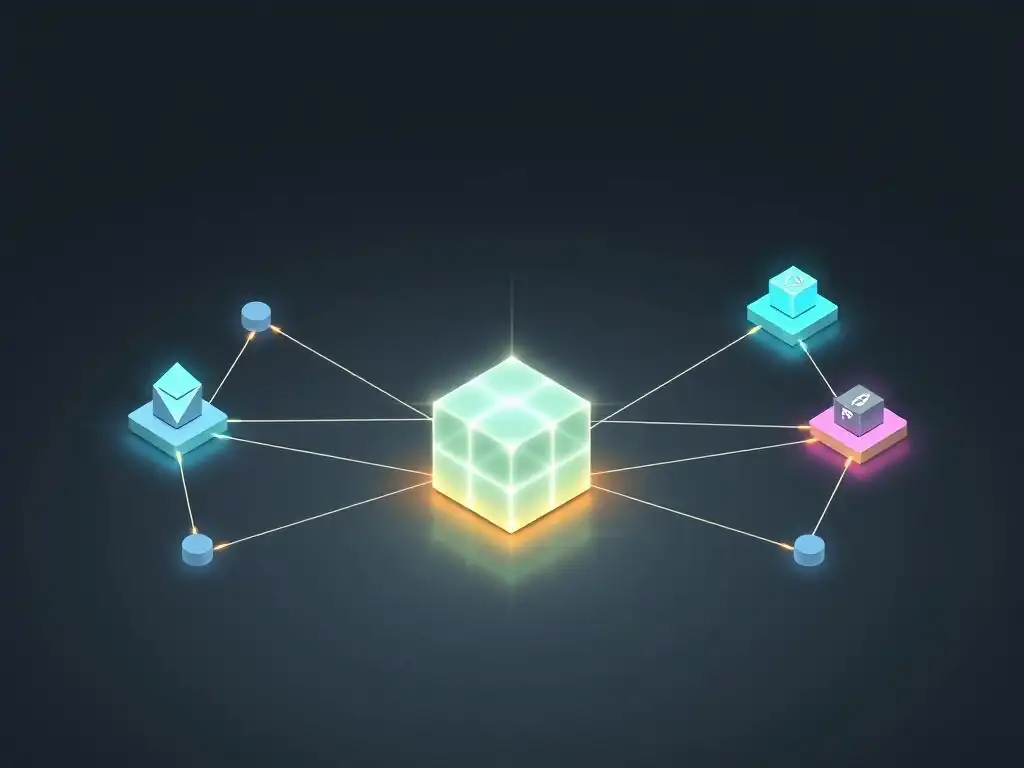
The evolution of cross-chain DApps is supported by a suite of critical technologies and protocols. These systems form the backbone of interoperability, facilitating seamless asset transfers, secure communications, and effectively bridging isolated ecosystems. Developers have a variety of tools at their disposal to build applications that leverage the collective strengths of multiple blockchains.
Innovations in this space continue to accelerate, driven by the increasing demand for decentralized applications that can operate across diverse environments. As blockchain technology matures, these technologies are becoming more refined, providing developers with robust frameworks to build scalable, secure, and efficient cross-chain solutions.
Blockchain Bridges: Connecting Isolated Ecosystems
Blockchain bridges act as intermediaries that enable the transfer of assets and data between different blockchain networks. By establishing secure connections, bridges help overcome one of the fundamental challenges of decentralized applications—the isolation of distinct ecosystems. Through these bridges, users can seamlessly move tokens and data, ultimately creating a unified operational space.
Real-world applications of blockchain bridges include well-known protocols that have successfully enabled the movement of assets between major blockchains. These bridges not only facilitate asset transfers but also play a pivotal role in linking disparate identity and governance frameworks. As a result, blockchain bridges are considered indispensable tools for cross-chain interoperability, supporting the growth and resilience of the decentralized web.
Cross-Chain Messaging Protocols: Enabling Inter-Blockchain Communication
Cross-chain messaging protocols are designed to transmit data between different blockchain systems without compromising security or speed. These protocols ensure that messages are accurately relayed, enabling smart contracts and decentralized applications to interact seamlessly across diverse networks. They play a vital role in maintaining the integrity of inter-blockchain communications.
The proliferation of cross-chain messaging protocols has been driven by the need for higher standards of interoperability. By facilitating real-time communication and verification across chains, these protocols reduce the potential for errors and miscommunication. Their application has been particularly vital in sectors such as decentralized finance, where split-second transactions and data integrity are critical to the system’s reliability.
Smart Contract Interoperability Standards
Smart contract interoperability standards serve as guidelines that enable contracts on different blockchains to interact effectively. These standards provide a shared language for developers, ensuring that contracts can execute cross-chain operations without discrepancies. This consistency is crucial for building complex applications that rely on multiple blockchain networks.
In addition to promoting compatibility, these standards also enhance security by reducing the risk of mismatches during inter-chain communications. The adoption of universal standards has been a game-changer in the blockchain community, fostering collaboration and reducing duplication of efforts. Many projects have successfully integrated these standards, showcasing how they can streamline the development process and accelerate innovation in decentralized applications.
Use Cases: Real-World Applications of Cross-Chain DApps
The potential of cross-chain DApps is already being realized across numerous industries. From finance to entertainment to logistics, the ability to operate across multiple blockchains has unlocked unprecedented levels of efficiency and functionality. These use cases showcase how cross-chain technology is transforming enterprise operations and enhancing user experiences.
Several industries have led the charge in adopting cross-chain solutions, demonstrating tangible benefits such as faster transaction speeds, improved trust mechanisms, and more efficient asset management. As the ecosystem evolves, more sectors are exploring the integration of cross-chain capabilities, further cementing its role in the future of DApp development.
Cross-Chain DeFi: Expanding the Boundaries of Decentralized Finance
Decentralized finance (DeFi) provides a fertile ground for cross-chain innovation. By integrating multiple blockchains, cross-chain DeFi platforms allow users to access a wider array of financial instruments and liquidity pools. For example, platforms that support asset swaps across different blockchains have revolutionized trading and yield farming, reducing reliance on any single network.
In practice, cross-chain DeFi solutions offer enhanced security and greater transparency, as they distribute risk and encourage a diversified asset economy. The actual performance of these platforms during peak market activity has demonstrated significantly improved transaction speeds and reduced fees. Cross-chain DeFi is a testament to how innovative protocol designs can expand the boundaries of traditional financial services in the decentralized realm.
Cross-Chain Gaming: Creating Immersive and Interconnected Gaming Experiences
The gaming industry is also capitalizing on cross-chain technology to develop more integrated and dynamic platforms. Cross-chain gaming allows players to use assets across various blockchain-based games, creating unprecedented opportunities for digital asset interoperability and shared economies. This leads to richer, more immersive gaming experiences where in-game items and currencies have real-world value across different ecosystems.
Developers in the gaming sector have actively integrated cross-chain solutions to enhance gameplay and improve asset liquidity. Real examples include games where players can transfer NFT-based items between platforms, thereby increasing rarity and in-game utility. These applications pave the way for a new era of interconnected digital entertainment, where the virtual and real worlds converge through secure, cross-chain protocols.
Cross-Chain Supply Chain Management: Enhancing Transparency and Efficiency
Supply chain management is another domain where cross-chain DApps are making a substantial impact. By linking various stakeholders—ranging from manufacturers to distributors—across different blockchain networks, companies can achieve unprecedented levels of transparency and efficiency. Cross-chain solutions allow for comprehensive tracking of goods, secure data transfers, and real-time verification of transactions.
Practical implementations of cross-chain supply chain systems have led to measurable improvements in traceability and fraud prevention. For instance, industries such as pharmaceuticals and food production have adopted these systems to ensure product authenticity and regulatory compliance. The enhanced operational efficiencies gained from cross-chain integrations empower businesses to respond swiftly to market changes and consumer demands.
The Future of Cross-Chain DApp Development: Trends and Predictions
The future of decentralized applications hinges on the continued evolution of cross-chain technologies. As the blockchain ecosystem matures, there is a growing consensus that interoperability will play a defining role in shaping next-generation platforms. Industry experts predict that cross-chain infrastructures will not only become more robust but will also pave the way for entirely new categories of applications.
The drive toward a fully interoperable decentralized web is fueled by both technological innovation and market demand. As more businesses and developers recognize the inherent benefits of a multi-chain approach, cross-chain DApps are expected to become the new standard. With ongoing efforts to address existing challenges and further streamline cross-chain interactions, the decentralized application landscape is poised for transformative growth.
The Maturation of Cross-Chain Infrastructure
Ongoing advancements in blockchain infrastructure are crucial to realizing the full potential of cross-chain DApps. As networks become more mature, integration protocols will likely evolve to offer even higher throughput, lower latency, and more seamless user experiences. These improvements are expected to result in the broader adoption of decentralized applications across mainstream industries.
Real-world experiments and pilot projects have already indicated that maturing cross-chain technologies can dissolve traditional barriers. Developers are now working on more sophisticated bridge protocols and messaging systems that promise enhanced performance. As these systems mature, they will continue to unlock significant efficiencies and drive the next wave of innovation in decentralized application development.
The Rise of Interoperable DApp Ecosystems
The ecosystem of decentralized applications is steadily shifting towards greater interoperability. Future DApp frameworks will likely integrate multiple blockchain networks natively, offering users the best features of each chain within a single cohesive interface. This convergence promises to deliver a more fluid and versatile digital experience, blurring the lines between previously siloed blockchain communities.
Interoperable ecosystems will not only foster collaboration between distinct platforms but will also stimulate innovation by enabling developers to combine functionalities in unprecedented ways. Already, early adopters in various industries are reaping the benefits of interoperable designs, setting a clear example for the broader market. With further refinements, these ecosystems are expected to form the backbone of a truly decentralized and interconnected web.
Overcoming Challenges and Fostering Wider Adoption of Cross-Chain Technology
Despite the promising outlook, challenges such as security concerns, standardization, and regulatory uncertainties remain. Industry stakeholders are actively working to reduce complexities by developing universal standards and enhancing cross-chain security protocols. The ongoing dialogue between developers, regulators, and businesses is critical to creating a framework that supports both innovation and consumer protection.
Practical projects have shown that overcoming these challenges is possible with collaborative efforts. Pilot programs across finance, supply chain, and gaming sectors have successfully demonstrated that secure, scalable cross-chain solutions can work in real-world scenarios. As these solutions gain traction, wider adoption is expected, ultimately paving the way for a more inclusive and integrated decentralized future.
Conclusion: Embracing the Interconnected Future of DApps
The transformative potential of cross-chain DApps is reshaping the future of decentralized applications. By breaking down the barriers between isolated blockchain ecosystems, developers are ushering in a new era of performance, security, and user engagement. The benefits of CrossChain decentralized application development extend beyond mere technical improvements—they signal a fundamental shift in how digital services will be built and delivered.
As the ecosystem continues to evolve, embracing interoperability will be paramount. Cross-chain technology not only addresses the current limitations of single-chain platforms but also opens a gateway to innovative, interconnected solutions across various industries. The path forward calls for collaboration, innovation, and a commitment to creating a decentralized web that benefits all stakeholders.
Frequently Asked Questions
What are CrossChain DApps and why are they important?
CrossChain DApps are decentralized applications that can operate across multiple blockchain networks. This is important because it addresses the issue of blockchain silos and enhances interoperability.
What are the main benefits of CrossChain decentralized application development?
The main benefits include increased scalability, access to diverse functionalities across different blockchains, and reduced vendor lock-in, allowing developers to choose the best blockchain for specific needs.
How does CrossChain functionality improve the user experience for DApps?
CrossChain functionality can improve the user experience by allowing users to seamlessly interact with different DApps and assets across various blockchains, all from a single interface, without the need for multiple wallets or accounts.
What are some of the challenges involved in CrossChain DApp development?
Some challenges include the complexity of managing transactions across multiple chains, ensuring security and consistency of data, and dealing with the varying standards and protocols of different blockchains.
How does CrossChain technology contribute to the future of the decentralized web?
CrossChain technology is crucial for building a truly interoperable and decentralized web. It enables the creation of more powerful and versatile DApps that can leverage the strengths of different blockchains, leading to greater innovation and adoption.
Final Reflection: Embracing the Interconnected Future of Decentralization
The exploration of CrossChain DApps reveals a critical truth: the future of the decentralized web hinges on seamless interoperability. The limitations of siloed blockchains are becoming increasingly apparent, hindering innovation and preventing the true potential of decentralized applications from being realized. CrossChain DApps offer a powerful solution, paving the way for a more connected, efficient, and user-friendly decentralized ecosystem.
This shift towards interoperability is not just a technological advancement; it's a cultural and societal evolution. The ability for different blockchains to communicate and collaborate unlocks unprecedented opportunities for innovation and collaboration, fostering a more inclusive and accessible decentralized landscape. The beauty of the blockchain is not just that it is decentralized, but that it is distributed. The future of blockchain is not just about decentralization, but about distribution and interoperability.
- William Mougayar. This quote perfectly encapsulates the ongoing need to bridge the gaps between isolated blockchain networks.
As we stand on the cusp of this interconnected future, I invite you to consider the implications of CrossChain DApps in your own life and work. How can you leverage these technologies to build more inclusive, efficient, and impactful solutions? Embrace the possibilities of interoperability, and contribute to a decentralized web that truly benefits all.
Ignite Interoperability: Start Building Your CrossChain Future!
Thank you for exploring the potential of Cross-Chain applications with us! You've now gained valuable insights into how these innovative solutions are bridging the gaps in the decentralized web. Are you ready to take the next step and be part of this exciting revolution?
Here's how you can get started:
- First, explore existing cross-chain applications. Identify opportunities where interoperability can provide real value to users. This hands-on research is your key to understanding the current landscape.
- Consider contributing to open-source cross-chain projects. Sharing your knowledge and code will help accelerate the development of a truly interconnected ecosystem.
- Finally, share this article with your network and spark a discussion about the future of decentralized interoperability. The more people involved, the faster we can build a truly connected blockchain world.
What innovative cross-chain use case are you most excited to explore and potentially build yourself? Let us know in the comments below!
Leave a Reply