
DApp Architecture Explained: Designing Robust and Scalable Decentralized Systems


Welcome to Blockchain Trends, your compass in the rapidly evolving world of decentralized technology!
Are you ready to unlock the power of blockchain beyond the buzz of cryptocurrencies? Dive into the transformative potential of DeFi, enterprise solutions, and the future of decentralized systems. This week, we're focusing on a crucial element for success: Decentralized application architecture design. Ever wondered how to build DApps that are not only innovative but also robust and scalable? Prepare to explore the core principles and best practices for architecting the next generation of decentralized applications. Let's begin, and uncover how to build the future, block by block!
- Conclusion: Building Scalable and Secure Decentralized Systems
-
Frequently Asked Questions
- What are the key benefits of using a decentralized application architecture design?
- How does decentralized application architecture design differ from traditional centralized application architecture design?
- What are some of the challenges involved in implementing a decentralized application architecture design?
- How does blockchain technology support the development of decentralized application architecture designs?
- What are some real-world examples of successful decentralized application architecture designs?
- Final Reflection: Embracing the Decentralized Future
- Evolve Your DApp Vision Today!
Conclusion: Building Scalable and Secure Decentralized Systems
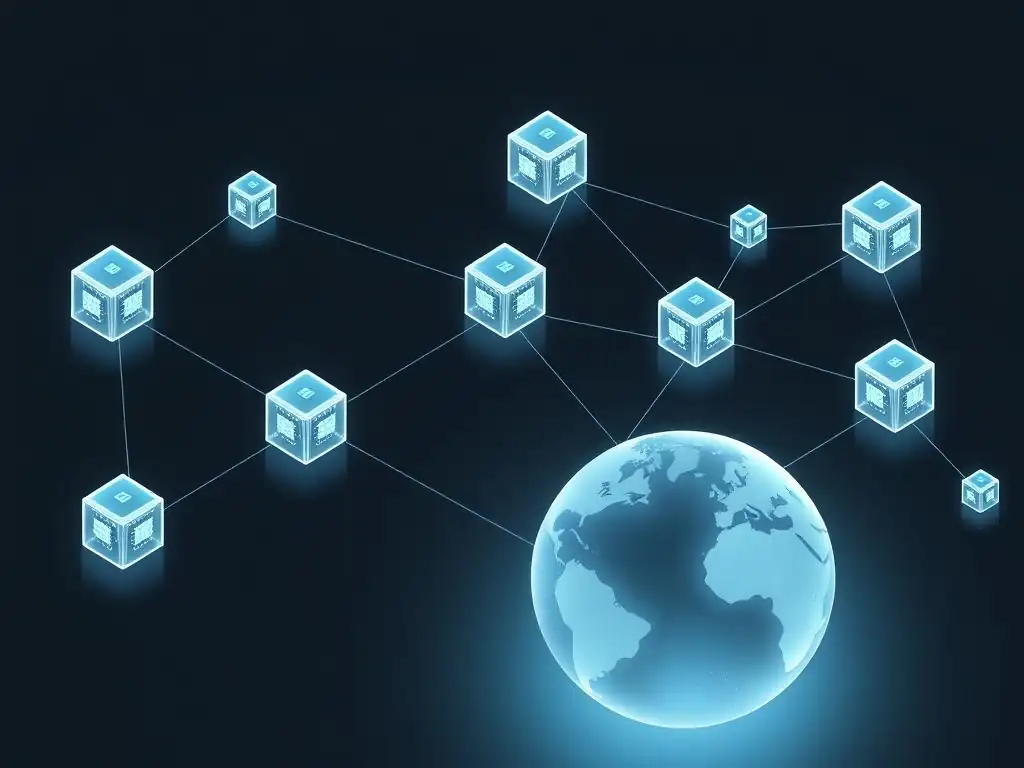
Key Takeaways for Designing Effective DApp Architectures
Designing effective DApp architectures is a multi-faceted challenge that demands a deep understanding of both traditional software engineering principles and the unique constraints and opportunities presented by blockchain technology. A primary takeaway is the absolute necessity of prioritizing security from the initial stages of decentralized application architecture design. Smart contracts, being immutable once deployed, represent critical points of vulnerability.
Statistics from various blockchain security firms consistently show that smart contract exploits account for significant financial losses; for instance, estimates for 2022 and 2023 combined point to billions of dollars lost across various hacks and rug pulls, many stemming from architectural and code-level vulnerabilities. Therefore, rigorous code audits, formal verification methods, and adherence to established security patterns are non-negotiable components of robust decentralized application architecture design.
Another crucial takeaway revolves around balancing the decentralized ethos with the practical demands of user experience and performance. Purely on-chain operations can be prohibitively expensive and slow, especially on networks like Ethereum (before significant scaling upgrades like the Merge). This necessitates strategic architectural choices regarding off-chain computation, data storage, and state channels or layer-2 solutions.
For example, many successful DeFi DApps utilize off-chain relayers for order matching or computation, only settling the final state or significant transactions on the mainnet. A well-thought-out decentralized application architecture design leverages the blockchain for what it does best – immutable, trustless state – while offloading other tasks to more scalable and cost-efficient layers, ensuring a responsive and user-friendly experience without compromising the core principles of decentralization.
The Role of DApps in Shaping the Future of Decentralized Applications
Decentralized applications are not merely novel software paradigms; they are foundational building blocks shaping the future landscape of digital interaction, ownership, and value exchange. By removing central points of control and reliance on intermediaries, DApps unlock potential in areas ranging from finance and supply chain management to digital identity and governance.
The growth in sectors like Decentralized Finance (DeFi) serves as a powerful testament, with the total value locked (TVL) in DeFi protocols reaching peaks well over $100 billion, demonstrating real-world adoption and the capability of decentralized application architecture design to support complex financial ecosystems. This growth is driven by DApps offering transparent, accessible, and often more efficient alternatives to traditional services.
Beyond finance, DApps are enabling novel forms of digital ownership through Non-Fungible Tokens (NFTs), transforming art, gaming, and collectibles markets. Platforms built with robust decentralized application architecture design allow users true ownership of in-game assets or digital art, creating new economies and incentive structures. Furthermore, DApps are pivotal in developing decentralized autonomous organizations (DAOs), offering token holders direct participation in protocol governance and decision-making.
This shift towards decentralized governance, facilitated by carefully designed DApp architectures, represents a significant evolution in how communities and protocols can be managed, moving power away from centralized entities towards distributed networks of participants. The continued refinement of decentralized application architecture design will be critical in expanding these use cases and bringing the benefits of decentralization to a broader audience.
Further Resources for DApp Developers and Architects
For developers and architects embarking on or deepening their journey into decentralized application architecture design, a wealth of resources exists, though navigating them effectively is key. Official documentation for major blockchain platforms like Ethereum, Polygon, Solana, and others provides indispensable information on smart contract languages (like Solidity or Rust), client software, network specifics, and best practices.
These resources are the primary source for understanding the fundamental layer upon which DApp architectures are built. Engaging directly with the core protocol documentation helps in making informed decisions about platform selection and understanding the inherent capabilities and limitations that will influence architectural choices.
Beyond foundational documentation, community-driven resources and educational platforms offer practical insights and advanced techniques relevant to decentralized application architecture design. Online courses, tutorials, developer forums, and open-source DApp projects provide opportunities to learn from real-world examples and common pitfalls. Security auditing firms and blockchain research organizations often publish reports and guidelines on common vulnerabilities and secure coding patterns, which are vital for building resilient DApps. Participating in developer communities and reviewing codebases of successful open-source DApps can offer practical lessons in implementing scalable and secure decentralized application architecture design patterns that are not always explicitly covered in theoretical guides.
Frequently Asked Questions
What are the key benefits of using a decentralized application architecture design?
Decentralized application architecture design offers benefits like increased security due to the distributed nature, enhanced transparency through verifiable transactions, and greater resilience as the system is less susceptible to single points of failure.
How does decentralized application architecture design differ from traditional centralized application architecture design?
Traditional centralized systems rely on a single server, while decentralized application architecture design distributes functionality across a blockchain network. This eliminates the single point of failure and offers greater data integrity compared to centralized systems.
What are some of the challenges involved in implementing a decentralized application architecture design?
Challenges include scalability limitations of some blockchain networks, smart contract vulnerabilities that can be exploited, and the complexity of developing and deploying decentralized applications.
How does blockchain technology support the development of decentralized application architecture designs?
Blockchain provides the underlying infrastructure for secure and transparent data storage and transaction processing. It enables the creation of trustless systems where participants can interact without needing a central authority.
What are some real-world examples of successful decentralized application architecture designs?
Examples include Decentralized Finance (DeFi) platforms that offer lending and borrowing services, supply chain management systems that track products from origin to consumer, and decentralized identity solutions that give users control over their personal data.
Final Reflection: Embracing the Decentralized Future
The journey through decentralized application architecture design reveals more than just technical blueprints; it unveils a paradigm shift in how we build and interact with technology. The principles of transparency, security, and user empowerment, so central to DApp development, are increasingly relevant in a world grappling with centralized power and data privacy concerns. This isn't just about code; it's about crafting a future where technology serves as a foundation for trust and collaboration.
The rise of DApps and decentralized systems is profoundly reshaping the digital landscape. This shift resonates deeply, reminding us that technology should empower individuals, not control them. The potential for DApps to revolutionize industries, from finance to healthcare, is immense, but it requires careful consideration of architectural choices and security implications. The future is already here – it's just not evenly distributed.
- William Gibson. This quote encapsulates the current state of DApp adoption; the potential is clear, but widespread implementation requires bridging the knowledge gap and fostering a collaborative ecosystem.
As you navigate the evolving world of decentralized technology, remember that the principles of robust and scalable architecture are paramount. Consider how you can contribute to building a more transparent, secure, and user-centric digital future. Embrace the challenge of designing DApps that not only function flawlessly but also embody the core values of decentralization. The opportunity to shape this future is in your hands; build wisely, build ethically, and build for a better tomorrow.
Evolve Your DApp Vision Today!
Thank you for exploring the world of DApp architecture with us. We hope you've gained valuable insights into building robust and scalable decentralized systems. Now, it's time to turn that knowledge into action!
Here are a few steps you can take right now to advance your DApp development journey:
- Start designing the architecture for your next or current DApp, emphasizing modularity and scalability. This will lay a strong foundation for success in the decentralized ecosystem.
- Explore innovative data storage solutions like IPFS or Arweave to understand how they can enhance your DApp’s data management and retrieval.
- Share this article with fellow blockchain enthusiasts and initiate a discussion about innovative DApp architectures within the community.
What is the most exciting architectural pattern you're planning to implement in your next DApp project? Share your thoughts in the comments below!
Leave a Reply