
DApps for Decentralized Education: Reshaping Learning and Knowledge Sharing

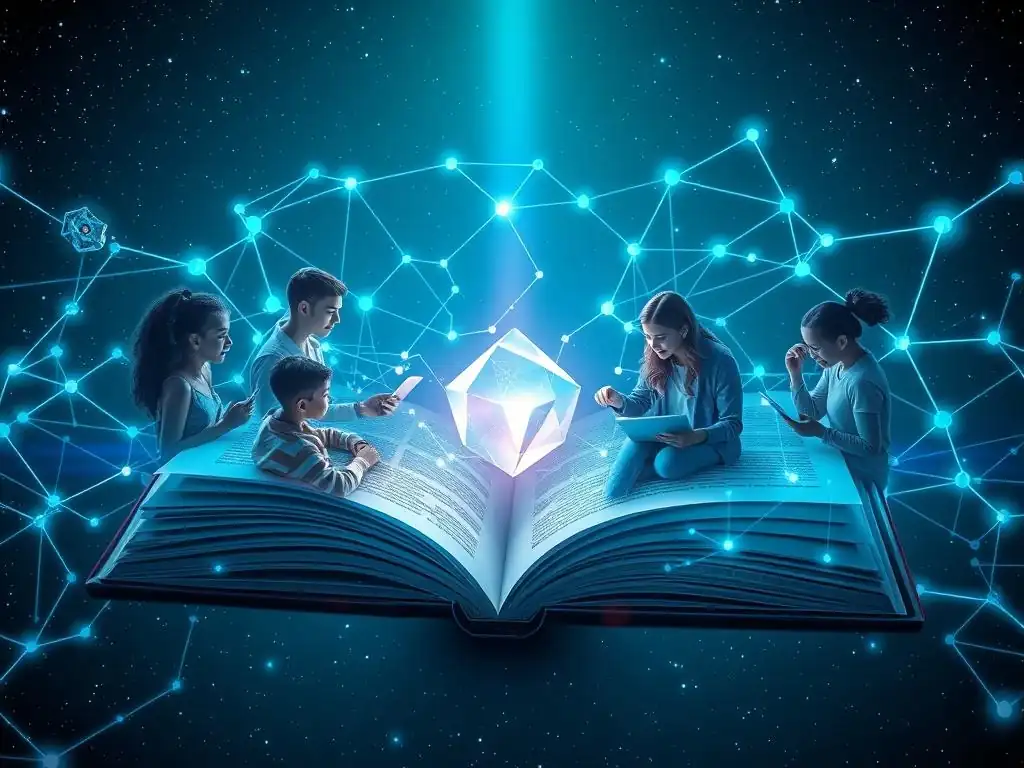
Welcome to Blockchain Trends, your compass in the rapidly evolving world of decentralized technology. Beyond the hype of cryptocurrencies, lies a vast landscape of innovation. Prepare to delve into the transformative applications of blockchain, from revolutionizing finance to reshaping industries. Curious about how blockchain is impacting education? Our feature article explores the rise of Blockchain education decentralized learning platforms, unveiling how DApps are reshaping learning and knowledge sharing. Discover the potential of decentralized education and explore the future of learning.
- Introduction: The Rise of Blockchain in Education
-
Frequently Asked Questions
- What are DApps, and how are they related to decentralized education?
- How can blockchain technology improve access to education globally?
- What are the benefits of using DApps for educational credentialing?
- How is blockchain impacting the regulation of educational content and certifications?
- What are some potential challenges in implementing decentralized learning platforms?
- Final Reflection: Empowering Minds Through Decentralization
- Reimagine Your Learning Journey!
Introduction: The Rise of Blockchain in Education
Exploring the Potential of Decentralized Platforms
Blockchain technology, often synonymous with cryptocurrencies, is increasingly demonstrating its potential to revolutionize industries far beyond finance. One area ripe for transformation is education, where decentralized applications (DApps) and the underlying principles of immutability, transparency, and security offer compelling solutions to long-standing challenges. Decentralized platforms in education aim to shift control and ownership away from central authorities towards individuals, empowering learners and educators alike.
This involves leveraging blockchain for everything from verifiable credentials and secure student data management to entirely new models of content creation, distribution, and collaborative learning. The vision for blockchain education is one where learning is more accessible, trustworthy, and tailored to individual needs.
The application of decentralized platforms extends across various facets of the educational ecosystem. For instance, verifiable digital identity solutions built on blockchain can streamline admissions processes and ensure learner authenticity. Immutable ledger technology provides a reliable way to issue and verify educational credentials, combating diploma mill fraud, which is estimated to cost billions globally each year in various forms.
Furthermore, decentralized learning platforms can facilitate peer-to-peer knowledge sharing networks, potentially reducing the costs associated with intermediaries and enabling direct compensation models for content creators and tutors. This exploration of decentralized learning represents a fundamental rethinking of how knowledge is accessed, validated, and shared in the digital age, promising a more equitable and robust global educational infrastructure.
Why Decentralized Learning is Evolving
The evolution towards decentralized learning is driven by inherent limitations within traditional centralized educational systems and the growing capabilities of distributed ledger technology. Centralized institutions often struggle with issues like high operational costs, bureaucratic inefficiencies, and a lack of interoperability between different systems, making credential verification cumbersome and data sharing difficult. Students frequently face challenges related to the high cost of tuition, limited access to quality education based on geographic location or socioeconomic status, and concerns over the privacy and security of their personal and academic data stored in centralized databases, which are vulnerable to breaches.
Moreover, there is a rising global demand for flexible, lifelong learning models that can adapt quickly to changing workforce needs. Traditional structures are often slow to innovate and cater to this demand effectively.
Decentralized learning platforms offer a compelling alternative by providing greater autonomy to learners, enabling portable and universally verifiable records of achievement, and potentially lowering the barriers to entry for both students and educators. The growing maturity of blockchain technology, coupled with increasing public awareness of data privacy issues and the desire for greater control over personal information, is accelerating the exploration and development of blockchain education decentralized learning platforms as a viable pathway to a more open, secure, and accessible educational future.
Frequently Asked Questions
DApps, or Decentralized Applications, are applications built on a blockchain network. In decentralized education, they facilitate peer-to-peer learning and secure credential management.
How can blockchain technology improve access to education globally?
Blockchain can overcome geographical barriers by providing accessible decentralized learning platforms and verifiable digital credentials, promoting equitable access to education.
What are the benefits of using DApps for educational credentialing?
DApps offer tamper-proof and verifiable digital credentials, reducing fraud and simplifying the process of credential verification for employers and institutions. This builds trust and transparency.
How is blockchain impacting the regulation of educational content and certifications?
Blockchain provides a transparent and immutable record, which can help in regulating educational standards and certifications, ensuring quality and authenticity.
What are some potential challenges in implementing decentralized learning platforms?
Challenges include scalability issues, the digital divide (lack of access to technology), and the need for user-friendly interfaces to encourage adoption.
Final Reflection: Empowering Minds Through Decentralization
The exploration of Decentralized Applications (DApps) for education reveals a powerful potential to revolutionize how we learn and share knowledge. The promise of Blockchain education decentralized learning platforms lies in their ability to democratize access, enhance transparency, and foster a more collaborative and engaging learning environment. This isn't just about technology; it's about fundamentally reshaping the power dynamics within education, placing learners at the center and empowering them to take control of their own educational journey.
The impact of decentralized learning extends far beyond the classroom, influencing the very fabric of our social and cultural landscape. The shift towards self-directed, lifelong learning, facilitated by DApps, is not just a trend, but a necessary adaptation to the rapidly evolving demands of the 21st century. As traditional institutions grapple with outdated models, these platforms offer a glimpse into a future where education is personalized, accessible, and truly empowering. The future of learning is not about memorizing facts, but about cultivating critical thinking, creativity, and collaboration – skills that are best fostered in decentralized, learner-centric environments.
Now, as you reflect on the potential of DApps to transform education, consider how you can contribute to this exciting evolution. Embrace the opportunities offered by Blockchain education decentralized learning platforms, explore new ways to learn and share knowledge, and advocate for a future where education is truly accessible and empowering for all. The future of learning is in our hands; let's build it together.
Okay, here's a CTA crafted for the end of an article titled "DApps for Decentralized Education: Reshaping Learning and Knowledge Sharing" on the website "Blockchain Trends" (blockchaintrends.org):
Reimagine Your Learning Journey!
Thanks for exploring how DApps are revolutionizing education! You've now seen the potential for a more accessible, transparent, and personalized learning experience. Ready to be a part of this exciting future? Here's how:
- Dive into building your own decentralized learning project! Consider a small, personal project like a DApp to share specialized knowledge within your community.
- Explore existing educational DApps. Test out platforms like LernX or Odyssey to understand their features and contribute to their development.
- Share this article with educators and tech enthusiasts. Spark conversations about the future of education and decentralized technologies.
What one skill would you love to learn through a DApp, and how could that decentralized approach improve the learning process?
Leave a Reply