
Decentralized Data Storage for DApps: Ensuring Data Sovereignty and Resilience


Welcome to Blockchain Trends, your go-to resource for understanding the revolutionary power of blockchain! Ever wondered how to truly secure the sensitive data fueling your DApps? Dive into our latest exploration of Blockchain data storage security and discover how decentralized solutions are reshaping data sovereignty and resilience. Uncover the innovative strategies that are safeguarding the future of decentralized applications and learn how you can leverage them today.
- Blockchain Data Storage Security: Addressing DApp Vulnerabilities
-
Frequently Asked Questions
- What are the primary benefits of using decentralized data storage for DApps in terms of security?
- How does decentralized data storage improve data sovereignty for DApp users?
- What are the key challenges in achieving robust blockchain data storage security for decentralized applications?
- How does the use of blockchain technology itself contribute to the security of decentralized data storage solutions?
- What types of regulations are likely to impact the development and deployment of secure decentralized data storage solutions for DApps?
- Final Reflection: Embracing the Future of Data Sovereignty
- Unveil Your DApp's Potential: Take Control of Your Data!
Blockchain Data Storage Security: Addressing DApp Vulnerabilities
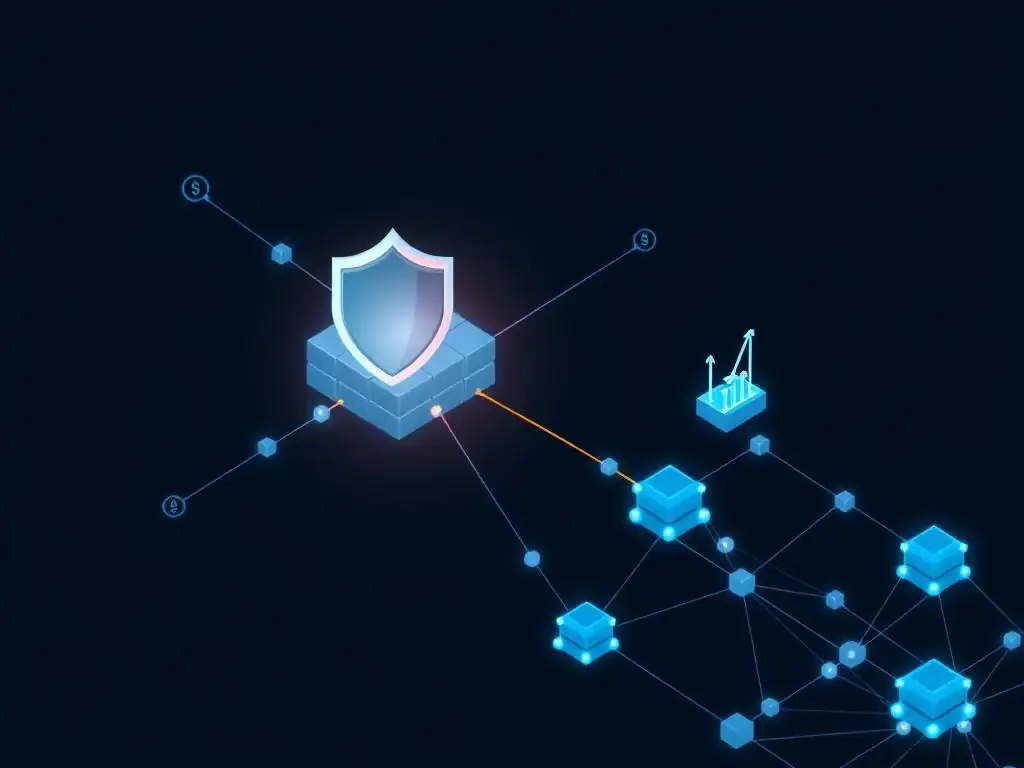
The Importance of Data Sovereignty in DApp Development
In the realm of decentralized applications (DApps), data sovereignty is not merely a regulatory compliance issue; it is a fundamental principle underpinning the entire ecosystem. Data sovereignty refers to the concept that data is subject to the laws and governance structures of the nation or jurisdiction in which it is collected or processed.
For DApps, which often operate across borders and aim to remove intermediaries, this concept evolves to user data sovereignty – the user's inherent right to control their own data, including where it is stored, who can access it, and how it is used. Centralized storage models inherently undermine this, placing user data under the control of a single entity, susceptible to their policies, potential data breaches, and governmental requests without direct user consent.
Achieving robust blockchain data storage security requires prioritizing this user sovereignty. When users retain cryptographic control over access to their data stored on decentralized networks, they regain agency lost in traditional systems. Consider the implications for personal data: under regulations like GDPR in Europe, organizations face substantial fines, potentially up to 4% of global annual revenue, for mishandling user data or failing to protect it adequately.
While DApps operate differently, the spirit of such regulations highlights the increasing global expectation for data control. By leveraging decentralized storage, DApps can build systems where data access is managed by the user's private keys, significantly enhancing the security posture and aligning with the ethos of decentralization and individual control.
Mitigating Data Breaches and Censorship with Decentralized Solutions
Data breaches represent a persistent and escalating threat in the digital landscape, with estimates suggesting the average cost of a data breach reached over $4 million globally in recent years. Centralized databases present attractive, single points of failure for malicious actors. A successful attack can compromise millions of user records simultaneously, leading to identity theft, financial loss, and erosion of trust.
Decentralized storage solutions fundamentally alter this risk profile. Instead of storing data in one location, files are typically encrypted, fragmented, and distributed across a vast network of independent nodes. This architecture makes it exponentially harder for attackers to compromise enough fragments to reconstruct meaningful data, drastically improving blockchain data storage security.
Furthermore, decentralized storage offers significant resilience against censorship. In traditional systems, a single entity or government can potentially pressure a centralized provider to remove or restrict access to data. This poses a significant challenge for DApps designed to be permissionless and resistant to censorship, such as decentralized social media or news platforms.
By distributing data across a global network of nodes, controlled by diverse participants, no single authority can easily take down or alter the data. This provides a layer of resilience crucial for DApps aiming for true autonomy and freedom of information, reinforcing the core principles of secure blockchain storage and data availability.
Enhancing Data Integrity and Immutability Through Blockchain Integration
Ensuring data integrity – that data remains accurate and unaltered – is paramount for many DApp use cases, from financial transactions in DeFi to medical records in healthcare. Traditional databases rely on access controls and audit trails within a centralized system, which can be vulnerable to manipulation if the system itself is compromised. Decentralized storage networks often integrate with blockchain technology to provide an immutable record of data existence and state.
When a file is stored, its cryptographic hash is typically recorded on a blockchain ledger. Any subsequent attempt to alter the data would result in a different hash, immediately detectable by comparing it to the hash immutably stored on the blockchain.
This integration provides a powerful mechanism for verifying data integrity and enhances overall blockchain data storage security. For example, systems like Filecoin use proofs (like Proof-of-Replication and Proof-of-Spacetime) verified on a blockchain to ensure that data is being stored correctly and consistently over time by storage providers.
This cryptographic verification, coupled with the immutable nature of the blockchain ledger, creates a highly trustworthy system where the integrity of stored data can be publicly and transparently audited. This level of verifiable integrity is difficult, if not impossible, to achieve with traditional centralized storage methods, making decentralized solutions coupled with blockchain a superior choice for DApps requiring high assurance in their data's authenticity and immutability.
Frequently Asked Questions
What are the primary benefits of using decentralized data storage for DApps in terms of security?
Decentralized storage enhances security through data redundancy and cryptographic encryption, making it much harder for hackers to compromise the entire system. This mitigates risks associated with single points of failure.
How does decentralized data storage improve data sovereignty for DApp users?
Users gain greater control over their data because it's distributed and encrypted across a network. This reduces reliance on centralized entities and strengthens user privacy rights and data ownership.
What are the key challenges in achieving robust blockchain data storage security for decentralized applications?
Scalability, cost efficiency, and ensuring data integrity across a distributed network present significant hurdles. Maintaining consistent security protocols across all nodes is also crucial.
How does the use of blockchain technology itself contribute to the security of decentralized data storage solutions?
Blockchain provides an immutable ledger for tracking data storage and access, which enhances transparency and auditability. This helps prevent unauthorized modifications and ensures data provenance.
What types of regulations are likely to impact the development and deployment of secure decentralized data storage solutions for DApps?
Regulations related to data privacy (e.g., GDPR), data localization, and cybersecurity are likely to play a significant role. Compliance will require careful consideration of data residency requirements and encryption protocols.
Final Reflection: Embracing the Future of Data Sovereignty
The exploration of decentralized data storage for DApps underscores a critical truth: data sovereignty is no longer a privilege, but a necessity in the digital age. As we increasingly rely on decentralized applications, the security and resilience of the underlying data infrastructure become paramount. This isn't just about technological advancement; it's about empowering individuals and communities to control their own information.
The shift towards decentralized data storage is profoundly shaping the cultural landscape, fostering a sense of ownership and trust that was often absent in centralized systems. This movement resonates deeply with the growing desire for transparency and accountability in all aspects of our lives, from finance to social interactions. The future is already here – it's just not evenly distributed.
- William Gibson. This quote perfectly encapsulates the current state of decentralized data storage; the technology exists, but its widespread adoption hinges on our collective willingness to embrace a new paradigm.
Now, as you reflect on the potential of blockchain data storage security, consider how you can contribute to this transformative shift. How can you advocate for greater data sovereignty in your own digital footprint? How can you support the development and adoption of decentralized technologies that empower individuals and communities? The future of data is not predetermined; it is being shaped by the choices we make today. Let us choose to build a future where data is secure, resilient, and truly belongs to those who create it.
Unveil Your DApp's Potential: Take Control of Your Data!
Thank you for exploring the importance of decentralized data storage for DApps. You now understand how this technology can enhance data sovereignty and resilience. It's time to turn that knowledge into action and empower your own projects!
Here's how to get started:
- Dive into implementing decentralized storage solutions like IPFS or Filecoin in a small side project. Get hands-on with the code!
- Share this article with fellow developers and spark a conversation about the future of decentralized data.
- Brainstorm ways that decentralized storage can revolutionize your industry or address specific data challenges you're facing.
What innovative DApp ideas will you create using decentralized data? Share your thoughts in the comments below!
Leave a Reply