
Decentralized Identity Management for DApp Users: Streamlining Onboarding and Security


Welcome to Blockchain Trends, your guide to navigating the ever-evolving world of decentralized technologies!
Imagine a future where accessing your favorite DApps is seamless and secure, without compromising your privacy. Our latest exploration delves into the critical role of Blockchain Identity Management DApp Security in making this vision a reality. Are you ready to discover how decentralized identity solutions are streamlining onboarding and fortifying security for DApp users? Dive in to uncover the innovative approaches shaping the future of digital identity and its impact on the DApp ecosystem.
- Decentralized Identity Management for DApp Users: Streamlining Onboarding and Security
- What is Decentralized Identity (DID) and How Does it Benefit DApp Users?
- Blockchain Identity Management DApp Security: A Deep Dive
- Streamlining Onboarding for DApp Users with DIDs
- Key Components of a Decentralized Identity Management System for DApps
- Implementing Decentralized Identity in DApp Development: A Practical Guide
- Use Cases of Decentralized Identity Management in DApps
- The Future of Blockchain Identity Management and DApp Security
- Conclusion: Empowering DApp Users with Secure and Streamlined Identity Solutions
-
Frequently Asked Questions
- What are the primary benefits of using decentralized identity management (DID) for DApp users?
- How does blockchain technology contribute to DApp security in the context of identity management?
- What are some potential regulatory challenges surrounding the implementation of blockchain identity management solutions for DApps?
- How can DApp developers leverage decentralized identity to improve user experience and reduce friction during onboarding?
- Beyond security and onboarding, what other future applications are envisioned for blockchain identity management in the DApp ecosystem?
- Final Reflection: Embracing the Future of Digital Sovereignty
- Unlock Your DApp Future: Dive Deeper into Decentralized Identity!
Decentralized Identity Management for DApp Users: Streamlining Onboarding and Security
Limitations of Centralized Systems for DApp Authentication
Traditional DApps often rely on centralized identity providers or simple username/password combinations, which inherit significant vulnerabilities from Web2 models. This approach creates single points of failure, making user data susceptible to breaches. For instance, a centralized database holding user login credentials for a DApp can become a prime target for hackers. If compromised, millions of user accounts could be affected, leading to potential identity theft and loss of assets within the DApp ecosystem. This contradicts the fundamental decentralized ethos of blockchain technology and DApps themselves.
Furthermore, relying on centralized identity means users lack true control over their personal data. They are forced to trust the DApp provider to store and manage their information securely, often without transparency regarding how that data is used or shared. This lack of user agency is a major drawback, especially when considering the sensitive nature of data often handled within DApps, such as financial information in DeFi protocols or ownership records in gaming DApps. The risk of data misuse or censorship by the central entity is ever-present.
The Need for Enhanced User Privacy and Control in Decentralized Applications
The core promise of DApps and Web3 is to give users greater control and privacy over their digital lives. However, if the identity layer remains centralized, this promise is fundamentally undermined. Users are often required to create separate accounts for each DApp, leading to identity fragmentation and the need to manage multiple sets of credentials. This not only creates a poor user experience but also increases the attack surface for phishing and credential stuffing attacks.
Decentralized applications, by their nature, should enable users to interact pseudonymously or selectively disclose information without revealing their full identity to every service. Current centralized models fail at this, demanding excessive personal data upfront. A recent report suggested that over 60% of users are hesitant to adopt new online services due to privacy concerns and the amount of data requested during signup. Enhancing user privacy and control through a decentralized identity approach is crucial for fostering trust and driving mainstream adoption of DApps and advancing blockchain identity management DApp security.
Exploring Existing Identity Solutions for DApps: Metamask, WalletConnect
Current prevalent methods for DApp interaction often revolve around blockchain wallets like MetaMask or connection protocols like WalletConnect. These tools primarily serve as interfaces for managing private keys and signing transactions, effectively acting as a form of identity verification based on blockchain addresses. While they provide a degree of pseudonymity (using public addresses) and remove the need for traditional usernames/passwords managed by the DApp, they do not constitute a full decentralized identity management system.
These wallet-based solutions verify ownership of a blockchain address, not necessarily identity in a broader sense (e.g., proving age, nationality, or qualifications). They streamline access to DApps but don't manage verifiable credentials or allow for selective disclosure of attributes. While essential for accessing blockchain functionalities, they represent an initial step towards decentralized interaction rather than a comprehensive solution for blockchain identity management DApp security and complex identity needs. Integrating a true decentralized identity layer on top of these wallet interfaces is the next logical step.
What is Decentralized Identity (DID) and How Does it Benefit DApp Users?
Defining Decentralized Identity (DID) and Self-Sovereign Identity (SSI)
Decentralized Identity (DID) is a new type of identifier that is globally unique, resolvable, and cryptographically verifiable. Unlike traditional identifiers (like usernames or email addresses) that are typically tied to a centralized provider, DIDs are controlled by the individual or entity they identify, independent of any single authority. They are designed to be persistent and portable across different applications and platforms. This concept is a cornerstone of Self-Sovereign Identity (SSI), which emphasizes the individual's right to own and control their digital identity, choosing what information to share, with whom, and when.
SSI, underpinned by DIDs and Verifiable Credentials, shifts the power dynamic from institutions holding user data to the users themselves. It allows individuals to manage their identity information in a secure digital wallet and present cryptographically verifiable proofs (credentials) about themselves without relying on a central database or identity provider. This framework is crucial for building trust in decentralized environments and is a key component of robust blockchain identity management DApp security.
Advantages of Using DIDs for Blockchain Applications
Implementing Decentralized Identities offers numerous advantages for blockchain applications and their users. Firstly, it significantly enhances security by removing the single points of failure associated with centralized identity stores. User data is not held in honeypot databases vulnerable to large-scale breaches. Instead, credentials reside securely within the user's control, often in encrypted digital wallets. This model drastically reduces the risk of widespread identity theft affecting millions of users simultaneously, a persistent threat in Web2.
Secondly, DIDs improve user privacy. Users can prove specific attributes about themselves (e.g., "I am over 18") without revealing the underlying personal data (e.g., date of birth). This selective disclosure minimizes the amount of sensitive information shared with DApps, aligning perfectly with the privacy-preserving goals of many blockchain protocols. This granular control over personal data is a significant leap forward compared to current models where users often have to surrender extensive information just to use a service, bolstering overall blockchain identity management DApp security.
How DIDs Improve User Experience and Security in DApps
Decentralized Identities streamline the user experience by eliminating the need for repetitive sign-ups and KYC processes across multiple DApps. Once a user has verified credentials issued (e.g., identity verification from a trusted issuer), they can reuse these credentials across any DApp that accepts them, significantly reducing onboarding friction. Imagine a user verifying their identity once and then being able to access various DeFi protocols or gaming platforms without re-submitting documents every time.
From a security perspective, DIDs enhance blockchain identity management DApp security by providing a more robust and verifiable layer than simple blockchain addresses. While an address proves control of a private key, a DID linked to verifiable credentials can prove real-world attributes or digital reputations in a cryptographically secure manner.
This enables DApps to implement more sophisticated access controls and Sybil resistance mechanisms without resorting to invasive traditional methods. For instance, a governance DApp could require participants to prove they are unique individuals or belong to a specific group using DIDs and VCs, preventing malicious actors from manipulating votes through multiple accounts.
Blockchain Identity Management DApp Security: A Deep Dive
Securing DApps with Decentralized Identity Solutions
Decentralized identity solutions fundamentally change the security posture of DApps by shifting the responsibility and control of identity data from the DApp provider to the user. Instead of DApps storing sensitive user information, they interact with DIDs and Verifiable Credentials (VCs) presented by the user. This means a DApp breach might compromise the application logic or smart contracts, but it wouldn't automatically expose the personal identity data of all its users, as that data is not centrally stored within the DApp's infrastructure.
By relying on cryptographically secure VCs issued by trusted third parties (or even self-attested and later verified), DApps can verify user attributes without ever seeing the underlying sensitive data. For example, a regulated DeFi DApp requiring KYC might accept a VC proving the user's identity has been verified by a certified provider, rather than handling the user's passport or driver's license directly. This significantly reduces the DApp's attack surface and compliance burden related to data storage, contributing directly to enhanced blockchain identity management DApp security.
Mitigating Risks Associated with Data Breaches and Identity Theft
The current landscape of Web2 identity is plagued by large-scale data breaches. In 2023 alone, breaches exposed billions of records globally. Centralized DApp identity systems would inherit this risk. Decentralized Identity mitigates this by distributing control and eliminating the central honeypot of user data. A breach in one DApp or even one identity issuer does not compromise a user's entire digital identity across the web.
With DIDs and VCs, identity theft becomes significantly harder. An attacker gaining access to a user's device might compromise their DID wallet, but they cannot easily forge verifiable credentials, as VCs are cryptographically signed by the issuer. Furthermore, DID recovery mechanisms can be designed with user control and security in mind, often involving multiple factors or social recovery models, making account takeover attempts more challenging than with simple password-based systems. This architectural shift is pivotal for improving blockchain identity management DApp security and user safety.
Enhancing Trust and Transparency in DApp Ecosystems
Decentralized Identity fosters greater trust and transparency within DApp ecosystems. Users trust DApps more when they know their identity data is not being held in a vulnerable central database and that they have control over what information is shared. The use of Verifiable Credentials provides transparency regarding the source and validity of identity claims; anyone can cryptographically verify that a VC was issued by a specific, trusted entity and has not been tampered with.
This verifiable trust layer is essential for DApps that rely on reputation, verification, or compliance. For instance, in a decentralized marketplace DApp, sellers could present VCs proving their business registration or product authenticity, building trust with buyers. In a decentralized autonomous organization (DAO), membership or voting power could be tied to specific VCs, ensuring legitimate participation. This transparency in identity claims, verifiable on the blockchain or DID registry, strengthens the integrity and security of the entire DApp ecosystem, bolstering blockchain identity management DApp security.
Streamlining Onboarding for DApp Users with DIDs
Simplifying the User Registration Process
One of the biggest barriers to DApp adoption is the often cumbersome onboarding process. Users frequently have to connect a wallet, navigate complex interfaces, and potentially undergo lengthy KYC procedures for regulated services. Decentralized Identity significantly simplifies this. Instead of filling out forms and uploading documents for every single DApp, users can leverage pre-existing Verifiable Credentials stored in their DID wallet.
Imagine a user who has obtained a "Verified KYC" credential from a reputable identity provider. When they visit a new DeFi DApp that requires KYC, instead of starting from scratch, they simply present this credential from their wallet. The DApp verifies the credential's signature against the issuer's public key (often stored on a DID registry or blockchain), confirms its validity, and grants access. This process can take seconds, dramatically reducing the time and effort required for user registration and making blockchain identity management DApp security less intrusive.
Reducing Friction Points in DApp Adoption
High friction during onboarding is a major reason why potential users drop off before fully engaging with a DApp. Each step that requires user input, document submission, or waiting for verification adds complexity and frustration. By allowing users to reuse verified identity attributes via DIDs and VCs, much of this friction is eliminated. A user might only need to click a few buttons in their wallet to share a required credential, rather than typing information or uploading sensitive files.
This streamlined experience is crucial for expanding the reach of DApps beyond early adopters to a broader audience. Data suggests that reducing the number of steps in an online process can increase conversion rates by over 20%. Applying this principle to DApp onboarding through decentralized identity management can significantly boost user acquisition and growth, making the ecosystem more accessible and user-friendly while maintaining robust blockchain identity management DApp security.
Improving User Retention Through Seamless Identity Management
Beyond initial onboarding, decentralized identity management contributes to better user retention. Users are more likely to continue using DApps when their identity experience is seamless and secure. They don't have to remember separate logins for each service or worry about their data being compromised by individual DApps. Their identity is portable and controlled by them, fostering a sense of ownership and consistency across their decentralized interactions.
Furthermore, DIDs can enable reputation systems that follow the user across different DApps. For example, a user might accumulate "Verified Contributor" VCs in one DAO and use that reputation to gain privileges in another. This persistent, portable identity and reputation layer encourages users to stay engaged within the decentralized ecosystem, rather than being siloed within individual applications. This seamless and secure identity layer is a key factor in building sticky DApp experiences and underscores the value of blockchain identity management DApp security.
Key Components of a Decentralized Identity Management System for DApps
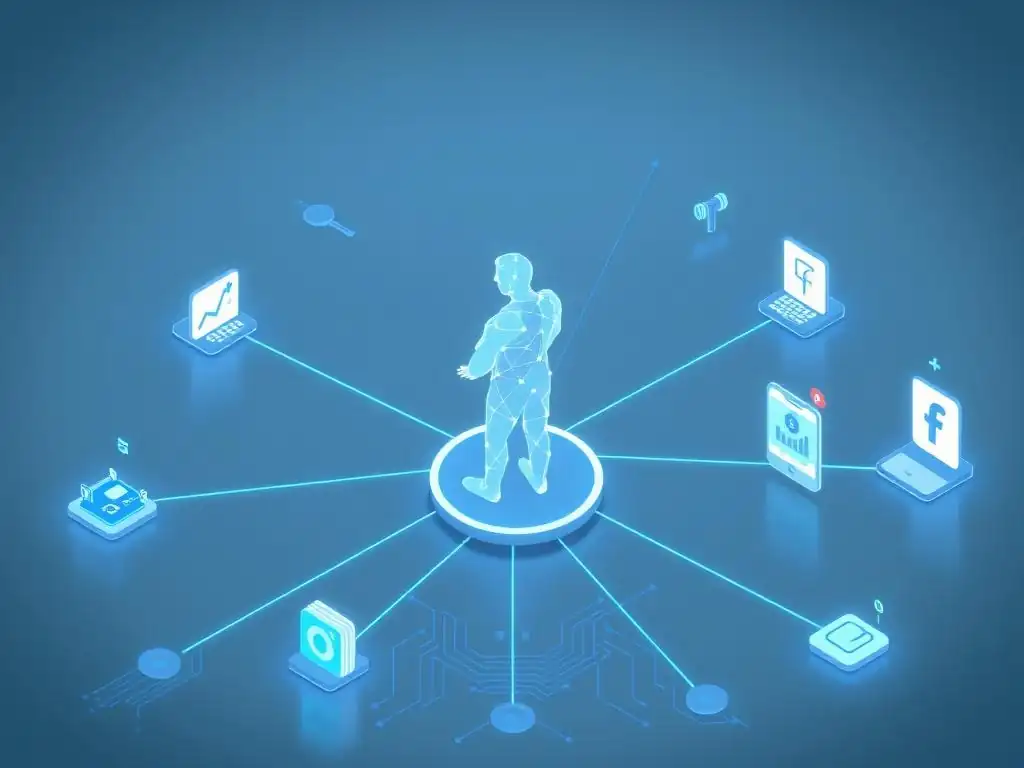
DID Wallets: Secure Storage and Management of Digital Credentials
A DID Wallet is a software application or hardware device that enables users to securely store, manage, and present their Decentralized Identifiers and Verifiable Credentials. Think of it as a digital wallet for your identity documents, but instead of physical cards, it holds cryptographically signed credentials. These wallets are user-controlled, meaning the private keys that secure the DIDs and VCs are held by the user, not a third party.
DID wallets facilitate the core interactions in a decentralized identity system: generating DIDs, receiving VCs from issuers, storing them securely (often encrypted on the user's device), and selectively presenting VCs to verifiers (like DApps) when requested. Examples include browser extensions, mobile apps, or even hardware security modules. The security of the DID wallet is paramount for blockchain identity management DApp security, as it is the repository of the user's digital identity assets. Implementations often leverage secure enclave technology or multi-factor authentication.
Verifiable Credentials (VCs): Enabling Trusted Data Exchange
Verifiable Credentials (VCs) are tamper-evident digital credentials that allow individuals to prove claims about themselves in a secure and privacy-preserving way. A VC consists of a claim (e.g., "Alice is over 18"), signed by an issuer (e.g., a government identity service or an educational institution), and presented by a holder (the individual, Alice) to a verifier (e.g., a DApp). The verifier can cryptographically check that the credential was issued by a trusted party and has not been altered.
VCs are based on open standards, such as the W3C Verifiable Credentials Data Model. They can represent any type of claim, from simple attributes like age or email address to complex ones like professional licenses, ownership of assets, or completion of a course. The use of VCs is fundamental to making blockchain identity management DApp security practical, as they provide a standardized, secure, and privacy-preserving way to exchange trusted information necessary for DApp interactions without exposing raw personal data.
DID Registries: Ensuring the Uniqueness and Validity of DIDs
DID Registries are decentralized systems, often built on blockchains or distributed ledgers, that store minimal information necessary to resolve a DID and verify associated public keys or service endpoints. They do not store personal identity data or VCs. Their primary function is to ensure that each DID is unique and to provide a mechanism for discovering information needed to interact with the DID holder (like their public key for cryptographic verification).
Examples of DID registries include specific blockchain networks designed for identity (like Sovrin or uPort's registry) or smart contracts deployed on general-purpose blockchains like Ethereum (e.g., using the ERC-725 standard). The registry acts as a public, tamper-resistant index that links a DID to its associated DID Document, which contains public keys and service endpoints. This decentralized lookup mechanism is vital for the global interoperability and verifiability of DIDs, forming a foundational layer for blockchain identity management DApp security.
Implementing Decentralized Identity in DApp Development: A Practical Guide
Choosing the Right DID Standard for Your DApp: W3C DID Standard, ERC-725
When integrating decentralized identity into a DApp, developers must first choose a suitable DID standard and underlying network or registry. The W3C DID Standard provides a flexible framework for creating globally unique identifiers and associated DID Documents. This is a foundational standard, but implementations vary based on the specific blockchain or distributed ledger used as the DID registry.
On Ethereum, the ERC-725 standard (Keys Manager and Executable Data Source) is a common approach for representing self-sovereign identity. ERC-725 smart contracts act as identity proxies on the blockchain, linking a DID (often the contract address) to various keys (for signing, encryption, etc.) and enabling execution of functions based on permissions. Choosing between a general W3C-compliant DID method built on a specific chain or an Ethereum-native standard like ERC-725 depends on the DApp's target ecosystem, required features (e.g., on-chain execution), and considerations for blockchain identity management DApp security specific to the chosen platform.
Integrating DID Wallets into Your DApp User Interface
Integrating DID wallets is crucial for enabling users to manage their identities and interact with the DApp using VCs. This is analogous to how DApps currently integrate with crypto wallets like MetaMask. The DApp front-end needs to detect the presence of a compatible DID wallet (either a browser extension or a mobile wallet via a connection protocol) and interact with it via a defined API.
The integration involves prompting the user to connect their DID wallet, requesting specific VCs needed for DApp functionality (e.g., "Please present a credential proving you are a verified professional"), receiving the user's selected VCs, and sending them to the DApp's back-end or smart contract for verification. The user interface should clearly communicate what information is being requested and why, maintaining user trust and ensuring a smooth experience. Secure communication protocols between the DApp and the DID wallet are essential for blockchain identity management DApp security.
Developing Secure and Scalable Authentication Mechanisms Using DIDs
Authentication in a DID-based DApp shifts from verifying a password or a centralized session token to verifying cryptographic proofs presented by the user's DID. When a user interacts with a DApp, they might sign a challenge with their DID's private key or present a valid Verifiable Credential. The DApp (or its back-end) uses the user's DID and its associated public key (retrieved from the DID registry) to verify the signature or the VC.
Developing secure authentication involves:
- Challenge-Response: The DApp issues a unique challenge, which the user's DID wallet signs. The DApp verifies the signature using the DID's public key.
- VC Verification: The DApp receives VCs from the user and verifies the issuer's signature and the VC's validity against the issuer's public key and potentially a revocation list.
- Authorization Logic: Based on the successfully verified VCs (e.g., proving age, membership, or qualifications), the DApp grants the user access to specific features or data.
Scalability considerations include the performance of the DID registry lookup and VC verification process, especially for DApps with a high volume of users. Implementing efficient caching and leveraging off-chain verification where appropriate can help ensure the authentication mechanism remains performant while upholding blockchain identity management DApp security.
Use Cases of Decentralized Identity Management in DApps
DeFi Applications: Securing Transactions and Preventing Fraud
Decentralized Identity can significantly enhance security and compliance in Decentralized Finance (DeFi) applications. While many DeFi protocols aim for pseudonymity, regulatory requirements often necessitate some form of identity verification, particularly for accessing certain services or handling larger transaction volumes. DIDs and VCs allow DeFi DApps to meet these requirements without compromising user privacy through centralized KYC databases.
For instance, a DeFi lending protocol could require users to present a "Verified Accredited Investor" credential to access specific pools, without needing to know the user's real-world name or address. Similarly, DIDs can be used to build sophisticated reputation systems linked to a user's on-chain behavior, but verified by a decentralized identity. This can help prevent Sybil attacks, identify malicious actors, and secure transactions against fraud by tying them to verifiable identities or reputations, thereby strengthening blockchain identity management DApp security in the financial sector.
Gaming DApps: Enabling Ownership and Interoperability of Digital Assets
In blockchain gaming, DIDs can revolutionize how players manage their identities and digital assets. Instead of game accounts being tied to centralized servers, a player's identity and their ownership of in-game items (represented by NFTs) can be linked to their DID. This allows players to truly own their assets and portability across different games or metaverses that recognize their DID and associated credentials.
Furthermore, DIDs can enable verifiable gaming achievements or reputation scores as Verifiable Credentials. A player could earn a "Completed Level 10" VC in one game and use it to unlock special content or gain status in another. This creates richer, more interconnected gaming experiences. From a security perspective, tying assets and progress to a user-controlled DID enhances blockchain identity management DApp security by reducing reliance on vulnerable centralized game servers for account management and asset ownership.
Supply Chain DApps: Verifying Authenticity and Traceability of Products
Decentralized Identity is highly relevant for supply chain DApps focused on product authenticity and traceability. DIDs can be assigned to entities within the supply chain, including manufacturers, distributors, and even individual products. Verifiable Credentials can then be issued to prove specific events or attributes, such as "Product X manufactured by Company Y on Date Z" or "Product X shipped from Location A to Location B".
Consumers could then scan a QR code on a product, which resolves to the product's DID, and view a chain of VCs verifying its origin, journey, and authenticity. This provides unprecedented transparency and trust throughout the supply chain, combating counterfeiting and enabling efficient recalls. The use of DIDs and VCs ensures that the identity of participants and the claims about the product's journey are verifiable and tamper-evident, significantly enhancing blockchain identity management DApp security within complex logistics networks.
The Future of Blockchain Identity Management and DApp Security
Emerging Trends in Decentralized Identity Technologies
The field of Decentralized Identity is rapidly evolving. Emerging trends include the development of more sophisticated privacy-preserving technologies, such as Zero-Knowledge Proofs (ZKPs), which allow users to prove possession of a VC or that an attribute meets certain criteria without revealing any specific information about the credential itself. For example, a user could prove they are over 18 without revealing their birth date, or prove they have a balance over a certain amount without revealing the exact balance.
Another trend is the focus on interoperability between different DID methods and blockchain networks. Efforts are underway to create standards and protocols that allow DIDs issued on one network to be recognized and verified on others. Additionally, there's growing interest in integrating DIDs with decentralized key management systems and exploring the potential of hardware-based identity solutions for enhanced security. These advancements promise to make blockchain identity management DApp security even more robust and user-friendly.
The Role of DIDs in Building a More Decentralized Web3 Ecosystem
Decentralized Identities are poised to play a foundational role in the broader Web3 ecosystem. As Web3 matures, moving beyond just finance and gaming to encompass decentralized social media, data marketplaces, and governance, a user-centric, portable, and verifiable identity layer becomes essential. DIDs provide the necessary infrastructure for users to carry their identity, reputation, and verified attributes seamlessly across different decentralized applications and platforms.
This shift empowers users, reduces reliance on centralized platforms for identity services, and fosters a more open, interoperable, and censorship-resistant web. By enabling trusted interactions without centralized intermediaries, DIDs are critical for realizing the full potential of decentralization. They are not just about logging in; they are about establishing trust, reputation, and verifiable relationships in a decentralized world, fundamentally shaping the future of blockchain identity management DApp security and the broader Web3 landscape.
Addressing Challenges and Opportunities in the Adoption of DIDs for DApps
Despite the significant benefits, challenges remain in the widespread adoption of DIDs for DApps. These include the complexity of implementing DID-based authentication compared to traditional methods, the need for user education on managing their DID wallets and VCs, and the establishment of a robust ecosystem of trusted identity issuers. The "cold start" problem of getting enough users with DIDs and enough DApps accepting VCs needs to be overcome.
However, the opportunities are substantial. As more infrastructure and tooling become available, integrating DIDs will become easier for developers. Increased awareness among users about the privacy and security benefits will drive demand. Collaboration between DApp developers, wallet providers, identity issuers, and standards bodies is crucial. Successfully addressing these challenges will unlock the full potential of decentralized identity to create a more secure, private, and user-controlled digital experience within DApps, solidifying the importance of blockchain identity management DApp security.
Conclusion: Empowering DApp Users with Secure and Streamlined Identity Solutions
Frequently Asked Questions
What are the primary benefits of using decentralized identity management (DID) for DApp users?
DID offers users greater control over their data and streamlines the onboarding process by eliminating the need for multiple accounts and passwords. This also enhances privacy and security for DApp interactions.
How does blockchain technology contribute to DApp security in the context of identity management?
Blockchain provides a secure and immutable ledger for storing identity information. This reduces the risk of fraud and unauthorized access compared to centralized systems.
What are some potential regulatory challenges surrounding the implementation of blockchain identity management solutions for DApps?
Regulation is evolving, and concerns exist around data privacy compliance (e.g., GDPR), KYC/AML requirements, and cross-border interoperability. Clear legal frameworks are needed to foster adoption.
How can DApp developers leverage decentralized identity to improve user experience and reduce friction during onboarding?
By integrating DID, developers can offer passwordless login, simplified registration processes, and personalized experiences. This significantly reduces friction and encourages user engagement.
Beyond security and onboarding, what other future applications are envisioned for blockchain identity management in the DApp ecosystem?
Future applications include verifiable credentials for education and employment, decentralized reputation systems, and secure data sharing across multiple DApps, creating a more trusted and efficient ecosystem.
Final Reflection: Embracing the Future of Digital Sovereignty
The exploration of decentralized identity management within DApps highlights a crucial shift: the return of control to the user. In a world increasingly dominated by centralized data silos, the promise of blockchain identity management offers a compelling alternative, empowering individuals to own and manage their digital identities securely and transparently, directly impacting DApp security. This isn't just about technological advancement; it's about fundamentally reshaping the power dynamics of the digital landscape.
The impact of this shift extends far beyond the technical realm. Decentralized identity is not just a feature; it's a philosophy that prioritizes user autonomy and data privacy. It challenges the status quo, forcing us to reconsider the very nature of digital interaction and trust. This resonates deeply with the growing demand for greater transparency and control in all aspects of our digital lives. Identity is the new perimeter of security.
- Mary Meeker, highlighting the critical importance of identity in the modern digital age.
As we move forward, let us embrace the potential of decentralized identity to create a more equitable and secure digital future. Consider how you can advocate for and adopt these technologies in your own online interactions. The future of the internet depends on our collective commitment to building a world where individuals are empowered to control their digital destinies. Let's build that future, together.
Unlock Your DApp Future: Dive Deeper into Decentralized Identity!
Thank you for exploring the world of decentralized identity. You've seen how this technology can revolutionize onboarding and security for decentralized applications, empowering users like never before. Now, it’s time to put this knowledge into action!
Ready to take the next step?
- Start building! Explore a user-friendly decentralized identity framework and begin prototyping your own solution within your application. This is your key to unlocking seamless and secure user experiences.
- Discuss: Join the conversation on the forum and share your thoughts, challenges, or successes in implementing decentralized identity solutions. Help shape the future of digital identity!
- Share: Spread the word! If this article sparked your interest, share it with your network. You might inspire others to explore the transformative potential of decentralized identity.
What are the first steps you'll take to integrate decentralized identity into your ecosystem? Share your plans in the comments below!
Leave a Reply