
DeFi DApps Beyond Lending and Trading: Exploring New Financial Frontiers


Welcome to Blockchain Trends, your compass in the rapidly evolving world of decentralized technologies. Beyond the hype of cryptocurrencies, blockchain is reshaping industries and redefining possibilities. Intrigued by the potential of DeFi applications beyond lending and trading? Prepare to delve into a fascinating exploration of cutting-edge DApps and discover how they're forging entirely new financial frontiers. The future of finance is decentralized, and it's more diverse than you think... Read on to unlock its potential.
The Initial Focus: Lending and Trading Platforms in DeFi
The nascent stages of decentralized finance (DeFi) were largely defined by the emergence and rapid growth of lending and decentralized exchange (DEX) platforms. Early pioneers like MakerDAO, launched in 2017, established the concept of collateralized debt positions (CDPs) allowing users to borrow stablecoins (DAI) against crypto assets, effectively creating the first significant decentralized lending protocol.
Following closely, platforms such as Compound and Aave further refined the money market model, introducing algorithmic interest rates based on supply and demand. By mid-2020, the total value locked (TVL) in DeFi lending protocols had surged into the billions of dollars, demonstrating a clear market demand for peer-to-peer borrowing and lending without traditional intermediaries.
Simultaneously, decentralized exchanges revolutionized crypto trading by enabling direct peer-to-peer token swaps on the blockchain. Uniswap, launched in late 2018, popularized the automated market maker (AMM) model, eliminating the need for traditional order books and market makers.
This innovation significantly lowered the barrier to creating and trading any token pair, fueling liquidity and driving trading volumes into billions daily across various networks. The initial success of these core DeFi applications – lending and trading – proved the viability of decentralized financial primitives, but also highlighted the vast untapped potential for DeFi to address a much broader spectrum of financial services beyond these foundational use cases.
Expanding Horizons: The Need for Innovative DeFi Applications
While lending and trading protocols formed a robust foundation for DeFi, the ecosystem quickly recognized the limitations of focusing solely on these areas. Market saturation in basic lending and swapping services, coupled with the inherent risks and complexities of volatile crypto assets, underscored the need for diversification.
Users and developers alike began seeking ways to leverage blockchain's unique properties – transparency, immutability, and programmability – to create more sophisticated and resilient financial instruments and services. This push was driven by the desire to attract a wider user base, including institutions and individuals seeking exposure to digital assets and decentralized finance in ways that traditional lending and trading could not fully accommodate.
The expansion imperative also stemmed from the ambition to truly replicate and improve upon the functionalities of traditional finance (TradFi), such as insurance, asset management, derivatives, and more, within a decentralized framework. Developing DeFi applications beyond lending and trading is crucial for overcoming existing barriers, such as high transaction costs on certain blockchains during peak demand, oracle dependencies, and smart contract risks.
Innovations in areas like real-world asset tokenization, decentralized insurance, and identity management are seen as critical steps towards building a more comprehensive, inclusive, and robust global financial system that is not solely reliant on the initial DeFi pillars.
Blockchain Trends' Mission: Uncovering the Future of DApp Development
At Blockchain Trends, our mission is to explore and illuminate the cutting edge of blockchain technology and decentralized applications. We delve into the transformative potential that extends far beyond the initial use cases that captured mainstream attention. This includes a deep dive into the evolution of DeFi and the emergence of innovative DeFi applications beyond lending and trading.
We aim to provide our readers with insights into the next wave of DApp development, analyzing the technologies, use cases, and challenges associated with building a truly decentralized financial future. Our coverage spans the technical intricacies, the regulatory landscape, and the real-world impact of these advancements, helping to demystify complex topics and highlight the opportunities presented by the expanding DeFi ecosystem.
- The Initial Focus: Lending and Trading Platforms in DeFi
- Expanding Horizons: The Need for Innovative DeFi Applications
- Blockchain Trends' Mission: Uncovering the Future of DApp Development
- What are some examples of DeFi applications beyond lending and trading?
- How are these new DeFi applications different from traditional lending platforms?
- What regulatory challenges do these emerging DeFi applications face?
- How secure are these newer DeFi applications compared to established lending protocols?
- What is the potential impact of these new DeFi applications on traditional finance?
New Frontiers in Decentralized Finance (DeFi): Beyond Traditional Models
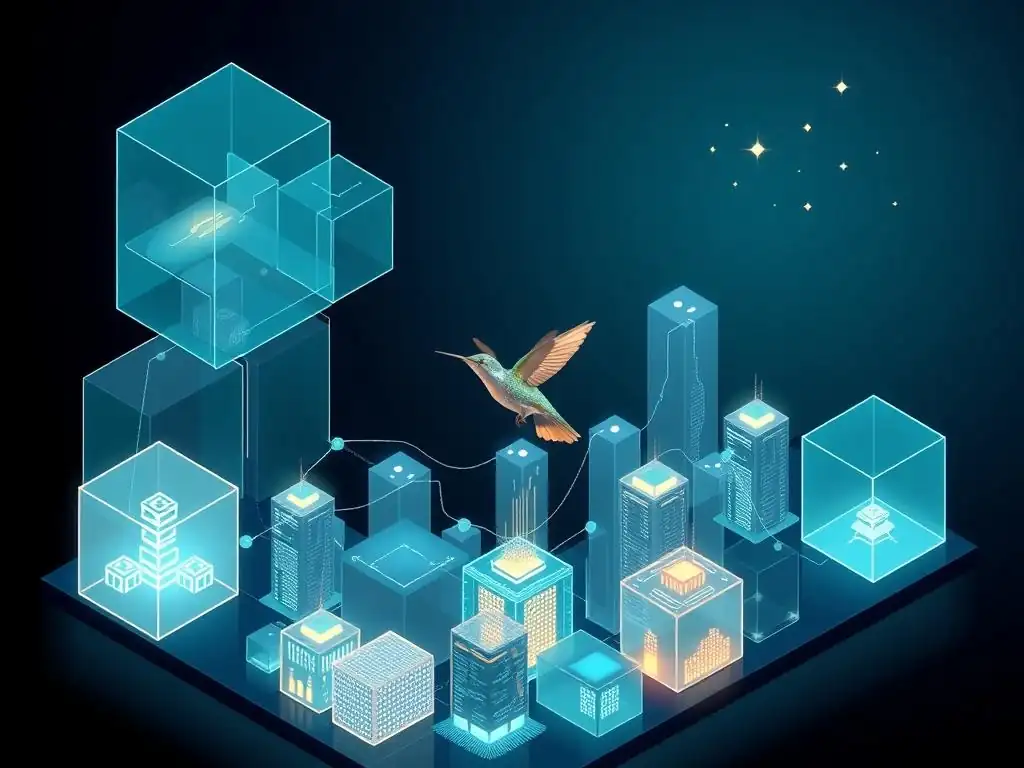
DeFi's Transformation: From Simple Lending to Complex Financial Instruments
Decentralized Finance has undergone a significant metamorphosis since its inception. What began with relatively simple lending protocols like MakerDAO and exchange mechanisms like Uniswap has evolved into a complex ecosystem supporting a wide array of financial instruments and strategies. The early focus on peer-to-peer borrowing and lending against crypto collateral, along with basic token swaps, laid the groundwork but represented only a fraction of potential financial activities that could be decentralized. As the technology matured and developer expertise grew, the community began building layers of abstraction and complexity atop these primitives.
This evolution has led to the creation of sophisticated products such as yield farming protocols offering complex strategies for maximizing returns, options and derivatives platforms enabling hedging and speculation on digital assets, and structured products that bundle various DeFi strategies. Furthermore, the development of flash loans, which are uncollateralized loans executed within a single transaction block, opened up new possibilities for arbitrage and liquidation strategies, albeit with associated risks.
This shift from simple lending and trading to intricate financial engineering demonstrates DeFi's ambition to not just mimic TradFi but to innovate and offer entirely new financial possibilities, pushing the boundaries of what DeFi applications beyond lending and trading can achieve.
The Rise of Novel DeFi Applications: Addressing Unmet Needs
The expansion into complex financial instruments is directly linked to the rise of novel DeFi applications beyond lending and trading that address previously unmet needs within the digital asset space and aim to bridge the gap with traditional finance. These applications are emerging to solve issues like managing risk exposure, providing insurance against smart contract failures, enabling participation in real-world asset markets, and facilitating decentralized governance. For instance, the volatility inherent in crypto assets created a clear demand for decentralized insurance solutions to protect users' funds locked in smart contracts or exposed to market downturns.
Similarly, the lack of exposure to stable, yield-generating real-world assets within the purely crypto-native DeFi space highlighted the opportunity for tokenization platforms. These platforms allow fractional ownership and trading of assets like real estate, art, or commodities on the blockchain. Another significant area of growth is decentralized identity (DID), which is becoming increasingly important for compliance and reputation building in a permissionless environment. These diverse and innovative applications signify a maturing ecosystem actively seeking to build a comprehensive, permissionless financial system that goes far beyond the initial DeFi primitives.
Frequently Asked Questions
What are some examples of DeFi applications beyond lending and trading?
DeFi is expanding. Examples include decentralized insurance platforms, prediction markets, and yield farming strategies utilizing a wider variety of assets.
How are these new DeFi applications different from traditional lending platforms?
These applications often offer unique risk-sharing mechanisms, novel asset types, and greater user control compared to traditional lending.
What regulatory challenges do these emerging DeFi applications face?
Regulations are still evolving. Key concerns include consumer protection, anti-money laundering (AML) compliance, and clarity around legal jurisdictions.
How secure are these newer DeFi applications compared to established lending protocols?
Security varies. New applications may have untested code and greater vulnerabilities. Thorough audits and due diligence are crucial.
What is the potential impact of these new DeFi applications on traditional finance?
They offer increased accessibility, greater efficiency, and potential for innovation, potentially disrupting existing financial systems in the long run.
Final Reflection: Embracing the Untapped Potential of DeFi
The exploration of DeFi applications beyond lending and trading reveals a landscape ripe with innovation, and its relevance today is undeniable. The true power of decentralized finance lies not just in replicating traditional financial instruments, but in forging entirely new pathways to financial empowerment and inclusion. This shift towards novel DeFi applications signifies a move away from centralized control and towards a more equitable and accessible financial future for all.
The ongoing evolution of DeFi is profoundly shaping the cultural and social landscape, fostering a sense of ownership and agency previously unavailable to many. Witnessing this transformation firsthand reinforces the belief that financial innovation should serve humanity, not the other way around. The future of finance is decentralized, and the future of decentralization is financial.
This quote encapsulates the potential for DeFi to democratize access to capital and create a more just and transparent financial system.
As we stand on the cusp of this new financial era, I invite you to reflect on the possibilities presented by these emerging DeFi applications. Consider how you can leverage these tools to build a more secure, equitable, and prosperous future for yourself and your community. Embrace the potential of DeFi to transcend traditional limitations and unlock a world of financial opportunities previously unimaginable.
Ignite Your DeFi Journey: Uncover Tomorrow's Financial Tools!
Thanks for exploring the exciting world of DeFi with us! We hope you've gained a fresh perspective on the innovative decentralized applications shaping the future of finance beyond traditional lending and trading. Now, it's time to put that knowledge into action!
Here are a few ways to deepen your understanding and contribute to the growing DeFi ecosystem:
- Dive deep: Research a niche within DeFi—such as fractionalized NFTs, decentralized insurance, or prediction markets—and identify a promising project in that space. Follow its progress over the next month. This is your primary step to explore.
- Share your insights: Spread the word! Share this article on your favorite social media platform and tag a friend who's curious about the next wave of DeFi innovation. Let's start a conversation!
- Join the conversation: Explore relevant DeFi communities on platforms like Discord or Telegram. Contribute your thoughts and learn from other enthusiasts. You might even discover a hidden gem or a groundbreaking idea.
What innovative DeFi application beyond lending and trading excites you the most, and why? Share your thoughts in the comments below!
Leave a Reply