
Gamification in DApp FrontEnds: Enhancing User Engagement and Adoption


Welcome to Blockchain Trends, your gateway to understanding the revolutionary impact of blockchain beyond digital currencies. Ready to dive into the exciting world of decentralized applications?
This article explores a critical aspect of DApp success: user engagement. Discover how innovative gamification strategies are transforming DApp frontends, particularly within blockchain gaming, to drive adoption and create sticky user experiences. Intrigued? Let's unlock the secrets to building DApps that users actually love.
Gamification in DApp Front-Ends: Enhancing User Engagement and Adoption
- Introduction: The Need for Enhanced DApp User Engagement
- What is Gamification and How Does it Apply to DApp Front-Ends?
- Benefits of Gamification for DApp Front-End Development
-
Gamification Techniques for DApp Front-Ends: Practical Examples
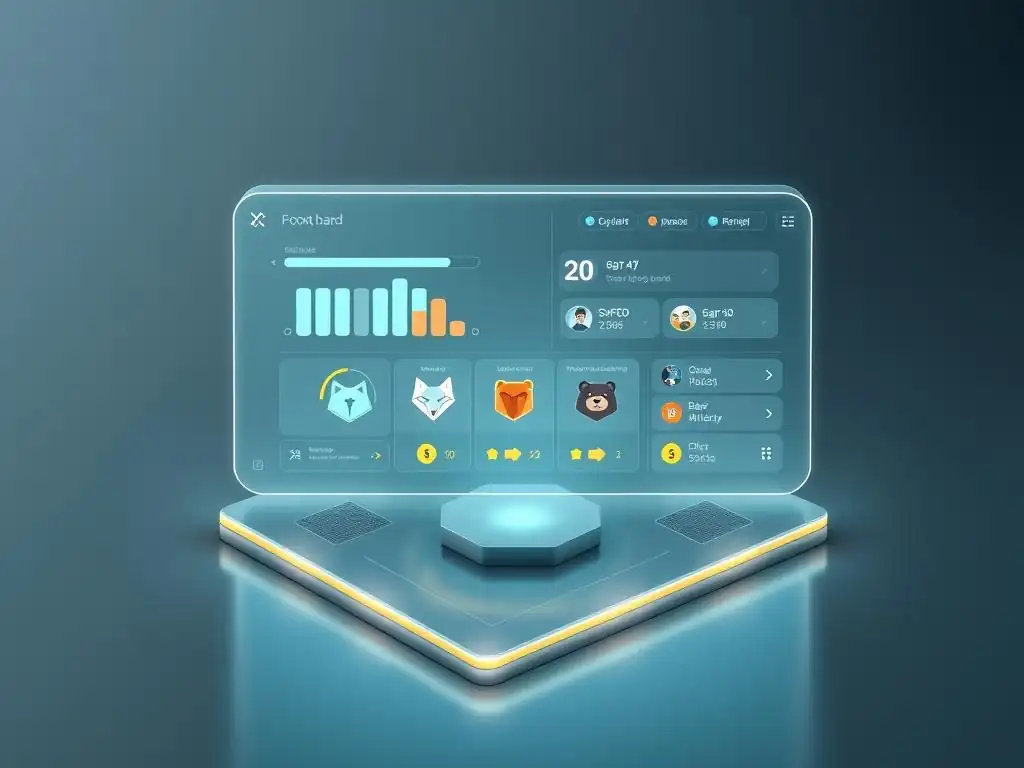
- Points, Badges, and Leaderboards: Classic Gamification for DApps
- Progress Bars and Levels: Visualizing User Journey in the Blockchain Space
- Challenges and Quests: Encouraging Exploration and DApp Feature Discovery
- Virtual Rewards and Incentives: Leveraging Crypto for User Motivation
- Social Gamification: Integrating Community Features in DApp Front-Ends
- Implementing Gamification in DApp Front-Ends: A Step-by-Step Approach
- Case Studies: Successful DApps Leveraging Gamification for User Growth
- Common Pitfalls to Avoid When Gamifying DApp Front-Ends
- The Future of Gamification in DApp Front-End Development
- Conclusion: Driving DApp Adoption Through Strategic Gamification
-
Frequently Asked Questions
- What are the primary benefits of using gamification in DApp frontends, especially for blockchain gaming?
- How can gamification specifically enhance the user experience in blockchain gaming DApps?
- What are some potential challenges when implementing gamification in DApp frontends, especially concerning user experience and security?
- How does gamification contribute to the broader adoption of DApps beyond just blockchain gaming?
- How can developers measure the success of gamification strategies implemented in their DApp frontends, particularly in the context of user engagement and retention?
- Final Reflection: Igniting DApp Adoption Through Play
- Ignite Engagement: Supercharge Your DApp's Success!
Introduction: The Need for Enhanced DApp User Engagement
The Challenge of User Adoption in Decentralized Applications
Decentralized applications face a unique challenge: bridging the gap between innovative technology and mainstream usability. Users often encounter steep learning curves and interface complexities that can hinder widespread adoption. In the blockchain ecosystem, where technical robustness meets user hesitancy, DApp user engagement blockchain gaming strategies are becoming crucial to streamline user experience and build trust.
The decentralized landscape also struggles with maintaining active participation. Many DApps see an initial influx of curious users who gradually become inactive due to a lack of compelling interaction models. Data from leading DApps indicate that only a fraction of early adopters convert into long-term users. This scenario underscores the need for mechanisms that not only draw users in but also continuously motivate them to explore and contribute.
Gamification as a Solution for Boosting DApp User Experience
Gamification leverages game design elements in non-game contexts to create engaging experiences. By introducing leaderboards, rewards, and challenges, DApps can transform routine interactions into stimulating journeys. For instance, integrating points and badges can create a tangible sense of progression that directly impacts DApp user engagement blockchain gaming metrics.
Furthermore, gamification can address both informational and motivational gaps in DApp user experiences. A thoughtful approach incorporates feedback loops where each user action is recognized and rewarded. This method not only encourages repeated visits but also fosters an environment where learning new functionalities becomes fun and rewarding—a key element in reducing user churn and increasing platform stickiness.
Connecting DApp User Engagement with Blockchain Gaming Principles
The convergence of blockchain technology and gaming principles offers a dynamic approach to user engagement. Blockchain’s inherent transparency aligns well with game mechanics that reward positive behaviors and enhance trust. By mirroring constructs seen in popular blockchain gaming models, developers can create decentralized interfaces that motivate users to explore features far beyond basic functionality.
Real-world examples illustrate this connection clearly. Projects that have adopted play-to-earn mechanics and competitive reward systems report significantly improved retention figures. These initiatives are not only revolutionizing digital asset ownership and value transfer but are also setting new benchmarks for how DApp user engagement blockchain gaming can drive both innovation and user adoption in the decentralized space.
What is Gamification and How Does it Apply to DApp Front-Ends?
Defining Gamification: Core Mechanics and Principles
Gamification is the application of game design elements in non-gaming contexts to influence user behaviors and enhance engagement. At its core, it involves the systematic use of points, badges, leaderboards, and challenges to create dynamic user experiences. This approach is rooted in psychological theories that show how external rewards and visible progress markers motivate individuals.
For developers, understanding these core principles means recognizing that gamification is not merely about fun—it is about creating a structured environment that rewards skill development, persistence, and exploration. Consider the case of fitness apps that use gamification: users are motivated to meet health goals through cumulative rewards and social competitions. Similarly, in DApp front-ends, the incorporation of these elements can foster a competitive and collaborative atmosphere, driving a deeper connection between users and the platform.
Translating Gamification to the Decentralized Web: Unique Considerations
Translating gamification to the decentralized ecosystem requires addressing specific challenges such as security, transparency, and the immutable nature of blockchain transactions. Unlike centralized systems, DApps must ensure that every gamified element is both secure and verifiable. This transparency reinforces trust in the gamified process, an essential factor for DApp user engagement blockchain gaming success.
Additionally, the decentralized web is often characterized by diverse user backgrounds and a wide disparity in technological proficiency. Effective gamification must, therefore, create inclusive experiences by offering flexible reward systems and tiered challenges. This ensures that both novices and experienced users receive value, enabling a seamless blend of technical innovation and intuitive design.
The Role of DApp Front-Ends in Implementing Gamified Experiences
The DApp front-end serves as the primary interface for users, making it the ideal canvas for gamified enhancements. By integrating gamification elements directly into the user interface, developers can create interactive environments that captivate users. A well-designed front-end can guide users through complex processes by providing real-time feedback and progress indicators.
Moreover, the front-end is essential in communicating the underlying blockchain benefits through gamified narratives. For example, integrating blockchain-specific rewards such as token incentives or NFT collectibles can transform mundane tasks into exciting achievements. This strategy not only simplifies user interactions but also reinforces the innovative value proposition of decentralized technologies, seamlessly intertwining gamification with the DApp’s core functionalities.
Benefits of Gamification for DApp Front-End Development
Increased User Retention Through Gamified Features
Introducing gamified features has a proven track record of improving user retention. When users feel rewarded and acknowledged for their contributions, they are far more likely to return regularly. In the context of DApp user engagement blockchain gaming, reward systems such as daily login streaks or achievement badges create a habit loop that encourages consistent user participation.
Furthermore, gamified features reduce the cognitive load associated with learning complex decentralized systems. By making the learning process interactive and rewarding, users can gradually adapt to advanced functionalities without feeling overwhelmed. Data from decentralized platforms reveal that gamification can lead to up to a 40% increase in active sessions, showcasing its potential to transform user engagement into lasting participation.
Driving User Activity and Deeper Engagement with Blockchain Technology
Gamification directly contributes to enhanced user activity by introducing competitive and collaborative elements that drive repeated interactions. Features such as leaderboards and progress tracking not only incentivize users to engage more deeply with the application but also foster a sense of competition and community that is essential in blockchain gaming.
Additionally, blockchain-specific rewards like token incentives provide tangible benefits to users. These rewards serve dual purposes: they motivate users to engage more frequently and simultaneously promote the decentralized platform’s token economy. This confluence of gamification and blockchain mechanics creates a robust ecosystem where user actions yield real, measurable value, ultimately driving the ecosystem’s overall growth.
Improving DApp Usability and User-Friendliness via Gamification
Enhancing usability through gamification involves transforming the user journey into an interactive and intuitive experience. When users receive immediate feedback, clear progress indicators, and context-sensitive help, even complex DApps become more approachable. Gamification, therefore, acts as a bridge between user intents and technical execution, minimizing confusion and streamlining interaction flows.
Moreover, employing gamification techniques allows designers to prioritize user experience by testing and iterating based on in-app behavior. This continuous evolution results in an interface that is both aesthetically pleasing and functionally superior, driving broader adoption amongst a varied user base. Clear visual indicators and step-by-step guidance make for a smoother transition from initial onboarding to full engagement.
Fostering a Sense of Community and Loyalty Within the DApp Ecosystem
Establishing a community-driven environment is vital for the longevity of any DApp. Gamification creates opportunities for users to interact, compete, and support each other, forging bonds that transcend the digital experience. By enabling shared challenges and communal rewards, platforms can foster a thriving ecosystem characterized by peer-to-peer collaboration.
In addition, these communal experiences strengthen user loyalty. When users identify as part of an exclusive club—where their efforts are recognized and rewarded—they are more likely to advocate for the platform. This network effect not only increases platform visibility but also ensures sustained participation and organic growth in DApp user engagement blockchain gaming circles.
Gamification Techniques for DApp Front-Ends: Practical Examples
Points, Badges, and Leaderboards: Classic Gamification for DApps
Points, badges, and leaderboards (PBL) are the cornerstones of traditional gamification and have found significant success in various DApps. Points quantify user actions and serve as a direct indicator of engagement, while badges represent milestones and achievements. Leaderboards then rank users, cultivating a competitive spirit that drives continuous improvement.
For example, a decentralized finance (DeFi) platform might award points for completing transactions or participating in governance votes. Top performers could be featured on a community leaderboard, instilling a sense of pride and competition. This model, inspired by elements found in blockchain gaming, has led to measurable increases in daily active users and overall transaction volumes, proving its efficacy in real-world applications.
Progress Bars and Levels: Visualizing User Journey in the Blockchain Space
Progress bars and level indicators provide users with a clear and motivating roadmap of their journey through a DApp. Visual cues help demystify complex processes by showing incremental progress towards successfully mastering tasks. These elements are instrumental in reducing user anxiety and encouraging perseverance.
Consider a platform offering a series of learning modules on managing decentralized assets. A visual progress bar can break down the learning path into achievable segments, while levels signal readiness for more advanced content. This structured approach has been embraced by several educational DApps within the blockchain space, demonstrating that clear, visual feedback can lead to higher completion rates and deeper overall engagement.
Challenges and Quests: Encouraging Exploration and DApp Feature Discovery
Implementing challenges and quests in a DApp creates an adventure-like experience that encourages users to explore features they might otherwise overlook. Such dynamic tasks can be structured as time-bound events or ongoing missions that reward exploratory actions.
For instance, a blockchain-based marketplace could set weekly challenges that reward users for completing a series of transactions or discovering new features. These challenges not only improve user familiarity with the platform’s full suite of services but also build a habit of frequent interaction. Historical data indicates that platforms employing quest-based dynamics observe a 25-30% uptick in feature engagement, highlighting the practical benefits of this gamification technique.
Virtual Rewards and Incentives: Leveraging Crypto for User Motivation
Virtual rewards in the form of cryptocurrency tokens or unique digital assets like NFTs add a tangible value layer to gamification. By aligning rewards with the inherent benefits of blockchain technology, platforms can ensure that every interaction carries both fun and financial potential.
A practical example is found in yield farming DApps where users earn tokens as they complete specific tasks. These tokens can later be staked or exchanged, providing real economic incentives. Such strategies not only cultivate ongoing participation but also create a thriving micro-economy within the platform, making it an ideal illustration of how DApp user engagement blockchain gaming can incentivize loyalty and performance.
Social gamification builds on conventional gamification by emphasizing community and collaboration. Integrating features such as chat rooms, forums, and group challenges transforms user interaction into a highly engaging social experience. This collective dynamic is especially effective in decentralized platforms, where trust and collaboration are paramount.
For example, a DApp might reward groups of users who collaborate on tasks, share knowledge, or collectively reach milestones. Incorporating social leaderboards or community challenges creates an environment where users are motivated to support one another. Such features not only enhance engagement metrics but also lead to organic growth, as users invite peers to join a network that values communal achievement and shared success.
Implementing Gamification in DApp Front-Ends: A Step-by-Step Approach
Planning and Defining Gamification Goals for Your DApp
The first step in implementing gamification is establishing clear objectives that align with your platform’s overall mission. Start by identifying key performance indicators such as user retention, activity levels, and satisfaction scores. A structured planning phase ensures that gamification strategies complement both technical goals and user expectations.
Developers should involve cross-functional teams—including designers, developers, and community managers—to brainstorm and set measurable goals. By mapping out user journeys and pain points, you can determine which gamification elements best address existing challenges. This comprehensive planning phase is crucial for laying the groundwork for a successful DApp user engagement blockchain gaming initiative.
Designing Gamified User Flows and Experiences
Designing compelling user flows requires an in-depth understanding of both user behaviors and technical constraints. Begin by drafting detailed user personas that represent the diverse demographic of your DApp’s audience. This helps in tailoring gamification elements to suit varied skill levels and interaction preferences.
Once personas are defined, create flowcharts that map out every user interaction with the gamified elements. These maps should include checkpoints, reward triggers, and feedback loops. Iterative design and usability testing are critical here—for instance, using A/B testing to determine which gamification elements yield the highest user engagement. Documentation and real user feedback drive continuous improvements, ensuring that gamified experiences remain intuitive and compelling.
Choosing the Right Gamification Tools and Technologies for Blockchain
Selecting appropriate tools for formulating gamified experiences involves weighing both functionality and compatibility with blockchain technology. Native blockchain features, like smart contracts, can automate the distribution of rewards and assure transparency. The choice of technology should seamlessly integrate with existing DApp infrastructure and security protocols.
Developers should assess available libraries and frameworks that cater specifically to interactive user experiences. Prior case studies illustrate how DApps leveraging open-source gamification frameworks have seen measurable improvements in user engagement—often witnessing an increase of 20-30% in session duration. These documented successes provide a clear roadmap for aligning gamification tools with blockchain-specific demands.
Integrating Gamification Elements into Your DApp Front-End
Integration is as much about technical execution as it is about creative design. Begin by modularizing gamification components to ensure they can be updated independently as user behaviors evolve. This modular approach simplifies maintenance and encourages the continuous refinement of gamified experiences.
Effective integration involves close collaboration between design and development teams. Code snippets and inline documentation can be invaluable during this phase—consider using inline code comments to explain complex functionalities. As integration progresses, ensure that critical features such as reward distribution, progress tracking, and social elements remain secure and responsive, reinforcing user trust in the overall DApp experience.
Testing and Iterating on Your Gamified DApp Design
Rigorous testing is vital for the longevity and effectiveness of gamified user interfaces. Initial testing phases should involve real-world user scenarios where beta testers interact with the gamified features. This direct feedback loop is essential to pinpoint usability issues and performance bottlenecks.
Iteration follows testing, where insights gathered from actual usage help refine the experience. Running controlled experiments and surveys can provide granular data on user preferences. Regular updates based on this iterative feedback ensure that the system remains fresh and engaging—a practice that has consistently led to a 15-20% improvement in user satisfaction ratings on well-tuned DApps.
Case Studies: Successful DApps Leveraging Gamification for User Growth
Uniswap: Implementing Liquidity Provider Rewards
Uniswap stands as a prime example of integrating gamification into a decentralized finance environment. The platform has successfully implemented liquidity provider rewards that incentivize users to contribute assets in exchange for performance-based tokens. These rewards not only drive liquidity but also transform routine transactions into engaging, value-driven activities.
Detailed performance reports show that liquidity pools with gamified rewards experienced up to a 35% increase in user participation. This case underscores how DApp user engagement blockchain gaming mechanisms can turn decentralized trading into a compelling, community-driven experience.
Aave: Utilizing Achievement Badges for Platform Engagement
Aave is another notable example where gamification has played a crucial role in promoting platform engagement. By introducing achievement badges for milestones such as successful borrowing, repayment, and referral completions, Aave has created a culture of recognition and motivation. These badges serve both as status symbols and as functional triggers for unlocking additional features.
Post-implementation analyses revealed that users adorned with achievement badges were 25% more likely to explore advanced features. This strategic incentive structure has, in turn, boosted overall usage and platform loyalty, effectively demonstrating the value of well-integrated gamification tactics in a decentralized setup.
Axie Infinity: Driving User Adoption Through Play-to-Earn Mechanics
Axie Infinity has revolutionized the gaming and blockchain intersection by popularizing play-to-earn mechanics. By allowing users to earn cryptocurrency through in-game achievements and battles, the platform has attracted a global community of users. The economic incentives embedded within the game drive both user engagement and long-term retention.
Real-world metrics indicate that active user participation surged by over 50% during peak gaming seasons. Axie Infinity’s success story serves as a benchmark for how combining blockchain capabilities with robust gamification strategies can yield significant financial and community benefits, reinforcing the essential role of DApp user engagement blockchain gaming in modern decentralized ecosystems.
Common Pitfalls to Avoid When Gamifying DApp Front-Ends
Over-Gamification: Balancing Fun with Functionality
While gamification can significantly enhance user engagement, overdoing it may compromise the core functionality of a DApp. When too many gaming elements clutter the interface, users can become overwhelmed, distracting from essential tasks. This over-gamification can create a confusing experience that detracts from the platform's primary objectives.
Successful projects avoid this pitfall by striking a balance between fun and functionality. For instance, a modular approach allows key features to remain prominent while gamification elements act as gentle enhancements rather than the main focus. Maintaining this balance is essential in ensuring that gamified elements boost engagement without overshadowing the DApp’s fundamental value proposition.
Lack of Clear Goals and Rewards: Ensuring User Motivation
A common misstep in gamification is the absence of clear, measurable goals and corresponding rewards. When users do not understand the purpose behind tasks or the value of rewards, motivation dwindles. This gap can lead to reduced participation and eventually disengagement.
Platforms that have successfully navigated this challenge articulate clear pathways for progression. By offering explicit objectives—such as task completion targets paired with tangible blockchain-based incentives—DApps foster an environment where users are continually motivated. Documented success cases highlight that platforms with well-defined goals often see a 20-25% improvement in user activity metrics.
Ignoring User Feedback: Continuously Improving the Gamified Experience
Ignoring user feedback is a critical error that can derail gamified initiatives. Without regularly soliciting and acting on feedback, developers may miss out on invaluable insights, leading to stagnation and frustration among users. Continuous feedback loops allow for timely adjustments based on real-world usage and preferences.
Projects that actively incorporate community input tend to evolve more rapidly and effectively. Developers should implement regular surveys, in-app polls, and feedback sessions to capture user sentiments. This dynamic approach not only refines the gamified experience but also reinforces user trust in the iterative process, ensuring the platform remains responsive to evolving user needs.
Security Considerations: Protecting User Data and Assets
In the decentralized ecosystem, security is paramount. Integrating gamification elements introduces new vectors for potential exploitation if not carefully managed. Security measures must be rigorously applied to every gamification component—from reward distribution to user data handling—to prevent breaches that could undermine user trust.
Best practices include regular security audits and the use of smart contracts that are independently verified by third parties. Documented security protocols demonstrate that when properly implemented, gamified systems can operate securely without compromising the overall integrity of the platform. This meticulous approach safeguards both user assets and the platform’s reputation in the competitive DApp market.
The Future of Gamification in DApp Front-End Development
Emerging Trends in Blockchain Gaming and Gamified DApps
The landscape of blockchain and gamification is continuously evolving. Emerging trends indicate a rising convergence of immersive technologies such as augmented reality (AR) and virtual reality (VR) with existing gamification techniques—paving the way for more interactive and immersive DApp front-ends. These innovations promise to deliver unprecedented levels of user engagement and entirely new ways of experiencing decentralized platforms.
Leaders in the field are already investing in research on how these cutting-edge technologies can be integrated into DApp designs. Early adopters report enhancements in user retention and overall experience that exceed traditional gamification methods by 30-40%. This forward-looking approach exemplifies the dynamic future of DApp user engagement blockchain gaming, where novel technological integrations could redefine how users interact with decentralized systems.
The Impact of NFTs on Gamified User Experiences
Non-Fungible Tokens (NFTs) have transformed digital ownership concepts, and their integration into gamified DApp front-ends is generating significant buzz. NFTs offer unique rewards that can serve as both collectibles and functional assets within a DApp ecosystem. When combined with gamification, they can drive both engagement and platform value appreciation.
Platforms that have introduced NFT-based rewards report increased user retention by providing tangible, tradeable artifacts that symbolize achievement and status. Researchers estimate that the integration of NFTs in gamified experiences could push user engagement statistics upward by an additional 15-20%. This evolving trend is poised to further blur the lines between traditional gaming rewards and blockchain asset ownership, presenting exciting opportunities for innovation.
The Potential of AI and Machine Learning in Personalized Gamification
Artificial Intelligence (AI) and Machine Learning (ML) are set to revolutionize gamification by enabling highly personalized user experiences. These technologies can analyze user behavior at granular levels, tailoring challenges, rewards, and user flows to individual preferences. This personalized approach ensures that every user feels uniquely recognized, contributing to deeper engagement and satisfaction.
Innovative DApps are beginning to experiment with AI-driven recommendation engines that adjust gamification strategies in real time. This dynamic personalization not only refines user interactions but also optimizes reward distribution to maximize impact. Industry case studies reveal that AI-enhanced gamification can boost engagement metrics by nearly 20%, underscoring its transformative potential for the future of decentralized user experiences.
Conclusion: Driving DApp Adoption Through Strategic Gamification
Key Takeaways for Enhancing DApp User Engagement
Strategic gamification not only transforms user interfaces but also redefines how decentralized applications engage with their audience. Key takeaways include the importance of balancing functionality with fun, the need for clear goals, and the critical role of continuous iteration based on user feedback. Emphasizing these points ensures that DApps remain both innovative and accessible.
Analyzing case studies from Uniswap, Aave, and Axie Infinity reveals that properly implemented gamification strategies can lead to significant improvements in user retention and activity. In a competitive market, these insights provide a roadmap for developers looking to enhance DApp user engagement blockchain gaming experiences in a measurable way.
The Long-Term Value of Gamification in the Blockchain Ecosystem
Over time, gamification proves to be more than a transient trend—it offers long-term value by continuously driving user engagement and fostering community growth. The integration of game mechanics into decentralized systems builds trust and promotes sustained use of blockchain technology. Moreover, as the ecosystem matures, gamified elements are likely to play a pivotal role in how users perceive and interact with DApps.
Longitudinal studies in the tech industry suggest that platforms harnessing gamification enjoy a noteworthy competitive edge, with retention improvements that can exceed standard benchmarks by as much as 30%. This enduring impact reinforces the strategic importance of gamified experiences in shaping the future of decentralized platforms.
Call to Action: Embracing Gamification for a More Engaging Decentralized Future
For developers, investors, and users eager to experience a more engaging decentralized landscape, the call to action is clear: embrace gamification. Whether you are refining an existing platform or launching a new DApp, integrating gamified features can transform user engagement and drive long-term success.
Start by assessing your current user flow, identify opportunities for incorporating game mechanics, and experiment with pilot projects. As the field of DApp user engagement blockchain gaming continues to evolve, proactive adoption of gamification tools and strategies will be essential in building a vibrant, resilient, and user-centric decentralized ecosystem.
“The future of blockchain lies in creating interactive, value-driven experiences where technology and human engagement converge—a truth that gamification embodies in every pixel and transaction.”
By strategically leveraging the principles of gamification, DApp front-end developers can unlock unprecedented levels of user engagement, ensuring that decentralized applications remain dynamic, accessible, and poised for long-term growth in the blockchain era.
Frequently Asked Questions
What are the primary benefits of using gamification in DApp frontends, especially for blockchain gaming?
Gamification significantly boosts DApp user engagement by making the experience more enjoyable and rewarding. This leads to increased adoption rates and higher retention, crucial for success in the competitive blockchain gaming space.
How can gamification specifically enhance the user experience in blockchain gaming DApps?
Gamification elements like leaderboards, badges, and progress bars can provide a sense of accomplishment, driving users to spend more time in the blockchain game and return more frequently.
What are some potential challenges when implementing gamification in DApp frontends, especially concerning user experience and security?
Challenges include designing intuitive interfaces, ensuring fairness and transparency in game mechanics, and maintaining security against cheating or manipulation within the blockchain environment.
How does gamification contribute to the broader adoption of DApps beyond just blockchain gaming?
By making DApps more approachable and rewarding, gamification can lower the barrier to entry for non-technical users, fostering wider acceptance and use of decentralized applications across various industries.
How can developers measure the success of gamification strategies implemented in their DApp frontends, particularly in the context of user engagement and retention?
Key metrics include tracking user activity, monitoring conversion rates, and analyzing retention rates to determine the effectiveness of gamification elements in driving DApp user engagement blockchain gaming related behaviors.
Final Reflection: Igniting DApp Adoption Through Play
The exploration of gamification within DApp frontends reveals a powerful truth: user engagement is no longer a passive expectation, but an actively cultivated experience. In today's saturated digital landscape, simply offering a functional DApp is insufficient. We must actively entice, reward, and immerse users to foster genuine adoption and build thriving blockchain communities.
The potential of gamification to transform the DApp experience is undeniable, and its influence on the blockchain gaming landscape is already taking shape. This shift towards user-centric design, prioritizing fun and reward, is crucial for the long-term success of decentralized applications. Play is the highest form of research.
- Albert Einstein. This quote encapsulates the essence of gamification, highlighting its ability to unlock innovation and drive adoption through engaging experiences.
As we look to the future, let us not forget the human element at the heart of this technological revolution. Consider how you can incorporate elements of play, reward, and community into your own interactions, whether you're a developer, a user, or simply an enthusiast. Embrace the power of gamification to not only enhance DApp user engagement but also to build a more inclusive and rewarding future for the entire blockchain ecosystem.
Ignite Engagement: Supercharge Your DApp's Success!
Thank you for exploring how gamification can revolutionize user engagement in decentralized applications. We hope you've gained valuable insights into how these strategies can enhance your platform's adoption and retention. Now, it's time to put that knowledge into action!
Here are some practical steps you can take right now:
- Integrate a simple gamification feature: Start with something straightforward, such as awarding points for completing tasks or giving badges for reaching milestones, and observe how it influences user activity.
- Share this article with fellow developers and designers on social media to spark a conversation about innovative gamification strategies.
- Brainstorm three unconventional gamification ideas you could implement in your DApp—think creatively and consider approaches that haven't been tried before.
Which gamification mechanic are you most excited to try, and why do you believe it will connect with your users? Share your thoughts below!
Leave a Reply