
NFT Smart Contracts: Powering the Next Generation of Digital Collectibles


Welcome to Blockchain Trends, your guide to navigating the ever-evolving world of blockchain technology. Beyond the hype of cryptocurrencies lies a revolution in decentralized systems, from innovative DeFi solutions to transformative enterprise applications. Curious about how to create your own piece of this future? Dive in as we unpack everything you need to know in our comprehensive NFT smart contract development tutorial – a deep dive that will empower you to build the next generation of digital collectibles.
NFT Smart Contracts: Powering Digital Collectibles
- Introduction to NFT Smart Contracts
- NFT Smart Contract Development Tutorial
- Advanced NFT Smart Contract Features
- Best Practices for Security and Optimization
- The Future of NFT Smart Contracts
- Conclusion
-
Frequently Asked Questions
- What is the role of a smart contract in NFT creation and management?
- Why is NFT smart contract development important beyond just creating digital art?
- What are the key programming languages used in NFT smart contract development?
- What are some common security considerations when building NFT smart contracts?
- Where can I find an NFT smart contract development tutorial for beginners?
- Final Reflection: Embracing the Decentralized Future
- Unlock Your NFT Potential Now!
Introduction to NFT Smart Contracts
Understanding NFTs
Non-Fungible Tokens (NFTs) represent unique digital assets that cannot be exchanged on a one-to-one basis. Unlike cryptocurrencies like Bitcoin or Ether, where each unit is identical and interchangeable, each NFT possesses distinct properties and metadata, making it unique. This uniqueness is what allows NFTs to represent ownership of digital items such as art, music, videos, in-game assets, and even real-world assets tokenized on the blockchain. The concept gained significant traction in 2021, with the NFT market reaching a trading volume of over $25 billion, demonstrating a massive appetite for digital ownership and collectibles.
The core technology enabling NFTs is the blockchain, typically Ethereum, though other chains like Polygon, Flow, and Solana have also become popular platforms. By leveraging blockchain technology, NFTs provide verifiable proof of ownership, scarcity, and authenticity for digital items. This contrasts sharply with traditional digital files, which can be easily copied and disseminated without tracking original ownership. The permanent, transparent record on the blockchain ensures that the history and provenance of an NFT can be publicly verified, adding significant value to digital collectibles.
Smart Contracts and NFT Functionality
Smart contracts are self-executing contracts with the terms of the agreement directly written into code. They run on a blockchain network, automatically executing predefined actions when specific conditions are met. In the context of NFTs, smart contracts are the fundamental building blocks. They define the rules for creating, managing, and transferring non-fungible tokens. The most common standard for NFTs on Ethereum is ERC-721, which provides a basic interface for unique tokens. Another important standard is ERC-1155, which allows for both fungible and non-fungible tokens within a single contract, offering efficiency for applications like games with many different items.
These smart contracts handle critical functions such as minting (creating a new NFT), transferring ownership from one wallet to another, and verifying who the current owner of a specific token ID is. Without a robust NFT smart contract development tutorial, developers would struggle to implement these core functionalities securely and efficiently. The code within the smart contract dictates the total supply of a collection, whether new tokens can be minted after deployment, and how metadata (like the image and description of the digital collectible) is associated with each unique token ID.
Importance of Smart Contracts for Digital Collectibles
Smart contracts are absolutely crucial for the existence and operation of digital collectibles in the form of NFTs. They automate the processes of issuance, ownership transfer, and verification, removing the need for intermediaries. This decentralization is a key benefit, ensuring that the rules governing the NFT collection are transparent and immutable once the contract is deployed to the blockchain. For creators, this means they can define royalties that are automatically paid out on secondary sales, a feature often written directly into the smart contract code, providing a persistent revenue stream.
Furthermore, smart contracts enforce scarcity and authenticity. By defining a maximum supply (e.g., 10,000 unique tokens in a collection), the smart contract guarantees that no more tokens than intended can ever be created. The link between a specific token ID and its metadata (often stored off-chain via IPFS) is also managed by the contract, ensuring that the digital asset represented by the NFT is correctly associated. Mastering NFT smart contract development tutorial principles is therefore essential for anyone looking to launch a successful and trustworthy digital collectible project.
NFT Smart Contract Development Tutorial
Setting Up the Development Environment
Installing Tools: Node.js, Hardhat, Alchemy
To begin an NFT smart contract development tutorial, the first step is setting up a robust development environment. This typically involves installing several key tools. Node.js is essential as it provides the JavaScript runtime needed to run development frameworks and scripts. You'll need a recent version, generally 14 or higher. Hardhat is a popular Ethereum development environment that provides tools to compile, deploy, test, and debug your smart contracts. It's highly flexible and comes with built-in support for common tasks.
You'll also need access to an Ethereum node. While you could run your own node, cloud-based node providers like Alchemy or Infura are much easier for development purposes. They offer reliable access to various blockchain networks (Mainnet, testnets) via APIs. For instance, Alchemy provides a free tier suitable for development and testing, offering access to network data and allowing you to send transactions without managing complex infrastructure. Setting up an account with a provider like Alchemy and obtaining an API key is a standard step in any NFT smart contract development tutorial.
Configuring the Environment: MetaMask Integration
Configuring your development environment involves connecting your tools to the blockchain and setting up a wallet for managing accounts and signing transactions. MetaMask is the most widely used browser extension wallet for interacting with Ethereum and other compatible blockchains. You'll need MetaMask to create accounts (public/private key pairs) that will own NFTs, deploy contracts, and interact with them. It's crucial to switch MetaMask to the correct network you intend to use for development, such as a testnet like Sepolia.
Your Hardhat configuration file ( hardhat.config.js) will need to be updated to connect to the chosen network using the API key from your node provider (like Alchemy) and the private key from a MetaMask account (or a dedicated development account). This setup allows Hardhat scripts to deploy your smart contract from your development machine to the testnet or mainnet, signed by your designated account. This integration is a fundamental part of any practical NFT smart contract development tutorial, enabling seamless deployment and interaction.
Designing the Smart Contract: ERC-721
Implementing ERC-721 for NFT Creation
The ERC-721 standard is the cornerstone for creating unique digital collectibles on Ethereum. Implementing a smart contract based on ERC-721 involves writing Solidity code that adheres to the standard's interface. This interface defines functions like ownerOf(uint256 tokenId) to get the owner of a specific token, balanceOf(address owner) to get the number of tokens owned by an address, and transferFrom(address from, address to, uint256 tokenId) to transfer ownership. OpenZeppelin provides widely used, audited implementations of ERC-721 contracts, which are highly recommended for their security and adherence to the standard.
A basic ERC-721 contract for NFTs will typically import the OpenZeppelin ERC721 base contract and add functionality specific to the collection, such as a mint function. This mint function is responsible for creating new tokens, assigning them a unique tokenId, and associating them with an owner's address. For example, a contract might have a mint(address recipient, uint256 tokenId) function that calls the internal _safeMint function inherited from OpenZeppelin's ERC721 contract. This step is central to any NFT smart contract development tutorial focused on creating unique tokens.
Advanced NFT Standards: ERC-1155
While ERC-721 is excellent for strictly unique items (like a single piece of digital art), the ERC-1155 standard, known as the Multi-Token Standard, offers more flexibility. ERC-1155 allows a single contract to manage both fungible and non-fungible tokens. This is particularly useful for applications like video games, where you might have unique items (e.g., a legendary sword, ERC-721 like) and also stacks of identical items (e.g., 100 potions, ERC-20 like, but managed within the same contract). An ERC-1155 token ID represents a class of assets, and each token ID can have a supply greater than one.
Implementing ERC-1155 involves adhering to its specific interface, which includes functions like balanceOfBatch(address[] accounts, uint256[] ids) to check balances of multiple token types for multiple accounts efficiently, and safeBatchTransferFrom(...) for transferring multiple types of tokens in a single transaction. Using ERC-1155 can significantly reduce gas costs compared to deploying separate ERC-20 and ERC-721 contracts for different asset types within the same application. Exploring ERC-1155 is often covered in more advanced sections of an NFT smart contract development tutorial.
Defining NFT Metadata: Name, Description, Image URI
Metadata is the information that gives an NFT its identity and value beyond its technical token ID. This includes the NFT's name, a description, and crucially, a URI pointing to the digital asset's file (like an image, video, or audio file) and potentially other attributes (like rarity traits for collectibles). The ERC-721 standard includes a function tokenURI(uint256 tokenId) which is expected to return a URL pointing to a JSON file containing this metadata. This JSON file typically follows a specific schema, including fields for name, description, and image (the URI of the asset itself).
Because storing large files directly on the blockchain is prohibitively expensive due to gas costs, the asset files and the metadata JSON files are typically stored off-chain. Decentralized storage solutions like IPFS (InterPlanetary File System) are commonly used for this purpose, providing persistence and immutability guarantees that are superior to traditional centralized servers. The tokenURI returned by the smart contract will then be an IPFS gateway URL or a similar decentralized storage link. A comprehensive NFT smart contract development tutorial will explain how to structure this metadata and integrate it with the smart contract.
Writing and Deploying the Smart Contract
Coding Core Functionality: Minting, Transferring, Ownership
Writing the core functionality of an NFT smart contract involves implementing the logic for creating new tokens, allowing owners to transfer them, and enabling anyone to query ownership. Using OpenZeppelin's ERC721 contract as a base significantly simplifies this. You'll inherit from ERC721Enumerable (if you need to list all tokens owned by an address or all tokens in the contract) and potentially Ownable (to restrict minting or other sensitive functions to the contract deployer). A typical mint function might look like function mint(address recipient, uint256 tokenId, string memory tokenURI) public onlyOwner { _safeMint(recipient, tokenId); _setTokenURI(tokenId, tokenURI); }.
Transfer functionality is usually inherited directly from the ERC721 standard, providing methods like safeTransferFrom(address from, address to, uint256 tokenId). These methods include checks to ensure the recipient can receive NFTs. Ownership querying is also standard via ownerOf(uint256 tokenId). Implementing these functions correctly, often relying on audited libraries, is a core part of any NFT smart contract development tutorial.
Adding Royalty Mechanisms
Implementing royalty mechanisms is a popular feature in NFT smart contracts, allowing creators to earn a percentage of the price every time their NFT is sold on a secondary market. While the ERC-721 standard itself doesn't enforce royalties at the blockchain level, the ERC-2981 standard provides a standardized way for contracts to signal royalty information to marketplaces. Marketplaces can then choose to respect this standard and automatically distribute a percentage of the sale price to the specified royalty receiver address.
Integrating ERC-2981 involves implementing the royaltyInfo(uint256 _tokenId, uint256 _salePrice) function, which returns the recipient address and the royalty amount for a given token and sale price. For example, if you set a 10% royalty, this function would return the creator's address and 10% of the _salePrice. While marketplaces need to integrate with this standard, it provides a robust on-chain signal for royalty expectations. Including this in an NFT smart contract development tutorial is crucial for creators aiming for ongoing revenue from their work.
Security Best Practices
Security is paramount when writing smart contracts, as vulnerabilities can lead to significant financial losses. Common attack vectors include reentrancy (where an external contract call can repeatedly call back into the original contract before its state is updated, as seen in the infamous DAO hack), integer overflows/underflows, and access control issues. Best practices include using audited libraries (like OpenZeppelin), keeping contracts simple, minimizing external calls, and using Solidity's require, assert, and revert statements effectively for input validation and state checks.
Furthermore, thorough testing is indispensable. Writing unit tests and integration tests using frameworks like Hardhat or Truffle helps identify potential bugs before deployment. Professional smart contract audits by reputable firms are also highly recommended for any contract managing significant value. A good NFT smart contract development tutorial will dedicate significant attention to security considerations and testing methodologies.
Deploying to a Blockchain Network
Deploying to a Testnet: Sepolia
Before deploying your NFT smart contract to the Ethereum Mainnet, it is crucial to first deploy and test it on a testnet. Testnets are public blockchains that mimic the functionality of the Mainnet but use "test ether" (which has no real-world value) instead of real Ether. Sepolia is currently the recommended Ethereum testnet, replacing older ones like Ropsten, Rinkeby, and Kovan. Deploying to Sepolia allows you to test the contract's deployment process, gas costs, and interactions in a realistic environment without spending real money.
Using Hardhat, deployment involves writing a simple script that uses an ethers.js or web3.js signer (connected to your wallet's private key and the testnet via your node provider) to send the contract creation transaction. You'll need to obtain Sepolia ETH from a faucet (websites that give away testnet tokens) to pay for the deployment gas fees. This step is a mandatory part of any practical NFT smart contract development tutorial, ensuring your contract behaves as expected before the high stakes of Mainnet deployment.
Deploying to Mainnet: Considerations
Deploying to the Ethereum Mainnet is the final step to making your NFT collection live and accessible to the public. This process is similar to deploying to a testnet using Hardhat, but it requires real Ether in the deployer account to cover the significant gas costs associated with contract deployment. Mainnet gas prices fluctuate based on network congestion, so monitoring gas prices using tools like Etherscan's Gas Tracker is advisable to choose an opportune time for deployment to minimize costs.
Before deploying to Mainnet, ensure your contract has been thoroughly tested on a testnet and ideally audited. Double-check deployment parameters, including constructor arguments if your contract requires them (e.g., collection name, symbol). Once deployed, the contract address is permanent and immutable on the blockchain. Any bugs or vulnerabilities found after deployment cannot be fixed, only potentially mitigated by interacting with the contract (if such functionality was built in) or by advising users to migrate to a new, corrected contract. A responsible NFT smart contract development tutorial will emphasize the permanence and risks of Mainnet deployment.
Advanced NFT Smart Contract Features
Implementing Dynamic NFTs: Changing Metadata
Dynamic NFTs are tokens whose metadata can change over time based on certain conditions or external factors. This contrasts with static NFTs, where the metadata is fixed upon minting. Implementing dynamic NFTs requires the smart contract to have a function that allows authorized parties (e.g., the token owner, the contract deployer, or based on specific logic) to update the tokenURI or attributes within the metadata structure itself (if the metadata is stored on-chain, though this is rare). More commonly, the tokenURI function might return different URLs or different data structures based on the state of the token or external inputs.
For example, an NFT representing a character in a game might have metadata that changes as the character gains experience points or acquires new items. The smart contract logic could update a state variable associated with the tokenId, and the tokenURI function would then retrieve a JSON file reflecting the character's current state. This adds significant utility and interaction possibilities beyond simple ownership of a static image. Advanced NFT smart contract development tutorial content often explores how to build this dynamic behavior.
Integrating Oracles for Data Input
To enable dynamic NFTs that react to real-world events or data not available directly on the blockchain, smart contracts need to utilize oracles. Oracles are third-party services that provide external data to smart contracts. For instance, an NFT tied to the price of gold might need an oracle to feed the current gold price to the smart contract, which then updates the NFT's visual representation or attributes based on that price. Chainlink is a leading decentralized oracle network that provides reliable data feeds for smart contracts.
Integrating an oracle involves the smart contract making a request to the oracle contract, which then fetches the off-chain data and delivers it back to the smart contract via a callback function. This process adds complexity but unlocks powerful use cases for dynamic NFTs. A comprehensive NFT smart contract development tutorial covering dynamic NFTs will explain how to safely and reliably integrate with oracle services to bring external data into the on-chain logic.
Utilizing Layer-2 Scaling Solutions
The high gas costs and transaction speeds on the Ethereum Mainnet can be a barrier for widespread NFT adoption, especially for applications requiring frequent interactions (like games). Layer-2 scaling solutions aim to address these limitations by processing transactions off-chain in batches and submitting a summary or proof to the Mainnet. This drastically reduces gas costs and increases transaction throughput. Popular Layer-2 solutions include rollups (Optimistic Rollups like Optimism and Arbitrum, and Zk-Rollups like zkSync and StarkNet) and sidechains like Polygon.
Deploying NFT smart contracts on Layer-2 networks is becoming increasingly common. The development process is often similar to Ethereum Mainnet development, as many Layer-2s are EVM-compatible (Ethereum Virtual Machine compatible), meaning Solidity contracts can be deployed with minimal changes. However, users interacting with Layer-2 NFTs need to bridge their assets and Ether to the Layer-2 network. An NFT smart contract development tutorial might include sections on deploying and interacting with contracts on specific Layer-2s.
Exploring Polygon Integration
Polygon (formerly Matic Network) is a popular platform for NFTs, often described as a Layer-2 scaling solution or a sidechain. It offers significantly lower transaction fees and faster confirmation times compared to Ethereum Mainnet, making it attractive for projects with high transaction volume. Polygon is EVM-compatible, allowing developers to deploy their existing Solidity smart contracts with relatively few modifications. Many major NFT projects and marketplaces, like OpenSea, have integrated Polygon.
Deploying an NFT contract to Polygon involves configuring your development environment (e.g., Hardhat) to connect to the Polygon network (Matic Mainnet) using a Polygon-compatible RPC endpoint and funding your deployer address with MATIC tokens for gas. The process of writing the ERC-721 or ERC-1155 contract remains largely the same. An NFT smart contract development tutorial focused on multi-chain deployment would certainly cover the specifics of deploying to and interacting with the Polygon network.
Fractionalized NFTs break down a single, high-value NFT into multiple fungible tokens (often ERC-20 tokens), allowing multiple people to own a piece of the original NFT. This makes expensive digital assets more accessible and enables new investment strategies. For example, a rare CryptoPunk NFT valued at $1 million could be fractionalized into 1 million ERC-20 tokens, each representing 1/1,000,000th ownership. These fungible tokens can then be traded on decentralized exchanges.
Implementing NFT fractionalization involves creating a new smart contract that holds custody of the original NFT. This contract then issues a predefined number of new fungible tokens (e.g., ERC-20 tokens) representing ownership shares of the locked NFT. The fractionalization contract typically includes logic for potentially "redeeming" the original NFT if a sufficient number of fractional tokens are collected, though this can be complex. This feature adds a layer of financial engineering to NFTs and is an advanced topic in NFT smart contract development tutorial guides.
Implementing NFT Fractionalization Contracts
Implementing a fractionalization contract requires careful design to ensure security and proper handling of the underlying NFT. The contract must first receive and lock the original NFT, verifying it is a valid token.
Then, it mints the specified number of ERC-20 tokens and distributes them according to the project's rules (e.g., sending them to a vault or initial token holders). The contract needs functions to allow users to withdraw their share of the underlying asset if the fractional tokens are redeemed (e.g., through an auction or buy-out mechanism), or to manage governance if fractional token holders have voting rights over the underlying asset.
Popular platforms like Fractional (now Tessera) provide protocols and smart contracts for fractionalizing NFTs, which developers can potentially integrate with or learn from. Building such a system from scratch is complex and requires deep knowledge of both ERC-721/ERC-1155 and ERC-20 standards, as well as auction or redemption mechanisms. A detailed NFT smart contract development tutorial on this topic would cover the interaction between the NFT contract and the new fractional token contract.
Integrating with Decentralized Marketplaces
For NFTs to be bought, sold, and traded, they need to be listed on marketplaces. Decentralized NFT marketplaces like OpenSea, LooksRare, and X2Y2 interact with NFT smart contracts to facilitate these transactions. When a user lists an NFT for sale on a decentralized marketplace, they typically authorize the marketplace's smart contract to transfer the specific token ID from their wallet to the buyer's wallet upon sale. This is usually done via the approve function (for individual tokens in ERC-721) or setApprovalForAll (to approve the marketplace to manage all tokens from that collection).
Integrating with marketplaces from the smart contract development perspective means ensuring your contract correctly implements the standard ERC-721 or ERC-1155 functions that marketplaces rely on, such as ownerOf, transferFrom, safeTransferFrom, approve, getApproved, and isApprovedForAll. Marketplaces use these functions to verify ownership and execute transfers on behalf of users who have granted permission. While you don't necessarily write code for the marketplace, understanding how they interact with your contract is vital for a successful NFT launch. Any good NFT smart contract development tutorial will explain these approval mechanisms.
Listing and Trading on Platforms
From a user's perspective, listing an NFT on a decentralized marketplace involves connecting their wallet, selecting the NFT they wish to sell, setting a price, and signing a transaction that grants the marketplace contract permission to transfer the NFT if a buyer is found. When a buyer purchases the NFT, the marketplace contract executes the transfer using the pre-approved permission and handles the payment (usually in Ether or another cryptocurrency).
Trading fractionalized NFTs typically happens on decentralized exchanges (DEXs) like Uniswap or SushiSwap, as the fractional tokens are standard ERC-20 tokens. Users can buy and sell these tokens based on liquidity pools. Understanding these interaction flows, both for standard NFTs on marketplaces and fractional tokens on DEXs, is important context provided in a comprehensive NFT smart contract development tutorial that covers the full lifecycle of digital collectibles.
Best Practices for Security and Optimization
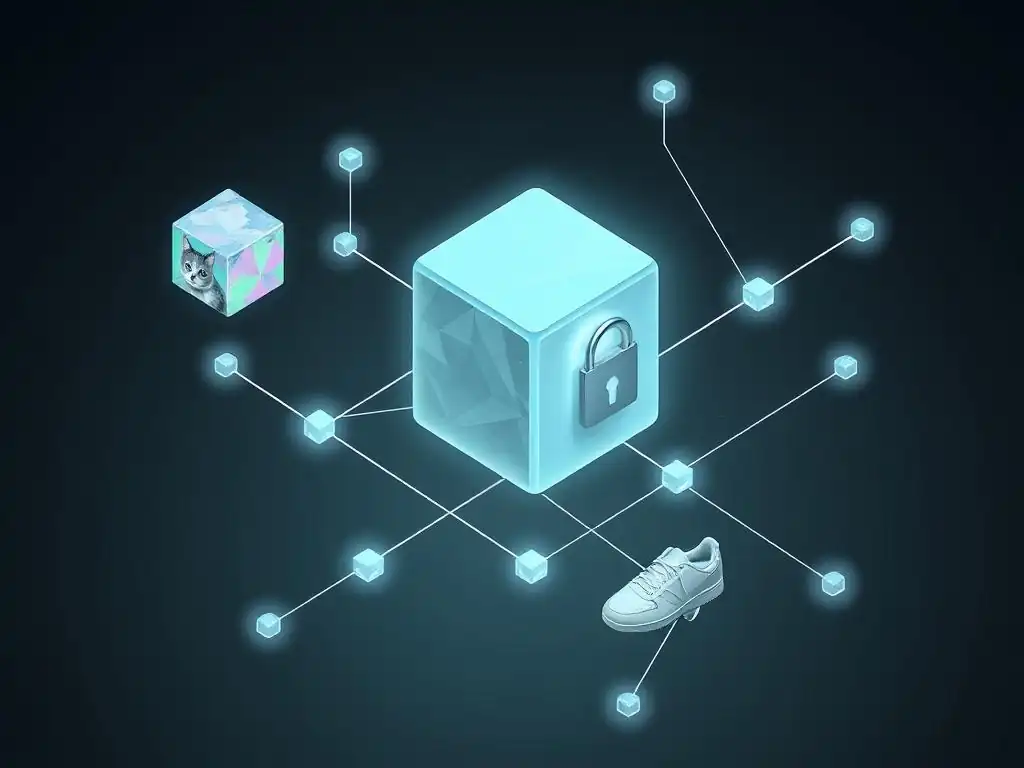
Auditing for Vulnerabilities
Smart contract security audits are critical, especially for contracts managing valuable assets like NFTs. An audit involves a thorough review of the smart contract code by security experts to identify potential vulnerabilities, logical errors, and deviations from best practices. Audit firms use a combination of manual code review, automated analysis tools, and formal verification methods. Findings are typically reported with severity levels (critical, high, medium, low) and recommendations for remediation.
While audits can be expensive, they are a necessary investment for any serious NFT project, particularly before deploying to Mainnet. Many well-known NFT projects have undergone audits to build trust within the community. Relying solely on self-auditing or automated tools is risky. A professional NFT smart contract development tutorial would strongly recommend getting your contract audited by a reputable third party before launch.
Common Security Risks: Reentrancy Attacks
One of the most notorious smart contract vulnerabilities is the reentrancy attack. This occurs when a contract makes an external call to another contract before updating its own state variables. The malicious external contract can then call back into the original contract repeatedly, potentially draining funds or manipulating state before the first call is finished. The DAO hack in 2016, which resulted in the loss of millions of Ether, was a famous example of a reentrancy attack.
While less common in standard ERC-721 transfers due to patterns like "Checks-Effects-Interactions" (where state changes happen before external calls), reentrancy can still be a risk in more complex NFT contracts, especially those involving interactions with multiple external contracts or handling payments. Using Solidity's transfer or send methods (which limit the gas forwarded to the external call, preventing reentrancy in most cases, though call.value(...) with a gas limit is more flexible and safer than unrestricted call) and the nonReentrant guard from OpenZeppelin's ReentrancyGuard library are standard mitigations. A good NFT smart contract development tutorial will highlight this risk and explain defensive coding techniques.
Optimizing Gas Costs
Gas costs are a significant factor on the Ethereum network. Deploying smart contracts and executing transactions (like minting or transferring NFTs) consume gas, paid in Ether. High gas costs can make interacting with NFTs expensive for users and impact the viability of a project. Optimizing gas usage in your smart contract code is therefore essential. This involves writing efficient Solidity code that minimizes the amount of computation and storage operations performed on the blockchain.
Techniques for gas optimization include packing data into storage variables efficiently, avoiding unnecessary storage writes, using calldata instead of memory for external function arguments when possible, optimizing loops, and choosing appropriate data types (e.g., using smaller integer types if the range of values allows). While minor optimizations might seem trivial, they can add up, especially for functions called frequently, like minting or transferring. An effective NFT smart contract development tutorial will incorporate gas-conscious coding practices throughout.
Efficient Coding Techniques
Beyond general optimization principles, specific coding techniques can reduce gas costs in NFT contracts. For instance, when dealing with lists of token IDs or addresses, using more gas-efficient data structures or external libraries might be beneficial, although simplicity often trumps marginal gas savings if complexity increases risk. Minimizing the number of state variables that are read from or written to storage is a major factor, as storage operations are among the most expensive.
Batch operations, like minting multiple tokens in a single transaction if the design allows, can also save gas compared to individual transactions, although this requires careful contract design. For example, a batch mint function could iterate through a list of recipients and token URIs, performing the minting logic for each within one transaction. An advanced NFT smart contract development tutorial might delve into specific patterns for gas-efficient batching and data handling.
Understanding and Mitigating Risks
Beyond technical vulnerabilities, smart contract development involves understanding and mitigating various risks. These include economic risks (e.g., oracle manipulation, front-running), governance risks (if the contract has upgradeability or administrative functions), and dependency risks (relying on external contracts or libraries). It's crucial to consider who has control over sensitive functions (like pausing transfers or updating metadata) and under what conditions these functions can be called.
Mitigation strategies include implementing robust access control (e.g., using OpenZeppelin's Ownable or AccessControl contracts), building in circuit breakers or pause mechanisms (used cautiously, as they centralize control), and ensuring transparency in the contract's capabilities. For upgradeable contracts (using patterns like proxies), the upgrade process itself must be secure and transparent. A responsible NFT smart contract development tutorial will educate developers not just on coding but also on the broader security and risk landscape of deploying smart contracts.
The Future of NFT Smart Contracts
Emerging Trends
The field of NFT smart contracts is constantly evolving, with several emerging trends pushing the boundaries of digital collectibles. One significant trend is the move towards more interactive and dynamic NFTs, integrating with external data sources, real-world events, or user interactions to change their appearance or properties. Another is the increasing focus on utility – NFTs that grant access to exclusive content, events, communities, or provide benefits within decentralized applications (DApps) or the metaverse, moving beyond static art.
Furthermore, cross-chain compatibility is becoming more important, with projects exploring ways to allow NFTs to be transferred or utilized across different blockchain networks. This requires complex bridging solutions and potentially new contract standards. The rise of Layer-2 solutions and alternative L1 chains also means future NFT smart contract development tutorial content will increasingly cover deployment and optimization specific to these platforms.
Exploring Use Cases: Gaming, Metaverse
Gaming is a massive growth area for NFTs, where smart contracts are used to represent in-game assets like characters, items, and virtual land. NFTs enable true ownership of these assets, allowing players to buy, sell, and trade them outside the game environment and potentially across different games (interoperability). Smart contracts handle the minting of these assets, track ownership, and can enforce game-specific logic tied to the NFTs.
The metaverse, a persistent, interconnected set of virtual worlds, also heavily relies on NFTs and smart contracts. Virtual land, avatars, wearables, and digital experiences within the metaverse are increasingly represented as NFTs. Smart contracts define the rules for ownership, interaction, and monetization within these virtual environments. Building for these complex, interactive environments represents a significant part of the future landscape for NFT smart contract development tutorial resources.
Impact on the Creator Economy
NFTs powered by smart contracts have had a profound impact on the creator economy, empowering artists, musicians, writers, and other creators to monetize their digital work in unprecedented ways. Creators can sell their work directly to a global audience without intermediaries like galleries, record labels, or publishers, capturing a larger share of the revenue. The ability to embed automatic royalty payments in the smart contract ensures creators can earn passive income from secondary sales long after the initial sale.
This direct connection and persistent revenue stream fundamentally shifts the power balance towards creators. Platforms and tools built around NFT smart contracts provide creators with control over their distribution and pricing. This transformation is a key aspect discussed in the broader context of an NFT smart contract development tutorial, highlighting the real-world application and impact of the technology.
Overcoming Challenges
Despite the rapid growth, the NFT space faces several challenges. Scalability remains a major hurdle, particularly on the Ethereum Mainnet, leading to high transaction costs and slow confirmation times during peak demand. Environmental concerns related to the energy consumption of proof-of-work blockchains (like Ethereum before the Merge, and still relevant for some chains) have also been a point of criticism, although the move to proof-of-stake significantly reduced this impact for Ethereum-based NFTs.
User experience and accessibility are also challenges. Interacting with smart contracts and managing private keys can be complex for mainstream users. Regulatory uncertainty in various jurisdictions poses another challenge for the long-term stability and adoption of NFTs. Addressing these issues is crucial for the sustained growth of the NFT market and will influence future directions in NFT smart contract development tutorial content, potentially covering topics like account abstraction and compliance features.
Addressing Scalability
Addressing scalability is perhaps the most pressing technical challenge for widespread NFT adoption. As mentioned, Layer-2 scaling solutions like rollups and sidechains are primary strategies for increasing transaction throughput and reducing costs. Projects are actively migrating or launching directly on these platforms. Alternative Layer-1 blockchains designed for higher performance, such as Solana, Flow, and Tezos, also offer scalable environments for NFTs, though they require developers to work with different programming languages and ecosystems (e.g., Rust for Solana, Cadence for Flow).
Continued innovation in blockchain technology, including sharding (part of Ethereum's long-term roadmap) and other consensus mechanisms, aims to improve base layer scalability. For developers following an NFT smart contract development tutorial, understanding the trade-offs and deployment options across different scalable networks is becoming increasingly important.
Conclusion
Key Takeaways
NFT smart contracts are the technical foundation powering the digital collectibles revolution. They leverage blockchain technology to provide verifiable ownership, scarcity, and authenticity for unique digital assets. The ERC-721 and ERC-1155 standards provide the frameworks for creating these tokens, while smart contract code dictates their behavior, from minting and transfer to implementing features like royalties and dynamic metadata. Setting up a development environment, designing the contract, writing secure and optimized code, and deploying to a blockchain network are key steps in the NFT smart contract development tutorial process.
Advanced features like dynamic NFTs, fractionalization, and integration with Layer-2 solutions highlight the evolving capabilities of this technology. While challenges like scalability and user experience persist, the impact on the creator economy and the potential for new use cases in gaming and the metaverse demonstrate the transformative power of NFTs and the smart contracts that underpin them.
Further Learning Resources
For those looking to delve deeper into NFT smart contract development tutorial content, numerous resources are available. The official documentation for Solidity, the primary language for writing smart contracts on Ethereum and EVM-compatible chains, is essential. The documentation and guides provided by development frameworks like Hardhat and Truffle offer practical steps for setting up projects, testing, and deployment.
OpenZeppelin's documentation and audited smart contract libraries are invaluable for building secure and standard-compliant contracts. Online courses, developer bootcamps, and community forums (like Stack Exchange, Discord servers for specific projects or frameworks) provide opportunities for structured learning and getting help. Exploring the code of existing, successful NFT projects on block explorers like Etherscan can also offer practical insights into real-world implementations.
Frequently Asked Questions
What is the role of a smart contract in NFT creation and management?
Smart contracts are essential for defining the unique characteristics of an NFT and managing its ownership. They automate the creation, transfer, and trading of NFTs on the blockchain.
Why is NFT smart contract development important beyond just creating digital art?
Beyond art, NFT smart contract development enables new business models in areas like supply chain management, intellectual property rights, and digital identity. It unlocks broader utility for NFTs.
What are the key programming languages used in NFT smart contract development?
Solidity is the most popular language for developing NFT smart contracts, especially on Ethereum. Other options include Rust and Vyper, depending on the blockchain platform.
What are some common security considerations when building NFT smart contracts?
Security is paramount; developers must guard against vulnerabilities like reentrancy attacks and integer overflows. Thorough auditing and testing are crucial for reliable smart contracts.
Where can I find an NFT smart contract development tutorial for beginners?
Many online platforms offer tutorials, including official blockchain documentation, educational websites, and coding bootcamps. Look for resources that cover basic Solidity principles and NFT standards.
Final Reflection: Embracing the Decentralized Future
The journey through the intricacies of NFT smart contract development reveals not just a technical process, but a fundamental shift in how we perceive ownership and value in the digital age. The ability to create unique, verifiable digital assets through these contracts is no longer a futuristic fantasy; it's a present reality shaping industries from art and gaming to real estate and beyond. The power to democratize access and empower creators lies within these lines of code, waiting to be unlocked.
This exploration has highlighted the profound influence of NFT smart contracts on the cultural and social landscape. The potential for artists to directly connect with their audience, bypassing traditional gatekeepers, is truly revolutionary. This technology is not just about digital collectibles; it's about building trust and transparency in a world increasingly reliant on digital interactions. The future is already here – it's just not evenly distributed.
- William Gibson. This quote perfectly encapsulates the current state of NFT technology; while still in its nascent stages, its transformative potential is undeniable.
As we stand at the cusp of this decentralized future, I invite you to reflect on the possibilities that NFT smart contracts unlock. Consider how you can leverage this technology to empower yourself, your community, or your creative endeavors. The tools are available, the knowledge is accessible, and the future is waiting to be built. Embrace the challenge, explore the potential, and become a part of shaping the next generation of digital collectibles and beyond.
Okay, I will create a Call to Action (CTA) for a web article titled "NFT Smart Contracts: Powering the Next Generation of Digital Collectibles" for the website Blockchain Trends (blockchaintrends.org), following your instructions.
Unlock Your NFT Potential Now!
Thank you for exploring the world of NFT smart contracts with us! We hope you now have a clearer understanding of how these contracts are shaping the future of digital ownership. Ready to take the next step?
Here's how you can get involved:
- Dive into creating your own simple NFT smart contract. Experiment with platforms like Remix IDE and start building your first digital collectible.
- Explore the fascinating world of decentralized marketplaces and discover unique NFTs created by independent artists.
- Join the Blockchain Trends community forum and share your insights! Discuss your learnings about NFT smart contracts and help others on their journey.
What innovative NFT projects are you most excited to see built with smart contracts? Share your thoughts in the comments below!
Leave a Reply