
Smart Contract Upgradability: FutureProofing Your DApp's Core Logic


Welcome to Blockchain Trends, your go-to source for navigating the ever-evolving world of blockchain technology!
Dive deep into the transformative potential that extends far beyond just cryptocurrencies. Are you ready to unlock the secrets to building resilient and adaptable Decentralized Applications (DApps)? This week, we explore a critical aspect of DApp development: smart contract upgradeability. Discover the essential benefits it offers, allowing your DApp's core logic to evolve and adapt to the demands of the future. Curious to learn how this crucial feature can future-proof your project? Let's begin!
Smart Contract Upgradeability: Future-Proofing Your DApp's Core Logic
- Introduction: Why Smart Contract Upgradeability Matters for DApps
- The Core Problem: The Inflexibility of Deployed Smart Contracts
- Smart Contract Upgradeability Benefits DApps: Exploring Different Approaches
- Implementing Upgradeable Smart Contracts: A Step-by-Step Guide
- Security Considerations for Upgradeable Smart Contracts
- Smart Contract Upgradeability: Examples and Use Cases in DApps
- The Future of Smart Contract Upgradeability
- Conclusion: Embracing Upgradeability for Robust and Evolving DApps
-
Frequently Asked Questions
- What are the primary benefits of making smart contracts upgradeable in the context of DApps?
- How does smart contract upgradeability impact the security of a DApp?
- What are some common upgrade patterns used for smart contracts?
- What are the regulatory considerations surrounding smart contract upgradeability?
- How does upgradeability affect the long-term development and maintenance of a DApp?
- Final Reflection: Embracing the Evolving Landscape of DApps
- Unlock the Future of Your DApp!
Introduction: Why Smart Contract Upgradeability Matters for DApps
Decentralized applications, or DApps, built on blockchain technology offer unparalleled transparency, security, and censorship resistance. At the heart of many DApps are smart contracts, self-executing agreements with the terms directly written into code. While the immutability of smart contracts is often lauded as a feature, ensuring trust and predictability, it presents significant challenges for applications that need to evolve, adapt, or fix unforeseen issues. The ability to modify or improve the underlying logic of a deployed smart contract is not inherent, yet it is increasingly recognized as crucial for the long-term viability and success of complex DApps.
Navigating the tension between immutability and the need for change is a critical aspect of modern DApp development. As DApps become more sophisticated, handling valuable assets and complex interactions, the possibility of encountering bugs, requiring feature enhancements, or needing to adapt to changing market conditions becomes inevitable. Without a mechanism for upgradeability, developers face the daunting prospect of deploying a new version of the DApp from scratch, potentially requiring users to migrate assets and disrupting the user experience. This highlights why understanding and implementing smart contract upgradeability benefits DApps significantly, allowing them to remain relevant and secure over time.
The Immutable Nature of Traditional Smart Contracts: Challenges and Limitations
Traditional smart contracts, once deployed to a blockchain like Ethereum, are immutable. Their code cannot be altered. This characteristic is fundamental to the trust model of blockchain: the contract will execute exactly as written, forever. While this provides strong guarantees against malicious tampering post-deployment, it creates significant hurdles when issues arise. A bug, even a minor one, can lead to funds being locked or lost, as seen in numerous incidents within the crypto space where millions of dollars were affected due to vulnerabilities in non-upgradable contracts.
The inability to modify deployed code means that any error or suboptimal logic is permanently etched onto the blockchain. For instance, if a DeFi protocol's interest rate calculation has a flaw, or if a governance mechanism contains a logical error, there is no simple patch.
The only recourse is often to deploy an entirely new set of contracts and somehow facilitate a migration of users and assets, a process that is complex, costly, and prone to its own set of risks. This inherent inflexibility limits the potential for iterative improvement and rapid response to changing environments, posing a significant limitation for ambitious DApps aiming for sustained growth and user adoption.
Understanding the Importance of Smart Contract Evolution for DApp Success
For DApps to thrive and compete with traditional applications, they must be able to adapt. Market conditions change, user expectations evolve, and new security threats emerge. Smart contract upgradeability benefits DApps by providing a pathway for continuous improvement and resilience. It allows developers to fix critical bugs discovered after deployment, preventing potential exploits that could otherwise cripple the application and erode user trust.
Furthermore, upgradeability enables DApps to integrate new features and functionalities without requiring a complete redeployment. Imagine a decentralized exchange that wants to add support for a new type of token standard or implement a more efficient trading algorithm. With an upgradeable architecture, these enhancements can be rolled out more smoothly, maintaining continuity for users. This capability is not just about convenience; it's about ensuring the DApp can remain competitive, secure, and aligned with the needs of its community and the broader ecosystem. The ability to evolve is paramount for long-term success in the fast-paced world of decentralized applications.
The Core Problem: The Inflexibility of Deployed Smart Contracts
The foundational principle of smart contracts on many blockchains is their immutability after deployment. This immutability is a double-edged sword. While it provides the security guarantee that the code cannot be tampered with, it also means that any flaw, oversight, or need for change is permanent. This creates a significant challenge for DApp developers who are building systems designed for real-world use, where requirements can shift and unforeseen issues are a reality. The deployed smart contract becomes a rigid foundation that, if flawed, can undermine the entire application built upon it.
This inherent inflexibility is perhaps the most significant operational challenge for DApps that manage valuable assets or complex logic. Unlike traditional software that can be patched or updated, a non-upgradable smart contract is set in stone. This means that even minor bugs can have catastrophic consequences, and the ability to adapt to feedback or market changes is severely limited. Addressing this core problem is essential for building robust, resilient, and future-proof decentralized applications, highlighting why smart contract upgradeability benefits DApps so profoundly.
Immutability vs. Adaptability: A DApp Developer's Dilemma
The conflict between the core blockchain tenet of immutability and the practical need for adaptability presents a fundamental dilemma for DApp developers. On one hand, immutability provides the trust layer critical for decentralized systems – users know the rules won't change arbitrarily. On the other hand, real-world applications inevitably require updates, whether to fix security vulnerabilities, improve efficiency, or add new features. This tension forces developers to either build potentially brittle, non-upgradable systems or find secure and transparent ways to introduce flexibility.
Choosing a path requires careful consideration of the DApp's purpose, risk profile, and community expectations. A simple, low-value contract might not need upgradeability, but a complex DeFi protocol managing billions in assets absolutely does. The dilemma isn't about abandoning immutability entirely, but rather about finding architectural patterns that preserve the spirit of deterministic execution while allowing for controlled evolution. This balance is key to leveraging the full potential that smart contract upgradeability benefits DApps can offer.
Common Issues Arising from Non-Upgradable Smart Contracts
Non-upgradable smart contracts, while simple to deploy, open the door to several critical issues that can jeopardize a DApp's sustainability and user base. The most pressing is the inability to fix bugs post-deployment. A single line of faulty code can lead to exploits, loss of funds, or frozen assets, with no easy way to rectify the situation. This risk is amplified in complex protocols where interactions between different contracts can reveal unexpected vulnerabilities.
Beyond security, the static nature of non-upgradable contracts hinders a DApp's ability to respond to market dynamics or integrate user feedback. Business logic, fee structures, or even core features become fixed. If a competitor introduces a superior mechanism, or if user behavior necessitates a change in incentives, a non-upgradable DApp is stuck. This stagnation can lead to declining user engagement and eventual obsolescence, underscoring why implementing smart contract upgradeability benefits DApps by providing a necessary pathway for growth and adaptation.
Bug Fixes and Security Vulnerabilities in Smart Contracts
One of the most critical issues stemming from non-upgradability is the inability to patch bugs and security vulnerabilities. Despite rigorous auditing, complex smart contracts can harbor undiscovered flaws. For instance, the infamous DAO hack in 2016, which led to a split in the Ethereum chain, was due to a vulnerability in the DAO's smart contract that could not be fixed after deployment. More recently, various DeFi protocols have suffered significant losses, sometimes exceeding tens or even hundreds of millions of dollars, due to reentrancy attacks, flash loan exploits, or logic errors in their immutable smart contracts.
When such a vulnerability is found in a non-upgradable contract, the only option is often to alert users, potentially freeze the contract's functionality (if possible through emergency functions), and plan a migration to a new, fixed contract. This process is disruptive, costly, and may not always be successful in recovering lost funds. The lack of an upgrade mechanism means that security becomes a "one-shot" game; any post-deployment discovery leaves the DApp and its users exposed. Implementing smart contract upgradeability benefits DApps by providing a crucial lifeline to address these critical security issues proactively.
Adapting to Evolving Business Requirements in DApps
DApps, especially those with economic models or user interactions, often need to adapt to changing business requirements. A non-upgradable smart contract locks in the initial business logic permanently. Consider a decentralized lending platform that needs to adjust its liquidation thresholds or interest rate models based on volatile market conditions. If these parameters are hardcoded or managed by a non-upgradable contract, making necessary adjustments becomes impossible without a full redeployment.
This inflexibility inhibits a DApp's ability to remain competitive and responsive. For example, an NFT marketplace might need to adjust royalty split mechanisms or introduce new listing types based on evolving standards or user demand. Without upgradeability, the DApp is unable to implement these changes gracefully. The benefits of smart contract upgradeability for DApps are clear in this context: it allows the core logic to evolve alongside the market and user needs, ensuring the DApp remains relevant and functional over time.
Integrating New Features and Functionality in Decentralized Applications
Innovation is key to the success of DApps. Developers constantly seek to add new features, improve user experience, or integrate with other protocols. However, adding significant new functionality to a non-upgradable smart contract is impossible. This means that any major upgrade requires deploying an entirely new version of the DApp, including new smart contracts, and migrating users and assets.
This process is not only cumbersome but also fragments the DApp's ecosystem. Users on the "old" contract might be left behind, and the network effect built around the original deployment is diminished. For instance, adding a complex feature like cross-chain compatibility or a new type of staking mechanism to a non-upgradable protocol would necessitate a complete overhaul. Implementing smart contract upgradeability benefits DApps by enabling the seamless integration of new features, allowing the application to grow and innovate without disrupting its foundation or user base.
Smart Contract Upgradeability Benefits DApps: Exploring Different Approaches
Recognizing the critical need for flexibility, the blockchain community has developed several patterns to enable smart contract upgradeability. These approaches aim to balance the immutability guarantee of the blockchain with the practical requirement for code updates. While each method has its own trade-offs regarding complexity, security, and flexibility, they all serve the purpose of allowing the logic of a deployed smart contract to be modified without changing the contract's address or requiring users to migrate to a new instance.
The primary goal behind these patterns is often to separate the contract's data (state) from its logic (code). By keeping the state in a persistent storage contract and pointing to a separate, replaceable logic contract, developers can upgrade the logic while preserving the application's state and identity. Understanding these different approaches is crucial for DApp developers looking to leverage the significant benefits smart contract upgradeability brings to DApps, ensuring they can build applications that are not only secure but also capable of evolving.
Proxy Pattern: Separating Logic and Data for Flexible Upgrades
The Proxy Pattern is one of the most widely adopted methods for achieving smart contract upgradeability. It involves deploying two (or more) contracts: a proxy contract and an implementation contract (or multiple implementation contracts). The proxy contract is the one users interact with and holds the state (data) of the application. It is designed to be immutable or only minimally changeable (e.g., pointing to a new implementation). The logic of the application resides in separate implementation contracts, which can be upgraded by deploying a new version and instructing the proxy to delegate calls to the new address.
This separation is powerful because the proxy's address remains constant, meaning users and other contracts can always interact with the DApp at the same entry point. When an upgrade is needed, a new implementation contract is deployed with the updated logic, and the proxy's pointer is changed to the new contract address. All subsequent calls to the proxy are then executed using the new logic, while the state stored in the proxy remains untouched. This modularity is a core reason why the Proxy Pattern provides significant smart contract upgradeability benefits to DApps.
How the Proxy Pattern Works for Smart Contract Upgrades
In the Proxy Pattern, when a user calls a function on the proxy contract, the proxy doesn't execute the logic itself. Instead, it uses a low-level function like delegatecall to forward the call, including all call data and the current contract's state, to the address of the current implementation contract. The code at the implementation address is then executed in the context of the proxy's storage. This is the crucial part: the execution happens as if the code were part of the proxy itself, allowing it to read and write the proxy's state variables.
When an upgrade is necessary, a new version of the implementation contract is deployed to a new address. An authorized entity (often a governance contract or a multi-signature wallet) then calls a specific function on the proxy contract (e.g., upgradeTo(newImplementationAddress)), which updates the internal address pointer within the proxy. From that moment on, all calls to the proxy are delegated to the new implementation contract, effectively upgrading the DApp's logic. The state data remains in the proxy, ensuring a seamless transition for users interacting with the same contract address.
Advantages and Disadvantages of the Proxy Pattern
The Proxy Pattern offers several key advantages that contribute to why smart contract upgradeability benefits DApps through this method. Firstly, it provides address persistence; the DApp's entry point remains the same, avoiding disruption for users and integrated systems. Secondly, it allows for seamless state preservation across upgrades, as the data is stored in the proxy contract. Thirdly, it supports multiple implementation contracts, enabling complex upgrade strategies or even A/B testing of new features.
However, the Proxy Pattern also has disadvantages. It adds complexity to the system architecture, requiring careful management of the proxy and implementation contracts. Security is paramount; a vulnerability in the proxy itself or in the upgrade mechanism (e.g., weak access control for the upgradeTo function) can be catastrophic. There are also potential issues with storage layout compatibility between different implementation versions, requiring careful design to avoid data corruption. Furthermore, the gas cost for delegated calls can be slightly higher than direct calls. Despite these complexities, for many DApps, the benefits of smart contract upgradeability provided by the Proxy Pattern outweigh the drawbacks, making it a popular choice.
Delegatecall Pattern: Reusing Logic Contracts for Enhanced Functionality
The delegatecall opcode is the foundational mechanism that powers many proxy-based upgradeability patterns. However, understanding delegatecall itself is key to grasping how logic separation and reuse are possible. When contract A calls contract B using delegatecall, the code of contract B is executed, but importantly, it's executed in the context of contract A. This means msg.sender and msg.value remain the same as the original call to A, and any state modifications happen to the storage of contract A, not contract B.
This behavior is distinct from a standard message call, where contract B's code executes in its own context and modifies its own state. Delegatecall essentially allows a contract to borrow and execute the code of another contract while operating on its own data. This capability is fundamental to upgradeability, enabling the proxy contract (contract A) to execute the logic contained in the implementation contract (contract B) as if that logic were originally part of the proxy, thereby operating on the proxy's state. This is a core technical reason why smart contract upgradeability benefits DApps by enabling dynamic logic execution.
Understanding Delegatecall for Smart Contract Logic Updates
In the context of upgradeability, the delegatecall opcode is used by the proxy contract to forward function calls to the current implementation contract. When a user calls a function on the proxy, the proxy's fallback function (or a specific forwarding function) gets triggered. This function then uses delegatecall to execute the corresponding function on the implementation contract using the call data from the original transaction. The implementation contract's code runs, accessing and modifying the state variables stored in the proxy contract's storage.
For example, if a user calls deposit(amount) on the proxy, the proxy's fallback function receives this call. It then performs a delegatecall to the address of the current implementation contract, passing along the function signature and the amount parameter. The deposit function within the implementation contract executes, finds the user's balance variable (which is stored in the proxy's storage due to delegatecall), and updates it. This seamless delegation allows the DApp's logic to reside separately and be updated simply by changing the address the proxy delegates calls to, showcasing a key way smart contract upgradeability benefits DApps.
Security Considerations When Using Delegatecall
While powerful, delegatecall introduces significant security considerations, especially in upgradeable contract systems. The most critical risk is related to storage layout. Since the implementation contract's code operates on the proxy's storage, the storage variable layout in the implementation contract must be compatible with the storage layout in the proxy contract. If the variables are defined in a different order or with different types, executing the implementation's code on the proxy's storage will lead to data corruption, potentially overwriting critical state information like ownership or user balances. This is a major pitfall that requires meticulous attention during development and upgrades.
Another security concern is ensuring that only authorized entities can change the implementation address the proxy delegates to. If this function is not properly protected (e.g., accessible by anyone or controlled by a single, compromise-prone private key), a malicious actor could point the proxy to a harmful contract, effectively taking control of the DApp and its assets. Access control mechanisms like multi-signature wallets, time locks, or decentralized governance are crucial for mitigating this risk. These security nuances must be carefully managed to fully realize the smart contract upgradeability benefits DApps can gain from using delegatecall.
Data Migration Strategies for Upgraded Smart Contracts
Even with upgradeability patterns that preserve state like the Proxy Pattern, sometimes the structure of the DApp's data needs to change between contract versions. For example, a new feature might require adding a new field to a user's profile or changing the way balances are stored. While the Proxy Pattern keeps the storage, it doesn't automatically handle changes to the layout or interpretation of that storage by the new logic contract, beyond simple additions at the end of storage slots.
Complex data structure changes often require a data migration process. This might involve a specific function in the new implementation contract that iterates through existing data entries and transforms them into the new format. Alternatively, the DApp might use a separate data migration contract. These strategies add another layer of complexity to the upgrade process. Successfully managing data evolution is a key aspect of ensuring that smart contract upgradeability benefits DApps by allowing them to not only update logic but also adapt their data models over time.
Handling State Data During Smart Contract Upgrades
When upgrading smart contracts, preserving the application's state is paramount. Users' balances, ownership records, historical data, and configuration settings must persist across upgrades. As discussed, the Proxy Pattern handles this by keeping state in the proxy.
However, if the new implementation contract expects state variables to be in a different order or format than what's currently in the proxy's storage, issues arise. Solidity assigns storage slots sequentially based on the declaration order of state variables. If a new version inserts a variable in the middle or changes the type of an existing one, the storage layout shifts, leading to the new logic reading or writing to incorrect slots.
Best practices dictate maintaining compatible storage layouts between implementation versions, usually by only adding new variables at the end or carefully reserving storage slots. If incompatible changes are unavoidable, a data migration step is needed. This could involve a function callable after the upgrade that reads old data structures from storage and writes them back in the new structure, or even off-chain processing and re-uploading. This is a complex and risky process that must be thoroughly tested. Proper state handling is essential for the smart contract upgradeability benefits DApps aim to achieve – a smooth, data-preserving transition.
Minimizing Downtime During Data Migration
Ideally, smart contract upgrades should occur with minimal or no downtime from a user's perspective. With the Proxy Pattern, the transition is often instantaneous once the proxy's pointer is updated. However, if a data migration process is required due to significant state structure changes, downtime might be necessary or unavoidable. Migrating large amounts of data on-chain can be prohibitively expensive in terms of gas and time.
Strategies to minimize downtime during data migration include:
- Lazy Migration: Data is migrated only when a user interacts with their specific data entry for the first time after the upgrade. This spreads the gas cost and effort over time.
- Phased Migration: Migrate data in batches, perhaps starting with the most active users or critical data points.
- Off-chain Processing with On-chain Verification: Process data transformations off-chain and then submit concise proofs or updated data points to the chain in a verifiable way.
While challenging, minimizing downtime is crucial for user experience and operational continuity. A successful data migration strategy is a vital component in ensuring that smart contract upgradeability benefits DApps by providing a seamless transition path, even when underlying data structures evolve.
Implementing Upgradeable Smart Contracts: A Step-by-Step Guide
Implementing upgradeable smart contracts requires a different mindset and development process compared to building immutable ones. It involves selecting an appropriate upgradeability pattern, writing code that adheres to the pattern's requirements (especially concerning storage layout and delegatecall), and establishing robust testing and governance procedures. This is not a trivial task and adds significant complexity to the development lifecycle.
Choosing the right tools and frameworks can greatly assist in this process. Libraries like OpenZeppelin Upgrades provide battle-tested implementations of common patterns like the Proxy Pattern, simplifying development and reducing the risk of introducing vulnerabilities. Following a structured approach from design to deployment is essential to successfully leverage the smart contract upgradeability benefits DApps can gain.
Choosing the Right Upgradeability Pattern for Your DApp
Selecting the appropriate upgradeability pattern depends on the DApp's specific needs, complexity, and risk tolerance. The Proxy Pattern (often implemented via Universal Upgradeable Proxies or Transparent Proxies) is the most common and recommended approach for complex DApps requiring state preservation and frequent updates. It offers a good balance of flexibility and maintainability, especially when using established libraries.
Other, less common patterns exist, such as Eternal Storage (where logic contracts interact with a separate, shared storage contract via direct calls, requiring careful handling of state variable mapping) or Diamond Standard (EIP-2535), which allows a single contract address to delegate calls to multiple logic facets, enabling highly modular and incrementally upgradeable systems. For simpler cases where state doesn't need to be preserved or a complete redeployment is acceptable, upgradeability might not even be necessary.
The decision should be based on a thorough analysis of the DApp's lifecycle needs and the trade-offs of each pattern regarding complexity, gas costs, and security. The chosen pattern directly impacts how smart contract upgradeability benefits DApps in practice.
Writing Upgradeable Smart Contracts with Solidity
Writing upgradeable smart contracts in Solidity requires adherence to specific rules dictated by the chosen upgradeability pattern, particularly when using proxy patterns based on delegatecall. The most critical rule is maintaining a consistent storage layout between different versions of the implementation contract. State variables must be declared in the same order and with compatible types across all upgradable versions to prevent storage collisions and data corruption when the proxy delegates calls to a new implementation.
Developers must also be mindful of the contract's constructor. In upgradeable contracts using proxy patterns, the implementation contract's constructor is typically not called when the proxy is deployed or upgraded. Initialization logic that would normally be in a constructor must instead be placed in a separate initializer function (often named initialize()), which is called via the proxy only once after the initial deployment. Libraries like OpenZeppelin provide base contracts and tools that help enforce these rules and manage the initialization process, making it safer to write code that enables the smart contract upgradeability benefits DApps rely on.
Testing and Auditing Upgradeable Smart Contracts for Security
Rigorous testing and auditing are absolutely critical for upgradeable smart contracts, even more so than for immutable ones. The added complexity of the proxy layer, delegatecall mechanics, storage layout compatibility, and the upgrade mechanism itself introduces new vectors for potential bugs and vulnerabilities. Testing must cover not only the functionality of each implementation version but also the upgrade process itself.
This includes testing:
- Compatibility of storage layouts between different versions.
- Correct execution of
delegatecallvia the proxy. - The security and access control of the upgrade function.
- The initialization logic and ensuring it's called correctly and only once.
- Data migration logic, if applicable.
Professional security audits by reputable firms are highly recommended for upgradeable contracts, especially for DApps handling significant value. Auditors can identify subtle flaws in the upgrade mechanism or storage layout that might be missed in standard testing. Thorough testing and auditing are indispensable steps to ensure that the implementation of smart contract upgradeability benefits DApps without introducing unacceptable security risks.
Security Considerations for Upgradeable Smart Contracts
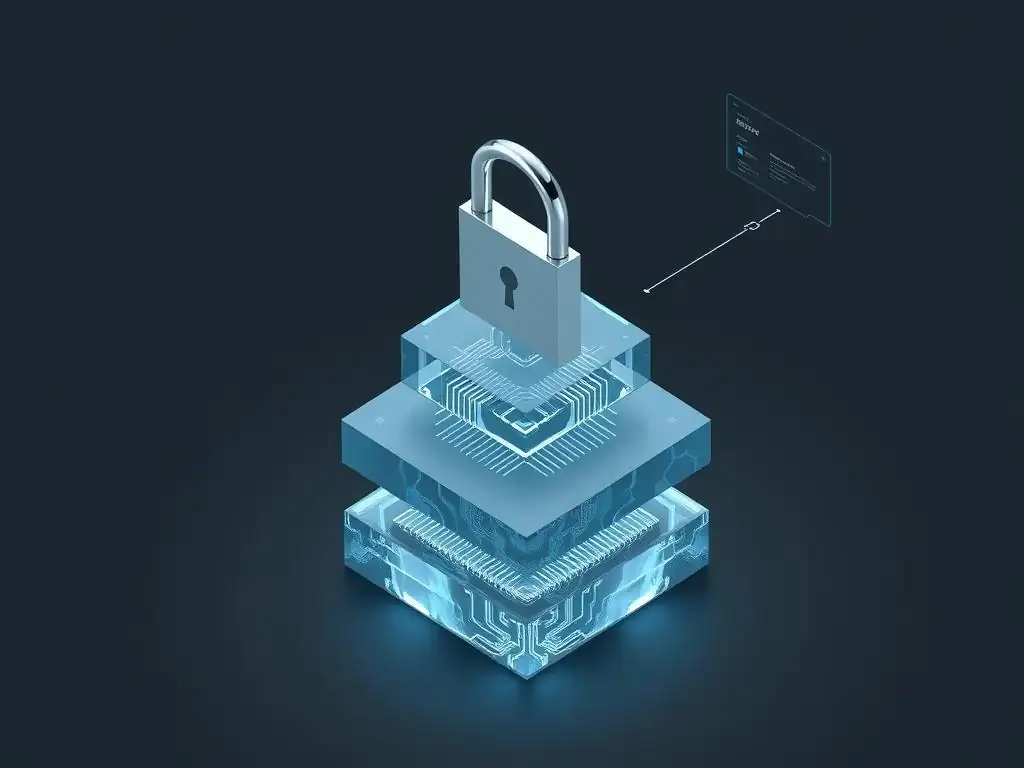
While smart contract upgradeability benefits DApps by allowing for bug fixes and feature enhancements, it also introduces a new set of security risks that must be carefully managed. The very mechanism that allows for upgrades – typically the ability to change the logic contract address the proxy points to – is a powerful capability that, if compromised, can be exploited to malicious ends. Unlike immutable contracts where the risk profile is fixed post-deployment (barring unforeseen protocol-level issues), upgradeable contracts have a dynamic risk profile tied to the security of the upgrade process itself.
Ensuring the security of the upgrade mechanism is paramount. This involves implementing robust access control, potentially incorporating decentralized governance, and adhering to best practices throughout the design and implementation phases. Failing to secure the upgrade path can negate all the smart contract upgradeability benefits DApps hope to achieve and expose users to significant risks, including loss of funds or malicious changes to the DApp's logic.
Mitigating Risks Associated with Upgradeable Smart Contracts
Several strategies are employed to mitigate the risks introduced by upgradeability. A primary concern is preventing unauthorized upgrades. This is addressed by implementing strict access control on the function that changes the implementation address (e.g., upgradeTo). This function should not be callable by just anyone. Common patterns include:
- Multi-signature Wallets: Requiring approval from a predefined number of trusted parties to initiate an upgrade. For example, a 3-of-5 multi-sig could control upgrades.
- Time Locks: Introducing a delay between initiating an upgrade and its actual execution. This gives users and monitoring systems time to react and potentially detect malicious upgrades. A common delay might be 24 or 48 hours.
- Decentralized Governance: Integrating the upgrade process into a decentralized autonomous organization (DAO) where token holders or delegates vote on proposed upgrades. This distributes control and increases transparency.
Another critical mitigation is ensuring storage compatibility and careful testing of the upgrade process itself. Using established libraries like OpenZeppelin Upgrades helps enforce best practices and reduces the likelihood of storage layout errors. These mitigation strategies are crucial for safely realizing the smart contract upgradeability benefits DApps offer.
Best Practices for Secure Smart Contract Upgrades
Adhering to best practices is vital when working with upgradeable contracts.
- Use Established Libraries: Leverage battle-tested libraries like OpenZeppelin Upgrades, which provide secure implementations of proxy patterns and assist with managing storage layout and initialization.
- Keep Storage Layout Consistent: Meticulously ensure that storage variable declarations in new implementation versions are compatible with the proxy's storage layout. Only add new variables at the end.
- Implement Initialization Functions Correctly: Use initializer functions instead of constructors for setup logic and ensure they can only be called once via the proxy.
- Secure the Upgrade Mechanism: Use strong access control (multi-sig, time lock, governance) for the function that triggers upgrades.
- Thorough Testing: Conduct extensive testing, including unit tests, integration tests, and specific tests for the upgrade process and storage compatibility.
- Professional Audits: Get your upgradeable contracts and the upgrade process audited by experienced blockchain security firms.
- Transparent Communication: Clearly communicate the upgradeability mechanism and any planned upgrades to your user base.
Following these practices significantly reduces the risk profile and helps ensure that smart contract upgradeability benefits DApps without introducing critical vulnerabilities.
Access Control and Governance in Upgradeable Smart Contracts
Access control over the upgrade function is the single most critical security decision for upgradeable contracts. Who has the power to change the DApp's logic? A single point of control (like a standard EOA) is highly discouraged as it represents a central failure point. If that key is compromised, the entire DApp can be maliciously altered.
Implementing control via a multi-signature wallet distributes the trust among several key holders. While better, it still relies on a small group of trusted individuals. For more decentralized applications, integrating upgrades into a governance system (like a DAO) is often preferred.
This allows the DApp's community to vote on proposed upgrades, aligning the power to change the contract with the users and stakeholders. Governance mechanisms often include proposal periods, voting periods, and execution delays (time locks) to provide transparency and safeguards. Establishing robust access control and governance is fundamental to leveraging the smart contract upgradeability benefits DApps offer in a secure and decentralized manner.
Smart Contract Upgradeability: Examples and Use Cases in DApps
The practical application of smart contract upgradeability is evident across various sectors of the decentralized ecosystem, particularly in areas involving complex logic, financial value, and evolving standards. DeFi protocols, NFT marketplaces, and decentralized autonomous organizations (DAOs) are prime examples of DApps where the ability to upgrade smart contracts is not just a convenience but a necessity for long-term operation and adaptation.
These real-world use cases demonstrate how implementing smart contract upgradeability benefits DApps by allowing them to fix critical issues, adapt to market demands, and integrate new features without forcing users onto entirely new contract instances. Examining these examples provides concrete insights into the practical advantages and technical considerations of upgradeable smart contracts in action.
DeFi Lending Platform: Implementing Interest Rate Algorithm Updates
Decentralized finance (DeFi) lending platforms are a classic example where upgradeability is crucial. The algorithms used to calculate interest rates often need to be adjusted based on supply and demand dynamics, market volatility, or the introduction of new economic models. A non-upgradable lending contract with a fixed interest rate algorithm would quickly become obsolete or inefficient in a volatile market.
By using an upgradeable smart contract architecture (like a Proxy Pattern), a DeFi lending platform can update its interest rate model without requiring users to withdraw and re-deposit their assets into a new contract. For instance, if a platform initially uses a simple linear model and later decides to implement a more sophisticated, multi-variable algorithm based on real-time market data, this change can be deployed as a new implementation contract and seamlessly integrated by upgrading the proxy. This capability directly illustrates how smart contract upgradeability benefits DApps by enabling them to dynamically adapt their core economic logic.
NFT Marketplace: Adapting to New Royalty Standards
The non-fungible token (NFT) space is rapidly evolving, with new standards and features constantly emerging. One area that has seen significant debate and proposed changes is NFT royalties. While initial standards might have hardcoded royalty percentages or payout mechanisms, the community and platforms are exploring more flexible or enforceable models (like EIP-2981 or newer proposals).
An NFT marketplace DApp built on non-upgradable contracts would struggle to adapt if the prevailing royalty standard changes or if they want to implement a new feature like fractional ownership or dynamic pricing based on market conditions. With upgradeable contracts, the marketplace can deploy new logic that supports updated royalty standards or introduces new trading features by simply upgrading the underlying implementation contract the marketplace's proxy points to. This allows the platform to remain competitive and compliant with evolving ecosystem norms, showcasing another way smart contract upgradeability benefits DApps in dynamic markets.
Decentralized Governance System: Evolving Voting Mechanisms
Decentralized governance systems (DAOs) often manage significant funds and control the future direction of a protocol. The voting mechanisms themselves might need to evolve as the community grows, new governance models are proposed, or vulnerabilities are discovered in the existing voting logic. For example, a DAO might start with simple token-weighted voting and later decide to implement delegated voting, quadratic voting, or incorporate reputation-based mechanisms.
If the core governance smart contract is non-upgradable, changing the voting mechanism would necessitate migrating all staked tokens, proposals, and voting history to an entirely new DAO contract, a complex and potentially contentious process. Using upgradeable smart contracts allows the DAO to evolve its governance logic by upgrading the implementation contract responsible for handling proposals, voting, and execution. This enables the DAO to adapt its decision-making processes over time, fostering more effective and inclusive governance, and highlighting how smart contract upgradeability benefits DApps focused on decentralized control.
The Future of Smart Contract Upgradeability
As the DApp ecosystem matures, the importance of smart contract upgradeability is only set to increase. The demand for more complex, feature-rich, and adaptable decentralized applications will drive further innovation in upgradeability patterns and best practices. Future developments may focus on improving the security guarantees of upgradeable systems, making the process more transparent and accessible, and potentially exploring novel approaches that offer greater flexibility with reduced complexity.
The widespread adoption of upgradeable patterns will also play a significant role in the mainstream acceptance of DApps. Users and businesses require applications that can be maintained, secured, and improved over time, just like traditional software. The ability to provide these guarantees through secure and transparent upgrade mechanisms is key to bridging the gap between early adopters and a broader user base. Understanding the trajectory of smart contract upgradeability is essential for anyone building or investing in the future of decentralized technology.
Emerging Trends and Technologies in Smart Contract Evolution
Several emerging trends and technologies are influencing the evolution of smart contract upgradeability.
- Formal Verification for Upgradeability: Applying formal verification methods to upgradeable contracts and the upgrade process itself to mathematically prove correctness and absence of certain types of bugs, particularly concerning storage compatibility and access control.
- Improved Proxy Standards: Development of more standardized and potentially gas-efficient proxy implementations.
- Layer 2 Specific Upgradeability: As DApps increasingly move to Layer 2 scaling solutions, upgradeability patterns tailored to the specific architecture and security models of different L2s (e.g., rollups) are emerging.
- Native Protocol Support: Future blockchain protocols might incorporate native features designed to support controlled smart contract evolution, potentially simplifying implementation and enhancing security compared to current application-layer patterns.
- AI-Assisted Development and Auditing: Tools leveraging AI to assist in writing upgradeable code securely and identifying potential vulnerabilities in complex upgradeable systems.
These advancements aim to make implementing smart contract upgradeability benefits DApps more safely and efficiently, reducing developer burden and increasing user confidence.
The Role of Upgradeability in Mainstream DApp Adoption
Mainstream users and businesses are accustomed to software that is regularly updated for security patches, performance improvements, and new features. Immutable DApps that cannot be fixed or improved present a significant barrier to adoption for users who expect reliability and continuous development. Smart contract upgradeability addresses this by allowing DApps to meet these expectations.
By enabling DApps to be maintained and evolve, upgradeability makes them more comparable to traditional software in terms of lifecycle management. This reduces the perceived risk for potential users and institutions who might be hesitant to rely on applications that cannot be fixed if something goes wrong. Secure and transparent upgrade mechanisms build trust and provide a pathway for DApps to grow and adapt alongside user needs and technological advancements, proving that smart contract upgradeability benefits DApps by making them viable for a broader audience.
Future Considerations: Potential Innovations and Challenges
The future of smart contract upgradeability holds potential for further innovation but also presents ongoing challenges. One area for innovation is creating more user-friendly and transparent upgrade processes. Explaining the technical details of proxies and delegatecall to average users is difficult; future solutions might involve more intuitive interfaces or standardized notifications about upcoming upgrades.
Challenges remain, particularly in ensuring the security of increasingly complex upgradeable systems and governance mechanisms. As DApps manage more value, the incentives for attackers to exploit vulnerabilities in the upgrade path grow. Finding the right balance between flexibility and security, and ensuring decentralized control over sensitive upgrade functions, will continue to be a key challenge. Furthermore, educating developers on secure upgrade practices remains crucial to fully harness the smart contract upgradeability benefits DApps can provide without introducing undue risk.
Conclusion: Embracing Upgradeability for Robust and Evolving DApps
In the dynamic landscape of decentralized applications, the ability to adapt and evolve is no longer a luxury but a necessity for long-term success. While the immutability of smart contracts provides foundational trust, it also presents significant limitations for DApps that require bug fixes, security patches, feature enhancements, or adaptation to changing market conditions. Embracing smart contract upgradeability through well-established patterns like the Proxy Pattern allows DApps to overcome these limitations, providing a pathway for continuous improvement and resilience.
Implementing upgradeable smart contracts introduces complexity and new security considerations, particularly regarding access control, storage compatibility, and the upgrade process itself. However, by following best practices, utilizing battle-tested libraries, conducting rigorous testing and auditing, and implementing robust governance mechanisms, developers can mitigate these risks. The benefits of smart contract upgradeability for DApps – including enhanced security through patchability, the ability to adapt business logic, seamless feature integration, and improved user experience – are substantial and critical for building applications that can thrive in an ever-changing decentralized ecosystem.
Smart Contract Upgradeability: A Key to Long-Term DApp Viability
For DApps aiming for sustained growth, widespread adoption, and management of significant value, smart contract upgradeability is not merely an option; it is a fundamental requirement for long-term viability. Applications that cannot be updated face the risk of becoming obsolete, insecure, or unable to adapt to market demands. The ability to safely and transparently upgrade the core logic allows DApps to iterate, respond to feedback, and fix unforeseen issues without disrupting their user base or requiring costly and complex migrations.
The patterns and practices developed for upgradeability represent a crucial step in the maturation of decentralized application development. They enable developers to build more robust, secure, and adaptable systems that can evolve alongside the blockchain ecosystem and user needs. Recognizing and implementing the smart contract upgradeability benefits DApps offer is essential for any project seeking to build a sustainable presence in the decentralized future.
Key Takeaways for DApp Developers Seeking Upgradeable Solutions
Developers considering upgradeable smart contracts should keep several key takeaways in mind:
- Upgradeability is necessary for complex DApps requiring maintenance and evolution, but it adds significant complexity.
- The Proxy Pattern is a widely used method that separates state from logic, enabling upgrades while preserving data and contract address.
Delegatecallis the underlying mechanism for many proxy patterns but requires careful handling, especially regarding storage layout.- Security is paramount; the upgrade mechanism must have robust access control (multi-sig, time lock, governance).
- Maintaining consistent storage layout across implementation versions is critical to avoid data corruption.
- Use initializer functions instead of constructors for setup logic in upgradeable contracts.
- Rely on established libraries (like OpenZeppelin Upgrades) and conduct extensive testing and professional audits.
- Plan for potential data migration if significant state structure changes are anticipated.
By carefully considering these points and implementing upgradeability responsibly, developers can leverage the significant smart contract upgradeability benefits DApps gain, building applications that are not only decentralized and secure but also adaptable and capable of evolving over time.
Frequently Asked Questions
What are the primary benefits of making smart contracts upgradeable in the context of DApps?
Upgradable smart contracts allow for bug fixes and feature enhancements without redeploying the entire DApp. This ensures long-term viability and adaptability to evolving user needs and market demands.
How does smart contract upgradeability impact the security of a DApp?
While upgradeability introduces the risk of malicious updates, it also allows for rapid patching of vulnerabilities. Implementing robust governance mechanisms is crucial to mitigate these risks and ensure security.
What are some common upgrade patterns used for smart contracts?
Common patterns include proxy contracts, which redirect calls to a new implementation, and data separation, where data is stored separately from the logic. These allow for seamless transitions and minimal disruption.
What are the regulatory considerations surrounding smart contract upgradeability?
Regulators are increasingly scrutinizing the governance and control mechanisms of upgradeable smart contracts. Clear transparency and accountability are essential to comply with evolving legal frameworks.
How does upgradeability affect the long-term development and maintenance of a DApp?
Upgradeability simplifies long-term maintenance by allowing developers to adapt to changing requirements and incorporate new features. This reduces development costs and increases the lifespan of the DApp.
Final Reflection: Embracing the Evolving Landscape of DApps
The journey through smart contract upgradability reveals a crucial truth: the future of decentralized applications hinges on adaptability. No longer can we afford to build in immutable stone; the dynamic nature of technology demands that we embrace evolution, ensuring our DApps remain relevant, secure, and competitive in an ever-changing digital world.
The ability to seamlessly upgrade smart contracts has profoundly impacted the cultural and social landscape of blockchain development. This shift towards flexible architecture not only mitigates risks associated with vulnerabilities but also fosters innovation by allowing developers to iterate and improve their applications without starting from scratch. The only constant is change.
This ancient wisdom resonates deeply with the principles of smart contract upgradability, reminding us that progress lies in our capacity to adapt and evolve.
As you navigate the exciting world of DApp development, remember the lessons learned about smart contract upgradability. Embrace the power of flexibility, prioritize security, and never shy away from innovation. The future of decentralized applications is in your hands – build it wisely, build it adaptably, and build it to last.
Unlock the Future of Your DApp!
Thank you for exploring the world of smart contract upgradability with us! You've now got the knowledge to ensure your DApp's longevity and adaptability. Ready to put that knowledge into action?
Here are a few ways to start:
- Dive deeper and explore the proxy pattern! Experiment with implementing a simple upgradable contract using this technique.
- Share this article with fellow developers who are building on Web3 to spread the word about future-proofing their contracts.
- Contribute your thoughts and experiences! Tell us, what's the biggest challenge you foresee when upgrading smart contracts in a production environment?
Leave a Reply