
Supply Chain DApps: Enhancing Transparency and Traceability in Global Networks


Welcome to Blockchain Trends, your guide to understanding the evolving landscape of blockchain technology.
Ever wondered how blockchain can revolutionize industries beyond just cryptocurrency? Dive into our exploration of blockchain supply chain transparency solutions, where we uncover how Decentralized Applications (DApps) are reshaping global networks. Discover how these innovative technologies are enhancing traceability, building trust, and forging a new era of efficiency. Are you ready to see the future of supply chain management?
- Supply Chain DApps: Enhancing Transparency and Traceability in Global Networks
- Understanding Supply Chain DApps: Core Concepts and Functionality
-
Benefits of Implementing Blockchain Supply Chain Transparency Solutions
- Enhanced Traceability: Tracking Products from Origin to Consumer
- Improved Transparency: Providing Real-Time Visibility Across the Supply Chain
- Increased Efficiency: Streamlining Processes and Reducing Costs
- Enhanced Security: Protecting Against Counterfeiting and Fraud
- Building Trust: Fostering Collaboration Among Supply Chain Participants
-
Real-World Applications of Supply Chain DApps
- Food Supply Chain: Ensuring Food Safety and Authenticity
- Pharmaceutical Supply Chain: Combating Counterfeit Drugs
- Logistics and Shipping: Optimizing Delivery Routes and Reducing Delays
- Manufacturing: Tracking Components and Ensuring Product Quality
- Retail: Verifying Product Provenance and Authenticity
- Implementing Supply Chain DApps: A Step-by-Step Guide
- Challenges and Considerations for Blockchain Supply Chain Adoption
- The Future of Blockchain in Supply Chain Management: Trends and Predictions
- Conclusion: Embracing Blockchain for a More Transparent and Efficient Supply Chain
-
Frequently Asked Questions
- What are Supply Chain DApps and how do they improve transparency?
- How do Blockchain Supply Chain Transparency Solutions benefit businesses?
- What are the key features of a successful Blockchain Supply Chain Transparency Solution?
- What are the main challenges in implementing Blockchain Supply Chain Transparency Solutions?
- How does the regulation of blockchain impact the development of Supply Chain DApps?
- Final Reflection: Embracing Blockchain's Transformative Power
- Uncover the Future of Supply Chains
Supply Chain DApps: Enhancing Transparency and Traceability in Global Networks
The Challenges of Traditional Supply Chains: Lack of Transparency and Traceability
Traditional supply chains, often vast and complex networks spanning multiple continents and involving numerous intermediaries, are inherently opaque. Information flow is typically siloed, with each participant maintaining their own records in disparate systems. This fragmentation makes it incredibly difficult, if not impossible, to achieve end-to-end visibility.
When issues arise, such as product recalls, quality control failures, or disputes over shipments, tracing the origin and path of goods becomes a laborious, time-consuming, and often incomplete process. For example, tracing a single food item through a complex global supply chain could traditionally take days or even weeks, hindering rapid response to safety concerns.
Moreover, the lack of a single, trusted source of truth fosters distrust and inefficiency. Participants often rely on manual processes, paper documentation, and bilateral data exchanges, which are prone to errors, delays, and manipulation. Counterfeiting is a significant challenge, costing the global economy hundreds of billions of dollars annually across various sectors, from pharmaceuticals to luxury goods.
Without robust Blockchain supply chain transparency solutions, verifying the authenticity and provenance of products at each stage is extremely difficult, exposing businesses and consumers to significant risks. The fragmented nature of traditional systems simply cannot provide the required level of granular traceability and verifiable data integrity needed in today's interconnected world.
Introducing Decentralized Applications (DApps) for Supply Chain Optimization
Decentralized Applications, or DApps, represent a paradigm shift in software development, leveraging the power of blockchain technology to operate on a distributed network rather than a centralized server. In the context of supply chains, DApps offer a compelling alternative to traditional, centralized management systems. By running on a blockchain, these applications inherit the core properties of the underlying ledger: immutability, transparency (to authorized parties), security through cryptography, and resilience due to distribution.
Supply chain DApps are designed to automate processes, record transactions, and manage data in a way that is transparent, verifiable, and resistant to tampering. Unlike traditional systems where a single entity controls the database, a supply chain DApp allows multiple, potentially competing, participants to interact with a shared, synchronized ledger of events and data related to goods movement, ownership transfer, and condition monitoring. This shared infrastructure facilitates unprecedented levels of collaboration and trust among supply chain partners, laying the foundation for truly effective Blockchain supply chain transparency solutions.
How Blockchain Technology Addresses Supply Chain Inefficiencies
Blockchain technology provides the foundational elements necessary to overcome the inherent inefficiencies of traditional supply chains. At its core, a blockchain is a distributed, immutable ledger that records transactions chronologically and transparently across a network of participants. Each block of transactions is linked to the previous one using cryptographic hashes, making it virtually impossible to alter past records without consensus from the majority of the network. This immutability ensures data integrity, a critical factor for building trust in complex supply networks.
By recording key supply chain events – such as origin details, manufacturing dates, shipping milestones, quality checks, and ownership transfers – on a blockchain, participants gain access to a shared, tamper-evident history of a product's journey. This shared view eliminates information silos and provides near real-time visibility across the network.
Furthermore, the use of smart contracts, self-executing code stored on the blockchain, can automate conditional processes like payments upon delivery verification or trigger alerts based on sensor data, significantly reducing delays and the need for manual intervention. This inherent transparency and automation capability is what makes blockchain, and specifically Blockchain supply chain transparency solutions, so transformative for the industry.
Understanding Supply Chain DApps: Core Concepts and Functionality
Defining Supply Chain DApps: A Decentralized Approach
Supply Chain DApps are applications built on decentralized blockchain networks specifically designed to manage and optimize supply chain operations. Unlike traditional software, which runs on centralized servers controlled by a single entity, supply chain DApps operate on a peer-to-peer network where data is distributed and validated by multiple nodes. This decentralized architecture eliminates single points of failure and reduces reliance on individual intermediaries, fostering a more robust and resilient system.
These DApps typically interact with a blockchain ledger to record key supply chain events, manage digital identities of participants and assets, and execute predefined business logic through smart contracts. Examples include DApps for tracking product provenance, managing digital identities for suppliers and distributors, automating payment flows, or verifying compliance with regulations. The core principle is to move away from fragmented, private databases towards a shared, transparent, and verifiable record of all relevant supply chain activities, forming the backbone of effective Blockchain supply chain transparency solutions.
Key Features of Blockchain-Based Supply Chain Solutions
Blockchain-based supply chain solutions are characterized by several key features that differentiate them from traditional systems. Firstly, they leverage a distributed ledger, meaning data is replicated and synchronized across multiple nodes in the network, enhancing resilience and availability. Secondly, immutability is a core property; once data is recorded on the blockchain, it is extremely difficult to alter or delete, providing an unchangeable audit trail. This is crucial for verifying the history and authenticity of goods.
Thirdly, transparency is inherent (though often controlled via permissioned networks or data hashing for privacy), allowing authorized participants to view the transaction history relevant to them. Fourthly, they utilize smart contracts to automate processes based on predefined conditions, reducing manual effort and potential for error. Finally, cryptography secures transactions and data, ensuring that information is accurate and protected from unauthorized access. These features collectively enable powerful Blockchain supply chain transparency solutions that build trust and efficiency.
Smart Contracts: Automating and Enforcing Supply Chain Agreements
Smart contracts are self-executing contracts with the terms of the agreement directly written into lines of code. These contracts reside on the blockchain and automatically execute when predefined conditions are met. In the context of supply chains, smart contracts can automate a wide range of processes, from triggering payments upon successful delivery confirmation (verified by an oracle or other on-chain data) to initiating insurance claims if goods are damaged during transit (detected via IoT sensors logging data to the blockchain).
For instance, a smart contract could automatically release payment to a supplier once a shipment's status on the blockchain changes to "Delivered" and a corresponding quality check (also recorded on-chain) is marked as "Passed". This eliminates the need for manual invoice processing and verification, reducing administrative overhead and payment delays. By automating these processes and enforcing agreements directly on the blockchain, smart contracts enhance efficiency, reduce disputes, and contribute significantly to the reliability and transparency offered by Blockchain supply chain transparency solutions.
The Importance of Immutability and Transparency in Supply Chain Data
Immutability and transparency are foundational pillars for building trust and efficiency in supply chains using blockchain. Immutability ensures that once a transaction or data point (like a product's origin or a quality inspection result) is recorded on the blockchain, it cannot be retroactively altered or deleted. This creates an undeniable, tamper-evident history of a product's journey, providing a single source of truth that all participants can rely on. For industries battling counterfeiting or needing robust audit trails for compliance, this is invaluable.
Transparency, on the other hand, refers to the ability for authorized participants to view the data recorded on the ledger. While not all data needs to be public (permissioned blockchains allow for controlled access), relevant information, such as ownership transfers, location updates, or critical condition data (like temperature), can be made visible to all relevant parties simultaneously.
This shared visibility eliminates information asymmetry, allowing participants to track goods in near real-time, verify claims, and react quickly to disruptions. Together, immutability and transparency are the core enablers of effective Blockchain supply chain transparency solutions, fostering collaboration and accountability across complex networks.
Benefits of Implementing Blockchain Supply Chain Transparency Solutions
Enhanced Traceability: Tracking Products from Origin to Consumer
One of the most significant benefits of implementing Blockchain supply chain transparency solutions is vastly enhanced traceability. By recording every step of a product's journey – from the sourcing of raw materials, through manufacturing, assembly, packaging, logistics, distribution, and finally to the point of sale – on a blockchain, an immutable digital trail is created. Each participant in the chain can update the ledger with their specific actions, creating a comprehensive history accessible to relevant parties.
This allows for granular tracking of individual items or batches. In the event of a product recall, for example, companies can quickly identify the specific batch affected, pinpoint its location in the supply chain, and notify only the necessary distributors or retailers, rather than issuing a costly and disruptive broad recall. Walmart's pilot with IBM Food Trust demonstrated this capability, reducing the time to trace a package of mangoes from farm to store from an average of 7 days to just 2.2 seconds. This level of rapid, precise traceability is transformative for safety, compliance, and operational efficiency.
Improved Transparency: Providing Real-Time Visibility Across the Supply Chain
Blockchain supply chain solutions fundamentally improve transparency by providing authorized participants with a shared, near real-time view of activities across the network. Instead of relying on fragmented data and delayed updates from individual partners, stakeholders can access the same, verified information simultaneously from the distributed ledger. This eliminates information silos and allows for proactive management rather than reactive problem-solving.
Suppliers can see when their goods have been received and verified, manufacturers can track the arrival of components, and retailers can monitor the progress of shipments. This shared visibility builds trust among partners and enables better coordination. For consumers, this transparency can extend to verifying the origin and authenticity of products they purchase, for instance, scanning a QR code linked to the blockchain record to see the farm where their coffee beans were grown or the factory where their shoes were made. This level of open, verifiable information is a hallmark of effective Blockchain supply chain transparency solutions.
Increased Efficiency: Streamlining Processes and Reducing Costs
The automation capabilities of smart contracts and the streamlined data flow enabled by a shared ledger significantly increase efficiency in supply chain operations. Manual data entry, reconciliation, and verification processes, which are time-consuming and error-prone, can be drastically reduced or eliminated. Automated payments triggered by smart contracts, for example, speed up financial settlements and improve cash flow for participants.
Reducing the need for intermediaries in certain transactions can also lower costs. Furthermore, improved visibility allows companies to optimize inventory management, reduce waste, and make better-informed decisions regarding logistics and resource allocation. Studies and pilot programs have shown potential cost reductions of 10-20% in administrative overhead by implementing Blockchain supply chain transparency solutions and automation. The ability to quickly identify and resolve issues based on transparent, real-time data also minimizes costly delays and disruptions.
Enhanced Security: Protecting Against Counterfeiting and Fraud
Counterfeiting and fraud are major threats across numerous supply chain sectors. Traditional paper-based systems and easily forgeable certificates of authenticity offer little protection. Blockchain's inherent security features, including cryptographic hashing and the distributed nature of the ledger, provide a robust defense against tampering and fraud. Each product or batch can be assigned a unique digital identity recorded on the blockchain from its point of origin.
As the product moves through the chain, each transfer of ownership and significant event is recorded as a transaction on the ledger. This creates an immutable record that can be easily verified. Consumers or authorities can scan a unique identifier (like a QR code with a blockchain link) on a product to verify its authenticity against the recorded history. Any attempt to introduce counterfeit goods or alter the product's history would be immediately detectable as inconsistent with the blockchain record. This enhanced security is a critical benefit of adopting Blockchain supply chain transparency solutions.
Building Trust: Fostering Collaboration Among Supply Chain Participants
Trust is paramount in complex supply chains, yet it is often difficult to establish and maintain among numerous independent entities. Traditional systems rely on bilateral agreements and audits, which can be time-consuming and don't guarantee full transparency. Blockchain supply chain solutions build trust by providing a neutral, shared, and verifiable platform for recording transactions and data. All authorized participants can access the same, immutable record, eliminating disputes arising from conflicting information.
The transparency provided by the shared ledger fosters accountability, as every action recorded on the blockchain is traceable back to the participant who initiated it. This encourages good behavior and adherence to agreements. Smart contracts further reinforce trust by automatically enforcing the terms agreed upon by parties, removing the need for a trusted third party to oversee execution. By creating a foundation of shared truth and automated accountability, Blockchain supply chain transparency solutions facilitate stronger collaboration and partnerships across the entire network.
Real-World Applications of Supply Chain DApps
Food Supply Chain: Ensuring Food Safety and Authenticity
The food supply chain is notoriously complex, involving farmers, processors, distributors, retailers, and consumers. Ensuring food safety and authenticity is critical but challenging due to the sheer number of intermediaries. Blockchain supply chain transparency solutions are being actively implemented in this sector. For instance, major retailers like Walmart have successfully piloted blockchain platforms (like IBM Food Trust) to trace produce back to its farm of origin in seconds, drastically improving response times during potential contamination events.
Companies like Nestlé and Dole have also joined similar initiatives to enhance visibility and traceability for specific products like baby food or pineapples. This allows for quicker identification and isolation of contaminated products, reducing the scope and impact of recalls. Furthermore, blockchain can help verify claims about organic sourcing, fair trade practices, or geographical origin (e.g., Parma ham from Italy), providing consumers with verifiable information about the food they eat and combating food fraud, which costs the global food industry billions annually.
Pharmaceutical Supply Chain: Combating Counterfeit Drugs
Counterfeit pharmaceuticals pose a severe threat to public health and cost the industry an estimated $200 billion annually. Tracing drugs through a complex global supply chain to ensure their authenticity and safe handling is a critical challenge. Blockchain supply chain transparency solutions offer a powerful tool to combat this. By assigning a unique serial number to each drug package and recording its movement, ownership transfers, and handling conditions (like temperature via IoT sensors) on a blockchain, an immutable audit trail is created.
Initiatives like the U.S. Drug Supply Chain Security Act (DSCSA) mandate enhanced traceability, and blockchain is being explored as a technology to meet these requirements. Companies are piloting blockchain solutions to track drugs from manufacturer to pharmacy, allowing verification of authenticity at each step. This makes it significantly harder for counterfeit drugs to enter the legitimate supply chain and enables rapid identification and recall of suspicious products, ultimately protecting patients.
Logistics and Shipping: Optimizing Delivery Routes and Reducing Delays
The logistics and shipping industry involves complex coordination between carriers, ports, customs authorities, and receivers. Lack of real-time visibility and reliance on paper documentation often lead to delays, disputes, and inefficiencies. Blockchain supply chain transparency solutions can streamline processes and improve coordination. By recording shipment milestones, container movements, customs clearances, and payment triggers on a shared ledger, all relevant parties gain access to the same, up-to-date information.
Companies like Maersk and IBM have partnered on TradeLens, a blockchain platform aimed at digitizing and streamlining global shipping documentation and processes. This platform allows participants to share key data points securely and transparently, reducing the time and cost associated with paper-based processes and manual coordination. Smart contracts can automate demurrage fee calculations or trigger payments upon proof of delivery, reducing administrative burdens and accelerating cargo flow through ports.
Manufacturing: Tracking Components and Ensuring Product Quality
In complex manufacturing processes, especially in industries like automotive or aerospace, tracking components from multiple suppliers and ensuring their quality and authenticity is vital. Blockchain supply chain transparency solutions can provide granular visibility into the origin and journey of every part. By assigning unique identifiers to components and recording their manufacturing details, quality inspection results, and assembly into final products on a blockchain, manufacturers can create a complete digital history.
This allows for rapid identification of the source of faulty components in the event of a defect or recall, limiting the scope of the issue. It also helps verify the authenticity of critical parts, preventing the use of substandard or counterfeit components that could compromise product quality and safety. For instance, tracking battery components in electric vehicles or critical avionics parts relies heavily on verifiable provenance, a task significantly simplified by blockchain's immutable ledger capabilities.
Retail: Verifying Product Provenance and Authenticity
Retailers and consumers are increasingly demanding transparency about the products they buy, including their origin, ethical sourcing, and authenticity. Blockchain supply chain transparency solutions enable retailers to provide this verifiable information. By integrating with upstream supply chain blockchain data, retailers can offer customers the ability to trace a product's journey using a QR code on the packaging or a digital receipt.
This is particularly relevant for high-value goods, luxury items, and products with specific ethical or sustainability claims (e.g., conflict-free diamonds, sustainably sourced coffee, ethically manufactured apparel). Providing verifiable proof of provenance builds consumer trust and enhances brand value. It also helps retailers combat the sale of counterfeit goods, which damages brand reputation and results in significant financial losses globally, estimated to be trillions of dollars annually across various sectors.
Implementing Supply Chain DApps: A Step-by-Step Guide
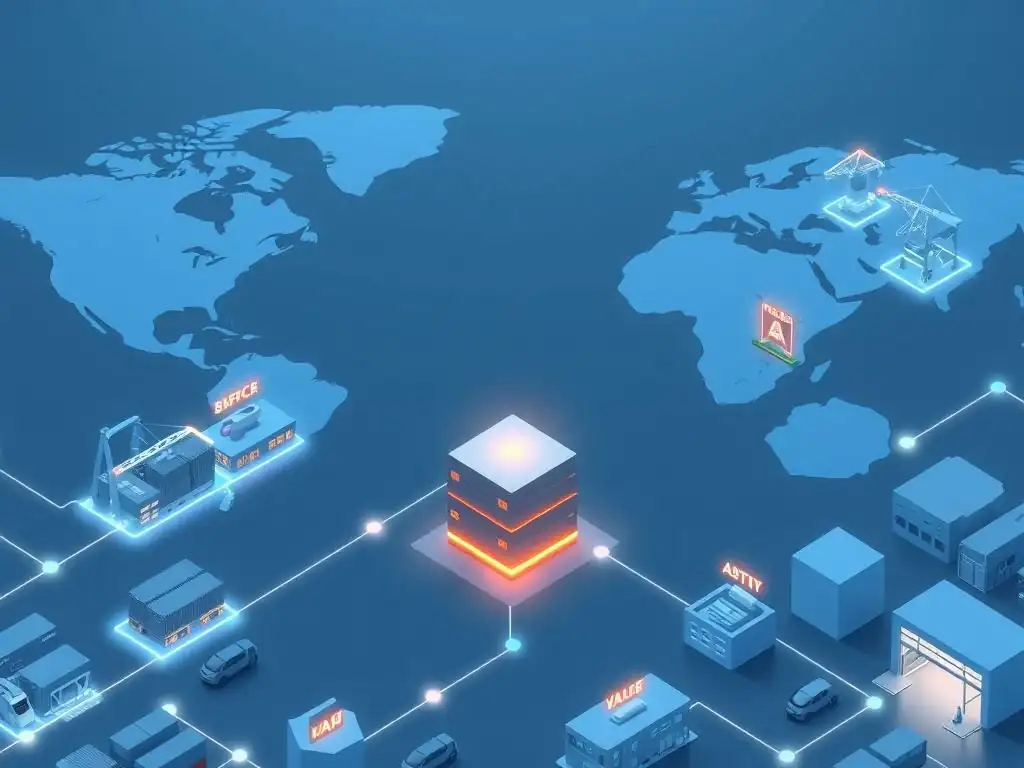
Identifying Key Supply Chain Pain Points
The first step in implementing Blockchain supply chain transparency solutions is to clearly identify the specific challenges and inefficiencies within your existing supply chain that blockchain is best suited to address. Is the primary issue lack of visibility beyond tier-1 suppliers? Are you struggling with counterfeiting or product fraud? Are there significant delays in payments or disputes over delivery conditions? Is manual data entry causing errors and delays?
Conducting a thorough analysis of your current processes, bottlenecks, and areas lacking transparency or trust is crucial. This involves mapping your supply chain, engaging with key stakeholders (suppliers, manufacturers, logistics partners, customers), and quantifying the costs associated with the identified pain points (e.g., cost of recalls, losses due to fraud, administrative costs of reconciliation). Focusing on specific, high-impact problems will help define the scope and objectives for your blockchain implementation.
Choosing the Right Blockchain Platform for Your Needs
Selecting the appropriate blockchain platform is a critical decision as it impacts scalability, privacy, cost, and development complexity. There are various types of blockchains, including public (like Ethereum or Bitcoin), private, and permissioned consortia blockchains (like Hyperledger Fabric or Corda). For most supply chain applications, permissioned blockchains are often preferred because they offer controlled access, higher transaction throughput, and data privacy while still providing the benefits of decentralization and immutability among known participants.
Consider factors such as the required transaction speed (TPS - transactions per second), data privacy requirements (which data needs to be visible to whom? ), the level of decentralization needed, the cost of development and transactions, the availability of developer tools and talent, and the existing ecosystem or industry consortia using specific platforms. Evaluating these technical and business requirements against the features of different platforms is essential for building effective Blockchain supply chain transparency solutions.
Developing and Deploying Smart Contracts
Smart contracts are the operational backbone of many supply chain DApps, automating processes and enforcing business logic. The development and deployment of these contracts require careful planning and execution. Based on the identified pain points and chosen platform, define the specific supply chain processes that can be automated via smart contracts (e.g., automated payments, conditional alerts, ownership transfer).
Writing smart contract code requires specialized skills and rigorous testing to ensure there are no bugs or vulnerabilities, as errors in deployed contracts can be difficult or impossible to fix on an immutable ledger. Once developed, smart contracts are deployed onto the chosen blockchain network. Their execution is then triggered by transactions or events recorded on the ledger or by external data feeds (oracles) linked to the blockchain. This automation capability is a key driver of efficiency in Blockchain supply chain transparency solutions.
Integrating DApps with Existing Supply Chain Systems
Blockchain solutions rarely operate in isolation. They need to integrate seamlessly with existing legacy systems such as Enterprise Resource Planning (ERP), Warehouse Management Systems (WMS), Transportation Management Systems (TMS), and IoT platforms. This integration is often one of the most complex aspects of implementation. Data from these existing systems (e.g., shipment status, inventory levels, sensor readings) needs to be accurately and securely fed onto the blockchain, and data from the blockchain may need to be accessible within these legacy systems.
This typically involves developing Application Programming Interfaces (APIs) and middleware to facilitate data exchange between the blockchain network and traditional databases or applications. Ensuring data consistency and integrity across integrated systems is paramount. A phased approach to integration, starting with critical data flows and gradually expanding, can help manage this complexity when deploying Blockchain supply chain transparency solutions.
Data Management and Security Considerations
Effective data management and robust security are paramount for successful Blockchain supply chain transparency solutions. Determine what data needs to be stored on-chain (often just hashes or identifiers for privacy) versus off-chain (actual sensitive data), and how off-chain data will be managed securely. While blockchain provides data integrity, the input data must be accurate. Implement strong data governance policies and validation mechanisms at the point of data entry.
Security considerations include managing private keys for network participants (which grant access and control over assets/data), protecting against various cyber threats, and ensuring the security of smart contracts through audits. For permissioned networks, managing participant identities and access control is crucial to maintain data privacy while enabling necessary transparency. Implementing comprehensive security protocols across the entire ecosystem, including off-chain components and integration points, is vital.
Challenges and Considerations for Blockchain Supply Chain Adoption
Scalability Limitations of Blockchain Networks
While blockchain technology offers significant advantages, current implementations can face scalability limitations, particularly for public networks. The number of transactions per second (TPS) that a blockchain can process might be significantly lower than the volume required by large, complex global supply chains with millions of transactions daily. For example, public networks like Ethereum (pre-Eth2) historically handled around 15-30 TPS, whereas a payment network like Visa handles thousands.
Permissioned blockchains generally offer higher throughput (hundreds or thousands of TPS), making them more suitable for enterprise supply chain use cases. However, even these may face scaling challenges as the number of participants and transactions grows exponentially. Ongoing research into layer 2 scaling solutions, sharding, and alternative consensus mechanisms aims to address these limitations, but scalability remains a key consideration when designing and implementing Blockchain supply chain transparency solutions.
Interoperability Issues Between Different Blockchain Platforms
The blockchain landscape is fragmented, with multiple platforms (Hyperledger, Corda, Ethereum, etc.) and industry-specific consortia emerging. Supply chains often involve diverse participants who may already be using different blockchain solutions or will adopt disparate platforms in the future. This creates interoperability challenges: how can data and assets seamlessly flow between different blockchain networks?
Lack of interoperability can create new silos, defeating the purpose of a connected supply chain network. Developing standards and protocols for cross-chain communication and asset transfer is an active area of research and development. Solutions like cross-chain bridges or inter-blockchain communication protocols are being explored. Addressing interoperability is crucial for building truly connected and efficient Blockchain supply chain transparency solutions across industries and ecosystems.
Regulatory Compliance and Data Privacy Concerns
Implementing Blockchain supply chain transparency solutions must navigate a complex landscape of regulations, including data privacy laws like GDPR (General Data Protection Regulation) and industry-specific compliance mandates (like DSCSA in pharmaceuticals). Storing sensitive supply chain data on an immutable, distributed ledger raises questions about the "right to be forgotten" under regulations like GDPR.
While permissioned blockchains and techniques like data hashing (storing only a hash of sensitive data on-chain, with the actual data stored off-chain in a secure, potentially deletable manner) can help address some privacy concerns, navigating the legal and compliance implications requires careful consideration. Furthermore, different jurisdictions may have varying regulations regarding data sovereignty and the legal status of blockchain records and smart contracts. Ensuring compliance requires expert legal counsel and careful system design.
Overcoming Resistance to Change and Fostering Adoption
Introducing new technology like blockchain requires significant organizational change management. Participants across the supply chain – from large corporations to small farmers or trucking companies – may be resistant to adopting new processes, integrating new systems, or sharing data on a distributed ledger. Trusting a shared, immutable record requires a shift in mindset from traditional bilateral relationships.
Overcoming this resistance involves clearly communicating the benefits of Blockchain supply chain transparency solutions, providing adequate training and support, and ensuring that the technology is user-friendly and provides tangible value to all participants. Building a consortium or ecosystem gradually, starting with willing partners and demonstrating successful pilot projects, can help build momentum and encourage broader adoption across the network.
The Cost of Implementing and Maintaining Blockchain Solutions
Implementing Blockchain supply chain transparency solutions involves significant upfront costs, including platform selection and licensing (for some enterprise platforms), DApp development, integration with existing systems, hardware infrastructure (for running nodes), and training. While the long-term benefits in efficiency and cost reduction can be substantial, the initial investment can be a barrier, especially for small and medium-sized enterprises (SMEs) in the supply chain.
Maintenance costs, including network fees (if applicable), software updates, and ongoing technical support, also need to be factored in. The total cost of ownership depends heavily on the chosen platform, the complexity of the implementation, and the scale of the network. Careful cost-benefit analysis and a clear understanding of the return on investment are necessary before committing to a blockchain implementation.
The Future of Blockchain in Supply Chain Management: Trends and Predictions
The Rise of Interoperable Blockchain Networks
A key trend shaping the future of blockchain in supply chain management is the increasing focus on interoperability. As multiple industry consortia and enterprise solutions develop on different platforms, the need for these networks to communicate and share data seamlessly becomes paramount. Future Blockchain supply chain transparency solutions will likely rely on standards and protocols that enable cross-chain transactions and data exchange, creating a more connected global network of networks.
Initiatives focused on developing universal standards for supply chain data representation on blockchain and protocols for secure inter-blockchain communication are gaining traction. This will allow a product tracked on one consortium's network (e.g., for manufacturing) to seamlessly transfer its data history when it enters a different network for logistics or retail, unlocking the full potential of end-to-end visibility across disparate systems and participants.
The Integration of IoT Devices and Blockchain Technology
The convergence of Internet of Things (IoT) devices and blockchain technology is poised to revolutionize supply chain visibility and automation. IoT sensors can collect real-time data on conditions like temperature, humidity, location, and shock during transit. Recording this sensor data directly onto a blockchain provides an immutable and verifiable record of a product's condition throughout its journey.
This integration enables automated quality control and compliance checks via smart contracts. For example, a smart contract could automatically trigger an alert or even an insurance claim if temperature data recorded by an IoT sensor on the blockchain indicates that a shipment of perishable goods went outside the acceptable range. This combination of real-time data from the physical world with the secure, transparent recording on the blockchain will significantly enhance the reliability and automation capabilities of Blockchain supply chain transparency solutions.
The Use of AI and Machine Learning to Enhance Supply Chain DApps
Artificial Intelligence (AI) and Machine Learning (ML) can be integrated with blockchain data to provide deeper insights and predictive capabilities for supply chains. By analyzing the vast, immutable dataset recorded on a blockchain – including transaction histories, performance metrics from smart contracts, and IoT sensor data – AI algorithms can identify patterns, predict potential disruptions, optimize routes, or even forecast demand more accurately.
For instance, ML models could analyze historical blockchain data on delivery times, weather patterns (integrated via oracles), and customs clearance records to predict potential delays for future shipments. AI could also be used to detect anomalies in the blockchain transaction patterns that might indicate fraudulent activity. Combining the verifiable data integrity of blockchain with the analytical power of AI/ML will lead to more intelligent, predictive, and efficient Blockchain supply chain transparency solutions.
The Growing Demand for Sustainable and Ethical Supply Chains
Consumers, regulators, and investors are increasingly demanding greater transparency regarding the sustainability and ethical practices within supply chains. This includes verifying the origin of materials, ensuring fair labor practices, tracking carbon emissions, and confirming responsible waste disposal. Blockchain supply chain transparency solutions are ideally positioned to meet this demand by providing verifiable proof of compliance with sustainability and ethical standards.
By recording data related to sourcing, production processes, certifications (e.g., organic, fair trade, carbon footprint), and transportation methods on a blockchain, companies can provide auditable evidence of their claims. This allows for tracing products back to their sustainable origins and demonstrating adherence to ethical guidelines throughout the value chain, building trust with conscious consumers and meeting evolving regulatory requirements.
Increased Adoption Driven by ESG Initiatives
Environmental, Social, and Governance (ESG) initiatives are becoming a major driver for corporate strategy and investment decisions. Companies are under pressure to demonstrate their commitment to sustainability, social responsibility, and ethical governance. Blockchain supply chain transparency solutions offer a concrete way for companies to improve their ESG performance and reporting.
By enabling verifiable tracking of environmental impacts (like carbon emissions per shipment), social factors (like fair wage certifications for suppliers), and governance aspects (like auditable transaction histories), blockchain provides the data needed for credible ESG reporting. As investors and consumers increasingly use ESG performance as a criterion, the adoption of blockchain for enhancing supply chain transparency and accountability is expected to accelerate, driven by the strategic importance of demonstrating strong ESG credentials.
Conclusion: Embracing Blockchain for a More Transparent and Efficient Supply Chain
Frequently Asked Questions
What are Supply Chain DApps and how do they improve transparency?
Supply Chain DApps are decentralized applications built on blockchain that offer immutable records of product movement. This enhanced transparency allows stakeholders to trace goods from origin to consumer, reducing fraud and improving accountability.
How do Blockchain Supply Chain Transparency Solutions benefit businesses?
These solutions provide increased efficiency by automating processes and reducing paperwork. They also improve brand reputation by assuring consumers of product authenticity and ethical sourcing practices.
What are the key features of a successful Blockchain Supply Chain Transparency Solution?
A successful solution needs data immutability to ensure trust, real-time tracking for visibility, and interoperability to connect different systems within the supply chain.
What are the main challenges in implementing Blockchain Supply Chain Transparency Solutions?
Challenges include the complexity of integrating with existing systems, the need for industry-wide collaboration to establish standards, and concerns about data privacy and security.
How does the regulation of blockchain impact the development of Supply Chain DApps?
Regulations concerning data ownership and cross-border data transfer significantly affect how these DApps are designed and deployed. Compliance with these regulations is crucial for adoption and long-term viability.
Final Reflection: Embracing Blockchain's Transformative Power
The journey through exploring Supply Chain DApps reveals a crucial truth: transparency and traceability are no longer luxuries, but necessities in today's global networks. The potential of blockchain to revolutionize supply chains, as detailed throughout this article, is not just theoretical; it's actively reshaping industries and redefining consumer trust in a world increasingly demanding ethical and sustainable practices.
The impact of blockchain on supply chain management extends far beyond mere efficiency gains. It fosters a deeper connection between producers, distributors, and consumers, creating a more accountable and equitable system. This shift towards verifiable authenticity resonates deeply with my own belief in the power of technology to build a more just and transparent world. The future of supply chains is not just about moving goods faster; it's about moving them with integrity.
This quote encapsulates the essence of what blockchain offers: a pathway to build trust and accountability into the very fabric of global commerce.
Now, as you reflect on the potential of Blockchain supply chain transparency solutions, I invite you to consider your own role in shaping this future. How can you, as a consumer, a business owner, or a technology enthusiast, advocate for and implement these transformative technologies? Let us all strive to build supply chains that are not only efficient and profitable but also ethical, sustainable, and transparent, ensuring a brighter future for all.
Uncover the Future of Supply Chains
Thank you for exploring how decentralized applications are transforming transparency and traceability in global networks. Now that you've learned about the potential of blockchain technology in supply chain management, it's time to get involved in the movement!
Here are some ways you can take the next step:
- Dive deeper by researching a specific supply chain decentralized application. Identify its key features and how it improves current industry standards. Share your insights!
- Explore open-source blockchain projects related to supply chain management on platforms like GitHub. Contribute to the community!
- Discuss the challenges and opportunities of implementing decentralized applications in supply chains with your network. Start a conversation and raise awareness.
Are you ready to share your insights or experiences with blockchain-based supply chains?
Leave a Reply