
DeFi Lending and RealWorld Asset Tokenization: Bridging the Gap Between DeFi and TradFi


Welcome to Blockchain Trends, your guide to navigating the evolving landscape of blockchain technology! Intrigued by how Decentralized Finance (DeFi) is revolutionizing traditional finance? Dive into our latest article, "DeFi Lending and RealWorld Asset Tokenization," and discover how the tokenization of DeFi realworld asset token is bridging the gap between the decentralized world and TradFi. Prepare to explore the potential, challenges, and future implications of this exciting intersection.
DeFi Lending and Real-World Asset Tokenization: Bridging the Gap Between DeFi and TradFi
- Introduction: The Convergence of DeFi and TradFi Through RWA Tokenization
- What are Real-World Assets (RWAs) in the Context of DeFi?
- DeFi Lending Protocols and RWA Tokenization: A Synergistic Relationship
- The Process of Tokenizing Real-World Assets for DeFi Lending
- Benefits of DeFi Lending with Real-World Asset Backing
- Challenges and Risks of RWA Integration in DeFi Lending
- Case Studies: Successful Examples of RWA Tokenization in DeFi Lending
- Future Trends: The Evolution of DeFi Lending and RWA Tokenization
- Conclusion: The Future of Finance – DeFi and TradFi United Through RWA Tokenization
-
Frequently Asked Questions
- What are Real-World Assets (RWAs) in the context of DeFi, and why are they important?
- How does DeFi lending benefit from the tokenization of Real-World Assets?
- What are some of the potential challenges or risks associated with using Real-World Asset tokens in DeFi?
- What is the role of oracles in the process of bringing Real-World Assets into DeFi?
- How does the tokenization of Real-World Assets contribute to the future of decentralized systems?
- Final Reflection: Embracing the Tokenized Future
- Unleash the Power of Tokenization: Your Next Step Awaits!
Introduction: The Convergence of DeFi and TradFi Through RWA Tokenization
Decentralized Finance (DeFi) has rapidly evolved from a niche application of blockchain technology into a significant force within the financial landscape. Initially dominated by cryptocurrency-backed lending and trading, DeFi is now actively seeking pathways to integrate with traditional finance (TradFi). A key driver of this convergence is the tokenization of real-world assets (RWAs), which involves representing tangible or intangible assets from the physical world as digital tokens on a blockchain. This process unlocks new possibilities for DeFi protocols, particularly in the realm of lending and borrowing, by expanding the types of collateral available and potentially attracting institutional participation.
The integration of RWAs into DeFi is seen as a crucial step towards unlocking trillions of dollars in value currently locked within traditional financial systems. By bringing assets like real estate, invoices, bonds, and commodities onto the blockchain, DeFi platforms can tap into significantly larger and potentially more stable markets than those based solely on volatile cryptocurrencies.
This movement signals a maturation of the DeFi space, moving beyond speculative trading and towards offering tangible financial services that can compete with or complement traditional offerings. The potential for a more efficient, transparent, and accessible global financial system through this convergence is immense.
Understanding the Potential of Real-World Asset (RWA) Tokenization in DeFi
Real-world asset tokenization holds transformative potential for the DeFi ecosystem. By converting diverse assets such as corporate debt, agricultural futures, or even intellectual property rights into blockchain tokens, DeFi protocols can utilize them as collateral, investment vehicles, or trading instruments. This significantly broadens the scope of DeFi beyond purely digital assets, enabling participation from individuals and institutions whose wealth is primarily held in traditional forms. The transparency and immutability of blockchain technology can also enhance the management and transfer of ownership for these assets, potentially reducing friction and costs associated with traditional processes.
Furthermore, the tokenization of RWAs facilitates fractional ownership, making high-value assets like real estate or fine art accessible to a wider range of investors through DeFi platforms. This democratization of investment opportunities can lower entry barriers and increase liquidity for previously illiquid assets. For instance, a multi-million dollar property could be divided into thousands of tokens, allowing individuals to invest with smaller amounts. This not only benefits individual investors but also provides asset owners with new avenues for fundraising and capital formation, leveraging the global reach and efficiency of decentralized networks.
The Current State of DeFi Lending: Challenges and Opportunities
DeFi lending protocols have experienced explosive growth, offering services like borrowing against crypto collateral and earning yield on deposited assets. However, the market currently faces challenges, primarily centered around volatility risk due to reliance on crypto-native collateral (like ETH or stablecoins), concentration risk within a limited set of assets, and scalability limitations for institutional use cases. The high volatility of cryptocurrencies often necessitates over-collateralization ratios of 120-150% or more, limiting capital efficiency and excluding potential borrowers who lack significant crypto holdings.
Despite these challenges, the current state of DeFi lending presents significant opportunities. The established infrastructure, including mature protocols like Aave and Compound, provides a robust foundation for innovation. The demand for decentralized, transparent, and permissionless financial services remains strong.
Integrating RWAs offers a clear path to address the existing limitations by providing access to less volatile collateral, diversifying risk, and increasing the total addressable market. This integration is poised to unlock new liquidity pools and attract institutional participants looking for alternative yield sources and lending opportunities outside traditional structures, signaling a major evolution for the DeFi realworld asset token space.
What are Real-World Assets (RWAs) in the Context of DeFi?
Real-world assets (RWAs) in the context of DeFi refer to tangible or intangible assets that exist outside of native blockchain environments but are brought onto a blockchain through tokenization. This contrasts with crypto-native assets like Bitcoin or Ether, which originate and primarily reside on blockchain networks. RWAs encompass a vast and diverse category, representing the bulk of global economic value. Their inclusion in DeFi aims to bridge the significant gap between the multi-trillion dollar traditional financial system and the relatively smaller, albeit rapidly growing, decentralized finance ecosystem.
The process of defining and classifying RWAs for DeFi involves legal, technical, and operational considerations. Unlike purely digital assets, RWAs have underlying legal ownership structures and physical or contractual realities that must be accurately and reliably represented on the blockchain. This requires careful structuring of the tokenization process, often involving legal wrappers, custodians, and oracles to link the digital token to its real-world counterpart and ensure enforceability of rights associated with the tokenized asset. The integrity of this link is paramount for the trustworthiness and utility of a DeFi realworld asset token.
Examples of RWAs Being Tokenized for DeFi Lending Platforms
A variety of real-world assets are currently being explored and tokenized for use on DeFi lending platforms. One prominent example is real estate debt. Protocols are working to fractionalize and tokenize mortgages or real estate-backed loans, allowing investors in DeFi to provide capital for these traditional debt instruments and earn yield. Another significant category is corporate credit and invoices. Companies can tokenize future revenue streams or outstanding invoices, using these tokens as collateral to borrow stablecoins or other assets from DeFi pools, providing them with faster access to working capital than traditional factoring or lending might offer.
Other examples include tokenized commodities like gold or precious metals, represented by tokens backed by physical reserves held in vaults. These tokens can then be used as collateral in DeFi lending protocols, offering users a less volatile alternative to purely crypto collateral. Trade finance assets, such as bills of lading or letters of credit, are also being tokenized to facilitate financing through decentralized networks.
Even unique assets like fine art, collectibles, or intellectual property are being tokenized, though their use in lending is often more complex and may require specialized platforms due to valuation and liquidity challenges. The spectrum of potential DeFi realworld asset token applications is broad and expanding.
Benefits of Incorporating RWAs into Decentralized Finance
Incorporating real-world assets into Decentralized Finance offers several compelling benefits. Firstly, it significantly expands the pool of potential collateral available for lending and borrowing, moving beyond the relatively limited and volatile crypto-native assets. This increased diversity can lead to greater capital efficiency within DeFi protocols and make decentralized lending accessible to a much wider audience, including businesses and individuals whose primary assets are non-crypto. Access to a larger, more diverse collateral base can also help scale DeFi lending markets to sizes comparable to traditional finance.
Secondly, RWAs often exhibit lower price volatility compared to cryptocurrencies. Using tokenized real estate, corporate debt, or other stable assets as collateral can reduce the risk of sudden liquidations caused by sharp market downturns in crypto prices. This stability can make DeFi lending more predictable and less risky for both lenders and borrowers, potentially reducing the need for extremely high over-collateralization ratios.
Furthermore, integrating RWAs provides DeFi investors with opportunities to earn yield from sources uncorrelated with cryptocurrency market movements, offering valuable portfolio diversification. The development of a robust DeFi realworld asset token ecosystem is central to realizing these benefits.
DeFi Lending Protocols and RWA Tokenization: A Synergistic Relationship
The relationship between DeFi lending protocols and RWA tokenization is deeply synergistic. DeFi lending protocols provide the necessary infrastructure – smart contracts for pooling capital, managing collateral, and automating interest payments – to make tokenized real-world assets productive within a decentralized environment. Without lending protocols, tokenized RWAs would primarily function as static digital representations of ownership. By integrating with these protocols, tokenized assets gain utility as collateral, enabling their holders to borrow funds against them without needing to sell the underlying asset.
Conversely, RWA tokenization provides DeFi lending protocols with the means to overcome key limitations and expand their reach. Access to a wider variety of less volatile collateral allows protocols to offer more competitive borrowing rates and potentially lower collateralization requirements for certain asset types. This increases the efficiency and attractiveness of DeFi lending compared to both crypto-only DeFi and aspects of traditional finance.
The influx of value represented by tokenized RWAs also increases the total value locked (TVL) in DeFi protocols, enhancing liquidity and the overall robustness of the ecosystem. This positive feedback loop is driving innovation in the DeFi realworld asset token space.
How RWA Tokenization Enhances DeFi Lending Market Liquidity
RWA tokenization enhances DeFi lending market liquidity in several ways. By bringing large, often illiquid, traditional assets onto the blockchain, tokenization makes them divisible and transferable, significantly improving their liquidity. For example, a large commercial real estate property, traditionally difficult and time-consuming to buy or sell, can be tokenized into many smaller tokens, each representing a fractional ownership or debt claim. These tokens can then be easily traded on secondary markets or used as collateral in DeFi lending pools.
This increased transferability means that capital is less likely to be locked up indefinitely in single, large assets. Instead, the value represented by the RWA can flow more freely within the DeFi ecosystem. Lenders in DeFi protocols benefit from larger pools of collateral, which can support more borrowing activity. Borrowers gain access to a wider range of assets they can use to secure loans, increasing their ability to participate. The ability to quickly and efficiently use a DeFi realworld asset token as collateral or trade it on a decentralized exchange fundamentally improves capital velocity within the ecosystem.
Increased Yield Opportunities in DeFi Lending with Tokenized Real-World Assets
The integration of tokenized real-world assets into DeFi lending protocols can create increased yield opportunities for lenders. Traditionally, earning yield on assets like real estate or corporate debt involves direct investment or participation in complex funds, often with high minimums and limited liquidity. Tokenization allows DeFi users to gain exposure to the yield generated by these assets by simply holding or depositing their associated tokens into lending protocols. Protocols can then originate loans collateralized by these RWAs, distributing the interest payments earned to the token holders or liquidity providers.
Furthermore, the diverse nature of RWAs means they can represent various risk profiles and associated yields. For instance, lending against tokenized high-grade corporate debt might offer a lower but more stable yield, while lending against tokenized emerging market trade finance invoices could offer higher yields commensurate with higher perceived risk. This allows DeFi lenders to choose yield opportunities that align with their risk appetite, diversifying their income streams beyond yields solely tied to crypto market dynamics. The availability of diverse DeFi realworld asset token options creates a more sophisticated and yield-rich environment for DeFi participants.
The Process of Tokenizing Real-World Assets for DeFi Lending
The process of tokenizing real-world assets for use in DeFi lending is complex, involving multiple stages and participants. It typically begins with identifying an asset suitable for tokenization (e.g., a portfolio of mortgages, a commercial building, a collection of invoices). Legal due diligence is performed to verify ownership and clear any encumbrances. A special purpose vehicle (SPV) or similar legal structure is often created to hold the real-world asset, providing a clear legal link between the physical asset and its digital representation.
Next, the economic rights or ownership claims associated with the asset are structured into a digital token standard, usually on a compatible blockchain like Ethereum (using standards like ERC-20 or ERC-721) or other networks like Polygon, Solana, or Avalanche. This involves defining the token's properties, such as divisibility, transferability, and the rights it represents (e.g., a claim on future interest payments from a loan pool).
The tokens are then issued onto the blockchain. For use in DeFi lending, these tokens must be integrated with specific lending protocols, often requiring oracles to provide real-time data about the underlying asset's value or performance and legal frameworks to ensure enforceability of collateral claims in the event of default on the real-world asset.
Legal and Regulatory Considerations for RWA Tokenization in DeFi
Legal and regulatory considerations are paramount when tokenizing real-world assets for DeFi. Unlike purely decentralized crypto tokens, RWAs are subject to existing legal frameworks governing property rights, securities, debt, and contracts in various jurisdictions. Tokenization does not erase these regulations; rather, it creates a new layer of complexity where traditional law intersects with blockchain technology. Determining whether a tokenized RWA constitutes a security, a debt instrument, or another regulated asset class is critical and varies by jurisdiction (e.g., Howey Test in the US). Non-compliance can lead to significant legal challenges and regulatory enforcement actions.
Ensuring the enforceability of rights represented by the token is also a major legal hurdle. If a borrower defaults on a DeFi loan backed by a tokenized real estate asset, the lending protocol or token holders must have a legally sound mechanism to foreclose on or seize the underlying physical asset.
This requires robust legal documentation, clear ownership structures (often using SPVs), and coordination with traditional legal systems. Regulatory clarity on the treatment of a DeFi realworld asset token is still evolving globally, creating uncertainty but also driving innovation in legal structuring to bridge the gap between traditional legal systems and decentralized execution.
Technological Infrastructure for Secure RWA Tokenization
Building secure and reliable technological infrastructure is essential for RWA tokenization. This infrastructure includes the blockchain network itself, which must be robust, secure, and capable of handling the volume and complexity of transactions. Token standards (like ERC-20 for fungible assets or ERC-721/ERC-1155 for non-fungible or semi-fungible assets) provide the basic framework for creating and managing the tokens. Crucially, the smart contracts that govern the token's behavior, its link to the underlying asset, and its interaction with DeFi protocols must be rigorously audited to prevent vulnerabilities.
Oracles play a vital role by providing reliable, real-time data about the real-world asset to the blockchain. This data can include asset valuations (e.g., property appraisals, market prices for commodities), performance data (e.g., loan repayment status), or legal compliance updates. Secure and decentralized oracle networks are necessary to prevent manipulation of this off-chain data, which could compromise the integrity of the tokenized asset and associated DeFi lending positions. Establishing a trustworthy link between the physical asset and its digital representation via secure technological infrastructure is fundamental to the success of any DeFi realworld asset token project.
Benefits of DeFi Lending with Real-World Asset Backing
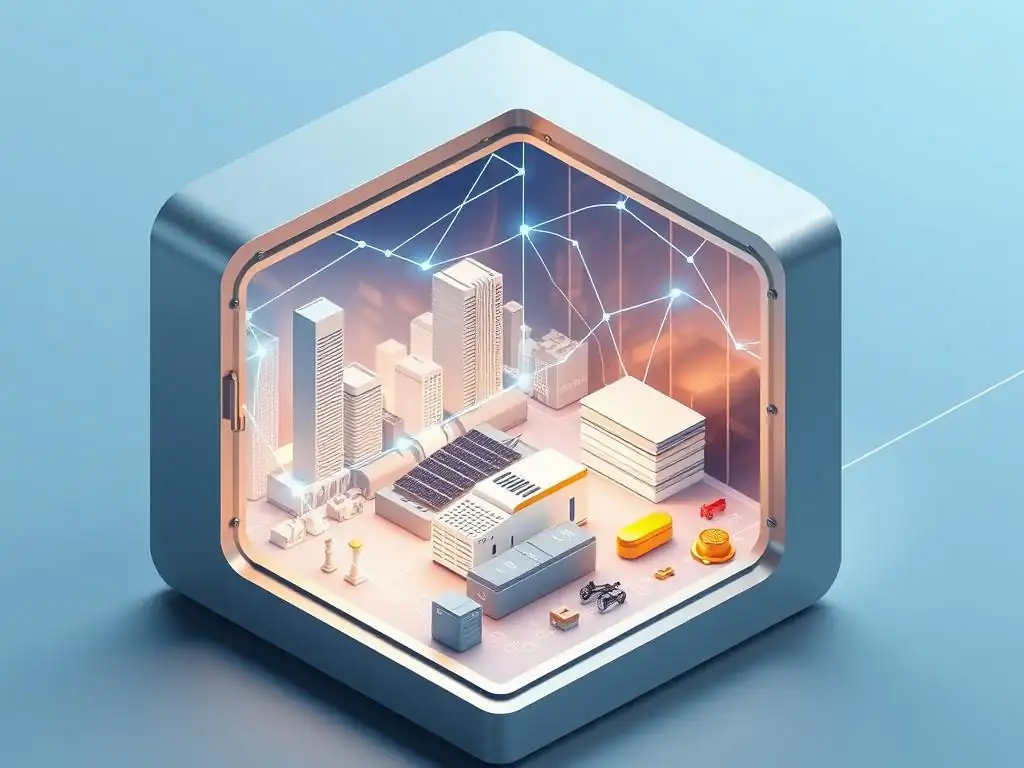
DeFi lending protocols backed by real-world assets offer a compelling suite of benefits that address some of the limitations of crypto-native DeFi and provide advantages over traditional finance. These benefits range from enhancing portfolio diversification for lenders and borrowers to introducing greater stability into the often-volatile DeFi markets. By leveraging the inherent value and established legal frameworks surrounding RWAs, DeFi can become a more robust, reliable, and broadly accessible financial ecosystem, capable of serving a wider array of financial needs for individuals and institutions alike.
The integration of RWAs also unlocks new avenues for capital formation and investment that were previously difficult to access or illiquid. It allows asset owners to tap into global, permissionless capital pools within DeFi, potentially securing financing more quickly and efficiently than through traditional banks. For investors, it provides exposure to yield-generating opportunities from diverse asset classes without requiring direct ownership or participation in complex traditional financial instruments. This dual benefit for both capital seekers and providers underscores the transformative potential of DeFi lending with real-world asset backing.
Diversification of Collateral Options in DeFi Lending
One of the most significant benefits of integrating real-world assets into DeFi lending is the diversification of collateral options. Currently, most DeFi lending relies heavily on major cryptocurrencies like Ether (ETH) and wrapped Bitcoin (wBTC), along with stablecoins. This creates a concentrated risk profile, as the value of collateral is highly correlated with the volatile crypto market. By allowing assets like tokenized real estate, corporate bonds, or invoices to be used as collateral, DeFi protocols significantly broaden the asset classes supporting loans.
This diversification reduces the systemic risk within DeFi lending. A downturn in the crypto market would have less impact on loans backed by stable, income-generating real-world assets. For borrowers, it means they can access liquidity without having to sell their non-crypto assets. For lenders, it means their capital is collateralized by a more varied pool of assets with different risk profiles and market dynamics, leading to a more resilient portfolio. The availability of a diverse range of DeFi realworld asset token types is key to achieving this diversification.
Reducing Volatility in DeFi Lending Markets with RWA Tokenization
Real-world asset tokenization has the potential to significantly reduce volatility within DeFi lending markets. Cryptocurrencies are known for their price swings, which necessitate high collateralization ratios in DeFi lending to protect lenders from sudden drops in collateral value. While effective, this over-collateralization ties up significant capital. RWAs like income-generating real estate, stable commodities, or performing loans typically exhibit much lower price volatility compared to speculative digital assets.
By using these less volatile tokenized assets as collateral, DeFi protocols can potentially lower collateralization requirements while maintaining a similar level of safety for lenders. This improves capital efficiency for borrowers. Furthermore, the yield generated by some RWAs (like interest payments from tokenized debt) can provide a more stable and predictable return for lenders compared to yields primarily derived from speculative trading or fluctuating protocol incentives. The inherent stability of many RWAs, when tokenized, contributes to a more predictable and less volatile DeFi realworld asset token lending environment.
Access to New Capital and Investment Opportunities Through DeFi
DeFi lending with real-world asset backing opens up access to new sources of capital for asset owners and creates novel investment opportunities for DeFi participants. Traditionally, accessing financing against assets like real estate or small business invoices often involves lengthy processes with banks, high transaction costs, and geographic limitations. Tokenization allows asset owners to potentially access capital from a global pool of DeFi liquidity providers, often more rapidly and with greater transparency.
For investors, this integration provides opportunities to invest in asset classes that were previously inaccessible or required significant capital and expertise to enter. DeFi users can now gain fractional exposure to income streams from diverse real-world sectors, such as real estate debt, trade finance, or renewable energy projects, simply by holding and staking the relevant tokenized assets in a lending protocol. This democratizes access to traditional financial markets and income streams, expanding the universe of potential investments available through the DeFi realworld asset token ecosystem.
Challenges and Risks of RWA Integration in DeFi Lending
Despite the significant potential, integrating real-world assets into DeFi lending protocols presents substantial challenges and risks. These are often more complex than those encountered with crypto-native assets because they involve the intersection of decentralized technology with traditional legal systems, physical assets, and existing regulations. Addressing these challenges is crucial for the sustainable growth and adoption of RWA-backed DeFi.
Key risks include legal and regulatory uncertainties surrounding tokenized assets, which vary significantly across jurisdictions. There are also technical risks related to securely linking the digital token to the physical asset and ensuring the reliability of off-chain data provided by oracles. Furthermore, traditional financial risks like default risk on the underlying asset, valuation challenges for illiquid RWAs, and ensuring sufficient liquidity for the tokenized representation remain significant concerns that require careful mitigation strategies. The complexity of managing a DeFi realworld asset token goes beyond typical DeFi operations.
Regulatory Uncertainty Surrounding DeFi Real-World Asset Token
One of the most significant hurdles for the widespread adoption of RWA tokenization in DeFi lending is the prevailing regulatory uncertainty. Jurisdictions globally are still grappling with how to classify and regulate tokenized assets that represent traditional financial instruments or physical property. Depending on their structure and the rights they confer, tokenized RWAs could be deemed securities, debt instruments, commodities, or other regulated asset types, subjecting them to stringent rules regarding issuance, trading, and custody.
This lack of clear regulatory frameworks creates legal risks for protocols, issuers, and investors. Operating in multiple jurisdictions with differing rules complicates compliance and limits scalability. Until regulators provide clearer guidelines on the legal status and requirements for a DeFi realworld asset token, potential participants, especially large institutions, may remain hesitant to fully engage with this space. Navigating this complex and evolving legal landscape requires careful legal structuring and proactive engagement with regulatory bodies.
Smart Contract Security Risks and Auditing for Tokenized RWAs
While smart contracts are the backbone of DeFi, they introduce security risks that are amplified when dealing with tokenized real-world assets representing significant value. Bugs or vulnerabilities in the smart contracts governing the tokenization process, the link to the underlying asset, or the lending protocol itself could lead to loss of funds, incorrect liquidations, or inability to enforce claims on the real-world asset. Given the value often represented by RWAs (e.g., multi-million dollar properties), smart contract exploits in this area could have catastrophic financial consequences.
Rigorous auditing by multiple reputable security firms is absolutely essential for all smart contracts involved in RWA tokenization and lending protocols utilizing these tokens. Beyond standard code audits, specific considerations must be given to how the smart contracts interact with oracles providing off-chain data and how they are designed to handle potential legal or operational issues related to the underlying asset. Ensuring the security of the DeFi realworld asset token infrastructure requires continuous vigilance and investment in security best practices.
Valuation and Liquidity Risks of Tokenized RWAs in DeFi
Valuation and liquidity risks are critical challenges for integrating certain types of real-world assets into DeFi lending. Unlike publicly traded stocks or major cryptocurrencies with readily available market prices, many RWAs, such as private credit, specific real estate properties, or unique collectibles, are inherently illiquid and difficult to value accurately and frequently. Providing reliable, tamper-proof oracle feeds for the valuation of such assets is complex and prone to potential inaccuracies or manipulation, which could destabilize lending protocols using them as collateral.
Furthermore, while tokenization improves the potential for liquidity by making assets divisible and transferable, the actual liquidity of a specific tokenized RWA depends on market demand and the depth of trading pools on exchanges or within DeFi protocols. If there is insufficient demand for a tokenized asset used as collateral, liquidating it in the event of a loan default could be difficult or result in significant price discounts, leaving lenders exposed. Managing the valuation and ensuring sufficient liquidity for a DeFi realworld asset token requires robust frameworks and active market participation.
Case Studies: Successful Examples of RWA Tokenization in DeFi Lending
Several projects are already demonstrating the viability and potential of integrating real-world assets into DeFi lending, serving as crucial case studies for the broader ecosystem. These protocols have adopted different approaches, focusing on specific asset classes or lending models, and have successfully facilitated millions, sometimes hundreds of millions, of dollars in RWA-backed transactions. Their successes provide valuable insights into the operational, technical, and legal challenges and how they can be overcome.
Examining these real-world examples helps illustrate the practical application of the concepts discussed. They show how different types of RWAs, from business invoices to institutional debt, can be structured and utilized within decentralized finance frameworks. While still relatively early in their development compared to traditional finance, these case studies highlight the tangible progress being made in bridging the gap and building a functional DeFi realworld asset token ecosystem.
Goldfinch: Providing Uncollateralized Loans to Emerging Markets
Goldfinch is a prominent example of a DeFi protocol focused on bringing real-world credit activity onto the blockchain, specifically targeting lending to businesses in emerging markets. Unlike typical DeFi protocols requiring crypto collateral, Goldfinch provides uncollateralized loans from the perspective of the end borrower (often fintech companies or lending platforms in regions like Latin America, Africa, and Southeast Asia). Instead of requiring crypto collateral from these borrowers, the protocol relies on a credit assessment mechanism involving "Backers" (who assess borrower pools) and a senior pool of capital.
From the perspective of DeFi lenders (liquidity providers), their capital is pooled and then allocated to various borrower pools vetted by Backers. The real-world asset here is the underlying debt obligation from the businesses in emerging markets. These debt obligations are structured and represented in a way that allows the protocol to track repayments and distribute yields back to the liquidity providers.
Goldfinch has facilitated significant loan volumes, reaching hundreds of millions of dollars in total loan originations, demonstrating the potential for DeFi to finance real-world economic activity, including credit in regions underserved by traditional finance. It represents an innovative model for the DeFi realworld asset token concept, focusing on credit risk rather than physical asset collateral.
Maple Finance: Institutional Lending with RWA Collateral
Maple Finance is another leading protocol focused on institutional crypto capital markets, which has successfully integrated real-world asset elements into its lending model. Maple facilitates undercollateralized loans primarily to crypto-native institutions (like trading firms) but also increasingly incorporates structures that leverage real-world assets or credit. The protocol connects institutional lenders (like DeFi funds or traditional credit funds) with institutional borrowers.
While much of Maple's early activity involved lending against the creditworthiness of crypto firms, it has evolved to include pools backed by specific types of real-world assets or credit. For instance, pools have been created to finance real-world invoices or provide working capital backed by tangible business assets.
The protocol uses a network of "Pool Delegates" (credit experts) who assess borrowers and manage loan pools, similar to how a credit analyst functions in TradFi. Maple has originated over $2 billion in loans since its inception, demonstrating the demand for institutional-grade lending within DeFi and showcasing how credit and real-world business financing can be effectively managed on-chain, contributing to the institutional adoption of the DeFi realworld asset token paradigm.
Future Trends: The Evolution of DeFi Lending and RWA Tokenization
The field of DeFi lending and RWA tokenization is still in its nascent stages, but several key trends are shaping its future evolution. As the technology matures and regulatory landscapes begin to clarify, the integration of real-world assets is expected to accelerate, leading to more sophisticated applications and broader participation. These trends point towards a future where the lines between decentralized and traditional finance become increasingly blurred, paving the way for a more integrated global financial system.
Anticipated developments include greater involvement from large traditional financial institutions, the emergence of clearer regulatory frameworks, and continuous technological advancements that improve the efficiency, security, and accessibility of tokenizing and managing RWAs on the blockchain. These factors combined are set to drive significant growth and innovation in how value is represented and exchanged in the digital age, fundamentally transforming the landscape of finance through the proliferation of the DeFi realworld asset token.
The Role of Institutional Investors in RWA-Backed DeFi Lending
Institutional investors, such as asset managers, pension funds, and traditional credit funds, are poised to play a crucial role in the growth of RWA-backed DeFi lending. These entities manage vast amounts of capital and are constantly seeking new avenues for yield and diversification. DeFi protocols offering exposure to tokenized real-world assets, particularly those with established income streams and lower volatility than crypto, present an attractive opportunity for institutions looking to deploy capital in a novel, potentially more efficient way.
Protocols are increasingly building infrastructure and compliance features specifically tailored to meet the needs of institutional participants, such as Know Your Customer (KYC) and Anti-Money Laundering (AML) checks, dedicated institutional lending pools, and robust legal structuring. As regulatory clarity improves and the operational frameworks become more mature, the influx of institutional capital into RWA-backed DeFi lending could dramatically increase the scale and liquidity of these markets, further validating the potential of the DeFi realworld asset token.
The Impact of Regulation on the Growth of DeFi Real-World Asset Token
Regulation will have a profound impact on the growth trajectory of the DeFi realworld asset token market. While regulatory uncertainty currently poses a challenge, the eventual development of clear and consistent rules is expected to be a net positive for the space. Clear regulations can provide legal certainty for issuers, platforms, and investors, reducing risk and encouraging broader participation. They can also establish necessary consumer and investor protections, building trust in the market.
Different jurisdictions are taking varied approaches to regulating tokenized assets. Some are developing specific frameworks for digital assets, while others are attempting to fit them within existing securities or property laws. The direction and clarity of these regulations will significantly influence which types of RWAs are tokenized, which jurisdictions become hubs for RWA tokenization activity, and how quickly institutional adoption progresses. Harmonization of regulations across borders would further accelerate growth by reducing complexity for global participants.
Innovations in RWA Tokenization Technology for DeFi
Technological innovations are continuously improving the process and possibilities for RWA tokenization in DeFi. Advancements in oracle technology are making it more reliable and secure to bring off-chain data, such as asset valuations, legal status updates, and performance metrics, onto the blockchain. Decentralized identity solutions are improving the ability to incorporate KYC/AML requirements while maintaining aspects of privacy.
Improvements in blockchain scalability and efficiency are reducing transaction costs and increasing throughput, making it more feasible to manage a large volume of tokenized assets and associated transactions. Furthermore, the development of more sophisticated legal and technical structuring methods, such as using zero-knowledge proofs to verify off-chain data or legal compliance without revealing sensitive information on-chain, is enhancing the privacy and complexity of RWA tokenization. These technological leaps are essential for building a robust and scalable DeFi realworld asset token ecosystem capable of handling diverse asset classes.
Conclusion: The Future of Finance – DeFi and TradFi United Through RWA Tokenization
The convergence of Decentralized Finance and Traditional Finance through the tokenization of real-world assets represents a pivotal moment in the evolution of the global financial system. RWA tokenization unlocks immense value by bringing a vast array of tangible and intangible assets onto the blockchain, making them programmable, divisible, and accessible within decentralized protocols. This process is fundamentally transforming DeFi lending by providing access to more stable collateral, increasing liquidity, and creating novel yield opportunities for participants.
While significant challenges remain, particularly in the areas of legal frameworks, regulatory clarity, and technical infrastructure, the progress demonstrated by early innovators and the potential for increased efficiency and accessibility are undeniable. The future of finance is likely to be a hybrid system, leveraging the strengths of both traditional institutions and decentralized networks. RWA tokenization serves as a critical bridge in this transition, enabling a more interconnected, efficient, and inclusive financial ecosystem for individuals and institutions worldwide.
Key Takeaways on DeFi Lending and Real-World Asset Integration
Several key takeaways emerge from an examination of DeFi lending and real-world asset integration. Firstly, RWA tokenization is essential for scaling DeFi beyond crypto-native markets and unlocking significant value from the traditional economy. Secondly, integrating RWAs provides DeFi lending with much-needed collateral diversity and can help reduce market volatility compared to crypto-only collateral. Thirdly, this integration creates new investment opportunities for DeFi participants to earn yield from traditional asset classes and provides asset owners with new avenues for capital formation.
However, the successful realization of this potential hinges on addressing critical challenges, including navigating complex legal and regulatory environments, ensuring robust technical infrastructure and smart contract security, and developing reliable methods for asset valuation and liquidity management. The development and adoption of the DeFi realworld asset token requires collaboration between blockchain developers, legal experts, financial institutions, and regulators to build trusted and compliant frameworks.
The Long-Term Vision for a More Accessible and Efficient Financial System
The long-term vision for DeFi and RWA tokenization is a global financial system that is more accessible, efficient, and transparent than the current traditional system. By tokenizing real-world assets, barriers to investment are lowered through fractional ownership, and access to credit can be expanded to underserved populations and businesses through decentralized lending protocols. Transaction costs and settlement times can potentially be reduced significantly by leveraging blockchain technology.
In this future state, individuals and institutions could seamlessly move value between traditional assets and decentralized applications, participating in global markets with greater ease and control. The transparency of blockchain could reduce information asymmetry, while the immutability of records could enhance trust. While the path forward requires overcoming substantial hurdles, the potential for a truly global, interconnected, and efficient financial system driven by the DeFi realworld asset token makes this area one of the most exciting and impactful frontiers in finance today.
Frequently Asked Questions
What are Real-World Assets (RWAs) in the context of DeFi, and why are they important?
RWAs are tangible assets like real estate, commodities, or invoices that are tokenized on a blockchain. They're important because they bridge the gap between traditional finance (TradFi) and DeFi, bringing stability and diversification to the DeFi ecosystem.
How does DeFi lending benefit from the tokenization of Real-World Assets?
Tokenized RWAs can be used as collateral for DeFi loans, allowing borrowers to access decentralized finance using assets they already own. This increases liquidity and accessibility within the DeFi space and provides new lending opportunities.
What are some of the potential challenges or risks associated with using Real-World Asset tokens in DeFi?
Challenges include regulatory uncertainty, the need for reliable oracles to verify asset value, and the complexity of legal frameworks surrounding ownership and transfer of RWAs.
What is the role of oracles in the process of bringing Real-World Assets into DeFi?
Oracles are crucial for providing accurate and real-time data about the value of RWAs. They act as a bridge between the blockchain and the real world, ensuring the DeFi protocols have reliable information for pricing and collateralization.
How does the tokenization of Real-World Assets contribute to the future of decentralized systems?
RWA tokenization allows for greater financial inclusion by providing access to DeFi for a broader range of users and assets. It also fosters innovation and efficiency in traditional markets through the use of blockchain technology.
Final Reflection: Embracing the Tokenized Future
The exploration of DeFi lending and real-world asset tokenization reveals a pivotal moment in finance. The convergence of decentralized finance and traditional assets represents a paradigm shift, offering unprecedented opportunities for accessibility, efficiency, and transparency within the financial ecosystem. This is no longer a theoretical concept; it's a tangible evolution reshaping how we perceive and interact with value.
This intersection of DeFi and TradFi is not merely a technological advancement; it's a cultural and social evolution. The ability to democratize access to investment opportunities and unlock liquidity in previously illiquid assets has profound implications for financial inclusion and economic empowerment. The future of finance is decentralized, and tokenization is the key to unlocking its full potential.
This sentiment underscores the transformative power of bridging the gap between the old and the new, creating a more equitable and efficient financial landscape for all.
As we stand at the cusp of this tokenized future, let us reflect on the potential for positive change. Consider how you can contribute to this evolution, whether through education, investment, or advocacy. The future of finance is being written now, and your understanding and engagement are crucial to shaping a more inclusive and prosperous world for generations to come.
Unleash the Power of Tokenization: Your Next Step Awaits!
Thank you for exploring how decentralized finance lending and real-world asset tokenization are transforming the financial industry. Now that you see the potential, it's time to actively participate in this exciting evolution.
Consider taking the following steps to deepen your understanding and contribute to shaping the future of finance:
- Explore Specific Assets: Investigate real-world assets such as real estate, art, or commodities that are being tokenized. Learn about the platforms enabling these transactions and the unique aspects of each asset class.
- Try a DeFi Lending Platform: Experiment with a test environment of a DeFi lending protocol to familiarize yourself with the technology—just remember to avoid using real money until you're confident.
- Join the Conversation: Share your insights on social media using hashtags like #DeFiandTradFi. Discuss the challenges and opportunities in bridging decentralized and traditional finance, and share your predictions for the future.
Which real-world asset do you think is most ready for tokenization, and how might it influence the lending landscape? Share your thoughts in the comments below!
Leave a Reply