
Governance Tokens in DEXs: Power to the Community


Welcome to Blockchain Trends, your compass in the rapidly evolving world of decentralized technologies. Are you ready to delve beyond the hype and uncover the real potential of blockchain? Today, we're unlocking a crucial piece of the DeFi puzzle: the intricate world of DEX governance token utility. How exactly do these tokens empower communities and shape the future of decentralized exchanges? Dive in to discover the mechanisms behind the power and influence they wield.
Governance Tokens in DEXs: Power to the Community
- Understanding DEX Governance Tokens and Their Role in Decentralized Exchanges
- DEX Governance Token Utility: Benefits and Use Cases
- The Impact of DEX Governance on Community Engagement
- Challenges and Considerations of DEX Governance Models
- Examples of Successful DEX Governance Models
- The Future of DEX Governance: Trends and Innovations
- Investing in DEX Governance Tokens: A Risk Assessment
- Maximizing DEX Governance Token Utility: A Guide for Participants
- Conclusion: DEX Governance Tokens as a Catalyst for Decentralization
-
Frequently Asked Questions
- What is a DEX governance token and how does it empower the community?
- How does holding a DEX governance token translate into real power?
- What are some common utilities beyond governance that a DEX governance token might offer?
- How is "DEX governance token utility" affected by current regulations?
- What is the future outlook for DEX governance token utility?
- Final Reflection: Empowering Decentralized Futures
- Unlock Your DEX Influence!
Understanding DEX Governance Tokens and Their Role in Decentralized Exchanges
What are DEX Governance Tokens? A Beginner's Guide
DEX governance tokens are cryptographic assets designed to grant holders specific rights and influence over the operation and future direction of a decentralized exchange (DEX) protocol. Unlike utility tokens primarily used for accessing services, or security tokens representing ownership in a traditional sense, governance tokens are fundamentally about conferring voting power. They embody the principle of decentralization by distributing control from a single entity to a community of token holders. These tokens are typically issued during the initial launch of a DEX protocol, often through liquidity mining programs, airdrops, or initial DEX offerings (IDOs).
Holding a certain amount of a DEX's governance token allows an individual or entity to propose changes to the protocol or vote on proposals submitted by others. This could include parameters like trading fees, protocol upgrades, treasury fund allocation, or even which token pairs are listed or receive liquidity incentives.
The weight of a holder's vote is usually proportional to the amount of governance tokens they hold, though some models introduce complexities like time-locking tokens (e.g., Curve's veCRV) to increase voting power over time. The DEX governance token utility is centered around this ability to participate directly in the decision-making process.
The Importance of Decentralized Governance in DEXs
Decentralized governance is paramount for DEXs because it aligns with the core ethos of blockchain technology and decentralized finance (DeFi) – removing intermediaries and single points of control. In traditional financial systems, decisions about exchange operations, fee structures, and listings are made by a centralized corporate board. In contrast, decentralized governance empowers the community that uses and supports the DEX, fostering resilience against censorship and external pressure.
If a government or regulator wanted to shut down a centralized exchange, they could target the company behind it. A truly decentralized DEX governed by a distributed network of token holders is much harder to disrupt in this manner.
Furthermore, decentralized governance allows DEX protocols to evolve and adapt based on the needs and desires of their user base. The community, comprised of traders, liquidity providers, and developers, often has the best insight into necessary improvements or new features. Through governance proposals and voting, these stakeholders can collectively steer the development roadmap, ensuring the protocol remains competitive and relevant in the fast-moving DeFi landscape. This collective decision-making process, facilitated by the DEX governance token utility, creates a more robust and community-aligned platform.
DEX Governance Tokens vs. Traditional Exchange Governance
The fundamental difference between DEX governance tokens and traditional exchange governance lies in the distribution and nature of control. In a traditional exchange like the New York Stock Exchange (NYSE) or Binance (though Binance has decentralized aspirations in some areas), governance is hierarchical and centralized. Decisions are made by corporate executives, boards of directors, and shareholders, but typically not by the individual traders or liquidity providers using the platform daily. Access to influence is often limited to large institutional investors or company insiders.
DEX governance, powered by tokens, aims to flatten this hierarchy. While large token holders inevitably wield more voting power, the mechanism is designed to be accessible to anyone who holds the governance token. This means a small retail user who earned tokens through providing liquidity might have a small but real say in the protocol's future, something impossible in a traditional exchange. This shift in control mechanism is the essence of DEX governance token utility, transforming users from mere customers into stakeholders with vested interests and decision-making power.
DEX Governance Token Utility: Benefits and Use Cases
Voting Rights and Protocol Development: Shaping the Future of DEXs
A primary DEX governance token utility is the ability to vote on proposals that directly impact the protocol's functionality and development. This includes proposing and voting on technical upgrades, such as implementing new algorithms for Automated Market Makers (AMMs) or improving smart contract efficiency.
For example, Uniswap's governance process has seen proposals ranging from funding grants for ecosystem development to deploying the protocol on new blockchain networks. A proposal typically starts as a discussion on a forum (like Commonwealth or Discourse), moves to a temperature check or snapshot vote, and if it gains sufficient support, proceeds to an on-chain vote requiring a minimum threshold of token support to pass.
These voting mechanisms allow the community to collectively decide on the strategic direction of the DEX. They can approve or reject proposals that could significantly alter the protocol's economics, security, or user experience. This participatory model ensures that major changes reflect the consensus of the token-holding community, rather than being imposed by a central authority. The ability to directly influence protocol development via voting is arguably the most significant aspect of DEX governance token utility.
Fee Structure Adjustments: The Power to Influence DEX Economics
Another critical DEX governance token utility is the power to influence the fee structure of the exchange. Trading fees are a core component of a DEX's revenue model, often distributed among liquidity providers and sometimes directed towards a protocol treasury or token holders.
Governance token holders can propose and vote on changes to these fees. For instance, they might propose increasing or decreasing the standard trading fee for certain pools (e.g., from 0.3% to 0.25% or 0.05% for stablecoin pairs), or they might vote on implementing a protocol fee switch that redirects a portion of trading fees to the governance token holders or a community treasury.
This ability to adjust fees allows the community to optimize the protocol's economics based on market conditions and strategic goals. They can prioritize attracting liquidity by lowering fees or prioritize revenue generation by increasing them, always balancing these objectives. For example, Curve Finance's governance (via veCRV holders) can vote on fee distributions and liquidity mining incentives for specific pools, directly impacting trading volume and liquidity allocation across the platform. This direct influence over the economic engine of the DEX is a powerful demonstration of DEX governance token utility.
Listing New Tokens and Managing Liquidity Pools through Governance
While not all AMM-based DEXs have a traditional "listing" process like centralized exchanges, governance often plays a crucial role in determining which token pairs are supported and how liquidity is managed. In many protocols, the creation of new liquidity pools is permissionless. However, governance can decide which pools receive liquidity mining rewards or are featured prominently on the DEX interface. This effectively serves as a form of decentralized listing or prioritization mechanism.
Furthermore, governance can vote on parameters related to existing liquidity pools, such as adjusting the trading fee for specific pairs based on volatility or trading volume, or allocating treasury funds to bootstrap liquidity for new, important assets. Some DEXs also allow governance to decide on integrating new assets into the protocol's core functions, like using them as collateral or enabling specific trading features. This influence over the available assets and liquidity incentives is a key DEX governance token utility, shaping the trading environment available to users.
Staking and Yield Farming Opportunities with DEX Governance Tokens
Beyond direct voting, many DEX governance tokens offer additional DEX governance token utility through staking and yield farming opportunities. Holders can stake their tokens to earn a yield, which might come from protocol revenue (like trading fees), emissions of new governance tokens, or tokens from partner projects. This provides a financial incentive to hold the token long-term and participate in governance. Some protocols, like Curve with its veCRV model, require users to lock their CRV tokens for a set period to gain voting power and boost their yield farming rewards on liquidity provided to Curve pools.
Yield farming opportunities often involve providing liquidity to specific pools and staking the resulting LP tokens to earn governance tokens as rewards. This mechanism distributes the governance token widely among active users and liquidity providers, aligning incentives between those who provide capital and those who govern the protocol. These staking and yield farming opportunities enhance the appeal and DEX governance token utility, encouraging active participation and long-term commitment to the platform.
The Impact of DEX Governance on Community Engagement
Fostering a Sense of Ownership and Participation
DEX governance tokens are instrumental in fostering a deep sense of ownership among users and token holders. By granting voting rights and the ability to propose changes, governance tokens transform users from mere consumers of a service into active participants with a stake in the platform's success.
This sense of ownership encourages community members to not only use the DEX but also to contribute to its improvement, evangelize the protocol, and actively participate in governance discussions and votes. For instance, the active forums and proposal discussions seen in major DEX communities like Uniswap or Aave (which includes a DEX component) demonstrate this engagement.
This participatory model stands in stark contrast to traditional financial platforms where user feedback might be limited to customer service or online reviews. In the decentralized model, the community is the decision-maker. This direct involvement, facilitated by the DEX governance token utility, builds a loyal and engaged user base, which is crucial for the long-term health and growth of a decentralized protocol.
Increased Transparency and Accountability in DEX Operations
Decentralized governance inherently promotes transparency and accountability. Governance proposals, discussions, and voting records are typically public, often stored on the blockchain itself (for on-chain votes) or publicly recorded on platforms like Snapshot. This means anyone can see what changes are being proposed, who is discussing them, and how token holders are voting. This level of transparency is unprecedented in traditional financial institutions, where internal decision-making processes are often opaque.
This transparency leads to increased accountability. If a proposal passes that negatively impacts the protocol, the community can trace back the decision-making process and understand how it happened. While accountability isn't enforced by a central legal system, it exists within the community dynamic and can influence future voting behavior or discussions. The public nature of DEX governance token utility through voting ensures that the process is open for scrutiny.
Building Stronger Communities Around Decentralized Exchanges
The process of decentralized governance naturally leads to the formation of stronger, more cohesive communities around DEXs. Governance requires discussion, debate, and consensus-building. Users and token holders gather in forums, Discord servers, and other channels to discuss proposals, share perspectives, and coordinate voting efforts. This shared purpose – guiding the future of the protocol – creates strong bonds among community members.
These communities become vital ecosystems, not just for governance but also for development, support, and user acquisition. Community members often build tools, create educational content, and help onboard new users. The shared investment, both financial (holding tokens) and intellectual (participating in governance), cultivates a dedicated community that is resilient and supportive of the DEX's mission. The active use of DEX governance token utility by participants is the engine driving this community building.
Challenges and Considerations of DEX Governance Models
Voter Apathy and Low Participation Rates
Despite the potential for widespread community involvement, one significant challenge facing DEX governance models is voter apathy. While token holders have the right to vote, actual participation rates in governance proposals are often quite low. For major protocols, even important votes might only see participation from a relatively small percentage of eligible tokens, sometimes below 10% or 20% of the total circulating supply used for voting. This can be due to various factors, including the complexity of proposals, lack of time or interest from token holders, or the perception that individual votes hold little weight compared to large holders.
Low participation can lead to decisions being made by a small, active minority, potentially undermining the goal of broad decentralization. It also makes the governance process less representative of the entire token holder base. Protocols are experimenting with ways to combat apathy, such as delegated voting (allowing users to delegate their voting power to a trusted representative) or simplifying the voting process, but it remains a persistent challenge for effective DEX governance token utility.
The Risk of Centralized Control by Large Token Holders
Another critical challenge is the potential for centralized control by a few large token holders, often referred to as "whales" or early investors/team members who hold a significant portion of the governance token supply. While governance is distributed among token holders, the weight of a vote is typically proportional to the number of tokens held. This means a small number of entities holding a majority of tokens can theoretically pass any proposal they wish, even if it is not in the best interest of the broader community or the protocol's decentralization goals.
While most major protocols have mechanisms intended to mitigate this risk (like timelocks on executing proposals, or requiring minimum quorum thresholds that large holders alone cannot meet), the concentration of voting power remains a concern. This potential for plutocracy contradicts the decentralized ethos and is a key vulnerability for any system relying on DEX governance token utility weighted purely by token balance.
Security Risks and Potential for Malicious Proposals
DEX governance systems, particularly those with on-chain execution, also face security risks. A malicious actor or cartel of large holders could potentially propose and vote through changes that are detrimental to the protocol, such as altering fee structures to benefit themselves unfairly, draining treasury funds, or even introducing vulnerabilities into the smart contracts. While robust governance systems include checks and balances, such as proposal timelocks allowing time for scrutiny before execution, the risk of a successful malicious governance attack, though rare for major protocols, is a non-zero possibility.
Furthermore, the complexity of some proposals means that not all token holders may fully understand the technical implications of what they are voting on, potentially leading to unintended consequences. Ensuring the security and integrity of the governance process, from proposal creation to on-chain execution, is paramount to maintaining trust in the DEX governance token utility and the protocol itself.
Examples of Successful DEX Governance Models
Uniswap's UNI Governance: A Retrospective
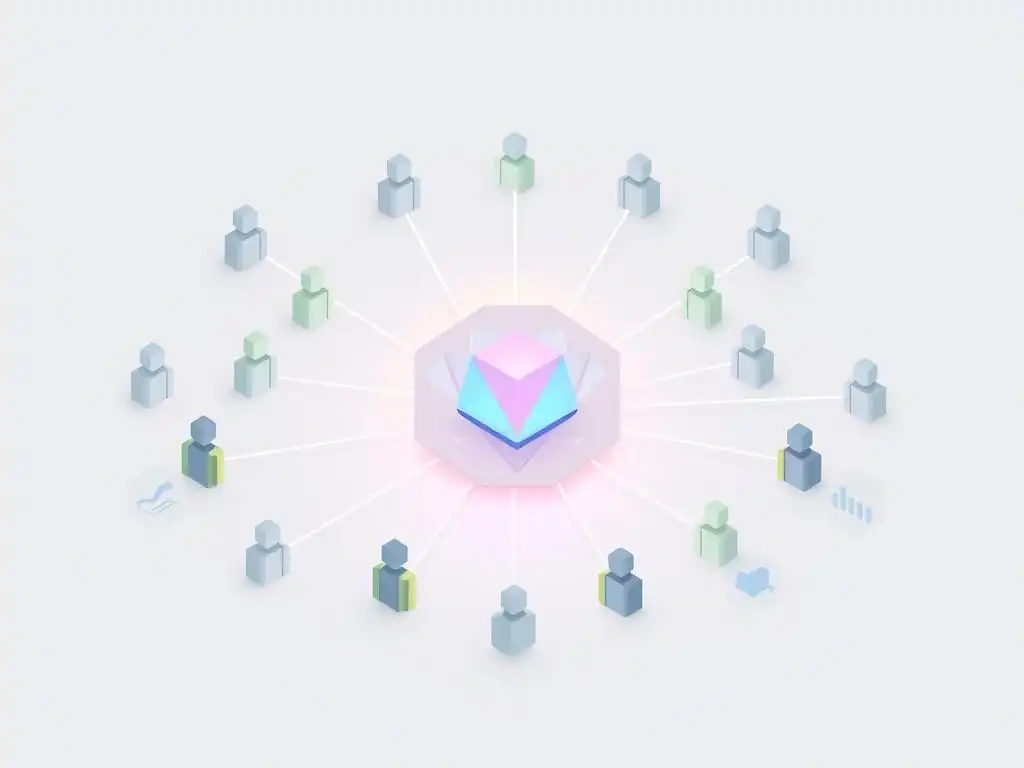
Uniswap, one of the largest decentralized exchanges, operates under UNI token governance. UNI was airdropped to historical users and liquidity providers in September 2020, immediately distributing governance power widely. Uniswap governance primarily uses a Snapshot voting system for initial signaling votes (off-chain, gas-free) and reserves resource-intensive on-chain voting for executing major protocol upgrades or treasury spending. A typical proposal requires a significant threshold of UNI delegated to addresses that can create proposals (currently requiring delegation of 2.5 million UNI) and then a high quorum (e.g., 40 million UNI voting 'yes') to pass on-chain votes.
Uniswap's governance has been active in guiding the protocol's evolution. Key decisions made through UNI governance include the deployment of Uniswap v3 on various networks like Polygon and Optimism, the creation of the Uniswap Grants Program to fund ecosystem development (approving multi-million dollar budgets), and discussions around the potential "fee switch" to direct a portion of trading fees to UNI holders. While facing challenges like voter apathy and the influence of large delegates, UNI governance has successfully overseen significant protocol upgrades and strategic decisions, showcasing the power of DEX governance token utility in practice.
Curve DAO's veCRV Model: Locking and Voting Power
Curve Finance, a major DEX focused on stablecoin and asset swaps, employs a unique governance model centered around the veCRV (vote-escrowed CRV) token. Users lock their CRV tokens for a period ranging from one week to four years to receive veCRV. The amount of veCRV received is proportional to both the amount of CRV locked and the duration of the lock-up period – locking for longer yields more veCRV. veCRV is non-transferable and its balance decays linearly as the lock duration approaches its end.
The DEX governance token utility of veCRV is twofold: it grants voting power in the Curve DAO (Decentralized Autonomous Organization), and it boosts the holder's yield farming rewards when providing liquidity to Curve pools. This model strongly incentivizes long-term holding and participation, addressing voter apathy to some extent by tying governance power directly to financial benefits (boosted yield).
Curve governance primarily votes on allocating CRV emissions to different liquidity pools (the "gauge weights"), which significantly impacts where liquidity flows on the platform, and on adjusting protocol fees. The veCRV model is a prominent example of how governance token design can be leveraged to align incentives and enhance DEX governance token utility.
Comparing Different Governance Approaches and Their Outcomes
Comparing Uniswap's delegate-based Snapshot/on-chain model with Curve's vote-escrowed veCRV system highlights the diversity in DEX governance design and their respective outcomes. Uniswap's model, with its high quorum requirements, tends to be more focused on strategic, high-level decisions and large treasury allocations. It relies heavily on delegated power, meaning a few key individuals or entities often represent significant voting blocs. This can make passing contentious proposals challenging but also provides a degree of stability by requiring broad consensus among large stakeholders.
Curve's veCRV model, by contrast, creates a strong link between providing liquidity, locking tokens, and gaining voting power (and boosted yield). This makes Curve governance highly focused on directing liquidity incentives (gauge weights) and managing the platform's core function of efficient swaps. The lock-up mechanism encourages long-term commitment but also creates illiquidity for the locked tokens. Both models demonstrate effective DEX governance token utility but achieve it through different incentive structures and lead to governance processes focused on distinct aspects of the protocol's operation.
The Future of DEX Governance: Trends and Innovations
Decentralized Autonomous Organizations (DAOs) and DEX Governance
The concept of DEX governance is intrinsically linked to the broader evolution of Decentralized Autonomous Organizations (DAOs). Most major DEXs are now governed by DAOs, which represent a shift towards more formalized, on-chain coordination mechanisms. The future of DEX governance will likely involve more sophisticated DAO tooling and structures. This includes better platforms for proposal discussion and voting, more secure and efficient ways to execute governance decisions on-chain, and legal or organizational wrappers that can interface with the traditional world while maintaining decentralized control.
As DAOs mature, they may adopt more complex organizational structures, potentially including sub-DAOs responsible for specific functions like grants, risk management, or protocol development. This modularity could improve efficiency and allow for specialized expertise within the decentralized governance framework. The ongoing development of DAO infrastructure is crucial for unlocking the full potential of DEX governance token utility.
Liquid Democracy and Delegated Voting Systems
To combat voter apathy and make governance more accessible, liquid democracy and advanced delegated voting systems are gaining traction. Liquid democracy allows token holders to either vote directly on proposals ("direct democracy") or delegate their voting power to a trusted individual or entity ("delegated democracy"). Unlike traditional representative democracy, delegation in liquid democracy is fluid – users can change their delegate at any time or revoke their delegation to vote directly on specific issues.
Systems like the one used by Uniswap governance, where UNI holders delegate their voting power to representatives, are early examples. Future iterations may include more sophisticated tools for delegates to communicate their stances, track their voting history, and for token holders to discover and evaluate potential delegates. Improving the delegation process is seen as a key way to increase overall participation and effectiveness of DEX governance token utility without requiring every token holder to be an expert on every proposal.
On-Chain Governance vs. Off-Chain Governance Solutions
The debate between on-chain and off-chain governance continues to shape the future of DEX governance. On-chain governance involves executing votes and implementing changes directly via smart contracts on the blockchain. This offers high security and trust minimization but can be expensive (due to gas fees for voting and execution) and slow.
Off-chain governance involves voting or signaling intentions on platforms like Snapshot, which record votes cryptographically but do not execute changes directly. This is cheaper and faster but requires a trusted entity (like a multisig wallet controlled by a set of signers elected through governance) to execute the final decision on-chain based on the off-chain vote outcome.
Hybrid models are becoming common, using off-chain signaling for preliminary votes and discussions, followed by a final, binding on-chain vote for critical decisions. Innovations are needed to make on-chain governance cheaper and more efficient, perhaps through Layer 2 scaling solutions or specialized governance blockchains. Finding the right balance between security, cost, speed, and decentralization in the execution layer is a key challenge for maximizing DEX governance token utility in the future.
Investing in DEX Governance Tokens: A Risk Assessment
Understanding Tokenomics and Valuation Metrics
When considering investing in DEX governance tokens, understanding their tokenomics is paramount. This includes analyzing the total supply, circulating supply, vesting schedules for team/investor tokens, and inflation mechanisms (e.g., tokens distributed via liquidity mining). A high circulating supply relative to total supply, coupled with clear and reasonable vesting schedules, can indicate a healthier distribution. Inflationary models, while useful for bootstrapping liquidity, can dilute the value of existing tokens if not managed properly by governance.
Valuation metrics for governance tokens are less straightforward than traditional finance but often involve looking at metrics related to the underlying DEX's performance, such as trading volume, total value locked (TVL) in liquidity pools, and protocol revenue (if any is generated and potentially directed to token holders or a treasury). Comparing these metrics across different DEXs can provide context, but it's crucial to remember that the value of a governance token is also speculative, tied to the perceived future success and governance power of the protocol, and the overall market sentiment.
The DEX governance token utility in terms of potential future revenue share or influence is a key factor investors evaluate.
Assessing the Long-Term Potential of DEX Projects
Investing in a DEX governance token is essentially an investment in the long-term potential of the underlying decentralized exchange protocol. Investors should assess the DEX's competitive advantages (e.g., unique AMM design, focus on specific asset classes, strong community), its adoption rate, the quality and activity of its development team (even if decentralized), and the overall roadmap. A DEX operating in a niche with strong product-market fit or one that is consistently innovating and attracting significant liquidity and trading volume may have stronger long-term prospects.
Regulatory risks are also a significant consideration, as the legal status of DEXs and governance tokens is still evolving in many jurisdictions. A thorough assessment requires looking beyond just the token price and evaluating the fundamental health, innovation, and resilience of the DEX protocol itself. The perceived long-term value and effectiveness of the DEX governance token utility contribute significantly to this assessment.
Diversifying Your Portfolio and Managing Risk
Like all cryptocurrency investments, investing in DEX governance tokens carries significant risk, including market volatility, smart contract vulnerabilities, regulatory uncertainty, and competition from other protocols. It is crucial to approach such investments with a risk management mindset. Diversifying your portfolio across different types of crypto assets and different DEX governance tokens can help mitigate risk.
Investing only what you can afford to lose is a fundamental principle. Given the complexity and evolving nature of decentralized governance, potential investors should conduct thorough research, understand the specific governance mechanisms of the protocol, and be aware of the challenges discussed earlier, such as whale concentration and voter apathy. Understanding the DEX governance token utility within its specific protocol context is vital for managing expectations and risk.
Maximizing DEX Governance Token Utility: A Guide for Participants
Staying Informed and Actively Participating in Governance Forums
For those who hold DEX governance tokens and wish to maximize their utility, staying informed is the first step. This involves regularly checking the official governance forums (like Discourse or Commonwealth), proposal tracking platforms (like Snapshot), and community channels (like Discord or Telegram) for the DEX protocol. Pay attention to proposed changes, ongoing discussions, and upcoming votes.
Active participation means more than just voting. Engage in discussions, ask questions, provide constructive feedback on proposals, and understand the different viewpoints within the community. Even if you hold a small amount of tokens, your reasoned arguments can influence the debate and help shape better proposals. Maximizing DEX governance token utility begins with being an engaged, informed member of the community.
Collaborating with Other Community Members
Decentralized governance is inherently collaborative. To effectively influence outcomes, especially for smaller token holders, collaborating with other community members is essential. Join working groups focused on specific areas (e.g., protocol upgrades, treasury management), discuss proposals with fellow token holders, and coordinate voting efforts on important issues.
Forming or joining a delegate group (if the protocol uses a delegation model) allows token holders to pool their voting power and elect representatives who can dedicate more time and expertise to governance. Building relationships and finding allies within the community amplifies your voice and increases the likelihood of achieving desired outcomes through the collective exercise of DEX governance token utility.
Contributing to the Development and Improvement of the DEX
Maximizing DEX governance token utility can also involve contributing more directly to the development and improvement of the DEX protocol. This could mean contributing code, identifying and reporting bugs, creating educational content about the protocol and its governance, or developing tools that benefit the community (e.g., dashboards for tracking governance activity).
Many protocols have grant programs funded by the DAO treasury, which can provide resources for community members to work on such initiatives. By actively contributing your skills and effort, you not only help improve the protocol but also strengthen your standing within the community and increase your influence, further enhancing the practical DEX governance token utility you derive from holding the tokens.
Conclusion: DEX Governance Tokens as a Catalyst for Decentralization
The Evolving Landscape of DEX Governance
DEX governance tokens represent a significant evolution in how online platforms and financial protocols can be managed. They are a powerful tool for decentralization, shifting control from centralized entities to distributed communities of token holders. While still relatively nascent and facing challenges like apathy and centralization risks, the landscape of DEX governance is constantly evolving, with new models, tools, and best practices emerging from the collective experience of various protocols.
The ongoing experimentation with different governance structures, voting mechanisms, and incentive models is refining the practical application of decentralized control in DeFi. As the technology and understanding of decentralized coordination improve, the effectiveness and reach of DEX governance are likely to grow.
The Potential for Community-Driven Innovation in DeFi
The core promise of DEX governance tokens is enabling community-driven innovation. By empowering users and stakeholders to propose and vote on changes, protocols can tap into a vast pool of collective intelligence and align development priorities with the real needs of the platform's users and liquidity providers. This bottom-up approach to development can lead to more resilient, user-centric, and innovative protocols compared to traditional top-down decision-making.
Examples like the rapid iteration and feature development seen in major DEXs, often spurred by community discussion and governance proposals, highlight this potential. The DEX governance token utility is fundamentally about unlocking this collective innovation power.
Embracing Decentralization through Active Participation
Ultimately, the success of DEX governance and the realization of its decentralized promise depend on the active participation of token holders. Holding a governance token offers the opportunity to have a direct say in the future of decentralized finance infrastructure. By staying informed, engaging in discussions, and participating in voting, individuals contribute to building more transparent, accountable, and community-aligned financial systems.
Embracing the DEX governance token utility means taking responsibility as a stakeholder in a decentralized network. It is through this active engagement that the power truly shifts to the community, driving the ongoing decentralization of finance.
Frequently Asked Questions
What is a DEX governance token and how does it empower the community?
A DEX governance token is a digital asset that grants holders voting rights within a decentralized exchange (DEX). It empowers the community by allowing them to participate in decisions regarding the DEX's future, such as fee structures and protocol upgrades.
How does holding a DEX governance token translate into real power?
Holding a governance token gives you the ability to vote on proposals that affect the DEX's operations. Higher token holdings often equate to a greater voting weight, influencing the direction of the platform.
What are some common utilities beyond governance that a DEX governance token might offer?
Beyond governance, tokens can offer utilities like fee discounts, staking rewards, and access to exclusive features within the DEX ecosystem. These utilities incentivize holding and active participation.
How is "DEX governance token utility" affected by current regulations?
Regulations around digital assets significantly impact the utility of governance tokens. Regulatory uncertainty can limit functionality and adoption, while clear frameworks can foster greater innovation and utility.
What is the future outlook for DEX governance token utility?
The future likely holds increased utility for governance tokens as DEXs mature and regulations clarify. Expect to see more innovative mechanisms for community participation and a deeper integration of tokens within the broader DeFi ecosystem.
Final Reflection: Empowering Decentralized Futures
The exploration of DEX governance token utility reveals a crucial truth: true decentralization hinges on community participation. The intricate mechanisms we've examined, from voting rights to protocol upgrades, underscore the profound impact these tokens have on shaping the future of decentralized exchanges. The power to influence, once concentrated in the hands of a few, is now being democratized, fostering a more equitable and resilient financial ecosystem.
This shift towards community-led governance is not merely a technological advancement; it's a cultural revolution. The ability for individuals to directly shape the platforms they use fosters a sense of ownership and responsibility that traditional systems often lack. This empowerment is particularly vital in a world increasingly wary of centralized control. The future is already here – it's just not evenly distributed.
- William Gibson. This quote resonates deeply, reminding us that the potential of DEX governance tokens to distribute power more evenly is immense, but realizing that potential requires active participation and informed decision-making.
As we conclude, consider the role you can play in this evolving landscape. The future of decentralized finance is not predetermined; it is being actively built by those who choose to participate. Embrace the opportunity to learn, engage, and contribute to the governance of the DEXs you believe in. Your voice matters, your vote counts, and your actions can shape a more decentralized and equitable financial future for all.
Unlock Your DEX Influence!
Thank you for exploring the role of governance tokens and their impact on decentralized exchanges. Now that you understand how these tokens empower communities, it's time to take action and make your voice heard. Are you ready to get involved?
Here are some practical steps you can take today:
- Begin participating in governance by acquiring and staking tokens on your preferred decentralized exchange. This is the most direct way to contribute to its development and decision-making.
- Dive into ongoing governance proposals discussed on platforms like Snapshot or the official forums of your chosen DEX. Gaining a clear understanding of the issues will help you cast more informed votes.
- Share your insights and experiences with governance tokens on social media using relevant hashtags. Let’s work together to build a more informed and engaged community!
If you had unlimited influence, what innovative changes would you suggest for your favorite decentralized exchange? Share your ideas below!
Leave a Reply