
Beyond Efficiency: How Blockchain is Making Supply Chains More Resilient and Agile

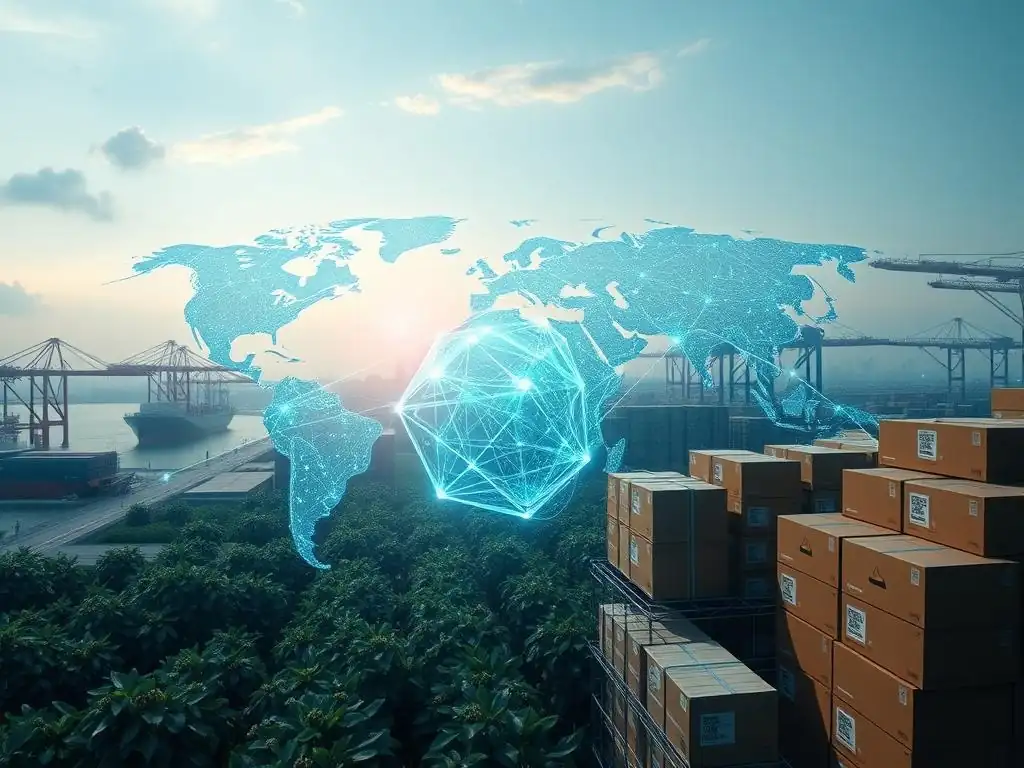
Welcome to Blockchain Trends, your go-to source for uncovering the real-world applications of blockchain beyond the hype. Intrigued by how blockchain can revolutionize industries beyond cryptocurrency? Dive into our exploration of blockchain supply chain resilience, and discover how this transformative technology is forging more agile and dependable networks. Uncover the secrets to building a more robust and adaptable future, starting here.
Beyond Efficiency: How Blockchain is Making Supply Chains More Resilient and Agile
- The Evolving Landscape of Supply Chain Challenges: Why Resilience Matters
- Blockchain's Role in Fortifying Supply Chain Resilience
-
Key Benefits of Blockchain for Supply Chain Resilience and Agility
- Improved Traceability: Verifying Product Origin and Authenticity
- Enhanced Security: Protecting Against Counterfeiting and Fraud in the Supply Chain
- Increased Transparency: Building Trust Among Supply Chain Partners
- Streamlined Processes: Optimizing Logistics and Reducing Delays with Blockchain
- Faster Dispute Resolution: Immutable Records for Efficient Conflict Management
- Real-World Applications: Blockchain Success Stories in Supply Chain
- Overcoming Challenges in Blockchain Supply Chain Implementation
- The Future of Blockchain-Enabled Supply Chains: Trends and Predictions
- Conclusion: Building More Resilient and Agile Supply Chains with Blockchain
-
Frequently Asked Questions
- How does blockchain enhance supply chain transparency?
- What role does blockchain play in improving traceability in supply chains?
- Can blockchain help mitigate disruptions in the supply chain?
- What are some enterprise applications of blockchain in supply chain management?
- How does blockchain contribute to supply chain resilience beyond just efficiency gains?
- Final Reflection: Embracing the Resilient Future of Supply Chains
- Ignite Your Supply Chain Revolution!
The Evolving Landscape of Supply Chain Challenges: Why Resilience Matters
Understanding Modern Supply Chain Vulnerabilities: From Geopolitical Instability to Climate Change
Modern global supply chains face an unprecedented array of vulnerabilities that extend far beyond traditional operational risks. Geopolitical shifts, such as trade wars or regional conflicts, can abruptly disrupt the flow of goods, imposing significant costs and delays.
For instance, tariffs imposed between major trading partners have forced companies to re-evaluate sourcing strategies and absorb increased expenses, sometimes reaching millions or even billions of dollars annually depending on the scale of operations. Simultaneously, political instability in key manufacturing or transit regions can halt production or block vital shipping lanes, as seen during various regional conflicts or civil unrest events that have impacted global trade routes.
Furthermore, the increasing frequency and intensity of climate change-related events pose severe threats. Extreme weather, including hurricanes, floods, and wildfires, can destroy infrastructure, disrupt logistics networks, and impact agricultural yields, directly affecting the availability and cost of raw materials and finished goods. The COVID-19 pandemic served as a stark global example, revealing how interconnected supply chains could buckle under the pressure of widespread lockdowns, labor shortages, and unpredictable demand shifts, highlighting the critical need for enhanced blockchain supply chain resilience to withstand such systemic shocks and maintain continuity of operations.
The Growing Need for Agile and Resilient Supply Chain Management
In response to these multifaceted threats, businesses are increasingly recognizing that mere efficiency is insufficient for long-term success. The focus is shifting towards building agile and resilient supply chains capable of sensing disruptions early, adapting quickly, and recovering rapidly. Agility in this context means the ability to pivot sourcing, manufacturing, or distribution strategies in response to unexpected events, perhaps rerouting shipments or finding alternative suppliers on short notice. This requires real-time information and flexible operational models, moving away from rigid, cost-optimized structures that are brittle in the face of disruption.
Resilience, on the other hand, is about the capacity to absorb shocks and maintain essential functions. It involves building redundancy, diversifying risks, and fostering strong, trusting relationships across the supply chain network. Companies that invested in building blockchain supply chain resilience before recent global disruptions often fared better, demonstrating shorter recovery times and less severe financial impacts compared to their less prepared counterparts. The imperative now is to leverage technologies and strategies that not only optimize costs but fundamentally enhance the robustness and responsiveness of the entire supply chain ecosystem.
Blockchain's Role in Fortifying Supply Chain Resilience
Blockchain Technology: A Foundation for Supply Chain Transparency and Security
At its core, blockchain technology provides a distributed, immutable, and transparent ledger system that is inherently suited to addressing key supply chain challenges. Unlike traditional centralized databases, where information is often siloed and controlled by individual entities, a blockchain network shares transaction records among participants. This shared ledger creates a single, verifiable version of truth regarding the movement and status of goods, financial transactions, and relevant documentation. The cryptographic nature of blockchain ensures that once a record is added, it cannot be altered or deleted without the consensus of the network, making it highly resistant to tampering and fraud.
This foundational security and immutability are critical for building blockchain supply chain resilience. By providing a secure and auditable history of every event in the product lifecycle, from raw material sourcing to final delivery, blockchain significantly reduces the risk of data manipulation. Participants can trust the information recorded on the ledger, knowing it reflects genuine transactions and events. This trust layer is essential for fostering collaboration and enabling proactive responses to disruptions, as all parties operate from the same verified dataset, reducing disputes and enhancing the overall integrity of the supply chain network.
Enhancing Supply Chain Visibility with Distributed Ledger Technology (DLT)
One of the most significant contributions of distributed ledger technology (DLT), the broader category to which blockchain belongs, is its ability to dramatically improve supply chain visibility. In traditional models, visibility is often limited to direct upstream and downstream partners, creating blind spots further along the chain.
DLT enables a permissioned network where authorized participants can access relevant information about a product's journey, including its origin, location, handling history, and associated certifications. This end-to-end visibility allows companies to track goods in near real-time, identify potential bottlenecks or points of failure before they escalate, and verify the authenticity of products at any point.
For example, tracing a complex product might involve dozens of handoffs across multiple companies and borders. Without DLT, compiling this information can take days or weeks, often relying on disparate systems and manual processes. With a blockchain-powered system, this information is recorded chronologically and immutably, accessible to authorized parties within minutes. This enhanced visibility is paramount for achieving blockchain supply chain resilience, enabling faster identification of affected products during a recall, improving inventory management by knowing exactly where goods are, and providing the data needed to reroute shipments or activate contingency plans during disruptions.
Key Benefits of Blockchain for Supply Chain Resilience and Agility
Improved Traceability: Verifying Product Origin and Authenticity
Blockchain technology fundamentally transforms product traceability by creating a secure, step-by-step record of an item's journey through the supply chain. Each movement, transformation (like assembly or packaging), or change in custody can be recorded as a transaction on the blockchain, linked to a unique identifier for the product or batch.
This immutable ledger provides an unparalleled level of detail regarding product provenance, allowing stakeholders to verify the origin of raw materials, components, and finished goods with high confidence. For industries like food and pharmaceuticals, this means being able to trace an item back to its source farm or manufacturing plant in seconds, compared to the days or weeks it might take with traditional paper-based or siloed electronic systems.
This enhanced traceability is a cornerstone of blockchain supply chain resilience. During a quality issue or recall event, businesses can quickly and accurately identify affected products and their locations, limiting the scope of the recall and minimizing potential damage to public health and brand reputation. It also combats counterfeiting by providing a verifiable digital history that authentic products possess, allowing consumers and distributors to check legitimacy. The ability to rapidly pinpoint the source of a problem and isolate affected goods is a critical capability in maintaining operational continuity and trust during disruptive events.
Enhanced Security: Protecting Against Counterfeiting and Fraud in the Supply Chain
Counterfeiting and fraud represent significant threats to supply chain integrity, resulting in billions of dollars in losses annually across various industries and potentially endangering consumers with substandard or fake products. Blockchain's inherent security features, particularly its cryptographic hashing and distributed consensus mechanisms, make it exceptionally difficult for malicious actors to introduce fraudulent data or counterfeit goods into the recorded supply chain history. Every transaction is cryptographically signed and linked to the previous one, forming a chain that is tamper-evident. Any attempt to alter a record would break the chain and be immediately visible to network participants.
By creating a trusted, immutable record of ownership and handling from production to point of sale, blockchain significantly raises the bar for counterfeiters. Consumers or downstream partners can potentially scan a QR code on a product and verify its authenticity by checking its history on the blockchain ledger, confirming it followed the legitimate supply path. This enhanced security layer not only protects revenue and intellectual property but also builds consumer trust and contributes directly to blockchain supply chain resilience by ensuring the integrity and safety of the goods flowing through the network, reducing risks associated with fraudulent activities.
Increased Transparency: Building Trust Among Supply Chain Partners
A lack of transparency often plagues complex supply chains, leading to inefficiencies, disputes, and a general lack of trust among disparate partners who may not have established direct relationships or share information freely. Blockchain addresses this by providing a shared, permissioned view of relevant data across the network. While not all information is visible to everyone (permissions can be set), authorized participants can access the specific data points necessary for their role, such as shipment status, quality control data, or payment confirmations, all from a single, trusted source.
This increased transparency fosters greater collaboration and trust among supply chain participants. When all parties are operating based on the same verified information, it reduces misunderstandings, speeds up decision-making, and facilitates smoother operations. For example, if a delay occurs, all relevant parties can see the updated status simultaneously and coordinate their responses. This shared understanding and trust are vital components of blockchain supply chain resilience, enabling partners to work together more effectively to navigate disruptions, resolve issues quickly, and maintain the flow of goods even under challenging circumstances.
Streamlined Processes: Optimizing Logistics and Reducing Delays with Blockchain
Beyond security and visibility, blockchain technology offers significant potential for streamlining various supply chain processes, particularly in logistics and documentation. Traditional international trade often involves extensive paperwork – bills of lading, customs declarations, health certificates, invoices – which can be manual, error-prone, and time-consuming. These processes contribute to delays and increase administrative costs.
By digitizing these documents and recording them on a blockchain, participants can access and verify them instantly. Smart contracts, self-executing contracts with the terms of the agreement directly written into code, can automate processes like payments release upon verified delivery or trigger the next step in the logistics chain once a condition is met.
Consider the process of customs clearance, which can take days. By having all necessary documentation securely stored and accessible on a blockchain, customs officials could potentially verify information much faster, reducing transit times. Automating routine transactions via smart contracts minimizes manual intervention and reduces the likelihood of errors that cause delays. This optimization of logistics flows directly contributes to supply chain agility, allowing goods to move faster and more efficiently, which is crucial for maintaining schedules and responding quickly to changes in demand or unexpected disruptions, thereby enhancing overall blockchain supply chain resilience.
Faster Dispute Resolution: Immutable Records for Efficient Conflict Management
Disputes are a common occurrence in complex supply chains, often arising from disagreements over shipment status, product quality, payment terms, or documentation errors. Resolving these disputes can be a lengthy and costly process, involving extensive investigation, communication back and forth, and sometimes legal action. A primary reason for this difficulty is the lack of a single, agreed-upon source of truth – each party may have their own records, which might be incomplete or contradictory.
Blockchain technology mitigates this challenge by providing an immutable and shared record of all transactions and events. If a dispute arises regarding, for example, the time a shipment was received or whether a quality inspection passed, parties can refer to the timestamped and verified record on the blockchain.
This provides clear, undeniable evidence of what occurred and when, significantly simplifying the investigation process and often leading to faster resolution. The presence of verifiable data reduces ambiguity and provides a solid basis for negotiation or arbitration, cutting down on the time and resources spent on conflict management, and allowing parties to focus on maintaining the flow of goods, thus supporting blockchain supply chain resilience during times of stress.
Real-World Applications: Blockchain Success Stories in Supply Chain
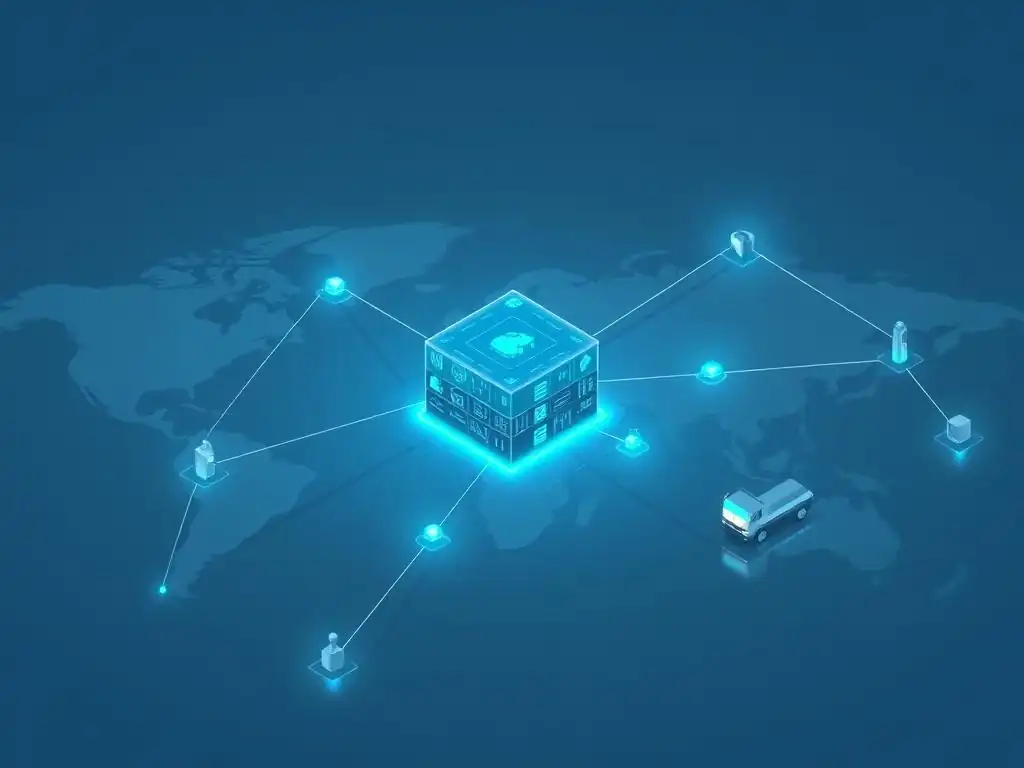
Case Study 1: Maersk - Tracking Shipping Containers Globally with TradeLens Blockchain Platform
One of the most prominent examples of blockchain application in supply chain is the TradeLens platform, a collaboration initially between Maersk and IBM. Launched to digitize and streamline global shipping, TradeLens uses blockchain technology to create a shared, immutable record of shipping transactions. The platform connects various parties involved in the shipping ecosystem, including carriers, ports and terminals, customs authorities, freight forwarders, and logistics providers. By having all these entities contribute data to a common blockchain ledger, TradeLens provides enhanced visibility and a single source of truth for container movements across the globe.
Before TradeLens, tracking a single container involved a complex web of communications and disparate systems among numerous stakeholders. Information often lagged or was inconsistent, leading to delays and inefficiencies. TradeLens has demonstrated significant potential for reducing the time and cost associated with documentation and tracking.
Reports from pilot programs and early users indicated that the platform could potentially reduce the time taken to process shipment release documentation by up to 40-50%. This increase in efficiency and transparency directly contributes to blockchain supply chain resilience by providing real-time information necessary to manage disruptions, optimize routes, and ensure timely delivery even across complex international journeys.
Case Study 2: Walmart - Enhancing Food Safety and Traceability of Mangoes with Blockchain
Walmart has been a notable early adopter of blockchain technology for food traceability, particularly within its supply chain. Facing the challenge of quickly tracing the origin of food products during outbreaks or recalls, Walmart piloted and subsequently mandated the use of a blockchain-based system (built on the Hyperledger Fabric framework) for tracing leafy greens suppliers. A widely cited example involves tracing mangoes. Before implementing blockchain, tracing the origin of a package of mangoes back to the farm could take days, sometimes up to seven days, involving phone calls, emails, and sifting through paper records across multiple intermediaries.
With the blockchain traceability system, Walmart demonstrated that they could trace a package of mangoes back to the specific farm in as little as two seconds. This dramatic reduction in tracing time is critical for food safety, allowing for rapid identification and removal of potentially contaminated products from shelves, thereby minimizing the scope of an outbreak and protecting public health.
This capability is a powerful example of how blockchain directly enhances blockchain supply chain resilience by enabling swift, precise action during a crisis, limiting financial losses and preserving consumer trust. The success with mangoes and leafy greens has led Walmart to expand the blockchain requirement to other food categories.
Pharmaceutical Industry - Improving Supply Chain Efficiency and Resilience Through Blockchain
The pharmaceutical supply chain is notoriously complex, highly regulated, and vulnerable to counterfeiting, which poses severe health risks. Blockchain technology is being explored and implemented to address these challenges, particularly concerning drug traceability and verification under regulations like the US Drug Supply Chain Security Act (DSCSA). By creating an immutable record of a drug's journey from manufacturer to pharmacy, blockchain can help ensure the integrity and authenticity of pharmaceutical products. Each change of custody or handling event can be recorded, providing a verifiable history that confirms the product's legitimacy and proper handling conditions.
Several consortia and companies are developing blockchain solutions for the pharma sector. These initiatives aim to provide end-to-end visibility, combat the estimated billions of dollars lost annually to counterfeit drugs, and improve the efficiency of recalls.
For instance, a system could track temperature data alongside location data on the blockchain for sensitive pharmaceuticals, ensuring they remained within required conditions throughout transit. This enhanced traceability and security are paramount for building blockchain supply chain resilience in the pharmaceutical sector, ensuring that safe, authentic medicines reach patients reliably, even when faced with distribution challenges or attempts by malicious actors to introduce fake products.
Overcoming Challenges in Blockchain Supply Chain Implementation
Addressing Scalability Issues in Blockchain Supply Chains
One of the significant hurdles in widespread blockchain adoption for large-scale supply chains is scalability. Many public blockchain networks, like early versions of Ethereum, were designed for a limited number of transactions per second (TPS), which is insufficient for the massive volume of transactions generated by global supply chains handling millions of shipments and billions of individual items annually.
Enterprise blockchain platforms, such as Hyperledger Fabric, R3 Corda, and permissioned versions of Ethereum, have been developed to address this by offering much higher transaction throughput, often ranging from hundreds to thousands of TPS, depending on network configuration and consensus mechanisms.
However, even with enterprise solutions, designing a blockchain network that can handle the peak loads of a global corporation's supply chain remains a complex task. Solutions involve optimizing consensus algorithms, using off-chain transactions for high-volume data while settling summaries on-chain, and employing sharding or other scaling techniques. Ensuring the platform can grow with the business's needs without compromising performance or increasing transaction costs prohibitively is crucial for the successful long-term deployment of blockchain supply chain resilience solutions.
Interoperability Challenges: Connecting Different Blockchain Platforms
As various companies and consortia adopt different blockchain platforms (e.g., some might use Hyperledger Fabric, others Corda, and perhaps others still different solutions), the challenge of interoperability arises. A global supply chain involves numerous independent entities, each potentially using its preferred system. For blockchain to deliver its full value in providing end-to-end visibility, these disparate blockchain networks need to be able to communicate and share relevant information seamlessly. Without interoperability, data can become siloed on different chains, recreating the very problem blockchain aims to solve – lack of a single, connected view.
Efforts are underway to develop standards and protocols for cross-chain communication and interoperability. Technologies like atomic swaps, relay networks, and standardized APIs are being explored to enable data exchange between different blockchain networks or between blockchain networks and legacy systems. Achieving true interoperability is essential for building a truly connected and resilient global blockchain supply chain ecosystem, allowing information to flow freely and securely across organizational and technological boundaries, thus maximizing the potential for shared blockchain supply chain resilience.
Data Privacy and Security Considerations in Blockchain Supply Chain Networks
While blockchain is celebrated for its security and transparency, implementing it in a supply chain context raises important data privacy and security considerations. Not all information in a supply chain can or should be public. Competitive sensitive data, such as pricing agreements, proprietary manufacturing processes, or specific customer details, needs to remain confidential among relevant parties. Public blockchains offer transparency but may not be suitable for sensitive commercial data. Permissioned blockchains, where participation and access to data are restricted and controlled, are typically preferred for enterprise supply chains.
Designing the network with granular access controls is critical. Participants should only be able to view the data they are authorized to see based on their role and relationship within the supply chain. Furthermore, integrating blockchain with existing enterprise resource planning (ERP) systems and other legacy IT infrastructure requires careful security planning to prevent vulnerabilities. Ensuring compliance with data protection regulations, such as GDPR, is also paramount. Implementing robust cryptographic techniques and access management protocols is necessary to leverage blockchain's security benefits while protecting sensitive commercial information and ensuring regulatory compliance for blockchain supply chain resilience.
The Importance of Collaboration and Standardization for Blockchain Adoption
Successful implementation of blockchain in supply chains is not solely a technological challenge; it is fundamentally a collaborative one. A supply chain involves multiple independent companies – suppliers, manufacturers, logistics providers, distributors, retailers, and sometimes regulators and financial institutions. For a blockchain network to be effective, a critical mass of these participants must agree to join the network, share data (albeit on a permissioned basis), and adhere to common standards and governance rules. Reaching this level of consensus and collaboration among competing or independent entities can be difficult and time-consuming.
Establishing industry-wide standards for data formats, protocols, and governance models is also crucial. Lack of standardization can hinder interoperability and increase the complexity and cost of adoption. Industry consortia and standards bodies are playing a vital role in developing these frameworks, promoting best practices, and fostering the necessary collaboration. Overcoming the inertia of existing processes and building trust among potential network participants requires strong leadership, clear value propositions for all stakeholders, and a focus on the collective benefits of enhanced blockchain supply chain resilience and efficiency that the technology can provide.
The Future of Blockchain-Enabled Supply Chains: Trends and Predictions
The Rise of Decentralized Supply Chain Finance (DeFi)
The integration of blockchain with decentralized finance (DeFi) is poised to revolutionize supply chain finance. Traditionally, financing within supply chains, such as invoice factoring or supply chain finance programs, often involves complex processes, intermediaries, and can be slow and expensive, particularly for small and medium-sized enterprises (SMEs). DeFi platforms built on blockchain can facilitate more direct, transparent, and efficient financial transactions. Smart contracts can automate payments based on verified milestones recorded on the blockchain, such as goods arriving at a specific location or quality checks being completed.
This convergence means that suppliers could potentially gain faster access to working capital by tokenizing invoices or purchase orders on a blockchain and getting them financed through decentralized lending protocols. This reduces reliance on traditional financial institutions and speeds up cash flow throughout the network. Faster and more accessible financing can significantly improve the financial health and stability of supply chain partners, particularly smaller ones, making the entire network more financially resilient and agile, which is a key component of overall blockchain supply chain resilience.
Integration of IoT and AI with Blockchain for Smart Supply Chains
The true power of blockchain in supply chains is unleashed when combined with other emerging technologies like the Internet of Things (IoT) and Artificial Intelligence (AI). IoT devices (sensors, GPS trackers, RFID tags) can collect real-time data about a product's condition, location, and environment (e.g., temperature for perishables). This data can be automatically fed onto the blockchain, creating an objective, immutable record of the product's state throughout its journey. This eliminates manual data entry errors and provides unparalleled visibility and trust in the data.
AI can then be applied to the vast amounts of verifiable data collected via IoT and stored on the blockchain. AI algorithms can analyze this data to identify patterns, predict potential disruptions (e.g., predicting equipment failure or route delays based on sensor data), optimize logistics routes in real-time, and automate decision-making processes via smart contracts. This integration creates "smart" supply chains that are highly automated, predictive, and responsive. The combination of real-time data, AI-driven insights, and blockchain's trusted ledger provides the foundation for proactive risk management and dynamic adaptation, fundamentally enhancing blockchain supply chain resilience and agility.
Blockchain as a Catalyst for Sustainable and Ethical Supply Chains
Increasingly, consumers and regulators demand greater transparency regarding the sustainability and ethical sourcing of products. Blockchain technology is uniquely positioned to support these demands by providing verifiable proof of origin, ethical labor practices, and environmental compliance throughout the supply chain. By recording certifications, audit reports, and data points related to sourcing (e.g., fair trade compliance, carbon footprint data, waste disposal records) on an immutable ledger, companies can provide credible evidence of their sustainability and ethical claims.
This allows businesses to demonstrate accountability and build consumer trust by enabling them to verify claims about product origins or environmental impact. For example, a consumer might scan a product and see a verifiable history on the blockchain showing that the raw materials were sourced from certified sustainable farms or that the product was manufactured under fair labor conditions.
This transparency helps combat greenwashing and unethical practices. By providing a trustworthy mechanism for tracking and verifying ethical and sustainable attributes, blockchain encourages responsible behavior throughout the network and contributes to building a more robust and reputable, and thus resilient, supply chain.
Conclusion: Building More Resilient and Agile Supply Chains with Blockchain
Embracing Blockchain for a More Secure and Efficient Future of Supply Chain Management
The traditional supply chain model, often characterized by siloed information, manual processes, and limited visibility, is proving increasingly inadequate in the face of modern global challenges. Geopolitical instability, climate change impacts, and unexpected events like pandemics necessitate a fundamental shift towards supply chain models that prioritize resilience and agility alongside efficiency. Blockchain technology offers a powerful foundation for this transformation. Its core attributes of immutability, transparency, and security provide the means to build trusted networks where information flows freely and accurately among authorized participants.
By enabling enhanced traceability, combating fraud, increasing transparency, streamlining logistics, and facilitating faster dispute resolution, blockchain directly addresses many of the key vulnerabilities inherent in current supply chains. Real-world examples from diverse industries like shipping, retail, and pharmaceuticals demonstrate tangible benefits, from reducing tracing time from days to seconds to improving data accuracy and trust among partners. While challenges related to scalability, interoperability, and collaboration remain, ongoing developments in enterprise blockchain platforms and industry-wide initiatives are paving the way for broader adoption.
Blockchain Supply Chain Resilience: A Competitive Advantage for Businesses
Ultimately, investing in blockchain supply chain resilience is not just about mitigating risks; it is about gaining a significant competitive advantage. Companies that can maintain operational continuity during disruptions, respond rapidly to changing market conditions, and build strong, trusting relationships with their partners are better positioned to succeed in the volatile global marketplace. A blockchain-enabled supply chain is more than just an efficient system; it is a robust, adaptable network capable of withstanding shocks and seizing new opportunities.
The integration of blockchain with IoT and AI promises further advancements, creating highly intelligent and automated supply chains. Moreover, blockchain's capacity to verify ethical and sustainable practices aligns with growing consumer and regulatory demands, enhancing brand reputation and market position.
As businesses navigate an increasingly unpredictable world, leveraging blockchain to build greater resilience and agility across their supply chain operations will become not just a strategic option, but a fundamental requirement for long-term prosperity and stability. The journey towards truly resilient and agile supply chains is well underway, with blockchain technology acting as a critical catalyst for this essential evolution.
Frequently Asked Questions
How does blockchain enhance supply chain transparency?
Blockchain creates an immutable and shared ledger allowing all participants to track products from origin to delivery, increasing visibility and trust throughout the supply chain.
What role does blockchain play in improving traceability in supply chains?
By assigning a unique identifier to each product on the blockchain, it allows for easy tracking and verification of its journey, aiding in counterfeit detection and efficient recalls.
Can blockchain help mitigate disruptions in the supply chain?
Yes, blockchain enables better communication and coordination among stakeholders, leading to faster response times to disruptions, and improved risk management through data sharing.
What are some enterprise applications of blockchain in supply chain management?
Examples include tracking product provenance, managing inventory and logistics, and facilitating secure payments and trade finance, all within a decentralized and transparent system.
How does blockchain contribute to supply chain resilience beyond just efficiency gains?
Blockchain provides increased visibility, improved data security, and enhanced collaboration, enabling supply chains to better adapt to disruptions and ensure business continuity, thus creating resilience.
Okay, here's a final reflection designed to close your article "Beyond Efficiency: How Blockchain is Making Supply Chains More Resilient and Agile," optimized for the keyword "Blockchain supply chain resilience" and following the structure you provided:
Final Reflection: Embracing the Resilient Future of Supply Chains
The journey through the transformative potential of blockchain in supply chains culminates in a crucial understanding: it's not just about efficiency, but about building unshakeable resilience. The vulnerabilities exposed in recent years have underscored the urgent need for adaptable and transparent systems, and blockchain offers a powerful solution to fortify supply chains against unforeseen disruptions. This technology is no longer a futuristic concept; it's a present-day imperative for businesses seeking long-term stability and competitive advantage.
The impact of blockchain on supply chain resilience extends far beyond mere technological upgrades. It's reshaping the very fabric of global trade, fostering trust, and empowering stakeholders at every level. Witnessing this evolution firsthand underscores the profound importance of embracing innovation to create a more equitable and secure future for all. The supply chain isn't just a chain; it's a complex web of interconnected relationships. Blockchain provides the transparency and trust needed to navigate that complexity and build truly resilient networks.
- Don Tapscott, Blockchain Research Institute.
As we conclude this exploration, I invite you to consider the role you can play in shaping the future of resilient supply chains. Reflect on how blockchain can be integrated into your own operations, not just to optimize processes, but to build a foundation of trust and adaptability. The future belongs to those who embrace change and leverage technology to create a more robust and sustainable world. Let us all strive to be architects of resilience, building supply chains that can weather any storm and continue to deliver value to communities around the globe.
Ignite Your Supply Chain Revolution!
Thank you for exploring how blockchain can enhance supply chain resilience and agility. We hope this article has shed light on the transformative potential of this technology and inspired you to consider new possibilities. Now, it’s time to turn that knowledge into action.
Here's how you can get started:
- Identify a key challenge in your current supply chain and consider how blockchain technology could help resolve it. This initial step can be the spark for innovation.
- Research various blockchain platforms and providers that specialize in supply chain solutions. Don't hesitate to explore specialized or niche options.
- Share your insights with your team and brainstorm potential blockchain applications tailored to your organization’s needs.
What specific supply chain issue are you most eager to address with blockchain? Share your thoughts in the comments below!
Leave a Reply