
Beyond Paper Ballots: The Intriguing Promise of Blockchain for Voting


Welcome to Blockchain Trends, your gateway to understanding the profound impact of blockchain technology beyond the hype. This isn't just about cryptocurrencies; we delve into the real-world applications that are reshaping industries.
Ever wondered how blockchain can revolutionize democracy? Dive into our latest exploration of blockchain voting security benefits and discover how this technology offers a compelling alternative to traditional paper ballots, tackling issues of fraud and transparency. Uncover the potential and the challenges as we unpack the future of secure, decentralized voting systems. Prepare to be informed and intrigued!
- The Promise of Blockchain Voting: Security Benefits
-
Frequently Asked Questions
- What are the primary security benefits of using blockchain for voting?
- How does blockchain address the issue of voter fraud in traditional voting systems?
- Can blockchain voting systems ensure voter privacy and anonymity?
- What are some of the challenges associated with implementing blockchain-based voting systems?
- How might blockchain impact the future of elections and democratic processes?
- Final Reflection: Securing Democracy's Future
- Champion the Future: Explore Blockchain Voting!
The Promise of Blockchain Voting: Security Benefits
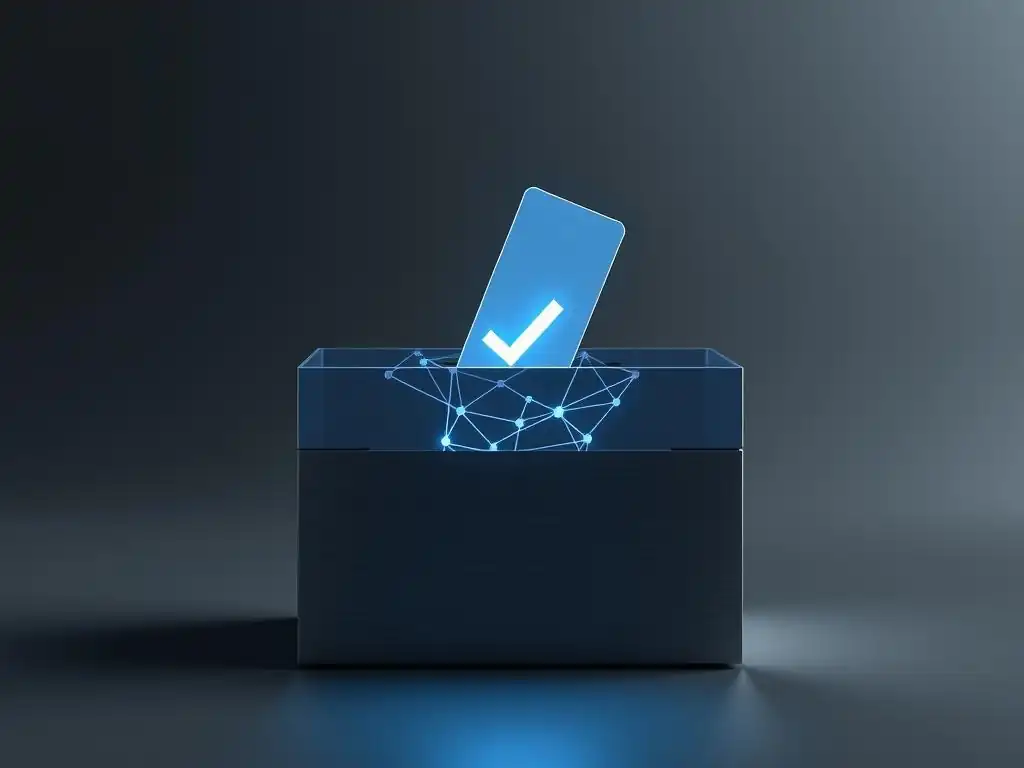
Enhanced Transparency and Auditability in Voting
One of the most compelling blockchain voting security benefits is the significant enhancement of transparency and auditability throughout the electoral process. In a blockchain-based system, every vote cast is recorded as a transaction on a distributed ledger.
This ledger, depending on the implementation (permissioned or permissionless), can be made accessible to various stakeholders – election officials, observers, and potentially even the public – allowing them to see that votes are being recorded and tallied in real-time, without revealing individual voter identity or choices. This open, shared record contrasts sharply with traditional opaque systems where vote counts often occur behind closed doors, leading to potential doubts about the integrity of the process.
Furthermore, the inherent immutability of blockchain technology dramatically improves auditability. Once a vote is recorded on the ledger, it is cryptographically linked to previous transactions, making it virtually impossible to alter or delete without detection.
Auditors can easily trace every recorded vote back to its origin (in terms of its entry onto the chain, not the voter's identity) and verify the final tally against the transparent ledger. This capability allows for continuous, independent verification throughout the election cycle, potentially reducing the time and resources needed for post-election audits and providing a level of verifiable integrity that paper-based or traditional electronic systems struggle to match, thereby reinforcing the blockchain voting security benefits.
Preventing Voter Fraud and Manipulation with Blockchain
Blockchain technology offers robust mechanisms to combat voter fraud and manipulation, presenting significant blockchain voting security benefits. A key vulnerability in traditional systems is the potential for ballots to be altered, removed, or added after they are cast, or for individuals to vote multiple times. Blockchain addresses this through its distributed and immutable nature.
Once a legitimate vote is recorded on the chain, its timestamped and cryptographically secured entry cannot be changed retroactively without the change being immediately obvious to all participants on the network. This makes large-scale manipulation of recorded votes extremely difficult, if not impossible, without compromising the entire network, which is protected by complex cryptographic proofs.
Beyond preventing post-casting manipulation, blockchain can also help mitigate issues like double voting. While voter identity verification remains a critical challenge separate from the blockchain ledger itself, once an authorized voter's identity is confirmed and they are permitted to cast a vote, the system can record that this specific, authorized identity (represented perhaps by a unique, anonymized token or identifier) has cast its single vote.
Subsequent attempts by the same identity to vote would be rejected by the protocol, based on the indelible record on the ledger. This capability provides a verifiable, tamper-proof record of who has voted (without revealing how they voted), significantly enhancing the security against casting multiple ballots, which is a core blockchain voting security benefit.
Increased Trust and Confidence in Election Outcomes
Ultimately, the combined blockchain voting security benefits of enhanced transparency, auditability, and fraud prevention contribute directly to increasing trust and confidence in election outcomes. In an era where public skepticism about electoral processes is growing in many parts of the world, a verifiable system is paramount.
Blockchain allows voters, candidates, and observers to independently verify that votes were cast correctly, recorded accurately, and tallied without alteration, even if they cannot see who voted for whom. This ability to verify the integrity of the process through a publicly or semi-publicly accessible, immutable ledger provides a level of assurance that centralized, opaque systems often fail to deliver.
By providing a transparent and auditable record of every step of the voting process on an immutable ledger, blockchain technology addresses many of the root causes of distrust: concerns about hidden manipulation, errors in counting, or lack of independent oversight. When citizens can see (via the ledger) that the total number of votes recorded matches the expected turnout and that the final tally aligns with the sums on the chain, their confidence in the legitimacy of the results is likely to increase.
This enhanced trust is a critical blockchain voting security benefit, fostering greater acceptance of election results and strengthening democratic institutions by ensuring the process is perceived as fair and accurate by a wider portion of the populace.
Frequently Asked Questions
What are the primary security benefits of using blockchain for voting?
Blockchain offers enhanced security through its immutable ledger and cryptographic encryption. This makes it extremely difficult to tamper with or manipulate vote records, ensuring a more secure election process.
How does blockchain address the issue of voter fraud in traditional voting systems?
Blockchain's transparent and auditable nature makes it harder to commit voter fraud. Every transaction is recorded and verifiable, reducing the likelihood of impersonation or ballot stuffing.
Can blockchain voting systems ensure voter privacy and anonymity?
Yes, blockchain can be designed to protect voter privacy using techniques like zero-knowledge proofs and homomorphic encryption. These methods allow verification without revealing individual votes.
What are some of the challenges associated with implementing blockchain-based voting systems?
Challenges include scalability issues, ensuring accessibility for all voters regardless of technical literacy, and addressing regulatory hurdles and public perception concerns.
How might blockchain impact the future of elections and democratic processes?
Blockchain has the potential to increase voter turnout, improve election transparency, and foster greater trust in democratic institutions by providing a more secure and accessible voting platform.
Final Reflection: Securing Democracy's Future
The promise of blockchain voting security benefits is no longer a futuristic fantasy, but a tangible possibility on the horizon. As we've explored, the inherent transparency, immutability, and cryptographic security of blockchain technology offer a compelling solution to many of the vulnerabilities plaguing traditional voting systems. The potential to enhance trust and accessibility in democratic processes is a powerful incentive to continue exploring and refining this innovative approach.
The impact of secure and verifiable voting extends far beyond simply counting ballots; it shapes the very fabric of our societies. The ability to participate in fair and transparent elections is a cornerstone of a healthy democracy, and blockchain offers a pathway to strengthen this foundation. Democracy is not just the right to vote, it is the right to live in dignity.
- Arundhati Roy. This quote underscores the profound connection between secure elections and the fundamental human right to a dignified life, a connection that blockchain voting has the potential to reinforce.
Now, consider the implications of this technology in your own life and community. How can you advocate for responsible exploration and implementation of blockchain voting solutions? What steps can you take to educate yourself and others about the potential benefits and challenges? The future of democracy is not predetermined; it is shaped by the choices we make today. Let us embrace innovation, but with caution and foresight, to build a more secure and trustworthy electoral process for generations to come.
Champion the Future: Explore Blockchain Voting!
Thank you for exploring how blockchain technology could transform our voting systems. We hope you found this insight inspiring and motivating. Now, let's move from discussion to action.
Here's how you can help build a more secure and transparent future:
- Demand Transparency: Reach out to your local representatives and inquire about their stance on adopting blockchain-based voting solutions. Make your voice heard!
- Learn more about blockchain security: Review whitepapers and resources explaining the cryptographic principles behind blockchain voting systems. Understanding the technology empowers you to advocate effectively.
- Share this article with friends and family and start a conversation about creating a more secure and transparent election process. Encourage critical discussion!
What specific challenges do you believe blockchain can address in our current voting systems, and what hurdles must be overcome? Share your thoughts in the comments below!
Leave a Reply