
Blockchain and the Circular Economy: Enabling Sustainable Supply Chain Practices


Welcome to Blockchain Trends, your compass in the ever-evolving world of decentralized technologies. Prepare to delve deeper than just cryptocurrencies; we explore the real-world impact of blockchain across industries.
This week, we're unraveling a critical application with immense potential: blockchain sustainable supply chain practices. Can this technology revolutionize how we track goods and ensure ethical sourcing? Discover how blockchain is powering the circular economy and reshaping enterprise solutions, leaving you wondering what other transformative applications are just around the corner. Read on to find out!
- Introduction: The Convergence of Blockchain and Sustainability
- The Challenges of Traditional Supply Chains and the Need for Sustainable Practices
- How Blockchain Enhances Supply Chain Sustainability: Key Applications
- Blockchain Solutions for Specific Industries: Case Studies
- Benefits of Implementing Blockchain for Sustainable Supply Chains
- Overcoming Barriers to Blockchain Adoption in Supply Chains
- The Future of Blockchain and Circular Supply Chains: Trends and Predictions
- Conclusion: Blockchain as a Catalyst for Sustainable Supply Chain Transformation
-
Frequently Asked Questions
- What is the role of blockchain in fostering sustainable supply chain practices?
- How can blockchain technology improve the transparency of supply chains within the circular economy?
- What are some enterprise applications of blockchain in promoting sustainable supply chain practices?
- How does blockchain technology address the challenges of regulation in sustainable supply chains?
- What is the future of blockchain in relation to decentralized systems and the promotion of sustainable supply chain practices?
- Final Reflection: Embracing Transparency for a Sustainable Future
- Revolutionize Your Impact: Embrace Circular Blockchain!
Introduction: The Convergence of Blockchain and Sustainability
Understanding the Circular Economy Model
The circular economy represents a fundamental shift from the traditional linear "take-make-dispose" model. Instead of focusing on resource extraction and end-of-life waste, this model emphasizes keeping resources in use for as long as possible, extracting their maximum value while in use, and then recovering and regenerating products and materials at the end of each service life. Key principles include designing out waste and pollution, keeping products and materials in use, and regenerating natural systems. This approach is increasingly vital as global resource depletion accelerates and the environmental impact of production and consumption becomes more apparent.
Implementing a circular economy requires intricate coordination across complex supply chains. It necessitates visibility into product origins, material composition, usage patterns, and end-of-life options like repair, refurbishment, remanufacturing, or recycling. Without robust systems for tracking and verifying this information, closing the loop on materials and products remains a significant challenge. The transition demands new levels of collaboration and data sharing among diverse stakeholders, from raw material suppliers and manufacturers to consumers and waste management facilities.
The Role of Blockchain in Promoting Circularity
Blockchain technology offers a unique set of capabilities that are inherently aligned with the requirements of a circular economy, particularly in the context of sustainable supply chain practices. Its distributed, immutable ledger provides a trustworthy and transparent platform for recording transactions and information across the entire product lifecycle. This creates an indisputable record of provenance, material composition, usage history, and end-of-life handling, which is crucial for enabling effective resource tracking and management within a circular framework.
By providing a shared, tamper-proof source of truth, blockchain can facilitate the tracking of materials from their origin through multiple use cycles. This visibility is essential for enabling processes like product-as-a-service models, facilitating easier returns for refurbishment, or ensuring materials are correctly sorted and directed to appropriate recycling or remanufacturing streams. Furthermore, smart contracts, self-executing contracts with the terms of the agreement directly written into code, can automate processes like payments upon successful recycling or verification of ethical sourcing, further embedding circular principles into operational workflows and enhancing blockchain sustainable supply chain practices.
The Challenges of Traditional Supply Chains and the Need for Sustainable Practices
Transparency Issues in Existing Supply Chains
Traditional global supply chains are notoriously opaque. Products often pass through numerous intermediaries – suppliers, manufacturers, distributors, retailers – located in different countries, making it incredibly difficult to track their journey from raw material to finished product. This lack of end-to-end visibility hinders the ability to verify claims about origin, labor conditions, and environmental impact. Consumers and businesses alike struggle to trust sustainability labels or ethical sourcing claims without verifiable data to back them up. A 2019 report by the World Economic Forum noted that insufficient transparency is a major barrier to achieving sustainable supply chain practices across industries.
This opaqueness also makes it challenging to pinpoint responsibility when issues arise, such as product recalls, ethical violations, or environmental damage. For instance, tracing the source of contaminated food or identifying which supplier used forced labor in a complex manufacturing process can take weeks or months, causing significant damage to public trust and brand reputation. The absence of a shared, verifiable record means data is often siloed, incomplete, or easily manipulated, undermining efforts to implement genuine blockchain sustainable supply chain practices and build consumer confidence.
Environmental Impact of Linear Supply Chain Models
The prevailing linear supply chain model is inherently resource-intensive and generates vast amounts of waste. It relies on the continuous extraction of virgin resources, manufacturing processes that are often energy-inefficient, and transportation networks that contribute significantly to carbon emissions.
The "take-make-dispose" approach leads to products with short lifespans designed for obsolescence, resulting in massive volumes of waste sent to landfills or incinerators. For example, the fashion industry alone is estimated to be responsible for up to 10% of global carbon emissions and a significant portion of wastewater, with the equivalent of one garbage truck of textiles wasted every second globally.
Furthermore, inefficient logistics, poor inventory management, and a lack of coordination among supply chain partners contribute to wasted resources, including energy, fuel, and materials. Products are often over-ordered, damaged in transit, or become obsolete before reaching the market, leading to unnecessary production and disposal. Addressing this significant environmental footprint requires a systemic shift towards more circular processes, enabled by technologies that can track resources, optimize logistics, and facilitate product recovery and recycling – core elements of blockchain sustainable supply chain practices.
The Growing Demand for Ethical and Sustainable Products
Consumer awareness and demand for ethically sourced and sustainable products are rapidly increasing. Studies consistently show that a significant percentage of consumers are willing to pay more for products from companies that demonstrate social and environmental responsibility. For instance, a 2021 survey by Deloitte found that nearly a third of consumers have stopped purchasing from certain brands due to sustainability or ethical concerns. This trend is particularly strong among younger generations, who prioritize transparency and authenticity from the brands they support.
This growing consumer pressure is coupled with increasing regulatory requirements and investor expectations regarding Environmental, Social, and Governance (ESG) performance. Companies are facing scrutiny not only for their own operations but also for the practices of their suppliers. Failure to demonstrate commitment to sustainable supply chain practices can lead to reputational damage, loss of market share, and difficulty attracting investment. Businesses are therefore actively seeking ways to enhance transparency, verify claims, and communicate their sustainability efforts credibly to meet these evolving demands.
How Blockchain Enhances Supply Chain Sustainability: Key Applications
Enhanced Traceability and Provenance with Blockchain
One of the most significant contributions of blockchain to sustainable supply chain practices is its ability to provide unparalleled traceability and provenance. By creating a shared, immutable ledger accessible to authorized participants, blockchain allows for the recording of every step a product takes, from the origin of raw materials through manufacturing, distribution, and even end-of-life. Each transaction or event – such as material sourcing, production batch details, quality checks, and shipping logs – can be registered on the blockchain, creating a digital trail that is difficult to falsify.
This enhanced traceability allows companies to verify the origin and authenticity of materials and products with a high degree of confidence. For example, a coffee company using blockchain can track beans from the specific farm, recording details about growing practices, fair trade certifications, and processing methods. This level of detail provides consumers with verifiable proof of origin and ethical sourcing, moving beyond simple labels to data-backed assurances. Similarly, in the electronics industry, blockchain can track conflict minerals or rare earth elements, ensuring they are sourced responsibly.
Blockchain-Based Verification of Sustainable Sourcing
Verifying sustainable sourcing claims, such as organic certification, fair trade practices, or adherence to specific environmental standards, is often challenging in traditional supply chains due to fragmented data and reliance on paper certificates. Blockchain technology can digitize and secure these certifications and audit trails, making them easily accessible and verifiable by all parties in the supply chain. When a supplier obtains a certification, it can be recorded on the blockchain, and subsequent transactions involving those materials or products can be linked to that verified record.
This approach significantly reduces the risk of fraudulent certifications or misleading claims. For instance, a textile manufacturer claiming to use recycled polyester can record the origin and volume of recycled material on the blockchain, linking it to specific production batches. Auditors can then verify this information against the immutable ledger. A pilot program by a major food retailer using blockchain to track mangoes from farm to store demonstrated the ability to trace a product in seconds, compared to days or weeks previously, significantly enhancing the ability to verify sustainable farming practices and quickly respond to issues.
Streamlining Recycling and Waste Management with Blockchain Technology
Blockchain can play a pivotal role in facilitating circularity by improving recycling and waste management processes. Products and their components can be given a unique digital identity on the blockchain upon creation, embedding information about their material composition, manufacturing date, and potential for recycling or refurbishment. When a product reaches its end-of-life, this digital identity can be used by waste management facilities or recyclers to identify materials and determine the most appropriate processing method.
Incentive programs for recycling can also be managed via blockchain and smart contracts. For example, consumers or businesses could receive digital tokens or credits recorded on the blockchain for returning products or materials to designated collection points. Smart contracts could automate the distribution of these incentives upon verification of the returned items. This not only encourages responsible disposal but also provides valuable data on material flows within the circular system, helping to optimize collection routes and processing capacity.
Reducing Counterfeiting and Promoting Authenticity
Counterfeiting is a major issue across many industries, undermining legitimate businesses and often leading to the production and distribution of substandard or harmful goods, which rarely adhere to sustainable or ethical standards. Blockchain's ability to provide a secure, transparent, and immutable record of ownership and transactions makes it an effective tool in combating counterfeiting. Products can be tagged with unique identifiers (like QR codes or NFC chips) linked to a blockchain entry that verifies their authenticity and tracks their journey through the supply chain.
Consumers can scan these tags using a smartphone app to verify the product's legitimacy and access its provenance history, including details about its manufacturing and handling. This not only protects consumers but also ensures that they are purchasing genuine items produced by companies adhering to specific sustainability or quality standards, rather than counterfeit goods made with unknown materials and labor practices.
A study by the International Chamber of Commerce estimated that the global trade in counterfeit goods is worth billions annually, highlighting the significant impact that reducing counterfeiting through technologies like blockchain can have on promoting legitimate, often more sustainable, production.
Blockchain Solutions for Specific Industries: Case Studies
Blockchain in the Fashion Industry: Ensuring Ethical Production
The fashion industry faces significant scrutiny regarding labor practices, environmental impact, and material sourcing. Blockchain is being adopted by brands to provide transparency into their supply chains, particularly concerning ethical production. Companies like Arianee and FibreTrace are using blockchain to create digital identities for garments, allowing consumers to trace the item's journey from raw material (e.g., cotton farm) through spinning, weaving, dyeing, and manufacturing. This ledger can record information about fair labor certifications, water usage, and carbon footprint at each stage.
One notable example is the use of blockchain to track sustainable fibers like organic cotton or recycled materials. By recording the origin and certification of these materials on the blockchain, brands can provide verifiable proof of their sustainability claims, building trust with consumers concerned about fast fashion's impact. A pilot project by a major denim brand using blockchain demonstrated the ability to trace a pair of jeans back to the farm where the cotton was grown, including details about the workers and environmental practices involved.
Blockchain in the Food Industry: Enhancing Food Safety and Reducing Waste
Food safety and traceability are critical concerns, and blockchain offers a robust solution. In the event of a foodborne illness outbreak or contamination issue, quickly identifying the source is paramount to preventing further harm and minimizing product recalls. Traditional methods can take days or even weeks. Companies like IBM Food Trust utilize blockchain to connect participants across the food supply chain, from farmers and processors to distributors and retailers. This platform records data such as harvest dates, processing facility information, shipment temperatures, and retail location.
This system dramatically reduces the time required to trace the origin of contaminated food. Walmart's pilot with IBM Food Trust demonstrated the ability to trace a package of sliced mangoes from store back to the farm in just 2.2 seconds, compared to the traditional method which took 7 days. Beyond safety, this enhanced visibility helps reduce food waste by improving inventory management, enabling more precise recalls (limiting the scope of affected products), and providing data that can optimize logistics and shelf life management.
Blockchain in the Electronics Industry: Promoting Responsible E-Waste Management
The electronics industry grapples with the challenge of managing electronic waste (e-waste), the fastest-growing waste stream globally. E-waste often contains valuable rare earth metals and hazardous materials, requiring responsible collection, refurbishment, and recycling. Blockchain can facilitate a circular model for electronics by tracking components and devices throughout their lifecycle and incentivizing their return for proper disposal or recycling.
By assigning a unique digital ID to electronics components or finished products recorded on a blockchain, manufacturers can track their journey, including initial sale, repairs, and eventual return. This ledger can store information about material composition, making sorting and recycling more efficient. Furthermore, blockchain-based incentive programs can reward consumers or businesses for returning old electronics to certified recyclers, ensuring they don't end up in landfills or illegally exported. Projects are exploring using blockchain tokens to create a transparent and auditable system for managing the flow of e-waste and verifying ethical recycling practices.
Blockchain in the Pharmaceutical Industry: Combating Counterfeit Drugs
Counterfeit pharmaceuticals pose a severe threat to public health and safety. The World Health Organization estimates that 1 in 10 medical products circulating in low- and middle-income countries are substandard or falsified. Blockchain can provide a secure, tamper-proof system to track drugs from manufacturing through distribution to the point of sale, ensuring their authenticity and integrity. Each product package can be assigned a unique serial number linked to a blockchain transaction log.
Pharmacies and consumers can scan a code on the packaging to verify the drug's legitimacy, check its batch information, manufacturing date, and ensure it has not been tampered with during transit. This system significantly hinders counterfeiters who cannot replicate the blockchain's immutable record. The U.S. Drug Supply Chain Security Act (DSCSA) mandates an electronic, interoperable system for tracing prescription drugs, and blockchain is being explored as a potential technology to meet these requirements, enhancing patient safety and supply chain integrity.
Benefits of Implementing Blockchain for Sustainable Supply Chains
Increased Transparency and Accountability
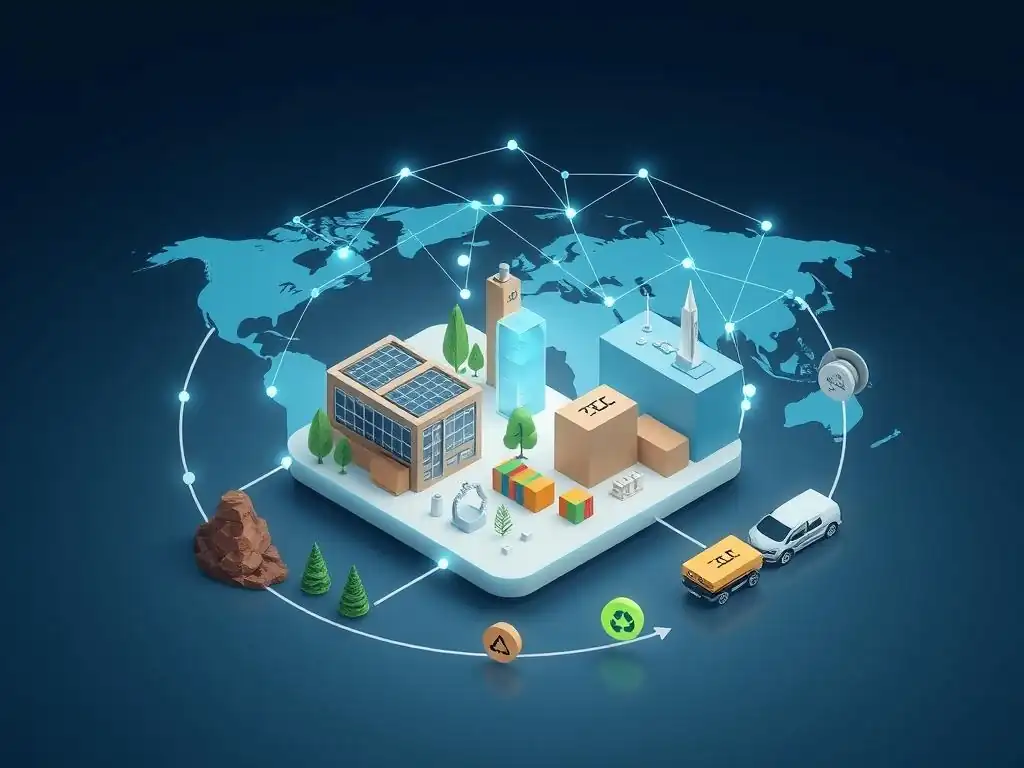
Implementing blockchain sustainable supply chain practices fundamentally increases transparency by creating a shared, immutable record of transactions and events. Every authorized participant in the chain – from suppliers and manufacturers to logistics providers and retailers – can access the same version of the truth. This shared visibility makes it difficult for individual parties to hide information or falsify data, fostering greater accountability. If an issue arises, such as a delay, a quality problem, or a breach of ethical standards, the blockchain record provides a clear audit trail to identify where and when the issue occurred and who was involved.
This enhanced transparency extends to consumers, who can potentially access verifiable information about a product's journey, ingredients, and sustainability credentials. This builds trust and allows consumers to make informed purchasing decisions based on data rather than just marketing claims. For businesses, increased accountability among supply chain partners can lead to improved compliance with sustainability standards and regulations.
Improved Efficiency and Cost Savings
While initial blockchain implementation might involve costs, the long-term benefits often include improved efficiency and cost savings. By automating processes through smart contracts, businesses can reduce manual paperwork, minimize delays, and decrease administrative overhead. For example, payments to suppliers could be automatically triggered upon verification of delivery and quality checks recorded on the blockchain. This streamlines financial operations and improves cash flow throughout the supply chain.
Furthermore, enhanced traceability can lead to significant cost savings in areas like recalls. Being able to precisely identify affected batches and their locations reduces the scope of recalls, minimizing wasted product and logistical expenses. Improved inventory management through better visibility can also reduce spoilage and obsolescence. A study by McKinsey suggested that blockchain could reduce supply chain costs by up to 15% by improving transparency and efficiency.
Enhanced Brand Reputation and Consumer Trust
In today's market, a strong brand reputation is increasingly linked to a company's commitment to sustainability and ethical practices. By implementing blockchain sustainable supply chain practices, companies can credibly demonstrate their efforts in these areas, going beyond simple certifications to provide data-backed transparency. This verifiable commitment resonates with consumers who are increasingly prioritizing ethical and sustainable products.
Sharing blockchain-verified information about product provenance, sustainable sourcing, or ethical manufacturing builds significant trust with consumers. It differentiates brands from competitors by offering tangible proof of their claims. This enhanced trust can lead to increased customer loyalty, positive word-of-mouth, and ultimately, a stronger brand image. Companies seen as leaders in transparent and sustainable practices are often viewed more favorably by investors and regulatory bodies as well.
Reduced Environmental Impact and Resource Consumption
Perhaps the most direct benefit of blockchain for sustainable supply chains is its contribution to reducing environmental impact and resource consumption. By enabling better tracking of materials throughout their lifecycle, blockchain facilitates circular economy principles, promoting recycling, refurbishment, and responsible disposal. This helps divert waste from landfills and reduces the need for virgin resource extraction.
Improved supply chain visibility and efficiency, enabled by blockchain, can also lead to optimized logistics, reducing fuel consumption and carbon emissions associated with transportation. Better inventory management minimizes spoilage and obsolescence, preventing the waste of energy and resources used in production. By providing verifiable data on environmental metrics (like carbon footprint or water usage) at different stages, blockchain empowers companies to identify areas for improvement and measure the impact of their sustainability initiatives, driving continuous reduction in their environmental footprint.
Overcoming Barriers to Blockchain Adoption in Supply Chains
Addressing Scalability Challenges
One significant barrier to widespread blockchain adoption in large, complex supply chains is scalability. Public blockchains, while highly decentralized and secure, can sometimes struggle with processing the high volume of transactions required by global supply networks. Transaction speeds can be slow, and costs (gas fees) can become prohibitive when dealing with millions of individual product movements or data points daily.
However, significant progress is being made in addressing these issues. Layer 2 scaling solutions, sharding, and the development of faster consensus mechanisms are improving the transaction throughput of public blockchains. Furthermore, many enterprise blockchain solutions are built on permissioned or private blockchains, which can handle much higher transaction volumes and offer lower, more predictable costs, making them more suitable for the demands of large-scale blockchain sustainable supply chain practices. As the technology matures, scalability is becoming less of a bottleneck.
Ensuring Data Privacy and Security
While blockchain is inherently secure due to its cryptographic nature and distributed ledger, implementing it in supply chains raises important data privacy considerations. Supply chain data can be highly sensitive, containing proprietary information about suppliers, pricing, production volumes, and logistics routes. Putting all this information on a public, immutable ledger might not be desirable or even permissible under data protection regulations like GDPR.
Permissioned blockchains address these concerns by allowing only authorized participants to join the network and access specific data. Access controls can be finely tuned to ensure that parties only see the information relevant to their role in the supply chain. Cryptographic techniques like zero-knowledge proofs are also being explored to allow verification of data (e.g., a supplier meets a certain standard) without revealing the underlying sensitive details. Implementing robust data governance policies is also crucial alongside the technology to ensure compliance and protect sensitive information.
Promoting Interoperability Between Different Blockchain Platforms
The blockchain landscape is fragmented, with various platforms and protocols being developed and used across different industries and companies. A major challenge for comprehensive supply chain traceability is ensuring that these disparate blockchain systems can communicate and share data seamlessly. A product might move between companies using different blockchain networks, requiring interoperability for continuous tracking.
Efforts are underway to develop standards and protocols that facilitate communication between different blockchains. Interoperability layers, cross-chain bridges, and standardized APIs are being built to enable data exchange. Industry consortiums are also working on establishing common data standards and governance frameworks for specific supply chain applications. Achieving true end-to-end visibility for blockchain sustainable supply chain practices will depend heavily on the successful implementation of these interoperability solutions.
Educating Stakeholders and Building Trust
Implementing blockchain in a supply chain requires buy-in and collaboration from numerous stakeholders, including suppliers, manufacturers, logistics providers, and retailers, who may have varying levels of technical understanding and trust in new technologies. Educating these participants about how blockchain works, its benefits for them (e.g., faster payments, reduced disputes), and how their data is protected is crucial for successful adoption.
Building trust in the system and the data it holds is equally important. This involves establishing clear governance rules for the blockchain network, defining roles and permissions, and ensuring that the data entered into the system is accurate at the source. Pilot projects and phased rollouts can help demonstrate the technology's value and build confidence among participants before a full-scale implementation of blockchain sustainable supply chain practices. Overcoming inertia and resistance to change requires clear communication, training, and demonstrating tangible benefits.
The Future of Blockchain and Circular Supply Chains: Trends and Predictions
Integration with IoT and Other Emerging Technologies
The power of blockchain for sustainable supply chains is significantly amplified when integrated with other emerging technologies, particularly the Internet of Things (IoT). IoT sensors can collect real-time data on product conditions (e.g., temperature, humidity, location), environmental factors, and machine performance. This data can then be securely and immutably recorded on the blockchain, providing a dynamic and trustworthy record of events as they happen.
For example, in food supply chains, IoT sensors in shipping containers can monitor temperature fluctuations, with this data logged on the blockchain. If temperatures exceed safe limits, a smart contract could automatically trigger an alert or even initiate a claim process. This integration enhances real-time visibility, automates data capture, and provides richer, more reliable information for optimizing logistics, ensuring product quality, and verifying sustainable practices. Other integrations with AI for data analysis or digital twins for simulation are also on the horizon.
Development of Standardized Blockchain Protocols for Sustainability
Currently, different blockchain initiatives for supply chains often use proprietary platforms and data standards. For blockchain sustainable supply chain practices to become truly widespread and interconnected, there is a growing need for standardized protocols. These standards would define common data formats for capturing information related to provenance, certifications, environmental metrics, and end-of-life handling, making it easier for different systems and participants to share and interpret data.
Industry-specific standards bodies and consortiums are beginning to work on developing such frameworks. Standardized smart contract templates for common supply chain agreements (like proof of delivery or payment upon recycling) could also emerge, reducing development costs and complexity. The development of these open standards will be critical for fostering interoperability and enabling the creation of truly global, transparent, and circular supply networks powered by blockchain.
The Role of Blockchain in Enabling Carbon Tracking and Offsetting
Tracking and verifying carbon emissions throughout a supply chain is a complex task. Scope 3 emissions, those generated by activities not owned or controlled by a company but related to its value chain (like transportation and supplier production), are particularly challenging to measure accurately. Blockchain can provide a robust framework for recording and verifying emissions data at each stage of the supply chain.
By integrating with carbon accounting platforms and potentially using IoT data from logistics and production, blockchain can create an immutable ledger of carbon footprints associated with specific products or batches. This transparent data can then be used for reporting, identifying high-emission areas, and facilitating carbon offsetting initiatives. Smart contracts could potentially automate the purchase or retirement of carbon credits based on verified emissions data recorded on the blockchain, making carbon tracking and offsetting more transparent and trustworthy.
Increased Use of Decentralized Autonomous Organizations (DAOs) for Supply Chain Governance
Decentralized Autonomous Organizations (DAOs), which use smart contracts to automate decision-making processes and governance based on predefined rules and collective agreement among token holders, could play a future role in managing aspects of sustainable supply chains. A DAO could, for example, govern a shared supply chain network, managing access, validating data, and even enforcing compliance with sustainability standards through automated mechanisms.
Participants in a supply chain DAO could collectively vote on proposals related to network upgrades, data sharing policies, or the adoption of new sustainability metrics. Smart contracts could automatically penalize participants who fail to meet agreed-upon standards or reward those who exceed them. This decentralized governance model could foster greater collaboration and ensure that the network operates in a way that benefits all stakeholders and promotes collective blockchain sustainable supply chain practices, moving away from centralized control.
Conclusion: Blockchain as a Catalyst for Sustainable Supply Chain Transformation
Embracing Blockchain for a More Circular and Sustainable Future
The challenges facing traditional supply chains – from opaqueness and environmental impact to growing consumer demand for sustainability – highlight the urgent need for transformative change. The principles of the circular economy offer a compelling vision for a more resource-efficient and less wasteful future. Blockchain technology, with its inherent capabilities for transparency, traceability, and trust, emerges as a powerful enabler of this transition, particularly for developing robust blockchain sustainable supply chain practices.
By providing a secure, shared, and immutable record of product journeys, material flows, and sustainability credentials, blockchain addresses core limitations of existing systems. It empowers businesses to verify claims, optimize resource use, reduce waste, and build trust with stakeholders. While challenges related to scalability, interoperability, and adoption remain, the rapid evolution of the technology and increasing industry collaboration point towards a future where blockchain is a standard tool for managing sustainable and circular supply chains.
Call to Action: Explore Blockchain Solutions for Your Supply Chain
The evidence suggests that blockchain is not merely a theoretical concept but a practical tool already being implemented across various industries to enhance sustainable supply chain practices. From ensuring ethical sourcing in fashion and improving food safety to managing e-waste and combating counterfeits, blockchain is demonstrating tangible benefits. Companies that proactively explore and adopt these solutions are positioning themselves as leaders in sustainability, gaining a competitive edge, and contributing to a more circular global economy.
Now is the time for businesses to move beyond exploration and begin piloting or implementing blockchain solutions tailored to their specific supply chain needs and sustainability goals. Understanding the technology's potential, identifying key use cases, and collaborating with technology providers and supply chain partners are crucial first steps. Embracing blockchain is an investment not just in operational efficiency, but in building a more resilient, ethical, and sustainable future for your business and the planet.
Frequently Asked Questions
What is the role of blockchain in fostering sustainable supply chain practices?
Blockchain provides enhanced transparency and traceability, allowing businesses to monitor the entire lifecycle of products. This enables better tracking of environmental impact and ensures compliance with sustainability standards, fostering circular economy principles.
How can blockchain technology improve the transparency of supply chains within the circular economy?
Blockchain's immutable ledger creates a verifiable record of each transaction and step in the supply chain. This eliminates information asymmetry and builds trust among stakeholders, promoting responsible sourcing and production.
What are some enterprise applications of blockchain in promoting sustainable supply chain practices?
Enterprises can use blockchain for tracking the origin of raw materials, verifying certifications (e.g., fair trade, organic), and monitoring carbon emissions throughout the supply chain. This allows them to make data-driven decisions to improve sustainability performance.
How does blockchain technology address the challenges of regulation in sustainable supply chains?
Blockchain can streamline compliance reporting by providing a tamper-proof audit trail of all relevant data. This facilitates regulatory oversight and helps ensure that businesses adhere to environmental and social standards.
What is the future of blockchain in relation to decentralized systems and the promotion of sustainable supply chain practices?
The future involves wider adoption of decentralized applications that empower consumers and businesses to make more informed purchasing decisions. This will further incentivize sustainable practices and drive the transition towards a circular economy.
Final Reflection: Embracing Transparency for a Sustainable Future
The journey through blockchain's potential to revolutionize the circular economy reveals a powerful truth: transparency is the cornerstone of sustainable supply chain practices. The ability to track materials, verify ethical sourcing, and ensure responsible disposal, all through the immutable ledger of blockchain, is no longer a futuristic concept but a tangible tool for creating a more environmentally conscious and socially responsible world. The potential to reshape industries and empower consumers with verifiable information is immense, and the momentum is building.
This exploration has highlighted how blockchain is not just a technological innovation, but a catalyst for cultural and social change. The ability to trace a product's journey from raw material to end-of-life, and to hold all stakeholders accountable, is profoundly impactful. It empowers consumers to make informed choices and incentivizes businesses to adopt more sustainable practices. We are entering an era where transparency is not just a nice-to-have, but a must-have, for businesses to thrive in a world increasingly concerned with sustainability.
This shift towards radical transparency, facilitated by blockchain, is reshaping our understanding of value and responsibility.
Now, consider the implications of this knowledge in your own life. How can you, as a consumer, an entrepreneur, or a policymaker, champion the adoption of blockchain-enabled sustainable supply chain practices? Reflect on the power of informed choices and the potential to drive positive change through your actions. Embrace the opportunity to be a part of this transformative movement, and let us collectively build a future where sustainability and transparency are not just ideals, but the very foundation of our global economy.
Revolutionize Your Impact: Embrace Circular Blockchain!
Thank you for exploring how blockchain can transform sustainable supply chains. You’ve seen how this technology can enhance transparency and efficiency in circular economy initiatives. Are you ready to take the next step toward a more sustainable future?
Here's how you can get started:
- Audit your supply chain processes to identify opportunities for greater circularity, focusing on transparency to reduce waste and increase accountability.
- Join discussions on industry forums dedicated to blockchain and sustainability, share your insights, and connect with like-minded professionals.
- Investigate emerging trends such as blockchain-based tokens that incentivize responsible consumption, and consider how these innovations might benefit your organization.
What specific challenge in your industry could blockchain help solve to promote a more circular economy? Share your ideas in the comments below!
Leave a Reply