
Blockchain for Clinical Trial Recruitment: Enhancing Efficiency and Patient Participation


Welcome to Blockchain Trends, your gateway to understanding the transformative power of blockchain beyond the hype. In a world increasingly reliant on secure and transparent data solutions, we delve into the real-world applications of this groundbreaking technology.
But can blockchain truly revolutionize clinical trial recruitment, a process often plagued by inefficiencies and low participation rates? Explore our latest article to uncover how innovative blockchain solutions are poised to enhance efficiency and empower patients, potentially reshaping the future of medical research. Intrigued? Let's dive in.
- Blockchain for Clinical Trial Recruitment: Enhancing Efficiency and Patient Participation
- The Challenges of Traditional Clinical Trial Recruitment
- Blockchain Technology: A Solution for Clinical Trial Recruitment
- Benefits of Blockchain in Clinical Trial Enrollment
- Use Cases: Blockchain Applications in Clinical Trials
- Implementing Blockchain for Clinical Trial Recruitment: Key Considerations
- Overcoming Barriers to Blockchain Adoption in Clinical Trials
- The Future of Clinical Trial Recruitment with Blockchain
- Conclusion: Blockchain as a Catalyst for Clinical Trial Innovation
-
Frequently Asked Questions
- How can blockchain technology improve clinical trial recruitment?
- What are the key benefits of using blockchain for clinical trial recruitment from a patient perspective?
- How does blockchain address the challenge of data silos in clinical trial recruitment?
- What regulatory considerations need to be addressed when implementing blockchain for clinical trial recruitment?
- What is the potential future impact of blockchain on the landscape of clinical trial recruitment?
- Final Reflection: Empowering Clinical Trials Through Trust
- Revolutionize Your Contribution: Join the Clinical Trial Evolution!
Blockchain for Clinical Trial Recruitment: Enhancing Efficiency and Patient Participation
Introduction: Transforming Clinical Trials with Blockchain Technology
Clinical trials are the bedrock of medical advancement, crucial for developing new treatments and therapies. However, the process of recruiting suitable patients into these trials is notoriously slow, expensive, and often inefficient. Estimates suggest that up to 80% of clinical trials fail to meet their enrollment deadlines, leading to significant delays in bringing potentially life-saving treatments to market.
This bottleneck in patient recruitment not only inflates costs but also hinders scientific progress and patient access to innovative therapies. The traditional methods rely heavily on manual processes, fragmented data systems, and often opaque communication, creating significant hurdles in identifying, contacting, and enrolling eligible participants.
The emergence of blockchain technology presents a compelling opportunity to revolutionize the clinical trial landscape, particularly in the realm of patient recruitment. By offering a decentralized, secure, and transparent ledger, blockchain can address many of the fundamental challenges plaguing traditional recruitment methods. Its inherent characteristics, such as immutability and cryptographic security, make it ideal for managing sensitive patient data and ensuring the integrity of the recruitment process. Exploring the application of blockchain clinical trial recruitment solutions holds the potential to streamline workflows, reduce costs, enhance data privacy, and ultimately accelerate the pace of medical innovation.
The Challenges of Traditional Clinical Trial Recruitment
Inefficiencies in Current Patient Enrollment Processes
Traditional clinical trial recruitment is plagued by substantial inefficiencies, often resulting in protracted timelines and inflated budgets. Identifying eligible patients typically involves sifting through vast amounts of medical records stored in disparate systems, which are often incompatible and lack interoperability. This manual data aggregation is time-consuming and prone to errors.
Furthermore, outreach to potential participants is frequently ineffective, with low response rates and high dropout rates during the screening phase. Studies have shown that the average cost to recruit a single patient can range from several thousand to tens of thousands of dollars, depending on the trial's complexity and therapeutic area.
For instance, recruiting patients for oncology trials is particularly challenging and expensive due to strict eligibility criteria and competition among trials. A 2018 analysis by the Tufts Center for the Study of Drug Development indicated that patient recruitment and retention account for nearly 30% of the total clinical trial budget.
Another significant inefficiency lies in the administrative burden associated with managing patient information, consent forms, and communication logs across multiple sites and stakeholders. This often involves paper-based processes or siloed electronic systems, making it difficult to track the recruitment funnel in real-time and identify bottlenecks. The lack of a centralized, easily accessible, and verifiable record of patient interactions and eligibility status contributes to delays and missed opportunities.
For example, a multi-site trial might struggle to quickly verify if a patient has already been screened or enrolled in another trial, leading to wasted resources and potential protocol violations. The inherent fragmentation and manual nature of these processes underscore the need for more efficient and integrated approaches, such as those offered by blockchain clinical trial recruitment platforms.
Data Security and Privacy Concerns in Clinical Trials
The handling of highly sensitive patient health information (PHI) is paramount in clinical trials, yet traditional systems often face significant challenges in ensuring robust data security and privacy. Centralized databases used to store patient recruitment data are attractive targets for cyberattacks, risking data breaches that can expose confidential medical histories, genetic information, and personal identifiers.
The consequences of such breaches are severe, including significant financial penalties under regulations like HIPAA in the United States or GDPR in Europe, damage to the sponsor's reputation, and erosion of patient trust. A single data breach involving healthcare data can cost millions of dollars; the average cost of a healthcare data breach reached $10.93 million in 2023, according to IBM Security's Cost of a Data Breach Report.
Moreover, ensuring compliance with complex and evolving data privacy regulations across different jurisdictions adds another layer of difficulty. Traditional systems may struggle to provide granular control over data access or to offer verifiable proof of consent management, which is critical for regulatory adherence. Patients are increasingly concerned about how their personal health data is collected, stored, and used, and the lack of transparency in traditional systems can deter participation.
The absence of an immutable, auditable trail of data access and modifications makes it challenging to demonstrate compliance and build confidence among participants and regulators. Implementing blockchain clinical trial recruitment solutions can help address these concerns by leveraging cryptographic security and decentralized architecture.
Lack of Transparency and Trust in Recruitment Procedures
A pervasive issue in traditional clinical trial recruitment is the lack of transparency regarding how potential participants are identified, contacted, and selected. This opacity can lead to mistrust among patients, advocacy groups, and even within the research community itself. Patients may be unsure how their information was obtained, who has access to it, or how the selection criteria are applied.
This lack of visibility can fuel skepticism about the fairness and integrity of the recruitment process. For instance, if a patient feels they were unfairly excluded despite meeting preliminary criteria, the absence of a clear, verifiable process makes it difficult to address their concerns or provide justification.
Furthermore, the communication channels between trial sponsors, research sites, and potential participants are often fragmented and inefficient. Patients may receive inconsistent information, face delays in communication, or find it difficult to track the status of their application or screening process. This poor communication erodes trust and can lead to potential participants dropping out.
The inability to provide a transparent and auditable record of all interactions, consent updates, and eligibility decisions makes it challenging to build confidence and ensure accountability. A system incorporating blockchain clinical trial recruitment capabilities can offer a shared, immutable ledger of these interactions, fostering greater transparency and rebuilding trust among all stakeholders involved.
Blockchain Technology: A Solution for Clinical Trial Recruitment
How Blockchain Improves Clinical Trial Management
Blockchain technology, at its core, is a distributed, immutable ledger that records transactions across many computers. In the context of clinical trials, this ledger can record and manage various aspects of the recruitment process in a secure and transparent manner.
Instead of relying on a single, centralized database, patient recruitment data and interactions can be recorded on a blockchain network shared among authorized participants, such as research sites, sponsors, and potentially patients themselves. Each transaction or data entry, such as a patient's initial expression of interest, eligibility screening outcome, or consent update, is cryptographically secured and linked to the previous entry, creating a chain of blocks that is virtually impossible to alter retroactively.
This distributed nature eliminates single points of failure and reduces the risk of data manipulation. Smart contracts, self-executing contracts with the terms of the agreement directly written into code, can automate parts of the recruitment workflow. For example, a smart contract could automatically trigger a notification to a research site when a patient meets specific pre-screening criteria based on anonymized data recorded on the blockchain.
This automation reduces manual effort and accelerates processes. By providing a single, shared source of truth for recruitment activities, blockchain improves coordination among different sites and stakeholders, ensuring everyone is working with the most current and verifiable information. This foundational shift in data management is key to enhancing overall blockchain clinical trial recruitment efficiency.
Decentralized and Secure Patient Data Management
One of the most significant advantages of applying blockchain to clinical trial recruitment is its ability to facilitate decentralized and highly secure management of patient data. While sensitive PHI itself is typically not stored directly on the public blockchain (due to privacy and scalability concerns), a system can use blockchain to store cryptographic hashes of data or manage access controls to off-chain data stores. This approach allows for the verification of data integrity without exposing the data itself.
For instance, a patient's medical records relevant to eligibility screening could be stored in a secure, encrypted database, with a hash of that data recorded on the blockchain. Any attempt to tamper with the off-chain data would invalidate the hash on the blockchain, immediately flagging the alteration.
Furthermore, blockchain's decentralized identity management capabilities can empower patients to control access to their own recruitment-related data. Patients could use a decentralized identifier (DID) linked to their data, granting specific research sites or sponsors permission to view relevant information via smart contracts. This model shifts control from centralized entities to the individual, significantly enhancing privacy and autonomy.
The use of public-key cryptography ensures that only authorized parties with the correct keys can access the encrypted data or verify transactions. This layered security approach, combining off-chain storage with on-chain verification and access control, offers a robust framework for protecting sensitive patient information throughout the blockchain clinical trial recruitment process, far exceeding the security of many traditional systems.
Enhancing Transparency and Auditability in Clinical Trial Processes
Blockchain's inherent transparency and immutability provide a powerful solution to the lack of trust and auditability in traditional clinical trial recruitment. Every significant event or transaction related to a patient's journey through the recruitment pipeline – from initial contact and consent to screening results and enrollment status – can be recorded on the blockchain. This creates an indelible, timestamped, and verifiable log of all activities. Unlike traditional databases where records can potentially be altered or deleted without a trace, any change or addition on the blockchain is permanently recorded and visible to authorized participants.
This transparent ledger allows all relevant stakeholders – including sponsors, research sites, regulatory bodies, and potentially even patients (with appropriate privacy safeguards) – to have a shared, real-time view of the recruitment progress. Regulators, for example, could potentially audit the recruitment process more efficiently by accessing the immutable blockchain record, verifying compliance with protocols and regulations.
In case of disputes or questions about a patient's eligibility or consent status, the blockchain provides an undeniable audit trail. This enhanced transparency not only builds trust among participants but also streamlines regulatory oversight and facilitates quicker resolution of issues, making the entire blockchain clinical trial recruitment process more accountable and reliable.
Benefits of Blockchain in Clinical Trial Enrollment
Streamlining Patient Recruitment with Blockchain Solutions
Implementing blockchain technology can significantly streamline the often cumbersome process of patient recruitment in clinical trials. By creating a shared, distributed ledger of potential participant pools and eligibility criteria, researchers can more efficiently identify and match suitable candidates. Instead of manual data searches across fragmented systems, smart contracts could potentially automate the initial screening based on tokenized or hashed patient attributes, flagging potential matches without revealing sensitive details upfront. This accelerates the identification phase, which is often a major bottleneck.
Furthermore, managing the workflow from initial contact through screening and enrollment becomes more fluid. Using a blockchain-based platform for communication and documentation ensures that all interactions and status updates are instantly recorded and accessible to authorized parties. This reduces administrative overhead and minimizes delays caused by information lag or miscommunication between sites.
For example, a multi-site trial could use a blockchain to track patient flow across all locations in real-time, preventing duplicate screenings or enrollments. This streamlined approach inherent in blockchain clinical trial recruitment can drastically cut down the time it takes to move a patient from identification to enrollment, potentially reducing recruitment cycle times by a significant margin.
Reducing Recruitment Costs and Timeframes
The inefficiencies in traditional clinical trial recruitment directly translate into high costs and extended timelines. By streamlining processes and automating workflows through smart contracts, blockchain can help reduce these burdens. The cost associated with manual data handling, repeated screenings due to poor information sharing, and extensive monitoring to ensure data integrity can be substantially lowered. For example, a study by the Tufts Center for the Study of Drug Development in 2018 estimated that protocol amendments, often necessitated by recruitment challenges, cost an average of $500,000 per amendment. Improved data management and transparency via blockchain can help prevent such amendments.
Furthermore, accelerating the recruitment timeline has a direct financial impact. Delays in bringing a drug to market can cost a sponsor millions of dollars per day in lost revenue potential. By potentially reducing recruitment time by weeks or even months, blockchain clinical trial recruitment platforms offer a significant return on investment.
While initial implementation costs exist, the long-term savings from reduced administrative burden, fewer protocol deviations related to recruitment, and faster market access are substantial. Estimates suggest that blockchain could reduce clinical trial operational costs by 10-20% in areas like data management and site monitoring, a significant portion of which relates to recruitment activities.
Improving Data Integrity and Patient Privacy
Blockchain's core features of immutability and cryptographic security are fundamental to improving data integrity and patient privacy in clinical trials. Once recruitment data, such as consent records, eligibility confirmations, or screening results, is recorded on the blockchain, it cannot be altered retroactively without detection. This provides an unparalleled level of data integrity, ensuring that the audit trail is accurate and trustworthy for regulatory submissions and internal monitoring. This contrasts sharply with traditional systems where data modification can be harder to track or prove.
Regarding privacy, while PHI isn't typically stored directly on the chain, blockchain can manage access permissions and verifiable proofs related to data. Patients can be given granular control over who can access their recruitment-related data, using decentralized identifiers and smart contracts to grant or revoke permissions. This puts patients in the driver's seat regarding their data, fostering trust.
For instance, a patient could consent to share specific eligibility criteria data with a research site via a smart contract, without revealing their entire medical history. This approach aligns strongly with evolving global data privacy regulations and enhances patient confidence in participating in blockchain clinical trial recruitment efforts.
Increasing Patient Engagement and Participation Rates
Engaging patients and encouraging participation is crucial for successful clinical trials, and blockchain technology can play a positive role. By offering greater transparency in the recruitment process, patients can feel more informed and empowered. A blockchain-based platform could allow patients to track their application status, view their consent history, and understand how their data is being used in a secure and verifiable manner. This level of visibility can alleviate concerns and build trust, making patients more likely to participate and remain engaged throughout the trial.
Furthermore, blockchain can facilitate innovative engagement models, such as tokenized rewards for participation. Patients could receive tokens for completing screening visits, providing data updates, or reaching specific milestones within the recruitment process. These tokens could potentially be redeemed for various incentives, creating a positive feedback loop that encourages continued participation. By providing a clear, transparent, and potentially rewarding experience, blockchain clinical trial recruitment solutions can help overcome common barriers to participation, such as lack of information, mistrust, or perceived lack of value for their contribution. Increasing participation rates directly impacts trial timelines and costs, making this a key benefit.
Use Cases: Blockchain Applications in Clinical Trials
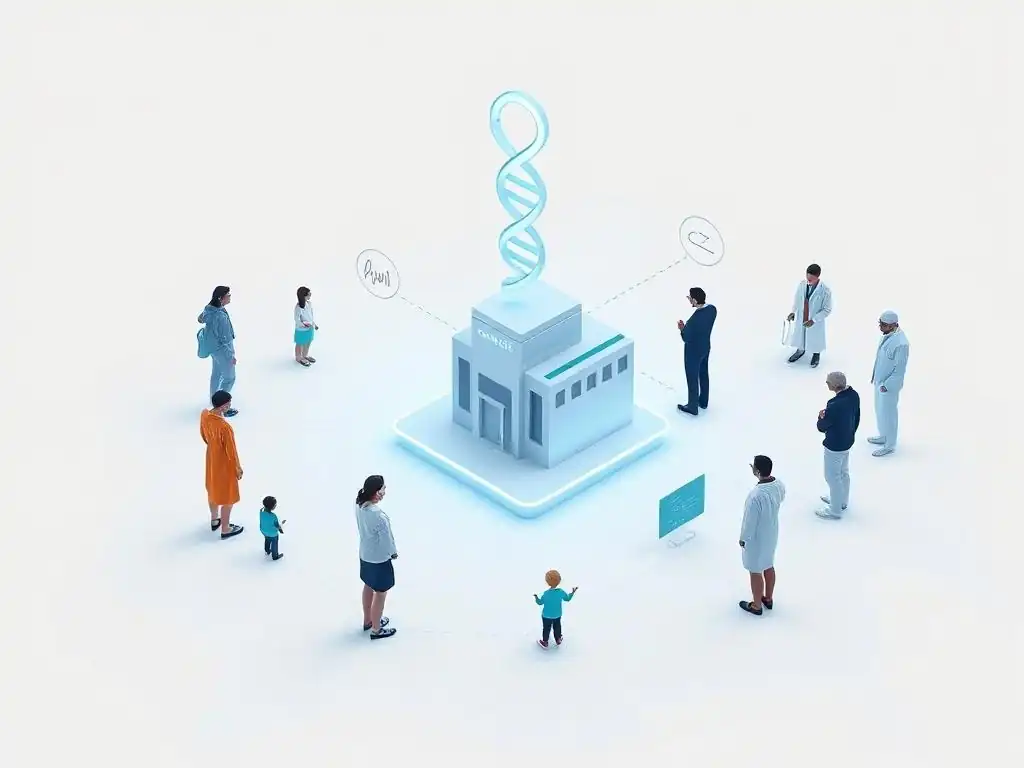
Blockchain for Secure and Verifiable Patient Consent Management
One of the most compelling use cases for blockchain in clinical trials, particularly in recruitment, is secure and verifiable patient consent management. The informed consent process is legally and ethically critical, but managing paper-based or siloed electronic consent forms across multiple sites is complex and prone to errors. Blockchain can provide an immutable, timestamped record of the entire consent process, from initial information provision to the patient's signature (or electronic equivalent) and any subsequent withdrawals or updates.
Using a blockchain-based system, each interaction related to consent – when information was shared, when questions were asked and answered, and when consent was given or updated – can be recorded as a transaction on the ledger. This creates a tamper-proof audit trail that is easily accessible to authorized parties, including regulators, for verification.
Smart contracts can be used to enforce consent protocols, ensuring that data access is only granted if valid consent is recorded on the blockchain. This provides a higher level of assurance regarding the validity and status of patient consent compared to traditional methods, reducing compliance risks and streamlining audits in blockchain clinical trial recruitment.
Tokenized Rewards for Clinical Trial Participation
Blockchain technology enables the implementation of tokenized reward systems to incentivize patient participation in clinical trials. This approach leverages cryptocurrency or utility tokens to compensate or reward patients for their time, effort, and data contributions throughout the recruitment and trial process. For example, patients might receive a small number of tokens upon completing the initial eligibility screening, more tokens upon randomization, and additional tokens for completing follow-up visits or providing required data.
These tokens, recorded on a blockchain, provide a transparent and verifiable system for tracking and distributing rewards. They can potentially be exchanged for goods, services, or even fiat currency, depending on the system design. This not only provides a tangible benefit to participants but also creates a stronger incentive for engagement and retention. While ethical considerations around incentivization must be carefully navigated to avoid undue influence, a well-designed tokenized system using blockchain can enhance patient motivation and contribute to higher recruitment and retention rates, thereby improving the efficiency of blockchain clinical trial recruitment.
Decentralized Trial Data Repositories for Enhanced Collaboration
Beyond recruitment data, blockchain can contribute to building decentralized repositories for clinical trial data, improving collaboration among researchers while maintaining data integrity and privacy. While not storing all raw patient data on the blockchain, the technology can be used to manage metadata, data hashes, and access permissions for data stored securely off-chain. This creates a distributed network where different research institutions, sponsors, and even potentially qualified external researchers can access and analyze aggregated or anonymized trial data under strict, blockchain-enforced access controls.
This decentralized model breaks down data silos and facilitates data sharing in a secure and auditable manner. Researchers could potentially query a blockchain-indexed repository to find patients with specific characteristics across multiple trials (with patient consent), or collaborate on analyzing anonymized datasets. Smart contracts can automate data sharing agreements, ensuring that data is only accessed and used according to predefined rules and permissions recorded on the blockchain. This enhanced collaboration, facilitated by blockchain clinical trial recruitment and data management solutions, can accelerate scientific discovery and the development of new therapies.
Implementing Blockchain for Clinical Trial Recruitment: Key Considerations
Regulatory Compliance and Data Privacy Requirements
Implementing blockchain for clinical trial recruitment requires careful consideration of existing and evolving regulatory compliance and data privacy requirements. Regulations like HIPAA in the US, GDPR in Europe, and similar mandates globally impose strict rules on the collection, storage, and processing of patient health information (PHI).
While blockchain offers enhanced security and privacy features, its implementation must align with these regulations. This means determining what data can be stored on-chain (likely hashes or metadata) versus off-chain (encrypted PHI), and ensuring that the system provides mechanisms for patient rights, such as the right to access, rectify, or potentially erase their data (though "erasure" on an immutable blockchain requires specific architectural approaches like data referencing with off-chain deletion).
Engaging with regulatory bodies early in the development process is crucial to ensure that blockchain clinical trial recruitment solutions meet compliance standards. The decentralized and often pseudonymous nature of blockchain requires careful consideration of how to link patient identity to on-chain data references while maintaining privacy and the ability for regulators to audit the process. Developing standardized frameworks and best practices that demonstrate compliance with data protection laws will be essential for widespread adoption.
Interoperability with Existing Healthcare Systems
A significant challenge in adopting blockchain for clinical trial recruitment is ensuring interoperability with the myriad of existing, often legacy, healthcare information systems (HIS) and electronic health record (EHR) systems used by hospitals, clinics, and research sites. Clinical trial recruitment relies heavily on accessing and verifying patient data from these systems. A blockchain solution needs to seamlessly integrate with these disparate systems to extract relevant information (with appropriate permissions and privacy safeguards) and record recruitment activities back into the patient's health record if necessary.
Developing APIs and middleware to bridge the gap between blockchain platforms and traditional HIS/EHRs is a critical technical hurdle. Standardizing data formats and communication protocols will be essential to enable smooth data exchange. Without robust interoperability, a blockchain recruitment system would exist in isolation, failing to leverage the wealth of patient data already available in healthcare ecosystems. Addressing this challenge is key to unlocking the full potential of blockchain clinical trial recruitment by ensuring it can integrate into real-world clinical workflows.
Scalability and Performance of Blockchain Solutions
The scalability and performance of blockchain networks are important technical considerations for handling the potentially large volume of transactions generated by widespread clinical trial recruitment activities. As trials expand globally and the number of potential participants grows, the underlying blockchain infrastructure must be able to process a high throughput of data entries and queries without significant latency or cost. Public blockchains like Ethereum, while decentralized, have faced challenges with scalability and transaction fees (gas costs), which could be prohibitive for frequent, low-value transactions in a recruitment workflow.
Private or consortium blockchains, where participation is permissioned and restricted to known entities (like research institutions and sponsors), often offer better performance and scalability for enterprise use cases. These networks can process more transactions per second at lower costs. However, they may sacrifice some degree of decentralization compared to public chains. Selecting the appropriate blockchain architecture – public, private, or a hybrid approach – depends on the specific requirements for decentralization, security, performance, and cost. Ensuring the chosen platform can scale to meet the demands of large-scale blockchain clinical trial recruitment is paramount for successful implementation.
Addressing Ethical Considerations in Blockchain Implementation
Implementing blockchain technology in clinical trial recruitment also raises important ethical considerations that must be carefully addressed. While blockchain can enhance privacy and autonomy through decentralized identity and access control, it also presents challenges related to the immutability of data. If erroneous or sensitive information is permanently recorded on a blockchain, rectifying it can be complex, raising questions about the "right to be forgotten." Mechanisms for handling data errors or requests for removal, perhaps through referencing and off-chain deletion with on-chain proof of deletion, need to be carefully designed.
Furthermore, the use of tokenized incentives, while potentially beneficial for engagement, must be implemented ethically to avoid unduly influencing a patient's decision to participate, especially among vulnerable populations. The incentives should compensate for time and effort, not coerce participation. Ensuring equitable access to blockchain-based recruitment platforms and digital literacy among potential participants is also important to avoid creating new barriers to trial access. Open dialogue with ethics committees, patient advocacy groups, and regulatory bodies is essential to navigate these complex ethical landscapes and ensure that blockchain clinical trial recruitment solutions are developed and deployed responsibly.
Overcoming Barriers to Blockchain Adoption in Clinical Trials
Educating Stakeholders on Blockchain Benefits
A significant barrier to the adoption of blockchain in clinical trial recruitment is the lack of understanding and awareness among key stakeholders, including researchers, clinicians, pharmaceutical companies, regulatory bodies, and patients. Many individuals in the healthcare sector may associate blockchain solely with cryptocurrencies and be unaware of its broader applications in secure data management, process automation, and supply chain traceability. Overcoming this knowledge gap requires targeted education and training programs.
Initiatives should focus on clearly explaining the specific benefits of blockchain clinical trial recruitment, such as enhanced data integrity, improved privacy controls, increased transparency, and potential cost and time savings. Demonstrating successful pilot projects and real-world use cases can help build confidence and illustrate the practical value of the technology. Educational efforts should be tailored to different stakeholder groups, addressing their specific concerns and highlighting how blockchain can solve problems they face in their daily work. Building a foundational understanding is crucial for fostering acceptance and driving adoption.
Developing Standardized Protocols and Frameworks
The absence of standardized protocols and frameworks for applying blockchain technology in clinical trial processes is another major hurdle. Without common standards for data representation, interoperability between different blockchain platforms and existing systems, and guidelines for smart contract development, widespread adoption becomes difficult. Each implementation might operate in isolation, creating new data silos instead of breaking down old ones.
Collaboration between industry consortia, technology providers, research institutions, and regulatory agencies is needed to develop these standards. This includes defining data models for recruitment-related information (e.g., eligibility criteria, consent status), establishing protocols for secure data exchange between blockchain networks and EHRs, and creating guidelines for the development and auditing of smart contracts used in recruitment workflows. Standardized frameworks will reduce complexity, lower implementation costs, and build confidence among potential users, paving the way for more seamless integration of blockchain clinical trial recruitment solutions across the industry.
Fostering Collaboration Between Researchers, Regulators, and Technology Providers
Successful adoption of blockchain in clinical trials requires close collaboration among all relevant parties: researchers and clinicians who understand the process, regulators who oversee compliance, and technology providers who build the solutions. Historically, these groups have often worked in silos, leading to solutions that are technically sound but don't meet clinical needs or regulatory requirements, or vice versa.
Establishing forums and working groups that bring these stakeholders together is essential. This collaborative approach allows researchers to articulate their challenges and needs, regulators to provide guidance on compliance and data governance, and technology providers to design solutions that are both innovative and practical. Pilot projects involving representatives from all groups can provide valuable feedback and help refine blockchain clinical trial recruitment applications in real-world settings. Fostering a collaborative ecosystem is key to developing solutions that are not only technologically advanced but also clinically relevant, regulatory compliant, and ultimately adopted by the industry.
The Future of Clinical Trial Recruitment with Blockchain
Potential for Personalized Medicine and Precision Healthcare
Blockchain technology holds significant potential to support the shift towards personalized medicine and precision healthcare, which relies heavily on collecting and analyzing vast amounts of patient data, including genetic information, lifestyle factors, and treatment responses. In the context of clinical trial recruitment, blockchain can facilitate the secure and granular sharing of specific patient data points, enabling researchers to identify highly targeted patient populations for trials focused on personalized therapies.
By allowing patients to control access to their detailed health profiles via decentralized identifiers and smart contracts, researchers can query networks for individuals meeting very specific genetic or phenotypic criteria, with the patient's explicit consent. This moves beyond broad eligibility criteria to precision matching, significantly improving the likelihood of finding patients who will benefit most from a particular experimental treatment. This capability inherent in future blockchain clinical trial recruitment systems is crucial for accelerating the development and testing of personalized therapies.
Integration with IoT and Wearable Devices for Remote Monitoring
The increasing use of Internet of Things (IoT) devices and wearable sensors in healthcare generates a continuous stream of real-world patient data, such as vital signs, activity levels, and sleep patterns. Integrating this data into clinical trials can provide richer insights and enable remote patient monitoring. Blockchain can play a crucial role in managing the integrity and privacy of this high-velocity, decentralized data.
Data from wearable devices could be timestamped, hashed, and recorded on a blockchain ledger, creating an immutable record of its origin and ensuring its integrity from the point of collection. Smart contracts could automate the process of feeding this data into trial databases (with patient consent) or triggering alerts based on predefined parameters. This integration, facilitated by blockchain, supports the move towards decentralized clinical trials (DCTs) by providing a secure and verifiable backbone for remote data collection and monitoring, enhancing the scope and efficiency of blockchain clinical trial recruitment and management.
The Role of Blockchain in Decentralized Clinical Trials (DCTs)
Decentralized Clinical Trials (DCTs), where some or all trial activities occur outside of traditional physical research sites (e.g., at the patient's home), are gaining traction for their potential to increase patient access and reduce trial costs. Blockchain technology is a natural fit for supporting the infrastructure of DCTs, particularly in managing patient identity, consent, data collection from remote sources, and ensuring the integrity of the decentralized process.
Blockchain can provide the secure, transparent, and immutable ledger needed to coordinate activities across multiple remote locations, devices, and stakeholders in a DCT. It can manage patient identity and consent remotely, track the secure transfer of samples, verify data collected from remote sensors or patient apps, and automate payments or rewards via smart contracts. By providing a trusted layer for decentralized data management and process coordination, blockchain is poised to become a foundational technology enabling the widespread adoption and success of Decentralized Clinical Trials, fundamentally reshaping how blockchain clinical trial recruitment and execution are conducted in the future.
Conclusion: Blockchain as a Catalyst for Clinical Trial Innovation
Accelerating Drug Development and Improving Patient Outcomes
The current landscape of clinical trial recruitment is fraught with inefficiencies, high costs, and delays, directly impacting the pace of drug development and the availability of new treatments for patients. By addressing fundamental challenges related to data management, security, transparency, and patient engagement, blockchain technology offers a powerful catalyst for innovation in this critical area. Streamlining the identification, screening, and enrollment processes through secure, transparent, and automated systems can significantly reduce recruitment timelines and costs.
Faster recruitment means trials can be completed sooner, accelerating the journey of promising new therapies from the lab to patients who need them. This not only benefits pharmaceutical companies by speeding up market access but, more importantly, improves patient outcomes by providing earlier access to potentially life-saving or life-improving treatments. The efficiency gains enabled by blockchain clinical trial recruitment solutions have the potential to shave months, or even years, off the drug development lifecycle, ultimately leading to faster innovation and better health outcomes globally.
The Transformative Power of Blockchain in Healthcare Research
Blockchain's application in clinical trial recruitment is just one example of its broader transformative potential in healthcare research. Beyond recruitment, blockchain can enhance data sharing for research purposes while preserving privacy, improve the integrity of research data, streamline regulatory reporting, and even support the secure tracking of biological samples and investigational products in the supply chain.
By providing a secure, immutable, and transparent infrastructure for managing complex data flows and interactions among multiple parties, blockchain can address long-standing challenges in various stages of healthcare research. Its ability to build trust and enable secure collaboration among disparate entities makes it a foundational technology for the future of medical research.
As the industry continues to explore and implement these capabilities, blockchain is set to play a pivotal role in making healthcare research more efficient, secure, and ultimately, more effective in discovering and delivering the next generation of medical breakthroughs. The journey of blockchain clinical trial recruitment is a key part of this larger transformation.
Frequently Asked Questions
How can blockchain technology improve clinical trial recruitment?
Blockchain can enhance recruitment by providing a secure and transparent platform for managing patient data and matching individuals with suitable trials. This leads to increased trust and potentially faster enrollment processes.
What are the key benefits of using blockchain for clinical trial recruitment from a patient perspective?
For patients, blockchain offers increased data privacy and control over their personal information. It also allows for easier access to relevant clinical trials and a more streamlined enrollment experience.
How does blockchain address the challenge of data silos in clinical trial recruitment?
Blockchain provides a shared, immutable ledger that allows for secure data sharing between researchers, hospitals, and patients. This breaks down data silos and promotes better collaboration and more efficient recruitment.
What regulatory considerations need to be addressed when implementing blockchain for clinical trial recruitment?
Implementing blockchain in clinical trials requires careful attention to data privacy regulations like GDPR and HIPAA. Ensuring compliance and data security are paramount for successful adoption.
What is the potential future impact of blockchain on the landscape of clinical trial recruitment?
Blockchain has the potential to revolutionize clinical trials by making them more efficient, transparent, and patient-centric. This could lead to faster drug development and improved healthcare outcomes in the long run.
Final Reflection: Empowering Clinical Trials Through Trust
The potential of blockchain technology to revolutionize clinical trial recruitment is no longer a futuristic fantasy but a tangible opportunity. As we've explored, the inherent transparency, security, and immutability of blockchain offer solutions to long-standing challenges in patient enrollment, data integrity, and overall trial efficiency, making it a crucial tool for the future of medical research.
The impact of this technology extends far beyond mere logistical improvements. It has the power to foster greater trust between patients, researchers, and pharmaceutical companies, ultimately leading to more inclusive and representative clinical trials. This shift is vital for ensuring that medical advancements benefit all populations. The future of healthcare is about empowering patients and giving them control over their own data. Blockchain is a key enabler of this vision.
- Dr. Melanie Swan, Blockchain Researcher.
Now, consider how you can contribute to this transformative movement. Reflect on the potential of blockchain to address specific challenges within your own field or community. Embrace the opportunity to learn more, advocate for responsible implementation, and actively participate in shaping a future where clinical trials are more efficient, equitable, and patient-centric. The future of medicine is being built today, and your contribution matters.
Okay, I understand. Here's a CTA crafted according to your specifications, for an article titled "Blockchain for Clinical Trial Recruitment: Enhancing Efficiency and Patient Participation" on the website "Blockchain Trends" (blockchaintrends.org):
Revolutionize Your Contribution: Join the Clinical Trial Evolution!
Thank you for exploring how blockchain is reshaping clinical trial recruitment. You've gained valuable insights into how this technology can improve efficiency and, most importantly, patient participation. Now, let's translate that knowledge into action!
Here are a few ways you can contribute to this exciting field:
- Explore current blockchain-based clinical trial initiatives. Research active projects and their impact on patient enrollment and data integrity.
- Share this article with your network. Spread awareness about blockchain's potential to revolutionize clinical trials and benefit patients.
- Brainstorm and document three innovative use cases for blockchain in your personal or professional context related to healthcare. Consider scenarios beyond the ones mentioned in the article.
What specific challenges in clinical trial recruitment do you believe blockchain is best positioned to address, and what steps can be taken to ensure equitable access for all patient populations?
Leave a Reply