
Blockchain for Cold Chain Logistics: Ensuring TemperatureSensitive Product Integrity

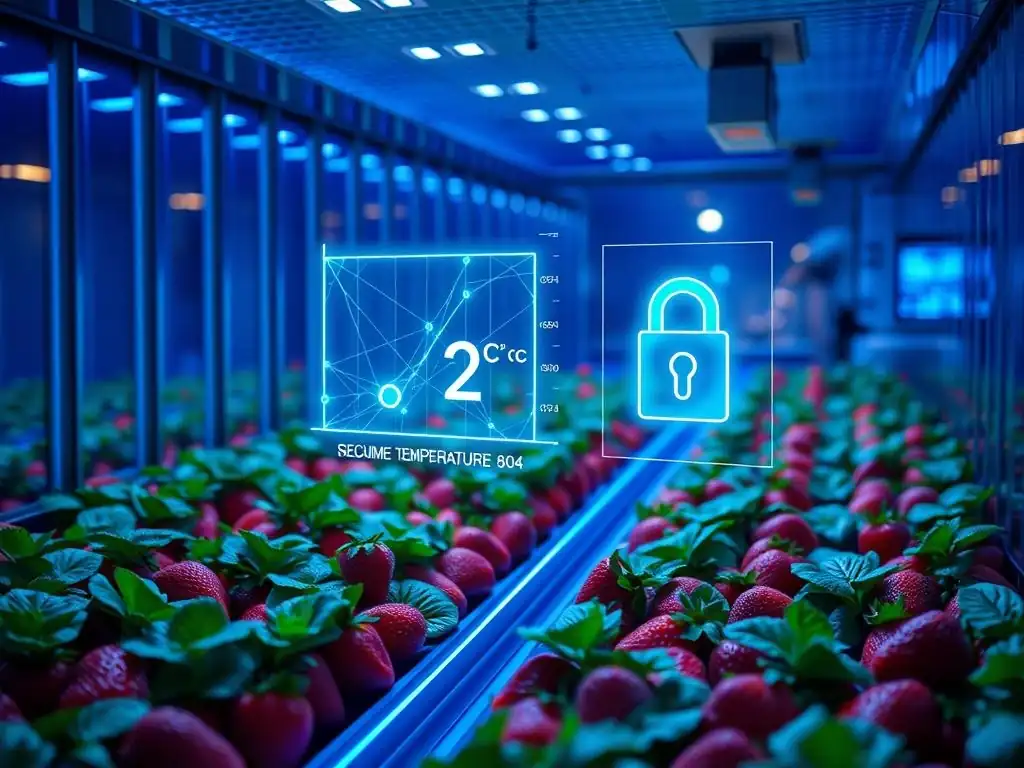
Welcome to Blockchain Trends, your guide to the evolving landscape of blockchain technology!
Dive into the transformative potential of blockchain beyond cryptocurrencies and discover how it's revolutionizing industries worldwide. This month, we're focusing on a critical application: blockchain cold chain logistics integrity. How can this technology guarantee the safety and quality of temperature-sensitive goods from farm to consumer? Explore the challenges and solutions in our deep dive and unlock the future of secure and transparent supply chains. Intrigued? Let's get started!
Blockchain for Cold Chain Logistics: Ensuring Temperature-Sensitive Product Integrity
- Introduction to Blockchain's Role in Cold Chain Management
- The Need for Integrity in Cold Chain Logistics
- Blockchain Cold Chain Logistics: A Detailed Explanation
- Benefits of Implementing Blockchain in Cold Chain Logistics
- Use Cases: Blockchain Applications in Cold Chain
- Implementing Blockchain for Cold Chain Logistics: Key Considerations
- Overcoming Challenges in Blockchain Cold Chain Adoption
- The Future of Blockchain in Cold Chain Logistics
- Conclusion: Blockchain as a Solution for Cold Chain Integrity
-
Frequently Asked Questions
- What are the main benefits of using blockchain in cold chain logistics?
- How does blockchain help maintain the integrity of temperature-sensitive products?
- What are the key challenges in implementing blockchain for cold chain logistics?
- How does blockchain enhance transparency in the cold chain?
- What is the future outlook for blockchain in cold chain logistics?
- Final Reflection: Ensuring Integrity in Cold Chain Logistics through Blockchain
- Ignite Transparency: Revolutionize Your Cold Chain Today!
Introduction to Blockchain's Role in Cold Chain Management
Understanding the Cold Chain and its Vulnerabilities
The cold chain is a temperature-controlled supply chain network crucial for preserving the quality and integrity of perishable goods, including pharmaceuticals, food, and certain chemicals. It encompasses all activities involved in maintaining a product within a specific temperature range from point of origin to consumption or final use. This complex process involves storage, transportation, and distribution, often across vast geographical distances and through multiple intermediaries.
Despite its critical importance, the cold chain is inherently vulnerable. Points of failure can occur at various stages, from improper handling during loading and unloading to equipment malfunction in storage facilities or transportation vehicles. A single temperature excursion – a deviation outside the acceptable range – can compromise product efficacy, safety, and quality, leading to significant financial losses, potential health risks, and damage to brand reputation. Ensuring robust cold chain logistics integrity is paramount.
The Promise of Blockchain Technology for Enhanced Supply Chain Transparency
Blockchain technology offers a decentralized, immutable, and transparent ledger system that can record transactions and data across a network of participants. In the context of supply chains, this means creating a shared, verifiable history of a product's journey. Unlike traditional centralized databases, where data can be altered or siloed, blockchain provides a single source of truth accessible to authorized parties.
This inherent transparency and immutability are particularly valuable for complex systems like the cold chain. By recording key events and data points – such as temperature readings, location changes, and handling events – on a blockchain, stakeholders gain unprecedented visibility into the product's lifecycle. This enhances trust among supply chain partners and provides consumers with greater confidence in the products they receive, directly contributing to blockchain cold chain logistics integrity.
How Blockchain Addresses Key Challenges in Temperature-Sensitive Logistics
Temperature-sensitive logistics faces several persistent challenges, including lack of visibility, data silos among different parties (manufacturers, transporters, distributors, retailers), manual data entry errors, and difficulty in quickly identifying the source of issues like temperature deviations. These challenges hinder effective management and timely intervention.
Blockchain technology provides a framework to address these issues by creating a shared, secure, and automated record. By integrating with IoT sensors that monitor temperature, humidity, and location, blockchain can automatically log real-time data points. This eliminates manual errors, provides end-to-end visibility, and creates an unalterable audit trail. When a temperature excursion occurs, the blockchain record immediately flags the event and provides verifiable data about when and where it happened, streamlining root cause analysis and ensuring blockchain cold chain logistics integrity.
The Need for Integrity in Cold Chain Logistics
The Impact of Temperature Excursions on Product Quality and Safety
Maintaining strict temperature control is not merely a matter of preserving quality; it is often critical for product safety and efficacy, particularly for pharmaceuticals and certain food items. Vaccines, for example, typically require storage between 2°C and 8°C. Exposure to temperatures outside this range can render them ineffective, potentially leading to failed immunization programs and significant public health risks. Similarly, perishable foods like meat, dairy, and produce can spoil rapidly or become contaminated if the cold chain is broken, posing risks of foodborne illness.
The financial impact of temperature excursions is substantial. Estimates suggest that globally, billions of dollars' worth of temperature-sensitive goods are lost annually due to cold chain failures. This includes not only the cost of the spoiled product itself but also associated costs like disposal, investigation, and potential litigation. Ensuring blockchain cold chain logistics integrity directly mitigates these risks by providing verifiable proof of temperature control throughout the journey.
Regulatory Requirements and Compliance in Cold Chain Operations
The cold chain is subject to stringent regulatory requirements designed to protect public health and ensure product quality. Regulatory bodies like the FDA in the United States and the EMA in Europe mandate specific storage and transportation conditions for pharmaceuticals, including detailed record-keeping of temperature data. Guidelines such as Good Distribution Practice (GDP) outline the standards for the storage, transport, and distribution of medicinal products, emphasizing the need for systems that can demonstrate continuous temperature control.
Compliance with these regulations requires robust monitoring and documentation systems. Traditional paper-based records or fragmented digital systems can be prone to errors, difficult to audit, and vulnerable to tampering. A blockchain-based system provides an immutable, time-stamped record of all relevant data, significantly simplifying compliance and auditing processes. This verifiable record strengthens blockchain cold chain logistics integrity and helps companies meet regulatory obligations more effectively.
Cost Implications of Inefficient Cold Chain Management
Inefficiencies in cold chain management translate directly into increased costs. Product spoilage is a primary driver of expense, estimated to be around 10-15% for perishable goods globally. Beyond the cost of lost inventory, there are expenses related to logistics for returning or disposing of compromised products, investigation into the cause of failure, and potential penalties for non-compliance with regulations.
Furthermore, a lack of transparency and trust in the supply chain can lead to disputes between parties regarding responsibility for damaged goods. Resolving these disputes is often time-consuming and costly. Implementing blockchain cold chain logistics integrity can reduce these costs by providing clear, undeniable evidence of handling and temperature conditions at each step, enabling faster resolution of issues and reducing overall waste and operational expenditure.
Blockchain Cold Chain Logistics: A Detailed Explanation
How Blockchain Ensures Data Integrity in the Cold Chain
At its core, blockchain ensures data integrity through its cryptographic foundation and distributed nature. When temperature data, location updates, or handling events are recorded, they are grouped into blocks. Each block is cryptographically linked to the previous one, forming a chain. Any attempt to alter data in an older block would break the cryptographic link, making the tampering immediately obvious to all participants in the network.
Moreover, copies of the blockchain ledger are distributed across multiple nodes in the network. For a change to be accepted, a consensus mechanism requires agreement from a majority of these nodes. This makes it virtually impossible for a single party to unilaterally alter the data without detection. This inherent tamper-proof nature is fundamental to achieving high levels of blockchain cold chain logistics integrity, providing an unparalleled level of trust in the recorded information.
Key Features of a Blockchain-Based Cold Chain System
A robust blockchain-based cold chain system typically incorporates several key features. Firstly, it involves the integration of Internet of Things (IoT) devices, such as temperature sensors, GPS trackers, and humidity monitors, which collect real-time environmental and location data. Secondly, it utilizes smart contracts – self-executing contracts with the terms of the agreement directly written into code – to automate processes based on the recorded data. For example, a smart contract could automatically trigger an alert or initiate an insurance claim if temperature readings exceed a predefined threshold.
Thirdly, access control mechanisms are crucial to ensure that only authorized parties can view specific data, maintaining privacy while preserving necessary transparency. Finally, the system provides an immutable audit trail, recording every transaction and data point from origin to destination. These features collectively create a highly reliable and verifiable record, forming the bedrock of blockchain cold chain logistics integrity.
Real-Time Temperature Monitoring and Tracking with Blockchain
One of the most powerful applications of blockchain in the cold chain is enabling real-time, verifiable temperature monitoring and tracking. IoT sensors placed within packaging, containers, or vehicles continuously record temperature, humidity, and other relevant conditions. These readings are then transmitted to the blockchain network, often via a gateway device.
Once on the blockchain, these data points become part of an immutable ledger, time-stamped and linked to specific shipments or product batches. This allows all authorized parties – from the manufacturer to the end retailer – to access the current and historical temperature data for a specific product in real-time. If a temperature deviation occurs, alerts can be instantly triggered via smart contracts, allowing for prompt action. This constant, verifiable monitoring is essential for maintaining blockchain cold chain logistics integrity and preventing product spoilage.
Benefits of Implementing Blockchain in Cold Chain Logistics
Enhanced Traceability and Transparency in the Supply Chain
Implementing blockchain technology significantly enhances traceability and transparency in the cold chain. Every step a product takes, from production and packaging to transportation and delivery, along with critical data like temperature logs, can be recorded on the shared ledger. This creates a complete, end-to-end history that is visible to all relevant stakeholders.
This level of transparency allows for rapid identification of a product's location and condition at any given time. In the event of a quality issue or recall, companies can quickly pinpoint affected batches and understand the conditions they experienced, streamlining the recall process and minimizing potential harm to consumers. This enhanced traceability is a cornerstone of ensuring blockchain cold chain logistics integrity.
Improved Data Security and Tamper-Proof Records
Traditional data management systems in supply chains are often vulnerable to cyberattacks, data breaches, or internal manipulation. Centralized databases can be single points of failure, and manual records can be easily lost or altered. Blockchain's decentralized and cryptographic nature inherently provides a higher level of security.
Data recorded on a blockchain is encrypted and distributed across multiple nodes, making it extremely difficult for malicious actors to tamper with records without detection. Any attempt to alter historical data would require compromising a majority of the network participants, which is practically infeasible for a well-designed blockchain network. This tamper-proof quality ensures that the temperature and handling records are reliable and trustworthy, solidifying blockchain cold chain logistics integrity.
Reduced Product Spoilage and Waste
By providing real-time monitoring and verifiable data, blockchain enables proactive intervention in the event of potential cold chain breaches. When a temperature excursion is detected early, stakeholders can take immediate action, such as adjusting cooling systems, rerouting shipments, or isolating affected products before the damage becomes irreversible.
Furthermore, the increased transparency helps identify weak points in the supply chain where temperature deviations occur frequently. This data-driven insight allows companies to optimize their logistics processes, improve packaging, or select more reliable transport partners, leading to a significant reduction in product spoilage and associated waste. This direct impact on reducing losses is a key benefit of achieving high blockchain cold chain logistics integrity.
Streamlined Regulatory Compliance and Auditing
Regulatory compliance in the cold chain is complex and requires meticulous documentation of temperature conditions and handling procedures. Audits can be time-consuming and resource-intensive, involving the review of potentially vast amounts of paper records or disparate digital files.
A blockchain-based system automatically captures and stores all required data in an organized, immutable, and easily accessible format. Regulators and auditors can be granted permission to access the relevant portions of the ledger, allowing them to verify compliance quickly and efficiently. The verifiable and tamper-proof nature of the records simplifies the auditing process and demonstrates adherence to strict regulatory standards like GDP, thereby streamlining compliance and bolstering blockchain cold chain logistics integrity.
Increased Consumer Confidence in Product Quality
Consumers are increasingly concerned about the origin, quality, and safety of the products they purchase, especially for sensitive items like food and medicine. Providing consumers with verifiable information about a product's journey and the conditions it experienced throughout the cold chain can significantly boost their trust.
Some blockchain solutions allow consumers to scan a QR code on the product packaging to access a summary of its cold chain history, including temperature logs and handling points. This transparency reassures consumers that the product has been maintained under the correct conditions, enhancing their confidence in its quality and safety. This direct link to the end consumer is a powerful outcome of establishing blockchain cold chain logistics integrity.
Use Cases: Blockchain Applications in Cold Chain
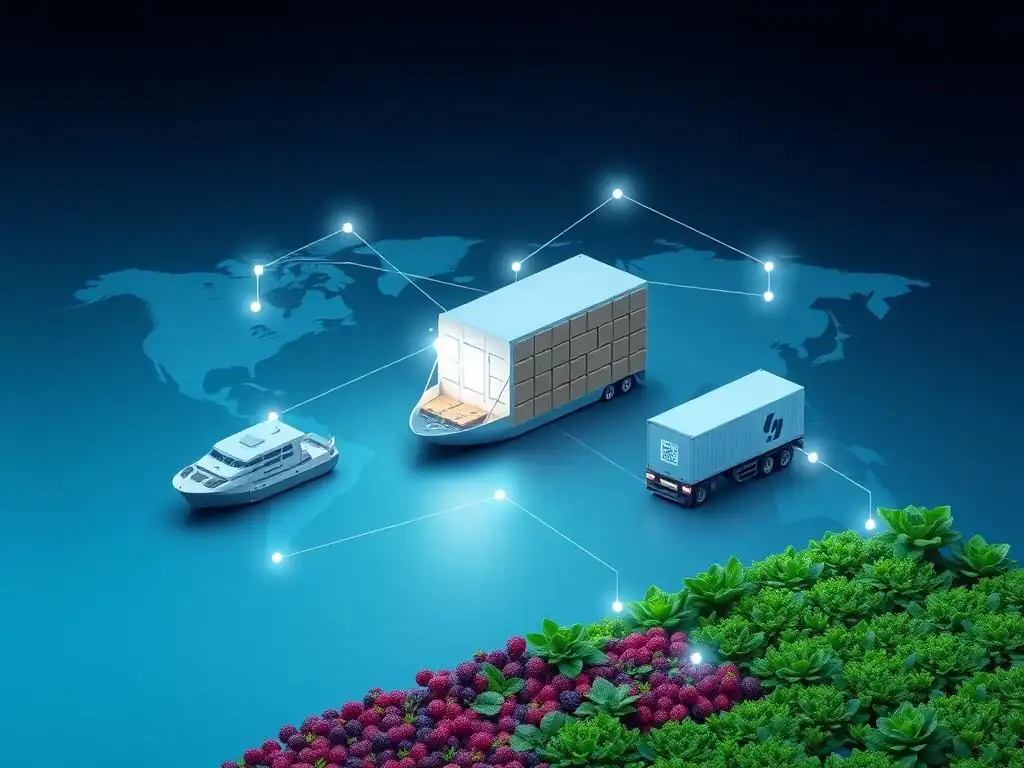
Pharmaceutical Cold Chain: Tracking Vaccine Integrity
The pharmaceutical cold chain is arguably the most critical, as maintaining product efficacy directly impacts public health. Vaccines, biologics, and certain medications require precise temperature control, often within a narrow range (e.g., 2-8°C or even -70°C for some COVID-19 vaccines). Failure to maintain these conditions can render the products ineffective or even harmful.
Blockchain is being piloted and implemented to track vaccine shipments from manufacturing facilities to clinics. IoT sensors embedded in packaging or transport containers continuously record temperature data, which is then uploaded to the blockchain. This provides an immutable record verifying that the vaccines remained within the required temperature range throughout their journey. For instance, pilot programs tracking vaccine distribution in parts of Africa have demonstrated the potential for blockchain to improve transparency and ensure the integrity of sensitive medical supplies, directly addressing the need for blockchain cold chain logistics integrity in this vital sector.
Food and Beverage Industry: Ensuring Freshness and Safety
The food and beverage industry relies heavily on the cold chain to prevent spoilage and ensure consumer safety. Products like fresh produce, meat, seafood, and dairy require consistent temperature management. Breakdowns in the cold chain can lead to rapid bacterial growth, spoilage, and significant economic losses.
Companies are using blockchain to track perishable food items from the farm or processing plant to the grocery store. By recording temperature, humidity, and handling events on the blockchain, all parties in the supply chain can monitor conditions and verify freshness. For example, Walmart has successfully piloted blockchain for tracing leafy greens, reducing the time required to trace a product from weeks to seconds. While this particular example focused on general traceability, the same principles apply directly to monitoring cold chain conditions, thereby ensuring blockchain cold chain logistics integrity for food products.
Agriculture: Monitoring Produce from Farm to Table
Extending the cold chain back to the agricultural source is crucial for maximizing shelf life and quality. Fruits, vegetables, and other produce often begin their journey requiring specific temperature and humidity conditions immediately after harvest. Monitoring these conditions from the field or packing house is essential.
Blockchain solutions are being developed to provide end-to-end visibility for agricultural products. By placing sensors at the farm, during transport, and in storage, data on temperature, humidity, and even atmospheric composition can be recorded on the blockchain. This allows buyers and consumers to verify that the produce was handled correctly from the moment it was harvested, contributing to reduced waste and improved quality. Projects focusing on high-value produce exports are demonstrating the viability of using blockchain to ensure cold chain integrity from the earliest stages.
Maersk and IBM's TradeLens Platform: Enhancing Global Trade Visibility
While not exclusively a cold chain solution, the TradeLens platform, a collaboration between Maersk and IBM, provides a prominent example of blockchain's application in global supply chains, including refrigerated cargo. The platform aims to create a shared, immutable record of shipping transactions and data across the entire ecosystem of carriers, ports, customs authorities, and logistics providers.
For refrigerated containers (reefers), TradeLens allows for the integration of data streams from container sensors, providing visibility into conditions like temperature and humidity throughout the ocean voyage and inland transport. While specific temperature data visibility depends on permissions granted by data owners (like the carrier), the platform provides the foundational blockchain infrastructure for secure data sharing and enhanced transparency across complex international cold chain logistics. This large-scale initiative highlights the potential of blockchain to improve overall supply chain integrity, which is directly relevant to blockchain cold chain logistics integrity on a global scale.
Implementing Blockchain for Cold Chain Logistics: Key Considerations
Choosing the Right Blockchain Platform for Cold Chain Needs
Selecting the appropriate blockchain platform is a critical first step. Different platforms offer varying levels of scalability, transaction speed, consensus mechanisms, and smart contract capabilities. Enterprise-grade private or permissioned blockchains, such as Hyperledger Fabric or R3 Corda, are often preferred for supply chain applications because they offer better control over participation, data privacy, and transaction throughput compared to public blockchains like Bitcoin or Ethereum (though solutions built on Ethereum are also emerging).
The chosen platform must be capable of handling the volume of transactions generated by sensor data and supply chain events. It should also support the development and execution of smart contracts necessary for automating cold chain processes, such as triggering alerts or managing compliance checks. Evaluating the platform's architecture, governance model, and ecosystem support is essential for successful blockchain cold chain logistics integrity implementation.
Integrating Blockchain with Existing Cold Chain Infrastructure
Integrating a new blockchain system with legacy cold chain infrastructure, which often includes disparate Warehouse Management Systems (WMS), Transportation Management Systems (TMS), and various IoT devices, presents a significant challenge. Data needs to flow seamlessly from sensors and existing systems onto the blockchain without disruption to current operations.
This typically requires developing Application Programming Interfaces (APIs) and middleware to connect different systems. Careful planning is needed to map data flows, ensure data format compatibility, and manage the transition. Successful integration is vital to ensure that the blockchain accurately reflects real-world conditions and processes, thereby enabling effective blockchain cold chain logistics integrity.
Data Privacy and Security Considerations
While blockchain enhances data security through immutability, data privacy remains a key concern, especially in supply chains involving multiple competing parties. Not all participants should have access to all data; for example, a manufacturer may not want a competitor to see their customer list or pricing information embedded in a shipment record.
Implementing robust access control and permission layers is crucial. Permissioned blockchains allow organizations to define who can join the network, view specific data, and submit transactions. Techniques like data partitioning or using zero-knowledge proofs can also help ensure that sensitive business information remains private while still allowing verification of critical data points like temperature logs. Balancing transparency with necessary privacy is key to building trust and ensuring secure blockchain cold chain logistics integrity.
Scalability and Interoperability Challenges
As cold chains involve vast numbers of shipments, products, and data points (especially from IoT sensors), the blockchain platform must be highly scalable to handle the volume of transactions. Public blockchains can face scalability limitations (transaction speed and cost), while permissioned blockchains offer better performance but require careful design.
Interoperability between different blockchain networks and with traditional systems is another challenge. A product might pass through several different supply chain segments, potentially recorded on different blockchain platforms or managed by companies using legacy systems. Ensuring that data can be shared and verified across these different environments is essential for end-to-end visibility and maintaining blockchain cold chain logistics integrity across the entire journey. Industry standards and interoperability protocols are actively being developed to address this.
Overcoming Challenges in Blockchain Cold Chain Adoption
Addressing the Lack of Standardization
The blockchain industry is still relatively young, and a lack of universal standards for data formats, protocols, and interoperability can hinder widespread adoption in the cold chain. Different blockchain platforms may not easily communicate with each other, and there are no established standards for how cold chain data (like temperature logs or sensor IDs) should be structured and recorded on a ledger.
Industry consortia and standards bodies are working to define common frameworks and protocols. For example, initiatives focused on supply chain data standards are crucial for enabling seamless data exchange across different blockchain networks and traditional systems. Adopting or contributing to these emerging standards is vital for organizations looking to implement blockchain cold chain logistics integrity solutions that can interact effectively within the broader ecosystem.
Educating Stakeholders on Blockchain Benefits
Understanding blockchain technology and its specific benefits for cold chain logistics requires education across all levels of an organization and its supply chain partners. Many stakeholders may be unfamiliar with the technology or skeptical about its real-world applications beyond cryptocurrencies. Misconceptions about cost, complexity, and the need for fundamental changes to existing processes can slow down adoption.
Providing clear, practical demonstrations of how blockchain enhances transparency, reduces losses, and improves compliance is essential. Highlighting successful pilot programs and use cases can help build confidence. Educating teams on how the technology works and how it directly contributes to ensuring blockchain cold chain logistics integrity can foster buy-in and facilitate smoother implementation.
Building Trust and Collaboration Across the Supply Chain
Blockchain works best when multiple parties in the supply chain participate and share data. However, historical relationships among supply chain partners are often characterized by limited trust and a reluctance to share sensitive information. Convincing competitors or long-standing partners to join a shared ledger and contribute data requires building a foundation of trust and demonstrating mutual benefit.
Establishing clear governance models for the blockchain network is crucial. Defining rules around data ownership, access permissions, dispute resolution, and participation criteria helps build confidence. Highlighting the collective benefits – such as reduced spoilage across the chain, faster payments via smart contracts, and improved overall efficiency – can incentivize collaboration and overcome resistance, paving the way for shared blockchain cold chain logistics integrity.
The Future of Blockchain in Cold Chain Logistics
Emerging Trends in Blockchain-Enabled Cold Chain Solutions
The field of blockchain for cold chain logistics is continuously evolving. One emerging trend is the development of more specialized platforms tailored specifically for temperature-sensitive goods, incorporating features like enhanced smart contract capabilities for handling complex conditional logic related to temperature excursions or product quality parameters.
Another trend is the move towards more granular tracking, potentially down to the individual item level, using advanced serialization techniques combined with blockchain. This level of detail provides unprecedented traceability and enhances blockchain cold chain logistics integrity by linking specific product units to their unique journey history and conditions. Furthermore, integrating financial services, such as automated payments or insurance payouts triggered by smart contracts based on verified blockchain data, is becoming more prevalent.
The Role of IoT and Sensors in Enhancing Blockchain Integration
The symbiotic relationship between blockchain and IoT is fundamental to the future of cold chain monitoring. The increasing sophistication and decreasing cost of IoT sensors – capable of monitoring not just temperature but also humidity, light exposure, shock, and even atmospheric gases – will provide richer, more detailed data streams.
Integrating these advanced sensors seamlessly with blockchain platforms will be key. Future solutions will likely involve more intelligent edge computing on sensor devices to process data locally before sending relevant, verified information to the blockchain, reducing network load and increasing efficiency. This tighter integration will further enhance the accuracy and reliability of the data recorded on the ledger, bolstering blockchain cold chain logistics integrity.
Increasing Adoption of AI and Machine Learning to Optimize Cold Chain Operations
The vast amounts of verifiable, structured data generated by blockchain-enabled cold chains provide an ideal dataset for Artificial Intelligence (AI) and Machine Learning (ML) applications. AI/ML algorithms can analyze historical cold chain data to identify patterns, predict potential points of failure (e.g., routes or partners associated with frequent temperature excursions), and optimize logistics planning.
For example, ML models could use blockchain temperature logs, weather data, and transit times to predict the likelihood of a temperature breach on a specific route and recommend alternative paths or additional protective measures. AI can also automate the analysis of compliance data, quickly flagging discrepancies. The combination of secure, verifiable data from blockchain and the analytical power of AI/ML holds immense potential for optimizing cold chain operations and proactively ensuring blockchain cold chain logistics integrity.
Conclusion: Blockchain as a Solution for Cold Chain Integrity
Recap of the Benefits of Blockchain for Temperature-Sensitive Products
Blockchain technology offers a compelling solution for the inherent challenges of managing temperature-sensitive supply chains. Its core attributes – decentralization, immutability, transparency, and cryptographic security – directly address critical pain points. By enabling tamper-proof recording of temperature, location, and handling data, blockchain provides unprecedented visibility and trust throughout the cold chain journey.
The key benefits include enhanced traceability, improved data security, significant reduction in product spoilage and waste, streamlined regulatory compliance, and increased confidence among both business partners and end consumers. These advantages collectively contribute to a more efficient, reliable, and trustworthy cold chain, which is essential for preserving the quality and safety of sensitive goods like pharmaceuticals and food.
The Potential for Widespread Adoption of Blockchain in Cold Chain Management
While adoption is still in early to growth phases, the demonstrated successes in various pilot programs and industry initiatives like TradeLens indicate a strong potential for the widespread implementation of blockchain in cold chain management. As the technology matures, costs decrease, and industry standards emerge, the barriers to entry will lower, making blockchain solutions more accessible to a broader range of companies, including small and medium-sized enterprises.
The increasing regulatory focus on supply chain transparency and product integrity, coupled with growing consumer demand for verifiable information, will further drive adoption. As more participants join blockchain networks, the network effects will increase the value proposition for all stakeholders, accelerating the shift towards more transparent and reliable cold chain operations underpinned by blockchain technology.
Ensuring Cold Chain Integrity through Blockchain Technology
Ultimately, ensuring cold chain integrity is paramount for protecting public health, minimizing economic losses, and building trust in the global supply chain. Blockchain technology provides the foundational layer of trust and transparency required to achieve this goal effectively. By creating an immutable, shared record of every critical event and condition, blockchain empowers stakeholders to verify the integrity of temperature-sensitive products from origin to destination.
Implementing blockchain cold chain logistics integrity solutions transforms a vulnerable, often opaque process into a transparent, secure, and highly reliable system. This shift not only mitigates risks associated with temperature excursions and handling errors but also builds a more resilient and accountable supply chain ecosystem for the future. The verifiable assurance provided by blockchain is set to become an indispensable component of modern cold chain management.
Frequently Asked Questions
What are the main benefits of using blockchain in cold chain logistics?
Blockchain enhances traceability and transparency within the cold chain, improving product safety and reducing instances of spoilage. It also provides real-time monitoring of temperature conditions.
How does blockchain help maintain the integrity of temperature-sensitive products?
Blockchain creates an immutable record of temperature data at each stage of the supply chain. This verifiable data ensures accountability and detects any deviations from required conditions, safeguarding product integrity.
What are the key challenges in implementing blockchain for cold chain logistics?
Challenges include the initial investment in technology, integrating blockchain with existing systems, and ensuring data privacy and security compliance. Standardization across the industry is also crucial.
How does blockchain enhance transparency in the cold chain?
Blockchain provides a shared and secure ledger accessible to all authorized participants in the supply chain. This increased visibility helps track products from origin to consumer, reducing information asymmetry.
What is the future outlook for blockchain in cold chain logistics?
The future involves widespread adoption of blockchain to enhance efficiency and reduce waste. Integration with IoT and AI will further optimize the cold chain, leading to improved product quality and safety.
Final Reflection: Ensuring Integrity in Cold Chain Logistics through Blockchain
In an era where the integrity of temperature-sensitive products is paramount, the integration of blockchain technology into cold chain logistics has never been more relevant. As we witness an increasing demand for transparency and accountability in supply chains, the potential of blockchain to revolutionize this sector stands out. The ability to track and verify every step of a product's journey ensures that consumers receive safe and effective goods, making this technology not just a trend, but a necessity in our modern world.
The influence of blockchain on cold chain logistics is reshaping our cultural and social landscape, particularly in how we perceive product safety and quality. As consumers, we are becoming more conscious of the origins and handling of the products we consume. This shift is reflected in the growing expectation for companies to provide verifiable proof of integrity throughout the supply chain. Transparency is the new currency of trust.
The adoption of blockchain not only fosters trust between businesses and consumers but also encourages companies to uphold higher standards of accountability and ethical practices.
As we look to the future, I invite you to reflect on how the principles of integrity and transparency can be applied in your own life and work. Consider how you can contribute to a culture of accountability, whether in your professional endeavors or personal choices. By embracing the lessons learned from the intersection of blockchain and cold chain logistics, we can all play a part in ensuring that integrity remains at the forefront of our interactions, ultimately leading to a more trustworthy and responsible society.
Ignite Transparency: Revolutionize Your Cold Chain Today!
Thank you for exploring how blockchain is transforming cold chain logistics. You now have valuable insights into protecting temperature-sensitive products and maintaining their integrity from origin to delivery. It's time to turn that knowledge into action.
Consider taking these next steps:
- Implement a blockchain pilot within your cold chain operations. Begin with a small, manageable segment and evaluate the outcomes. Practical experience is the best way to learn.
- Explore the most suitable blockchain platforms and protocols for supply chain management and cold chain tracking. Understand the differences between public, private, and consortium blockchains.
- Share your insights! Discuss this article and your ideas about blockchain in cold chain management with colleagues and on social media using the hashtag #BlockchainColdChain.
Are you ready to build a more secure and transparent future for temperature-sensitive products? What will be your first step to integrating blockchain into your cold chain strategy?
Leave a Reply