
Blockchain Digital Identity for Intellectual Property Protection and Management


Welcome to Blockchain Trends, your premier source for understanding the groundbreaking applications of blockchain technology beyond the hype.
Ever wondered how to truly secure your intellectual property in the digital age? Dive into our latest article exploring Blockchain IP protection management, and discover how decentralized digital identities are revolutionizing the way businesses protect and manage their valuable assets. Read on to unlock the potential of blockchain for your enterprise and explore the future of secure, transparent, and auditable IP management. What secrets will you uncover?
- Blockchain Digital Identity: Revolutionizing Intellectual Property Protection and Management
- The Challenges of Traditional IP Management and Protection
- Blockchain's Potential for Secure Digital Identity in IP
- How Blockchain Digital Identity Enhances IP Protection
- Blockchain-Based Solutions for Intellectual Property Management
- Use Cases: Blockchain Digital Identity for IP in Practice
- Benefits of Blockchain IP Protection Management
- Overcoming Challenges and Future Trends in Blockchain IP
-
Frequently Asked Questions
- How can blockchain technology help protect intellectual property?
- What is a blockchain-based digital identity and how does it relate to IP protection?
- What are some specific use cases of blockchain for IP protection management beyond copyright?
- What are the regulatory considerations surrounding the use of blockchain for IP protection?
- How does blockchain facilitate licensing and royalty payments for intellectual property?
- Final Reflection: Embracing Blockchain for Intellectual Property's Future
- Unleash the Power of Blockchain to Safeguard Your Creations!
Blockchain Digital Identity: Revolutionizing Intellectual Property Protection and Management
Intellectual property (IP) stands as a cornerstone of innovation and creativity in the modern economy. Protecting these intangible assets, from patents and trademarks to copyrights and trade secrets, is crucial for creators and businesses alike. However, traditional methods of IP management and enforcement face significant hurdles in the digital age, where copying and distribution occur at unprecedented speeds and scales. This is where blockchain technology, particularly through the lens of secure digital identity, offers a transformative approach to Blockchain IP protection management.
The inherent characteristics of blockchain – its decentralized, immutable, and transparent ledger – provide a robust foundation for establishing verifiable ownership, tracking asset provenance, and streamlining transactions related to intellectual property. By leveraging blockchain-based digital identities, creators and owners can assert and prove their rights more effectively, enhancing trust and efficiency across the entire IP lifecycle. This paradigm shift promises to address long-standing issues like infringement, counterfeiting, and the complexity of global IP administration, paving the way for a more secure and equitable digital landscape for intellectual property.
The Challenges of Traditional IP Management and Protection
Managing intellectual property in the traditional sense is often a complex, costly, and time-consuming endeavor. From the initial registration process to ongoing monitoring and potential enforcement actions, owners face numerous obstacles. These challenges are exacerbated in the digital realm, where the ease of copying and global reach complicate efforts to maintain control over creative and innovative assets. Effective Blockchain IP protection management must first understand these foundational issues.
The manual processes involved in traditional IP registration, the difficulty in proving creation dates and ownership definitively, and the fragmented nature of global IP databases all contribute to a system that can be slow and inefficient. Furthermore, the digital era introduces new vectors for infringement, requiring sophisticated and often expensive measures to track and combat unauthorized use. Addressing these limitations is paramount for safeguarding the value locked within intellectual property.
Current Limitations of IP Registration and Enforcement
Traditional IP registration systems, often managed by national or regional governmental bodies, can be cumbersome and slow. For example, the process for obtaining a patent in a major jurisdiction can take several years, involving extensive documentation, examination, and potential opposition periods. Similarly, copyright registration, while often automatic upon creation in many countries, still requires formal procedures for stronger legal standing, and proving the exact time and date of creation retrospectively can be challenging in infringement cases. These delays and complexities create windows of vulnerability where unauthorized use can occur before protection is fully established or easily proven.
Enforcement presents another significant hurdle. Identifying infringers, especially online across borders, requires constant monitoring and investigation. Legal action is often required to stop infringement, which is an expensive and uncertain process.
For instance, patent litigation costs in the US can easily run into millions of dollars, making enforcement prohibitively expensive for smaller creators or businesses. Even with registered rights, the burden of proof often falls heavily on the IP owner, requiring substantial evidence gathering to demonstrate infringement. The lack of a universally accessible, tamper-proof record of creation and ownership complicates effective enforcement and makes comprehensive Blockchain IP protection management difficult without technological intervention.
The Rising Costs of IP Infringement and Litigation
The financial impact of intellectual property infringement is staggering across various industries. Counterfeiting and piracy alone result in billions of dollars in lost revenue annually. A 2019 report by the European Union Intellectual Property Office (EUIPO) and the OECD estimated that trade in counterfeit and pirated goods amounted to 2.5% of world trade, or $509 billion, in 2016. This figure highlights the massive scale of the problem and the direct financial harm to legitimate businesses and creators.
Beyond direct losses, the costs associated with detecting infringement, sending cease and desist letters, and pursuing litigation are substantial. As mentioned, patent litigation can cost millions, but even smaller-scale copyright or trademark disputes can incur tens or hundreds of thousands of dollars in legal fees. These costs can cripple small businesses and independent creators, effectively denying them the ability to protect their assets. The sheer scale and global nature of digital infringement mean that traditional, reactive legal measures are often insufficient and economically unviable for comprehensive Blockchain IP protection management.
The Need for Enhanced Digital Rights Management (DRM)
The proliferation of digital content – from music, movies, and software to digital art and written works – has amplified the need for effective Digital Rights Management (DRM). Traditional DRM systems often rely on proprietary technologies, encryption, and access controls to limit copying and distribution. However, these systems have faced persistent challenges, including being circumvented by determined users and sometimes hindering legitimate use by consumers who have purchased content.
Furthermore, many existing DRM solutions lack transparency regarding rights ownership and usage permissions. It can be difficult for users to verify who holds the rights to a piece of content or understand the specific terms under which they can use it. Rights holders also struggle to track usage effectively and ensure proper compensation, especially in complex licensing scenarios. A more robust, transparent, and decentralized approach to managing digital rights is required to empower both creators and consumers and support effective Blockchain IP protection management in the digital age.
Blockchain's Potential for Secure Digital Identity in IP
Blockchain technology offers a paradigm shift in how digital identity can be established, verified, and managed, presenting significant potential for transforming intellectual property protection. By moving away from centralized databases and relying on a distributed, immutable ledger, blockchain provides a foundation for more secure, transparent, and trustworthy identity solutions. This is particularly relevant for proving and managing ownership of intangible assets like IP.
The core features of blockchain, such as cryptographic security, decentralization, and immutability, are inherently suited to the requirements of establishing verifiable digital identities linked to creative works and inventions. This enables a new level of confidence in asserting who owns a piece of intellectual property and tracking its history. Leveraging these capabilities is key to unlocking the full potential of Blockchain IP protection management.
Leveraging Blockchain for Decentralized Identity (DID) in IP Ownership
Decentralized Identity (DID) models, often built on blockchain, allow individuals and entities to control their own digital identities without relying on a single, centralized authority. In the context of IP, this means a creator or inventor can establish a secure, verifiable digital identity on a blockchain and link it directly to their work or invention. This identity is cryptographically secured and owned by the individual, not by a platform or government agency.
This approach provides a robust method for asserting primary ownership. When a creator registers their work or invention on a blockchain using their DID, they create an immutable record linking their verifiable identity to the specific asset. This record can include timestamps, cryptographic hashes of the work, and other relevant metadata. Unlike traditional systems where proving authorship or invention can require significant effort, a blockchain-based DID system provides a foundational, tamper-proof claim of ownership, significantly enhancing the ability for effective Blockchain IP protection management.
Immutable Records and Transparent IP Provenance with Blockchain
One of the most powerful features of blockchain for IP is its ability to create immutable and transparent records of provenance. Every transaction recorded on a blockchain, including the creation of a digital identity linked to an IP asset, is permanently stored and visible to authorized parties. This means that the history of an IP asset – its creation date, initial ownership, subsequent transfers, licenses, and modifications – can be tracked and verified through a transparent, shared ledger.
For example, a musician could register a new song on a blockchain, linking it to their DID. This creates an immutable timestamped record of its existence and initial ownership. If the rights are later licensed or sold, these transactions can also be recorded on the blockchain, building a transparent chain of custody. This level of verifiable provenance is incredibly valuable in disputes, making it far easier to prove originality, ownership history, and authorized usage compared to relying on disparate, potentially incomplete paper records or centralized databases. This transparency is a cornerstone of effective Blockchain IP protection management.
Enhanced Security and Traceability of IP Assets on a Blockchain
The cryptographic nature of blockchain transactions provides a high level of security for recording and managing IP assets. Each record is secured through complex cryptographic algorithms, making it virtually impossible to alter past entries without detection. This immutability significantly reduces the risk of fraudulent claims of ownership or tampering with records of creation or transfer.
Furthermore, blockchain enables enhanced traceability. By assigning unique digital identifiers (often tokens or hashes) to IP assets on the ledger, their movement and usage can be tracked. For a digital artwork, for instance, a unique token representing ownership could be created. Any sale or transfer of this ownership token is recorded on the blockchain, providing a verifiable history of who has owned the artwork and when. This traceability is crucial for monitoring licensing compliance, tracking the distribution of digital content, and identifying potential instances of unauthorized use, thereby strengthening Blockchain IP protection management efforts.
How Blockchain Digital Identity Enhances IP Protection
Leveraging blockchain technology, particularly through secure digital identities, significantly bolsters intellectual property protection mechanisms. By providing verifiable proof of ownership, streamlining rights management, and enabling enhanced tracking, blockchain addresses many of the inherent weaknesses in traditional IP systems. The integration of decentralized identity with immutable ledger technology creates a powerful toolkit for safeguarding creative and innovative assets in the digital age.
This technological synergy enables more proactive and efficient IP management. Instead of solely relying on reactive legal measures after infringement has occurred, creators and owners can establish a strong, verifiable foundation for their rights from the moment of creation. This shift from reaction to prevention is a key benefit offered by blockchain-based solutions for Blockchain IP protection management.
Secure and Verifiable Proof of IP Ownership Using Blockchain
Blockchain provides an unparalleled method for establishing secure and verifiable proof of IP ownership. When an individual or entity registers their IP on a blockchain using a cryptographically secured digital identity, they create a timestamped, immutable record. This record serves as strong evidence of when the work or invention existed and who owned it at that specific point in time.
Consider a photographer who uploads a new image and registers it on a blockchain platform designed for creative works. The platform generates a unique hash of the image and records it on the ledger, linked to the photographer's verifiable digital identity and the exact time and date.
If this image is later found being used without permission, the photographer can present the blockchain record as concrete proof of prior existence and ownership, complete with cryptographic verification. This makes it significantly harder for infringers to falsely claim prior creation or deny the owner's rights, providing a robust tool for Blockchain IP protection management.
Streamlining IP Licensing and Royalty Management with Smart Contracts
Smart contracts, self-executing contracts with the terms of the agreement directly written into code on a blockchain, offer a revolutionary way to streamline IP licensing and royalty management. These contracts can be programmed to automatically execute actions based on predefined conditions, such as releasing payment when specific usage criteria are met or transferring ownership upon receipt of funds.
For instance, a smart contract could manage the licensing of a piece of music. The contract could be programmed to automatically distribute royalty payments to the rights holders (musicians, songwriters, producers) every time the song is streamed a certain number of times on a platform that integrates with the blockchain. This eliminates the need for intermediaries, reduces administrative overhead, and ensures timely and transparent payment distribution. By automating these processes, smart contracts reduce complexity, minimize disputes, and enhance the efficiency of Blockchain IP protection management related to licensing.
Preventing Counterfeiting and Piracy Through Blockchain-Based Tracking
Blockchain's ability to create transparent and traceable supply chains is highly effective in combating counterfeiting and piracy. By assigning a unique digital identity (often a token or QR code linked to a blockchain record) to each physical product or digital asset, its journey from creation to consumer can be tracked on the immutable ledger.
For luxury goods, for example, a unique identifier could be attached to each item at the point of manufacture. This identifier is recorded on a blockchain along with details about its origin. As the product moves through the supply chain, each transfer of ownership or location update is logged on the blockchain.
Consumers can then scan the identifier (e.g., a QR code on the product label) to verify the authenticity of the item and view its provenance on the blockchain. This makes it incredibly difficult for counterfeit goods to enter the legitimate supply chain undetected and provides a powerful tool for brand protection and Blockchain IP protection management against fakes.
Blockchain-Based Solutions for Intellectual Property Management
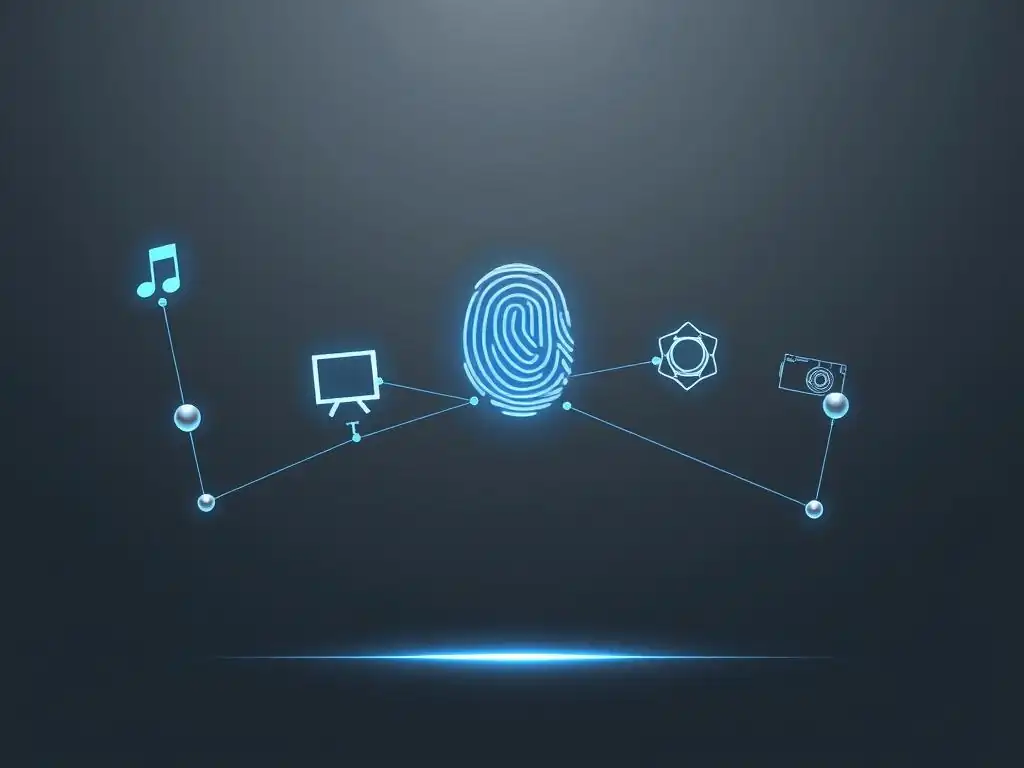
Several innovative platforms are emerging that leverage blockchain technology to address specific challenges in intellectual property management. These solutions utilize the core strengths of blockchain – immutability, transparency, and security – to offer new ways to register, track, and monetize intellectual assets. While still evolving, these platforms demonstrate the practical application of blockchain for enhanced IP protection.
These diverse solutions highlight the versatility of blockchain technology in tackling different facets of the IP landscape, from complex patent portfolios to unique digital artworks. Understanding the features and approaches of leading platforms provides insight into the current state and future potential of Blockchain IP protection management tools.
IPwe: Features and Functionality for Patent Management on Blockchain
IPwe is a platform focused on transforming the patent ecosystem using blockchain and artificial intelligence. It aims to create a global patent transaction platform and registry. IPwe utilizes blockchain to create immutable records of patent ownership, transfers, and licenses, enhancing transparency and security in patent transactions.
Key features include the ability to tokenize patents, representing ownership rights as digital assets on the blockchain. This facilitates easier transfer and licensing of patent rights. IPwe also provides tools for patent search, valuation, and portfolio management, integrated with their blockchain registry. While specific transaction volumes vary, IPwe is working with major corporations globally, aiming to bring greater liquidity and efficiency to the often-illiquid patent market. Their focus on patents, which are complex legal assets, demonstrates the potential of blockchain for even the most intricate forms of intellectual property, strengthening Blockchain IP protection management in the corporate realm.
Ascribe: Addressing Digital Art Ownership and Provenance Challenges
Ascribe was an early platform specifically designed to address the unique challenges of ownership and provenance for digital art and creative works. Founded in 2014 (though its operational model evolved over time), Ascribe focused on creating a blockchain-based registry for digital creations. When an artist registered their work on Ascribe, it generated a unique cryptographic ID for the file and recorded the artist as the original owner on the blockchain.
The platform allowed artists to issue limited digital editions of their work and track their transfer on the blockchain, providing a verifiable history. While Ascribe's original service model shifted, its foundational concept highlighted the need for immutable proof of ownership and provenance for digital files, which are inherently easy to copy. It demonstrated a practical application of blockchain for creators seeking to assert rights over digital copies and laid groundwork for subsequent platforms focused on creative IP and Blockchain IP protection management.
Comparing Blockchain Solutions for IP Protection: IPwe vs. Ascribe
Comparing platforms like IPwe and Ascribe highlights the diverse applications of blockchain in IP. IPwe focuses on the complex, high-value world of patents, aiming to create a global marketplace and registry for corporate assets. Its functionality is geared towards large-scale patent portfolio management, valuation, and transaction facilitation, leveraging blockchain for secure record-keeping and tokenization.
Ascribe, on the other hand, targeted individual digital artists and creators, focusing on establishing initial ownership and tracking limited editions of digital files. Its strength lay in providing a simple, accessible way for artists to claim and prove ownership of their digital creations.
While IPwe addresses the needs of large enterprises and the patent market, Ascribe focused on the grassroots level of digital content creation. Both, however, utilize the core principle of blockchain to create immutable records linked to identity, demonstrating the technology's versatility in enhancing different aspects of Blockchain IP protection management across various IP types and user bases.
Use Cases: Blockchain Digital Identity for IP in Practice
The theoretical benefits of using blockchain digital identity for IP protection are being translated into practical applications across various industries. From the creative arts to high-tech inventions, blockchain is providing tangible solutions for securing rights, managing assets, and preventing unauthorized use. These real-world examples illustrate the transformative potential of this technology for Blockchain IP protection management.
Exploring these specific use cases helps to understand how blockchain's unique features are being applied to solve long-standing problems within different IP domains. They demonstrate the versatility and adaptability of blockchain solutions in addressing the specific needs of creators and owners across a broad spectrum of intellectual property.
Protecting Copyright for Digital Content Creators with Blockchain
Digital content creators, such as photographers, writers, musicians, and graphic designers, face constant challenges with online piracy and unauthorized usage. Blockchain provides a robust solution for establishing verifiable proof of creation and ownership. Platforms exist where creators can upload their work, and the platform generates a unique cryptographic hash of the file, timestamping and registering it on a blockchain, linked to the creator's digital identity.
For example, a photographer could register a new image on a blockchain platform the moment it's created. This creates an indisputable record of its existence and their ownership at that precise time. If the image is later found online being used without permission, the photographer has the blockchain record as concrete evidence of prior creation. Some platforms also allow for tracking the distribution of licensed copies via the blockchain, providing greater visibility into usage and helping to identify unauthorized distribution, thereby enhancing Blockchain IP protection management for digital copyrights.
Securing Patents and Trade Secrets Using Decentralized Ledgers
While patents require formal registration, blockchain can enhance the process and provide additional layers of security and transparency. Companies can use private or consortium blockchains to securely record invention disclosures, research data, and development milestones, creating an immutable audit trail that can support patent applications and provide evidence in disputes. The decentralized nature adds resilience compared to a single company database.
For trade secrets, which are protected by keeping information confidential, blockchain offers a secure way to timestamp and store evidence of the existence of confidential information at a specific point in time without revealing the secret itself. A company could hash a document containing a trade secret and record the hash on a blockchain, linked to their organizational digital identity.
This proves they possessed the information by a certain date if a dispute arises, without exposing the sensitive details. IPwe's work in patent management is a prime example of leveraging decentralized ledgers for complex patent assets, demonstrating advanced Blockchain IP protection management.
Managing Trademarks and Brand Protection on a Blockchain
Blockchain can be used to create a secure, shared registry of trademark usage and licensing agreements. Companies can record instances of trademark use, marketing campaigns, and licensing contracts on a blockchain, linked to their verifiable corporate identity. This creates a transparent and immutable record that can help in enforcing trademark rights and resolving disputes.
Furthermore, as discussed in the context of counterfeiting, blockchain-based product tracking using unique digital identities linked to physical goods is a powerful tool for brand protection. By enabling consumers and supply chain partners to verify the authenticity and provenance of products via the blockchain, companies can directly combat the sale of counterfeit goods bearing their trademarks. This not only protects revenue but also safeguards brand reputation, which is a critical aspect of Blockchain IP protection management for trademarks.
Benefits of Blockchain IP Protection Management
Adopting blockchain technology for intellectual property protection and management offers a range of significant benefits over traditional systems. These advantages span across cost reduction, increased efficiency, enhanced transparency, and improved enforcement capabilities. The inherent features of blockchain are particularly well-suited to addressing many of the long-standing pain points in the IP lifecycle.
By providing a decentralized, immutable, and transparent ledger, blockchain fundamentally changes how IP assets can be recorded, tracked, and managed. This leads to a more secure, trustworthy, and streamlined environment for creators, owners, and users of intellectual property, ultimately strengthening the entire framework of Blockchain IP protection management.
Reduced Costs and Increased Efficiency in IP Administration
Traditional IP management is notoriously expensive, involving significant legal fees, administrative costs for registration and renewals, and the high cost of monitoring and enforcement. Blockchain can significantly reduce these costs by automating processes and eliminating intermediaries. Smart contracts can automate licensing payments, reducing administrative overhead and the need for manual reconciliation.
Blockchain registries can streamline the initial recording of IP assets, potentially reducing the costs and time associated with traditional registration processes, especially for certain types of IP like copyrights or design rights where formal registration might be optional but desirable for stronger proof. Furthermore, the transparency and immutability of blockchain records can reduce the time and cost spent on proving ownership and provenance in disputes, making the overall process of Blockchain IP protection management more efficient and less costly.
Enhanced Transparency and Trust in IP Transactions
The transparent nature of public or authorized consortium blockchains allows for verifiable and auditable records of IP transactions. Every transfer of ownership, license agreement recorded via a smart contract, or usage log can be viewed by relevant parties on the distributed ledger. This level of transparency builds trust among all participants in the IP ecosystem – creators, licensees, distributors, and consumers.
With a clear, immutable history of an IP asset recorded on the blockchain, disputes over ownership, usage rights, or royalty payments become much easier to resolve. There is a single source of truth that all parties can reference. This enhanced transparency reduces the potential for fraud and misunderstandings, fostering a more trustworthy environment for IP transactions and facilitating more reliable Blockchain IP protection management.
Improved Enforcement of Intellectual Property Rights
One of the most challenging aspects of IP management is effective enforcement against infringement and unauthorized use. Blockchain technology provides powerful tools to strengthen enforcement efforts. By creating verifiable proof of ownership and existence via timestamped, immutable records, blockchain makes it significantly easier for IP owners to demonstrate their rights in legal proceedings.
Furthermore, blockchain-based tracking systems for physical goods or digital assets provide concrete evidence of provenance and authorized distribution channels, making it easier to identify counterfeit products or instances of piracy. For example, if a product tracked on a blockchain appears outside of its recorded distribution chain, it's a strong indicator of potential counterfeiting. The combination of verifiable ownership, transparent provenance, and enhanced traceability provides IP owners with stronger evidence and more efficient means to pursue infringement cases, bolstering Blockchain IP protection management capabilities.
Overcoming Challenges and Future Trends in Blockchain IP
While the potential of blockchain for intellectual property protection and management is significant, its widespread adoption faces several challenges. These include technical hurdles related to scalability and interoperability, as well as complex legal and regulatory considerations. Addressing these issues is crucial for the technology to reach its full potential in the IP space.
Despite these challenges, the future of blockchain in IP is promising. Ongoing developments in the technology and increasing awareness among IP professionals suggest a growing integration of blockchain-based solutions. Understanding the current obstacles and future trends provides insight into the evolving landscape of Blockchain IP protection management.
Scalability and Interoperability of Blockchain IP Solutions
Scalability remains a key challenge for many blockchain networks. As the number of IP assets registered and transactions processed increases, the underlying network must be able to handle the volume efficiently without becoming slow or prohibitively expensive (due to transaction fees). Public blockchains like Ethereum have faced scalability issues, although layer 2 solutions and transitions to proof-of-stake aim to improve this. Private or consortium blockchains might offer better scalability for specific enterprise IP solutions but introduce different challenges regarding decentralization and governance.
Interoperability is another critical factor. The IP landscape is global, with different types of IP registered and managed under various national and international laws. For blockchain IP solutions to be truly effective, they need to be able to interact and share information across different blockchain networks and integrate with existing legacy systems (like national IP office databases). Developing standards and protocols for cross-chain communication and data exchange is essential for a globally effective Blockchain IP protection management system.
Regulatory Considerations and Legal Frameworks for Blockchain IP
The legal recognition of blockchain-based records and smart contracts in the context of IP law is still evolving. While some jurisdictions are beginning to address these technologies, there is no universal legal framework that explicitly recognizes blockchain entries as definitive proof of ownership or smart contracts as fully enforceable IP licenses across all borders. Questions remain about jurisdiction, governing law for smart contracts, and the legal weight of immutable blockchain records versus traditional paper or database records.
Furthermore, intellectual property law is complex and varies significantly between countries. Integrating blockchain solutions into this fragmented legal landscape requires careful consideration and potentially new legislation or international agreements. Until clearer legal frameworks are established globally, the legal certainty and enforceability of blockchain-based Blockchain IP protection management solutions may face limitations in certain contexts.
The Future of Blockchain Digital Identity in Intellectual Property Management
The future of blockchain digital identity in intellectual property management is likely to involve increased integration with existing IP infrastructure and the development of more sophisticated, user-friendly platforms. We can expect to see more collaboration between blockchain companies and national IP offices or international bodies to create hybrid systems that leverage the strengths of both traditional and decentralized approaches.
Advancements in zero-knowledge proofs and other privacy-enhancing technologies may allow for proving the existence and ownership of confidential IP (like trade secrets) on a blockchain without revealing sensitive details. The tokenization of IP assets is also expected to grow, enabling new models for fractional ownership, investment, and licensing. Ultimately, blockchain digital identity is poised to become a foundational layer for a more secure, transparent, efficient, and globally interconnected system for Blockchain IP protection management, empowering creators and fostering innovation.
Frequently Asked Questions
How can blockchain technology help protect intellectual property?
Blockchain provides a immutable ledger for recording the creation and ownership of digital assets. This creates a transparent and verifiable record that can be used to prove ownership and deter infringement.
What is a blockchain-based digital identity and how does it relate to IP protection?
A blockchain-based digital identity allows creators to securely and verifiably prove their identity and ownership of intellectual property. This identity acts as a digital passport for managing and protecting their rights.
What are some specific use cases of blockchain for IP protection management beyond copyright?
Blockchain can be used to manage patents, trademarks, and trade secrets by providing a secure and auditable trail of creation, transfer, and licensing. This enhances transparency and accountability throughout the IP lifecycle.
What are the regulatory considerations surrounding the use of blockchain for IP protection?
The legal and regulatory landscape is still evolving, but issues such as data privacy, smart contract enforceability, and cross-border recognition of blockchain-based IP rights are key concerns.
How does blockchain facilitate licensing and royalty payments for intellectual property?
Smart contracts can automate the licensing process and ensure transparent and timely royalty payments to IP owners. This reduces the potential for disputes and improves efficiency in IP management.
Final Reflection: Embracing Blockchain for Intellectual Property's Future
The exploration of blockchain's potential in intellectual property protection and management reveals a landscape ripe for transformation. The convergence of decentralized technology and the need for secure, transparent IP management is no longer a futuristic concept, but a present-day imperative. The challenges of traditional IP systems – vulnerability to fraud, lack of transparency, and cumbersome processes – are increasingly being addressed by the innovative solutions blockchain offers.
This shift towards blockchain-based IP solutions is not merely a technological upgrade; it represents a fundamental change in how we value and protect creative works. The ability to immutably record ownership, track usage, and streamline licensing agreements holds immense promise for empowering creators and fostering innovation. As the digital realm continues to expand, the need for robust and decentralized IP protection becomes ever more critical. Innovation distinguishes between a leader and a follower.
- Steve Jobs. This quote perfectly encapsulates the spirit of embracing blockchain for IP management, pushing us beyond outdated systems and towards a future where creativity is securely and fairly rewarded.
Now, consider the implications of this technology for your own creative endeavors and intellectual property. How can you leverage the power of blockchain to safeguard your ideas, streamline your processes, and unlock new opportunities? Let us all embrace this transformative technology and contribute to a future where intellectual property is protected, valued, and accessible to all.
Unleash the Power of Blockchain to Safeguard Your Creations!
Thank you for exploring the potential of blockchain-based digital identity and its ability to revolutionize intellectual property protection. You've gained valuable insights into how this technology can empower creators to take control of their work. Are you ready to make that move?
Here are some practical steps to put your knowledge into action:
- Consider establishing a blockchain-based digital identity for your most valuable intellectual properties. This is a crucial step toward owning and managing your creations securely.
- Investigate current blockchain platforms and services that offer intellectual property protection solutions to find the best fit for your needs and industry.
- Share this article with fellow creators and innovators! Let’s build a community dedicated to leveraging blockchain technology for intellectual property protection.
How will you use blockchain to safeguard your intellectual property today? Share your ideas in the comments below!
Leave a Reply