
Blockchain Solutions for Supply Chain Risk Management: Mitigating Disruptions and Enhancing Resilience

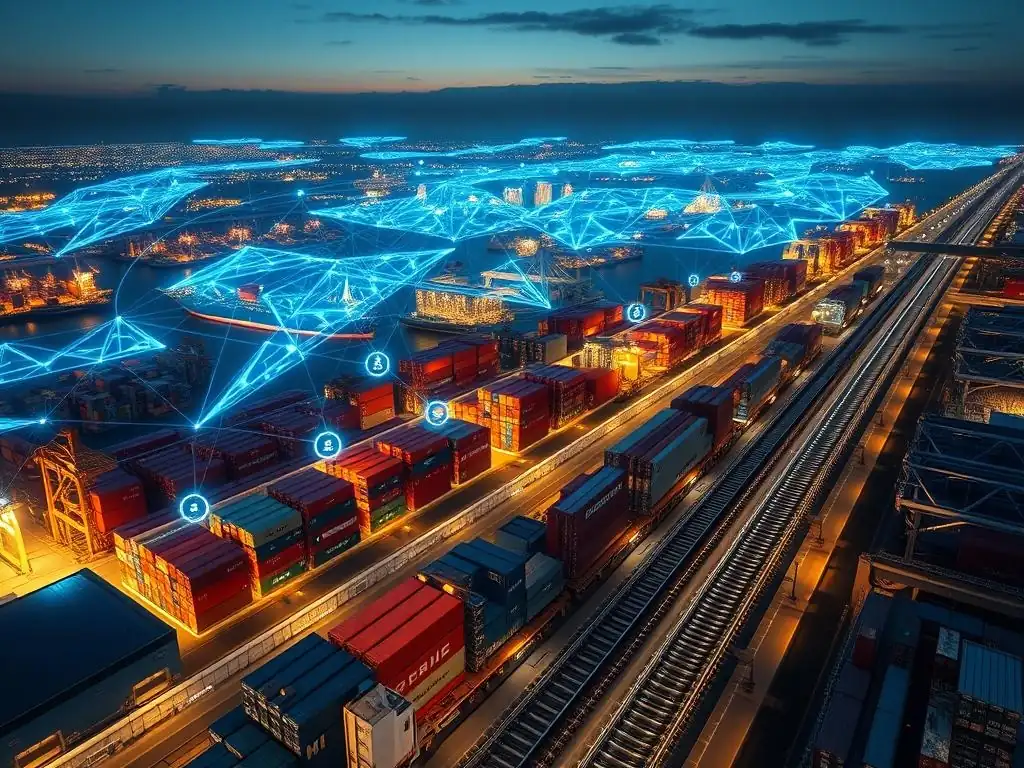
Welcome to Blockchain Trends, your premier source for understanding the revolutionary impact of blockchain technology beyond the digital currency realm. This week, we delve into the critical area of enterprise applications, specifically exploring blockchain supply chain risk mitigation. Discover how this groundbreaking technology can enhance resilience, minimize disruptions, and secure your supply chain's future. Intrigued? Read on to uncover actionable insights and real-world examples that demonstrate the transformative power of blockchain in safeguarding your operations.
Blockchain Solutions for Supply Chain Risk Management: Mitigating Disruptions and Enhancing Resilience
- Introduction: The Growing Need for Supply Chain Resilience
- The Core Principles of Blockchain for Enhanced Supply Chain Security
- Blockchain Supply Chain Risk Mitigation Strategies
- Key Use Cases of Blockchain in Supply Chain Risk Management
- Benefits of Implementing Blockchain for Supply Chain Risk Mitigation
- Challenges and Considerations for Blockchain Adoption in Supply Chain
- Overcoming Barriers to Blockchain Implementation in Supply Chain Management
- The Future of Blockchain in Supply Chain: Trends and Predictions
- Conclusion: Embracing Blockchain for a More Resilient Supply Chain
-
Frequently Asked Questions
- What specific supply chain risks can blockchain technology help mitigate?
- How does blockchain enhance supply chain resilience during disruptions?
- What are the key benefits of using blockchain for supply chain traceability?
- What are some real-world examples of blockchain being used for supply chain risk mitigation?
- What are the main challenges in implementing blockchain solutions for supply chain risk management?
- Final Reflection: Embracing Transparency for a Resilient Future
- Unleash Supply Chain Resilience: Your Next Steps
Introduction: The Growing Need for Supply Chain Resilience
Understanding Modern Supply Chain Vulnerabilities
Modern supply chains are increasingly complex, global, and interconnected, making them susceptible to a wide array of disruptions. These vulnerabilities stem from factors such as geopolitical instability, natural disasters, cyberattacks, economic volatility, and unforeseen events like pandemics.
A single point of failure, whether it's a critical supplier going bankrupt, a major port closure, or a sudden surge in demand, can trigger a cascade effect throughout the entire network, leading to significant financial losses, damaged reputation, and potential regulatory issues. For instance, the disruption caused by the 2021 Suez Canal blockage was estimated to cost global trade approximately \$9 billion per day, highlighting the fragility of these intricate systems.
Furthermore, the reliance on disparate, often incompatible, data systems across multiple stakeholders introduces significant information asymmetries and delays. This lack of real-time visibility makes it difficult for companies to quickly identify the source and extent of a disruption, hindering effective response and recovery efforts. The inability to rapidly verify the authenticity or origin of goods in transit also exposes supply chains to risks like counterfeiting and fraud, which are estimated to cost the global economy hundreds of billions of dollars annually. Addressing these inherent vulnerabilities is paramount for maintaining operational continuity and building resilient supply chains.
How Blockchain Technology Addresses Supply Chain Risks
Blockchain technology offers a novel approach to mitigating many of the inherent risks within complex supply chain ecosystems. Its core attributes, such as immutability, transparency (to authorized parties), and decentralization, provide a robust foundation for enhancing trust, improving visibility, and securing data across the network. By creating a shared, tamper-evident record of transactions and events, blockchain enables stakeholders to track the movement and status of goods more accurately and reliably from origin to destination.
Implementing blockchain supply chain risk mitigation strategies allows organizations to gain unprecedented insights into their operations. This enhanced visibility facilitates proactive identification of potential bottlenecks or disruptions, enabling faster and more informed decision-making. Moreover, the use of smart contracts can automate key processes and enforce predefined conditions, reducing reliance on manual interventions and minimizing the potential for errors or malicious activities. Ultimately, blockchain technology empowers businesses to build more resilient, transparent, and secure supply chains capable of withstanding and recovering from disruptions more effectively.
The Core Principles of Blockchain for Enhanced Supply Chain Security
Immutability and Transparency: Cornerstones of Blockchain's Value
Immutability is a fundamental characteristic of blockchain, meaning that once data is recorded on the ledger and validated, it cannot be altered or deleted. Each new transaction block contains a cryptographic hash of the previous block, creating a chain where any attempt to tamper with past data would break the link and be immediately detectable.
This permanence ensures a high level of data integrity, providing a reliable historical record of every event, from the sourcing of raw materials to the final delivery of a product. This immutable audit trail is invaluable for compliance, dispute resolution, and building trust among supply chain partners who might otherwise be hesitant to share sensitive information.
Transparency, within the context of a permissioned blockchain network common in enterprise settings, means that authorized participants have access to view specific data on the ledger relevant to their role. This shared, single source of truth eliminates information silos and reduces the potential for fraud or misrepresentation.
For example, a consumer scanning a QR code on a product could potentially verify its journey from farm to table, seeing timestamps and locations recorded by various stakeholders. This level of transparency not only enhances consumer trust but also significantly improves accountability across the entire supply chain network, making it much harder for illicit activities to go unnoticed.
Decentralization and Distributed Ledger Technology (DLT) in Supply Chains
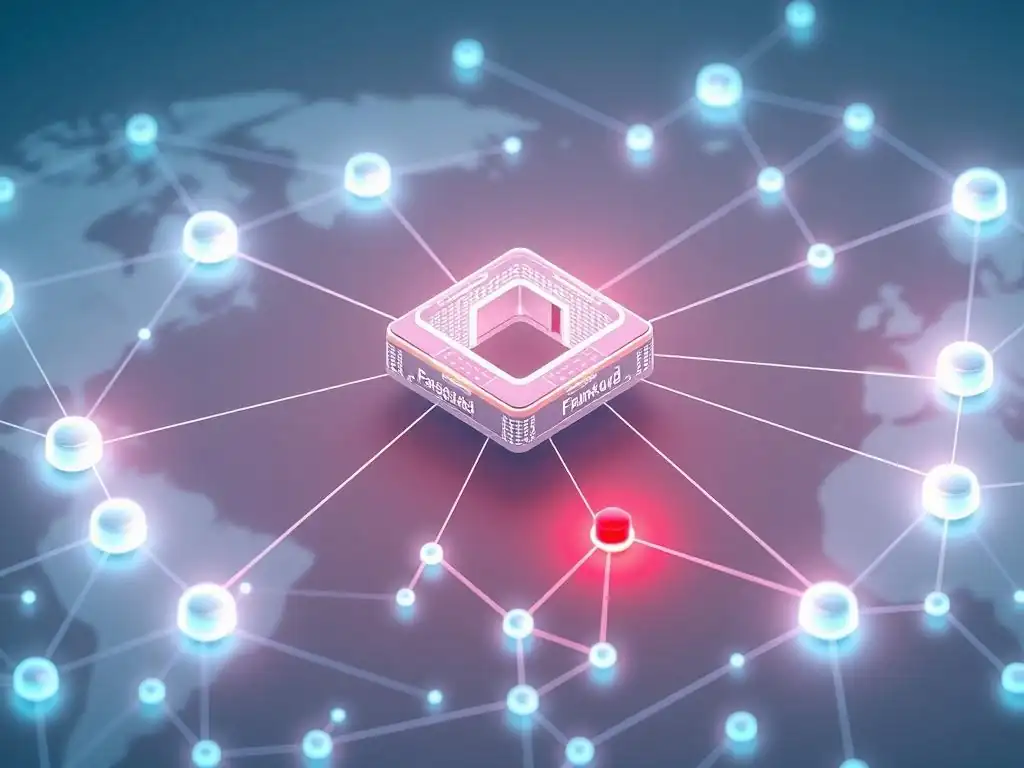
Decentralization is another key principle. Unlike traditional systems where data is stored in a single, central database vulnerable to attack or failure, a blockchain ledger is distributed across multiple nodes (computers or servers) within the network. This distributed nature means there is no single point of control or failure. If one node goes offline or is compromised, the network can continue to function because other nodes hold identical copies of the ledger. This inherent redundancy significantly enhances the resilience and availability of the supply chain data.
Distributed Ledger Technology (DLT), of which blockchain is a type, allows all authorized participants in the supply chain to maintain their own identical copy of the ledger. Transactions are validated by multiple participants according to a consensus mechanism before being added to the chain.
This distributed validation process ensures that all parties agree on the state of the ledger, further reinforcing trust and data integrity. For a large, multi-national supply chain involving dozens or hundreds of entities, a distributed ledger provides a robust and tamper-proof system for recording and verifying transactions and events, drastically reducing reliance on potentially unreliable intermediaries or manual verification processes.
Smart Contracts: Automating and Securing Supply Chain Processes
Smart contracts are self-executing contracts with the terms of the agreement directly written into lines of code. This code resides on the blockchain and automatically executes when predefined conditions are met. In a supply chain context, smart contracts can automate various processes, such as payments upon delivery verification, triggering insurance claims based on sensor data (e.g., temperature breaches), or releasing goods from customs upon receiving digital documentation. This automation reduces manual effort, minimizes delays, and eliminates the need for intermediaries, thereby reducing costs and improving efficiency.
Furthermore, smart contracts enhance security by ensuring that contractual obligations are enforced objectively and without human intervention once the conditions are met. For example, a smart contract could automatically initiate payment to a supplier as soon as the receiving party on the blockchain confirms that the goods have arrived and meet specified quality standards.
This removes the risk of delayed payments or disputes over fulfillment. The transparent and immutable nature of smart contracts also means that the terms and execution history are auditable on the blockchain, providing a clear record for all parties involved and strengthening the overall blockchain supply chain risk mitigation framework.
Blockchain Supply Chain Risk Mitigation Strategies
Enhancing Traceability and Provenance with Blockchain
Tracking Products from Origin to Consumer
One of the most significant benefits of blockchain for supply chain risk mitigation is its ability to provide granular, end-to-end traceability. By recording every step of a product's journey – from the farm or factory where it was produced, through various stages of processing, packaging, transportation, and distribution – onto an immutable ledger, companies can create a transparent and verifiable history.
Each event, such as a change of custody, a quality check, or a location update, can be logged as a transaction, linked to a specific product identifier (like a serial number or batch ID). This creates a digital thread that follows the physical item.
This level of detailed tracking allows participants to pinpoint the exact location and status of goods at any given time. In the event of a recall, for example, instead of recalling entire product lines or distribution center inventories, companies can use the blockchain record to identify precisely which batches or individual items are affected and where they are located, dramatically reducing the scope and cost of the recall. This enhanced ability to track products from origin to consumer is a cornerstone of effective blockchain supply chain risk mitigation, enabling faster response times to issues.
Verifying Product Authenticity and Combating Counterfeiting
Counterfeiting is a major global issue, impacting industries from luxury goods and pharmaceuticals to electronics and consumer products. Blockchain's immutable ledger provides a powerful tool for verifying product authenticity. By associating a unique digital identity on the blockchain with each physical product (often through QR codes, NFC tags, or other identifiers), manufacturers can create a verifiable link between the physical item and its digital history. Consumers or downstream partners can then scan the identifier and check the product's provenance on the blockchain, confirming its legitimacy.
As the product moves through the supply chain, each authorized handler records their interaction with it on the blockchain. This creates a trusted history that is incredibly difficult for counterfeiters to replicate. Any discrepancy or missing step in the expected journey would flag the product as potentially fraudulent. For instance, if a high-value item appears in a distribution center without a corresponding record of it leaving the factory on the blockchain, it raises a red flag. This capability to verify product authenticity is a direct and impactful method of blockchain supply chain risk mitigation against fraud and counterfeiting.
Improving Supply Chain Visibility and Collaboration
Real-Time Data Sharing Across the Supply Chain Network
Traditional supply chains often suffer from poor data visibility due to fragmented systems and a lack of trust among participants to share sensitive information. Blockchain facilitates improved visibility by providing a shared, real-time view of supply chain data among authorized parties. When an event occurs – a shipment leaving a port, a quality inspection being completed, or a payment being made – it is recorded on the shared ledger and becomes accessible to relevant stakeholders almost instantly. This eliminates delays associated with manual data entry, faxing, emailing, or waiting for periodic system updates.
This real-time data sharing means that all participants are working with the same, up-to-date information. A logistics provider can see when goods are ready for pickup, a customs agent can access necessary documentation digitally, and a retailer can track the estimated arrival time of their order with high accuracy. This synchronized view of operations significantly reduces uncertainty and enables more proactive management of potential issues. Improved visibility is a crucial element in any comprehensive blockchain supply chain risk mitigation strategy, allowing for faster identification and response to anomalies.
Reducing Information Asymmetries and Improving Decision-Making
Information asymmetry occurs when one party in a transaction has more or better information than the other, leading to potential inefficiencies or exploitation. In complex supply chains, this is rampant, with different entities having limited visibility into upstream or downstream activities. Blockchain, by providing a shared, transparent (within permissions) ledger, significantly reduces these asymmetries. All authorized parties have access to the same verified record of events, creating a more level playing field and fostering greater trust.
With access to more complete and reliable data in near real-time, decision-making across the supply chain becomes more informed and agile. For example, if a delay occurs at a manufacturing plant, downstream distributors and retailers can be notified instantly via the blockchain record, allowing them to adjust their own plans, such as rerouting shipments or updating customer expectations. This collaborative environment, built on shared, trustworthy data, enables more coordinated responses to disruptions and optimizes overall supply chain performance. Reducing information silos through blockchain is a powerful approach to enhancing supply chain resilience and mitigating risks.
Strengthening Supply Chain Cybersecurity with Blockchain
Protecting Against Data Breaches and Cyberattacks
Supply chains are increasingly targeted by cyberattacks, which can lead to data breaches, operational disruptions, and significant financial losses. Traditional centralized databases are attractive targets due to the concentration of valuable information. Blockchain's distributed nature inherently enhances cybersecurity. Since the data is spread across multiple nodes, there is no single point of attack that can compromise the entire system. To tamper with the data on a blockchain, an attacker would theoretically need to control a significant portion (often 51% or more) of the network's computing power, which is extremely difficult and costly, especially in a large, permissioned enterprise network.
Furthermore, the cryptographic principles underlying blockchain technology provide robust protection. Data is encrypted, and transactions are signed using digital signatures, ensuring that only authorized parties can interact with the ledger in defined ways. The immutability means that even if a breach were to occur on a single node, the compromised data could not be altered without being detected by the rest of the network. This makes blockchain significantly more resistant to many types of cyber threats compared to conventional centralized systems, contributing significantly to blockchain supply chain risk mitigation.
Ensuring Data Integrity and Confidentiality
Ensuring the integrity of supply chain data is critical. Incorrect or manipulated data can lead to wrong decisions, faulty products, or regulatory non-compliance. Blockchain's immutability guarantees that once data is recorded, it remains unchanged, providing an unalterable audit trail. This inherent integrity makes it a reliable source of truth for all supply chain activities. Every transaction is time-stamped and linked cryptographically to the previous one, making any attempt to insert false data or alter existing records virtually impossible without detection.
While transparency is a feature, confidentiality is also crucial for sensitive business information. Permissioned blockchains address this by allowing organizations to control who can join the network and what data they can access. Data can be encrypted, and access permissions can be granularly defined, ensuring that competitors or unauthorized parties cannot view sensitive commercial details like pricing or customer lists.
Only relevant data necessary for a specific transaction or verification (e.g., a shipment confirmation) is shared on the ledger, while other details remain private. This combination of integrity and controlled confidentiality makes blockchain a secure foundation for sensitive supply chain operations.
Key Use Cases of Blockchain in Supply Chain Risk Management
Food Supply Chain: Ensuring Safety and Transparency
Tracking Food Products from Farm to Table
The food supply chain is notoriously complex and prone to risks like contamination and recalls. Blockchain offers a powerful solution for tracking food products with unprecedented detail and speed. By assigning unique identifiers to batches or even individual food items at the point of origin (e.g., farm or fishing vessel) and recording every subsequent handling step – processing, packaging, shipping, distribution, retail – on a blockchain ledger, a complete and verifiable history is created. This allows for rapid identification of product origin and journey.
In the event of a food safety issue or recall, this granular traceability dramatically reduces the time required to identify the affected products and their distribution path. What might traditionally take days or weeks using paper records and disparate databases can potentially be reduced to minutes.
For example, a major retailer using a blockchain food traceability system was able to trace a package of mangoes from store back to the specific farm in just 2.2 seconds, compared to the average of 7 days using previous methods. This speed is critical for minimizing the impact of foodborne illness outbreaks and reducing waste associated with broad-scope recalls.
Preventing Food Fraud and Contamination
Food fraud, such as mislabeling, dilution, or substituting ingredients, is a significant problem with economic and health consequences. The global cost of food fraud is estimated to be tens of billions of dollars annually. Blockchain helps combat this by providing a trusted, immutable record of product origin and handling. By verifying certifications (e.g., organic, fair trade) and tracking specific attributes of a product from its source, blockchain makes it much harder to pass off fraudulent products as legitimate.
For instance, a blockchain can record data points like harvest location, processing facility, and quality test results, all linked to a specific batch. If a product is later found to be contaminated or mislabeled, the blockchain record provides the verifiable history needed to investigate the source and hold responsible parties accountable. By increasing transparency and accountability throughout the food supply chain, blockchain significantly enhances food safety and helps prevent fraudulent activities, contributing directly to blockchain supply chain risk mitigation in this critical sector.
Pharmaceutical Supply Chain: Combating Counterfeit Drugs
Verifying Drug Authenticity and Preventing Diversion
The trade in counterfeit pharmaceuticals is a life-threatening issue, estimated to account for billions of dollars in sales globally. Blockchain provides a robust framework for verifying the authenticity of drugs throughout the supply chain. Each drug package can be assigned a unique serial number linked to a blockchain record created by the manufacturer. As the product moves from manufacturer to wholesaler, pharmacy, and potentially to the patient, each transfer of ownership or handling event is recorded on the ledger.
Pharmacies and patients can potentially scan a barcode or identifier on the package and verify its history on the blockchain, ensuring it followed the legitimate path from the manufacturer. This makes it extremely difficult for counterfeit drugs to be introduced into the supply chain without detection, as they would lack the verifiable blockchain history. This capability directly addresses the risk of patients receiving ineffective or harmful counterfeit medications, a major application of blockchain supply chain risk mitigation in healthcare.
Ensuring Regulatory Compliance
The pharmaceutical industry is heavily regulated, with strict requirements for tracking and reporting product movements, especially in the US under the Drug Supply Chain Security Act (DSCSA) or similar regulations internationally. Blockchain can significantly streamline compliance efforts by providing a secure, immutable, and easily auditable record of all transactions and handling events. The required data points, such as transaction history and ownership information, can be recorded on the blockchain, making it readily accessible to regulators or auditors with appropriate permissions.
Using a blockchain-based system can reduce the manual effort and complexity associated with compiling compliance reports. The inherent data integrity of the blockchain ensures that the reported information is accurate and has not been tampered with. This not only helps companies meet regulatory obligations but also reduces the risk of costly fines and legal issues associated with non-compliance, demonstrating how blockchain enhances operational resilience and mitigates regulatory risks in the pharmaceutical supply chain.
Manufacturing Supply Chain: Optimizing Efficiency and Reducing Disruptions
Managing Inventory and Production Processes
Manufacturing supply chains involve intricate processes, including sourcing raw materials, managing inventory, and coordinating production schedules. Disruptions in any of these areas can halt production, leading to delays and lost revenue. Blockchain can improve visibility into inventory levels and the flow of materials. By recording the movement of raw materials and components from suppliers, through different stages of production, and into finished goods inventory on a shared ledger, manufacturers gain a real-time, accurate view of their stock.
This improved inventory visibility helps prevent stockouts or overstocking. Furthermore, integrating blockchain with IoT sensors on machinery or in warehouses can provide automated updates on production progress or material consumption, triggering smart contracts for reordering materials when levels drop below a certain threshold. This automation and enhanced data flow optimize production scheduling and reduce the risk of delays caused by material shortages or inefficient inventory management, contributing to overall manufacturing supply chain risk mitigation.
Mitigating Risks Associated with Raw Material Sourcing
Sourcing raw materials often involves complex global networks and carries risks related to quality, authenticity, ethical sourcing, and timely delivery. Blockchain can provide transparency and traceability for raw materials, verifying their origin, quality certifications, and handling history. For example, tracking minerals from mines, agricultural products from farms, or components from sub-suppliers onto a blockchain creates a verifiable record of their journey.
This provenance tracking helps manufacturers ensure they are using ethically sourced materials and verify quality standards before materials enter the production process. In the event of a quality issue or a recall related to a specific raw material, the blockchain record allows the manufacturer to quickly identify the source and affected products, limiting the impact. Mitigating risks associated with raw material sourcing through blockchain enhances the resilience of the manufacturing process against quality issues, ethical concerns, and supply disruptions.
Logistics and Transportation: Enhancing Security and Tracking
Streamlining Customs Processes and Reducing Delays
International logistics involves numerous parties, complex documentation, and often results in significant delays at customs checkpoints. Blockchain can streamline these processes by providing a secure, shared ledger for all necessary shipping documents, such as bills of lading, packing lists, and customs declarations. Instead of relying on physical documents or disparate electronic systems, all authorized parties – shippers, carriers, customs officials, consignees – can access and verify the documentation on the blockchain.
Smart contracts can automate steps in the customs clearance process, triggering approvals or notifications when necessary documentation is verified on the ledger. This reduces manual checks, minimizes paperwork, and speeds up the flow of goods across borders. Reducing customs delays not only saves time and money but also lowers the risk of goods being held up or damaged during prolonged stops, which is a key aspect of blockchain supply chain risk mitigation in logistics.
Improving Shipment Visibility and Preventing Theft
Maintaining visibility of shipments as they move across various modes of transport (sea, air, rail, road) and through multiple handoffs is challenging. Traditional tracking systems can be siloed or subject to delays. Blockchain, combined with IoT devices, can provide real-time, continuous visibility into the location and condition of shipments. GPS data, temperature readings, and sensor alerts (e.g., for impacts or unauthorized access) can be recorded onto the blockchain in real-time.
This constant stream of verifiable data allows logistics providers and customers to monitor shipments accurately and detect deviations from the planned route or condition parameters instantly. If a shipment is delayed, rerouted, or shows signs of tampering (e.g., a container seal sensor reporting a breach recorded on the blockchain), alerts can be triggered automatically. This enhanced visibility not only improves efficiency but also significantly reduces the risk of theft or loss of goods in transit, strengthening the overall security of the logistics chain and contributing to blockchain supply chain risk mitigation efforts.
Benefits of Implementing Blockchain for Supply Chain Risk Mitigation
Reduced Counterfeiting and Fraud
Implementing blockchain technology significantly reduces the incidence of counterfeiting and fraud within the supply chain. By creating an immutable and transparent record of a product's journey and ownership, it becomes extremely difficult for counterfeit goods to be introduced or for fraudulent activities, such as diversion or misrepresentation, to occur undetected. The ability for stakeholders, including consumers, to verify a product's authenticity against the trusted blockchain record acts as a powerful deterrent and detection mechanism. This benefit alone can save companies billions annually in lost sales and damage to brand reputation.
For example, in industries like luxury goods, estimated to lose billions to counterfeits, blockchain provenance tracking allows brands to authenticate items at any point, providing consumers with confidence and protecting brand value. The permanent digital identity and transaction history associated with each product on the blockchain make it nearly impossible for illicit actors to create convincing fakes that can pass verification, thereby directly mitigating the financial and reputational risks associated with counterfeiting.
Improved Supply Chain Efficiency and Cost Savings
Blockchain implementation can lead to substantial improvements in supply chain efficiency and generate significant cost savings. By automating processes through smart contracts, reducing manual data entry, eliminating paperwork, and providing a single source of truth, blockchain streamlines operations. Faster customs clearance, quicker dispute resolution (due to immutable records), and optimized inventory management all contribute to operational efficiencies.
Furthermore, enhanced visibility and traceability enable better planning and resource allocation. For instance, improved forecasting based on real-time supply chain data can reduce unnecessary inventory holding costs, potentially saving businesses millions. The reduction in losses from counterfeiting, fraud, and recalls also translates directly into cost savings. While initial implementation costs exist, studies and pilot programs suggest that the long-term operational efficiencies and risk reduction benefits can lead to significant returns on investment, making blockchain supply chain risk mitigation an economically viable strategy.
Enhanced Trust and Transparency Among Stakeholders
Trust is often a major challenge in complex supply chains involving numerous independent entities. Traditional relationships rely on contracts and audits, which can be slow and costly. Blockchain inherently fosters trust among participants by providing a shared, tamper-evident ledger where all agreed-upon transactions and events are recorded. Participants don't need to trust each other implicitly; they can trust the data on the blockchain because its integrity is cryptographically secured and verified by the network.
This enhanced transparency (within defined permissions) and trust facilitate greater collaboration. Partners are more willing to share relevant data on the blockchain when they know it is secure, accurate, and accessible only to authorized parties. This collaborative environment allows for more coordinated responses to disruptions, better joint planning, and stronger business relationships, ultimately making the entire supply chain more robust and resilient. Building this foundation of trust through blockchain is fundamental to effective supply chain risk mitigation.
Increased Regulatory Compliance
Navigating the complex web of regulations governing global supply chains is a significant challenge. Requirements related to traceability, data reporting, and product handling are becoming increasingly stringent. Blockchain provides a streamlined approach to achieving and demonstrating regulatory compliance. The immutable and time-stamped record of all supply chain activities provides an easily auditable trail that can be accessed by regulators with appropriate permissions.
For industries like pharmaceuticals or food, where regulations around tracking and safety are paramount, blockchain simplifies the process of gathering and verifying the necessary data for compliance reporting. It reduces the risk of errors in reporting due to manual processes or inaccurate data. By providing a verifiable record of adherence to standards and regulations throughout the supply chain, blockchain helps organizations avoid costly penalties and legal issues, reinforcing its value in mitigating regulatory risks and enhancing overall supply chain resilience.
Challenges and Considerations for Blockchain Adoption in Supply Chain
Scalability and Interoperability Issues
One significant challenge facing widespread blockchain adoption in supply chains is scalability. Many early blockchain platforms were designed for cryptocurrencies and could only handle a limited number of transactions per second compared to the transaction volumes processed by large global supply chains, which can number in the thousands or millions daily. While newer enterprise-focused blockchain platforms have made significant advancements in scalability, processing tens of thousands of transactions per second, the sheer scale of global trade still presents a hurdle that requires careful platform selection and design.
Interoperability is another key challenge. A typical supply chain involves numerous companies, each potentially using different internal systems (ERPs, WMS, TMS) and potentially different blockchain platforms if they are involved in multiple initiatives. Ensuring that these disparate systems and blockchains can communicate and exchange data seamlessly is critical for creating a truly connected supply chain network. Developing standards and middleware to bridge different platforms and legacy systems is an ongoing effort necessary for realizing the full potential of blockchain supply chain risk mitigation across complex networks.
Data Privacy and Security Concerns
While blockchain provides strong data integrity and security against tampering, concerns around data privacy persist, particularly on public blockchains where data is visible to everyone. For sensitive commercial data in enterprise supply chains, permissioned blockchains offer a solution by restricting access to authorized participants. However, deciding which data to put on the blockchain versus keeping off-chain, and managing granular access permissions across a large network of partners, requires careful design and governance.
Furthermore, the immutability of blockchain, while a strength, can also be a challenge if incorrect or sensitive data is accidentally recorded. There is typically no simple "delete" function. Strategies like data hashing (storing only a hash of sensitive data on-chain while keeping the actual data off-chain) or using zero-knowledge proofs are being explored to address privacy needs while leveraging blockchain's benefits. Ensuring robust cybersecurity practices around the off-chain data and user access points remains crucial, as the blockchain is only one part of the overall system.
Regulatory Uncertainties
The regulatory landscape surrounding blockchain technology is still evolving in many jurisdictions. Different countries and regions have varying stances on issues such as data ownership, digital identities, smart contract legality, and the classification of digital assets used within blockchain networks. This lack of consistent global regulation creates uncertainty for multinational corporations looking to implement blockchain solutions across their international supply chains.
Understanding and navigating these diverse regulatory environments is crucial before deploying a blockchain solution. Companies must ensure their blockchain implementation complies with relevant laws regarding data protection (like GDPR), trade regulations, and industry-specific compliance requirements (like pharmaceutical traceability laws). The legal validity and enforceability of smart contracts are also areas where clarity is still developing in some regions, which can impact their use in automating critical supply chain agreements. Addressing these regulatory uncertainties is vital for successful blockchain supply chain risk mitigation deployment.
The Importance of Collaboration and Standardization
Implementing a blockchain solution in a supply chain requires the participation and collaboration of multiple stakeholders – suppliers, manufacturers, logistics providers, distributors, retailers, and sometimes even consumers or regulators. Gaining buy-in from all these diverse parties, who may have different levels of technical understanding, competing priorities, or concerns about sharing data, is a significant organizational challenge. Successful adoption hinges on building a consortium or network where participants agree on the platform, governance rules, and data standards.
The lack of universal standards for blockchain in supply chain also presents a hurdle. Different initiatives and platforms may use incompatible data models or protocols, hindering interoperability. The development and adoption of industry-wide standards for data formats, transaction types, and network protocols are essential for enabling seamless communication and collaboration across complex supply chain ecosystems. Fostering this level of collaboration and standardization is critical for scaling blockchain supply chain risk mitigation efforts beyond individual company implementations.
Overcoming Barriers to Blockchain Implementation in Supply Chain Management
Choosing the Right Blockchain Platform for Your Needs
Selecting the appropriate blockchain platform is a critical first step in overcoming implementation barriers. Organizations must evaluate platforms based on factors relevant to enterprise supply chains, such as scalability, privacy features (permissioned vs. public), interoperability capabilities, smart contract functionality, ease of integration with existing systems, and the strength of the platform's ecosystem and community support. Platforms like Hyperledger Fabric, R3 Corda, and Quorum are often considered for enterprise use due to their focus on privacy and performance requirements for business networks.
A thorough assessment of business requirements and technical capabilities is necessary. For instance, a global logistics network might prioritize high transaction throughput and interoperability, while a pharmaceutical company might place a higher premium on robust identity management and data confidentiality features. Piloting solutions on a chosen platform with a limited set of partners can help validate its suitability before a wider rollout, mitigating the risk of investing in an unsuitable technology.
Developing a Clear Blockchain Strategy and Roadmap
Successful blockchain implementation requires a well-defined strategy and a clear roadmap. Simply adopting blockchain without a strategic vision is unlikely to yield significant benefits. The strategy should articulate the specific supply chain problems blockchain is intended to solve (e.g., reducing counterfeiting, improving traceability, streamlining payments), define the scope of the initial implementation (e.g., focusing on a specific product line or geography), and identify the key stakeholders who need to be involved.
The roadmap should outline phased implementation steps, including pilot programs, technology integration plans, governance model development, and participant onboarding strategies. It should also define key performance indicators (KPIs) to measure the success of the blockchain initiative, such as reduction in dispute resolution time, improvement in tracking accuracy percentage, or decrease in recall costs. A clear strategy ensures that the blockchain adoption effort is aligned with business objectives and provides a framework for managing the complexities of multi-party implementations, strengthening the approach to blockchain supply chain risk mitigation.
Investing in Training and Education
A significant barrier to blockchain adoption is the lack of understanding and technical expertise within organizations and among supply chain partners. Blockchain technology is relatively new and requires specialized skills in areas like distributed ledger technology, smart contract development, and network governance. Investing in training and education for internal teams and external partners is essential for successful implementation and ongoing management.
Training programs should cover the fundamentals of blockchain, the specifics of the chosen platform, the new processes and workflows involved, and the benefits for each participant. Educating partners helps alleviate concerns about data sharing and encourages active participation. Building in-house expertise or partnering with experienced blockchain service providers can help bridge the skills gap. Addressing the human element through comprehensive education is as critical as the technology itself for effective blockchain supply chain risk mitigation.
Building a Strong Ecosystem of Partners
Blockchain's value in supply chain is realized through network effects – the more participants on the ledger, the more comprehensive and valuable the data becomes. Building a strong ecosystem of committed partners is therefore crucial. This involves identifying key suppliers, logistics providers, customers, and potentially even regulators or industry associations who would benefit from participating in the blockchain network.
Engaging partners early in the process, communicating the value proposition clearly, and addressing their concerns (e.g., data privacy, implementation costs, technical requirements) are vital steps. Establishing a clear governance model for the network that is fair and transparent to all participants helps build trust and encourages long-term commitment. Collaborating with technology vendors, industry consortia, and potentially even competitors to establish shared standards and best practices can accelerate adoption and expand the network's reach, enhancing collective blockchain supply chain risk mitigation capabilities.
The Future of Blockchain in Supply Chain: Trends and Predictions
Integration with IoT and AI for Enhanced Supply Chain Intelligence
The integration of blockchain with other emerging technologies like the Internet of Things (IoT) and Artificial Intelligence (AI) is poised to revolutionize supply chain management further. IoT devices (sensors, trackers, smart meters) can provide real-time data on the physical state and location of goods (e.g., temperature, humidity, shock, location), which can be automatically recorded onto the blockchain ledger. This combination creates a verifiable, immutable record of physical conditions and movements, significantly enhancing accuracy and trust in the collected data.
AI can then leverage this rich, trustworthy dataset from the blockchain to provide advanced analytics and predictive insights. AI algorithms can analyze historical blockchain data to identify patterns, predict potential disruptions (e.g., based on weather data combined with shipment routes), optimize routes, manage inventory more effectively, or even automate quality control processes based on sensor data. This synergy between IoT for data collection, blockchain for data integrity and sharing, and AI for analysis and prediction will create highly intelligent, autonomous, and resilient supply chains, taking blockchain supply chain risk mitigation to a new level.
The Rise of Decentralized Supply Chain Finance (DeFi)
Blockchain technology, particularly through smart contracts, is enabling the emergence of Decentralized Finance (DeFi) applications tailored for supply chains. Traditional supply chain finance often involves complex, slow, and costly processes for payments, factoring, and trade finance, relying heavily on intermediaries. Blockchain-based DeFi platforms can streamline these processes by automating payments upon fulfillment verification recorded on the ledger or enabling tokenization of invoices or purchase orders, which can then be easily financed or traded on a decentralized network.
This can unlock liquidity for suppliers, especially small and medium-sized enterprises (SMEs) who often face challenges accessing traditional financing. Smart contracts can automate payment flows based on verifiable milestones, reducing payment risks and delays. The transparency and integrity of blockchain records can also make supply chain assets more attractive to financiers. The growth of DeFi in supply chains promises to reduce financial risks, improve cash flow, and make financing more accessible, contributing to the financial resilience aspect of blockchain supply chain risk mitigation.
The Increasing Importance of Sustainability and Ethical Sourcing
Consumers and regulators are increasingly demanding transparency regarding the sustainability and ethical practices within supply chains. Blockchain is becoming a crucial tool for verifying claims related to ethical sourcing, environmental impact, and labor practices. By tracing raw materials and finished goods back to their origin and recording certifications, audits, and compliance data on the blockchain, companies can provide verifiable proof of their sustainability efforts.
For example, blockchain can track the journey of conflict minerals, verifying that they did not originate from prohibited regions. It can record certifications for sustainable forestry or fair trade practices. This level of verifiable transparency helps companies build trust with consumers, meet regulatory requirements related to supply chain due diligence, and mitigate reputational risks associated with unethical practices. As sustainability becomes more central to business strategy, blockchain's role in providing auditable proof points for ethical sourcing and environmental impact will become increasingly important for comprehensive blockchain supply chain risk mitigation.
Conclusion: Embracing Blockchain for a More Resilient Supply Chain
Key Takeaways: Blockchain's Role in Mitigating Supply Chain Risks
The complexities and vulnerabilities of modern global supply chains necessitate robust strategies for risk mitigation. Blockchain technology, with its core principles of immutability, transparency, and decentralization, offers a powerful framework to address many of these challenges. Key takeaways include blockchain's ability to provide unparalleled traceability and provenance, drastically reducing counterfeiting and enabling rapid, targeted responses to recalls. It enhances supply chain visibility and collaboration by providing a shared, real-time, and trustworthy source of data, leading to better decision-making and coordinated action during disruptions.
Furthermore, blockchain strengthens cybersecurity by offering a distributed and cryptographically secure ledger that is highly resistant to tampering and cyberattacks, ensuring data integrity and confidentiality. While challenges related to scalability, interoperability, and regulation exist, ongoing advancements and collaborative efforts are addressing these barriers.
The strategic implementation of blockchain, potentially integrated with IoT and AI, alongside fostering strong partner ecosystems, positions organizations to build more resilient, efficient, and trustworthy supply chains capable of navigating future uncertainties. Embracing blockchain supply chain risk mitigation is no longer a futuristic concept but a strategic imperative for businesses seeking to thrive in a volatile global market.
Preparing Your Organization for the Future of Supply Chain Management with Blockchain
To effectively leverage blockchain for supply chain risk mitigation, organizations must take proactive steps. This involves educating leadership and teams on the technology's potential and limitations, developing a clear strategy that aligns blockchain goals with overall business objectives, and selecting the right platform that meets specific industry and operational needs. It is crucial to start with pilot programs focused on specific, high-impact use cases, such as enhancing traceability for a critical product line or automating a specific process with smart contracts.
Engaging key supply chain partners early and building a collaborative network is paramount, as the success of blockchain is dependent on ecosystem participation. Investing in the necessary technical infrastructure and expertise, or partnering with experienced providers, is also essential. By strategically planning, collaborating with partners, and focusing on tangible risk reduction benefits, organizations can effectively adopt blockchain technology, transforming their supply chains from vulnerable networks into resilient, transparent, and secure ecosystems prepared for the future.
Frequently Asked Questions
What specific supply chain risks can blockchain technology help mitigate?
Blockchain can help mitigate risks related to counterfeit goods, lack of transparency, and inefficient tracking within the supply chain by providing an immutable and verifiable record of product origin and movement.
How does blockchain enhance supply chain resilience during disruptions?
Blockchain enhances resilience by enabling real-time visibility across the supply chain, allowing for quicker identification of bottlenecks and facilitating faster responses to unexpected events.
What are the key benefits of using blockchain for supply chain traceability?
The key benefits include improved product authentication, enhanced supply chain visibility, and increased consumer trust due to the verifiable and immutable nature of blockchain records.
What are some real-world examples of blockchain being used for supply chain risk mitigation?
Examples include tracking pharmaceuticals to prevent counterfeit drugs, tracing food products to ensure food safety, and verifying the origin of diamonds to combat conflict minerals.
What are the main challenges in implementing blockchain solutions for supply chain risk management?
The main challenges involve data integration with existing systems, ensuring interoperability between different blockchain platforms, and addressing scalability concerns as the supply chain grows.
Final Reflection: Embracing Transparency for a Resilient Future
The exploration of blockchain solutions for supply chain risk management underscores a critical truth: resilience in the face of disruption is no longer a luxury, but a necessity. The vulnerabilities exposed in recent years have demonstrated the fragility of traditional supply chains, highlighting the urgent need for innovative approaches like blockchain to enhance transparency, traceability, and ultimately, trust.
The transformative potential of blockchain extends far beyond mere efficiency gains; it reshapes the very fabric of global commerce. Witnessing the evolution from opaque, fragmented systems to interconnected, verifiable networks has been profoundly impactful, revealing the power of decentralized technologies to foster collaboration and mitigate risk. The best way to predict the future is to create it.
- Peter Drucker. This quote resonates deeply as we consider the proactive role blockchain can play in shaping a more secure and reliable future for supply chains worldwide.
As we conclude this exploration, I invite you to consider the implications of these insights within your own sphere of influence. How can you champion the adoption of blockchain technologies to build more resilient and ethical supply chains? The future of global commerce hinges on our collective commitment to embracing transparency and fostering collaboration. Let us strive to create a world where supply chains are not just efficient, but also secure, sustainable, and built to withstand the inevitable storms ahead.
Unleash Supply Chain Resilience: Your Next Steps
Thank you for exploring how blockchain technology can transform supply chain risk management. You now have valuable insights into how to mitigate disruptions and build a more resilient future. Are you ready to take the next step?
Here are some immediate actions you can start with:
- Begin by identifying the most critical vulnerabilities in your current supply chain and pinpoint where blockchain's transparency could make the biggest difference. This will lay the groundwork for a stronger, more secure supply chain.
- Review case studies of companies that have successfully implemented blockchain solutions in their supply chains, paying attention to the specific challenges they faced and how they overcame them.
- Share this article with colleagues and industry peers who are dealing with supply chain risks, and start a conversation about how blockchain can offer practical solutions.
What is the first blockchain-powered improvement you plan to implement in your supply chain today?
Leave a Reply