
Blockchain and Supply Chain Collaboration: Fostering Trust and Information Sharing Among Partners


Welcome to Blockchain Trends, your trusted source for navigating the revolutionary landscape of blockchain technology. Delve into a world beyond cryptocurrencies and discover the transformative power of decentralized solutions across industries.
Are you ready to unlock unprecedented levels of trust and transparency in your supply chain? Our latest article explores the burgeoning field of blockchain supply chain trust collaboration, revealing how innovative companies are leveraging this technology to foster seamless information sharing and build stronger partnerships. What if you could eliminate fraud and streamline operations with a single, secure platform? Keep reading to find out!
- Introduction: The Need for Enhanced Trust in Supply Chains
- Blockchain's Role in Supply Chain Collaboration: Key Benefits
- Building Trust with Blockchain: Use Cases in Supply Chain
- Information Sharing and Collaboration: Blockchain's Impact
- Implementing Blockchain for Supply Chain Collaboration: Key Considerations
- Overcoming Barriers to Blockchain Adoption in Supply Chains
- The Future of Blockchain-Enabled Supply Chain Collaboration
- Conclusion: Blockchain as a Catalyst for Trust and Efficiency in Supply Chains
-
Frequently Asked Questions
- How can blockchain technology improve supply chain collaboration?
- What role does trust play in blockchain-based supply chains?
- What are some practical applications of blockchain in supply chain management beyond tracking products?
- How do regulations impact the adoption of blockchain in supply chains?
- What are the key benefits of using blockchain to foster "Blockchain supply chain trust collaboration"?
- Final Reflection: Building Trust Through the Chain
- Unleash Trust: Transform Your Supply Chain Today!
Introduction: The Need for Enhanced Trust in Supply Chains
Supply chains are inherently complex networks involving numerous participants, from raw material suppliers and manufacturers to distributors, retailers, and ultimately, consumers. The efficiency and resilience of these networks depend significantly on the level of trust and transparency among partners. However, traditional supply chain models often struggle with opaque processes, fragmented data, and a lack of a single, shared source of truth, leading to inefficiencies, disputes, and a general deficit in trust. Building blockchain supply chain trust collaboration is crucial for navigating the challenges of today's global economy.
The absence of robust trust mechanisms can result in significant financial losses and operational bottlenecks. Issues such as delayed payments, fraudulent activities, difficulties in verifying product authenticity, and inefficient dispute resolution are common. A 2020 report by McKinsey estimated that supply chain issues could cost companies between 10% and 25% of their revenue. This highlights the urgent need for technologies that can bridge trust gaps and enable seamless, verifiable information exchange across disparate entities within the chain, fostering a more collaborative environment.
Challenges in Traditional Supply Chain Management
Traditional supply chains are often plagued by a lack of visibility, making it difficult to track goods and information accurately from origin to destination. Each participant typically maintains their own separate records, which can be inconsistent or incomplete, leading to data silos and a lack of a unified view.
This fragmentation hinders effective decision-making and makes it challenging to identify the source of problems, such as delays or quality issues, quickly and efficiently. The opacity also makes it easier for counterfeit goods to enter the supply chain, costing businesses billions annually and posing risks to consumer safety, particularly in sectors like pharmaceuticals and luxury goods.
Furthermore, the manual processes and extensive paperwork involved in traditional supply chains are prone to errors and require significant administrative overhead. Verifying documents, reconciling discrepancies, and managing contracts across multiple parties is time-consuming and expensive. The inherent lack of trust often necessitates intermediaries, adding further costs and complexity. For instance, disputes over shipments or payments can take weeks or months to resolve due to the difficulty in verifying facts across different, siloed systems, undermining the potential for genuine supply chain trust collaboration.
How Blockchain Technology Addresses Supply Chain Trust Deficits
Blockchain technology offers a revolutionary approach to supply chain management by providing a decentralized, immutable, and transparent ledger shared among all authorized participants. This shared ledger creates a single version of the truth regarding transactions, product movements, and associated data, eliminating the need for reliance on individual, potentially conflicting records.
By recording every transaction chronologically and cryptographically linking them, blockchain ensures that data, once added, cannot be altered or deleted without the consensus of the network, thereby building inherent trust among participants who may not otherwise trust each other directly. This foundational immutability is key to establishing blockchain supply chain trust collaboration.
Moreover, blockchain enhances trust through its inherent transparency. While specific data can be permissioned, the existence of transactions and the flow of goods can be visible to relevant parties, providing unprecedented visibility into the supply chain's journey. This transparency helps to verify the provenance of products, track their movement in real-time, and ensure compliance with regulations and ethical standards. By replacing opaque processes with verifiable, shared records, blockchain significantly reduces opportunities for fraud, errors, and disputes, paving the way for more effective collaboration in supply chain networks.
Blockchain's Role in Supply Chain Collaboration: Key Benefits
Blockchain technology is not just a ledger; it's a powerful enabler of collaboration within complex supply networks. By providing a trusted, shared infrastructure for data exchange and transaction execution, it allows disparate entities to work together more seamlessly and efficiently than ever before. The core benefits stem from its ability to create a foundation of trust where none might have existed previously, transforming adversarial relationships into more collaborative partnerships focused on shared goals like efficiency, sustainability, and customer satisfaction. This shift towards blockchain supply chain trust collaboration is driving significant improvements across various industries.
The implementation of blockchain can lead to a fundamental redesign of supply chain interactions, moving away from siloed operations towards integrated, data-driven processes. Participants can share critical information securely and selectively, automate processes through smart contracts, and gain collective insights into the network's performance. This collaborative environment fosters greater agility and responsiveness to market changes or disruptions. For example, during the COVID-19 pandemic, supply chains with greater transparency and collaboration, often facilitated by digital technologies like blockchain, were better equipped to adapt and maintain operations compared to those relying on traditional, fragmented systems.
Enhanced Transparency and Traceability with Blockchain
One of the most significant benefits of using blockchain in supply chains is the dramatic increase in transparency and traceability. Every step a product takes, from its origin as raw material to its delivery to the end consumer, can be recorded on the blockchain. This creates a permanent, verifiable history of the product's journey, including details about its production, handling, location, and ownership changes.
Unlike traditional systems where this information might be scattered across multiple databases, a blockchain provides a single, accessible source of truth for authorized parties. This capability is essential for verifying authenticity, ensuring quality control, and responding quickly to issues like recalls.
For instance, tracking food products on a blockchain can reduce the time it takes to identify the source of a contamination outbreak from days or weeks to mere seconds. Walmart's pilot program with IBM Food Trust demonstrated this capability, showing how tracing mangoes from farm to store could be done in 2.2 seconds using blockchain, compared to the typical 7 days using traditional methods. This level of granular, real-time traceability not only enhances consumer safety but also builds immense trust in the supply chain's integrity, a cornerstone of effective blockchain supply chain trust collaboration.
Improved Data Security and Integrity in Supply Chain Networks
Data security and integrity are paramount in supply chains, where sensitive information about products, partners, and transactions is constantly being exchanged. Blockchain technology inherently offers robust security features due to its cryptographic nature and distributed architecture. Data is recorded in blocks that are cryptographically linked together, forming a chain. Any attempt to tamper with data in a block would break the cryptographic link, making the alteration immediately obvious to the network. Furthermore, because the ledger is distributed across multiple nodes, there is no single point of failure that a malicious actor could target to compromise the entire system.
This distributed and immutable nature ensures data integrity, meaning that once information is recorded on the blockchain, it can be trusted as accurate and unaltered. This is particularly critical for verifying certifications, tracking compliance documentation, and ensuring that product specifications or handling instructions have not been tampered with. By providing a secure and tamper-proof record of all activities, blockchain significantly reduces the risk of data breaches, fraud, and errors, fostering a secure environment essential for building supply chain trust among partners.
Streamlined Processes and Reduced Costs Through Blockchain Implementation
Implementing blockchain can lead to significant streamlining of supply chain processes by automating tasks, reducing manual interventions, and eliminating the need for intermediaries. Smart contracts, self-executing contracts with the terms of the agreement directly written into code, are a key element here. Once triggered by predefined conditions being met (e.g., goods arriving at a specific location, quality inspection passed), a smart contract can automatically execute actions like releasing payments or updating inventory records. This automation speeds up transactions, reduces administrative burdens, and minimizes the potential for delays or disputes related to contractual obligations.
Beyond automation, the enhanced transparency and data integrity provided by blockchain reduce the costs associated with verification, auditing, and dispute resolution. With a shared, immutable record, the time and resources spent on reconciling conflicting information or investigating discrepancies are drastically cut. A 2018 study by the World Economic Forum estimated that blockchain could reduce supply chain costs by 20% through increased efficiency and transparency. By making processes faster, more accurate, and less reliant on costly intermediaries, blockchain enables a more efficient and cost-effective blockchain supply chain trust collaboration.
Building Trust with Blockchain: Use Cases in Supply Chain
The theoretical benefits of blockchain for building trust and collaboration in supply chains are increasingly being demonstrated through real-world applications across diverse industries. These use cases highlight how the technology's core features – transparency, immutability, and security – are being leveraged to solve specific challenges related to provenance, authenticity, and ethical sourcing. Examining these examples provides concrete insights into the practical impact of blockchain supply chain trust collaboration.
These examples span industries with critical requirements for traceability, such as food and pharmaceuticals, as well as complex manufacturing sectors like automotive. In each case, blockchain provides a verifiable history of goods and transactions, empowering consumers, businesses, and regulators with reliable information. The implementation often involves consortia of industry players working together to establish shared standards and infrastructure, demonstrating the collaborative nature inherent in successful blockchain deployments.
Coffee Traceability and Sustainability: A Blockchain Solution
The coffee industry supply chain is notoriously complex and often lacks transparency regarding the origin and journey of coffee beans. Consumers are increasingly demanding information about where their coffee comes from, who grew it, and whether it was produced sustainably and ethically. Farmers, often at the beginning of the chain, frequently receive only a small fraction of the final retail price, with little visibility into how their product is valued downstream. This opacity creates a trust deficit between consumers, producers, and the various intermediaries.
Blockchain platforms are being used to address these issues by creating a transparent and traceable record of coffee beans from farm to cup. Companies like Farmer Connect and Bext360 utilize blockchain to track specific batches of beans, recording information about the farm, harvesting date, processing methods, and transportation.
This data is accessible via QR codes on product packaging, allowing consumers to trace their coffee's journey and even learn about the farmers who grew it. This increased transparency builds consumer trust and enables brands to verify sustainability claims, while potentially allowing farmers to receive premiums for high-quality or ethically sourced beans, fostering a more equitable and trustworthy blockchain supply chain trust collaboration.
Pharmaceutical Supply Chain: Ensuring Authenticity and Preventing Counterfeiting
Counterfeiting is a major problem in the pharmaceutical industry, posing significant risks to public health and costing the industry billions annually. The complex global pharmaceutical supply chain involves numerous manufacturers, distributors, wholesalers, and pharmacies, making it challenging to track drugs effectively and ensure their authenticity. Regulatory bodies worldwide are implementing stricter serialization and tracing requirements, but traditional systems often struggle to provide the necessary level of security and interoperability.
Blockchain offers a robust solution by providing an immutable ledger for tracking pharmaceutical products at the individual package level. Each unit can be assigned a unique identifier recorded on the blockchain at various points in the supply chain – manufacturing, packaging, shipping, and dispensing.
This creates a secure, verifiable chain of custody that makes it extremely difficult for counterfeit drugs to infiltrate the legitimate supply chain without detection. The US Drug Supply Chain Security Act (DSCSA) mandates enhanced tracing, and blockchain platforms are being explored and implemented by companies like Pfizer and Merck to meet these requirements, building essential supply chain trust in life-saving products.
Automotive Supply Chain: Tracking Component Provenance and Quality
The automotive supply chain is one of the most intricate in the world, involving thousands of components sourced from hundreds of suppliers across the globe. Ensuring the quality, authenticity, and provenance of every part is critical for vehicle safety, performance, and compliance with regulations. Tracking components through multiple tiers of suppliers using traditional methods is complex, time-consuming, and prone to errors, making it difficult to quickly identify the source of a faulty part or verify compliance with quality standards.
Blockchain is being adopted in the automotive sector to create a transparent and secure record of component lifecycles. Platforms like the Mobility Open Blockchain Initiative (MOBI) are developing standards and applications for tracking parts from their raw material stage through manufacturing, assembly, and even into the vehicle's operational life. This allows manufacturers to verify the origin and quality of critical components, manage recalls more efficiently, and improve supply chain resilience.
For example, Ford has explored using blockchain to track cobalt sourcing for electric vehicle batteries to ensure ethical practices. This detailed tracking enhances supply chain trust and facilitates more efficient collaboration among manufacturers and their vast networks of suppliers.
Information Sharing and Collaboration: Blockchain's Impact
Beyond simply tracking assets, blockchain fundamentally changes how information is shared and how parties collaborate within a supply chain. It shifts from a model where information is hoarded or shared reluctantly between bilateral partners to one where relevant, verified data is accessible to authorized participants on a need-to-know basis. This paradigm shift is crucial for unlocking new levels of efficiency, responsiveness, and innovation. The ability to share trusted information seamlessly is the bedrock of effective blockchain supply chain trust collaboration.
By providing a single source of truth and automating interactions, blockchain reduces information asymmetry and fosters a more level playing field for all participants. It encourages collaboration by providing a neutral, shared infrastructure that all parties can rely on. This shared environment facilitates joint planning, risk management, and problem-solving across organizational boundaries, moving beyond transactional relationships towards more strategic partnerships.
Real-Time Data Sharing Among Supply Chain Partners
One of the primary challenges in traditional supply chains is the delay and inconsistency in data sharing. Information about inventory levels, shipment status, or quality issues often takes time to propagate through the chain, leading to delays, miscommunications, and inefficient decision-making. Each partner operates on their own data, which may not be up-to-date or compatible with others.
Blockchain enables near real-time sharing of verified data among authorized supply chain partners. As transactions or events occur (e.g., a product leaving a warehouse, a quality check being completed), this information can be recorded on the blockchain and immediately become visible to relevant parties across the network. This instantaneous access to accurate, shared data allows partners to react quickly to changes, optimize logistics, manage inventory more effectively, and coordinate activities seamlessly. This real-time data flow is a powerful driver of blockchain supply chain trust collaboration, allowing for proactive problem-solving and dynamic adjustments.
The core of blockchain's impact on information sharing lies in its use of immutable records and shared ledger technology. Unlike centralized databases that can be altered by a single entity, a blockchain ledger is distributed and cryptographically secured. Once data is added to a block and the block is added to the chain, it is extremely difficult and computationally expensive to change it. This immutability ensures that the history of all transactions and events recorded on the ledger is permanent and tamper-proof.
This shared, immutable record provides a single, trustworthy source of information for all participants. Instead of relying on bilateral data exchanges and reconciliation processes, partners can refer to the blockchain to verify the status and history of goods or transactions. This shared truth eliminates disputes arising from conflicting records and builds confidence in the data being used for decisions. The shared ledger fosters transparency and accountability, essential components for deepening supply chain trust and enabling seamless collaboration.
Fostering Collaboration Through Smart Contracts
Smart contracts are a key enabler of collaboration on blockchain networks. These self-executing contracts automate the execution of agreements based on predefined conditions being met and verified by the blockchain. For example, a smart contract could automatically trigger a payment to a supplier once the blockchain verifies that the goods have been delivered and accepted, or initiate a shipment upon confirmation of payment. This automation reduces the need for manual intervention, paperwork, and trust in intermediaries to enforce contractual terms.
By automating processes and ensuring that agreements are executed precisely as coded, smart contracts reduce friction and increase efficiency in supply chain interactions. They enable partners to collaborate on shared processes with a high degree of certainty that agreed-upon actions will be performed when conditions are met. This programmatic enforcement of agreements builds trust and allows partners to focus on optimizing the supply chain rather than managing complex contractual dependencies. Smart contracts are a powerful tool for operationalizing blockchain supply chain trust collaboration, enabling new levels of efficiency and automation.
Implementing Blockchain for Supply Chain Collaboration: Key Considerations
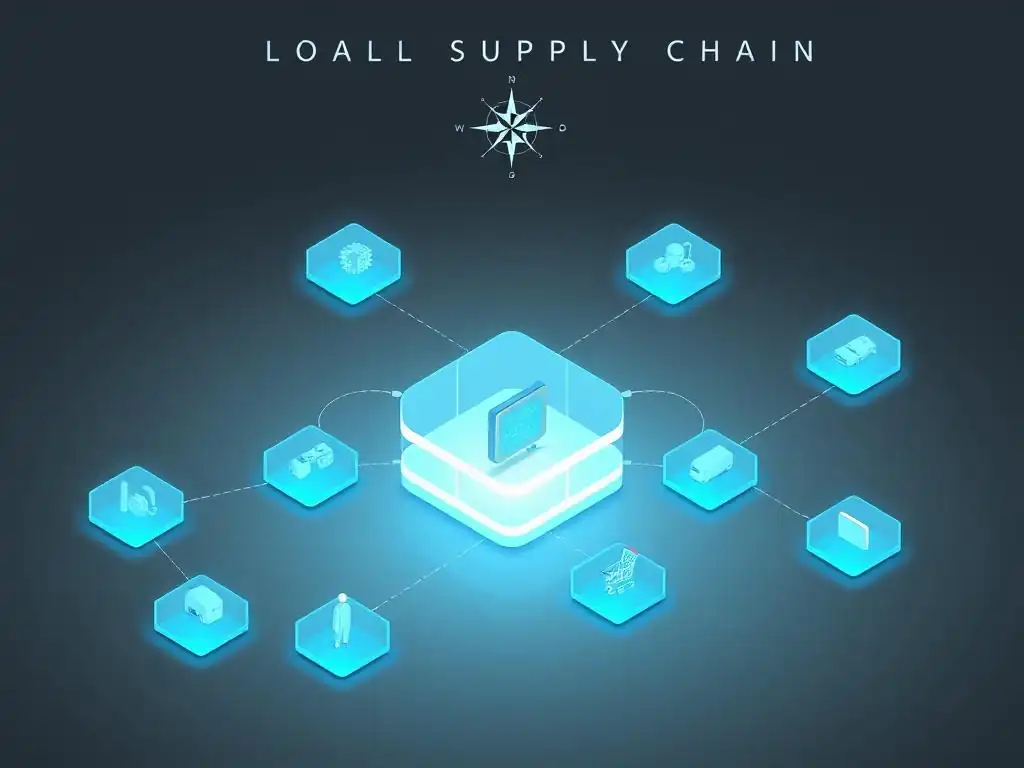
Implementing blockchain technology in a supply chain is a significant undertaking that requires careful planning and consideration. It's not simply a matter of installing software; it involves potentially redesigning processes, integrating with existing systems, and aligning the interests of multiple stakeholders across the network. Successful adoption hinges on addressing technical, operational, and organizational challenges. Companies looking to establish blockchain supply chain trust collaboration must navigate these complexities thoughtfully.
Key considerations include selecting the appropriate technology platform, ensuring seamless integration with legacy systems, and establishing clear governance models. Furthermore, addressing concerns around data privacy, scalability, and regulatory compliance is crucial for building a robust and sustainable blockchain-based supply chain solution.
Choosing the Right Blockchain Platform for Your Supply Chain Needs
Selecting the appropriate blockchain platform is a critical first step. Different platforms offer varying features, consensus mechanisms, scalability, and privacy options. Permissioned blockchains, such as Hyperledger Fabric or R3 Corda, are often preferred for enterprise supply chain applications because they allow participants to be vetted and control access to data, which is essential for commercial confidentiality. Public blockchains like Ethereum (with enterprise solutions) or VeChain might be considered depending on the specific requirements for transparency and decentralization, though they present different challenges regarding transaction costs and throughput.
The choice of platform should align with the specific needs of the supply chain, including the required transaction volume (scalability), the level of privacy needed for sensitive data, the complexity of smart contracts, and the ease of integration. Pilot projects are often necessary to evaluate different platforms and determine which best fits the network's technical requirements and the collaborative needs of the participants aiming for blockchain supply chain trust collaboration.
Integrating Blockchain with Existing Supply Chain Systems
Most companies already have significant investments in existing supply chain management (SCM), enterprise resource planning (ERP), and warehouse management systems (WMS). Integrating a new blockchain layer with these legacy systems is a major technical challenge. Data needs to flow seamlessly between the blockchain ledger and existing databases and applications without disrupting current operations. This often requires developing APIs (Application Programming Interfaces) or middleware to connect systems.
The integration process must ensure data consistency and accuracy across all platforms. For example, inventory updates on the blockchain should sync correctly with the ERP system, and shipment data from a WMS should be accurately recorded on the ledger. A phased approach, starting with integrating blockchain for a specific process or product line, can help manage the complexity and minimize risks during the transition to a more integrated blockchain supply chain trust collaboration model.
Addressing Data Privacy and Security Concerns in Blockchain Networks
While blockchain offers enhanced security and data integrity, privacy is a key concern, especially in permissioned supply chain networks. Not all participants may need or be authorized to see all data recorded on the chain. For instance, a supplier might not want a retailer to see the cost of raw materials.
While the ledger is shared, mechanisms are needed to ensure that sensitive commercial data is kept private among relevant parties. Techniques like zero-knowledge proofs, private data channels (in platforms like Hyperledger Fabric), or encrypting data on the chain while storing keys off-chain are used to address these privacy requirements.
Ensuring the security of the network itself is also paramount. This includes protecting the private keys of participants, securing the nodes running the blockchain software, and implementing robust access control mechanisms. Establishing clear governance rules around data ownership, access permissions, and dispute resolution is essential to build and maintain supply chain trust among all network members.
Overcoming Barriers to Blockchain Adoption in Supply Chains
Despite the compelling benefits, the widespread adoption of blockchain in supply chains faces several significant barriers. These challenges are not solely technical; they also involve organizational, legal, and industry-wide coordination efforts. Addressing these hurdles is necessary for blockchain to move from pilot projects to large-scale, transformative deployments and unlock the full potential of blockchain supply chain trust collaboration.
Overcoming these barriers requires a concerted effort from technology providers, industry consortia, regulators, and the businesses themselves. It involves developing common standards, investing in scalable infrastructure, and creating a clearer legal and regulatory environment.
Lack of Standardization and Interoperability
One of the major obstacles is the lack of universal standards for blockchain platforms and data formats within the supply chain domain. Numerous blockchain platforms exist, and different consortia or companies may build solutions on incompatible technologies. This creates silos, hindering the ability to connect different supply chains or even different segments of the same supply chain that might be using different blockchain solutions. Interoperability between different blockchain networks and between blockchain and legacy systems remains a significant challenge.
Without common standards for data models, transaction formats, and network protocols, achieving seamless blockchain supply chain trust collaboration across an entire ecosystem becomes difficult. Efforts by organizations like GS1 to develop standards for using identifiers like GTINs (Global Trade Item Numbers) on the blockchain are crucial steps towards improving interoperability and facilitating broader adoption.
Scalability Challenges and Performance Limitations
For global supply chains handling millions or even billions of transactions annually, the scalability and performance of blockchain networks are critical considerations. Early public blockchains like Bitcoin or Ethereum had limited transaction throughput (transactions per second) and variable transaction costs, which were prohibitive for high-volume enterprise use cases. While newer enterprise-focused and permissioned blockchains offer significantly better performance, scalability remains a potential bottleneck as the network grows and the volume of transactions increases.
Ensuring that a chosen blockchain platform can handle the required transaction load reliably and cost-effectively as the supply chain network expands is essential. Ongoing research and development in areas like sharding, layer-2 solutions, and optimized consensus mechanisms are aimed at improving blockchain scalability to meet the demands of large-scale supply chain trust collaboration.
Regulatory Uncertainty and Compliance Issues
The regulatory landscape surrounding blockchain technology is still evolving in many jurisdictions. Uncertainty about how blockchain transactions are classified legally, how data privacy regulations like GDPR apply to immutable ledgers, and how to handle cross-border data flow on distributed networks can create hesitation for companies considering adoption. Compliance with existing and future regulations is a complex task when using a novel technology like blockchain.
Furthermore, integrating blockchain solutions with existing compliance processes, such as customs declarations, tax reporting, and industry-specific regulations (e.g., pharmaceutical traceability mandates), requires careful planning and potentially legal interpretation. Addressing regulatory uncertainty and ensuring that blockchain implementations meet all necessary compliance requirements is vital for building confidence and facilitating blockchain supply chain trust collaboration on a global scale.
The Future of Blockchain-Enabled Supply Chain Collaboration
The trajectory for blockchain in supply chains points towards increasing integration with other emerging technologies and a focus on broader societal goals like sustainability and ethics. As the technology matures and adoption barriers are gradually overcome, blockchain is poised to become a foundational layer for future supply chain operations, enabling unprecedented levels of trust, transparency, and efficiency. The evolution of blockchain supply chain trust collaboration will be shaped by technological advancements and changing market demands.
The future will likely see more sophisticated blockchain applications that go beyond simple tracking to enable complex interactions, predictive analytics, and autonomous decision-making within the supply chain network. The focus will shift towards creating interconnected, intelligent ecosystems powered by distributed ledger technology.
Emerging Trends: IoT Integration and AI-Powered Blockchain Solutions
The convergence of blockchain with other technologies like the Internet of Things (IoT) and Artificial Intelligence (AI) holds immense potential for the future of supply chains. IoT devices (sensors, GPS trackers, etc.) can provide real-time, verifiable data about the condition, location, and status of goods (e.g., temperature data for perishable goods). Recording this sensor data directly onto a blockchain creates an immutable and trustworthy record of the physical journey and condition of products. This integration enhances transparency and enables automated actions via smart contracts based on real-world conditions, such as triggering insurance claims if temperature parameters are breached.
AI can be used to analyze the vast amounts of data collected on the blockchain ledger to identify patterns, predict potential disruptions, optimize routes, and improve forecasting. AI algorithms can process the transparent and verified data from the blockchain to provide deeper insights into supply chain performance, risks, and opportunities. Combining AI-driven analytics with blockchain's trust layer enables more intelligent, resilient, and autonomous supply chain operations, further strengthening blockchain supply chain trust collaboration.
The Role of Blockchain in Sustainable and Ethical Supply Chains
Consumers and regulators are increasingly demanding greater visibility into the environmental and social impact of products. Ensuring sustainable sourcing, ethical labor practices, and reduced carbon footprints throughout complex supply chains is challenging due to the lack of transparency and verifiable data. Blockchain technology is uniquely positioned to address these challenges by providing a trusted platform for tracking and verifying sustainability claims.
By recording data related to environmental impact (e.g., carbon emissions during transport), labor conditions, or responsible sourcing of materials on the blockchain, companies can provide verifiable proof of their sustainability efforts. This allows consumers to make informed choices and helps companies demonstrate compliance with ethical standards and regulations. Examples include tracking conflict minerals, verifying fair trade practices for agricultural products, or tracing recycled materials. Blockchain's ability to create a transparent and immutable record of these practices is fundamental to building trust in sustainable and ethical supply chains and fostering supply chain trust collaboration towards shared sustainability goals.
Predictions for the Growth of Blockchain in Supply Chain Management
Industry analysts predict significant growth in the adoption of blockchain within supply chain management over the coming years. Reports from various research firms consistently forecast a substantial increase in market size. For example, a 2023 report by MarketsandMarkets projected the global blockchain in supply chain market size to grow from USD 340 million in 2023 to USD 5,834 million by 2028, at a Compound Annual Growth Rate (CAGR) of 79.0%. While specific figures vary, the trend is clear: blockchain is moving beyond pilot phases and into broader implementation.
This growth is driven by the increasing recognition of blockchain's ability to deliver tangible benefits, including cost reduction, increased efficiency, enhanced transparency, and improved risk management. As more industry consortia form and solutions mature, the network effects of blockchain supply chain trust collaboration will accelerate adoption. The focus will likely shift from simply tracking goods to enabling complex financial settlements, trade finance, and even tokenization of assets within the supply chain, creating entirely new business models.
Conclusion: Blockchain as a Catalyst for Trust and Efficiency in Supply Chains
The complexities of modern global supply chains necessitate innovative solutions to overcome inherent trust deficits and facilitate effective collaboration among diverse partners. Traditional systems, burdened by opacity, fragmentation, and manual processes, are increasingly inadequate in meeting the demands for transparency, efficiency, and resilience. Blockchain technology emerges as a powerful catalyst for change, offering a foundational layer of trust and shared information that can transform how supply chains operate.
By providing a decentralized, immutable, and transparent ledger, blockchain enables participants to share verified data in near real-time, creating a single source of truth. This enhances traceability, improves data security, and streamlines processes through automation via smart contracts. Real-world use cases in industries like coffee, pharmaceuticals, and automotive demonstrate blockchain's practical impact in building supply chain trust and improving operational efficiency.
Recap of Blockchain's Benefits for Supply Chain Collaboration
Blockchain technology delivers a suite of benefits critical for fostering blockchain supply chain trust collaboration. These include:
- Enhanced Transparency: Providing end-to-end visibility into product journeys and transactions.
- Improved Traceability: Enabling rapid and accurate tracking of goods from origin to destination.
- Increased Data Security and Integrity: Ensuring information is tamper-proof and reliable through cryptography and distribution.
- Streamlined Processes: Automating transactions and interactions using smart contracts.
- Reduced Costs: Cutting administrative overhead, minimizing disputes, and improving efficiency.
- Greater Trust: Creating a shared, verifiable record that reduces reliance on intermediaries and bilateral trust.
- Enhanced Collaboration: Facilitating seamless information sharing and coordinated actions among partners.
These benefits collectively contribute to building more resilient, efficient, and trustworthy supply chain networks capable of meeting the challenges of the 21st century.
Call to Action: Embracing Blockchain for a More Transparent and Trustworthy Future
The evidence suggests that blockchain is not just a disruptive technology but a necessary enabler for the future of supply chain management. Organizations that embrace blockchain supply chain trust collaboration are better positioned to gain a competitive advantage by enhancing efficiency, reducing risks, meeting increasing demands for transparency and sustainability, and building stronger relationships with their partners and customers.
While challenges related to standardization, scalability, and integration remain, ongoing developments and industry collaboration are steadily addressing these hurdles. Businesses across sectors should explore the potential of blockchain, participate in industry initiatives, and consider pilot implementations to understand how this transformative technology can build trust, improve collaboration, and drive efficiency within their own supply chain ecosystems. The journey towards a more transparent and trustworthy supply chain future is underway, powered by blockchain.
Frequently Asked Questions
How can blockchain technology improve supply chain collaboration?
Blockchain enhances collaboration by creating a shared, immutable ledger, ensuring all partners have access to the same verified information. This fosters trust and transparency, streamlining processes.
What role does trust play in blockchain-based supply chains?
Trust is paramount. Blockchain's inherent security and transparency build trust among partners, reducing disputes and improving overall efficiency.
What are some practical applications of blockchain in supply chain management beyond tracking products?
Beyond tracking, blockchain facilitates automated payments through smart contracts, enhances counterfeit detection, and streamlines compliance verification.
How do regulations impact the adoption of blockchain in supply chains?
Regulations are still evolving, and clarity is needed. Clear regulatory frameworks can boost adoption by providing legal certainty and consumer protection.
What are the key benefits of using blockchain to foster "Blockchain supply chain trust collaboration"?
The primary benefits include increased transparency, enhanced security, and improved efficiency in information sharing, leading to stronger partnerships and a more resilient supply chain.
Final Reflection: Building Trust Through the Chain
The exploration of blockchain's potential to revolutionize supply chain collaboration culminates in a powerful realization: trust, once a fragile commodity, can be systematically built and maintained through transparent and immutable data. The promise of enhanced information sharing and reduced friction is no longer a futuristic ideal, but a tangible possibility being actively pursued by industries worldwide, seeking to optimize their operations and build stronger, more resilient partnerships.
The impact of blockchain on supply chains extends far beyond mere efficiency gains. It fundamentally alters the dynamics of collaboration, empowering stakeholders with verifiable information and fostering a sense of shared responsibility. This shift towards transparency and accountability is not just a technological advancement; it represents a cultural transformation within the business world. Trust is the glue of life. It's the most essential ingredient in effective communication. It's the foundational principle that holds all relationships.
- Stephen Covey. This quote perfectly encapsulates the essence of what blockchain aims to achieve: to rebuild and reinforce trust in an increasingly complex and interconnected global landscape.
As we conclude this exploration, consider the implications of blockchain's potential for fostering trust and collaboration in your own sphere of influence. How can you leverage the principles of transparency, immutability, and shared access to build stronger relationships and create more resilient systems? The future of supply chains, and indeed, many other collaborative endeavors, hinges on our ability to embrace these principles and build a world where trust is not a luxury, but a foundational element of success.
Unleash Trust: Transform Your Supply Chain Today!
Thank you for exploring the possibilities of blockchain and supply chain collaboration. We hope you've gained valuable insights into how this innovative technology can enhance transparency and strengthen partnerships. Now, it's time to turn those insights into action.
Begin by identifying a specific area in your supply chain where blockchain could deliver immediate benefits, such as tracking high-value goods or verifying supplier credentials. Research available blockchain platforms and solutions tailored for supply chain management, and learn from real-world case studies to understand best practices and potential challenges.
Share your knowledge with colleagues and industry peers by hosting workshops or presenting your findings at industry events to foster innovation within your network.
What small step will you take this week to explore blockchain's potential for your supply chain? Share your thoughts and plans in the comments below!
Leave a Reply