
Blockchain and Supply Chain Compliance: Ensuring Regulatory Adherence and Transparency

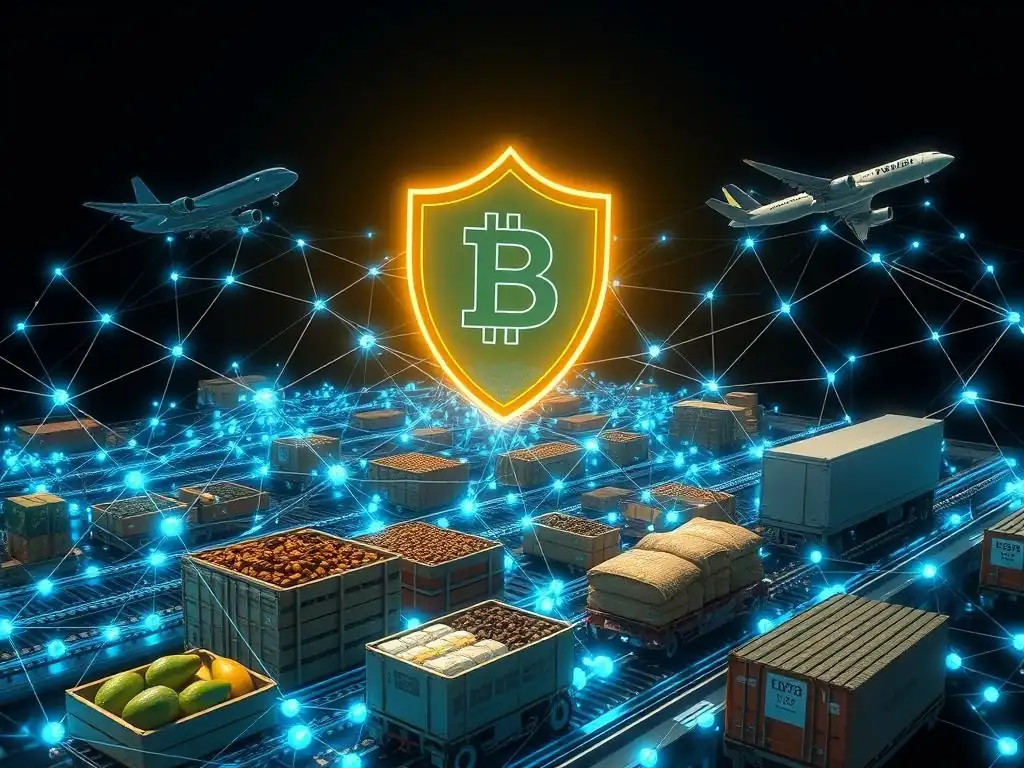
Welcome to Blockchain Trends, your premier source for understanding the revolutionary impact of blockchain technology beyond the hype.
Are you ready to navigate the complex landscape of blockchain supply chain compliance regulations? Discover how innovative solutions can ensure regulatory adherence, enhance transparency, and reshape the future of enterprise operations. Uncover the key strategies and insights you need to stay ahead in this rapidly evolving field. Let's explore how blockchain is transforming supply chain management, one block at a time, starting with the critical need for regulatory compliance.
Blockchain and Supply Chain Compliance: Ensuring Regulatory Adherence and Transparency
- Introduction: The Intersection of Blockchain and Supply Chain Compliance
- Key Challenges in Traditional Supply Chain Compliance
- How Blockchain Enhances Supply Chain Compliance Regulations
- Blockchain Solutions for Specific Compliance Requirements
-
Implementing Blockchain for Supply Chain Compliance: A Step-by-Step Guide
- Step 1: Identifying Key Compliance Requirements and Pain Points
- Step 2: Designing a Blockchain-Based Supply Chain Solution
- Step 3: Selecting the Right Blockchain Platform and Technology
- Step 4: Integrating Blockchain with Existing Supply Chain Systems
- Step 5: Ensuring Data Privacy and Security on the Blockchain
- Benefits of Blockchain-Based Supply Chain Compliance
- Overcoming Challenges in Blockchain Implementation for Supply Chains
- Real-World Examples of Blockchain in Supply Chain Compliance
- The Future of Blockchain and Supply Chain Regulatory Adherence
- Conclusion: Blockchain as a Catalyst for Supply Chain Transparency and Compliance
-
Frequently Asked Questions
- What are the main challenges businesses face in ensuring supply chain compliance with traditional methods?
- How can blockchain technology improve supply chain transparency and traceability?
- What are some examples of blockchain-based solutions being used to ensure supply chain compliance?
- What are some key blockchain supply chain compliance regulations that businesses need to be aware of?
- What is the future outlook for blockchain adoption in supply chain compliance and what are the potential benefits?
- Final Reflection: Embracing Transparency in a Connected World
- Unleash the Power of Blockchain for a Transparent Supply Chain!
Introduction: The Intersection of Blockchain and Supply Chain Compliance
The Growing Need for Transparency in Supply Chains
Global supply chains are becoming increasingly complex, involving numerous intermediaries, diverse geographic locations, and intricate logistical processes. This complexity, while enabling global trade, also creates significant challenges in ensuring transparency and accountability. Consumers, regulators, and businesses alike are demanding greater visibility into the origin, journey, and handling of goods, driven by concerns ranging from ethical sourcing and sustainability to product safety and authenticity. Regulatory bodies worldwide are imposing stricter requirements on businesses to track and report on various aspects of their supply chain operations, making robust supply chain compliance regulations more critical than ever.
The lack of transparency in traditional systems can lead to significant issues, including the proliferation of counterfeit goods, unethical labor practices, environmental damage, and difficulties in pinpointing the source of contaminated products during recalls. For instance, a major food recall event can cost a company millions of dollars and severely damage its brand reputation, often exacerbated by slow and opaque trace-back processes. The inability to quickly and accurately trace a product's journey through the supply chain hinders effective risk management and makes adherence to stringent supply chain compliance regulations a constant struggle for businesses operating across borders and industries.
Understanding Blockchain's Role in Regulatory Compliance
Blockchain technology, fundamentally a distributed, immutable ledger, offers a promising solution to many of the transparency challenges inherent in traditional supply chains. By creating a shared, tamper-evident record of transactions and events, blockchain can provide an unprecedented level of visibility into a product's lifecycle, from raw material to end consumer. This inherent transparency and security make it a powerful tool for navigating the complexities of supply chain compliance regulations.
Leveraging blockchain for supply chain compliance allows organizations to build trust among stakeholders and satisfy regulatory demands for traceability and reporting. Each step in the supply chain – manufacturing, shipping, customs clearance, delivery – can be recorded as a transaction on the blockchain, creating an unalterable history. This verifiable trail significantly simplifies audits, reduces the potential for fraud or error, and enables businesses to demonstrate adherence to various industry-specific and international supply chain compliance regulations with greater confidence and efficiency.
Key Challenges in Traditional Supply Chain Compliance
Lack of Visibility and Traceability
Traditional supply chain systems often suffer from fragmented data and poor communication between different parties involved. This results in a significant lack of end-to-end visibility, making it difficult, if not impossible, to trace a product's journey accurately and swiftly. Information about origin, handling, and location is frequently siloed within individual companies or even departments, making it challenging to compile a comprehensive history when needed for compliance checks or during incidents like recalls.
Consider the journey of a single product through a global supply chain. It might involve raw material suppliers, manufacturers, multiple logistics providers, distributors, and retailers. Each entity typically uses its own isolated system to track the product while it is in their possession. When the product moves to the next party, information transfer can be incomplete, delayed, or even lost. This opacity makes demonstrating adherence to complex blockchain supply chain compliance regulations related to origin, chain of custody, or ethical sourcing incredibly difficult and time-consuming.
Inefficient Data Management and Silos
Data within traditional supply chains is often managed using disparate systems, ranging from legacy databases and spreadsheets to various enterprise resource planning (ERP) solutions. These systems rarely communicate seamlessly with each other, leading to data silos where critical information is isolated and difficult to access or verify across the network. The lack of a single, unified source of truth complicates data aggregation and analysis required for compliance reporting.
Furthermore, the process of sharing data between supply chain partners is frequently manual, relying on emails, faxes, or physical documents. This method is prone to errors, delays, and potential manipulation, undermining the reliability of the data needed for regulatory submissions. The inefficiency of managing and sharing data across these fragmented systems significantly increases the administrative burden and cost associated with meeting supply chain compliance regulations.
Difficulty in Auditing and Verification
Auditing supply chains for compliance with regulations is a labor-intensive and complex process in traditional setups. Auditors must collect data from multiple, often disconnected, sources, cross-reference documents, and manually verify claims made by different parties. This process is not only time-consuming and expensive but also susceptible to human error and deliberate misrepresentation, making it hard to achieve full assurance of compliance.
Verifying the authenticity of documents, such as certificates of origin or quality test results, can be particularly challenging when relying on paper trails or easily alterable digital files. The lack of an immutable record means that proving regulatory adherence beyond doubt requires significant effort and often involves physical inspections and lengthy investigations. This difficulty in auditing directly impacts a company's ability to confidently assert its compliance with intricate blockchain supply chain compliance regulations.
How Blockchain Enhances Supply Chain Compliance Regulations
Enhanced Traceability and Provenance Tracking with Blockchain
Blockchain's core strength lies in creating an immutable and transparent ledger of transactions. When applied to supply chains, each significant event – such as a product being manufactured, packaged, shipped, or received – can be recorded as a transaction on the blockchain. This creates a comprehensive, step-by-step history of the product's journey, accessible to authorized parties across the network. This enhanced traceability is fundamental for meeting stringent supply chain compliance regulations related to provenance and chain of custody.
For example, in the food industry, tracing the origin of ingredients or finished products during a recall can be reduced from days or weeks to seconds or minutes using a blockchain system. This level of granular, real-time traceability allows companies to quickly identify affected batches, minimize the scope of recalls, and demonstrate compliance with food safety regulations like the Food Safety Modernization Act (FSMA) in the US. This capability directly addresses the lack of visibility inherent in traditional systems, making blockchain for supply chain compliance a powerful tool.
Improved Data Security and Integrity Using Blockchain Technology
Data recorded on a blockchain is cryptographically secured and distributed across multiple nodes in the network. Once a transaction is added to a block and the block is added to the chain, it is extremely difficult and computationally expensive to alter retroactively without being detected by the network participants. This inherent security and immutability ensure the integrity of the supply chain data, providing a reliable single source of truth.
This improved data integrity is crucial for demonstrating compliance with regulations that require accurate and unalterable records. Businesses can trust that the data on the blockchain represents the true state of events in the supply chain, reducing the risk of data manipulation or error that could lead to non-compliance. The use of cryptographic hashes and consensus mechanisms strengthens the security posture, making blockchain technology a robust foundation for managing sensitive compliance-related data and adhering to complex blockchain supply chain compliance regulations.
Streamlined Audit Trails and Regulatory Reporting Through Blockchain
The transparent and immutable nature of blockchain significantly streamlines the process of auditing and reporting for regulatory compliance. Instead of sifting through disparate systems and physical documents, auditors can access a single, verifiable ledger containing the complete history of a product or transaction. This provides an efficient and reliable audit trail that dramatically reduces the time and cost associated with compliance audits.
Furthermore, blockchain-based systems can be designed to automatically generate reports based on the recorded data, tailored to specific regulatory requirements. This automation reduces the manual effort involved in preparing compliance documentation and minimizes the risk of errors. The ability to quickly and accurately provide verifiable data simplifies interactions with regulatory bodies and helps companies proactively manage their adherence to various supply chain compliance regulations.
Blockchain Solutions for Specific Compliance Requirements
Food Safety Compliance: Leveraging Blockchain for Traceability
Food safety regulations, such as those enforced by the FDA in the United States or similar bodies globally, demand rapid and accurate traceability of food products from farm to fork. Traditional paper-based or siloed digital systems often fail to provide the speed and granularity required during outbreaks or recalls. Blockchain offers a transformative solution by creating an immutable, shared ledger that records every touchpoint a food item has experienced.
By scanning QR codes or unique identifiers at each stage (harvesting, processing, packaging, shipping, retail), data points like origin farm, processing facility, temperature logs, and shipping routes are added to the blockchain. This allows stakeholders, including regulators and consumers, to instantly access detailed provenance information.
During a foodborne illness outbreak, authorities can use this blockchain record to trace the contaminated product back to its source in minutes, rather than days or weeks, enabling targeted recalls and minimizing public health risks, thereby significantly enhancing adherence to food safety supply chain compliance regulations. A pilot project by a major retailer reportedly demonstrated tracing mangoes from farm to store in seconds using blockchain, a process that previously took days.
Pharmaceutical Supply Chain Compliance: Combating Counterfeiting with Blockchain
The pharmaceutical industry faces critical challenges related to counterfeiting, diversion, and ensuring product integrity and patient safety. Regulations like the Drug Supply Chain Security Act (DSCSA) in the US mandate detailed tracking and verification of prescription drugs. Blockchain technology provides a powerful mechanism to create a secure, verifiable chain of custody that helps combat these issues and meet strict pharmaceutical supply chain compliance regulations.
Each unit or batch of medication can be assigned a unique identifier recorded on the blockchain. As the product moves through manufacturers, distributors, pharmacies, and potentially patients, each transfer of ownership and handling event is logged on the distributed ledger. This immutable record makes it incredibly difficult for counterfeit products to enter the legitimate supply chain unnoticed, as they would lack a verifiable blockchain history.
Furthermore, it allows regulators and supply chain partners to verify the authenticity and journey of a drug at any point, enhancing trust and significantly strengthening compliance with anti-counterfeiting and tracing regulations. Estimates suggest that pharmaceutical companies lose billions annually to counterfeiting; blockchain offers a robust defense.
Conflict Minerals Compliance: Tracking Origin and Ethical Sourcing with Blockchain
Regulations like Section 1502 of the Dodd-Frank Act require companies to perform due diligence on their supply chains to determine if certain minerals (like tin, tantalum, tungsten, and gold) originated in conflict zones in the Democratic Republic of Congo or adjoining countries. Proving the origin and ethical sourcing of these minerals through complex, multi-tiered supply chains is notoriously difficult using traditional methods. Blockchain offers a solution for creating a transparent and verifiable chain of custody.
By recording the origin and subsequent transfers of minerals on a blockchain, from mine to smelter to manufacturer, companies can create an auditable trail that demonstrates their efforts to source ethically and comply with conflict minerals supply chain compliance regulations. Each participant in the chain can record their data, creating a shared, immutable record of provenance.
This provides a higher level of assurance regarding the source of materials compared to relying solely on paper certificates or centralized databases. A pilot program tracking cobalt from mines in Congo demonstrated the potential for blockchain to provide verifiable origin data, crucial for ethical sourcing and compliance.
Implementing Blockchain for Supply Chain Compliance: A Step-by-Step Guide
Step 1: Identifying Key Compliance Requirements and Pain Points
The initial step in implementing blockchain for supply chain compliance is to clearly define the specific regulatory requirements and compliance challenges the organization faces. This involves a thorough review of all relevant regulations that apply to the company's industry, products, and geographic markets. For example, a food company might prioritize FSMA traceability, while a electronics manufacturer might focus on conflict minerals or WEEE (Waste Electrical and Electronic Equipment) directives.
Simultaneously, businesses must identify the specific pain points in their current supply chain processes that hinder effective compliance. This could be slow traceability during recalls, difficulty verifying supplier certifications, challenges in managing documentation for customs, or lack of trust in data shared between partners. Understanding these specific needs and challenges provides the necessary focus for designing a blockchain solution that directly addresses the most pressing blockchain supply chain compliance regulations.
Step 2: Designing a Blockchain-Based Supply Chain Solution
Once requirements and pain points are identified, the next step is to design how blockchain technology will be integrated into the supply chain workflow to meet these needs. This involves mapping out the key data points that need to be tracked on the blockchain for compliance purposes, such as product identifiers, locations, timestamps, certifications, and transfer of ownership events.
The design phase also includes determining which parties in the supply chain ecosystem will participate in the blockchain network and what their roles and permissions will be. A well-designed solution ensures that the recorded data is sufficient to satisfy regulatory requirements, provides the necessary transparency for stakeholders, and integrates smoothly with existing operational processes. This blueprint serves as the foundation for developing or adopting a suitable blockchain platform for supply chain compliance.
Step 3: Selecting the Right Blockchain Platform and Technology
Choosing the appropriate blockchain platform is a critical decision. Options range from public blockchains (like Ethereum or Bitcoin, though less common for enterprise supply chains due to privacy/scalability concerns) to private or consortium blockchains (like Hyperledger Fabric, R3 Corda, or specific industry-focused platforms). The selection should be based on factors such as the required level of privacy, scalability needs, transaction throughput, cost, ease of integration, and the specific features offered that align with the compliance requirements.
Consortium blockchains, where a group of known participants operate the network, are often preferred for supply chain compliance as they offer better control over data access and higher transaction speeds than public alternatives. Evaluating the platform's ability to handle the volume and complexity of supply chain data, its security features, and the availability of development tools and support are essential steps in ensuring the chosen technology can effectively support blockchain supply chain compliance regulations.
Step 4: Integrating Blockchain with Existing Supply Chain Systems
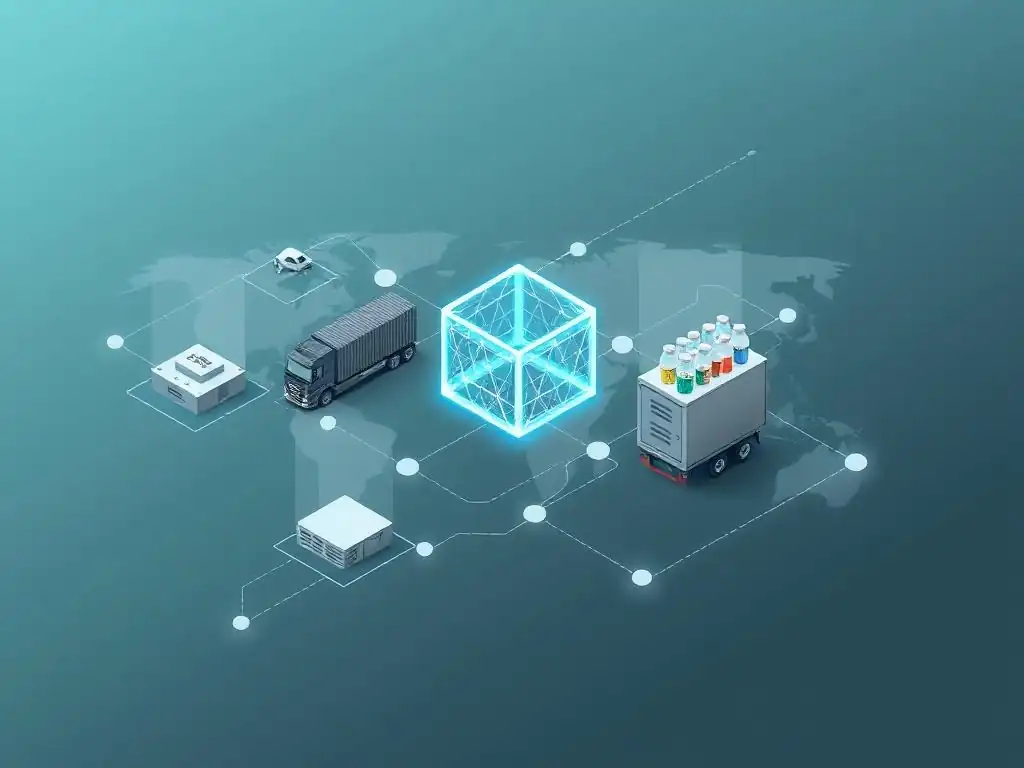
Implementing a blockchain solution rarely means replacing all existing systems. Instead, it typically requires integrating the blockchain platform with current enterprise resource planning (ERP), warehouse management systems (WMS), transportation management systems (TMS), and other legacy systems. This integration is crucial to ensure a seamless flow of data from physical operations onto the blockchain ledger.
Application Programming Interfaces (APIs) and middleware are commonly used to facilitate this integration. Data captured by existing systems – such as a barcode scan indicating a product has moved location or a sensor reading confirming temperature adherence – needs to be accurately and securely written onto the blockchain. Effective integration minimizes disruption to current operations while enabling the benefits of blockchain for supply chain compliance.
Step 5: Ensuring Data Privacy and Security on the Blockchain
While transparency is key for compliance, supply chain data often contains commercially sensitive information that requires protection. Therefore, ensuring data privacy and security within the blockchain solution is paramount. This involves designing the system to control access to sensitive data, potentially using permissioned blockchain architectures where only authorized parties can view specific types of information.
Techniques like data hashing (storing only a unique digital fingerprint of sensitive data on the blockchain while keeping the actual data off-chain in secure databases) or zero-knowledge proofs (allowing verification of data attributes without revealing the data itself) can be employed to balance transparency with privacy needs. Implementing robust access controls and encryption protocols is vital to protect the integrity and confidentiality of compliance-related data stored or referenced by the blockchain, thereby upholding both privacy standards and supply chain compliance regulations.
Benefits of Blockchain-Based Supply Chain Compliance
Reduced Risk of Non-Compliance and Penalties
Implementing blockchain for supply chain compliance significantly reduces the likelihood of regulatory violations. By providing an immutable, transparent, and easily auditable record of all supply chain activities, businesses can ensure that processes adhere to required standards at every step. This proactive approach minimizes the risk of errors, fraud, or oversight that could lead to non-compliance fines and legal repercussions.
With a clear, verifiable trail of provenance, handling, and compliance checks, companies can confidently demonstrate their adherence to complex regulations. This not only helps avoid penalties, which can be substantial (e.g., millions of dollars for violations in heavily regulated industries), but also prevents costly disruptions to operations caused by audits or investigations. The enhanced visibility provided by blockchain directly supports better risk management related to blockchain supply chain compliance regulations.
Increased Trust and Transparency with Stakeholders
Blockchain's inherent transparency fosters greater trust among all participants in the supply chain ecosystem – including suppliers, manufacturers, logistics providers, retailers, regulators, and ultimately, consumers. By providing a shared, verifiable record, blockchain eliminates the need for trust in a single intermediary and allows each party to independently verify the status and history of goods.
This increased transparency is particularly valuable for demonstrating ethical sourcing, sustainability efforts, or product authenticity. Consumers are increasingly demanding verifiable information about the products they buy, and blockchain can provide this level of detail. Building this trust through verifiable data enhances relationships with business partners and strengthens the company's reputation for ethical and compliant operations, exceeding basic supply chain compliance regulations.
Improved Efficiency and Cost Savings
While initial implementation requires investment, blockchain for supply chain compliance can lead to significant long-term efficiencies and cost savings. Automating the creation of audit trails and compliance reports reduces manual administrative work. Faster traceability during incidents like recalls minimizes losses associated with extended investigations and broader recall scopes.
Furthermore, improved data accuracy and reduced disputes among supply chain partners can streamline operations. The ability to quickly verify certifications or proof of origin reduces delays in customs and logistics. Overall, the enhanced visibility and streamlined processes enabled by blockchain contribute to a more efficient and less costly compliance management system, making adherence to supply chain compliance regulations more manageable.
Enhanced Brand Reputation and Customer Loyalty
Demonstrating a strong commitment to transparency and compliance through blockchain technology can significantly enhance a company's brand reputation. In an era where consumers are increasingly concerned about the origin, safety, and ethical production of goods, providing verifiable proof builds confidence and loyalty. Companies known for their transparent and compliant supply chains are often viewed more favorably.
For instance, a brand that can prove the ethical sourcing of its materials or the safety of its food products using a blockchain-based system gains a competitive edge. This transparency can be a powerful marketing tool, attracting customers who value responsible business practices. By leveraging blockchain for supply chain compliance, companies not only meet regulatory obligations but also build a reputation for integrity that fosters long-term customer loyalty.
Overcoming Challenges in Blockchain Implementation for Supply Chains
Addressing Scalability Issues in Blockchain Networks
Scalability remains a significant challenge for many blockchain networks, particularly public ones. Supply chains generate vast amounts of data daily, and a blockchain solution needs to be able to handle a high volume of transactions quickly and efficiently. Older blockchain architectures can struggle with throughput, potentially leading to delays in recording supply chain events.
Addressing scalability involves selecting appropriate blockchain platforms designed for enterprise use, which often employ different consensus mechanisms or sharding techniques to handle more transactions. Furthermore, careful design of the blockchain solution is crucial to ensure that only necessary, compliance-critical data is recorded on-chain, while bulk data might be stored off-chain with hashes on the blockchain. Ongoing development in blockchain technology is continually improving scalability, making it more viable for large-scale supply chain applications and supporting complex blockchain supply chain compliance regulations.
Ensuring Interoperability Between Different Blockchain Systems
As different companies or industries adopt various blockchain platforms, ensuring interoperability between these systems becomes important. A supply chain might involve partners using different blockchain networks, making it challenging to share data seamlessly across the entire chain if these networks cannot communicate with each other. The lack of established standards for blockchain interoperability poses a hurdle.
Efforts are underway to develop protocols and standards that enable different blockchains to exchange information. Implementing middleware or gateway solutions that translate data between different networks can also bridge this gap. For supply chain compliance, interoperability is key to creating a truly end-to-end transparent chain, especially when dealing with global networks involving numerous independent entities using diverse technological infrastructures to meet their respective supply chain compliance regulations.
The regulatory landscape surrounding blockchain technology is still evolving in many jurisdictions. There can be uncertainty about how existing laws apply to blockchain-based systems and data, particularly concerning data ownership, liability, and cross-border data transfer regulations (like GDPR). This lack of clear legal frameworks can create hesitation for companies considering significant investments in blockchain for supply chain compliance.
Staying informed about developing regulations, engaging with legal experts, and participating in industry consortia working on standards and best practices are crucial steps. Designing blockchain solutions with flexibility to adapt to future regulatory changes is also advisable. As regulators gain a better understanding of the technology, clearer guidelines for blockchain supply chain compliance regulations are expected to emerge, providing more certainty for businesses.
Managing Data Privacy and Confidentiality Concerns
While transparency is a benefit, supply chain data can include sensitive information such as proprietary processes, pricing, or customer details. Ensuring that compliance requirements are met without compromising business confidentiality or violating data privacy laws (like GDPR or CCPA) is a delicate balance. Public blockchains may not be suitable for sensitive supply chain data due to their inherent transparency.
Permissioned or private blockchain architectures offer better control over data access, allowing companies to share compliance-relevant information with authorized parties (like regulators or auditors) while keeping commercially sensitive data private. Implementing off-chain data storage for sensitive information, secured by cryptographic hashes on the blockchain, is another common strategy. Carefully designing data access controls and privacy features is essential to leverage blockchain for supply chain compliance without exposing sensitive business information or violating data privacy laws.
Real-World Examples of Blockchain in Supply Chain Compliance
Case Study 1: Walmart Implements Blockchain for Mango Traceability
Walmart, one of the world's largest retailers, pioneered the use of blockchain for food traceability, specifically focusing on produce like mangoes and leafy greens. Facing pressure for faster traceability during foodborne illness outbreaks and aiming to enhance food safety compliance, Walmart mandated its suppliers to adopt blockchain technology built on the Hyperledger Fabric platform.
Prior to implementing blockchain, tracing the origin of a package of mangoes from a store shelf back to the farm could take up to seven days, involving numerous phone calls, emails, and digging through paper records across multiple intermediaries. With the blockchain system, this process was reportedly reduced to approximately two seconds. This dramatic improvement in traceability allows Walmart and regulators to quickly identify the source of contaminated produce, enabling targeted recalls that limit consumer exposure and reduce food waste, showcasing a significant advancement in food safety supply chain compliance regulations through technology.
Case Study 2: De Beers Uses Blockchain to Track Diamonds and Prevent Conflict Diamond Sales
De Beers, a leading diamond company, launched the Tracr™ platform, a blockchain initiative aimed at tracking diamonds from mine to retailer. The platform assigns a unique ID to each diamond, which is recorded on the blockchain along with data points about its journey, including weight, color, clarity, cut, and ownership transfers. This initiative is specifically designed to enhance trust and transparency in the diamond supply chain and combat the issue of conflict diamonds.
By creating an immutable digital trail for each stone, Tracr™ provides verifiable proof of a diamond's origin and journey, making it much harder for conflict diamonds (those mined in war zones and sold to finance conflicts) to enter the legitimate market. This not only helps De Beers and other participating diamond companies comply with regulations like the Kimberley Process Certification Scheme but also assures consumers that their purchased diamonds are ethically sourced. The platform provides a verifiable, tamper-proof record that supports ethical sourcing and supply chain compliance regulations in the luxury goods sector.
The Future of Blockchain and Supply Chain Regulatory Adherence
Emerging Trends in Blockchain and Supply Chain Technology
The field of blockchain in supply chains is rapidly evolving. One major trend is the increasing focus on interoperability solutions that allow different blockchain networks and legacy systems to communicate seamlessly. This will be crucial for creating truly connected global supply chains. Another trend is the integration of Internet of Things (IoT) devices with blockchain, enabling automated recording of data points like temperature, humidity, or location directly onto the ledger, further enhancing the accuracy and reliability of compliance data.
Furthermore, advancements in zero-knowledge proofs and other privacy-enhancing technologies are making it easier to balance transparency for compliance with the need for business confidentiality. We are also seeing the rise of industry-specific blockchain consortia and platforms tailored to the unique supply chain compliance regulations and needs of sectors like healthcare, automotive, and agriculture, fostering collaborative adoption and standard development.
The Role of Blockchain in Shaping Future Regulations
As the capabilities of blockchain technology become more widely understood and adopted in supply chains, it is likely to influence the design of future regulations. Regulatory bodies may begin to mandate or strongly encourage the use of distributed ledger technology for certain types of traceability, reporting, or verification, particularly in industries with high risks related to safety, ethics, or counterfeiting.
The potential for blockchain to provide real-time, granular, and verifiable data could lead to more dynamic and data-driven regulatory approaches. Instead of relying solely on periodic audits, regulators might leverage blockchain data streams for continuous monitoring and automated compliance checks. This could shift the focus from reactive enforcement to proactive prevention, fundamentally changing how supply chain compliance regulations are monitored and enforced.
Predictions for the Adoption of Blockchain in Supply Chains
Adoption of blockchain for supply chain compliance is expected to accelerate significantly over the next few years. While early adoption faced hurdles related to scalability, cost, and integration, advancements in technology and increasing awareness of the benefits are driving broader implementation. Industry reports predict substantial growth in the blockchain supply chain market, potentially reaching tens of billions of dollars globally by the mid-2020s.
Initially, adoption is likely to be strongest in industries with critical needs for traceability, anti-counterfeiting, and ethical sourcing, such as food, pharmaceuticals, and luxury goods. As the technology matures and becomes more accessible, its use will expand to other sectors seeking to improve efficiency, reduce risk, and enhance transparency to meet evolving supply chain compliance regulations and consumer demands. The trend points towards blockchain becoming a standard component of robust, future-proof supply chain management systems.
Conclusion: Blockchain as a Catalyst for Supply Chain Transparency and Compliance
Blockchain technology offers a powerful solution to the long-standing challenges of transparency and compliance in complex global supply chains. By providing an immutable, distributed, and transparent ledger, it enables enhanced traceability, improves data integrity, and streamlines auditing and reporting processes. This directly helps businesses meet rigorous supply chain compliance regulations across various industries, from food safety and pharmaceuticals to ethical sourcing.
While challenges related to scalability, interoperability, and regulatory clarity exist, ongoing technological advancements and increasing real-world adoption are paving the way for wider implementation. As demonstrated by companies like Walmart and De Beers, blockchain is not just a theoretical concept but a practical tool already delivering tangible benefits in managing blockchain supply chain compliance regulations. Ultimately, blockchain acts as a catalyst, driving greater accountability and building trust across the entire supply chain ecosystem, positioning companies for success in an increasingly regulated and transparency-focused world.
Frequently Asked Questions
What are the main challenges businesses face in ensuring supply chain compliance with traditional methods?
Traditional methods often struggle with lack of transparency and inefficient data management, making it difficult to track products and verify compliance across complex supply chains. This can lead to regulatory risks and reputational damage.
How can blockchain technology improve supply chain transparency and traceability?
Blockchain provides a shared, immutable ledger that records every transaction in the supply chain. This enhanced traceability allows for easy verification of product origin, certifications, and compliance records.
What are some examples of blockchain-based solutions being used to ensure supply chain compliance?
Solutions include platforms that track product provenance, verify ethical sourcing, and automate compliance checks. These platforms offer real-time visibility and reduced risk of fraud.
What are some key blockchain supply chain compliance regulations that businesses need to be aware of?
Businesses must be aware of regulations related to data privacy, product safety, and ethical sourcing. GDPR implications for data stored on the blockchain are also crucial.
What is the future outlook for blockchain adoption in supply chain compliance and what are the potential benefits?
The future involves greater integration of blockchain with other technologies like IoT and AI. Benefits include improved efficiency, reduced costs, and enhanced consumer trust.
Final Reflection: Embracing Transparency in a Connected World
The exploration of blockchain's role in supply chain compliance reveals a critical intersection of technology and ethics, highlighting the urgent need for verifiable and transparent systems in global trade. The complexities of modern supply chains demand solutions that not only ensure regulatory adherence but also foster trust and accountability among all stakeholders. This isn't just about efficiency; it's about building a more responsible and sustainable future.
The promise of blockchain lies in its ability to revolutionize how we track and verify the origins and movement of goods, impacting everything from ethical sourcing to consumer confidence. This journey towards greater transparency resonates deeply, reminding us that every product we consume has a story, and we have a right to know that story is told truthfully. Transparency and accountability are the cornerstones of a just and equitable society. Blockchain offers a powerful tool to build these cornerstones into the very fabric of our supply chains.
As we move forward, let us not only embrace the technological advancements that blockchain offers but also commit to using them to create a more ethical and transparent world. Consider how you, as a consumer, a business owner, or a policymaker, can champion the adoption of blockchain-based solutions to ensure that supply chains are not only efficient but also compliant, responsible, and ultimately, contribute to a more sustainable and equitable future for all.
Unleash the Power of Blockchain for a Transparent Supply Chain!
Thank you for exploring how blockchain can revolutionize supply chain compliance. You now have a solid understanding of how to leverage this technology for enhanced regulatory adherence and transparency. Now, it's time to put that knowledge into action!
Here are a few steps you can take right now:
- Evaluate your current supply chain for areas that could benefit from blockchain integration. What are your biggest transparency challenges? This is your first critical step toward harnessing blockchain's full potential.
- Research and connect with blockchain solution providers specializing in supply chain management. Don’t hesitate to ask detailed questions about scalability, security, and implementation.
- Share this article with your network and start a conversation about how blockchain can improve trust and accountability across industries.
What specific compliance challenge in your supply chain could benefit most from blockchain’s immutable ledger? Share your thoughts in the comments below!
Leave a Reply