
Blockchain and Supply Chain Resilience in the Face of Global Disruptions: Building Robust Systems

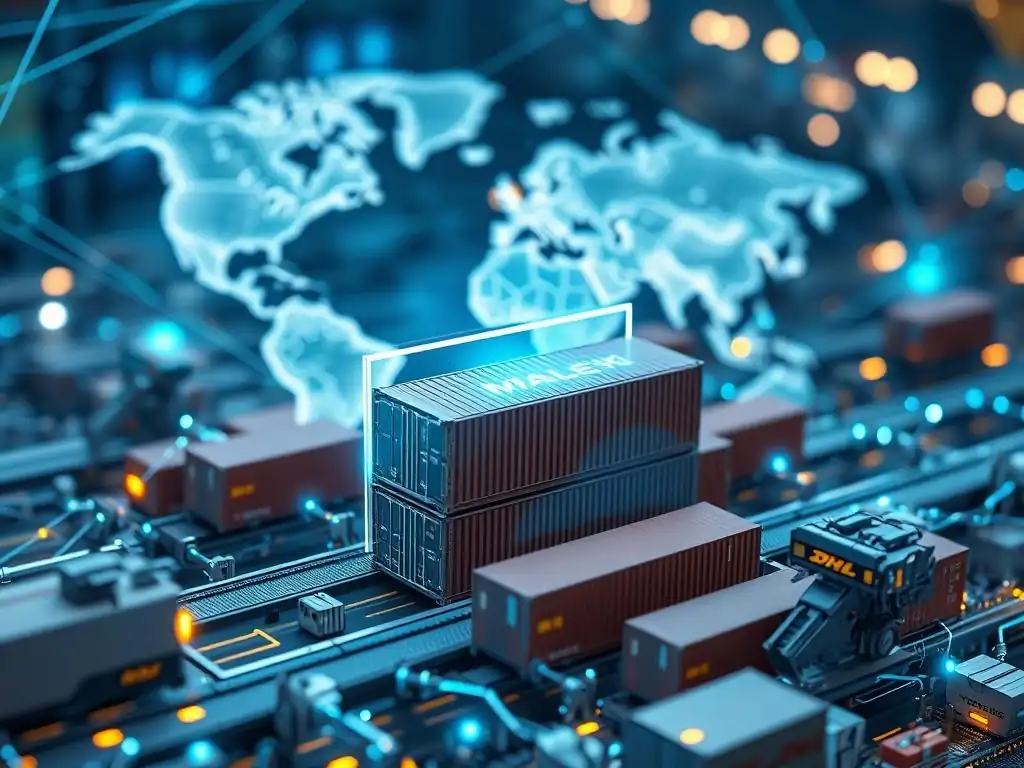
Welcome to Blockchain Trends, your compass in the rapidly evolving world of decentralized technologies! Are you ready to discover how blockchain is revolutionizing industries far beyond cryptocurrency? Dive in to explore the transformative potential, from DeFi innovations to enterprise-grade solutions.
In this article, we'll unpack crucial blockchain supply chain resilience strategies, revealing how this technology can fortify your operations against global disruptions. But what specific architectures and governance models are proving most effective? Read on to unlock the secrets to building truly robust and future-proof systems.
Blockchain and Supply Chain Resilience in the Face of Global Disruptions: Building Robust Systems
- Introduction: The Urgent Need for Resilient Supply Chains
- Understanding Blockchain Technology for Supply Chain Management
- Blockchain Supply Chain Resilience Strategies: A Deep Dive
- Real-World Examples: Blockchain Success Stories in Supply Chain Resilience
- Overcoming Challenges to Blockchain Adoption in Supply Chains
- Future Trends: Blockchain and the Evolution of Supply Chain Resilience
- Conclusion: Building Robust and Future-Proof Supply Chains with Blockchain
-
Frequently Asked Questions
- What exactly is blockchain supply chain resilience?
- How can blockchain improve supply chain visibility?
- What are some real-world examples of blockchain in supply chain resilience?
- What regulatory challenges exist when implementing blockchain in global supply chains?
- How can businesses begin implementing blockchain for supply chain resilience?
- Final Reflection: Forging a Future of Resilient Supply Chains
- Empower Your Supply Chain: Embrace Blockchain Innovation!
Introduction: The Urgent Need for Resilient Supply Chains
Global Disruptions and Their Impact on Supply Chains
Recent years have highlighted the fragility of global supply chains, exposing them to unprecedented shocks. Events such as the COVID-19 pandemic, geopolitical conflicts, extreme weather incidents, and cybersecurity breaches have caused significant disruptions, leading to delays, shortages, and increased costs.
For instance, the Suez Canal blockage in March 2021, caused by the container ship Ever Given, halted an estimated $9.6 billion worth of trade daily, impacting global shipping schedules for months and underscoring the vulnerability of critical chokepoints. Similarly, pandemic-related factory closures in key manufacturing hubs led to widespread shortages of everything from semiconductors to consumer goods, illustrating how localized events can cascade into global crises.
These disruptions inflict substantial financial damage on businesses. A 2022 survey by Resilinc found that 97% of companies experienced supply chain disruptions, with the average company facing 10 major disruptions during the year. The cost of these disruptions is significant, with some estimates suggesting that supply chain issues cost US companies alone trillions of dollars annually in lost sales, increased logistics expenses, and inventory carrying costs. The imperative for building blockchain supply chain resilience strategies has never been clearer, prompting businesses to seek innovative solutions to mitigate risks and maintain continuity in turbulent times.
The Promise of Blockchain for Enhanced Supply Chain Resilience
Blockchain technology, initially popularized by cryptocurrencies, offers a compelling suite of features that can fundamentally transform supply chain management and enhance resilience. Its distributed, immutable ledger provides a single source of truth for transactions and data, fostering transparency and trust among disparate parties. This inherent transparency can help identify potential bottlenecks or disruptions earlier, allowing for more proactive responses. Furthermore, the cryptographic security underpinning blockchain makes data tampering extremely difficult, ensuring data integrity throughout the supply chain lifecycle.
Implementing effective blockchain supply chain resilience strategies leverages these core features to address critical vulnerabilities. By providing granular traceability, securing data sharing, and enabling automation through smart contracts, blockchain can create supply chain networks that are not only more efficient but also more secure, transparent, and adaptable to unforeseen challenges. This foundational technology holds the potential to move beyond reactive crisis management towards building inherently robust and predictive supply chain systems capable of withstanding future shocks.
Understanding Blockchain Technology for Supply Chain Management
What is Blockchain and How Does it Work?
At its core, a blockchain is a distributed ledger technology (DLT) that records transactions across multiple computers. These transactions are grouped into blocks, and each new block is linked to the previous one using cryptographic hashes, forming a chain. Once a block is added to the chain through a consensus mechanism (like Proof-of-Work or Proof-of-Stake), the data within it is extremely difficult to alter without the agreement of the majority of participants in the network. This distributed and immutable nature distinguishes blockchain from traditional centralized databases.
The process begins when a transaction is initiated (e.g., a product shipment recorded). This transaction is broadcast to the network of participants. Nodes on the network validate the transaction based on predefined rules. Once validated, the transaction is added to a block of other recent transactions. This block is then time-stamped and added to the existing chain, creating a permanent and verifiable record. This decentralized structure means no single entity controls the data, reducing single points of failure and increasing the overall security and reliability of the ledger.
Key Features of Blockchain Relevant to Supply Chains: Transparency, Security, and Immutability
Transparency is a cornerstone feature of blockchain that is highly relevant to supply chains. Depending on the type of blockchain (public, private, or consortium), participants can have varying levels of access to view the transaction ledger.
In a supply chain context, this means stakeholders – from manufacturers and logistics providers to distributors and even consumers – can potentially track the movement and status of goods, verify their origin, and access relevant documentation recorded on the chain. This shared, accessible ledger eliminates information silos and fosters a higher degree of trust among parties who might otherwise be wary of sharing sensitive data through traditional means.
Security and immutability are intertwined benefits crucial for building blockchain supply chain resilience strategies. Cryptographic techniques secure transactions and link blocks, making it virtually impossible for unauthorized parties to alter data once it's recorded without being detected.
If someone attempted to change data in an old block, the hash of that block would change, breaking the link to the next block and invalidating the chain from that point forward. This tamper-proof nature ensures the integrity and authenticity of data recorded on the blockchain, such as proof of origin, quality certifications, or ownership transfers, which is vital for verifying product authenticity and tracking chain of custody.
Types of Blockchain Solutions for Supply Chain Applications
There are primarily three types of blockchain networks applicable to supply chain management: public, private, and consortium (or permissioned) blockchains. Public blockchains, like Bitcoin or Ethereum, are open to anyone to join and participate. While offering maximum decentralization, their transparency (all transactions are public) and potential performance limitations can be drawbacks for sensitive enterprise supply chain data. They are less commonly used for core supply chain operations but might be relevant for tokenizing assets or managing public certifications.
Private blockchains are controlled by a single entity. While they offer speed and privacy comparable to traditional databases, they lack the decentralization benefits of public networks and can be perceived as less trustworthy by external partners compared to consortium models. Consortium blockchains are perhaps the most relevant for complex supply chain ecosystems. These are permissioned networks governed by a group of pre-selected organizations.
Participants have restricted access and roles, allowing for controlled transparency and data sharing among known partners. This model balances the need for decentralization and trust with the requirements for privacy, security, and performance, making it suitable for collaborative supply chain networks involving multiple companies. Examples like IBM Food Trust and TradeLens operate on consortium models.
Blockchain Supply Chain Resilience Strategies: A Deep Dive
Enhancing Traceability and Visibility with Blockchain
Tracking Products from Origin to Consumer
One of the most powerful blockchain supply chain resilience strategies is the ability to establish end-to-end traceability. By recording each step of a product's journey – from raw material sourcing, manufacturing, assembly, and shipping, through distribution and retail – onto an immutable ledger, companies can create a transparent and verifiable history.
Each transaction, such as a change in ownership, location update, or quality inspection result, can be recorded as a block on the chain, linked to a unique product identifier (like a serial number or QR code). This provides real-time visibility into the location and status of goods, crucial for identifying delays or issues early in the supply chain.
This granular tracking capability is invaluable during disruptions. If a shipment is delayed due to port congestion or a manufacturing facility is shut down, businesses can pinpoint exactly which products are affected, where they are located, and reroute or adjust plans accordingly. For perishable goods, tracking temperature data and handling events on the blockchain provides assurances about quality and safety. For example, tracking a food item from farm to plate allows stakeholders to verify its freshness and handling conditions, mitigating risks associated with spoilage or contamination during transport, which is vital for maintaining consumer trust and complying with regulations.
Reducing Counterfeiting and Fraud in the Supply Chain
Counterfeiting and fraud are significant threats to supply chain integrity and resilience, costing the global economy billions annually. The lack of verifiable proof of origin and chain of custody in traditional systems makes it difficult to authenticate products. Blockchain's immutable ledger provides a robust solution. By creating a digital passport for each product, recorded on the blockchain from its point of manufacture with details like origin, materials used, and manufacturing date, businesses can verify the authenticity of goods at any point in the supply chain.
Consumers and businesses can scan a QR code or use an app to access this blockchain record, instantly verifying if the product is genuine and tracing its journey. This not only protects brands and revenue but also enhances supply chain resilience by ensuring that only legitimate products flow through the network.
For high-value goods like pharmaceuticals, luxury items, or electronics, preventing counterfeiting is critical for safety, compliance, and maintaining brand reputation, which can be severely damaged by fraudulent products entering the market. Estimates suggest that global trade in counterfeit goods reached over $500 billion annually in recent years, highlighting the scale of the problem blockchain can help address.
Improving Supply Chain Security with Blockchain
Secure Data Sharing and Access Control
Traditional supply chains often rely on fragmented systems and insecure data exchange methods, making sensitive information vulnerable. Blockchain offers a secure way for multiple parties, who may not fully trust each other, to share and access data relevant to specific transactions or products. Using cryptographic keys, data can be encrypted before being added to the blockchain, and access can be restricted through permissioned networks (consortium or private blockchains). Smart contracts can automate access control, releasing specific data points (like shipment status or quality reports) only when predefined conditions are met, ensuring data privacy while facilitating necessary information flow.
This secure, permissioned data sharing is a key blockchain supply chain resilience strategy. It allows partners to collaborate more effectively without compromising proprietary information. For instance, a manufacturer can share proof of shipment with a logistics provider and a distributor simultaneously, providing all parties with the same, verifiable information in real-time, without exposing sensitive details like pricing or customer lists to unauthorized entities. This reduces the risk of data breaches and ensures that critical information is available only to those who need it, when they need it, enhancing overall supply chain security.
Mitigating Risks of Cyberattacks and Data Breaches
Centralized databases are attractive targets for cybercriminals. A breach in a single system can compromise vast amounts of sensitive supply chain data. Blockchain's distributed nature inherently reduces this risk. There is no single point of failure; attackers would need to compromise a majority of the nodes on the network to alter the ledger, which is computationally infeasible for large, well-designed blockchain networks. While individual nodes can still be targeted, the integrity of the overall chain remains intact.
Furthermore, the immutability of the ledger means that even if an attacker gained access to a node, they could not retroactively alter past transaction data without being detected. This provides a verifiable audit trail, making it easier to identify when and where a potential security incident occurred. By decentralizing data storage and leveraging cryptographic security, blockchain significantly enhances the resilience of supply chain data against cyber threats, providing a more secure foundation for operations compared to traditional, centralized IT infrastructures.
Optimizing Supply Chain Efficiency with Blockchain
Automating Processes and Reducing Paperwork
Supply chains are notorious for complex, paper-heavy processes involving numerous documents like purchase orders, invoices, bills of lading, and customs forms. This manual handling is slow, prone to errors, and creates bottlenecks. Smart contracts on a blockchain can automate many of these processes. A smart contract is a self-executing contract with the terms of the agreement directly written into code. Once deployed on the blockchain, it automatically executes predefined actions when specific conditions are met and verified by the network.
For example, a smart contract could automatically trigger a payment to a supplier once a shipment is verified as received at a distribution center, based on data recorded on the blockchain. This eliminates manual invoicing and payment processing delays. Similarly, smart contracts can automate compliance checks, inventory updates, and even insurance claims. This automation reduces administrative overhead, accelerates transaction cycles, and frees up resources, leading to significant efficiency gains. A study by Accenture estimated that blockchain could reduce supply chain administrative costs by up to 80% in certain sectors.
Streamlining Communication and Collaboration among Stakeholders
Effective communication and collaboration are essential for a resilient supply chain, yet they are often hindered by disparate systems and lack of trust among partners. Blockchain provides a shared, transparent, and immutable platform where all relevant stakeholders can access the same, up-to-date information about a product or shipment. This single source of truth eliminates discrepancies arising from different parties working with outdated or conflicting data.
By providing a common, trusted platform, blockchain facilitates smoother communication and faster decision-making. When a disruption occurs, all parties can quickly see the affected shipments and their status on the blockchain, enabling coordinated responses. This streamlined information flow and enhanced collaboration capabilities are critical blockchain supply chain resilience strategies that help minimize the impact of disruptions and ensure faster recovery times.
Strengthening Supply Chain Transparency with Blockchain
Building Trust and Accountability
Transparency is a core benefit of blockchain for supply chains, fostering trust among participants who may not have established relationships. By recording transactions on a shared, immutable ledger, blockchain creates a verifiable history of events and responsibilities. Every action or data point added to the chain is attributable to a specific party, increasing accountability. If a delay occurs or a product is damaged, the blockchain record can help identify where and when it happened, facilitating investigations and assigning responsibility fairly.
This enhanced trust and accountability are crucial for building strong, resilient supply chain partnerships. When partners can rely on the accuracy and integrity of shared data, they are more likely to collaborate effectively and proactively address issues. This transparency extends to consumers as well, who increasingly demand information about product origin, ethical sourcing, and sustainability practices. Providing verifiable data on the blockchain allows companies to demonstrate their commitments and build trust with their customer base.
Enabling Real-Time Monitoring and Auditing
The real-time nature of blockchain updates, combined with its immutable record-keeping, enables continuous monitoring and auditing of supply chain activities. As goods move through the chain and transactions occur, they are recorded on the blockchain, providing an up-to-the-minute view of the entire process. This allows businesses to monitor performance metrics, track compliance with regulations or contractual obligations, and identify deviations from planned routes or schedules in real-time.
Furthermore, the immutable nature of the ledger simplifies audits. Regulators, auditors, or internal compliance teams can access the blockchain to verify transactions, trace product origins, and review historical data with high confidence in its accuracy. This reduces the time and cost associated with traditional audits and provides a comprehensive, tamper-proof record for compliance purposes. The ability to monitor operations in real-time and conduct efficient audits strengthens overall supply chain governance and resilience by ensuring adherence to standards and quickly identifying potential risks or non-compliance issues.
Real-World Examples: Blockchain Success Stories in Supply Chain Resilience
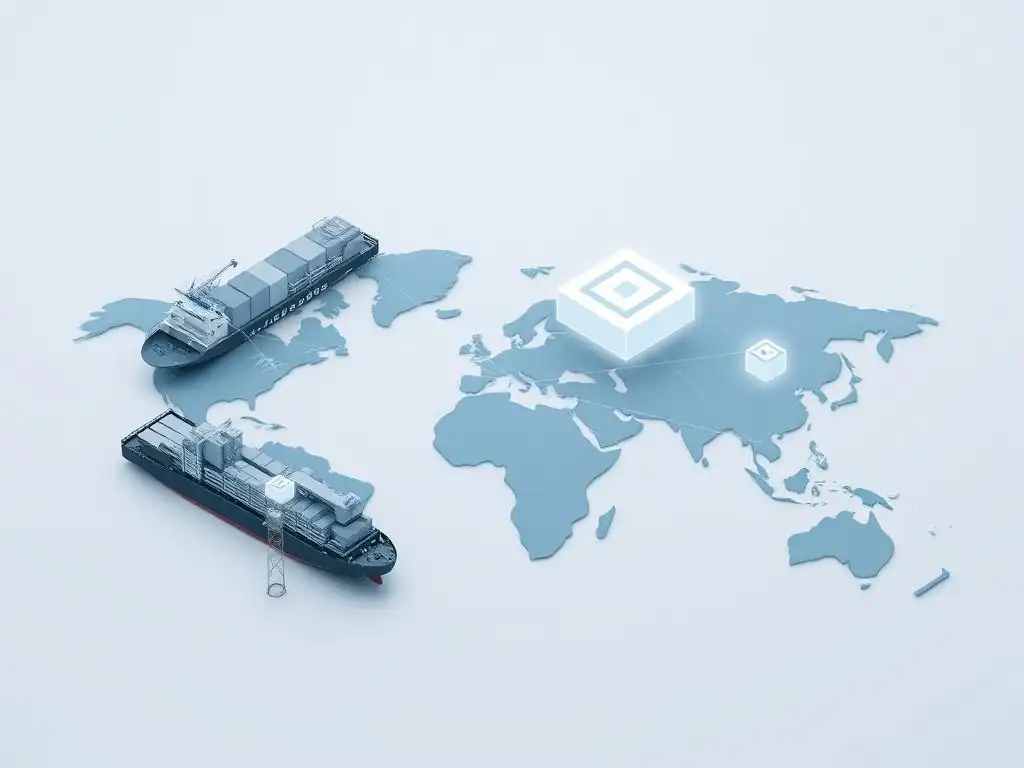
Case Study 1: De Beers Improving Traceability of Diamonds
De Beers Group, a leading diamond company, launched the Tracr™ platform, a blockchain-based system designed to track diamonds from mine to retail. The diamond industry has historically faced challenges with provenance verification and ensuring ethical sourcing. Tracr assigns a unique ID to each rough diamond, recording its attributes at the mine and subsequently tracking it through cutting, polishing, certification, and retail. Each transaction and transfer of custody is recorded on the blockchain.
This platform significantly enhances transparency and traceability, two critical blockchain supply chain resilience strategies. It provides an immutable record of a diamond's journey, allowing participants and even consumers to verify its authenticity and origin. This helps combat the trade of illicit diamonds and provides assurance regarding ethical sourcing practices. By creating a trusted digital trail, Tracr builds confidence among miners, manufacturers, retailers, and consumers, strengthening the integrity and resilience of the diamond supply chain against fraud and ethical concerns.
Case Study 2: IBM Food Trust Enhancing Security in the Food Industry
The food industry is particularly vulnerable to disruptions related to contamination, spoilage, and recall events, which can pose serious health risks and cause immense financial damage. IBM Food Trust, a blockchain-based network, connects growers, processors, wholesalers, retailers, and other food supply chain participants. It enables them to share food origin, safety, and transaction data securely and transparently on a permissioned blockchain.
A key benefit demonstrated by IBM Food Trust is drastically reducing the time it takes to trace a food item from shelf back to its source. Walmart, a key partner, reported that tracing a package of mangoes from store to farm using traditional methods could take up to seven days.
With IBM Food Trust, this process was reduced to approximately 2.2 seconds. This rapid traceability is a vital blockchain supply chain resilience strategy, allowing companies to quickly identify the source of contaminated products during a recall, limit the scope of the recall, protect public health, and minimize financial losses and brand damage.
Case Study 3: Maersk and IBM (TradeLens) Optimizing Efficiency in Global Shipping
Global shipping is a complex web involving numerous parties, mountains of paperwork, and frequent delays. Maersk, the world's largest container shipping company, partnered with IBM to create TradeLens, a blockchain-enabled platform aimed at digitizing and streamlining global trade processes. TradeLens connects shippers, ports and terminals, customs authorities, ocean carriers, and logistics providers onto a single platform to share real-time shipping data.
The platform captures data points like vessel movements, container tracking, customs releases, and documentation exchanges on a shared ledger. This eliminates data silos, reduces manual processes, and provides all authorized parties with a single, trusted view of the shipment's status. By improving data accuracy, reducing delays associated with paperwork and communication gaps, and providing better visibility, TradeLens enhances the efficiency and resilience of global shipping operations. While facing adoption challenges, the platform's potential to reduce transit times and costs by streamlining operations through blockchain illustrates a powerful blockchain supply chain resilience strategy for the logistics sector.
Overcoming Challenges to Blockchain Adoption in Supply Chains
Scalability and Interoperability Issues
One significant challenge for widespread blockchain adoption in supply chains is scalability. Public blockchains, while decentralized, can face limitations in processing a high volume of transactions quickly, which is essential for complex, high-throughput supply chains. While permissioned blockchains offer better performance, ensuring they can handle the sheer scale of data and transactions generated by global supply networks remains a focus area for technological development.
Interoperability is another major hurdle. Supply chains involve numerous disparate systems (ERP, WMS, TMS, etc.) used by different companies. Integrating these legacy systems with blockchain platforms can be complex and costly. Furthermore, ensuring different blockchain networks can communicate and share data (cross-chain interoperability) is necessary for creating truly connected and resilient multi-enterprise supply chain ecosystems. Standards and protocols for seamless data exchange between various platforms are still evolving.
Regulatory and Compliance Hurdles
The regulatory landscape surrounding blockchain technology is still developing and varies significantly across different jurisdictions. Issues related to data privacy (e.g., GDPR compliance and the immutable nature of blockchain data), the legal status of smart contracts, and potential anti-trust concerns in consortium networks need to be addressed. Navigating this complex and evolving legal environment requires careful planning and legal expertise.
Ensuring compliance with existing supply chain regulations, such as food safety standards, pharmaceutical traceability laws, or customs procedures, while leveraging blockchain technology, adds another layer of complexity. Businesses need to ensure their blockchain implementations meet all necessary legal and regulatory requirements, which can be a significant barrier to adoption, particularly for companies operating across multiple countries with differing rules.
Data Privacy and Security Concerns
While blockchain offers enhanced security compared to traditional systems, concerns about data privacy persist, especially regarding sensitive commercial information. In public blockchains, transaction data is often transparent, which is unsuitable for proprietary supply chain information. While permissioned blockchains offer better privacy through access controls, ensuring that only authorized parties can view specific data requires careful design and governance. The immutability of blockchain, while a strength, also means that erroneous or sensitive data, once recorded, is difficult to remove.
Furthermore, while the blockchain ledger itself is highly secure, the "oracles" – the data feeds that bring real-world information onto the blockchain (like IoT sensor data or shipping updates) – can be potential points of vulnerability if not secured properly. Protecting these data inputs from tampering is crucial to maintain the integrity of the information recorded on the chain and thus the reliability of any blockchain supply chain resilience strategies built upon it.
Cost of Implementation and Maintenance
Implementing a blockchain solution for a supply chain is a significant investment. It involves not only the cost of the technology itself (platform development or licensing, infrastructure) but also significant expenses related to integrating with existing systems, training personnel, and potentially redesigning business processes. For smaller businesses, the initial capital outlay can be prohibitive.
Ongoing maintenance and governance costs also need to be considered. Running and maintaining a distributed network, managing participants, and updating the platform require dedicated resources. While the long-term benefits in terms of efficiency and resilience can outweigh these costs, the initial investment and operational expenses can be a major barrier to widespread adoption, particularly for companies with limited IT budgets or those uncertain about the return on investment.
Future Trends: Blockchain and the Evolution of Supply Chain Resilience
Integration with IoT and AI for Smarter Supply Chains
The combination of blockchain with other emerging technologies like the Internet of Things (IoT) and Artificial Intelligence (AI) holds immense potential for creating smarter and more resilient supply chains. IoT devices (sensors, GPS trackers, etc.) can collect real-time data about product location, condition (temperature, humidity), and environmental factors. Recording this data directly onto the blockchain provides an automated, tamper-proof record of physical events. This integration enhances traceability and provides verifiable, real-time insights into the physical flow of goods.
AI can then analyze the vast amounts of data collected from IoT devices and recorded on the blockchain to identify patterns, predict potential disruptions (e.g., forecasting delays based on weather data and shipment location), optimize routes, and automate decision-making via smart contracts. For instance, AI could analyze blockchain-recorded quality data to automatically trigger a smart contract that reroutes a shipment if conditions deviate from acceptable parameters. This synergy creates a highly intelligent, automated, and resilient supply chain capable of sensing, analyzing, and responding to changes autonomously.
The Rise of Decentralized Supply Chain Finance (DeFi)
Decentralized Finance (DeFi), built on blockchain technology, is beginning to impact supply chain finance. Traditional supply chain finance involves complex relationships between buyers, suppliers, and financial institutions, often leading to delays in payments and limited access to working capital for suppliers, especially small and medium-sized enterprises (SMEs). DeFi platforms can tokenize invoices or purchase orders, allowing suppliers to access financing more quickly and flexibly by selling these digital assets on a decentralized marketplace.
By leveraging blockchain for transparency and smart contracts for automated execution, DeFi can streamline processes like invoice financing, dynamic discounting, and cross-border payments within the supply chain. This provides suppliers with faster access to liquidity, reducing financial stress and improving their ability to maintain operations and fulfill orders, which is a crucial aspect of overall supply chain resilience, particularly during economic downturns or liquidity crises.
Blockchain-Enabled Circular Economy Initiatives
Blockchain can play a pivotal role in enabling the transition towards a circular economy, where products and materials are reused, repaired, and recycled as much as possible. By providing a transparent and immutable record of a product's lifecycle, from raw material sourcing and manufacturing through usage, maintenance, and end-of-life disposal or recycling, blockchain can track the flow of materials and verify sustainability claims.
For example, a blockchain could track the origin and composition of materials, record repairs and upgrades, and verify that products are properly recycled or disposed of. This traceability and transparency build trust in circular processes and incentivize sustainable practices. By facilitating the tracking and verification of materials in a closed-loop system, blockchain helps create more sustainable and resilient supply chains less reliant on virgin resources and better equipped to manage waste and material flows.
Conclusion: Building Robust and Future-Proof Supply Chains with Blockchain
The Transformative Potential of Blockchain for Supply Chain Resilience
The global disruptions of recent years have underscored the urgent need for supply chains that are not merely efficient but fundamentally resilient. Blockchain technology offers a powerful suite of capabilities – transparency, security, immutability, and automation – that can address key vulnerabilities in traditional supply chain models. By enhancing traceability from origin to consumer, securing data exchange among partners, optimizing operational efficiency through automation, and strengthening transparency for trust and accountability, blockchain provides the foundation for building robust systems capable of withstanding unforeseen shocks.
Implementing blockchain supply chain resilience strategies allows businesses to gain real-time visibility, quickly identify and respond to disruptions, mitigate risks like counterfeiting and cyberattacks, and foster stronger, more collaborative relationships with their partners. While challenges related to scalability, interoperability, regulation, and cost exist, ongoing technological advancements and the development of industry standards are paving the way for broader adoption. The real-world successes seen in industries like diamonds, food, and shipping demonstrate the tangible benefits blockchain can deliver in enhancing resilience.
Key Takeaways and Recommendations for Businesses
For businesses seeking to enhance their supply chain resilience, exploring blockchain technology is no longer optional but a strategic imperative. The key takeaways include recognizing that blockchain provides a shared, trusted, and immutable ledger that transforms how data is managed and shared across complex networks. Its core features directly address critical pain points like lack of visibility, data silos, and vulnerability to fraud and cyber threats. Successful blockchain supply chain resilience strategies focus on leveraging these features to improve traceability, security, efficiency, and transparency.
Recommendations for businesses considering blockchain adoption include starting with pilot programs focused on specific, high-impact use cases, such as product traceability for high-value or high-risk goods. It is crucial to collaborate with supply chain partners early in the process, as blockchain's value is maximized in a network setting.
Businesses should carefully evaluate different blockchain types (permissioned vs. public) based on their specific needs for privacy, security, and governance. Finally, investing in the necessary technical expertise and change management to integrate blockchain with existing systems and train personnel is vital for successful implementation and realizing the full potential of blockchain for building future-proof supply chains.
Frequently Asked Questions
What exactly is blockchain supply chain resilience?
It refers to using blockchain technology to enhance a supply chain's ability to withstand and recover from disruptions like natural disasters or geopolitical events. It aims to create robust and transparent systems.
How can blockchain improve supply chain visibility?
Blockchain provides an immutable ledger, allowing all participants to track goods in real-time and verify their authenticity. This enhanced transparency reduces fraud and increases trust.
What are some real-world examples of blockchain in supply chain resilience?
Examples include tracking pharmaceuticals, verifying the origin of food products, and managing conflict minerals, ensuring ethical sourcing and reducing counterfeit goods.
What regulatory challenges exist when implementing blockchain in global supply chains?
The lack of uniform global standards and varying data privacy laws across countries can hinder the seamless integration and scalability of blockchain solutions. Interoperability issues also pose a challenge.
How can businesses begin implementing blockchain for supply chain resilience?
Start with a pilot project to identify specific pain points. Focus on building partnerships with key stakeholders and choosing a suitable blockchain platform based on your needs and budget.
Okay, here's a final reflection designed to fit your article "Blockchain and Supply Chain Resilience in the Face of Global Disruptions: Building Robust Systems," optimized for the keyword "Blockchain supply chain resilience strategies," and adhering to the structure you provided:
Final Reflection: Forging a Future of Resilient Supply Chains
The exploration of blockchain supply chain resilience strategies reveals a critical truth: proactive adaptation is no longer optional, it's essential. The vulnerabilities exposed by recent global disruptions underscore the urgent need for robust, transparent, and secure supply chain networks. The insights gleaned from this analysis offer a roadmap for organizations seeking to not only survive but thrive in an increasingly unpredictable world.
The integration of blockchain technology into supply chains is more than just a technological upgrade; it's a fundamental shift in how we approach trust, transparency, and collaboration. Witnessing the potential of blockchain to mitigate risks and enhance efficiency has been truly transformative, highlighting its crucial role in shaping a more equitable and sustainable global economy. The key to supply chain resilience is not just about reacting to disruptions, but about building systems that are inherently adaptable and transparent.
This quote encapsulates the essence of what blockchain offers: a foundation for proactive resilience.
As we look to the future, let us not simply implement blockchain as a technological fix, but embrace it as a catalyst for a more collaborative and responsible global supply chain ecosystem. Consider how you can champion the adoption of these blockchain supply chain resilience strategies within your own sphere of influence. Let's work together to build a future where supply chains are not just efficient, but also resilient, transparent, and ultimately, more human.
Empower Your Supply Chain: Embrace Blockchain Innovation!
Thank you for exploring how blockchain can enhance supply chain resilience. We hope this article has provided valuable insights into how this technology can help your organization navigate global disruptions and build a stronger, more transparent system. Now, it's time to put that knowledge into action.
Here are a few ways to start leveraging blockchain for your supply chain today:
- Request a personalized consultation with our blockchain experts to explore tailored solutions for your supply chain challenges.
- Research and identify blockchain platforms that align with your industry and supply chain needs.
- Share this article with your colleagues and encourage discussions on how blockchain can strengthen your supply chain strategies.
Are you ready to take the first step toward a more resilient and transparent supply chain?
Leave a Reply