
Blockchain for Supply Chain Security: Protecting Against Fraud and Data Breaches

Welcome to Blockchain Trends, your compass in the rapidly evolving world of decentralized innovation!
Dive deep into the transformative potential of blockchain, moving beyond the hype to uncover its real-world applications. Are you ready to explore how this technology is revolutionizing industries? Our latest article uncovers the crucial blockchain supply chain security benefits, revealing how it's becoming a critical tool in protecting against fraud and data breaches. Discover how blockchain is forging a more transparent, secure, and efficient future – and why it matters to you. Let's unlock the possibilities together!
- Understanding Blockchain's Role in Securing Supply Chains
- Blockchain Supply Chain Security Benefits: A Detailed Look
- Implementing Blockchain for Supply Chain Security: Practical Applications
- Overcoming Challenges in Blockchain Supply Chain Adoption
- The Future of Blockchain in Supply Chain Management
- Conclusion: Embracing Blockchain for a Secure and Transparent Supply Chain Future
-
Frequently Asked Questions
- How does blockchain technology improve supply chain security?
- What are the key Blockchain supply chain security benefits in preventing fraud?
- Can blockchain help with data breaches in the supply chain?
- What role does regulation play in the adoption of blockchain for supply chain security?
- Beyond security, what other benefits does blockchain bring to supply chain management?
- Final Reflection: Embracing Transparency in a Connected World
- Embrace Supply Chain Transparency: Your Journey Starts Now!
Understanding Blockchain's Role in Securing Supply Chains
Blockchain's Key Features: Immutability, Transparency, and Decentralization
Blockchain technology fundamentally alters how data is recorded and shared within a network, offering inherent security advantages derived from its core features. Immutability is perhaps the most significant of these; once data is added to a blockchain ledger, it is cryptographically linked to the previous block, forming an unbreakable chain.
Any attempt to alter a historical record would require recomputing every subsequent block in the chain, a computational task that becomes exponentially more difficult and practically impossible on a distributed network with a large number of participants. This ensures that the history of transactions or events recorded on the blockchain is permanent and tamper-proof, forming a trusted source of truth for all parties involved.
Transparency is another critical feature. While specific details can be permissioned depending on the type of blockchain (public vs. private/permissioned), the ledger itself is typically shared across the network participants. This means that all authorized parties can view the same, consistent record of transactions in near real-time.
This shared visibility drastically reduces information asymmetry and the potential for hidden manipulations or errors. Coupled with decentralization, where the ledger is not stored in a single location but replicated across multiple nodes, there is no central point of failure that can be easily compromised or controlled by a single entity. This distributed nature significantly bolsters the security of the system against cyberattacks, outages, or collusion, laying a strong foundation for realizing the full range of Blockchain supply chain security benefits.
Exploring the Benefits of Blockchain Supply Chain Security
The application of blockchain technology to supply chains unlocks a multitude of security benefits that address long-standing vulnerabilities inherent in traditional, siloed systems. At its core, blockchain enhances trust and accountability among disparate parties who may not inherently trust each other. By providing a shared, immutable record of transactions and events – from raw material sourcing and manufacturing to shipping and delivery – blockchain creates a transparent trail that is difficult to falsify. This shared truth reduces disputes and the need for intermediaries to verify information.
The tangible advantages manifest in several ways. For instance, enhanced visibility allows participants to track goods and verify their status at each stage, making it harder for fraudulent activities like product diversion or theft to go unnoticed. The immutability of records means that critical data, such as compliance certifications, quality control checks, or chain of custody, cannot be retroactively altered. This drastically improves data integrity, a key component of Blockchain supply chain security benefits. Ultimately, these security enhancements contribute to greater efficiency, reduced costs associated with fraud and error resolution, and improved overall resilience of the supply chain network.
Blockchain Supply Chain Security Benefits: A Detailed Look
Enhanced Traceability and Provenance Tracking with Blockchain
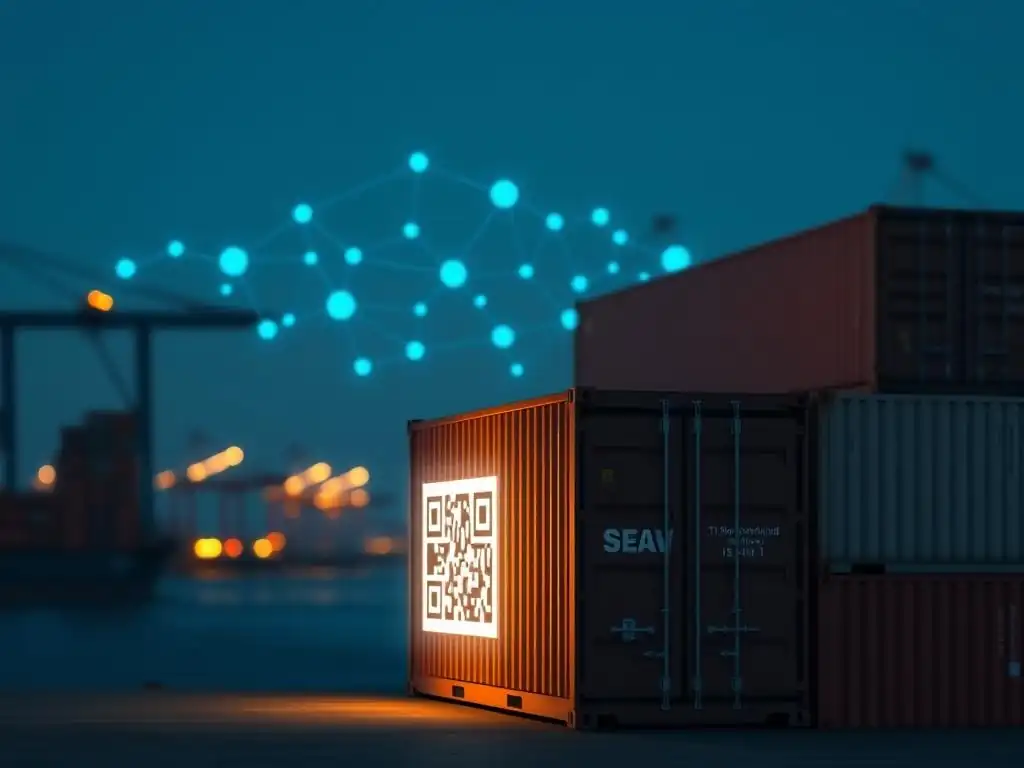
One of the most prominent Blockchain supply chain security benefits is the dramatic improvement in traceability and provenance tracking. Traditional supply chains often suffer from opaque segments, making it difficult to pinpoint the origin and journey of a product quickly and accurately. By leveraging blockchain, unique identifiers (like serial numbers, QR codes, or RFID tags) can be associated with products or batches and linked to transactions recorded on the distributed ledger at each handoff or significant event (e.g., manufacturing completion, shipment dispatch, customs clearance).
This creates an end-to-end, immutable trail accessible to authorized participants. For example, in the food industry, tracing the source of a contaminated item during a recall can take days or weeks using paper records and disparate databases. With a blockchain-based system, this process can be reduced to minutes, potentially saving lives and significantly limiting financial damage. This level of granular, verifiable tracking is a direct result of blockchain's inherent security features and represents a major step forward in ensuring product authenticity and safety, showcasing a core Blockchain supply chain security benefit.
Preventing Counterfeiting and Product Diversion using Blockchain
Counterfeiting and product diversion cost industries billions annually and pose significant risks, particularly in sectors like pharmaceuticals, luxury goods, and electronics. Blockchain offers a powerful mechanism to combat these threats by providing a secure way to verify product authenticity and track legitimate distribution channels. By assigning a unique digital identity or token on the blockchain to each genuine product at the point of manufacture, companies can create an immutable record of its existence and ownership history.
Consumers or downstream partners can then scan a QR code or similar marker on the product, which links to the blockchain record, allowing them to verify that the item is authentic and is moving through the correct supply chain. Any product lacking a corresponding, verifiable blockchain record, or one whose record shows it diverting from the expected path, can be flagged as potentially counterfeit or illicitly diverted. This proactive and transparent verification process is a significant Blockchain supply chain security benefit, protecting brand reputation and consumer safety simultaneously.
Improved Data Integrity and Reduced Data Manipulation Risks
Data integrity is paramount in supply chain management, impacting everything from inventory accuracy and financial settlements to regulatory compliance and quality control. In traditional systems, data is often stored in centralized databases managed by individual parties, making it vulnerable to accidental errors, intentional manipulation, or cyberattacks. Blockchain's architecture fundamentally enhances data integrity. When data related to a transaction or event (e.g., shipment details, quality inspection results, temperature readings) is recorded on the blockchain, it is included in a block that is then hashed and linked to the previous block.
This cryptographic linking ensures that any attempt to alter the data in a past block would invalidate the hash of that block and all subsequent blocks, immediately alerting the network to the attempted tampering. Because the ledger is distributed across multiple nodes, a malicious actor would need to compromise a majority of the network's computing power or nodes simultaneously to successfully alter the chain undetected, which is economically and practically infeasible for most blockchain networks.
This robust protection against data manipulation is a critical component of the overall Blockchain supply chain security benefits, providing a single, trustworthy source of information for all participants.
Streamlined Processes and Increased Efficiency in Supply Chain Operations
While primarily a security tool, the enhanced trust and data integrity provided by blockchain technology inherently lead to streamlined processes and increased operational efficiency within the supply chain. When all parties can rely on the accuracy and immutability of shared data on the blockchain, manual verification steps, paperwork, and the need for intermediaries are significantly reduced. For instance, customs clearance can be expedited when authorities have access to verifiable, tamper-proof records of shipment contents and origin.
Dispute resolution also becomes faster and less frequent because the shared ledger provides undeniable proof of transactions and events. Smart contracts – self-executing contracts with the terms of the agreement directly written into code on the blockchain – can automate processes like payments upon verified delivery or trigger subsequent steps in the chain based on recorded milestones. This automation, built upon the secure and transparent foundation of the blockchain, reduces delays, lowers administrative costs, and minimizes errors, demonstrating how the security benefits of blockchain for supply chain directly contribute to operational improvements and overall business value.
Implementing Blockchain for Supply Chain Security: Practical Applications
Case Study: IBM Food Trust: Tracking Mangoes from Farm to Shelf
IBM Food Trust is a notable example of blockchain being successfully implemented to enhance supply chain security and traceability in the food industry. This permissioned blockchain network connects growers, processors, wholesalers, distributors, manufacturers, retailers, and others through a shared, immutable record of food items' journeys. Participants can upload data such as origin farms, processing dates, shipping information, and temperature data.
A compelling demonstration of the platform's effectiveness occurred during a simulated E. coli outbreak. Using traditional methods, tracing the origin of contaminated lettuce could take days, sometimes weeks, involving sifting through countless paper records and disparate electronic systems across multiple companies.
With IBM Food Trust, retailers like Walmart were able to trace affected produce back to its source farm in as little as 2.2 seconds. This drastic reduction in trace time is a direct result of the secure, shared, and immutable ledger, highlighting a significant Blockchain supply chain security benefit: rapid, accurate recalls that protect consumers and minimize economic impact.
De Beers' Tracr: Diamond Provenance Tracking with Blockchain
The diamond industry, long plagued by issues of provenance verification and the trade of conflict diamonds, has adopted blockchain technology to enhance security and transparency. De Beers, the world's leading diamond company, developed Tracr, a blockchain platform designed to track diamonds from mine to retailer. Each rough diamond is registered on the platform, assigned a unique ID linked to its physical characteristics.
As the diamond moves through sorting, cutting, polishing, and setting, each transaction and transformation is recorded on the Tracr blockchain. This creates an immutable digital trail verifying the stone's authenticity, origin, and chain of custody at every step. This level of secure, verifiable tracking helps assure consumers and regulatory bodies that the diamonds are ethically sourced and legitimate, preventing the introduction of illicit stones into the supply chain. Tracr exemplifies how blockchain enhances security and trust in the handling of high-value goods, showcasing specific Blockchain supply chain security benefits for luxury and gemstone markets.
Maersk and IBM's TradeLens: Streamlining Global Trade with Blockchain
Global shipping and logistics involve a complex web of carriers, ports, customs authorities, and businesses, relying heavily on paper documentation and manual processes prone to delays, errors, and fraud. TradeLens, a platform jointly developed by Maersk and IBM, utilizes blockchain technology to create a more secure and efficient global trade ecosystem. It provides a shared, immutable ledger for shipping data, including bills of lading, customs documents, and sensor data.
By digitizing and sharing this critical information securely among authorized network participants, TradeLens reduces the potential for document fraud, speeds up customs procedures, and provides greater visibility into cargo movements. Participants can collaborate on a single version of the truth regarding a shipment, reducing disagreements and manual reconciliation efforts. While focused on efficiency, the underlying security and trustworthiness of the shared data provided by the blockchain are fundamental to enabling these improvements, demonstrating how Blockchain supply chain security benefits contribute to the overall streamlining of complex international logistics.
Overcoming Challenges in Blockchain Supply Chain Adoption
Scalability Issues and Potential Solutions for Blockchain Networks
One significant hurdle in widespread blockchain supply chain adoption is scalability. Public blockchains like Bitcoin or Ethereum (prior to Eth2 upgrades) were designed with different priorities and can process a limited number of transactions per second compared to the millions of transactions occurring daily in global supply chains. Handling the sheer volume of data generated by tracking goods at a granular level requires a network capable of high throughput and low transaction costs.
Solutions to this challenge are being actively developed and implemented. Private or permissioned blockchains, such as Hyperledger Fabric or VeChain, are often favored for enterprise supply chain applications. These networks typically use consensus mechanisms that allow for faster transaction processing and higher scalability within a controlled group of participants.
Other approaches include Layer 2 scaling solutions built on top of public blockchains, or sharding, which divides the network into smaller segments to process transactions in parallel. Selecting the right blockchain architecture is crucial to ensure the system can handle the required transaction volume and deliver the intended Blockchain supply chain security benefits effectively.
Interoperability Challenges: Connecting Different Blockchain Systems
As various companies and consortia develop their own blockchain solutions for specific parts of the supply chain or particular industries, the challenge of interoperability arises. Different blockchain platforms may use distinct protocols, data standards, and consensus mechanisms, making it difficult for them to communicate and share information seamlessly. A shipment tracked on one blockchain might need to interact with customs data on another or payment systems built on a third.
Addressing interoperability is vital for creating truly connected and efficient supply chains. Efforts are underway to develop standards and protocols that allow different blockchain networks to exchange data securely. Middleware solutions and APIs can also act as bridges between various blockchain platforms and legacy systems, enabling data flow and integration. Achieving interoperability ensures that the security and transparency benefits gained from one part of the supply chain can extend across the entire value chain, maximizing the potential of Blockchain supply chain security benefits.
Data Privacy Concerns and Compliance with Regulations (e.g., GDPR, CCPA)
While transparency is a core feature of blockchain and a key driver of Blockchain supply chain security benefits, it also raises significant data privacy concerns, particularly in light of regulations like the General Data Protection Regulation (GDPR) in Europe and the California Consumer Privacy Act (CCPA). Supply chain data often includes sensitive commercial information, pricing details, or even personal data related to employees or customers. Putting all this information onto a permanently transparent ledger can violate privacy requirements.
Permissioned blockchains offer a partial solution by restricting network access and controlling who can view specific data. However, even on permissioned chains, the immutability principle poses a challenge if personal data that needs to be erased (as per "right to be forgotten" rules) is recorded directly on the ledger. Strategies to address this include storing sensitive data off-chain in secure databases and placing only a cryptographic hash or a limited, anonymized reference on the blockchain.
Zero-knowledge proofs are another advanced technique that allows parties to prove the validity of a transaction or data point without revealing the underlying sensitive information itself. Careful design and legal consultation are necessary to ensure blockchain deployments comply with relevant data privacy regulations while still delivering robust security.
The Future of Blockchain in Supply Chain Management
Emerging Trends: Integrating IoT and AI with Blockchain for Enhanced Security
The future of Blockchain supply chain security lies in its integration with other transformative technologies, particularly the Internet of Things (IoT) and Artificial Intelligence (AI). IoT devices, such as sensors tracking temperature, humidity, location, or shock during transit, can provide real-time, verifiable data about the physical condition and environment of goods. By automatically feeding this data onto the blockchain, an immutable record is created that links the physical state of the product directly to its digital ledger entry. This drastically reduces the potential for fraudulent claims about handling conditions and enhances the trustworthiness of the entire supply chain record.
AI can leverage the vast, secure dataset generated by the combined IoT and blockchain system. AI algorithms can analyze this data in real-time to detect anomalies that might indicate tampering, diversion, or potential quality issues before they escalate. For instance, AI could identify unusual delays at a specific point, unexpected temperature fluctuations, or patterns in transaction data that deviate from the norm, flagging them for investigation. This proactive monitoring, powered by AI analysis of secure blockchain data, represents a significant evolution in how Blockchain supply chain security benefits are realized, moving from reactive tracing to predictive threat identification.
The Role of Blockchain in Building More Resilient and Sustainable Supply Chains
Beyond security against fraud and breaches, blockchain technology is poised to play a critical role in building supply chains that are more resilient and sustainable. The enhanced visibility and data integrity provided by blockchain allow companies to map their supply chains more accurately, identifying potential single points of failure or areas of risk. During disruptions, such as natural disasters or geopolitical events, a blockchain-enabled system can provide rapid, reliable information about the location and status of goods and assets, enabling faster response and rerouting.
Furthermore, blockchain's transparency features are invaluable for verifying sustainability and ethical sourcing claims. Companies can use the immutable ledger to track raw materials back to their origin, verify certifications (like organic or fair trade), and monitor compliance with environmental regulations. Tracking carbon emissions associated with transportation or production on the blockchain can provide verifiable data for sustainability reporting.
By providing a trusted, shared record of these factors, blockchain helps build accountability and trust in sustainability initiatives, contributing to the long-term resilience and positive impact of supply chains. These are increasingly recognized as crucial Blockchain supply chain security benefits in a world facing climate change and complex social responsibility demands.
Predictions: How Blockchain Will Transform Supply Chain Security in the Next 5 Years
Over the next five years, the adoption of blockchain for supply chain security is expected to accelerate significantly, moving beyond pilot projects to wider industry-wide implementations, particularly in sectors with high stakes for authenticity, safety, and compliance. We will likely see increased collaboration among industry players to establish common blockchain standards and networks, improving interoperability and ease of participation. The integration of blockchain with IoT for real-time monitoring will become more commonplace, especially for high-value or perishable goods.
Furthermore, regulatory frameworks around blockchain usage in supply chains, including data privacy and digital identity, are likely to mature, providing clearer guidelines for businesses. While scalability and integration challenges will persist, ongoing technological advancements and increasing expertise will mitigate them. It is predicted that within this timeframe, a substantial percentage of global trade involving large enterprises will leverage blockchain for at least some aspect of security and traceability, solidifying the position of Blockchain supply chain security benefits as essential for modern commerce.
Conclusion: Embracing Blockchain for a Secure and Transparent Supply Chain Future
The Long-Term Advantages of Investing in Blockchain Supply Chain Solutions
Investing in blockchain technology for supply chain security offers profound long-term advantages that extend far beyond immediate cost savings from fraud reduction. By establishing a foundation of trust and transparency through immutable and shared records, companies can build more robust relationships with their suppliers, partners, and customers. The enhanced data integrity reduces operational friction, speeds up transactions, and minimizes disputes, leading to greater overall efficiency and lower operational costs over time.
Moreover, the ability to provide verifiable proof of provenance, authenticity, and ethical sourcing through a secure blockchain contributes significantly to brand reputation and consumer loyalty in an increasingly conscious marketplace. The resilience gained from improved visibility and traceability helps businesses navigate disruptions more effectively, protecting revenue and market share. These compounding benefits underscore why the initial investment in blockchain supply chain security is not just an IT upgrade, but a strategic move towards a more secure, efficient, and trustworthy business model.
Blockchain: A Key Enabler for Building Trust and Transparency in Global Commerce
Ultimately, the application of blockchain technology to supply chains serves as a powerful enabler for building trust and transparency across complex global networks. In an era where supply chains are increasingly fragmented and exposed to various risks, a shared, immutable, and verifiable ledger provides the single source of truth necessary for effective collaboration and risk management. The security benefits of blockchain for supply chain operations address critical vulnerabilities related to fraud, counterfeiting, and data manipulation, creating a more reliable environment for trade.
As adoption grows and technology matures, blockchain will continue to transform how goods move around the world, making supply chains not only more secure but also more accountable and visible to all stakeholders. This shift towards a trust-by-design paradigm, facilitated by blockchain's unique properties, is fundamental to fostering greater confidence in global commerce and unlocking new levels of efficiency and sustainability. The comprehensive Blockchain supply chain security benefits make it an indispensable technology for the future of supply chain management.
Frequently Asked Questions
How does blockchain technology improve supply chain security?
Blockchain provides a transparent and immutable ledger, making it difficult to tamper with supply chain data. This enhanced traceability helps prevent fraud and counterfeiting by ensuring product authenticity. It also improves data integrity by recording every transaction securely.
What are the key Blockchain supply chain security benefits in preventing fraud?
The immutable record created by blockchain makes it extremely challenging for fraudulent actors to insert counterfeit products. Transparency and visibility across the chain allow for easy verification of product origin and authenticity. This reduces the risk of fake goods entering the market.
Can blockchain help with data breaches in the supply chain?
Yes, blockchain's decentralized nature means data is distributed across multiple nodes, making it more difficult for hackers to compromise the entire system. Encryption and access controls further protect sensitive data. This reduces the attack surface and minimizes the impact of potential breaches.
What role does regulation play in the adoption of blockchain for supply chain security?
Regulation is crucial for establishing standards and guidelines for blockchain use in supply chains. Clear regulations can foster trust and interoperability among different stakeholders. Uncertainty in regulation can hinder adoption due to legal ambiguities.
Beyond security, what other benefits does blockchain bring to supply chain management?
Besides Blockchain supply chain security benefits, blockchain offers improved efficiency and cost savings through automation and reduced paperwork. It also enhances traceability and transparency, enabling better decision-making. Furthermore, it facilitates faster and more accurate dispute resolution.
Final Reflection: Embracing Transparency in a Connected World
The journey through blockchain's potential to revolutionize supply chain security reveals a profound truth: trust is paramount in an increasingly interconnected global economy. As we've explored the myriad benefits – from enhanced traceability to immutable record-keeping – it's clear that blockchain offers more than just technological advancement; it offers a fundamental shift in how we approach transparency and accountability. The rise in sophisticated fraud and data breaches necessitates a proactive, rather than reactive, approach, and blockchain provides the tools to achieve just that.
The impact of blockchain on supply chains extends far beyond mere efficiency gains. It’s about fostering a more ethical and responsible ecosystem, where consumers can confidently trace the origins of products and businesses are held accountable for their practices. This shift towards radical transparency is not just a trend, but a necessary evolution in a world demanding greater ethical considerations. The future of supply chains is not just about moving goods faster, but about moving them with integrity.
This quote encapsulates the essence of what blockchain offers: a pathway to building trust and resilience in the face of uncertainty.
Now, as you consider the potential of blockchain for supply chain security, I invite you to reflect on your own role in this evolving landscape. How can you champion transparency and accountability within your own sphere of influence? How can you leverage the power of technology to build a more trustworthy and sustainable future for all? The benefits of blockchain supply chain security are not just theoretical; they are within reach, waiting to be unlocked by those who dare to embrace a new paradigm of trust.
Embrace Supply Chain Transparency: Your Journey Starts Now!
Thanks for exploring the potential of blockchain to revolutionize supply chain security! You've gained valuable insights into how this technology can combat fraud and data breaches. Now, it's time to put that knowledge into action.
Here's how you can contribute to a more secure and transparent future:
- Implement a pilot blockchain project within a limited scope of your supply chain. Start small, learn fast, and demonstrate the technology's value to your organization.
- Explore alternative blockchain solutions for different industry needs. You can seek out companies that tailor private blockchains for unique challenges.
- Share this article with your network and spark a conversation about the importance of verifiable data in supply chains.
What initial step will you take to unlock the power of blockchain for supply chain security and build a more trusted future?
Leave a Reply